The Story
Plant Bio
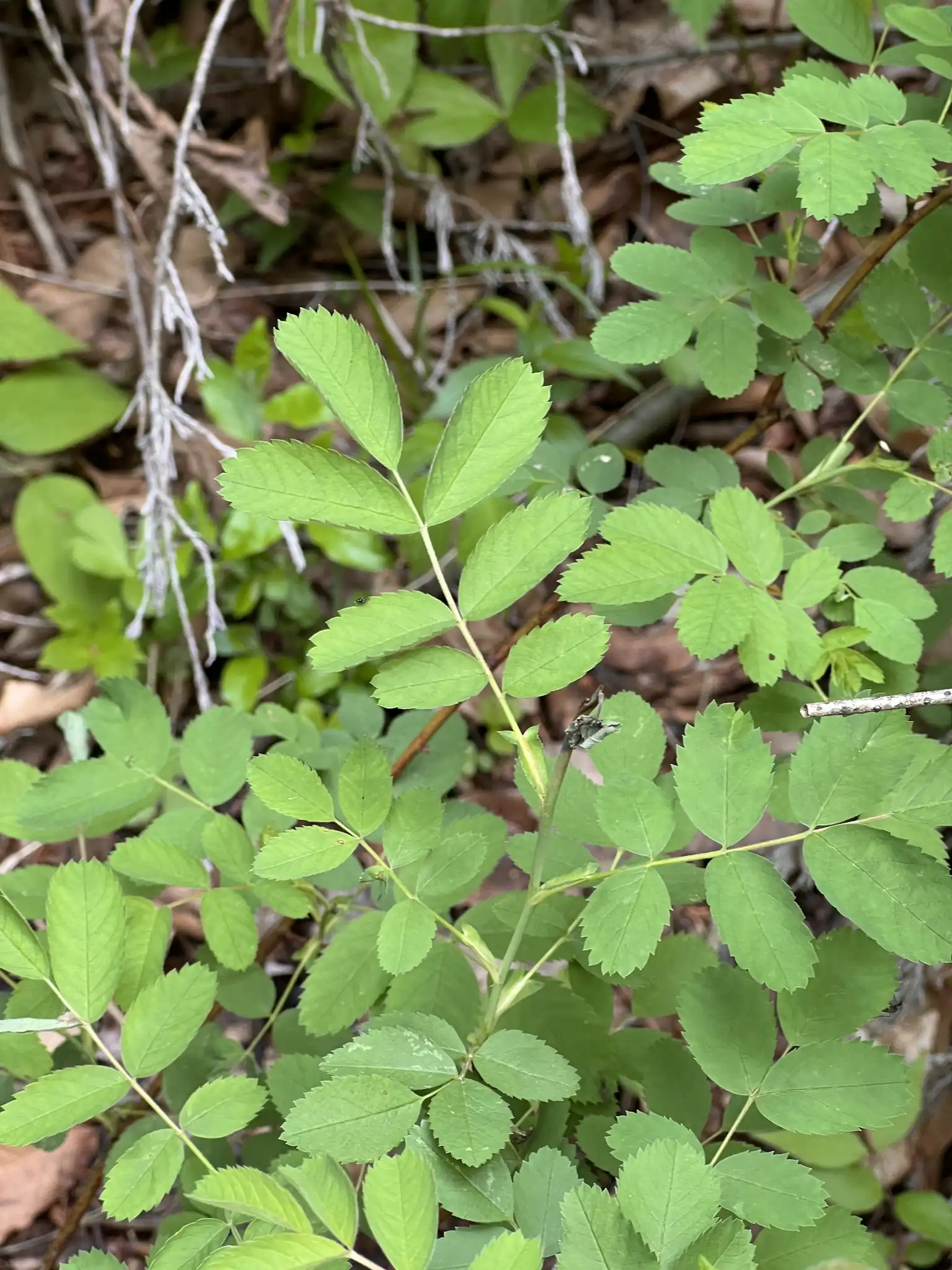
Rosa blanda, commonly known as smooth rose, is an erect, suckering deciduous shrub growing three to five feet tall and wide. Its compound leaves consist of five to seven serrate leaflets carried on stems that remain largely smooth and thornless, except for occasional prickles near the base of older wood.
From late spring into summer, single or clustered pink flowers bloom at branch tips, producing pollen for native bees. Bright red hips mature in late summer and persist into winter, offering cold-season food for songbirds and small mammals.
Uses & Benefits:
Essentials
At a Glance
Plant Type
Shrub
Height
59"
Width
59"
Light
Full Sun, Partial Sun
Zones
4, 5, 6, 7
Water
Moderate
Humidity
Moderate
Lifespan
Perennial
Native To
North America
Toxicity
Non-toxic
Bloom period
Late spring – Summer
In flower about 4 months of the year
Planting
How to Grow
- Plant in full sun to partial shade in loam, clay, or sandy soil with reasonable drainage.
- Water regularly during the first growing season to establish a deep root and suckering network.
- Top-dress with organic compost in early spring to sustain growth without forcing weak, leggy stems.
- Remove dead or damaged wood in early spring, and selectively thin older stems every few years to renew the thicket.
Pro Tip
Because flowers develop on old wood, prune only to remove dead wood in early spring, saving major stem renewal for immediately after summer flowering.
Keep It Thriving
Care Guide
Do
- Do site in full sun for maximum flower and fruit production.
- Do allow the shrub room to sucker if naturalizing thickets for wildlife or soil stability.
- Do clear fallen foliage in autumn to reduce fungal leaf spot carryover.
Don't
- Don't perform heavy structural pruning in early spring, as this removes the old wood where flowers form.
- Don't apply high-nitrogen fertilizers, which stimulate excessive foliage at the expense of blooms.
- Don't irrigate leaves with overhead sprinklers late in the day to minimize powdery mildew.
Seasonal Care Calendar
| Task | Jan | Feb | Mar | Apr | May | Jun | Jul | Aug | Sep | Oct | Nov | Dec |
|---|---|---|---|---|---|---|---|---|---|---|---|---|
| Fertilize | ||||||||||||
| Pest Check | ||||||||||||
| Prune | ||||||||||||
| Winter Prep |
Watch Out For
Pests & Diseases
Common Pests
Common Diseases
In the Garden
Landscape Uses & Companions
Landscape Uses
Companion Plants
Multiply
Propagation Methods
Good to Know
Common Questions
Smooth Rose questions
What zones can Smooth Rose grow in?
Smooth Rose is hardy in USDA Zones 4–7: in that range it survives winter in the ground. Warmer than Zone 7, winter isn't the problem: it prefers colder winters, and summer heat can shorten its life.
Is Smooth Rose deer resistant?
Not reliably. Deer may browse Smooth Rose, especially tender spring growth — plan on repellents or fencing where pressure is high.
When does Smooth Rose bloom?
Smooth Rose typically blooms from late spring to late summer. Exact timing shifts a week or two with your zone — Sow's bloom calendar maps it to your garden.
Does Smooth Rose need full sun?
Smooth Rose does best in full sun to part shade. In hot climates, afternoon shade keeps blooms fresher longer.
Is Smooth Rose drought tolerant?
Yes — once established (usually after the first full season), Smooth Rose handles dry spells with minimal watering. Water deeply its first year to build the root system that makes that possible.
More Rosa to compare
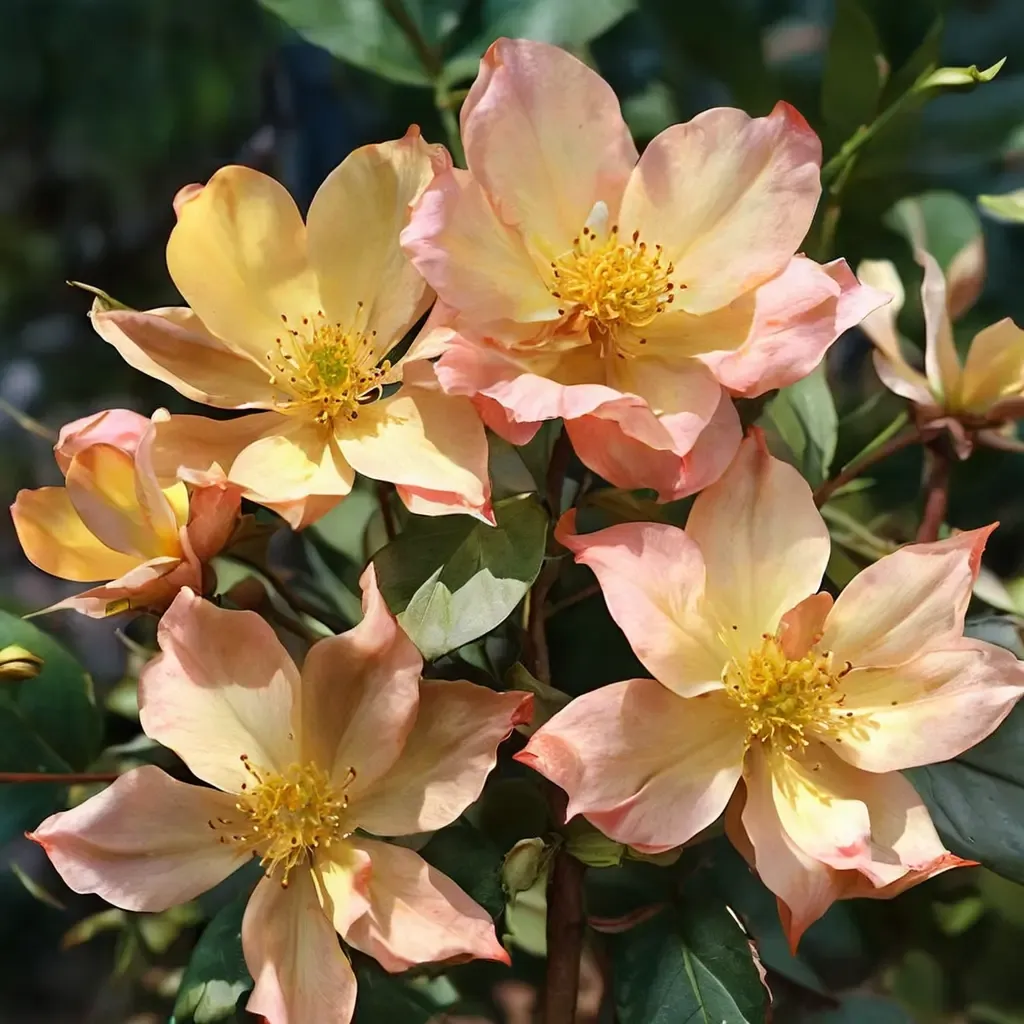
Flutterbye Rose
Rosa x hybrida 'Flutterbye'
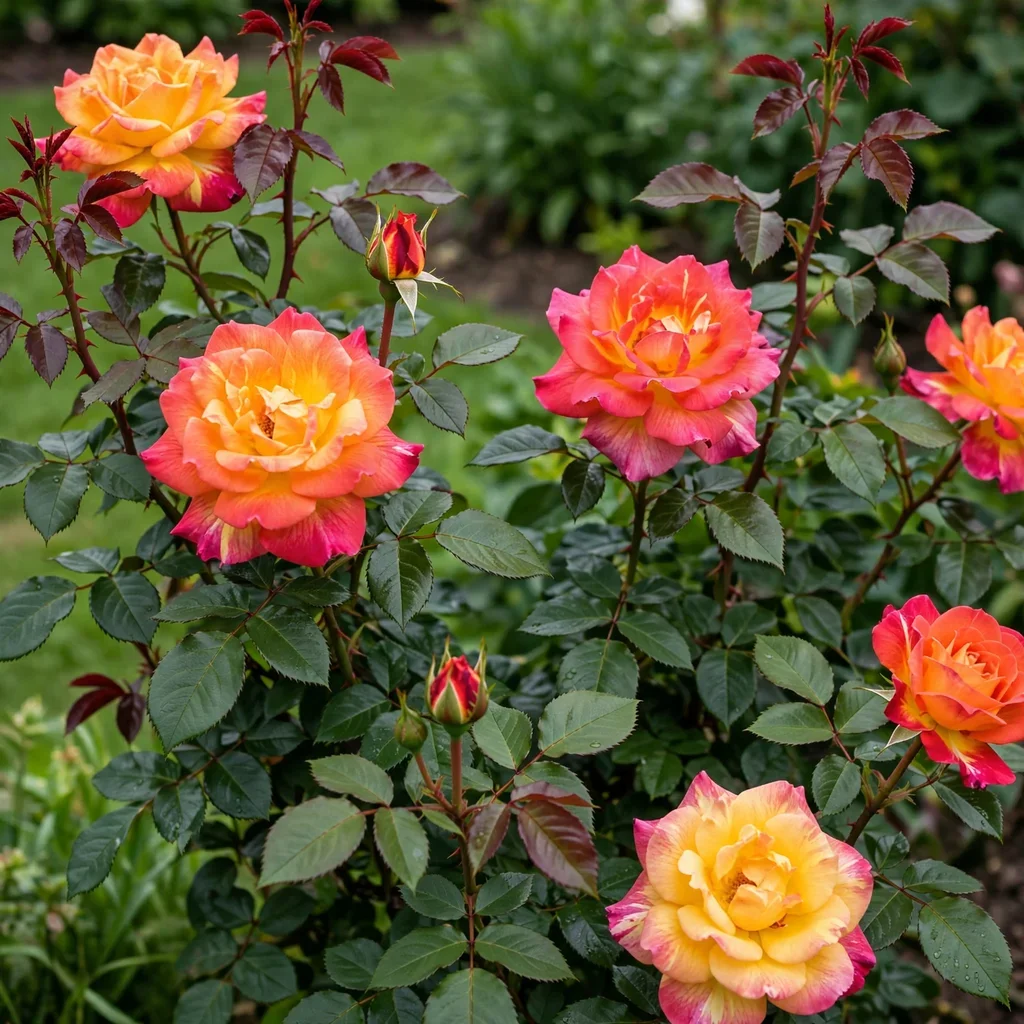
Joseph's Coat Rose
Rosa x hybrida 'Joseph's Coat'
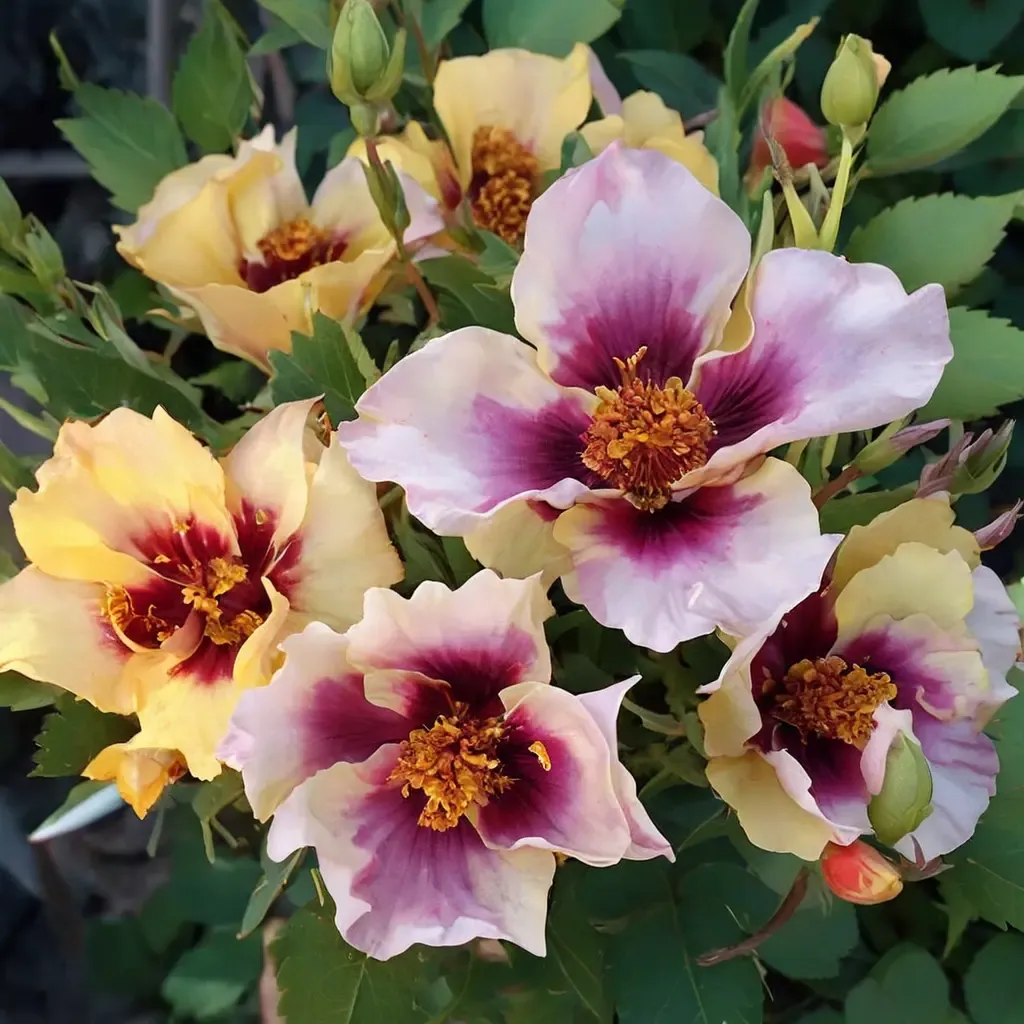
In Your Eyes Rose
Rosa x hybrida 'In Your Eyes'
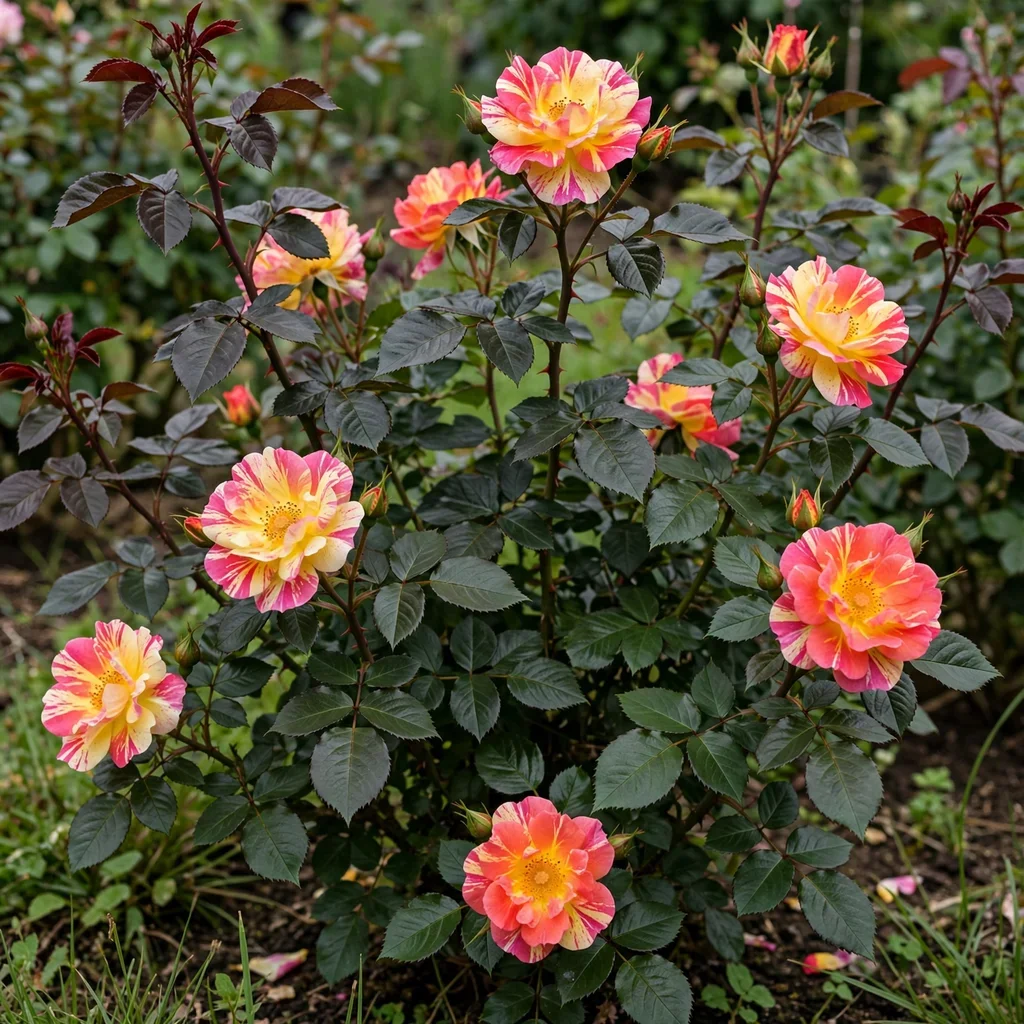
Rainbow Rose
Rosa x hybrida 'Rainbow'
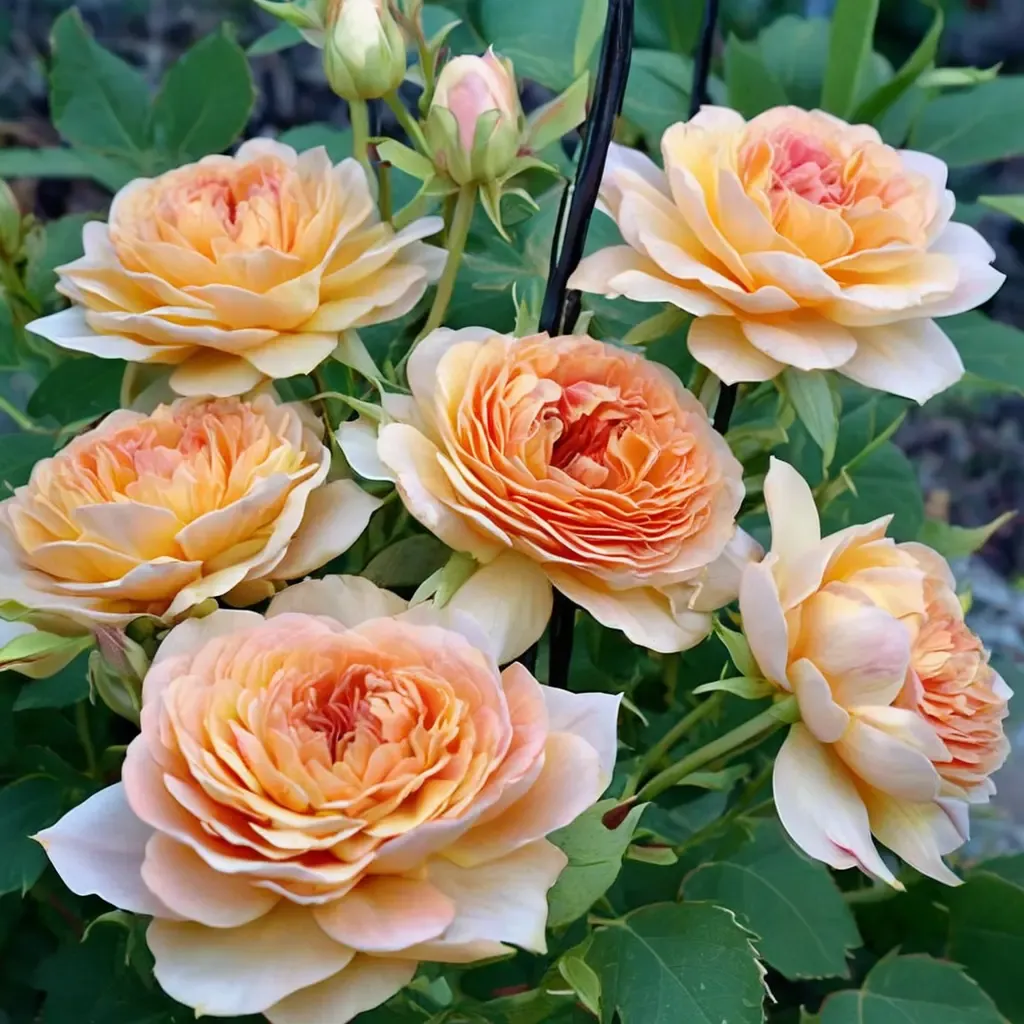
Fun in the Sun Rose
Rosa x hybrida 'Fun in the Sun'
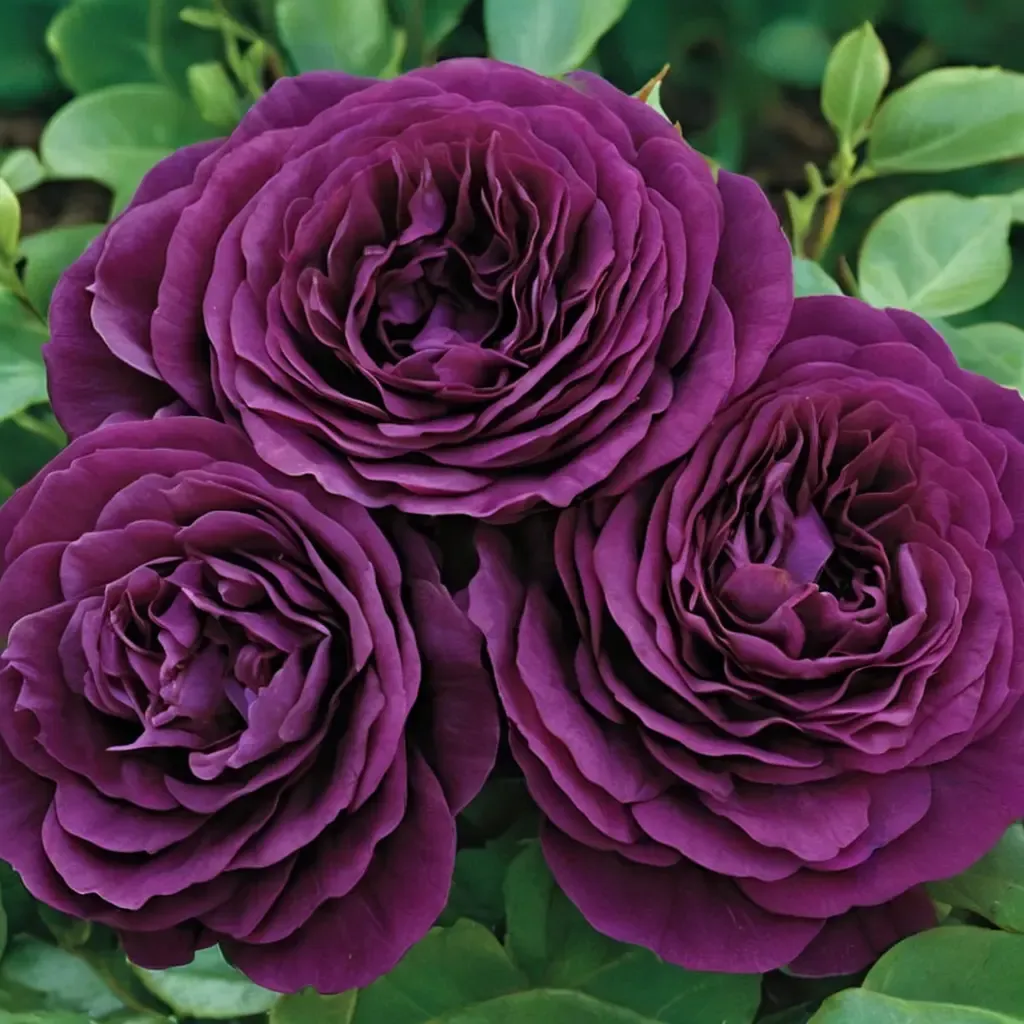
Twilight Zone Rose
Rosa x hybrida 'Twilight Zone'
Keep exploring
Explore the genus
Guides
Hardy in your zone?
Grow Smooth Rose with confidence
See it in a design of your actual yard, get zone-matched care reminders, and track it season by season in your garden journal.