The Story
Plant Bio
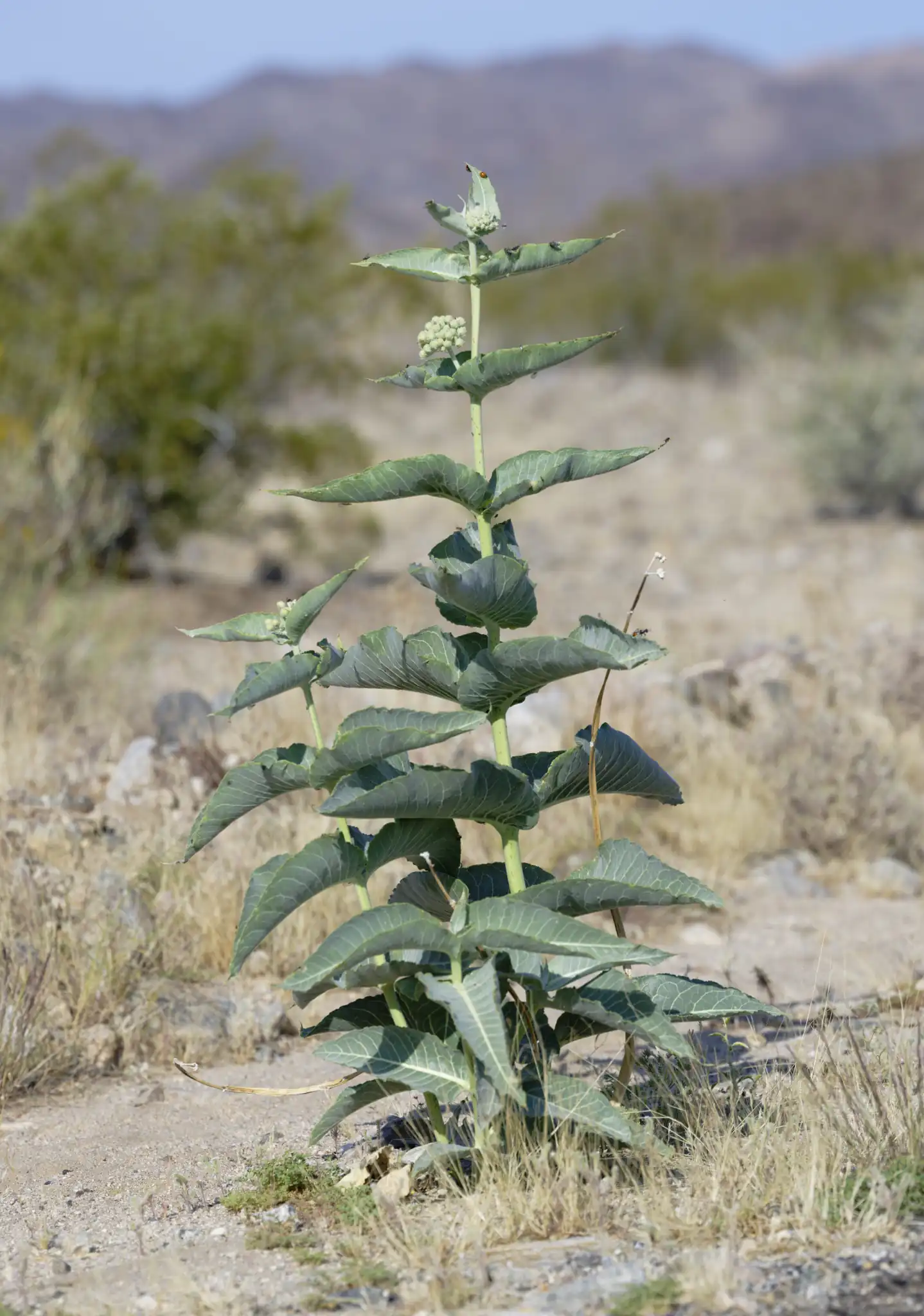
Asclepias erosa, the desert milkweed, is a herbaceous perennial with erect fuzzy yellow-green stems rising one to five feet from a deep desert root system. The opposite leaves are ovate to lanceolate and pale to dark green, and the spring to fall bloom is held in erect umbels of white to greenish-yellow flowers with reflexed corollas and horns protruding from the hoods.
It is distinguished by its variable coat of cream hairs and wavy leaf margins folded upward around the midvein, a character that differs plant to plant and makes identification difficult. The flowers are borne about twenty to an umbel on a thick peduncle, and seed germinates without cold stratification.
Uses & Benefits:
Essentials
At a Glance
Plant Type
Perennial
Height
48"
Width
24"
Light
Full Sun
Zones
8, 9, 10
Water
Low
Humidity
Unknown
Lifespan
Perennial
Native To
Southwestern U.S. and Northwest Mexico
Toxicity
Toxic if ingested
Bloom period
Spring – Fall
In flower about 9 months of the year
Planting
How to Grow
- Plant in spring after frost in full sun in dry, low-organic sand, gravel, or decomposed granite.
- Set the crown at soil level and water in once to settle, then withhold routine irrigation.
- Leave stems and seed pods standing through fall for monarch caterpillars and pollinators.
- Cut back dry stems in late fall or early spring and do not amend, fertilize, or mulch heavily.
Pro Tip
Give it lean, fast-draining sand or decomposed granite in full sun and then leave it alone; overwatering and rich soil kill it faster than neglect.
Keep It Thriving
Care Guide
Do
- Plant in full sun with fast drainage on a slope or wash edge
- Tolerate aphids, milkweed bugs, and chewed leaves as food for beneficial insects and monarchs
- Leave some seed pods to ripen for natural reseeding
Don't
- Do not plant in rich loam, heavy irrigation, or poorly drained soil
- Do not use systemic insecticides on milkweed
- Do not overwater or fertilize to push growth
Seasonal Care Calendar
| Task | Jan | Feb | Mar | Apr | May | Jun | Jul | Aug | Sep | Oct | Nov | Dec |
|---|---|---|---|---|---|---|---|---|---|---|---|---|
| Deadhead | ||||||||||||
| Pest Check | ||||||||||||
| Plant | ||||||||||||
| Spring Cleanup | ||||||||||||
| Winter Prep |
Watch Out For
Pests & Diseases
Common Pests
In the Garden
Landscape Uses & Companions
Landscape Uses
Multiply
Propagation Methods
Good to Know
Common Questions
Desert Milkweed questions
What zones can Desert Milkweed grow in?
Desert Milkweed is hardy in USDA Zones 8–10: in that range it survives winter in the ground. Colder than Zone 8, grow it in a container you can move to shelter for the winter, or as an annual.
When does Desert Milkweed bloom?
Desert Milkweed typically blooms from spring to fall. Exact timing shifts a week or two with your zone — Sow's bloom calendar maps it to your garden.
Does Desert Milkweed need full sun?
Desert Milkweed does best in full sun (6+ hours).
Is Desert Milkweed drought tolerant?
Yes — once established (usually after the first full season), Desert Milkweed handles dry spells with minimal watering. Water deeply its first year to build the root system that makes that possible.
More Asclepias to compare
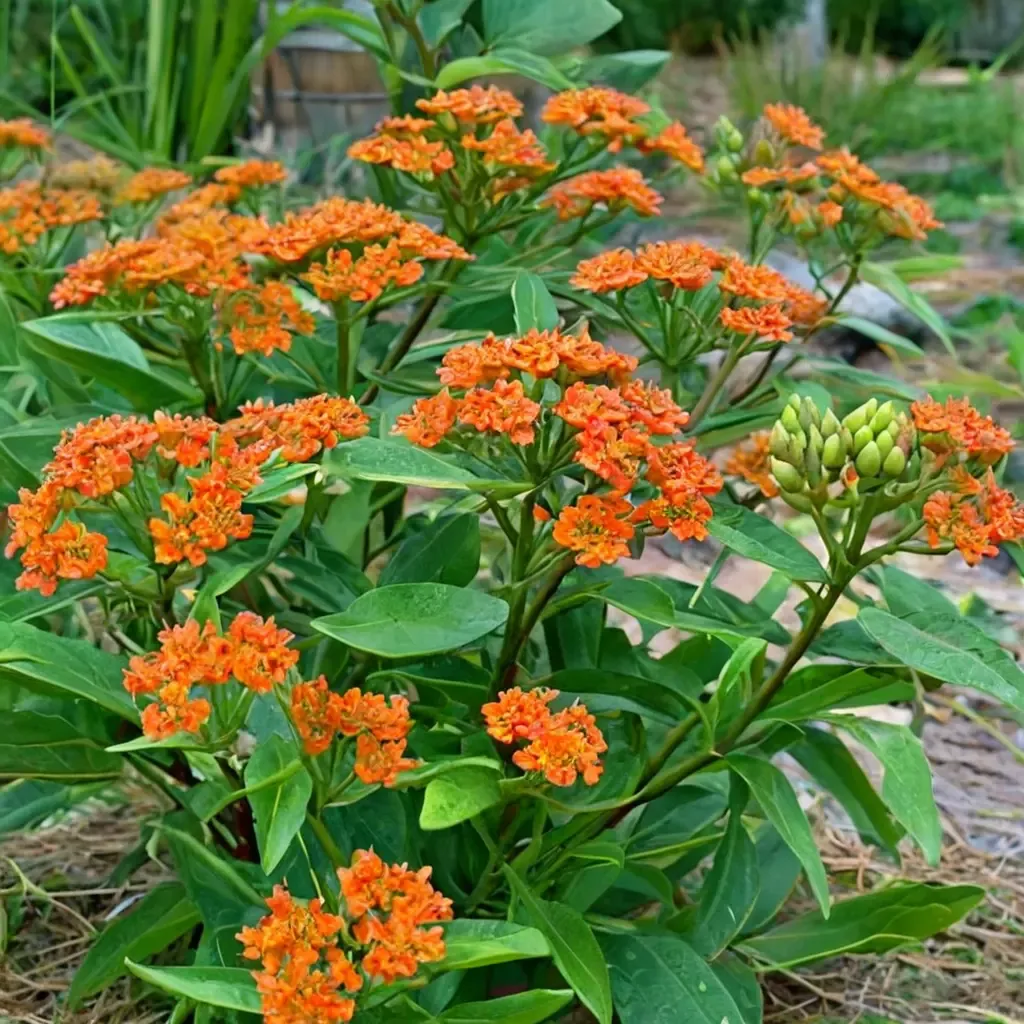
Butterfly Weed
Asclepias tuberosa
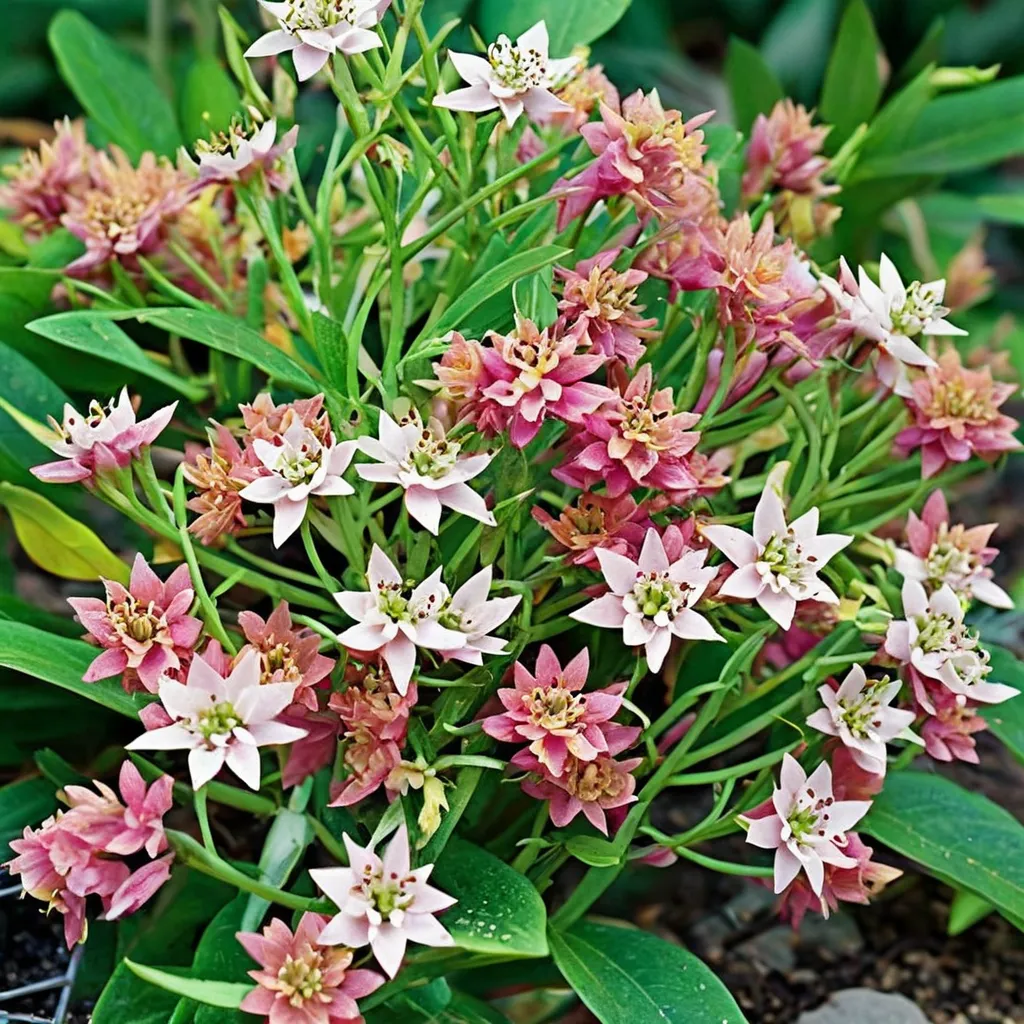
Butterfly Milkweed
Asclepias x hybrida
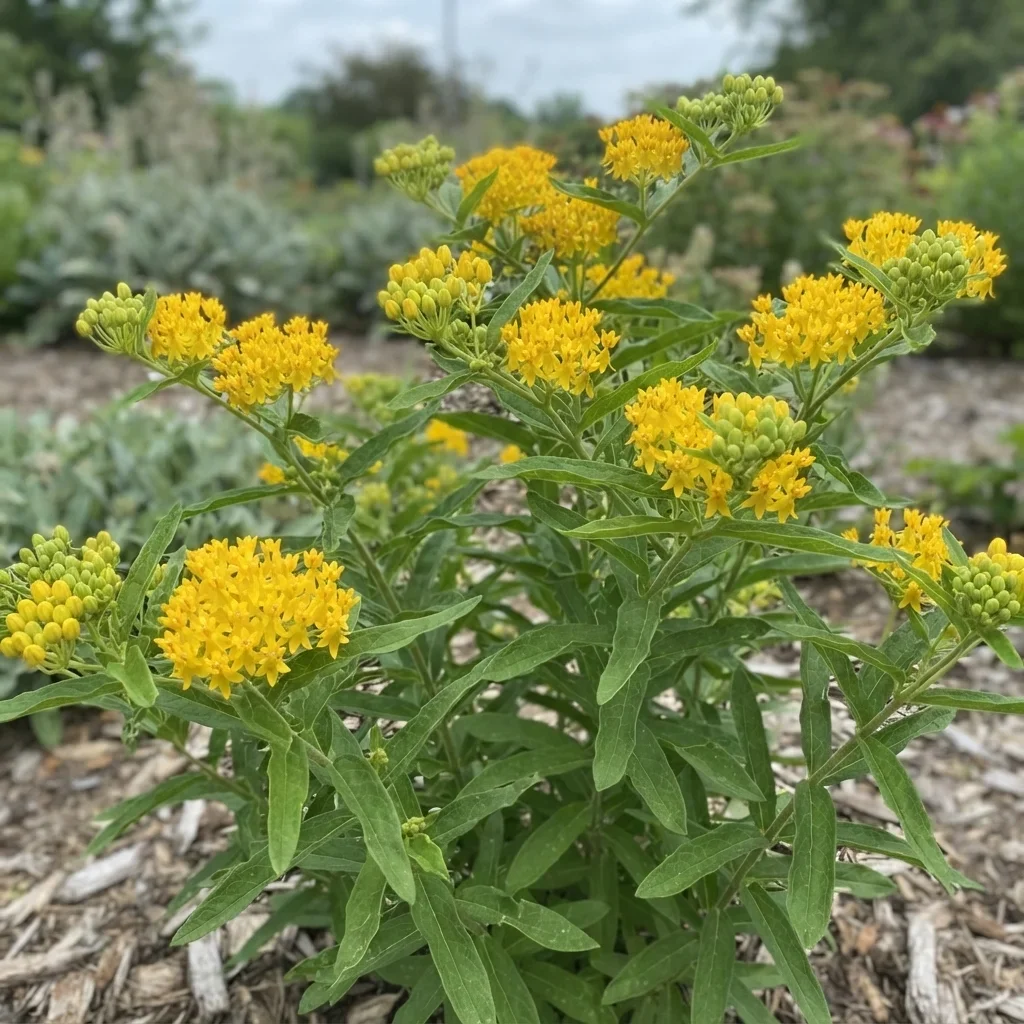
Hello Yellow Butterfly Weed
Asclepias tuberosa 'Hello Yellow'
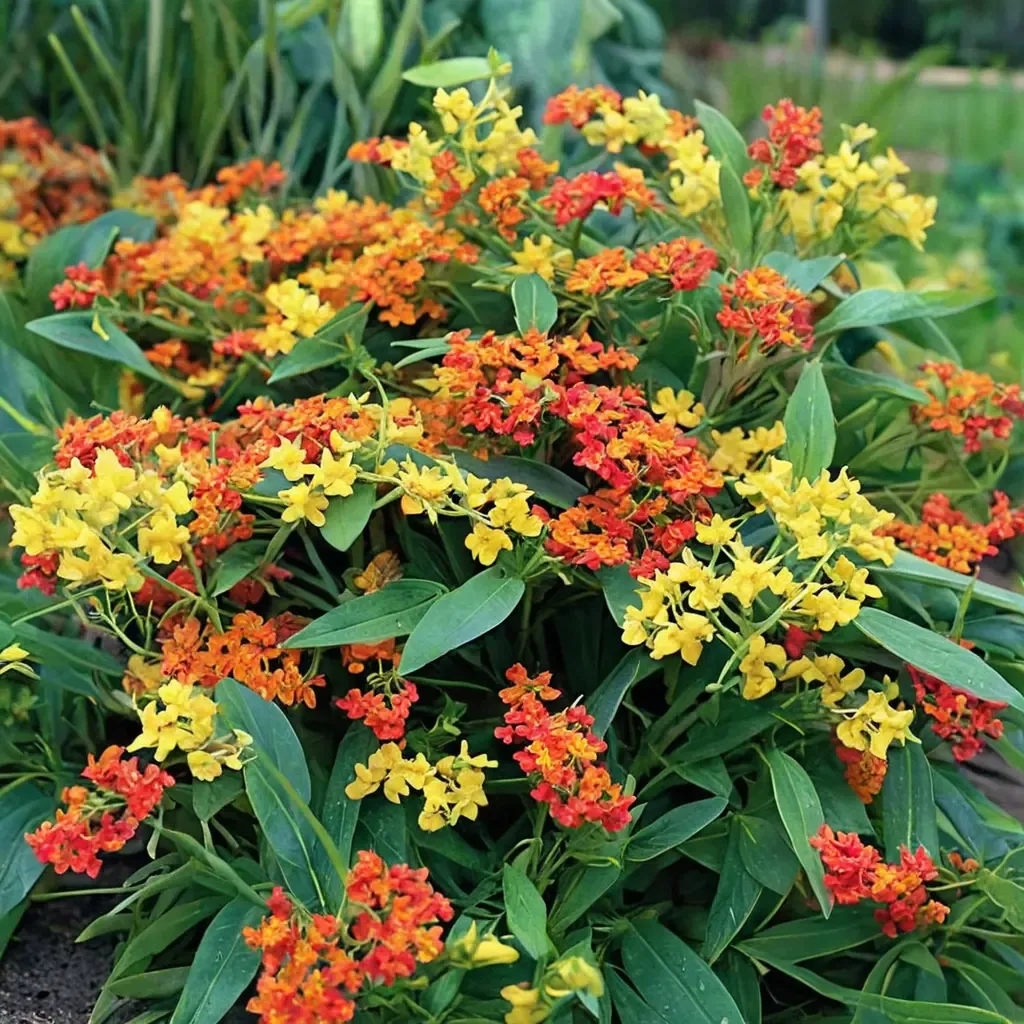
Gay Butterflies Mix Butterfly Weed
Asclepias tuberosa 'Gay Butterflies Mix'
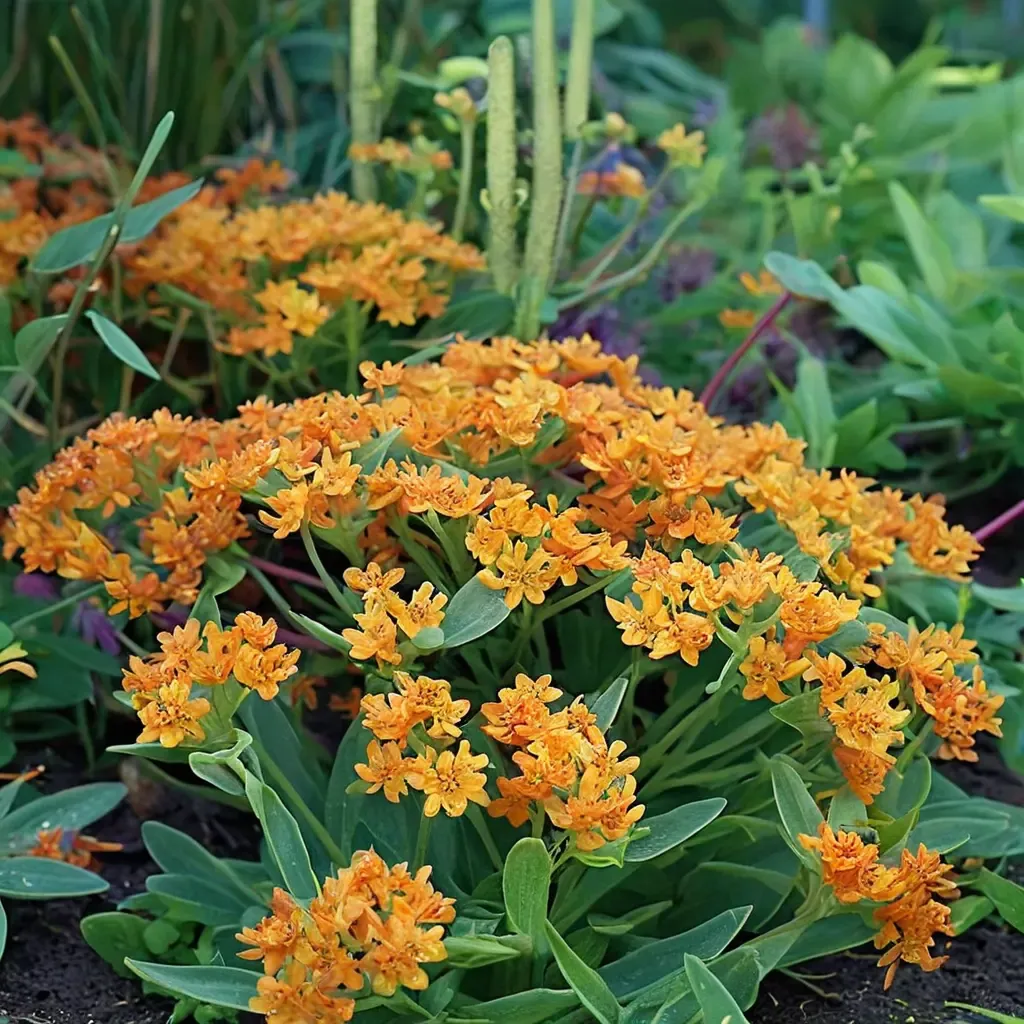
Butterfly Weed Gay Butterflies Milkweed
Asclepias tuberosa 'Gay Butterflies'
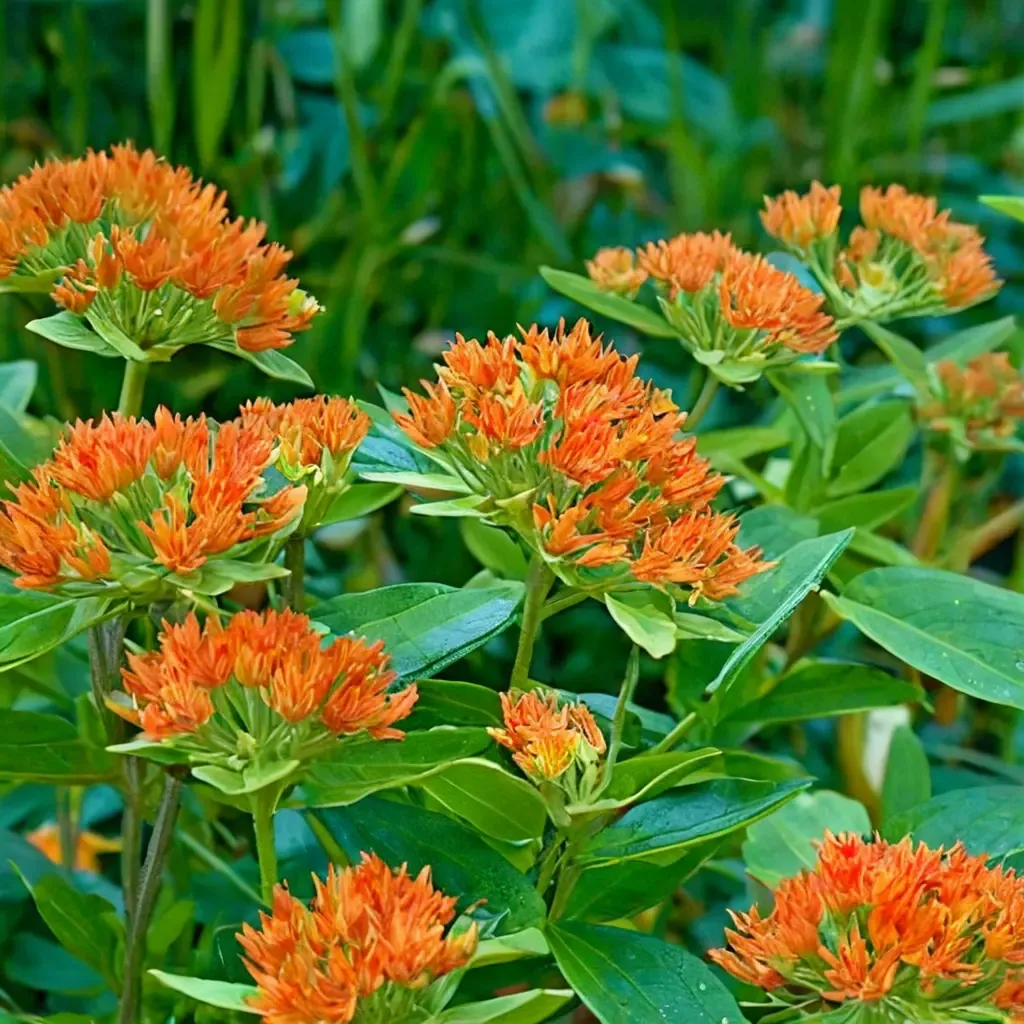
Butterfly Garden Butterfly Weed
Asclepias tuberosa 'Deluxe Butterfly Garden'
Keep exploring
Explore the genus
Guides
Hardy in your zone?
Grow Desert Milkweed with confidence
See it in a design of your actual yard, get zone-matched care reminders, and track it season by season in your garden journal.