The Story
Plant Bio
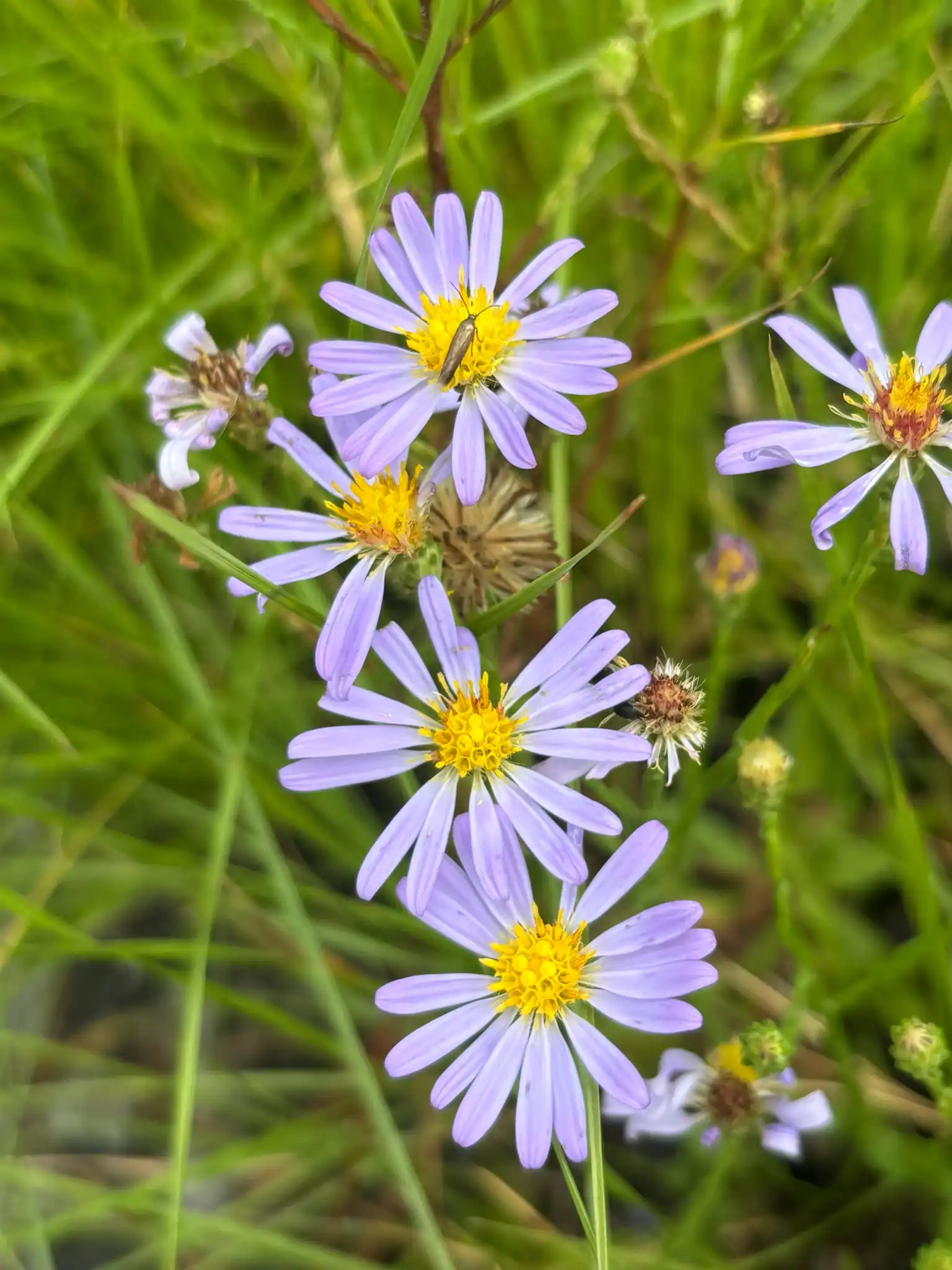
Symphyotrichum adnatum, the scaleleaf aster, is a cespitose perennial herb from the southeastern coastal plain, sending up five or more wiry finely hairy stems that rise erect then sprawl to one to four feet. The lavender to violet daisy heads with bright yellow centers open in loose clusters in fall, each head to about one inch across on glandular-hairy stalks.
What sets it apart is the foliage: thick yellowish-green stem leaves that are scale-like, pressed flat and fused to the stem at the base, with the early basal leaves shed by bloom time. The plant stays wiry and inconspicuous through summer, then flowers heavily in late fall when few other nectar sources remain.
Uses & Benefits:
Essentials
At a Glance
Plant Type
Perennial
Height
48"
Width
24"
Light
Full Sun, Partial Sun
Zones
7, 8, 9, 10
Water
Medium
Humidity
Average
Lifespan
Perennial
Native To
Southeastern U.S. and northern Bahamas
Toxicity
Unknown
Bloom period
Fall – Early winter
In flower about 4 months of the year
Planting
How to Grow
- Plant in full sun to light shade in moist well-drained sandy or limestone soil low in organic matter.
- Space 18 to 24 inches apart to allow stems to arch and sprawl without crowding.
- Water to establish, then water during extended drought; do not flood or expose to salt water.
- Leave standing through fall bloom for pollinators, then cut frost-killed tops back in late winter.
Pro Tip
Give it lean well-drained sand and room to sprawl, and leave frost-killed tops in place until spring growth starts.
Keep It Thriving
Care Guide
Do
- Plant in lean sand with sharp drainage.
- Allow room for sprawling stems.
- Leave fall flowers for bees and butterflies.
Don't
- Do not enrich soil with humus or heavy fertilizer.
- Do not plant where water stands or salt water reaches.
- Do not disturb established roots by frequent digging.
Seasonal Care Calendar
| Task | Jan | Feb | Mar | Apr | May | Jun | Jul | Aug | Sep | Oct | Nov | Dec |
|---|---|---|---|---|---|---|---|---|---|---|---|---|
| Pest Check | ||||||||||||
| Plant | ||||||||||||
| Propagate | ||||||||||||
| Prune | ||||||||||||
| Spring Cleanup |
Watch Out For
Pests & Diseases
Common Pests
Common Diseases
In the Garden
Landscape Uses & Companions
Landscape Uses
Multiply
Propagation Methods
Good to Know
Common Questions
Scaleleaf Aster questions
What zones can Scaleleaf Aster grow in?
Scaleleaf Aster is hardy in USDA Zones 7–10: in that range it survives winter in the ground. Colder than Zone 7, grow it in a container you can move to shelter for the winter, or as an annual.
When does Scaleleaf Aster bloom?
Scaleleaf Aster typically blooms from early fall to early winter. Exact timing shifts a week or two with your zone — Sow's bloom calendar maps it to your garden.
Does Scaleleaf Aster need full sun?
Scaleleaf Aster does best in full sun to part shade. In hot climates, afternoon shade keeps blooms fresher longer.
Is Scaleleaf Aster drought tolerant?
Yes — once established (usually after the first full season), Scaleleaf Aster handles dry spells with minimal watering. Water deeply its first year to build the root system that makes that possible.
More Symphyotrichum to compare
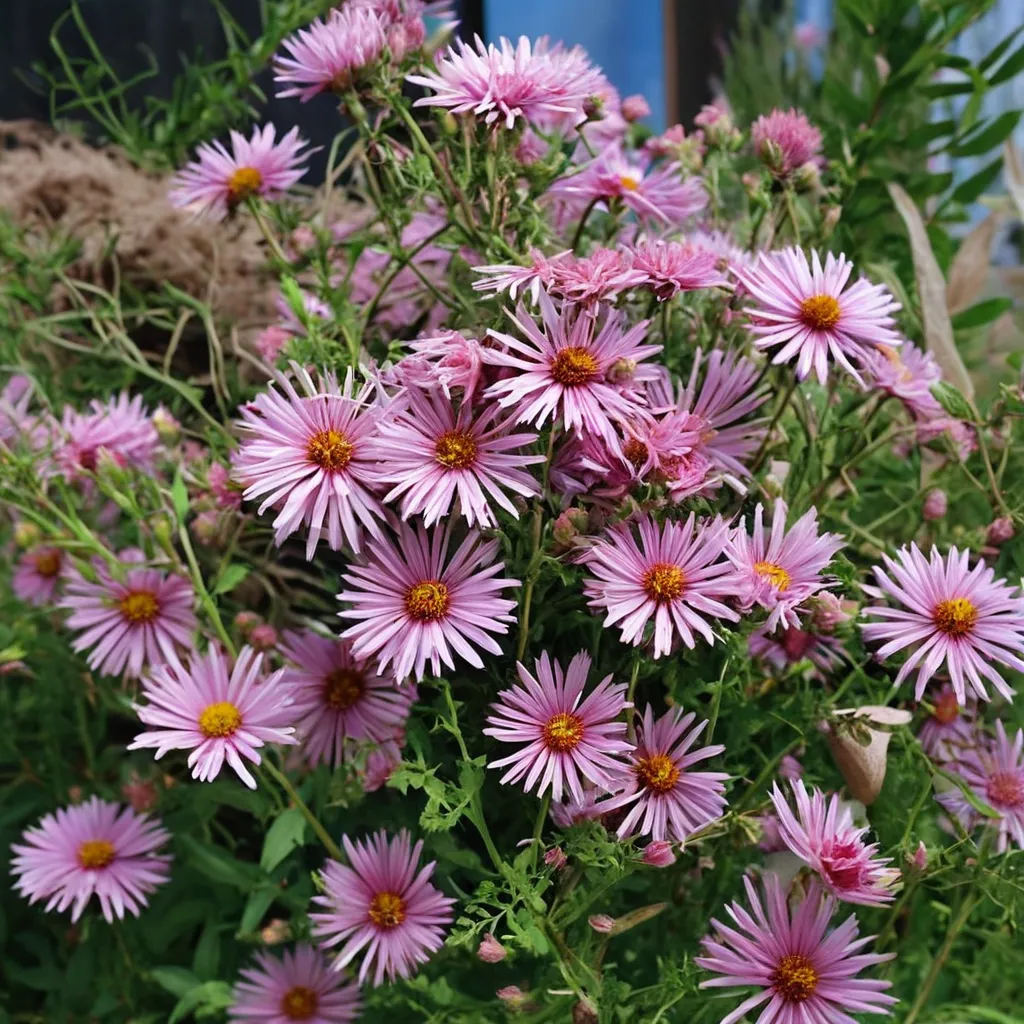
New England Aster Harringtons Pink
Symphyotrichum novae-angliae 'Harringtons Pink'
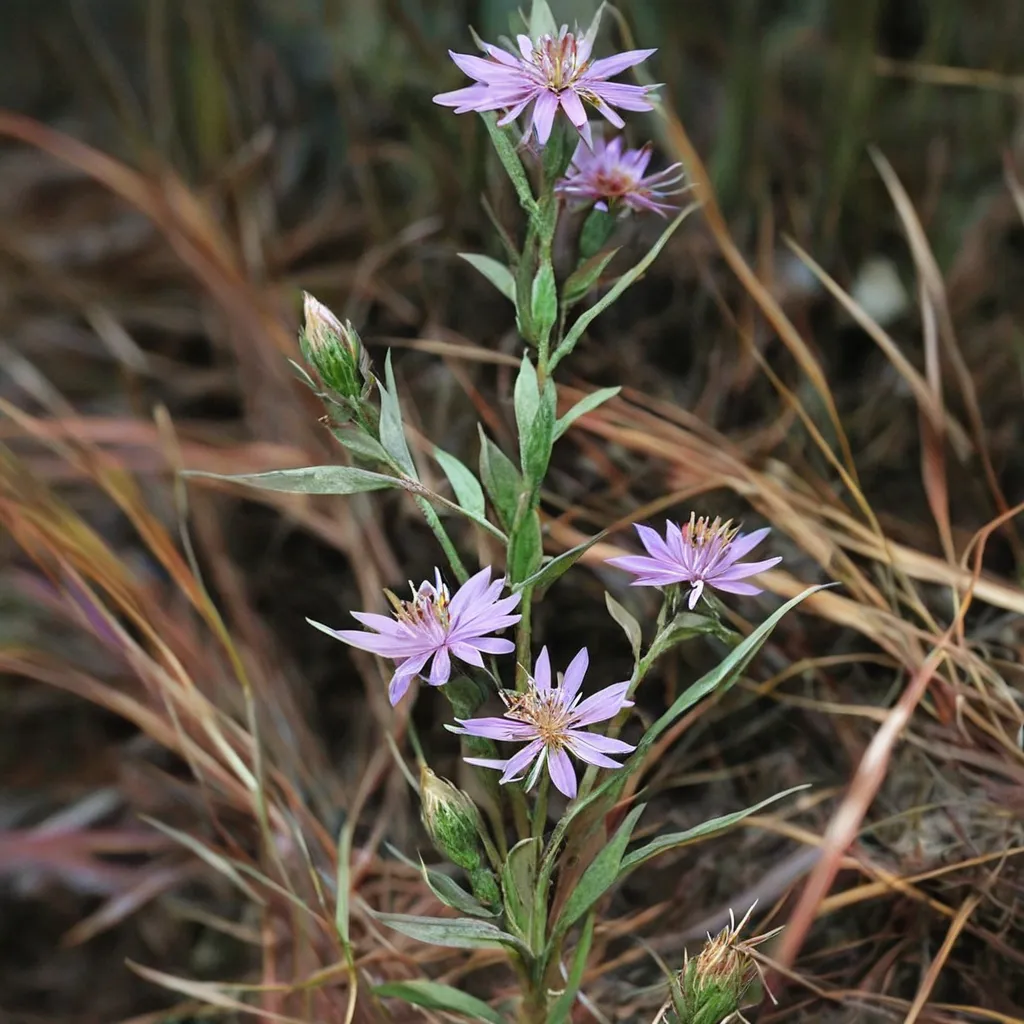
Eastern Silver Aster
Symphyotrichum concolor
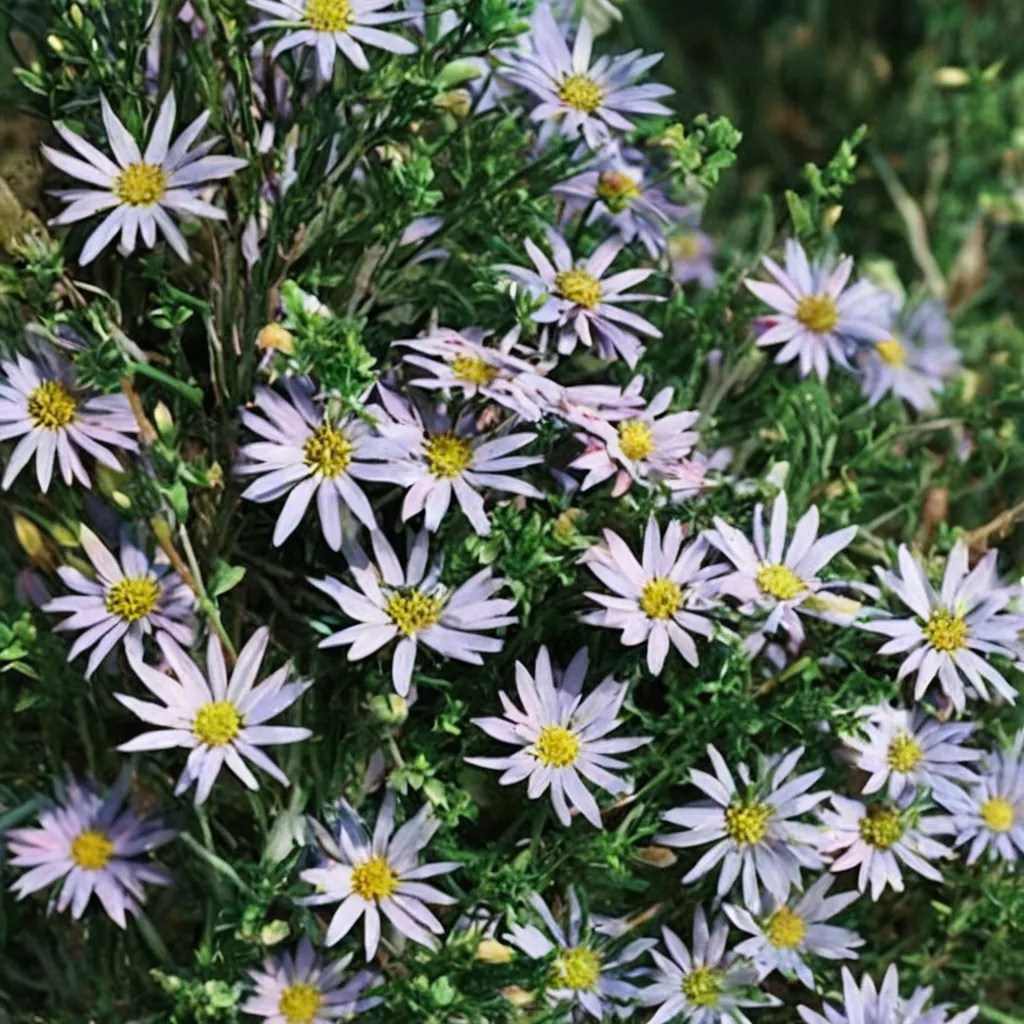
New Mexico Aster My Antonia
Symphyotrichum fendleri 'My Antonia'
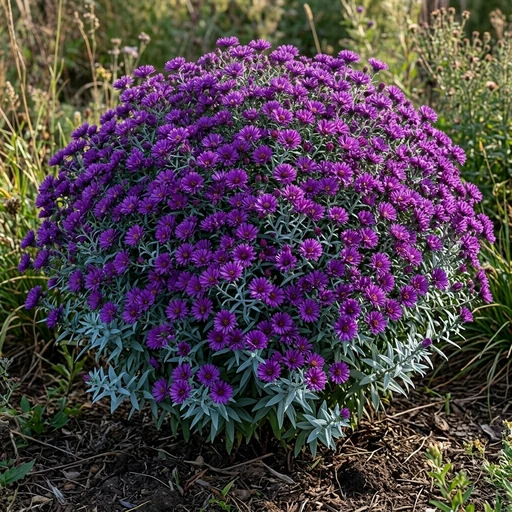
Purple Dome New England Aster
Symphyotrichum novae-angliae 'Purple Dome'
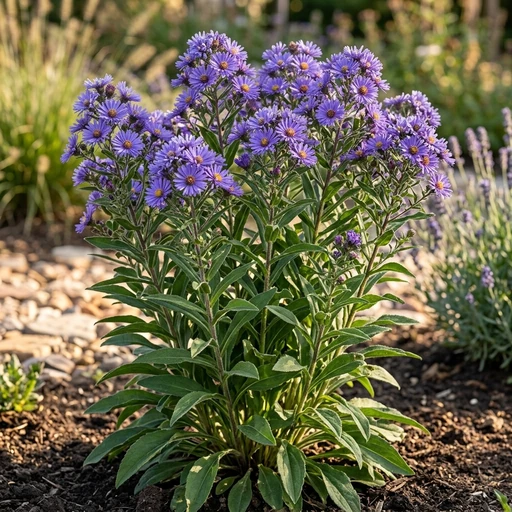
New England Aster
Symphyotrichum novae-angliae
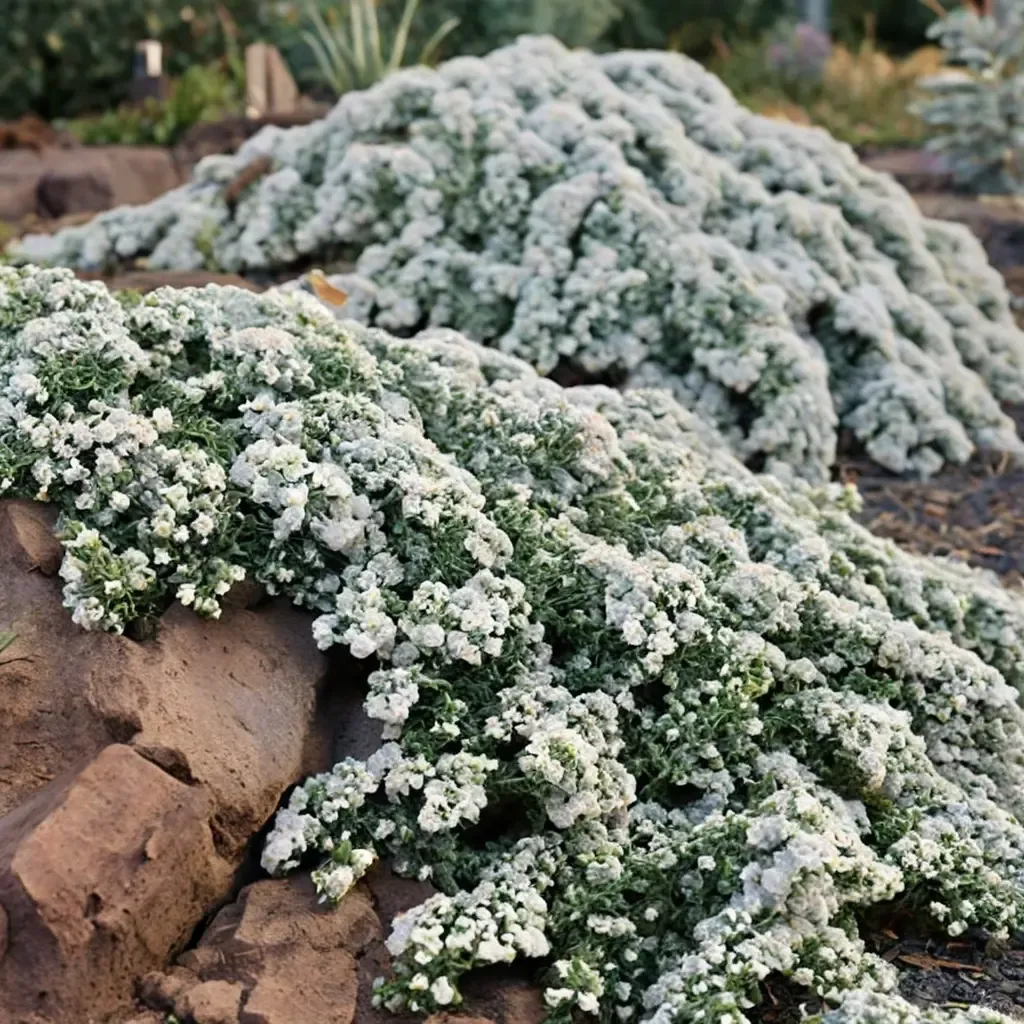
Snow Flurry Heath Aster
Symphyotrichum ericoides 'Snow Flurry'
Keep exploring
Explore the genus
Hardy in your zone?
Grow Scaleleaf Aster with confidence
See it in a design of your actual yard, get zone-matched care reminders, and track it season by season in your garden journal.