The Story
Plant Bio
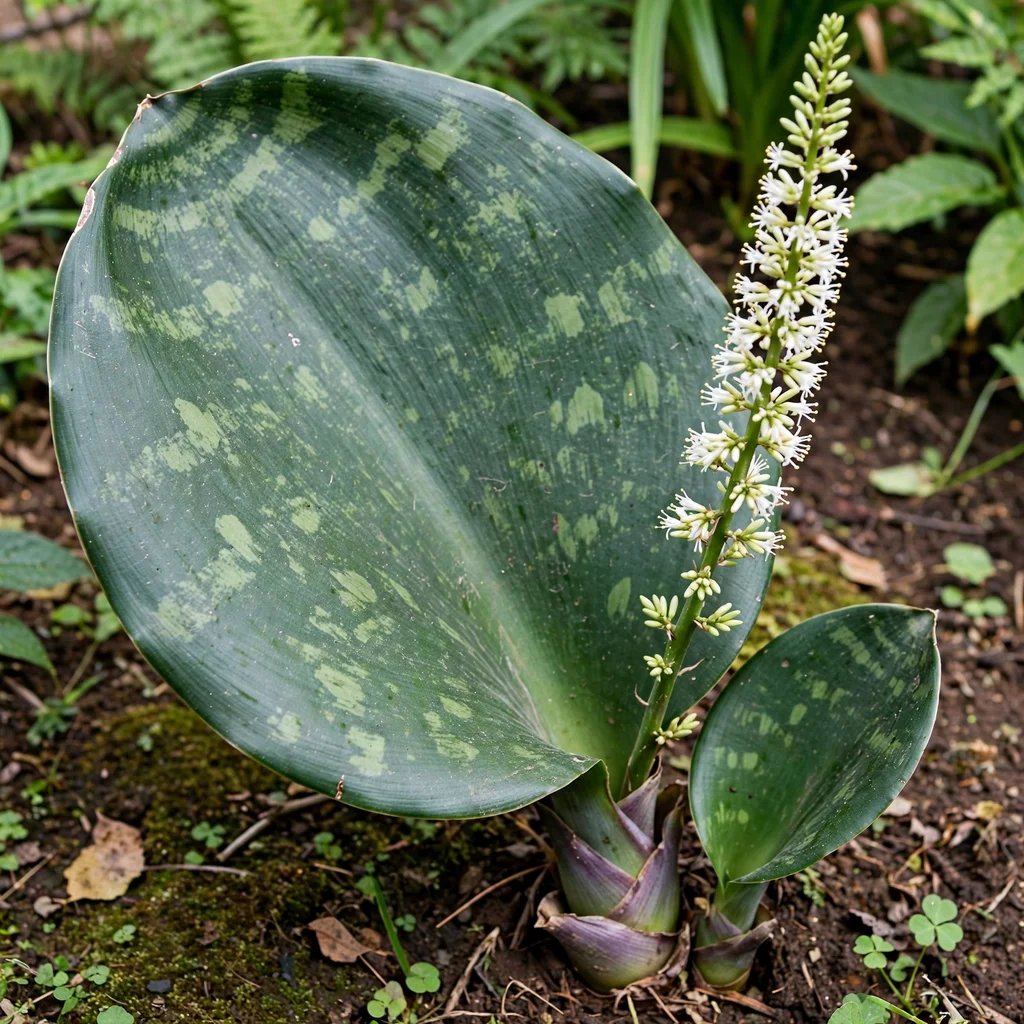
Dracaena masoniana, previously known as Sansevieria masoniana, is an erect rhizomatous succulent perennial native to the Democratic Republic of the Congo. It forms massive paddle-shaped leaves that grow up to four feet long with distinct light green mottling across deep green surfaces.
The species is recognized for its dramatic single-leaf or small-clump habit and thick, waxy foliage that emerges from subterranean rhizomes with purple-banded sheaths. Compact flower spikes with white flowers occasionally emerge from the center of mature plants in summer.
Uses & Benefits:
Essentials
At a Glance
Plant Type
Cactus Succulent
Height
48"
Width
18"
Light
Partial Sun, Shade
Zones
9, 10
Water
Low
Humidity
Tolerates dry air; thrives at 50%+
Lifespan
Perennial
Native To
Democratic Republic of the Congo
Toxicity
Toxic to cats and dogs
Bloom period
Summer
In flower about 3 months of the year
Planting
How to Grow
- Pot into a heavy, well-draining container filled with a coarse cactus mix containing perlite and sand.
- Place the container in bright indirect light or low light, avoiding harsh direct midday sunlight.
- Water thoroughly only when the growing medium has dried out completely, usually every three to four weeks.
- Maintain ambient indoor temperatures above 55°F (13°C) and protect foliage from cold window drafts.
Pro Tip
Allow the potting medium to dry out completely between waterings, as root rot from excess moisture in large pots is the primary cause of failure.
Keep It Thriving
Care Guide
Do
- Allow potting medium to dry out fully between waterings
- Provide well-draining cactus mix and pots with drainage holes
- Keep indoor ambient temperatures warm and consistent
Don't
- Do not allow the plant to sit in standing water or soggy soil
- Do not place in direct sunlight where leaves can scorch
- Do not expose foliage to cold drafts below 55°F (13°C)
Seasonal Care Calendar
| Task | Jan | Feb | Mar | Apr | May | Jun | Jul | Aug | Sep | Oct | Nov | Dec |
|---|---|---|---|---|---|---|---|---|---|---|---|---|
| Fertilize | ||||||||||||
| Pest Check | ||||||||||||
| Propagate | ||||||||||||
| Spring Cleanup |
Watch Out For
Pests & Diseases
Common Pests
Common Diseases
In the Garden
Landscape Uses & Companions
Landscape Uses
Multiply
Propagation Methods
Good to Know
Common Questions
Whale Fin Snake Plant questions
What zones can Whale Fin Snake Plant grow in?
Whale Fin Snake Plant is hardy in USDA Zones 9–10: in that range it survives winter in the ground. Colder than Zone 9, grow it in a container you can move to shelter for the winter, or as an annual.
When does Whale Fin Snake Plant bloom?
Whale Fin Snake Plant typically blooms in summer. Exact timing shifts a week or two with your zone — Sow's bloom calendar maps it to your garden.
Does Whale Fin Snake Plant need full sun?
Whale Fin Snake Plant does best in part shade.
Is Whale Fin Snake Plant drought tolerant?
Yes — once established (usually after the first full season), Whale Fin Snake Plant handles dry spells with minimal watering. Water deeply its first year to build the root system that makes that possible.
More Dracaena to compare
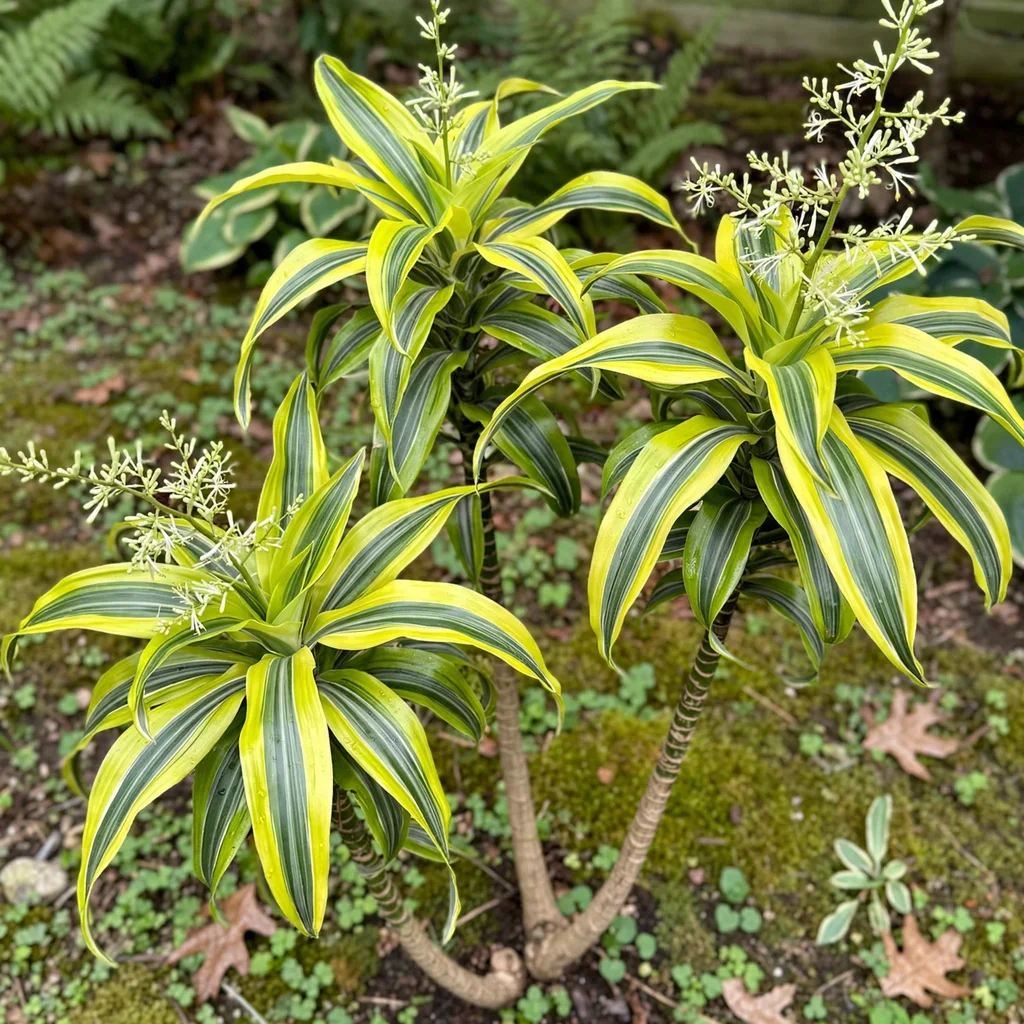
Lemon Surprise Corn Plant
Dracaena fragrans 'Lemon Surprise'
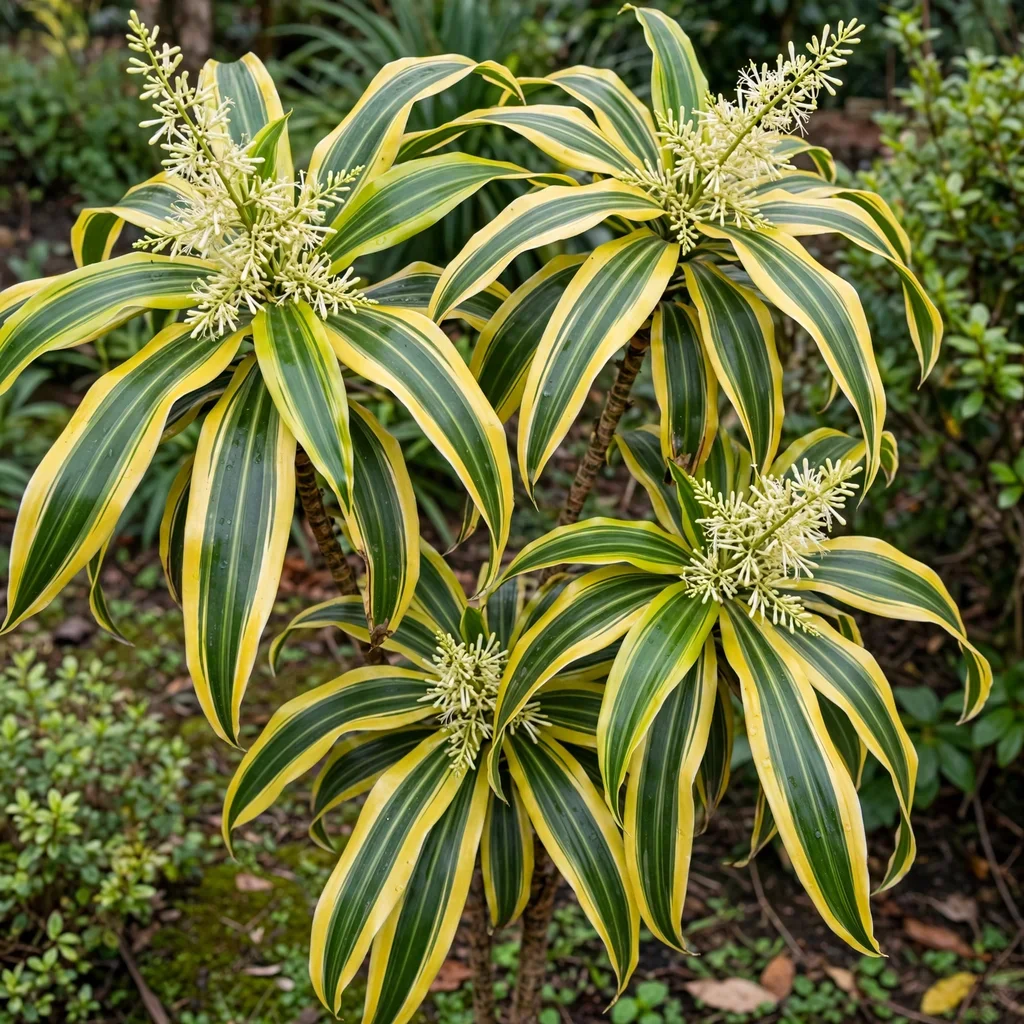
Corn Plant Dracaena Corn Plant
Dracaena fragrans 'Aureo Marginata'
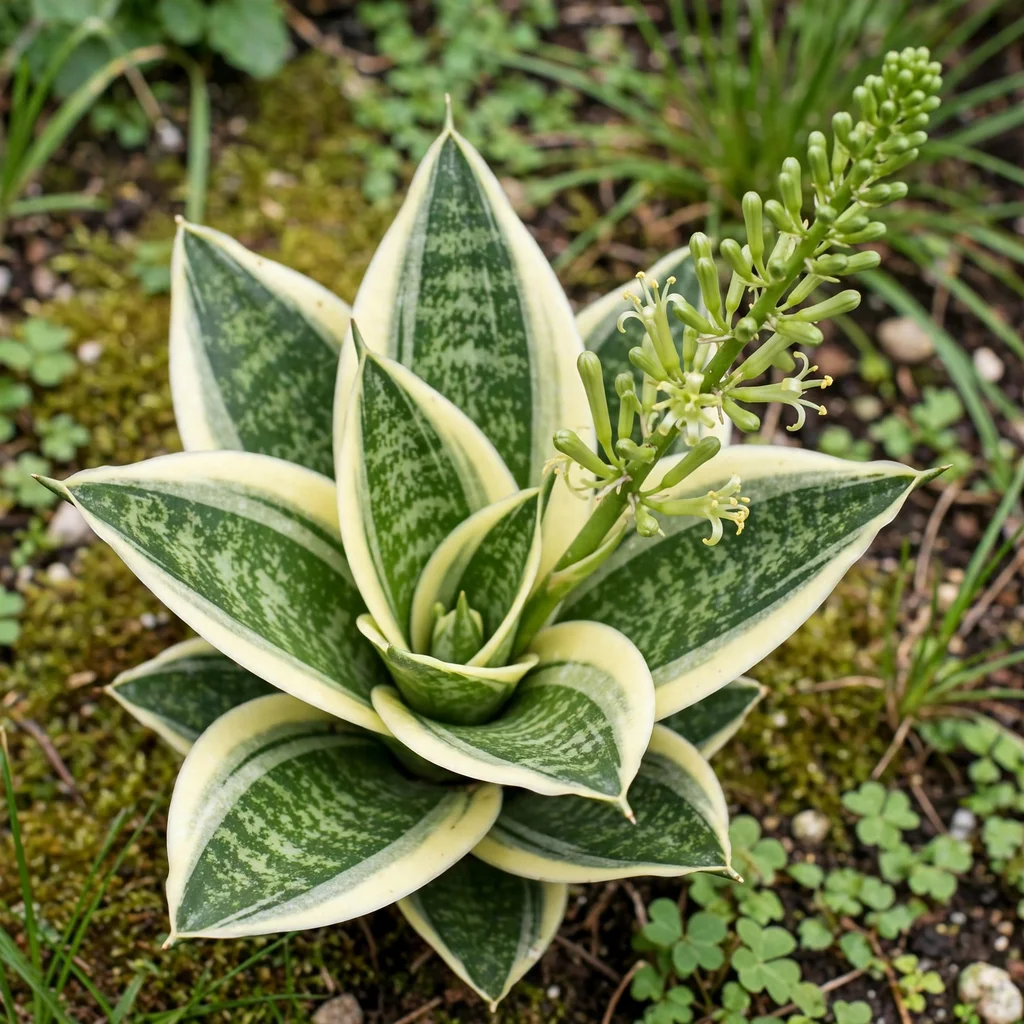
Bird's Nest Snake Plant
Dracaena trifasciata 'Hahnii'
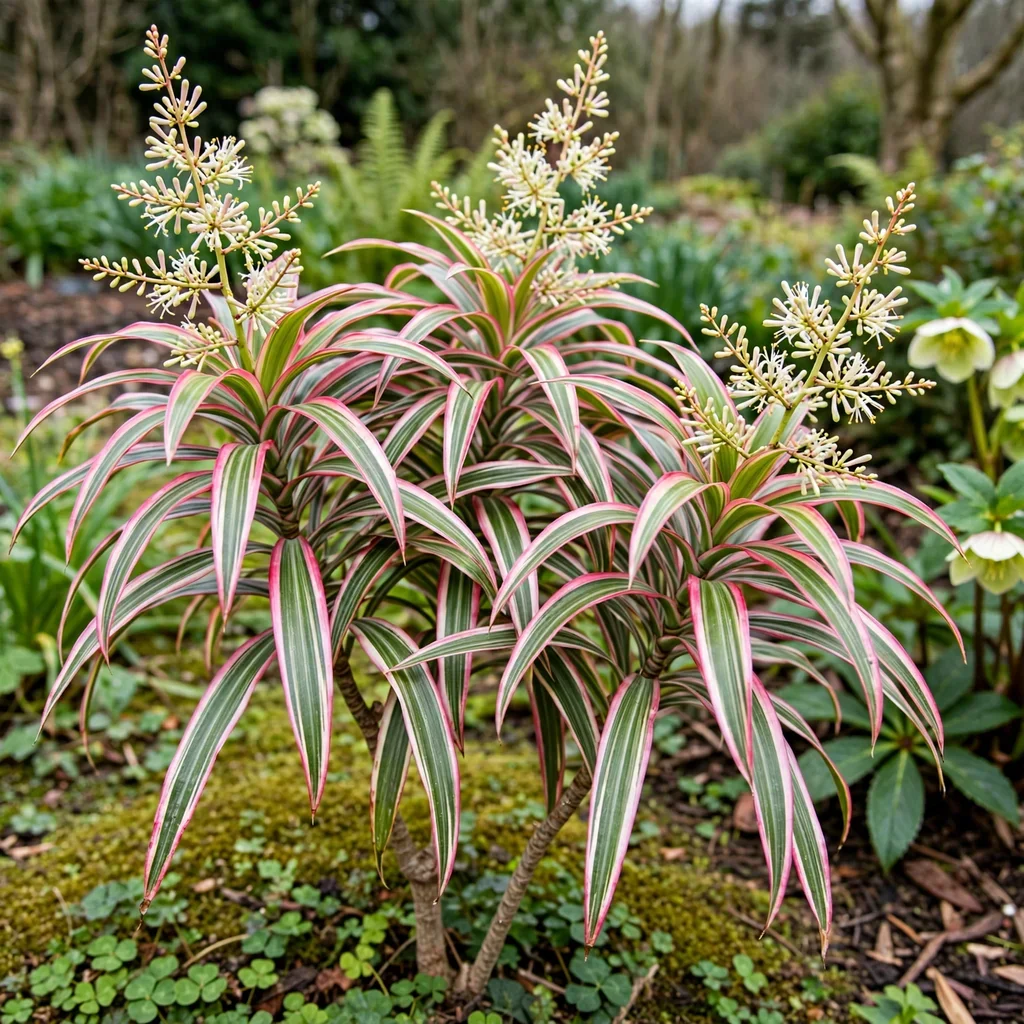
Madagascar Dragon Tree 'Colorama'
Dracaena fragrans 'Colorama'
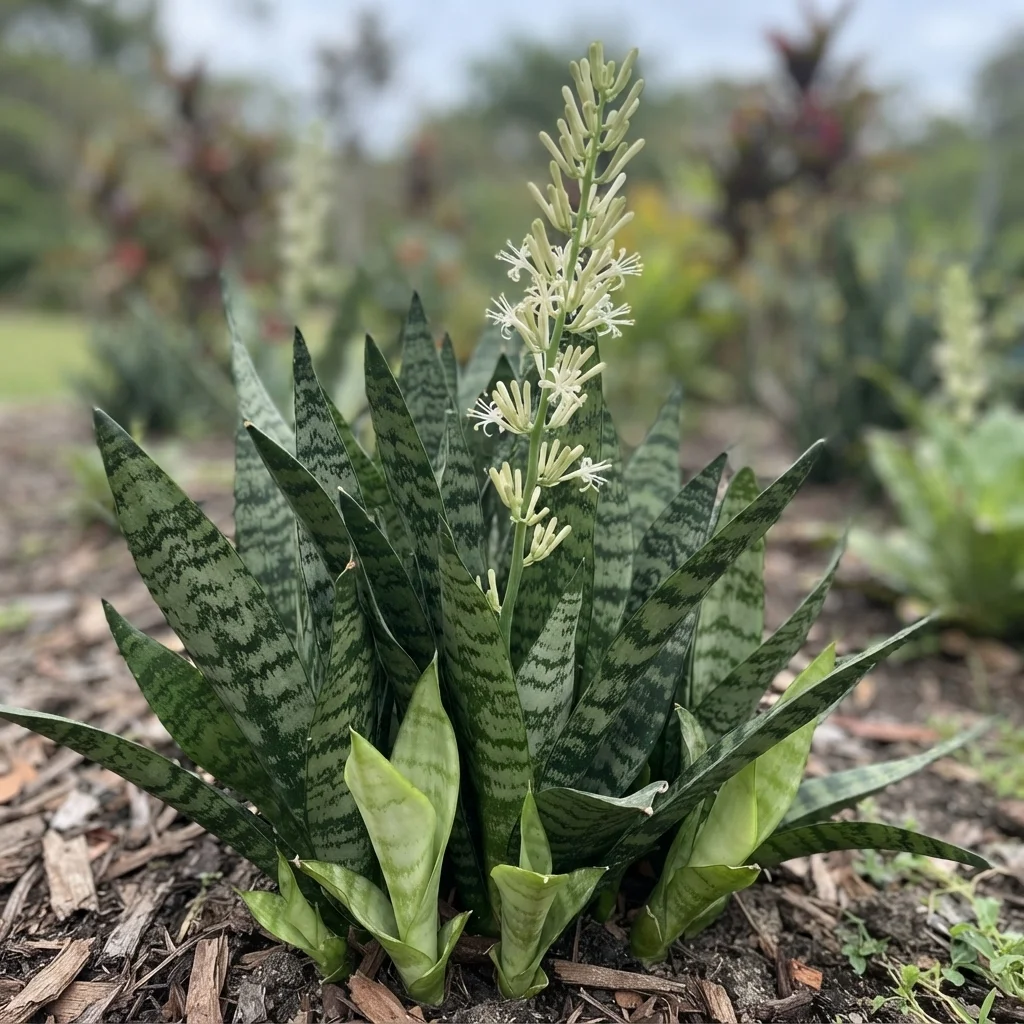
Snake Plant
Dracaena trifasciata
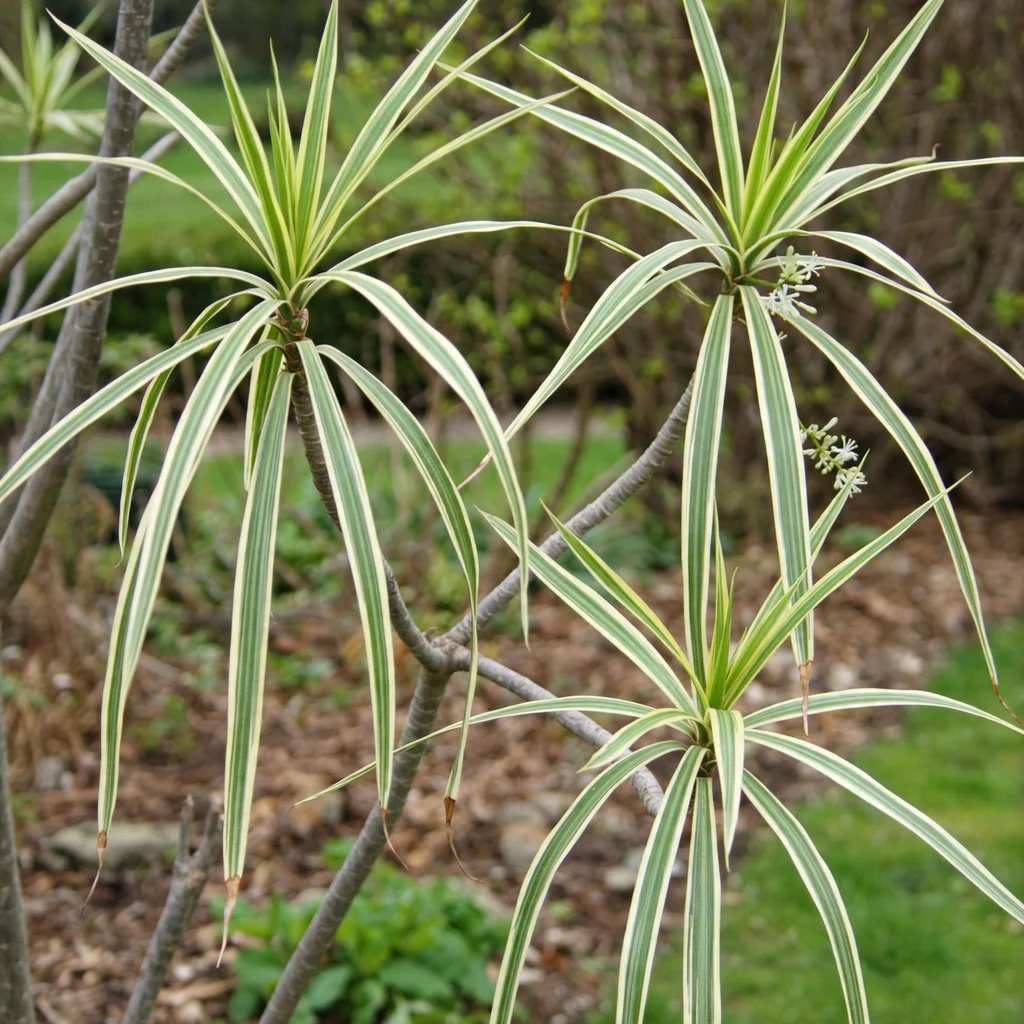
Madagascar Dragon Tree
Dracaena marginata
Keep exploring
Explore the genus
Hardy in your zone?
Grow Whale Fin Snake Plant with confidence
See it in a design of your actual yard, get zone-matched care reminders, and track it season by season in your garden journal.