The Story
Plant Bio
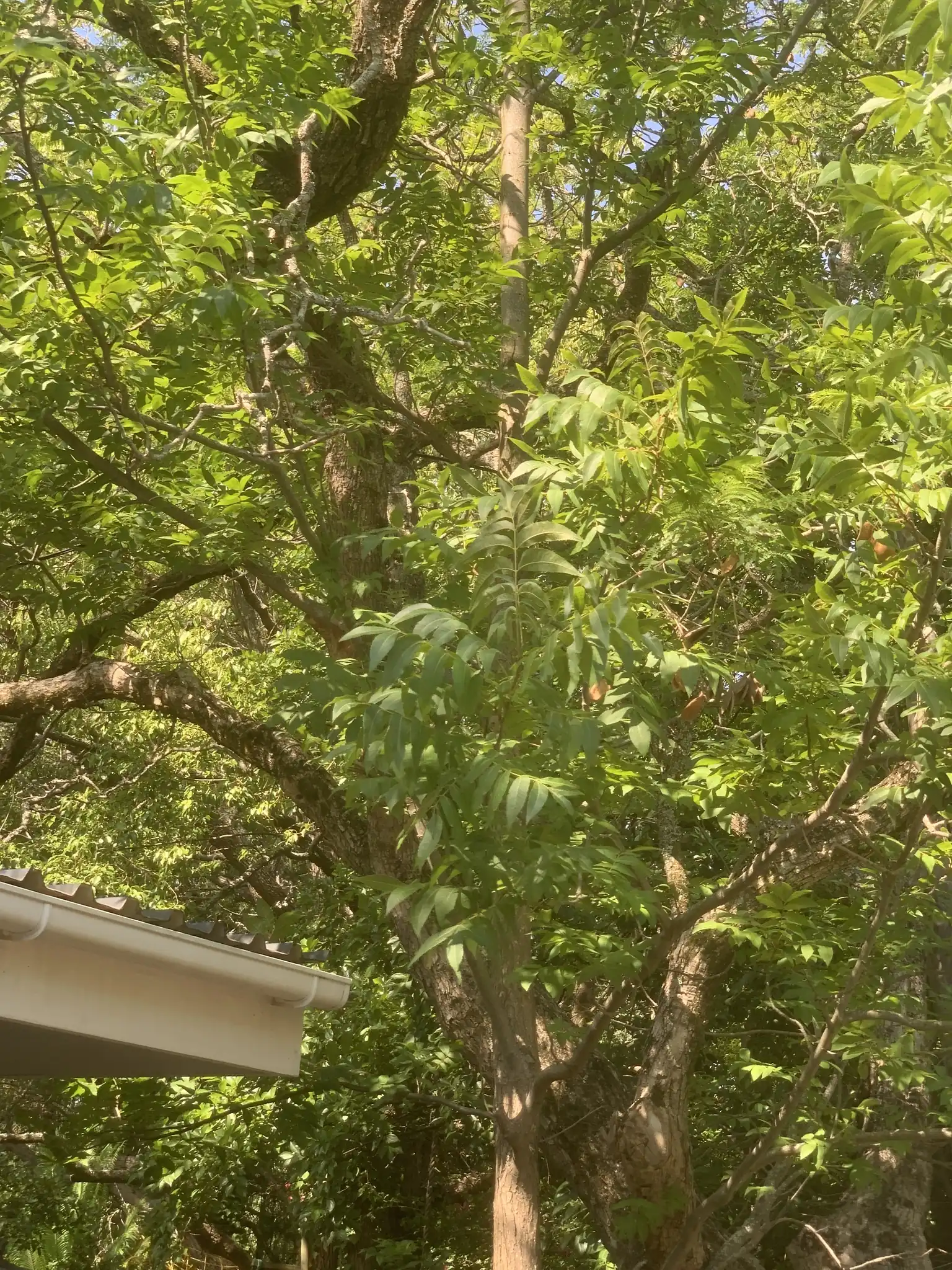
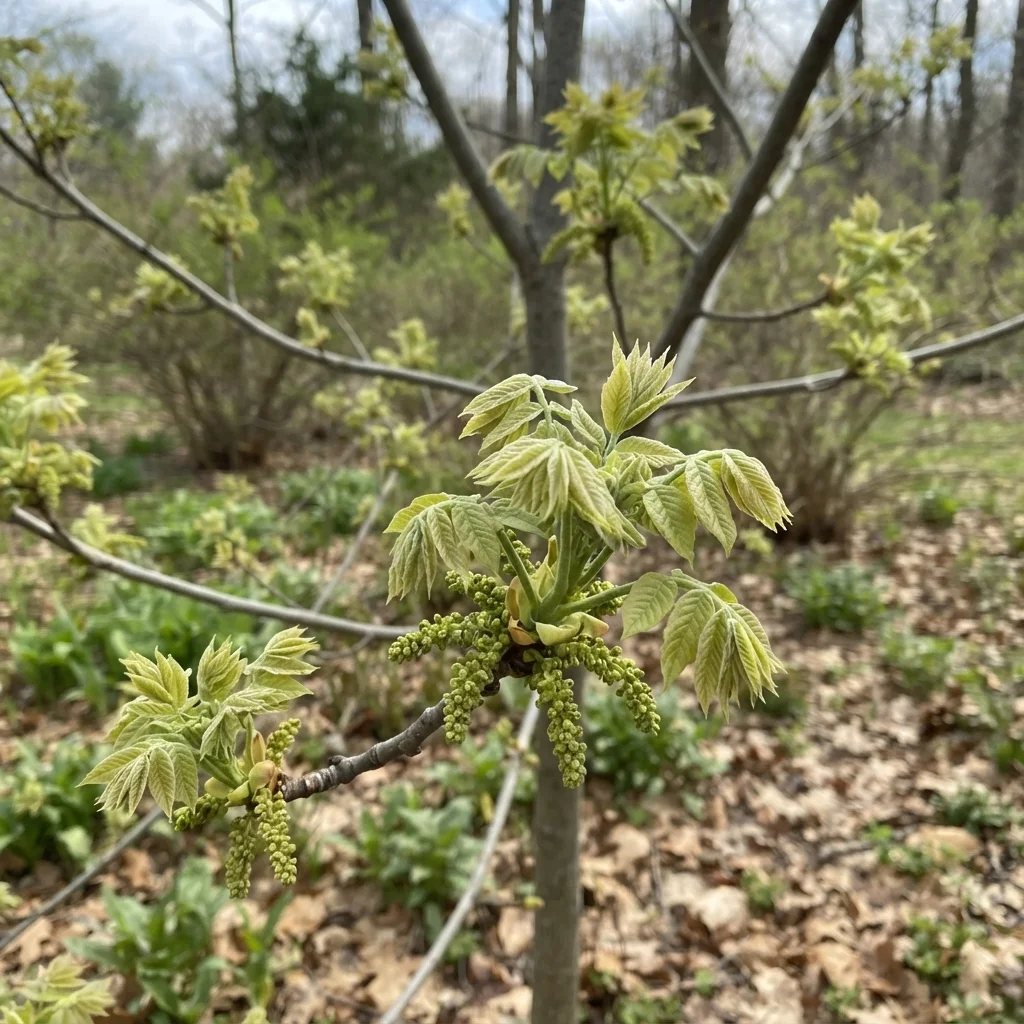
Carya illinoinensis, the pecan, is a massive, majestic deciduous tree native to North America, forming a symmetrical, broadly rounded crown with upright-spreading branches. It features deep taproots and alternate, pinnately compound leaves that emerge bronze-green in spring before maturing to a glossy dark green.
This species is highly valued for its edible nuts and golden-yellow fall foliage, making it an excellent shade tree for large landscapes. It requires cross-pollination between different cultivar types to ensure reliable nut production.
Uses & Benefits:
Essentials
At a Glance
Plant Type
Tree
Height
1000"
Width
720"
Light
Full Sun
Zones
5, 6, 7, 8, 9
Water
Medium
Humidity
High
Lifespan
Long-lived
Native To
North America
Toxicity
Non-toxic
Bloom period
Spring
In flower about 3 months of the year
Marketplace
Where to Buy
Shipping costs Year-round shipping Free shipping
Planting
How to Grow
- Select a planting site in full sun with deep, fertile, well-draining loam or sandy soil.
- Dig a deep planting hole to accommodate the long taproot without bending or crowding it.
- Water deeply and regularly during the first few growing seasons to establish the root system.
- Plant at least two different cultivars (Type I and Type II) nearby to facilitate cross-pollination.
Pro Tip
Plant young container-grown trees or bare-root whips rather than mature specimens, as the aggressive, deep taproot makes larger trees nearly impossible to transplant successfully.
Keep It Thriving
Care Guide
Do
- Apply a balanced fertilizer rich in nitrogen and zinc in early spring.
- Prune annually in late winter to remove dead, diseased, or crossing branches.
- Monitor for pecan scab and apply preventive fungicides if humidity is high.
Don't
- Do not plant in heavy, poorly drained clay soils that hold standing water.
- Do not prune severely into old, leafless wood.
- Do not attempt to transplant established trees once the taproot is developed.
Seasonal Care Calendar
| Task | Jan | Feb | Mar | Apr | May | Jun | Jul | Aug | Sep | Oct | Nov | Dec |
|---|---|---|---|---|---|---|---|---|---|---|---|---|
| Fertilize | ||||||||||||
| Pest Check | ||||||||||||
| Prune | ||||||||||||
| Spray |
Watch Out For
Pests & Diseases
Common Pests
Common Diseases
In the Garden
Landscape Uses & Companions
Landscape Uses
Multiply
Propagation Methods
Good to Know
Common Questions
Pecan questions
What zones can Pecan grow in?
Pecan is hardy in USDA Zones 5–9: in that range it survives winter in the ground. Colder than Zone 5, winters are too cold for it to survive outdoors. Warmer than Zone 9, winter isn't the problem: it prefers colder winters, and summer heat can shorten its life.
Is Pecan deer resistant?
Not reliably. Deer may browse Pecan, especially tender spring growth — plan on repellents or fencing where pressure is high.
When does Pecan bloom?
Pecan typically blooms in spring. Exact timing shifts a week or two with your zone — Sow's bloom calendar maps it to your garden.
Does Pecan need full sun?
Pecan does best in full sun (6+ hours).
Is Pecan drought tolerant?
Yes — once established (usually after the first full season), Pecan handles dry spells with minimal watering. Water deeply its first year to build the root system that makes that possible.
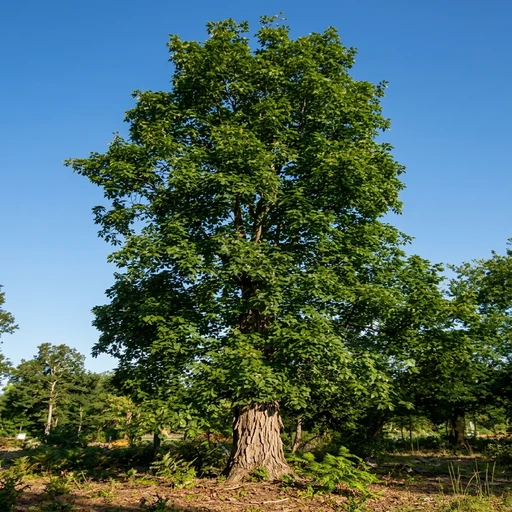
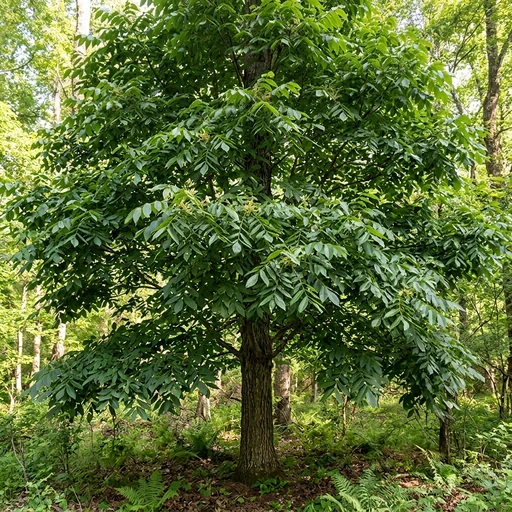
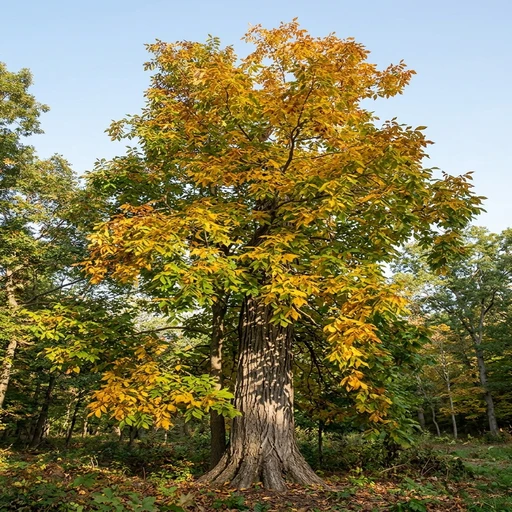
More Carya to compare
Keep exploring
Explore the genus
Hardy in your zone?
Grow Pecan with confidence
See it in a design of your actual yard, get zone-matched care reminders, and track it season by season in your garden journal.