
The Story
Plant Bio
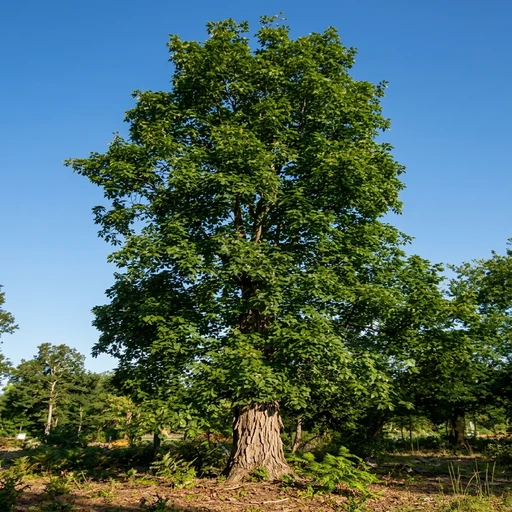
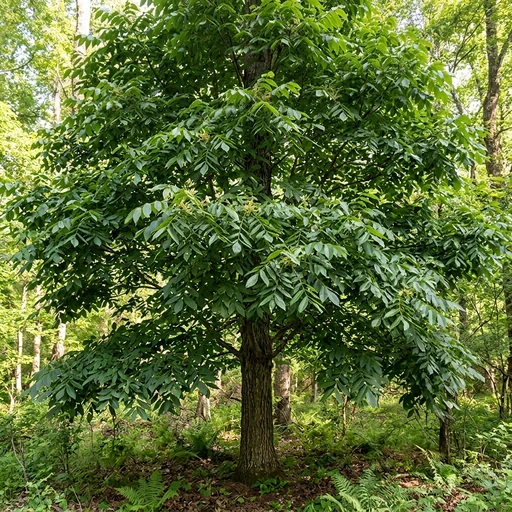
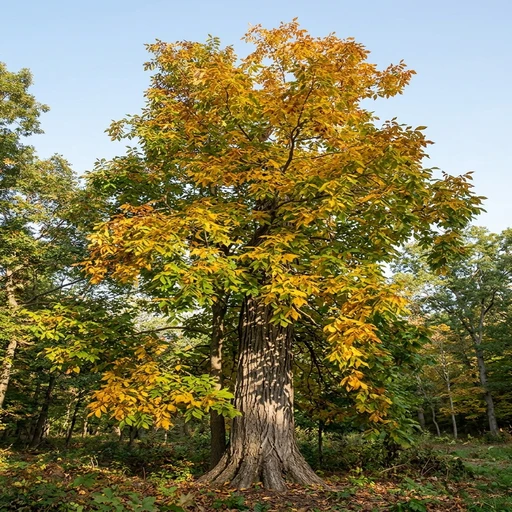
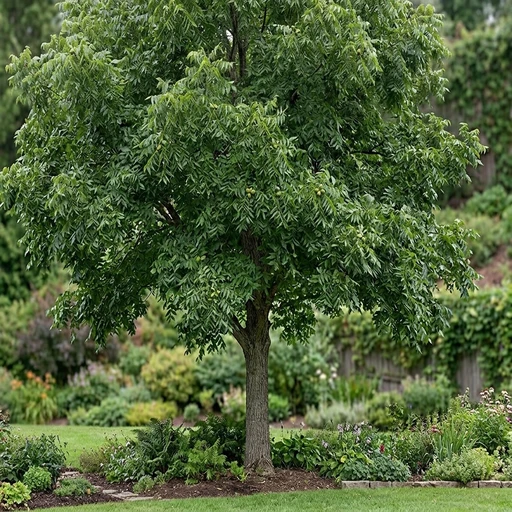
Carya cordiformis is a large deciduous tree native to eastern and central North America, forming a tall, straight trunk with an irregular, oval-rounded crown. The alternate foliage consists of compound leaves with five to nine serrate leaflets, accompanied by inconspicuous, wind-pollinated, greenish-yellow flowers in spring.
Distinguished from other hickories by its distinctive sulfur-yellow winter buds, this species produces nuts with shells so high in tannins that they are intensely bitter and unpalatable. It is also the most cold-hardy native hickory, adapting to both seasonally flooded bottomlands and dry upland soils.
Uses & Benefits:
Essentials
At a Glance
Plant Type
Tree
Height
1181"
Width
591"
Light
Full Sun, Partial Sun
Zones
4, 5, 6, 7, 8, 9
Water
Moderate
Humidity
Adaptable
Lifespan
Long-lived
Native To
Eastern and central North America
Toxicity
Non-toxic (nuts unpalatable)
Bloom period
Spring – Late spring
In flower about 3 months of the year
Planting
How to Grow
- Select a site in full sun or light shade with deep, moist, well-draining soil and ample room for mature growth.
- Sow fresh seed immediately in autumn or plant young container seedlings directly without disturbing the taproot.
- Water regularly during the first two growing seasons to build a deep root system.
- Apply a layer of organic mulch around the root zone to conserve soil moisture and reduce weed competition.
Pro Tip
Plant young nursery stock or direct-sow seeds early in their permanent position; attempting to move established trees damages the deep taproot and usually results in fatal transplant shock.
Keep It Thriving
Care Guide
Do
- Plant in full sun to partial shade in deep, fertile soil.
- Water deeply during dry spells while the tree is establishing.
- Protect young trunks from deer browsing.
Don't
- Do not attempt to transplant large, established wild or landscape trees.
- Do not prune heavily into old wood.
- Do not over-fertilize in fertile landscape soils.
Seasonal Care Calendar
| Task | Jan | Feb | Mar | Apr | May | Jun | Jul | Aug | Sep | Oct | Nov | Dec |
|---|---|---|---|---|---|---|---|---|---|---|---|---|
| Mulch | ||||||||||||
| Pest Check | ||||||||||||
| Plant | ||||||||||||
| Prune |
Watch Out For
Pests & Diseases
Common Pests
Common Diseases
In the Garden
Landscape Uses & Companions
Landscape Uses
Companion Plants
Multiply
Propagation Methods
Good to Know
Common Questions
Bitternut Hickory questions
What zones can Bitternut Hickory grow in?
Bitternut Hickory is hardy in USDA Zones 4–9: in that range it survives winter in the ground. Warmer than Zone 9, winter isn't the problem: it prefers colder winters, and summer heat can shorten its life.
Is Bitternut Hickory deer resistant?
Not reliably. Deer may browse Bitternut Hickory, especially tender spring growth — plan on repellents or fencing where pressure is high.
When does Bitternut Hickory bloom?
Bitternut Hickory typically blooms in spring. Exact timing shifts a week or two with your zone — Sow's bloom calendar maps it to your garden.
Does Bitternut Hickory need full sun?
Bitternut Hickory does best in full sun to part shade. In hot climates, afternoon shade keeps blooms fresher longer.
Is Bitternut Hickory drought tolerant?
Yes — once established (usually after the first full season), Bitternut Hickory handles dry spells with minimal watering. Water deeply its first year to build the root system that makes that possible.
More Carya to compare
Keep exploring
Explore the genus
Grow Bitternut Hickory with confidence
See it in a design of your actual yard, get zone-matched care reminders, and track it season by season in your garden journal.