The Story
Plant Bio
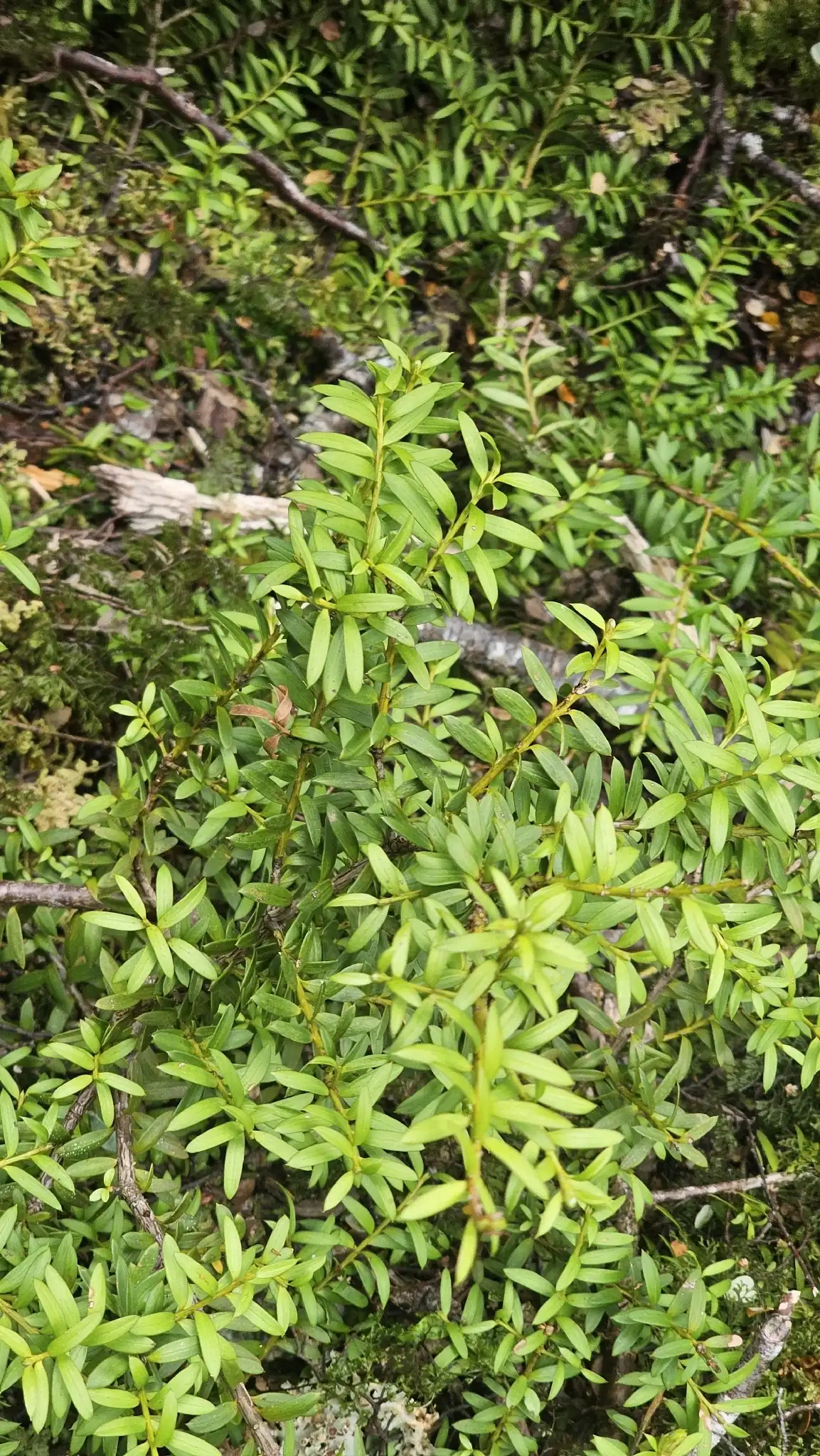
Podocarpus laetus is an evergreen, monopodial conifer native to New Zealand, forming a dense, rounded crown with thin, papery reddish-brown bark that flakes freely. Its narrow, leathery leaves end in sharp points and emerge in bright yellowish-green flushes before darkening with age.
Distinguished by terminal leaf buds that expand wider than the supporting branchlet, it also features longer, sharper foliage during its juvenile stage. Small cylindrical pollen cones appear in spring, followed on female trees by fleshy red seed bases.
Uses & Benefits:
Essentials
At a Glance
Plant Type
Tree
Height
472"
Width
275"
Light
Full Sun, Partial Sun
Zones
8, 9, 10
Water
Low to Moderate
Humidity
Moderate
Lifespan
Long-lived
Native To
New Zealand
Toxicity
Non-toxic foliage; seed should not be ingested
Bloom period
Mid spring – Early summer
In flower about 3 months of the year
Planting
How to Grow
- Select a position receiving full sun to partial shade in well-draining soil.
- Dig a planting hole twice as wide as the root ball and set the crown level with the soil surface.
- Backfill with native soil, firm gently, and water thoroughly to settle roots.
- Apply a light mulch layer around the base, keeping material away from direct contact with the stem.
Pro Tip
Prune only into leafy growth during late spring, as stems cut back into bare, leafless wood fail to regenerate.
Keep It Thriving
Care Guide
Do
- Ensure soil drains freely to prevent root decay.
- Tip-prune light growth in late spring to encourage a dense habit.
- Provide supplemental water during prolonged summer dry spells while establishing.
Don't
- Do not prune hard into bare, leafless wood.
- Do not plant in waterlogged or poorly drained soils.
- Do not over-fertilize young plants.
Seasonal Care Calendar
| Task | Jan | Feb | Mar | Apr | May | Jun | Jul | Aug | Sep | Oct | Nov | Dec |
|---|---|---|---|---|---|---|---|---|---|---|---|---|
| Fertilize | ||||||||||||
| Pest Check | ||||||||||||
| Prune | ||||||||||||
| Winter Prep |
Watch Out For
Pests & Diseases
Common Pests
Common Diseases
In the Garden
Landscape Uses & Companions
Landscape Uses
Multiply
Propagation Methods
Good to Know
Common Questions
Hall's Tōtara questions
What zones can Hall's Tōtara grow in?
Hall's Tōtara is hardy in USDA Zones 8–10: in that range it survives winter in the ground. Colder than Zone 8, winters are too cold for it to survive outdoors.
Is Hall's Tōtara deer resistant?
Not reliably. Deer may browse Hall's Tōtara, especially tender spring growth — plan on repellents or fencing where pressure is high.
When does Hall's Tōtara bloom?
Hall's Tōtara typically blooms from mid-spring to early summer. Exact timing shifts a week or two with your zone — Sow's bloom calendar maps it to your garden.
Does Hall's Tōtara need full sun?
Hall's Tōtara does best in full sun to part shade. In hot climates, afternoon shade keeps blooms fresher longer.
Is Hall's Tōtara drought tolerant?
Yes — once established (usually after the first full season), Hall's Tōtara handles dry spells with minimal watering. Water deeply its first year to build the root system that makes that possible.
More Podocarpus to compare
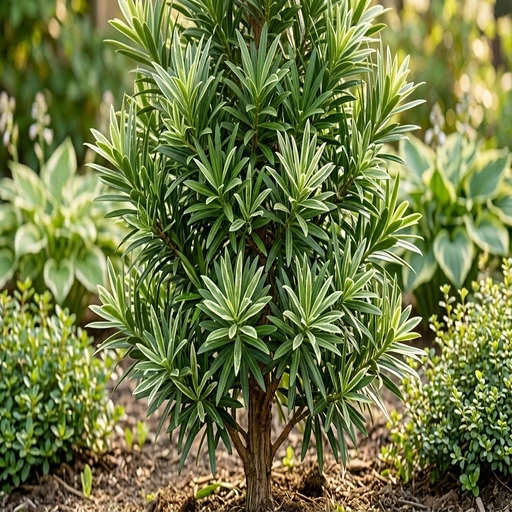
Roman Candle Podocarpus
Podocarpus macrophyllus 'Miu'
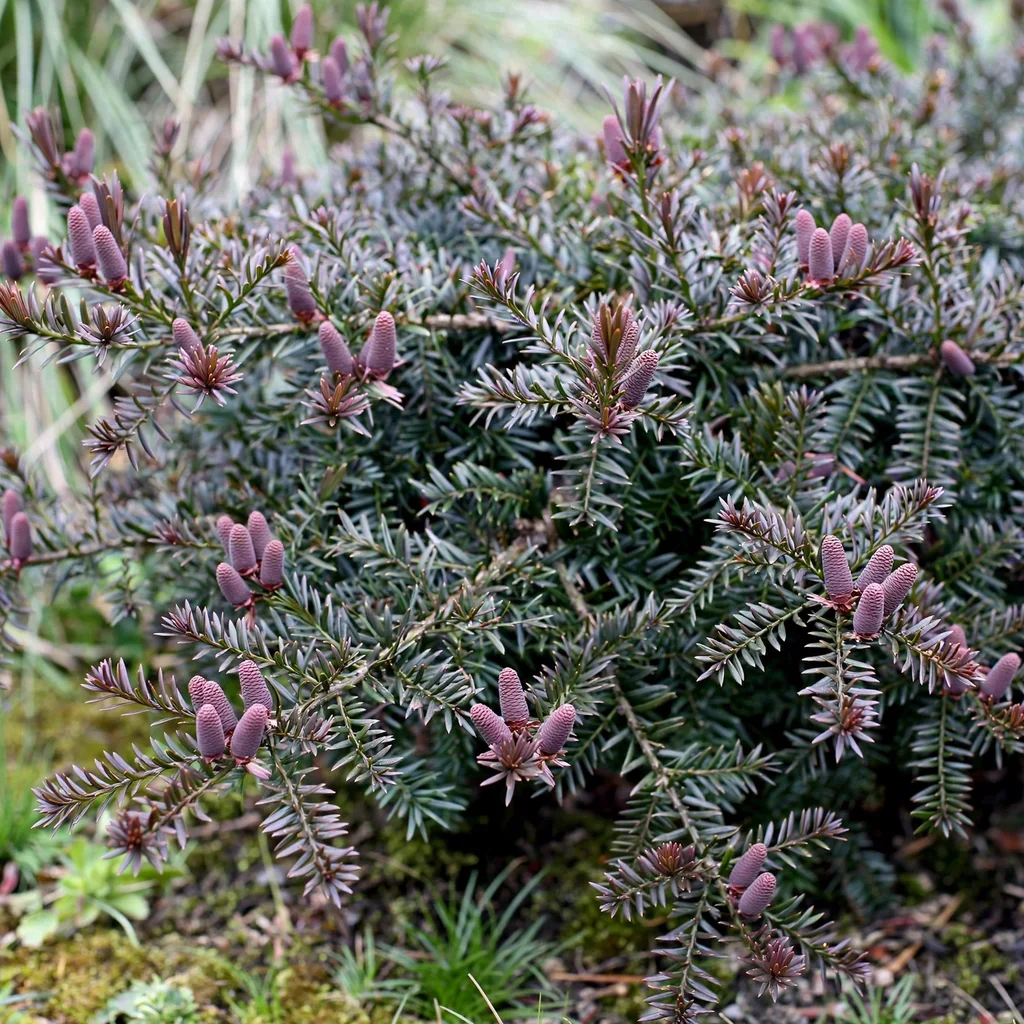
Mountain Plum-pine
Podocarpus lawrencei 'Purple King'
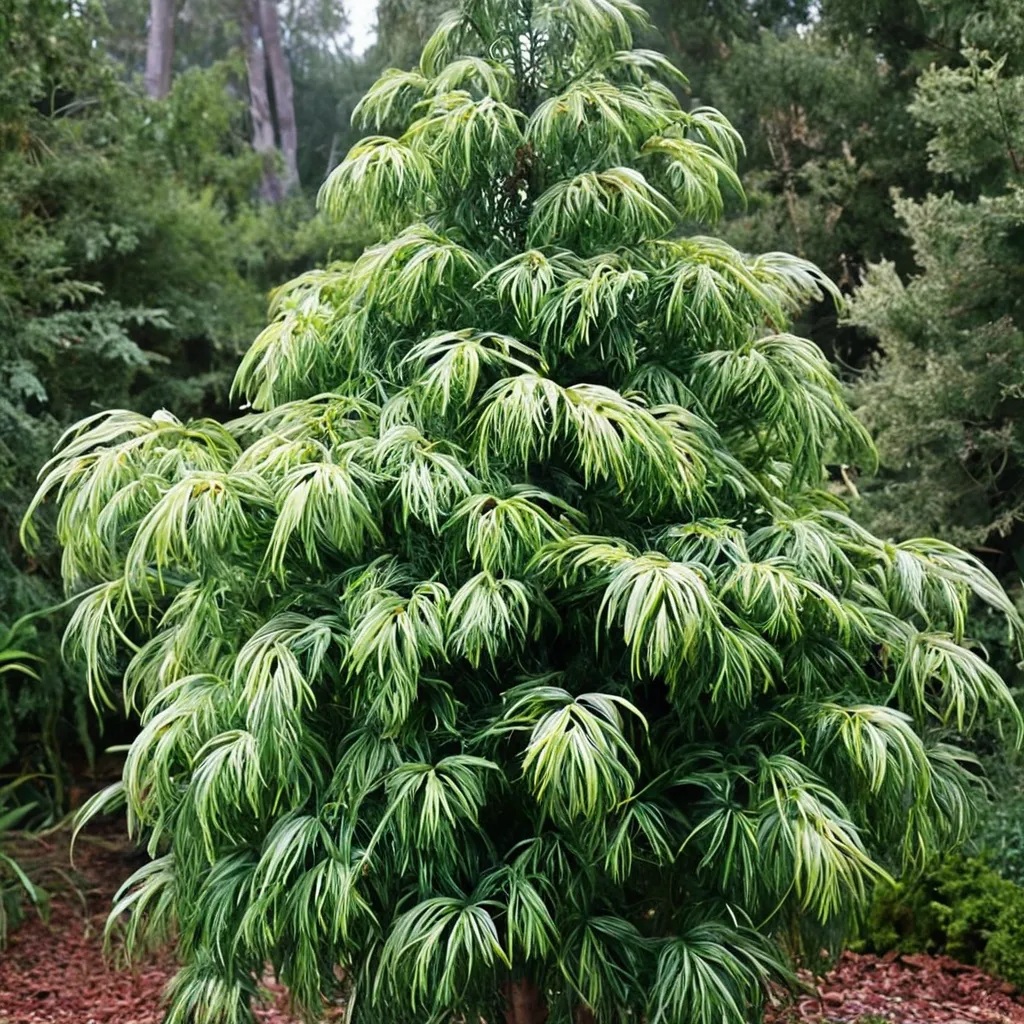
Henkel's Yellowwood
Podocarpus henkelii
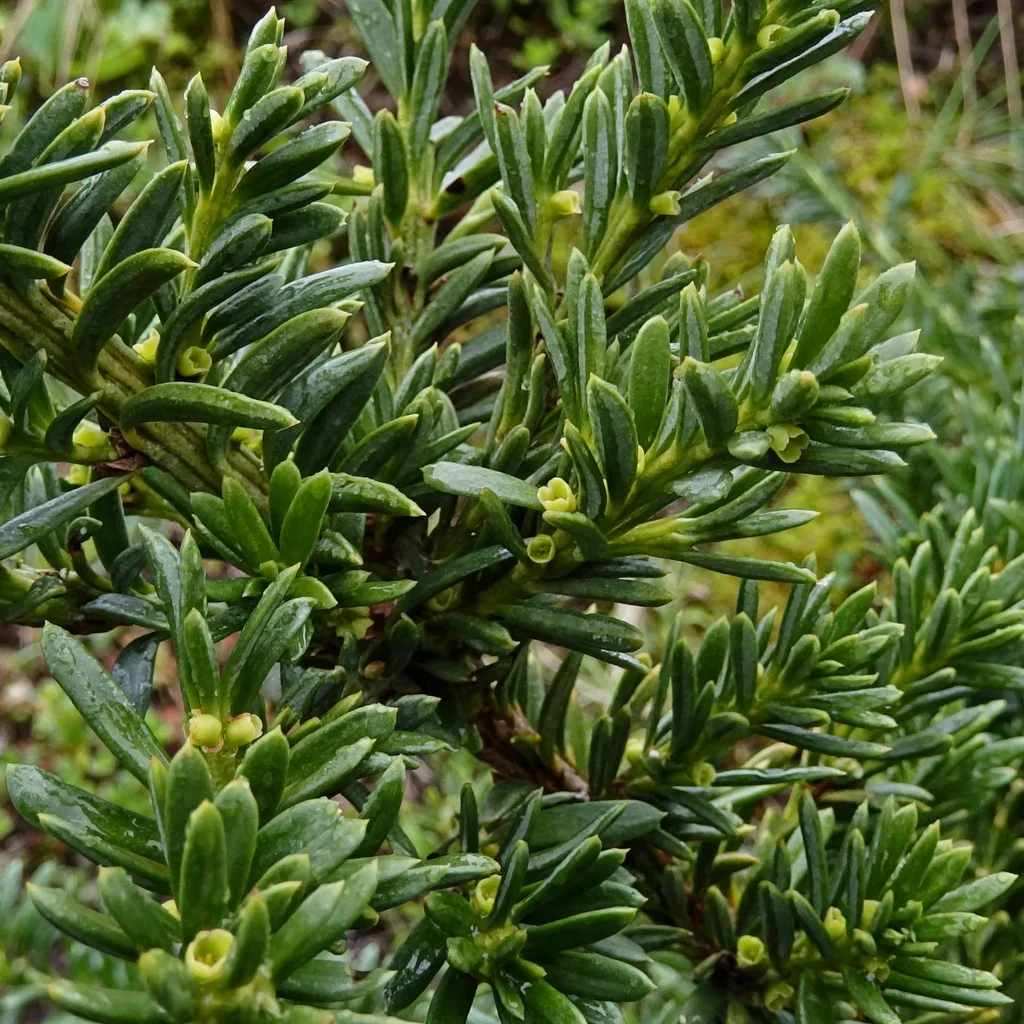
Snow Podocarp
Podocarpus nivalis 'Female Form'
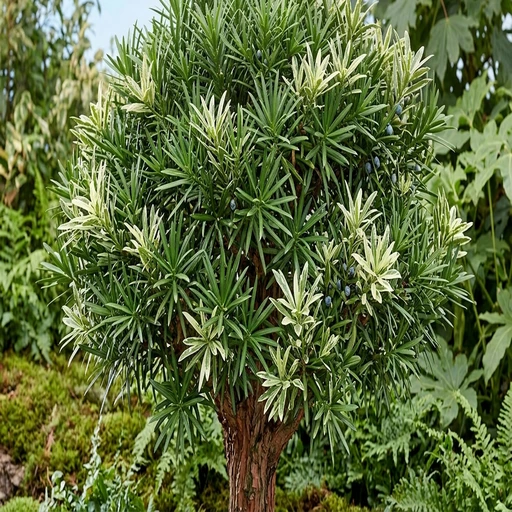
Yew Plum Pine
Podocarpus macrophyllus
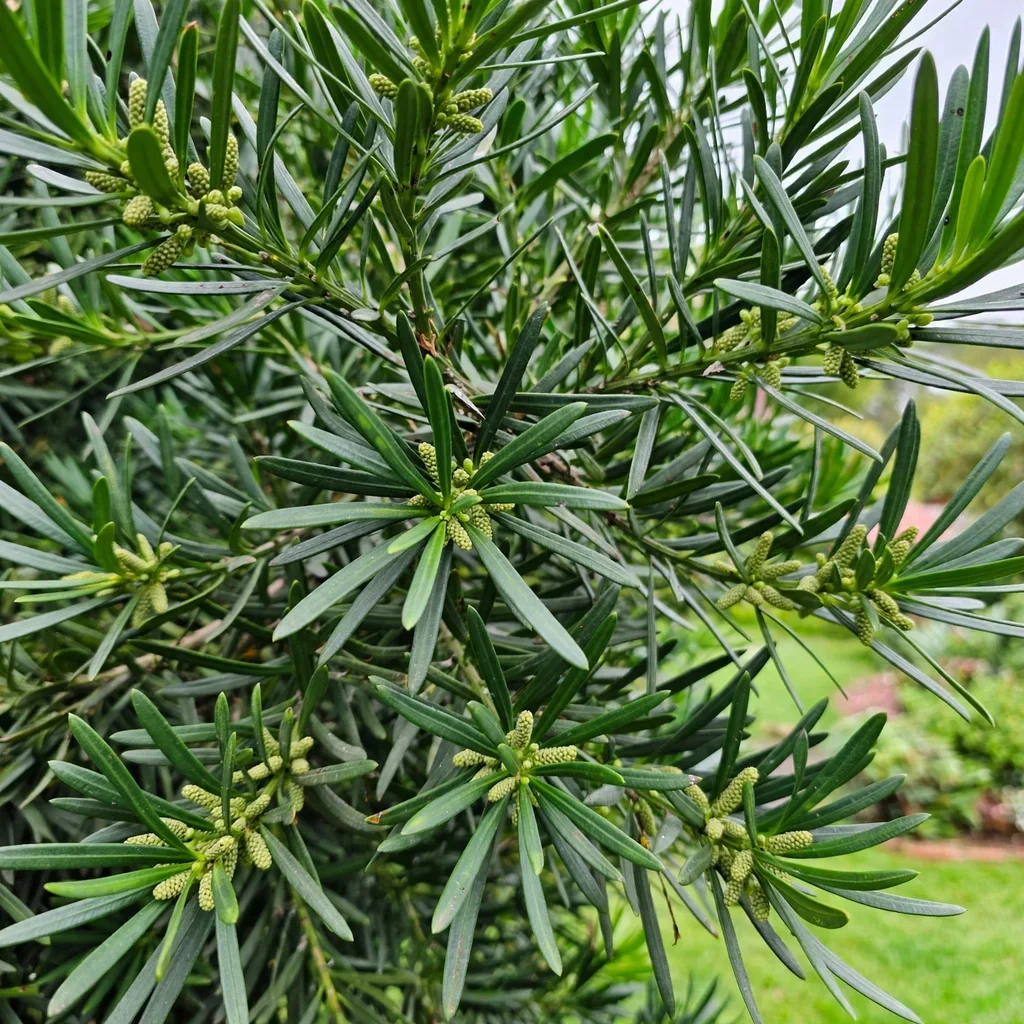
Outeniqua Yellowwood
Podocarpus falcatus
Keep exploring
Explore the genus
Hardy in your zone?
Grow Hall's Tōtara with confidence
See it in a design of your actual yard, get zone-matched care reminders, and track it season by season in your garden journal.