
The Story
Plant Bio
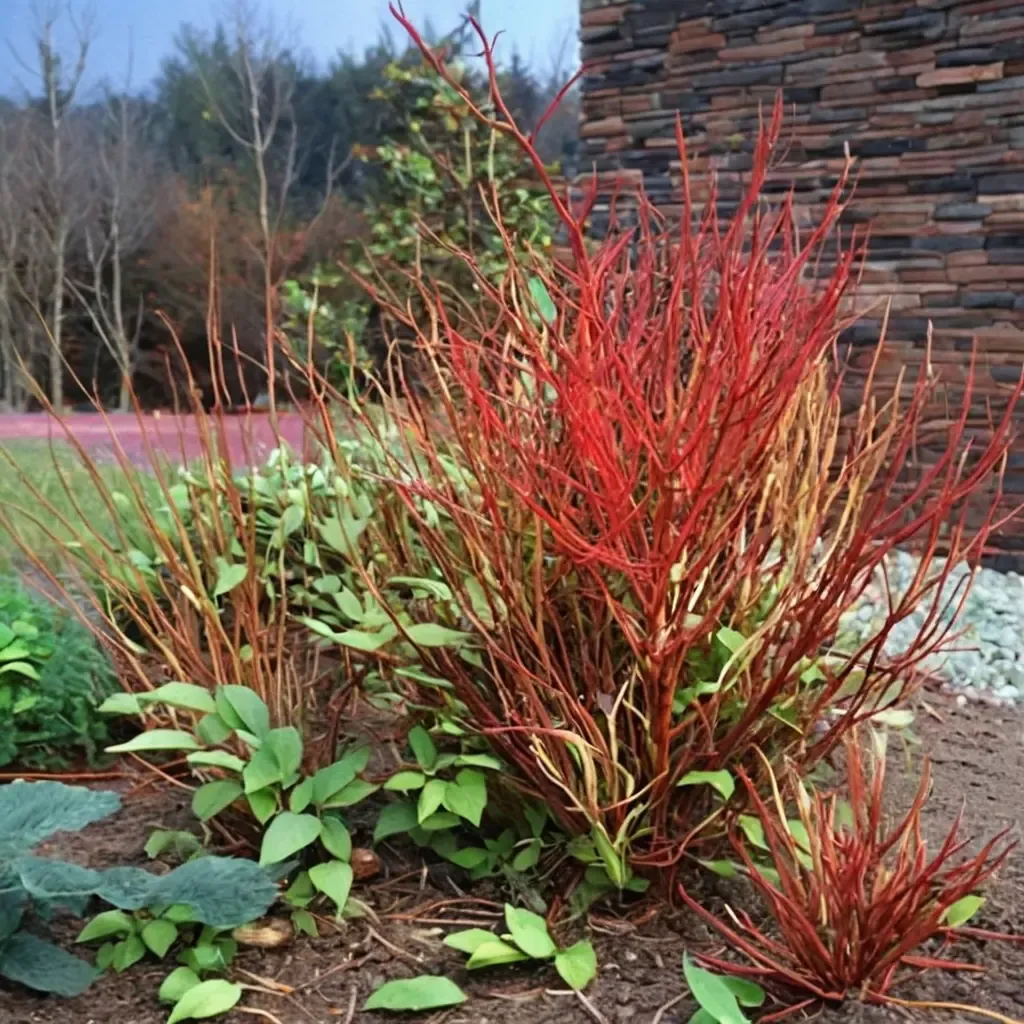
Cornus californica, the creek dogwood, is a deciduous multistemmed shrub reaching about 10 feet tall and wider, with upright red to green-brown stems and ovate leaves pale and hairy beneath. Flat cymes of small creamy-white flowers 2 to 3 inches across open from late spring into summer, followed by white to blue-white berries that birds take quickly.
It separates from red-osier dogwood by erect hairs with brown tufts in the vein axils on the leaf underside and by ridged stones, though hybrids and intermediates are common where their ranges overlap. Stems selected from vigorous western cuttings leaf out green, mature to bright red, and hold that winter color best when the oldest canes are cut to the base for renewal.
Uses & Benefits:
Essentials
At a Glance
Plant Type
Shrub
Height
118"
Width
157"
Light
Partial Sun
Zones
6, 7
Water
High
Humidity
Unknown
Lifespan
Woody perennial
Native To
Western North America
Toxicity
Unknown
Bloom period
Late spring – Fall
In flower about 7 months of the year
Planting
How to Grow
- Plant in part shade in moist loam or sand where water collects; it tolerates seasonal flooding.
- Set the crown level with the soil and water deeply at planting.
- Mulch 2 to 3 inches deep, keeping mulch off the stems.
- Water regularly through dry spells; do not let the root zone dry out.
- Renew by cutting the oldest stems to the base in late winter.
Pro Tip
Set it where roots stay moist year-round; drought stress slows growth and invites borers and canker.
Keep It Thriving
Care Guide
Do
- Keep soil consistently moist through summer
- Renew one-third of oldest stems each year for red bark
- Leave fall berries for birds
Don't
- Do not let plants dry out in summer heat
- Do not plant in dry upland soil without irrigation
- Do not shear the top; renewal comes from the base
Seasonal Care Calendar
| Task | Jan | Feb | Mar | Apr | May | Jun | Jul | Aug | Sep | Oct | Nov | Dec |
|---|---|---|---|---|---|---|---|---|---|---|---|---|
| Mulch | ||||||||||||
| Pest Check | ||||||||||||
| Plant | ||||||||||||
| Propagate | ||||||||||||
| Prune |
Watch Out For
Pests & Diseases
Common Pests
Common Diseases
In the Garden
Landscape Uses & Companions
Landscape Uses
Companion Plants
Multiply
Propagation Methods
Good to Know
Common Questions
Creek Dogwood questions
What zones can Creek Dogwood grow in?
Creek Dogwood is hardy in USDA Zones 6–7: in that range it survives winter in the ground. Colder than Zone 6, grow it in a container you can move to shelter for the winter. Warmer than Zone 7, winter isn't the problem: it prefers colder winters, and summer heat can shorten its life.
Is Creek Dogwood deer resistant?
Not reliably. Deer may browse Creek Dogwood, especially tender spring growth — plan on repellents or fencing where pressure is high.
When does Creek Dogwood bloom?
Creek Dogwood typically blooms from late spring to late fall. Exact timing shifts a week or two with your zone — Sow's bloom calendar maps it to your garden.
Does Creek Dogwood need full sun?
Creek Dogwood does best in part shade.
More Cornus to compare
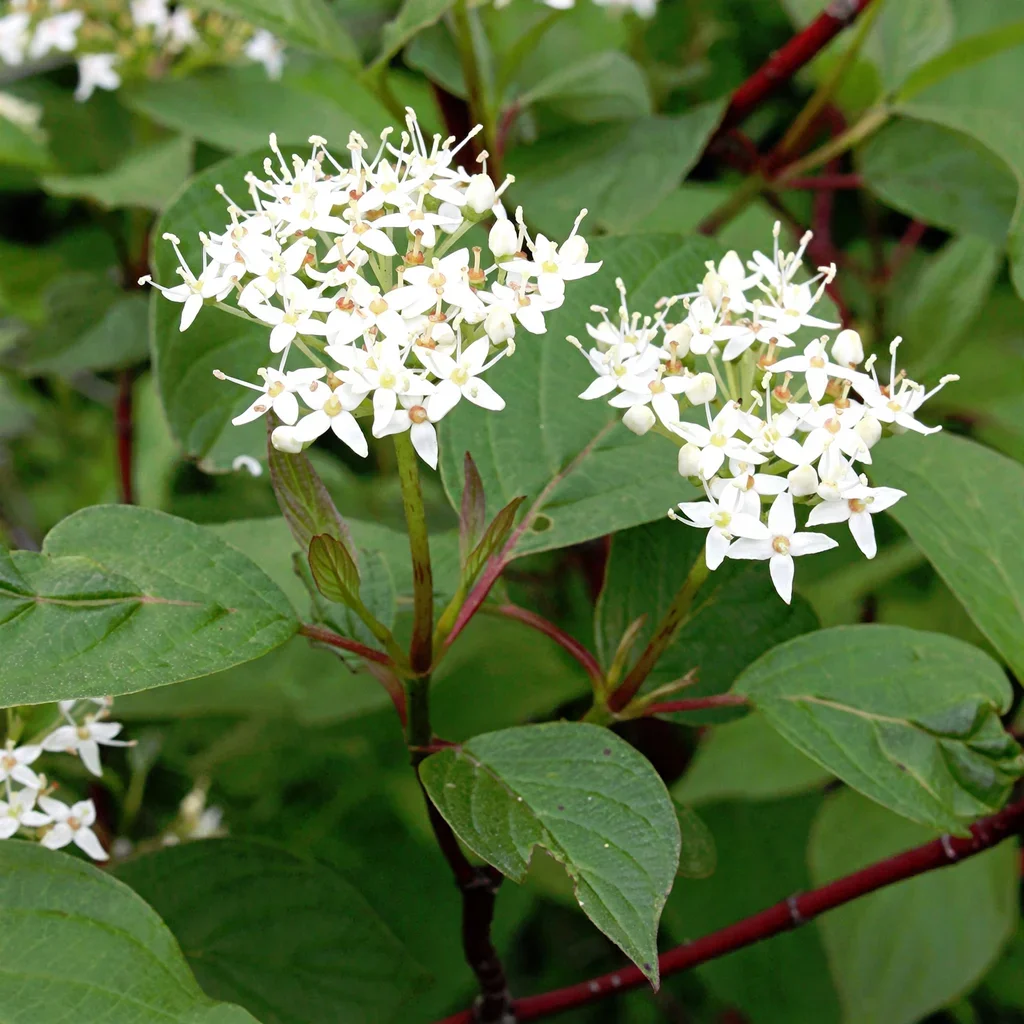
Red Twig Dogwood
Cornus sericea 'Red Twig'
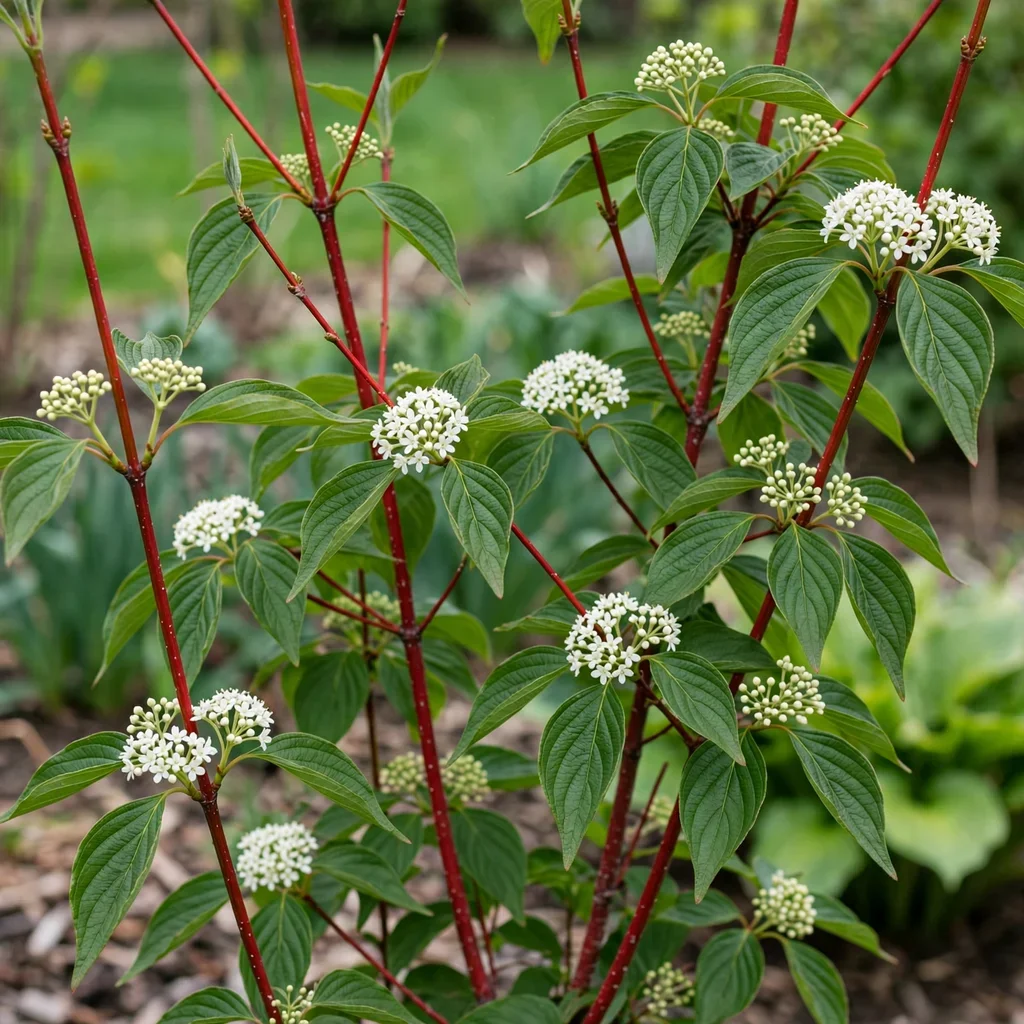
Arctic Fire Red Osier Dogwood
Cornus sericea 'Arctic Fire'
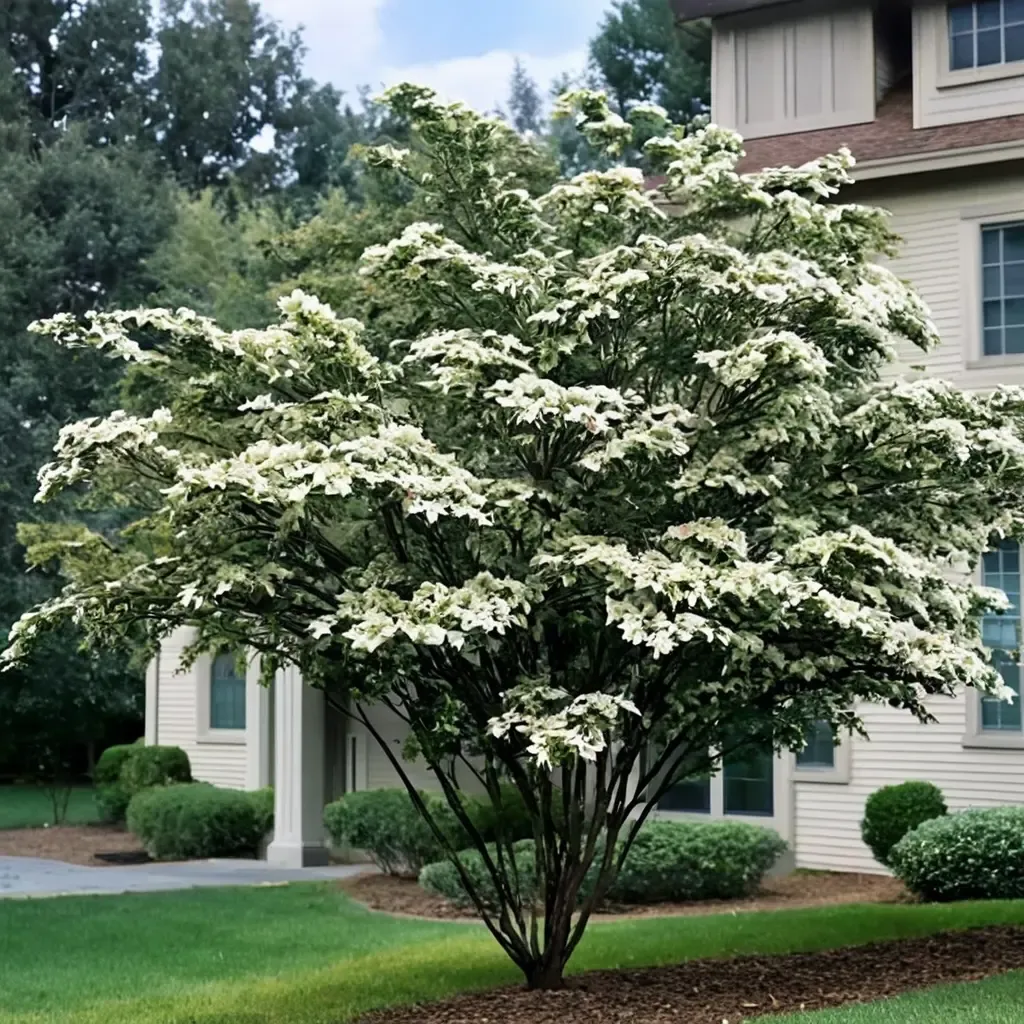
Kousa Dogwood
Cornus kousa
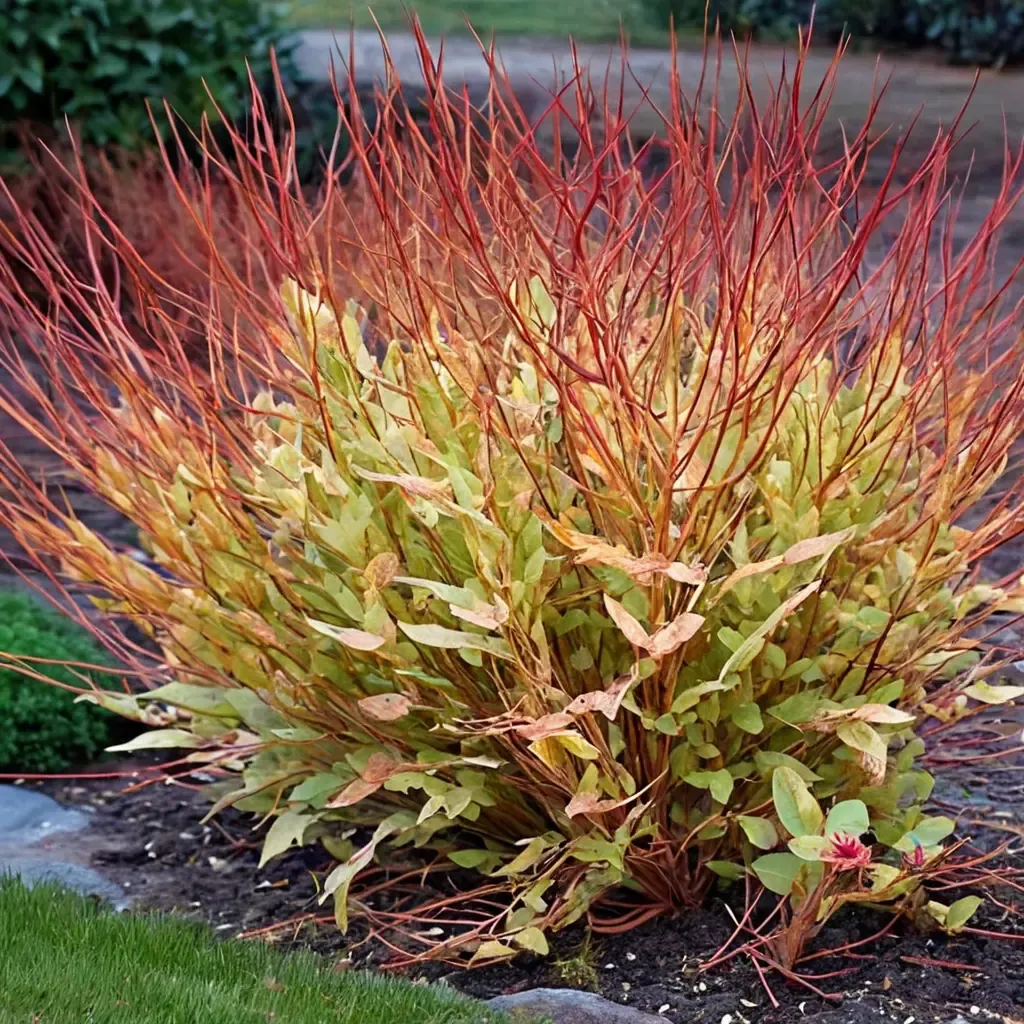
Midwinter Fire Dogwood
Cornus sanguinea 'Midwinter Fire'
Cardinal Red Osier Dogwood
Cornus sericea 'Cardinal'
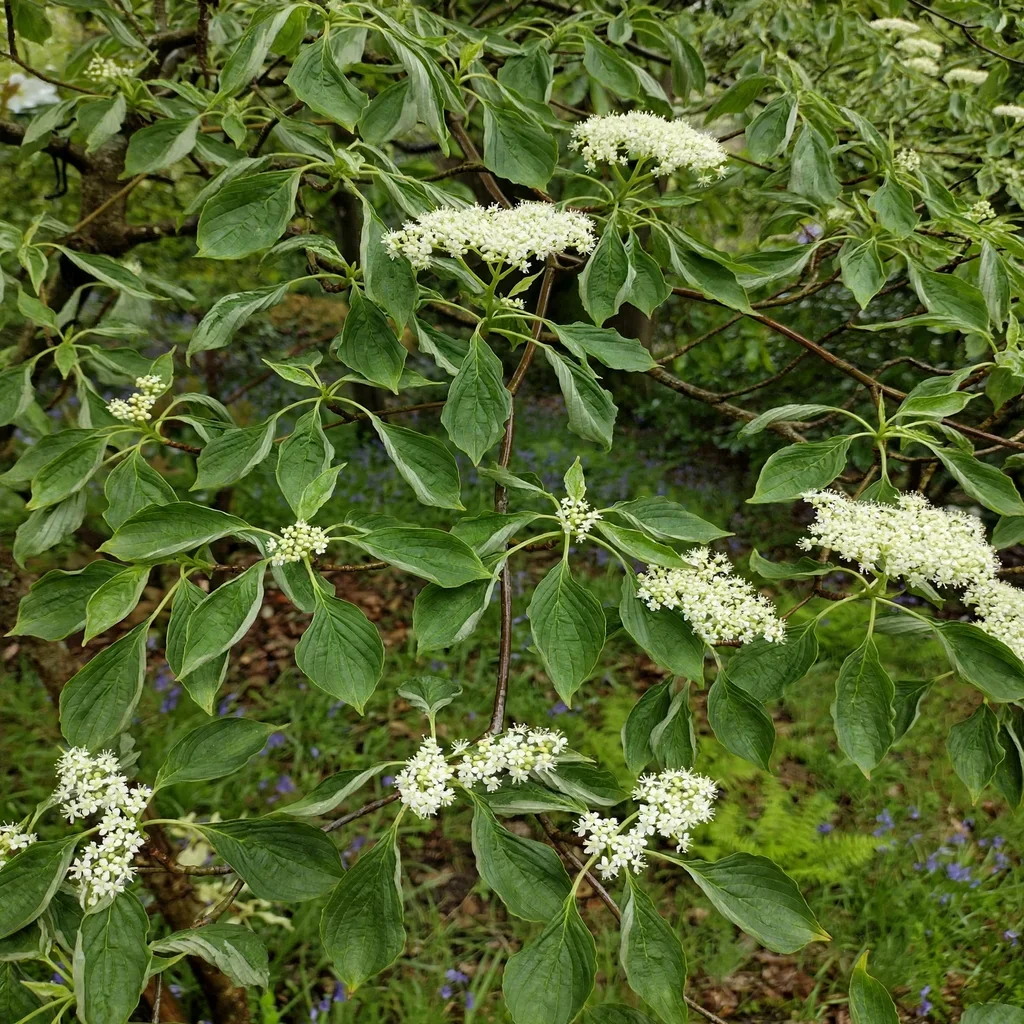
Giant Dogwood
Cornus controversa
Keep exploring
Explore the genus
Hardy in your zone?
Grow Creek Dogwood with confidence
See it in a design of your actual yard, get zone-matched care reminders, and track it season by season in your garden journal.