The Story
Plant Bio
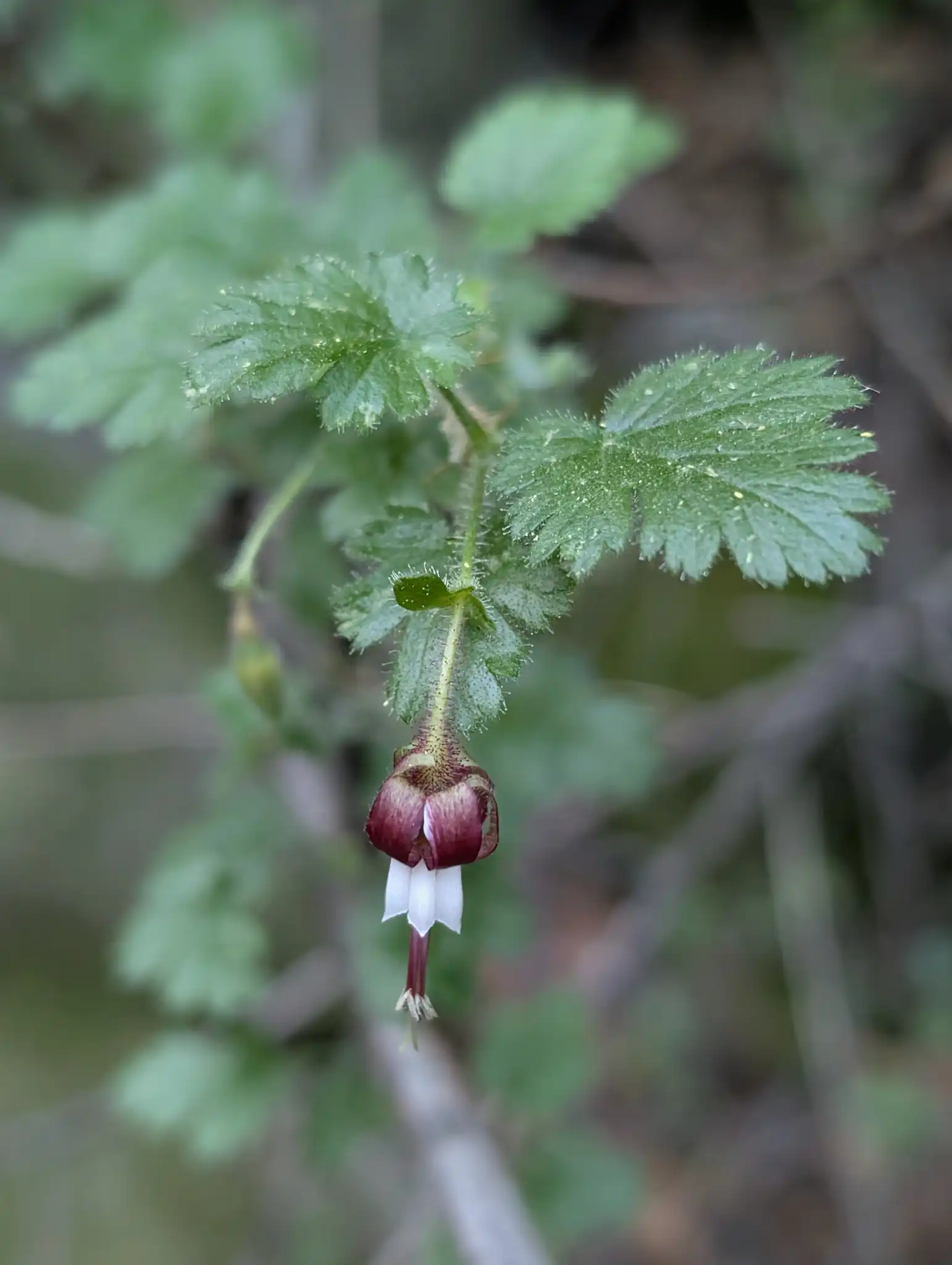
Ribes sericeum, the Santa Lucia gooseberry, is a deciduous shrub reaching 3 to 7 feet tall, with lobed toothed leaves to about 1.5 inches long that are hairy and glandular beneath. Its spring flowers hang singly or in twos and threes, each with reflexed green to red sepals around a tube of smaller whitish petals, followed by purple bristly berries to about 1 inch long.
Stems are densely hairy with glandular bristles and carry three stout spines over 0.4 inches long at each node, which separates it from spineless currants. It is a rare California endemic of Santa Lucia Mountain streamsides, not the Midwestern Missouri gooseberry it is sometimes mislabeled as in trade.
Uses & Benefits:
Essentials
At a Glance
Plant Type
Shrub
Height
72"
Width
48"
Light
Full Sun, Partial Sun
Zones
8, 9
Water
Moderate
Humidity
Unknown
Lifespan
Perennial
Native To
California, USA
Toxicity
Unknown; spines cause mechanical injury
Bloom period
Spring – Late spring
In flower about 3 months of the year
Planting
How to Grow
- Plant container stock in fall in full sun to part shade with shelter from hot afternoon sun.
- Set the crown at soil level and space plants 4 to 5 feet apart to allow for erect spiny stems.
- Mulch with 2 to 3 inches of leaf mulch, keeping mulch off the stems.
- Water to establish a deep root system; mimic streambank moisture without waterlogging the crown.
Pro Tip
Give it sun to part shade with a cool moist root run like a streambank; prune lightly after fruiting and never cut hard into old bare wood.
Keep It Thriving
Care Guide
Do
- Wear heavy gloves when planting, pruning, or harvesting around the nodal spines.
- Keep roots cool and evenly moist during the first two summers.
- Leave the bristly berries for birds if not harvesting.
Don't
- Do not plant in a path edge or play area where the 1 cm-plus spines cause injury.
- Do not shear into old leafless wood to control size.
- Do not let the root zone bake dry in full sun.
Seasonal Care Calendar
| Task | Jan | Feb | Mar | Apr | May | Jun | Jul | Aug | Sep | Oct | Nov | Dec |
|---|---|---|---|---|---|---|---|---|---|---|---|---|
| Mulch | ||||||||||||
| Pest Check | ||||||||||||
| Plant | ||||||||||||
| Prune |
Watch Out For
Pests & Diseases
Common Pests
Common Diseases
In the Garden
Landscape Uses & Companions
Landscape Uses
Companion Plants
Multiply
Propagation Methods
Good to Know
Common Questions
Santa Lucia Gooseberry questions
What zones can Santa Lucia Gooseberry grow in?
Santa Lucia Gooseberry is hardy in USDA Zones 8–9: in that range it survives winter in the ground. Colder than Zone 8, grow it in a container you can move to shelter for the winter. Warmer than Zone 9, winter isn't the problem: it prefers colder winters, and summer heat can shorten its life.
When does Santa Lucia Gooseberry bloom?
Santa Lucia Gooseberry typically blooms in spring. Exact timing shifts a week or two with your zone — Sow's bloom calendar maps it to your garden.
Does Santa Lucia Gooseberry need full sun?
Santa Lucia Gooseberry does best in full sun to part shade. In hot climates, afternoon shade keeps blooms fresher longer.
More Ribes to compare
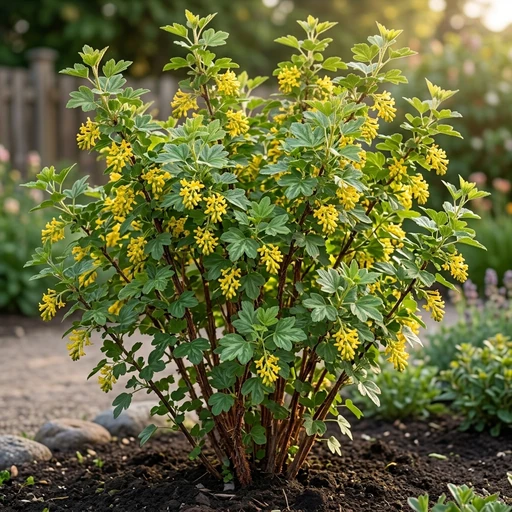
Golden Currant
Ribes aureum
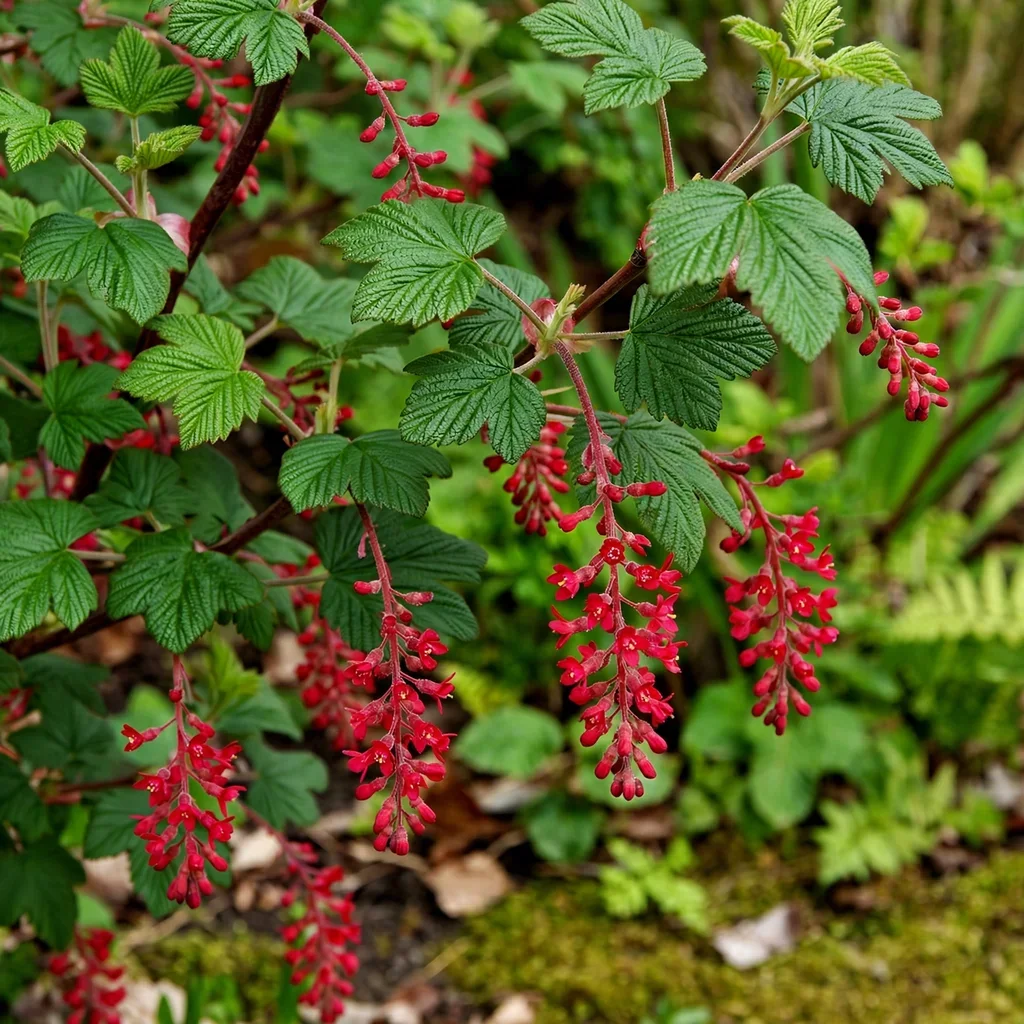
King Edward VII Flowering Currant
Ribes sanguineum 'King Edward VII'
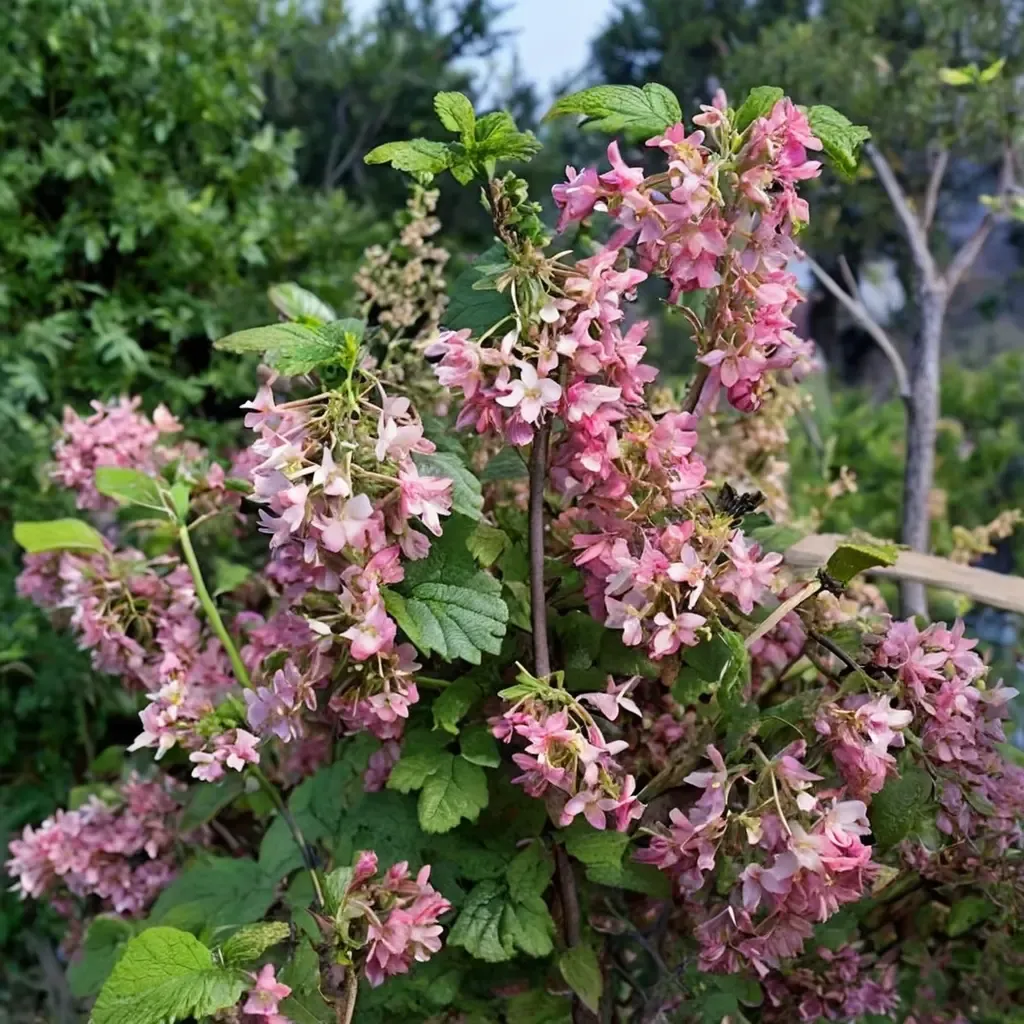
Claremont Currant
Ribes sanguineum 'Claremont'
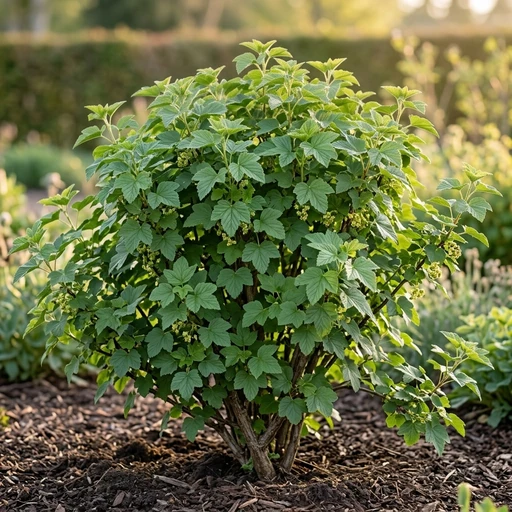
Alpine Currant
Ribes alpinum
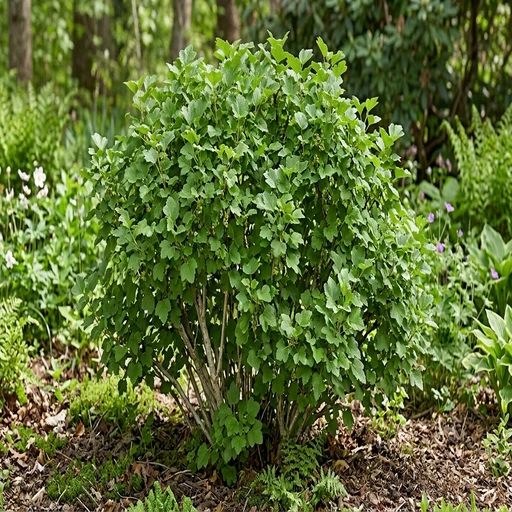
Green Mound Alpine Currant
Ribes alpinum 'Green Mound'
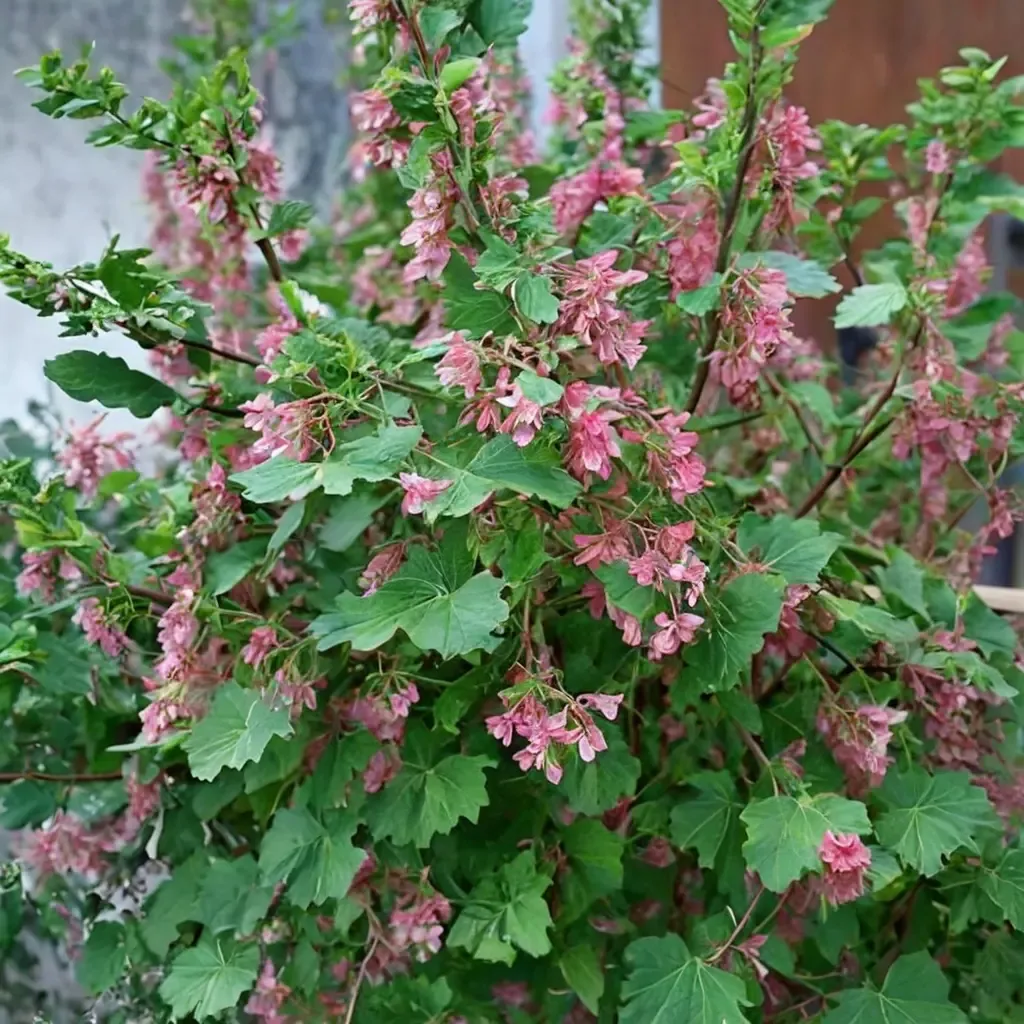
Pink-Flowering Currant
Ribes sanguineum 'glutinosum'
Keep exploring
Explore the genus
Hardy in your zone?
Grow Santa Lucia Gooseberry with confidence
See it in a design of your actual yard, get zone-matched care reminders, and track it season by season in your garden journal.