The Story
Plant Bio
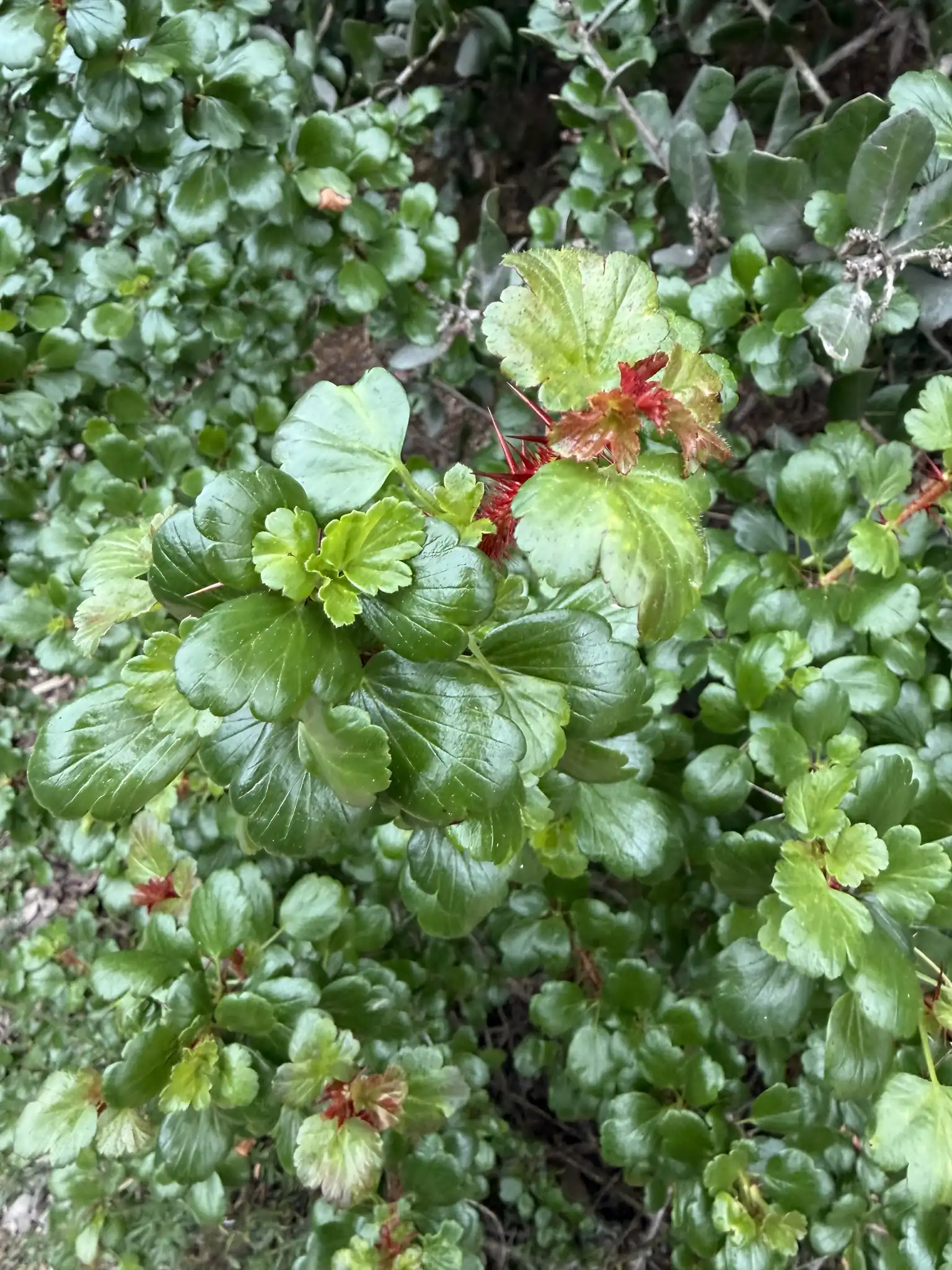
Ribes speciosum is a spreading, arching shrub native to California and Baja California, growing five to ten feet tall with stems heavily coated in bristles and sharp triple spines at the nodes. From winter through spring, it produces pendant clusters of tubular, deep crimson flowers with long-protruding stamens that resemble tiny fuchsias.
This species frequently drops its glossy, leathery leaves during summer drought to conserve moisture before flushing fresh green foliage with winter rains. Its intense nodal armor and glandular bristles deter deer browsing while providing sheltered nesting sites for songbirds.
Uses & Benefits:
Essentials
At a Glance
Plant Type
Shrub
Height
118"
Width
118"
Light
Partial Sun, Shade
Zones
8, 9, 10
Water
Low
Humidity
Low to moderate
Lifespan
Perennial shrub
Native To
California and Baja California
Toxicity
Non-toxic fruit; spiny skin irritant
Bloom period
Winter – Spring
In flower about 6 months of the year
Planting
How to Grow
- Select a planting location in partial shade or gentle morning sun with well-draining sand, loam, or clay-loam soil.
- Position the shrub at least four feet back from walkways to account for its formidable nodal spines.
- Water regularly through the first winter and spring to establish the root system.
- Cease routine summer watering after the first year to allow the plant to follow its natural summer-dormant cycle.
Pro Tip
Withhold supplemental summer irrigation once established; soil moisture combined with heat triggers fatal Phytophthora root rot.
Keep It Thriving
Care Guide
Do
- Ensure sharp soil drainage to avoid wet roots.
- Wear thick leather gloves when handling or pruning.
- Allow the shrub to drop foliage naturally during hot summer weather.
Don't
- Do not overwater during summer dormancy.
- Do not shear stems into a formal hedge shape.
- Do not prune hard into old wood where buds fail to break.
Seasonal Care Calendar
| Task | Jan | Feb | Mar | Apr | May | Jun | Jul | Aug | Sep | Oct | Nov | Dec |
|---|---|---|---|---|---|---|---|---|---|---|---|---|
| Mulch | ||||||||||||
| Pest Check | ||||||||||||
| Plant | ||||||||||||
| Prune |
Watch Out For
Pests & Diseases
Common Pests
Common Diseases
In the Garden
Landscape Uses & Companions
Landscape Uses
Companion Plants
Multiply
Propagation Methods
Good to Know
Common Questions
Fuchsia-Flowered Gooseberry questions
What zones can Fuchsia-Flowered Gooseberry grow in?
Fuchsia-Flowered Gooseberry is hardy in USDA Zones 8–10: in that range it survives winter in the ground. Colder than Zone 8, grow it in a container you can move to shelter for the winter.
Is Fuchsia-Flowered Gooseberry deer resistant?
Yes — Fuchsia-Flowered Gooseberry is rated deer-resistant. Deer typically pass it over, though extreme hunger can override any plant's defenses.
When does Fuchsia-Flowered Gooseberry bloom?
Fuchsia-Flowered Gooseberry typically blooms from winter to spring. Exact timing shifts a week or two with your zone — Sow's bloom calendar maps it to your garden.
Does Fuchsia-Flowered Gooseberry need full sun?
Fuchsia-Flowered Gooseberry does best in part shade.
Is Fuchsia-Flowered Gooseberry drought tolerant?
Yes — once established (usually after the first full season), Fuchsia-Flowered Gooseberry handles dry spells with minimal watering. Water deeply its first year to build the root system that makes that possible.
More Ribes to compare
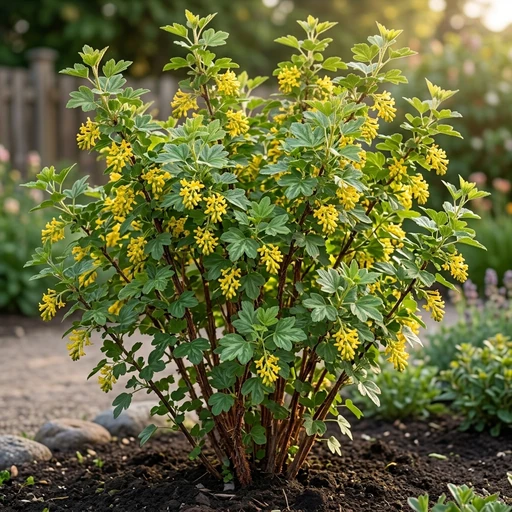
Golden Currant
Ribes aureum
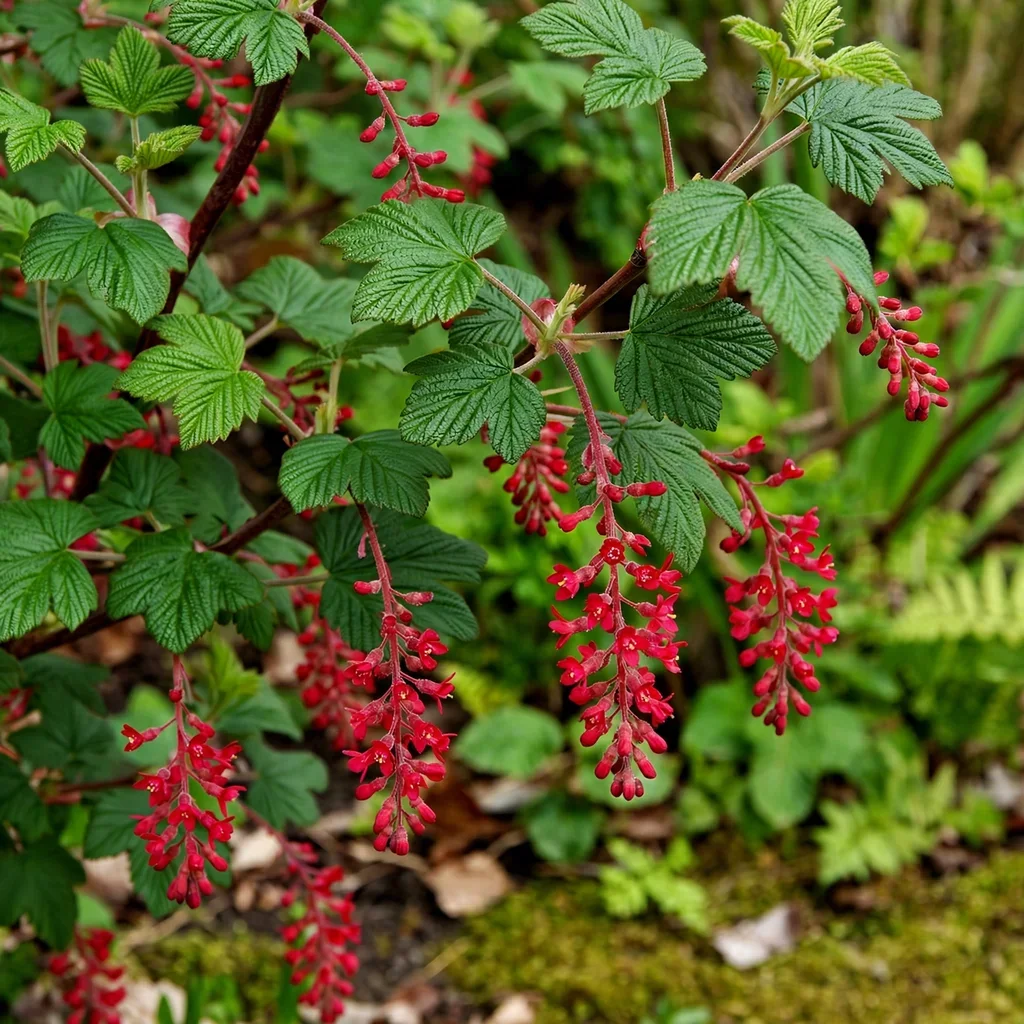
King Edward VII Flowering Currant
Ribes sanguineum 'King Edward VII'
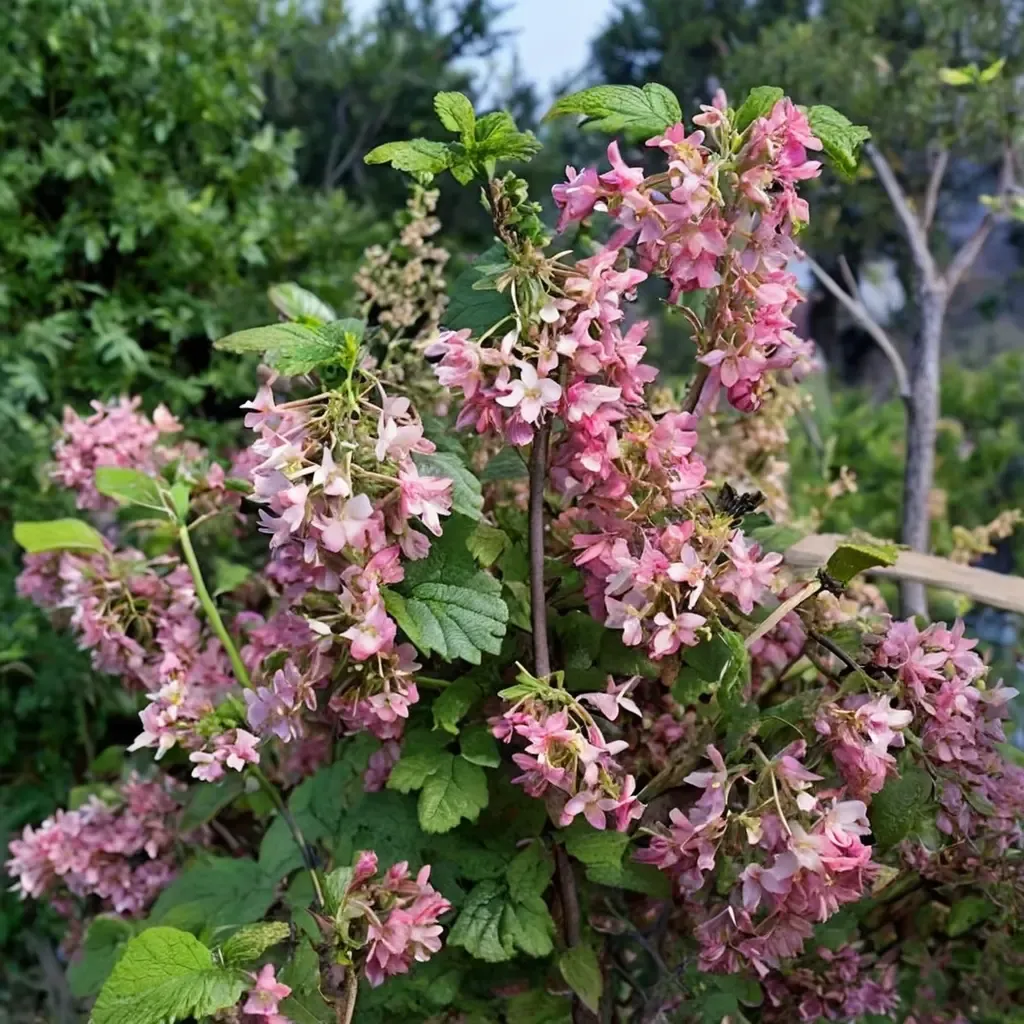
Claremont Currant
Ribes sanguineum 'Claremont'
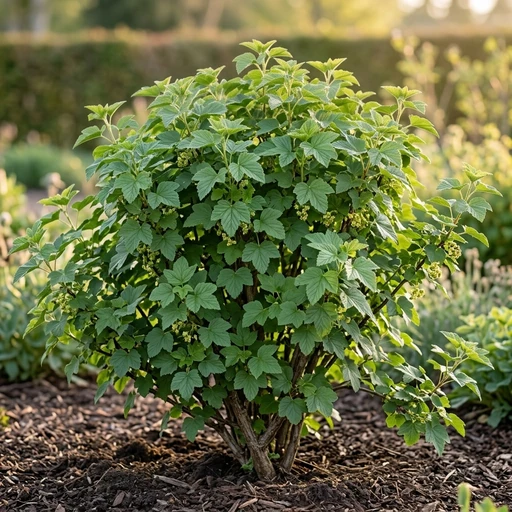
Alpine Currant
Ribes alpinum
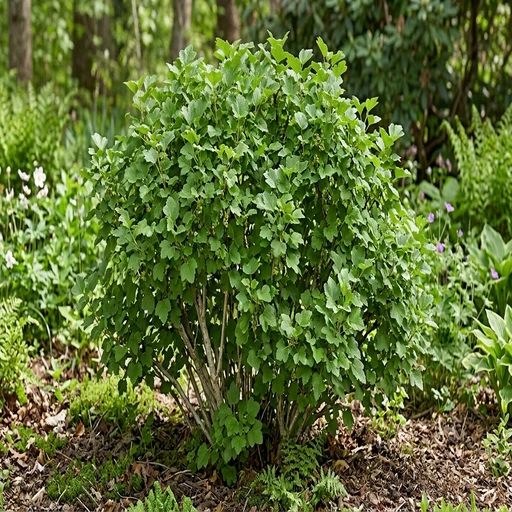
Green Mound Alpine Currant
Ribes alpinum 'Green Mound'
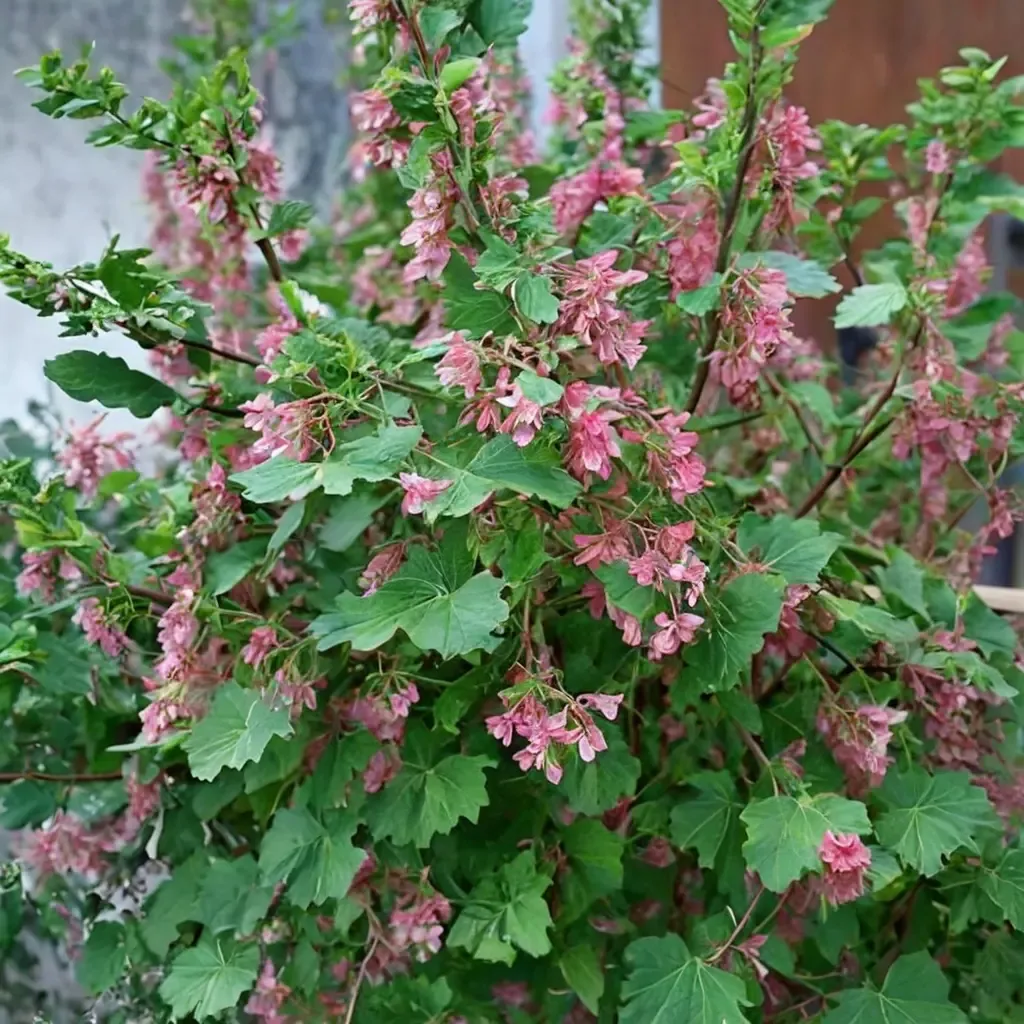
Pink-Flowering Currant
Ribes sanguineum 'glutinosum'
Keep exploring
Explore the genus
Hardy in your zone?
Grow Fuchsia-Flowered Gooseberry with confidence
See it in a design of your actual yard, get zone-matched care reminders, and track it season by season in your garden journal.