The Story
Plant Bio
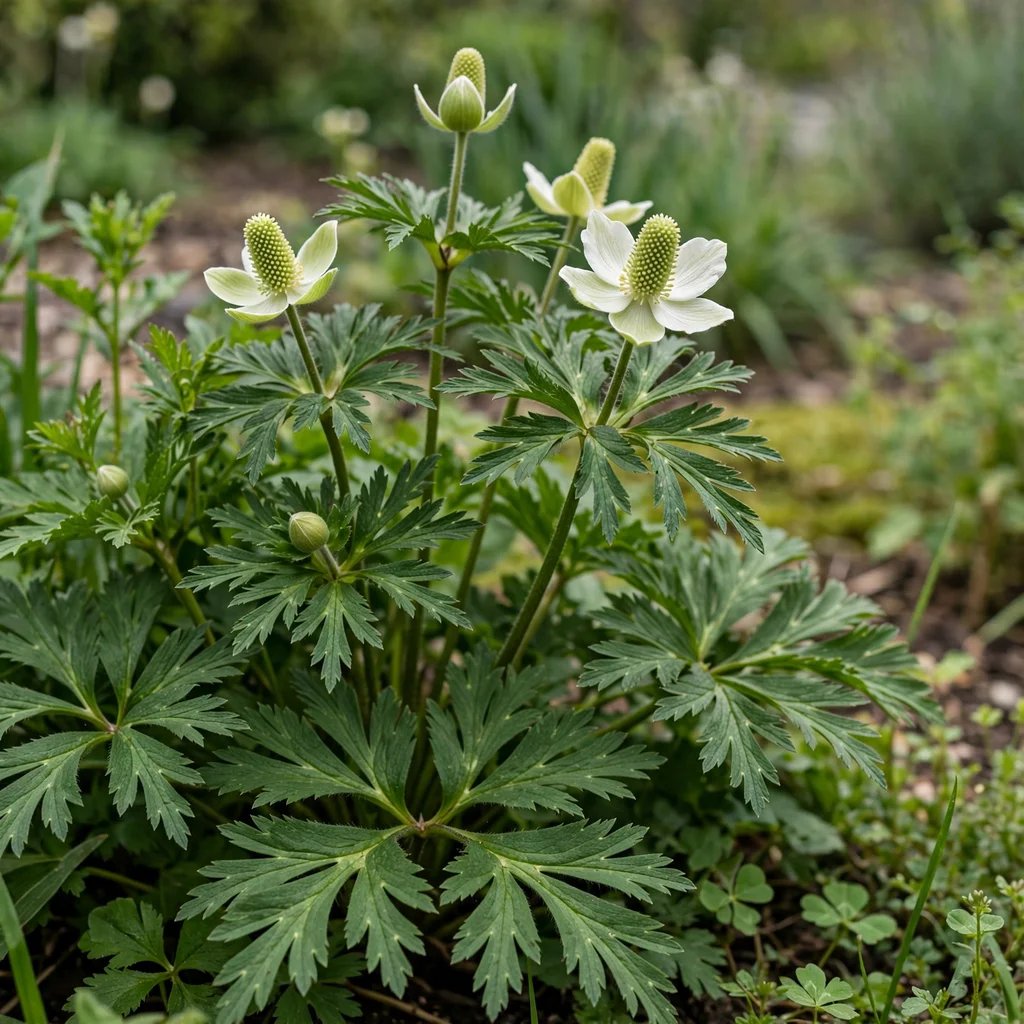
Anemone virginiana, commonly known as tall thimbleweed, is an herbaceous perennial native to eastern and central North America that forms upright clumps twelve to thirty-six inches tall. Deeply divided basal leaves support single terminal flower stems topped with greenish-white sepals around a prominent, thimble-shaped central cone.
Unlike spreading rhizomatous anemones, tall thimbleweed expands slowly from short underground rhizomes and maintains a controlled clump in garden beds. Following mid-summer bloom, the elongated central seed receptacle transforms into a lingering, architectural seed head that persists well into winter.
Uses & Benefits:
Essentials
At a Glance
Plant Type
Perennial
Height
36"
Width
24"
Light
Full Sun, Partial Sun
Zones
4, 5, 6, 7, 8
Water
Low to medium
Humidity
Moderate
Lifespan
Perennial
Native To
North America
Toxicity
Toxic if ingested; sap irritates skin
Bloom period
Late spring – Mid summer
In flower about 3 months of the year
Planting
How to Grow
- Select a planting site receiving full sun or partial shade with well-draining loam, sand, or clay.
- Set bare-root plants or potted plugs into soil so the crown sits flush with the ground line.
- Water thoroughly at planting and supply supplemental moisture until root systems establish.
- Topdress around plants each spring with organic compost or leaf mold in place of high-nitrogen fertilizer.
- Cut spent foliage back to soil level in late winter before fresh spring shoots begin to emerge.
Pro Tip
Site in well-drained soil to avoid winter crown rot, and leave dead stems intact through fall to display the decorative thimble seed heads.
Keep It Thriving
Care Guide
Do
- Ensure soil drains freely to prevent waterlogging around roots.
- Topdress annually with leaf mold or organic compost.
- Divide overcrowded clumps every three to four years in early spring.
Don't
- Do not plant in wet, low-lying ground prone to standing water.
- Do not apply heavy applications of synthetic fertilizers.
- Do not shear down foliage during the active summer growing period.
Seasonal Care Calendar
| Task | Jan | Feb | Mar | Apr | May | Jun | Jul | Aug | Sep | Oct | Nov | Dec |
|---|---|---|---|---|---|---|---|---|---|---|---|---|
| Divide | ||||||||||||
| Mulch | ||||||||||||
| Pest Check | ||||||||||||
| Plant | ||||||||||||
| Spring Cleanup |
Watch Out For
Pests & Diseases
Common Pests
Common Diseases
In the Garden
Landscape Uses & Companions
Landscape Uses
Multiply
Propagation Methods
Good to Know
Common Questions
Tall Thimbleweed questions
What zones can Tall Thimbleweed grow in?
Tall Thimbleweed is hardy in USDA Zones 4–8: in that range it survives winter in the ground. Warmer than Zone 8, winter isn't the problem: it prefers colder winters, and summer heat can shorten its life.
Is Tall Thimbleweed deer resistant?
Not reliably. Deer may browse Tall Thimbleweed, especially tender spring growth — plan on repellents or fencing where pressure is high.
When does Tall Thimbleweed bloom?
Tall Thimbleweed typically blooms from late spring to mid-summer. Exact timing shifts a week or two with your zone — Sow's bloom calendar maps it to your garden.
Does Tall Thimbleweed need full sun?
Tall Thimbleweed does best in full sun to part shade. In hot climates, afternoon shade keeps blooms fresher longer.
Is Tall Thimbleweed drought tolerant?
Yes — once established (usually after the first full season), Tall Thimbleweed handles dry spells with minimal watering. Water deeply its first year to build the root system that makes that possible.
More Anemone to compare
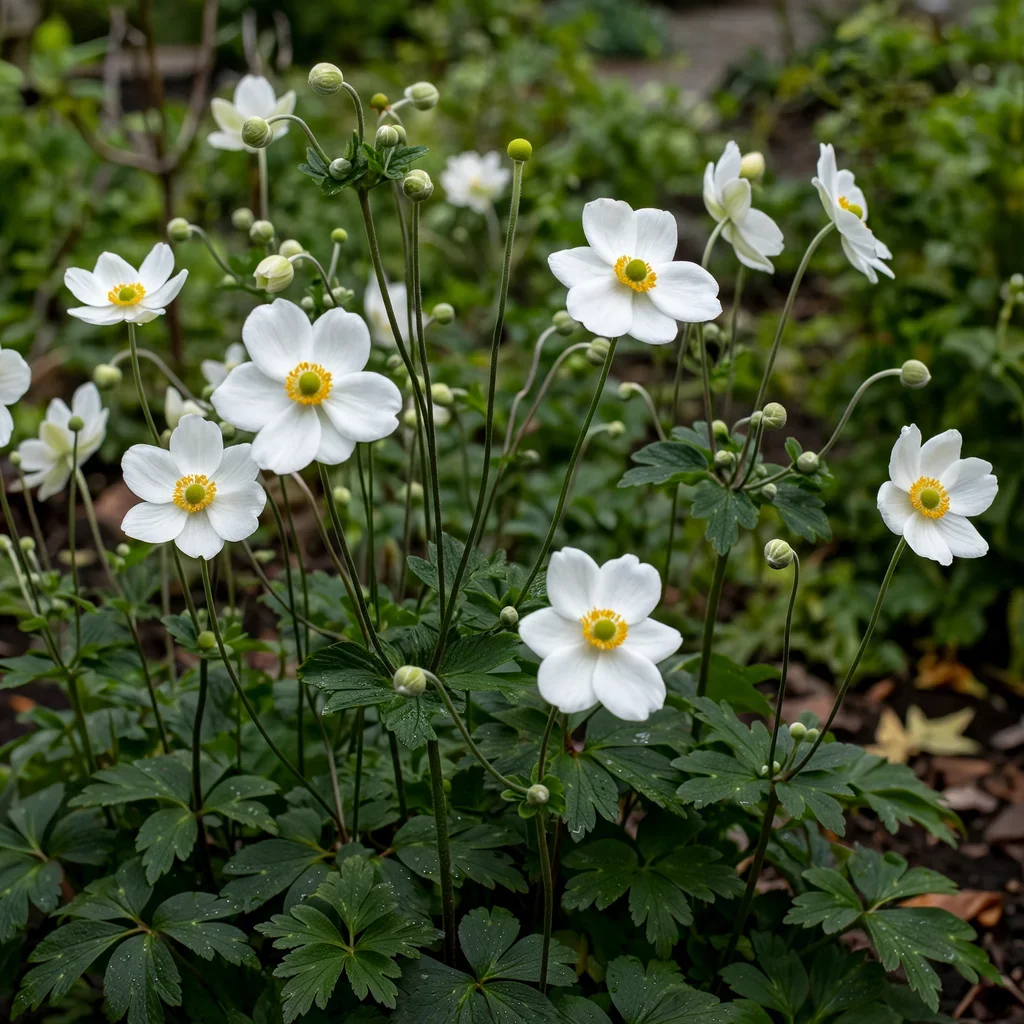
Honorine Jobert Anemone
Anemone x hybrida 'Honorine Jobert'
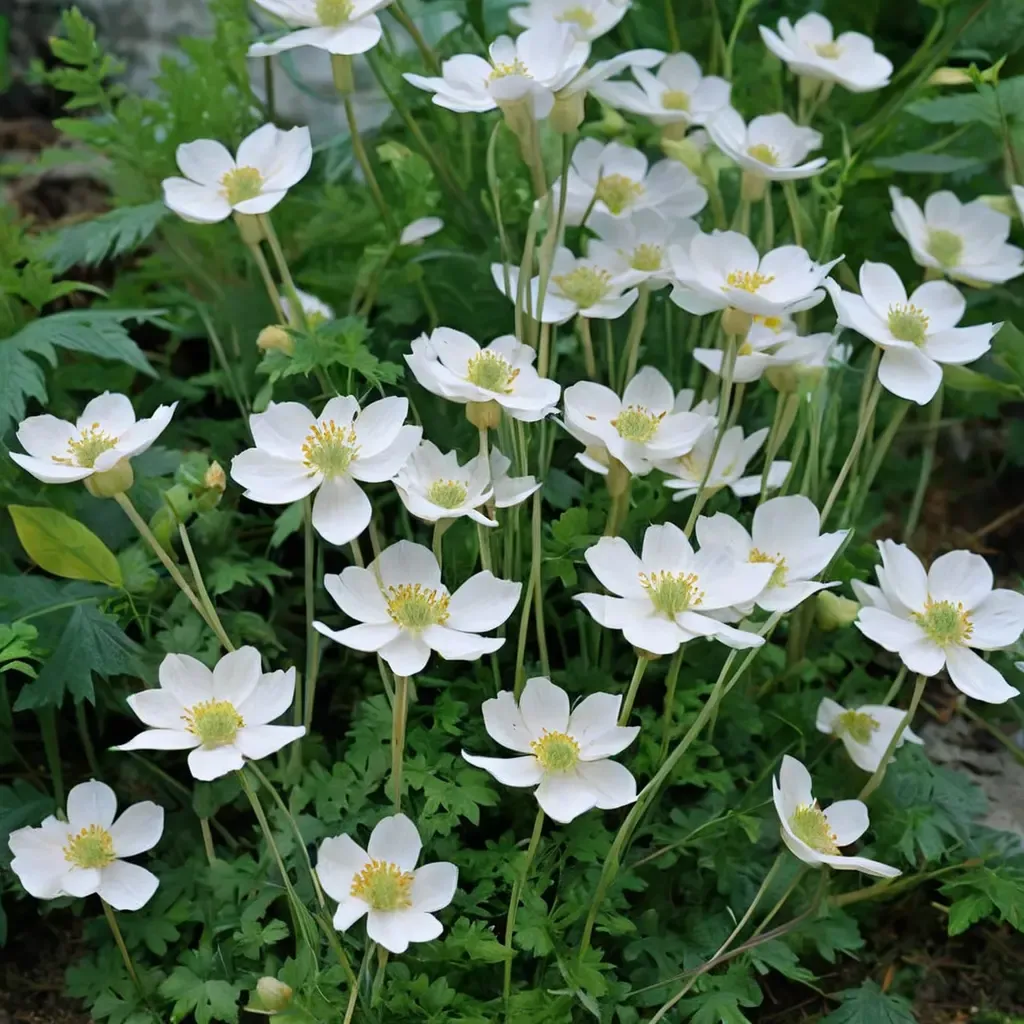
Snowdrop Anemone
Anemone sylvestris
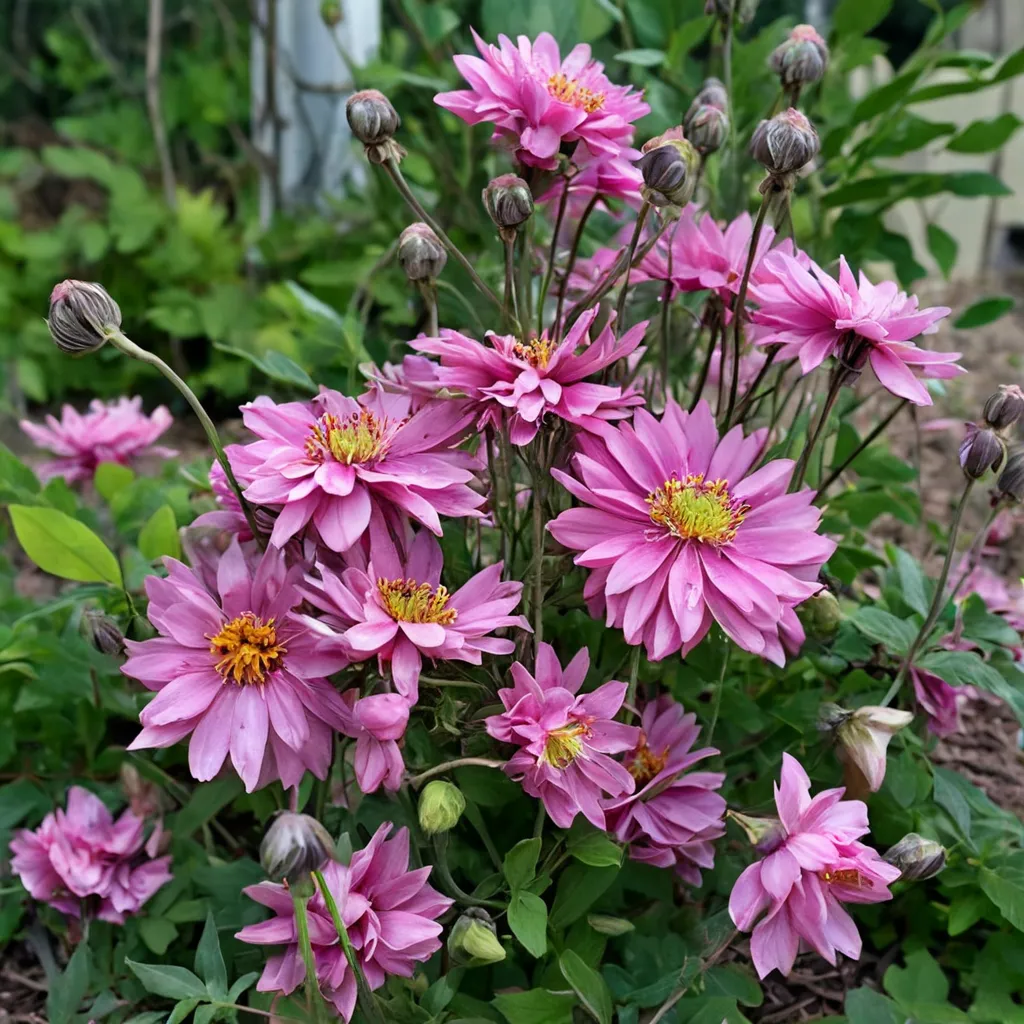
Japanese Anemone Sweetly
Anemone x hybrida 'Sweetly'
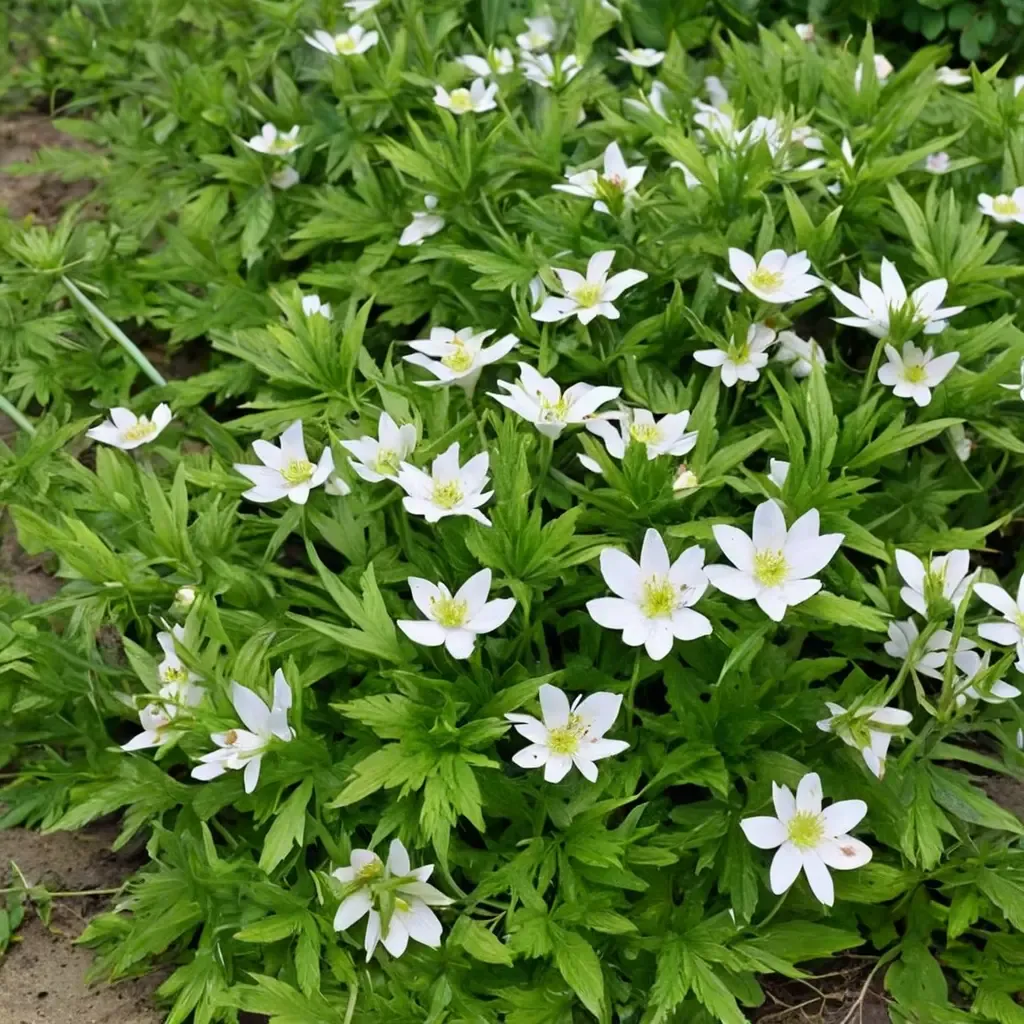
Canada Anemone
Anemone canadensis
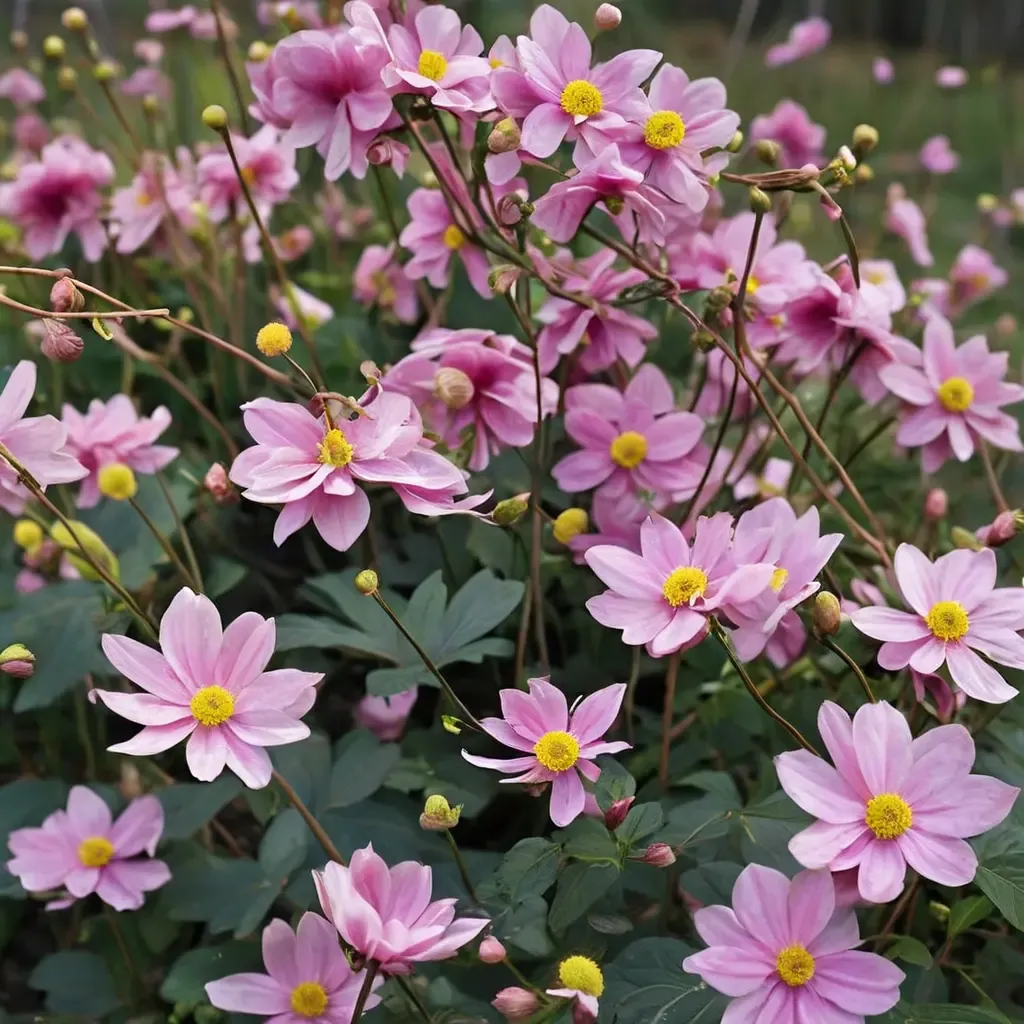
Anemone Serenade
Anemone x hybrida 'Serenade'
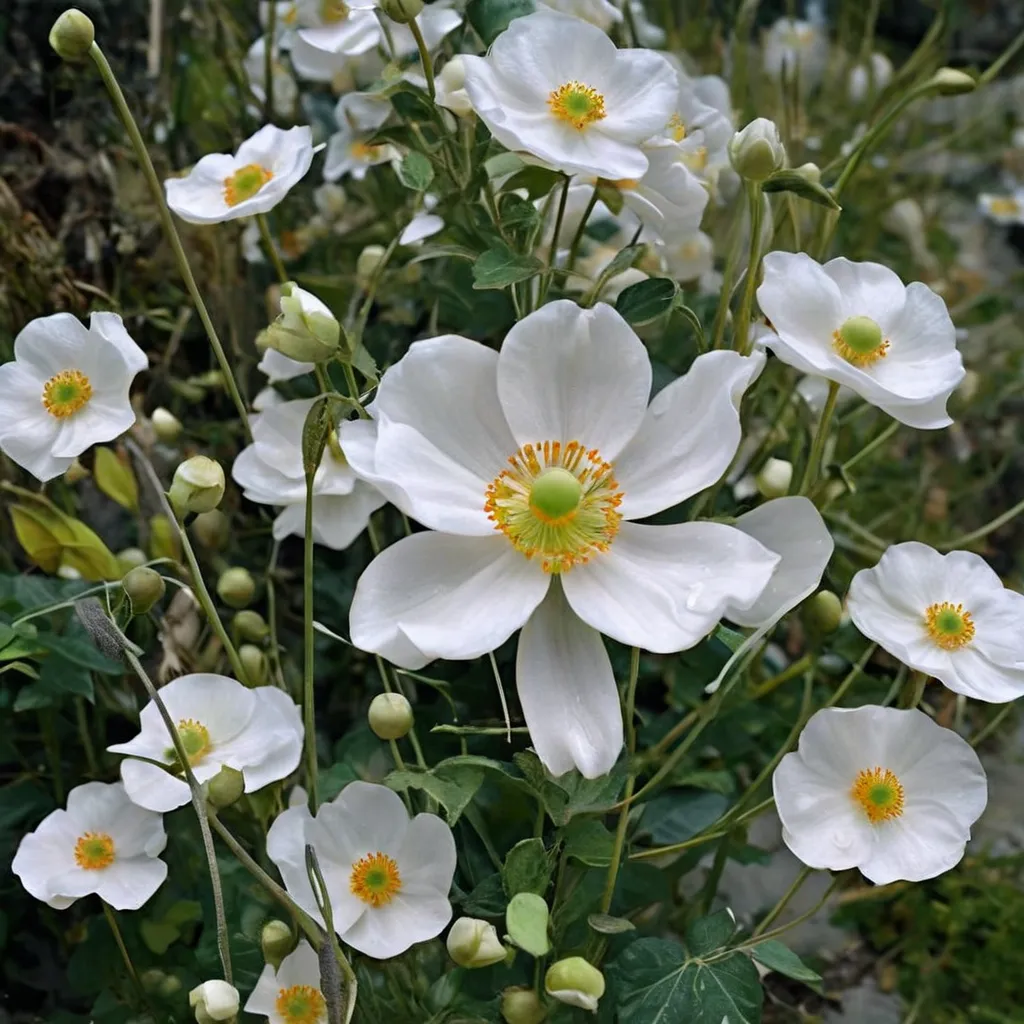
Japanese Anemone 'Andrea Atkinson'
Anemone x hybrida 'Andrea Atkinson'
Keep exploring
Explore the genus
Hardy in your zone?
Grow Tall Thimbleweed with confidence
See it in a design of your actual yard, get zone-matched care reminders, and track it season by season in your garden journal.