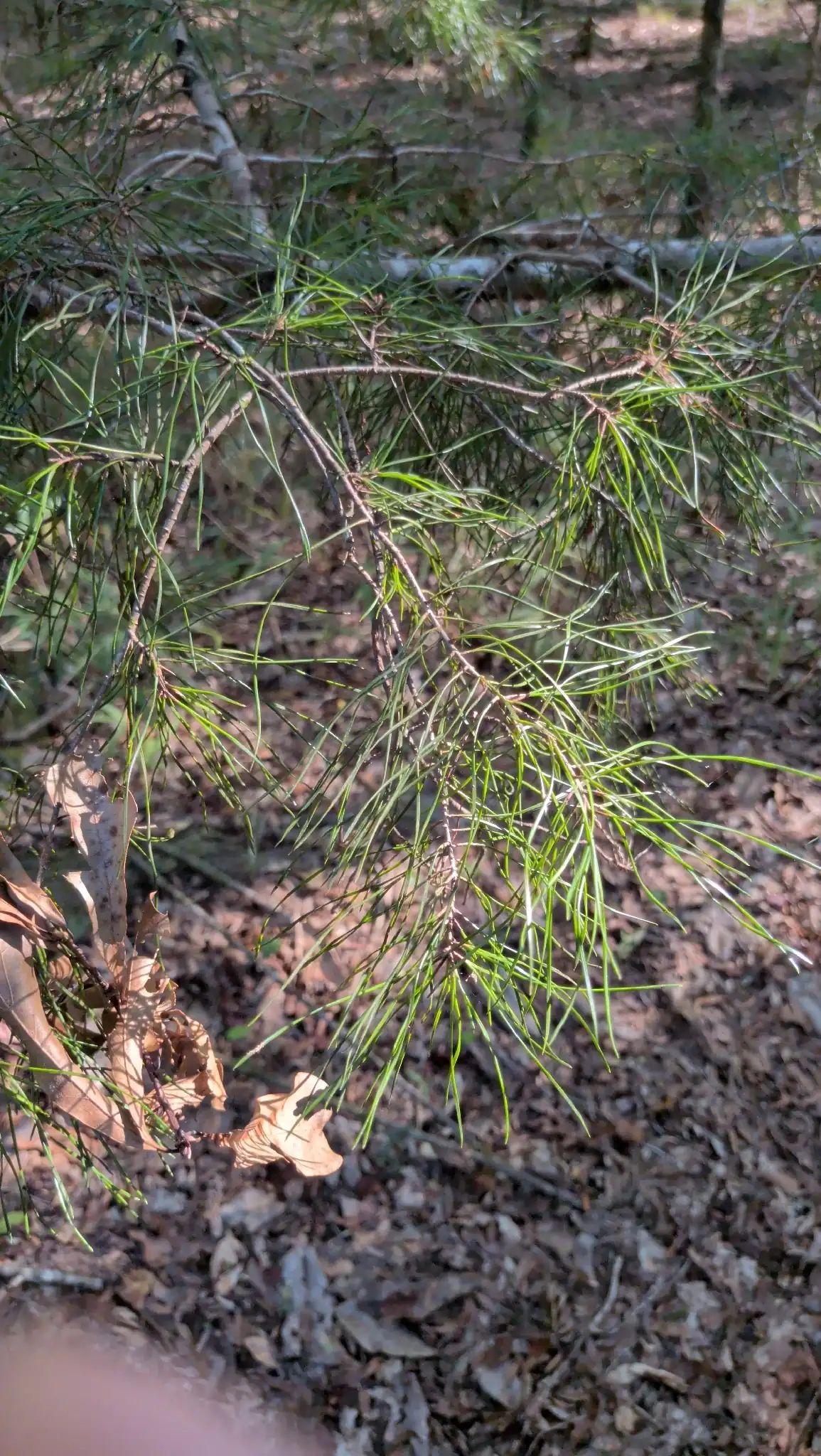
The Story
Plant Bio
Pinus glabra, the spruce pine, is an evergreen conifer of the southeastern coastal plain reaching 40 to 50 feet in gardens with an irregular rounded to oval crown. The dense evergreen needles are borne on slow-growing single trunks that hold small brown seed cones for three to four years.
Unlike dry-site southern pines, it grows in moist fertile bottomland and tolerates part shade, the most shade-tolerant pine of the Southeast. It carries 2 to 5-inch brown cones that persist for years and resists fusiform rust, but its thin bark burns readily and its crown breaks in wind.
Uses & Benefits:
Essentials
At a Glance
Plant Type
Tree
Height
600"
Width
420"
Light
Full Sun, Partial Sun
Zones
8, 9
Water
Medium to wet
Humidity
High, tolerates moist bottomland
Lifespan
Long-lived tree, 50+ years
Native To
Southeastern USA coastal plain
Toxicity
Skin irritant - sawdust, resin and turpentine oil may cause dermatitis
Bloom period
Spring – Fall
In flower about 9 months of the year
Planting
How to Grow
- Choose a full sun to part shade site with moist acidic loam, sand, or clay and room for a 25 to 40-foot crown.
- Dig a hole as deep as the root ball and twice as wide, then set the tree with the root flare at grade.
- Backfill with native soil, water deeply to settle, and spread a 3-inch mulch ring kept off the trunk.
- Water consistently through the first two growing seasons to keep soil evenly moist, never dry.
- Protect from wind and fire exposure; thin bark is highly fire-susceptible.
Pro Tip
Site it like a bottomland tree, not an upland pine; moist acidic soil and afternoon shade keep it vigorous and beetle-free.
Keep It Thriving
Care Guide
Do
- Keep soil consistently moist, especially in heat.
- Mulch to conserve moisture and buffer roots.
- Remove cankered or storm-broken branches promptly.
- Site in low, fertile ground where water collects.
Don't
- Do not plant in dry upland sand as a drought pine.
- Do not prune into old leafless wood for shaping.
- Do not let string trimmers wound thin bark.
- Do not expect hummingbird flowers; it is wind-pollinated.
Seasonal Care Calendar
| Task | Jan | Feb | Mar | Apr | May | Jun | Jul | Aug | Sep | Oct | Nov | Dec |
|---|---|---|---|---|---|---|---|---|---|---|---|---|
| Mulch | ||||||||||||
| Pest Check | ||||||||||||
| Plant | ||||||||||||
| Prune |
Watch Out For
Pests & Diseases
Common Pests
Common Diseases
In the Garden
Landscape Uses & Companions
Landscape Uses
Multiply
Propagation Methods
Good to Know
Common Questions
Spruce Pine questions
What zones can Spruce Pine grow in?
Spruce Pine is hardy in USDA Zones 8–9: in that range it survives winter in the ground. Colder than Zone 8, winters are too cold for it to survive outdoors. Warmer than Zone 9, winter isn't the problem: it prefers colder winters, and summer heat can shorten its life.
Is Spruce Pine deer resistant?
Yes — Spruce Pine is rated deer-resistant. Deer typically pass it over, though extreme hunger can override any plant's defenses.
When does Spruce Pine bloom?
Spruce Pine typically blooms from spring to fall. Exact timing shifts a week or two with your zone — Sow's bloom calendar maps it to your garden.
Does Spruce Pine need full sun?
Spruce Pine does best in full sun to part shade. In hot climates, afternoon shade keeps blooms fresher longer.
More Pinus to compare
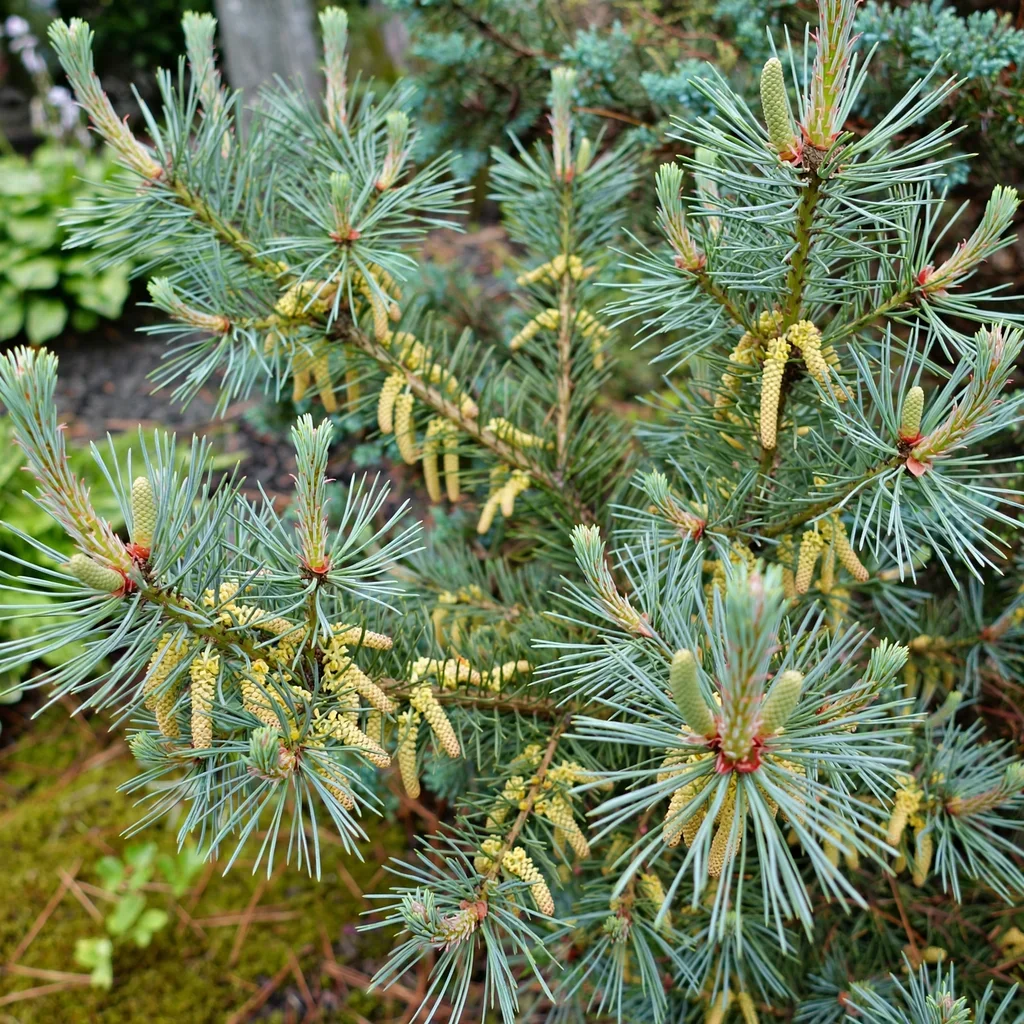
Eastern White Pine
Pinus strobus
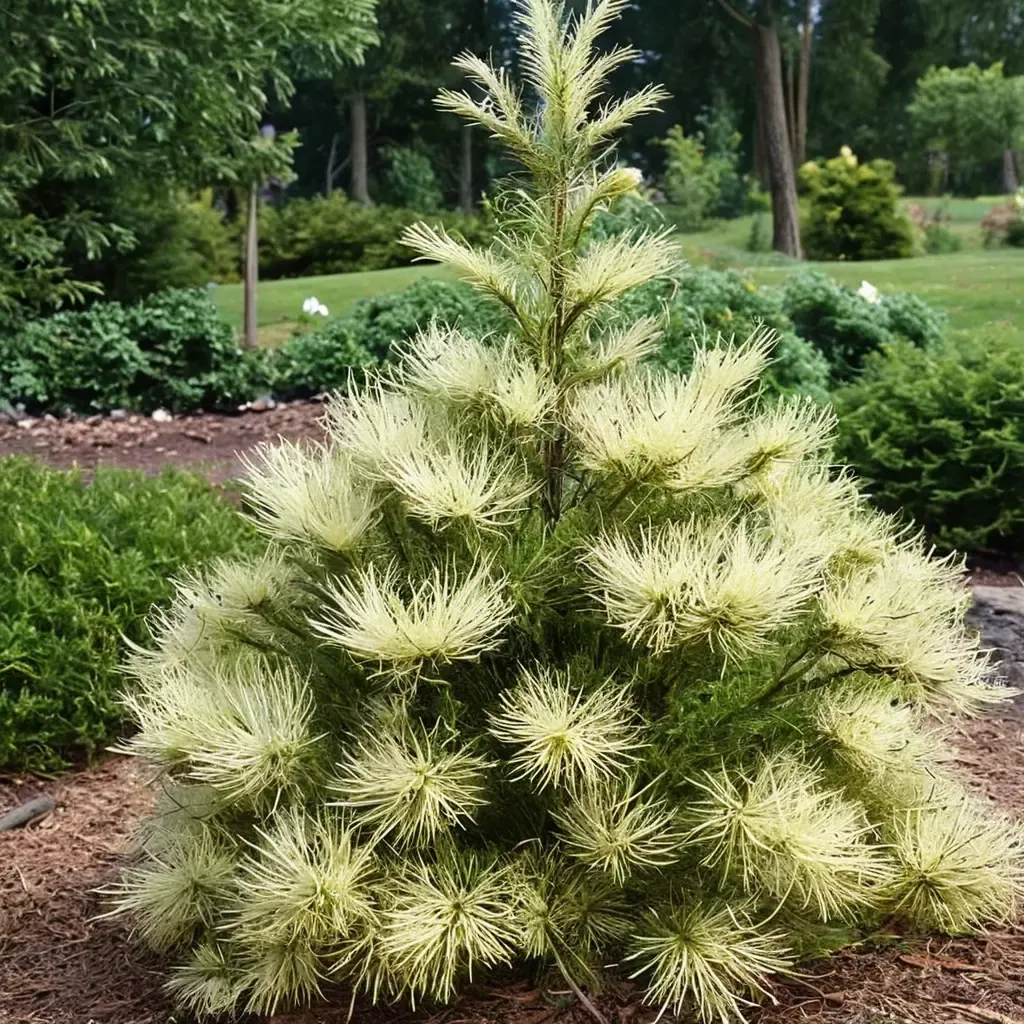
Golden Ghost Pine
Pinus densiflora 'Golden Ghost'
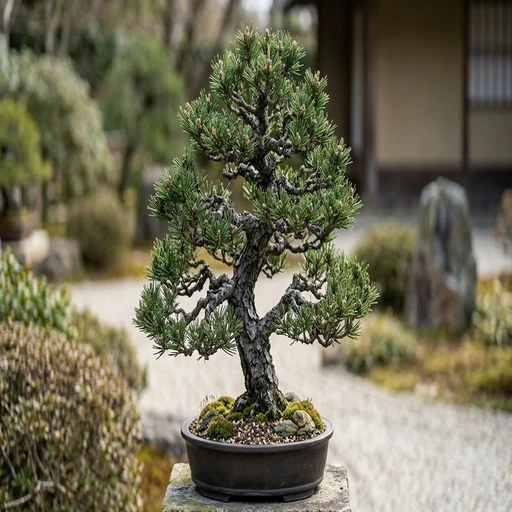
Thunderhead Japanese Black Pine
Pinus thunbergii 'Thunderhead'
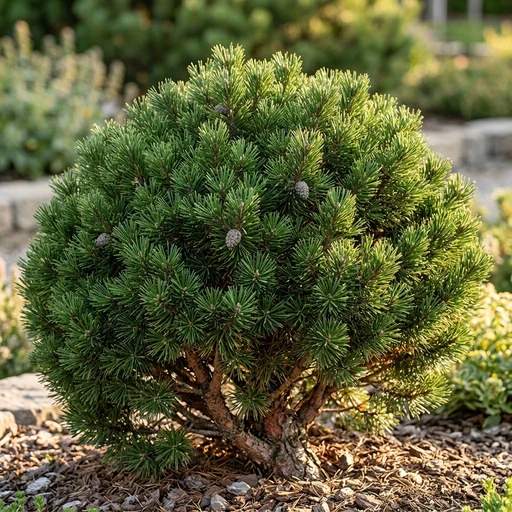
Slowmound Mugo Pine
Pinus mugo 'Slowmound'
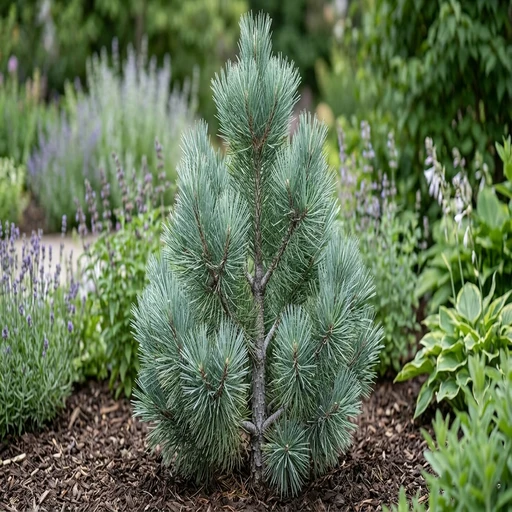
Vanderwolf's Pyramid Limber Pine
Pinus flexilis 'Vanderwolf'
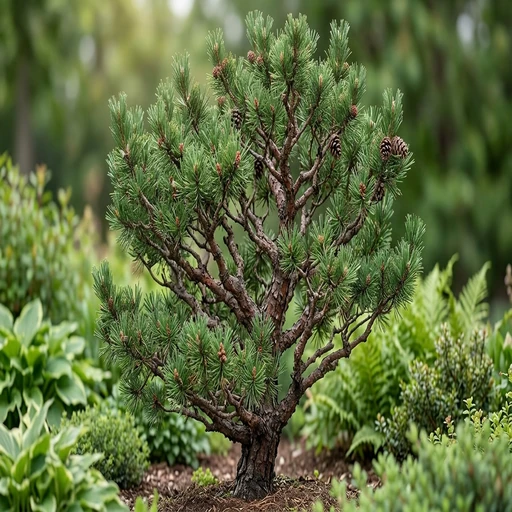
Virginia Pine
Pinus virginiana
Keep exploring
Explore the genus
Hardy in your zone?
Grow Spruce Pine with confidence
See it in a design of your actual yard, get zone-matched care reminders, and track it season by season in your garden journal.