The Story
Plant Bio
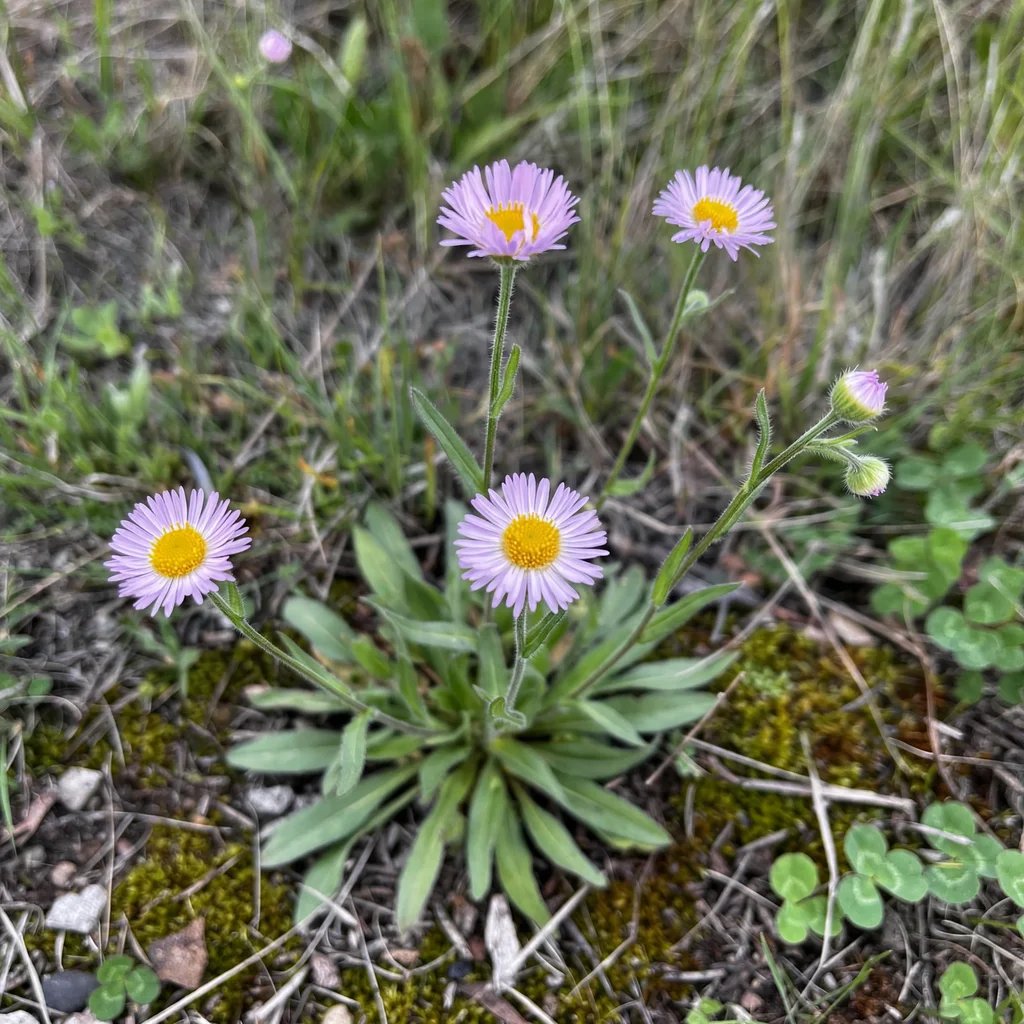
Erigeron glabellus, commonly known as streamside fleabane, is a short-lived perennial herb native to North American prairies, meadows, and riverbanks. It forms tufted basal rosettes of smooth green foliage from which erect stems emerge in summer carrying solitary or clustered daisy-like flower heads.
This species produces multiple flower heads per stem with fine, thread-like ray florets in shades of lavender, pink, or white around a bright yellow center. Its shallow root system and simple caudex thrive in lean, well-draining soils where richer conditions cause stems to flop.
Uses & Benefits:
Essentials
At a Glance
Plant Type
Perennial
Height
28"
Width
12"
Light
Full Sun, Partial Sun
Zones
4, 5, 6, 7, 8
Water
Low to Medium
Humidity
Adaptable
Lifespan
Short-lived Perennial
Native To
North America
Toxicity
Non-toxic
Bloom period
Summer – Late summer
In flower about 3 months of the year
Planting
How to Grow
- Choose a site in full sun or partial shade with lean, well-draining sandy or loamy soil.
- Space plants 12 to 15 inches apart to allow adequate air circulation around basal rosettes.
- Water thoroughly at planting, then water sparingly only during dry established periods.
- Trim spent flower stems after summer blooming to maintain a clean appearance.
Pro Tip
Plant in lean, sharply draining soil under full sun; excess water and heavy fertilizers weaken stems and induce winter crown rot.
Keep It Thriving
Care Guide
Do
- Plant in sharply draining soil to protect roots during cold winters
- Deadhead spent flower stems after summer bloom
- Divide overcrowded clumps every three to four years in fall
Don't
- Apply heavy nitrogen fertilizers that lead to weak, floppy stems
- Overwater or plant in poorly drained clay soils
- Prune hard into old, leafless woody crown tissue
Seasonal Care Calendar
| Task | Jan | Feb | Mar | Apr | May | Jun | Jul | Aug | Sep | Oct | Nov | Dec |
|---|---|---|---|---|---|---|---|---|---|---|---|---|
| Deadhead | ||||||||||||
| Divide | ||||||||||||
| Spring Cleanup | ||||||||||||
| Winter Prep |
Watch Out For
Pests & Diseases
Common Pests
Common Diseases
In the Garden
Landscape Uses & Companions
Landscape Uses
Multiply
Propagation Methods
Good to Know
Common Questions
Streamside Fleabane questions
What zones can Streamside Fleabane grow in?
Streamside Fleabane is hardy in USDA Zones 4–8: in that range it survives winter in the ground. Warmer than Zone 8, winter isn't the problem: it prefers colder winters, and summer heat can shorten its life.
Is Streamside Fleabane deer resistant?
Not reliably. Deer may browse Streamside Fleabane, especially tender spring growth — plan on repellents or fencing where pressure is high.
When does Streamside Fleabane bloom?
Streamside Fleabane typically blooms in summer. Exact timing shifts a week or two with your zone — Sow's bloom calendar maps it to your garden.
Does Streamside Fleabane need full sun?
Streamside Fleabane does best in full sun to part shade. In hot climates, afternoon shade keeps blooms fresher longer.
Is Streamside Fleabane drought tolerant?
Yes — once established (usually after the first full season), Streamside Fleabane handles dry spells with minimal watering. Water deeply its first year to build the root system that makes that possible.
More Erigeron to compare
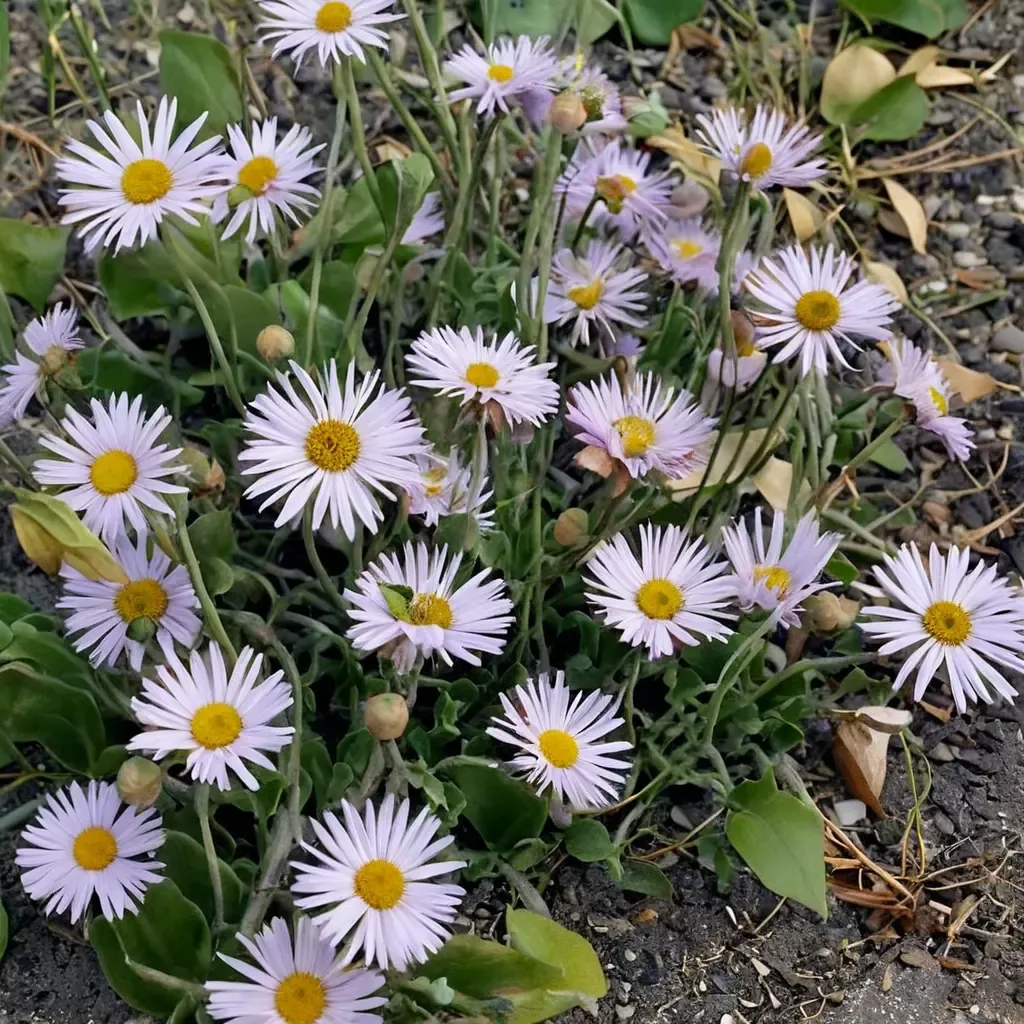
Robin's Plantain 'Meadow Muffin'
Erigeron pulchellus 'Meadow Muffin'
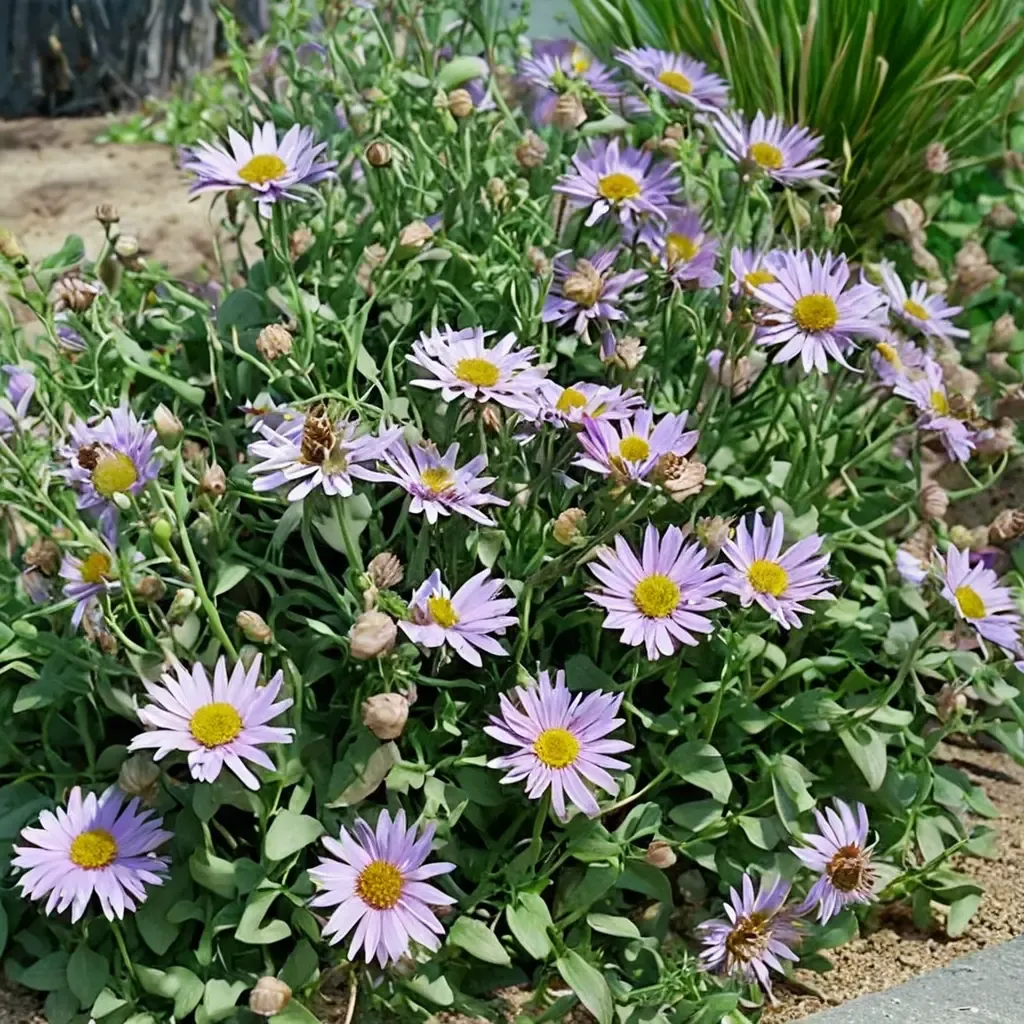
Wayne Roderick fleabane
Erigeron glaucus 'Wayne Roderick'
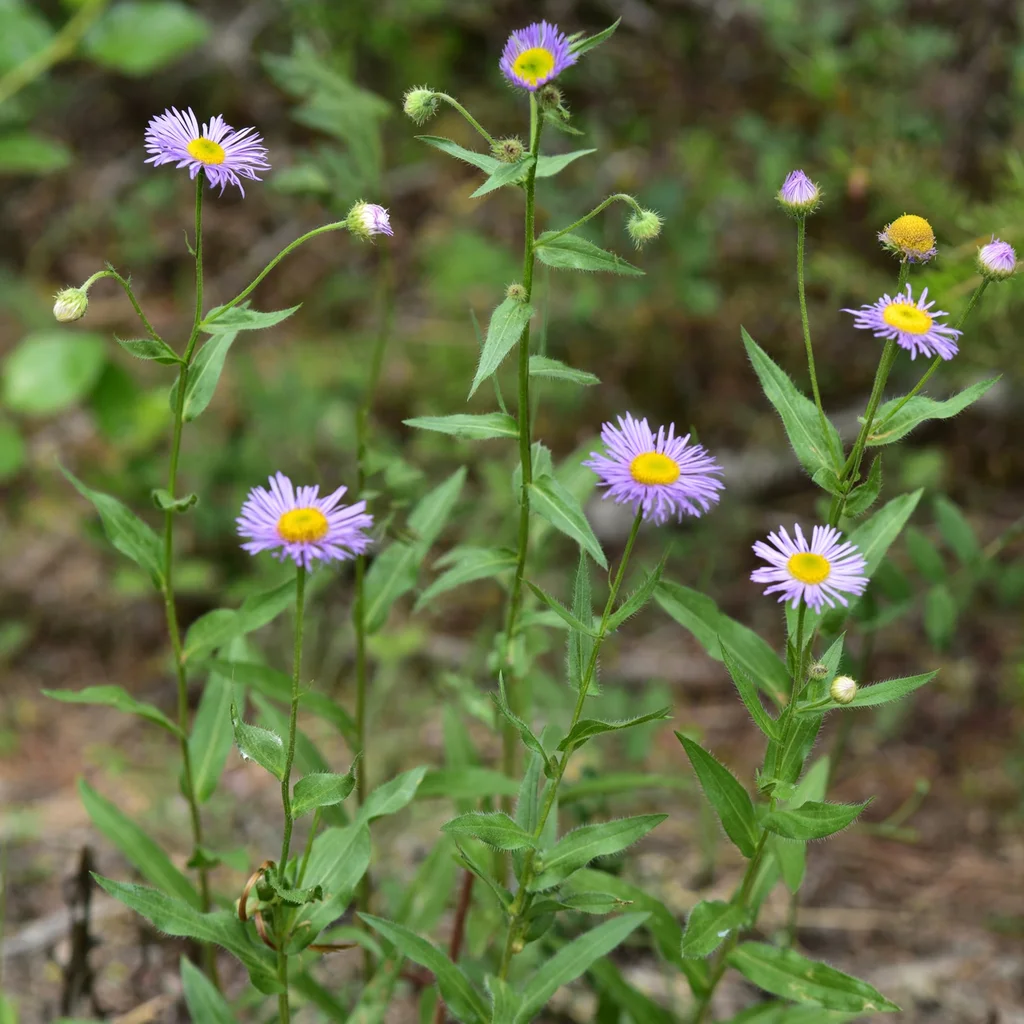
Aspen Fleabane
Erigeron speciosus
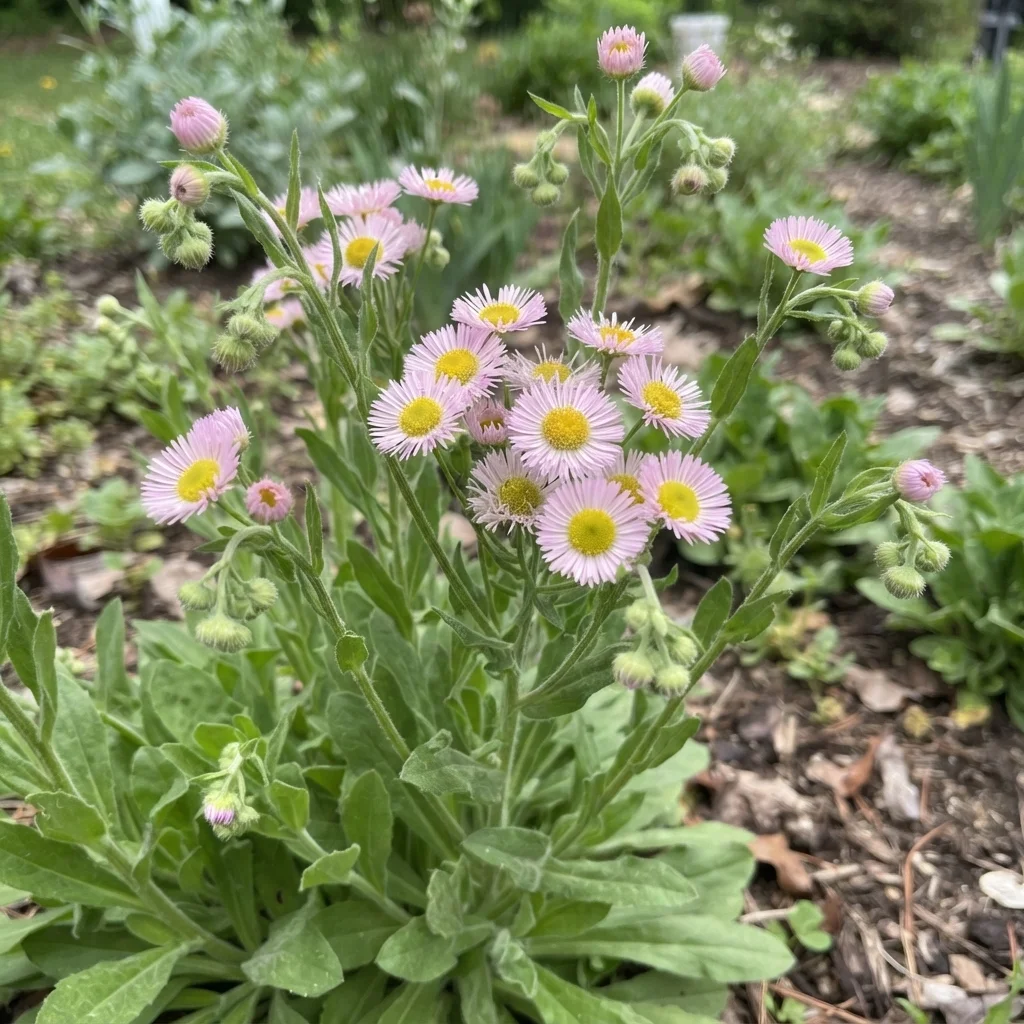
Philadelphia Fleabane
Erigeron philadelphicus
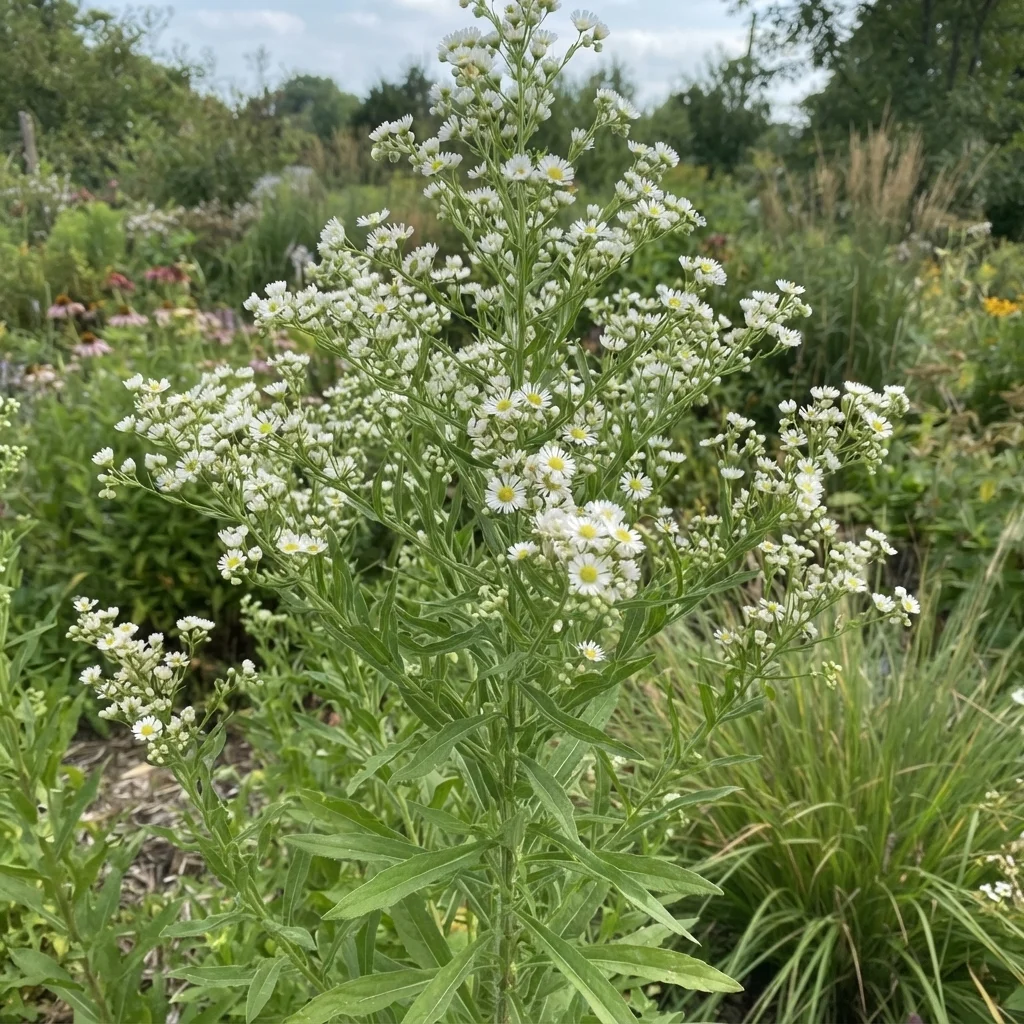
Horseweed
Erigeron canadensis
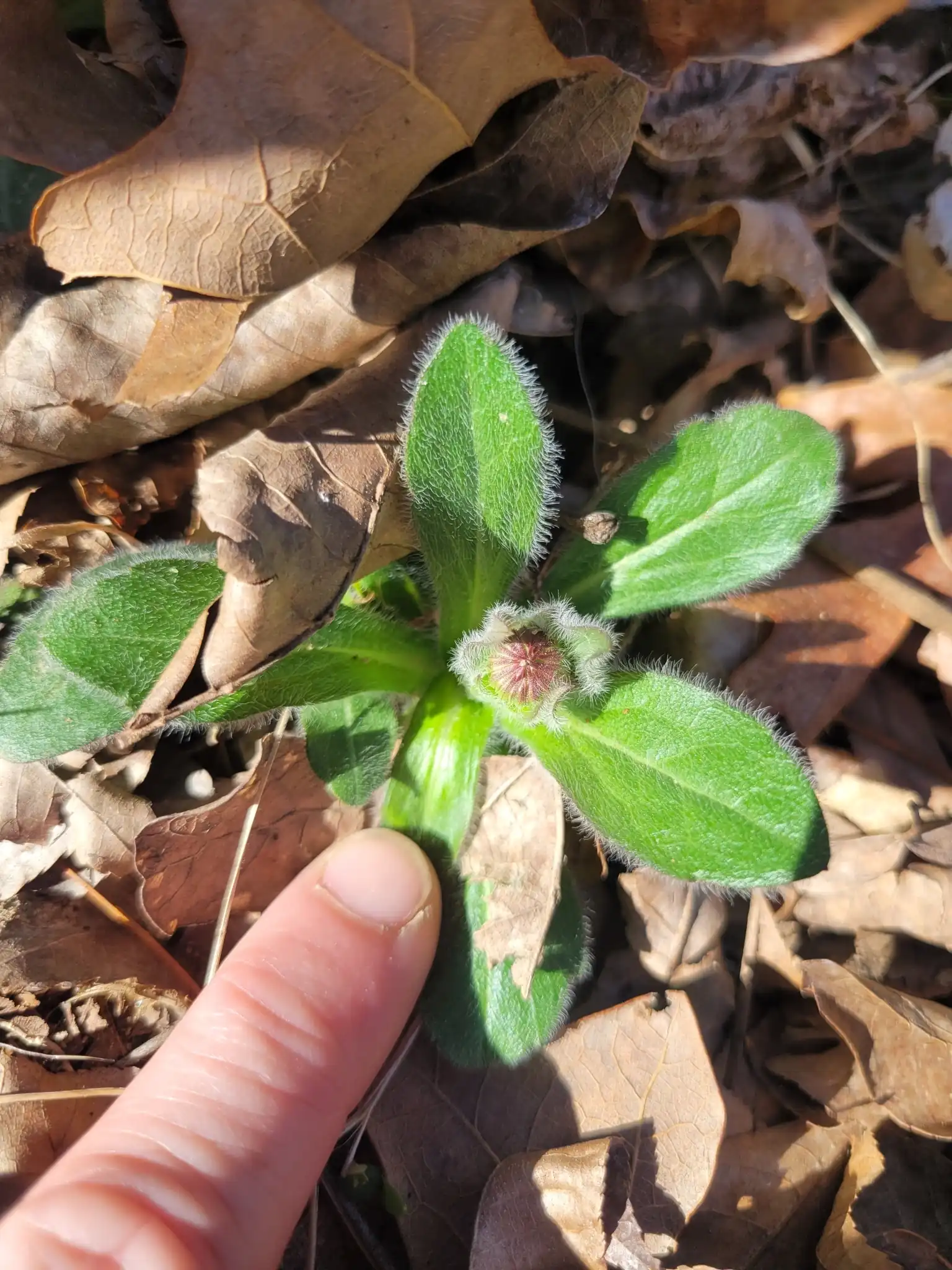
Robin's Plantain
Erigeron pulchellus
Keep exploring
Explore the genus
Hardy in your zone?
Grow Streamside Fleabane with confidence
See it in a design of your actual yard, get zone-matched care reminders, and track it season by season in your garden journal.