The Story
Plant Bio
Lavandula is a genus of evergreen shrubs in the mint family from the Mediterranean basin, grown for narrow oil-rich leaves and whorled flowers packed into dense terminal spikes. The foliage and flowers carry lavender oils that release strong scent when brushed, crushed or cut.
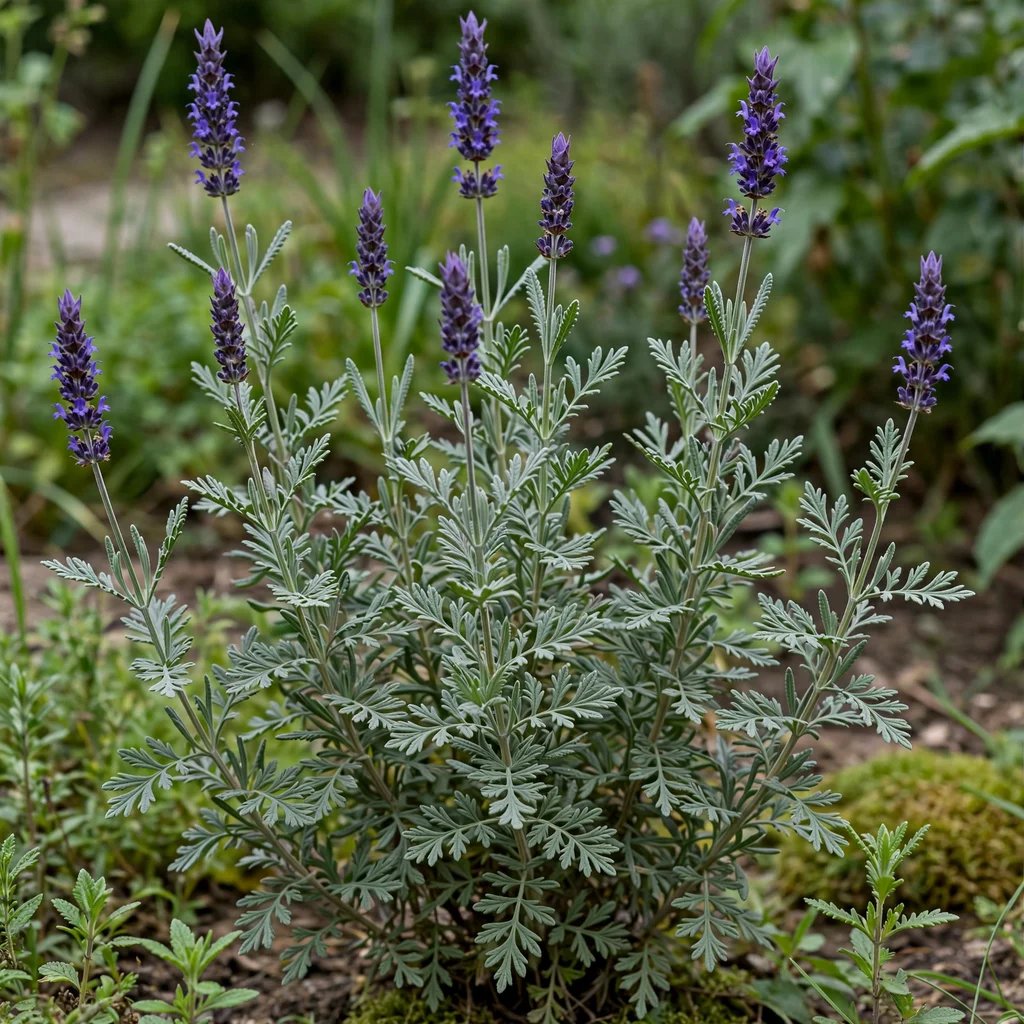
Lavandula x heterophylla is the vigorous wild hybrid from southern France, the largest of the hybrid lavenders, forming a dense rounded mound that turns woody with age and reaches four to five feet tall in bloom. It holds olive-green to grey-green narrow leaves about two centimeters long with fine teeth, greener than French lavender, topped by dark violet-blue spikes carried one to two feet clear of the foliage.
Uses & Benefits:
Essentials
At a Glance
Plant Type
Shrub
Height
54"
Width
60"
Light
Full Sun, Partial Sun
Zones
8, 9, 10
Water
Low
Humidity
Low
Lifespan
Woody perennial
Native To
Mediterranean garden hybrid
Toxicity
Toxic to dogs, cats, horses
Bloom period
Summer – Fall
In flower about 6 months of the year
Planting
How to Grow
- Set plants in full sun with 48 to 72 inches of open space for air flow.
- Plant in light, sandy, well-drained soil, mounded slightly if drainage is doubtful.
- Water deeply at planting, then water deeply and infrequently once established and let soil dry between waterings.
- Shear spent spikes back to foliage after flowering to keep the mound dense.
Pro Tip
Give it four to six feet of open space, full sun and sharp drainage; shear spent spikes back to foliage after flowering and never cut into old leafless wood.
Keep It Thriving
Care Guide
Do
- Plant in full sun and sandy, fast-draining soil.
- Allow soil to dry between deep waterings.
- Deadhead old spikes and shear lightly after flowering.
Don't
- Do not plant in heavy clay or low spots that stay wet.
- Do not overwater or water daily in summer.
- Do not cut back into old leafless wood.
Seasonal Care Calendar
| Task | Jan | Feb | Mar | Apr | May | Jun | Jul | Aug | Sep | Oct | Nov | Dec |
|---|---|---|---|---|---|---|---|---|---|---|---|---|
| Deadhead | ||||||||||||
| Fertilize | ||||||||||||
| Pest Check | ||||||||||||
| Plant | ||||||||||||
| Prune |
Watch Out For
Pests & Diseases
Common Pests
Common Diseases
In the Garden
Landscape Uses & Companions
Landscape Uses
Companion Plants
Multiply
Propagation Methods
Good to Know
Common Questions
Sweet Lavender questions
What zones can Sweet Lavender grow in?
Sweet Lavender is hardy in USDA Zones 8–10: in that range it survives winter in the ground. Colder than Zone 8, grow it in a container you can move to shelter for the winter.
Is Sweet Lavender deer resistant?
Yes — Sweet Lavender is rated deer-resistant. Deer typically pass it over, though extreme hunger can override any plant's defenses.
When does Sweet Lavender bloom?
Sweet Lavender typically blooms from summer to fall. Exact timing shifts a week or two with your zone — Sow's bloom calendar maps it to your garden.
Does Sweet Lavender need full sun?
Sweet Lavender does best in full sun to part shade. In hot climates, afternoon shade keeps blooms fresher longer.
Is Sweet Lavender drought tolerant?
Yes — once established (usually after the first full season), Sweet Lavender handles dry spells with minimal watering. Water deeply its first year to build the root system that makes that possible.
More Lavandula to compare
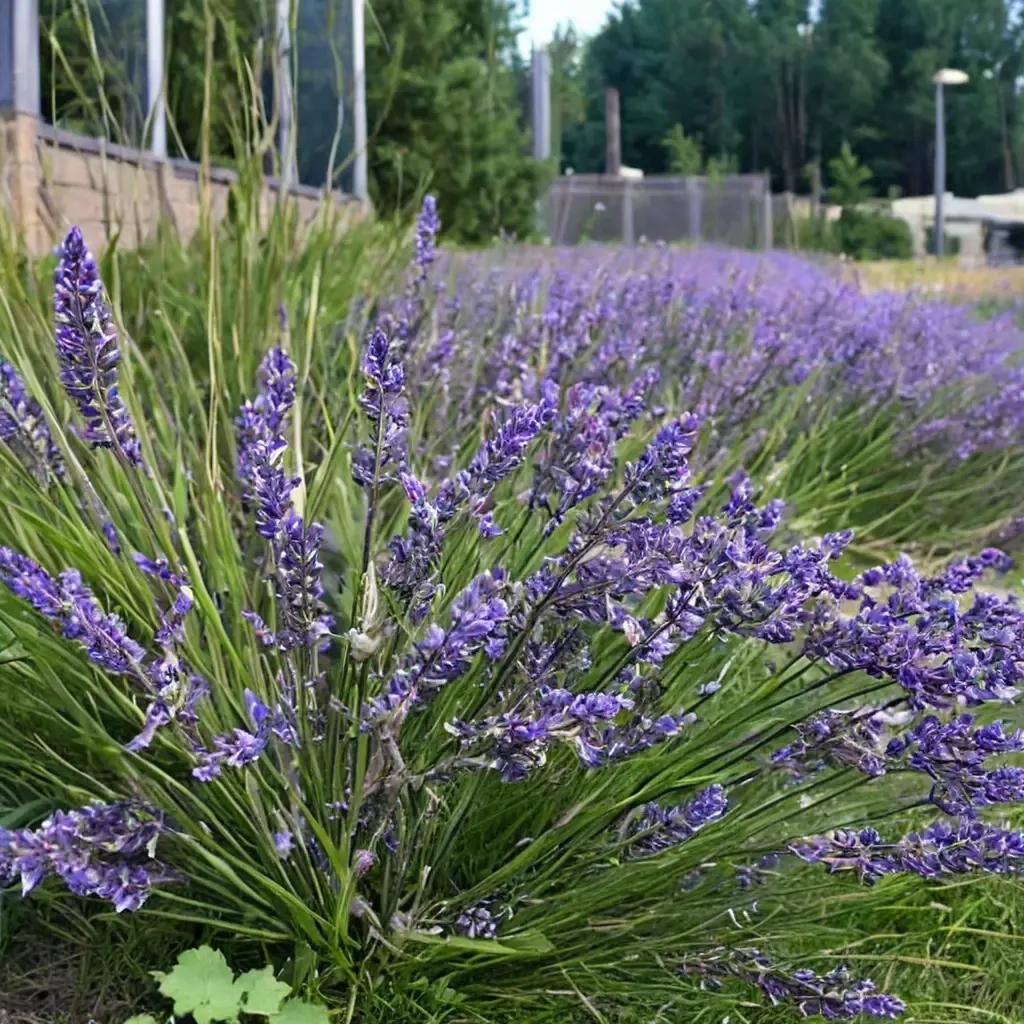
Phenomenal Lavender
Lavandula x intermedia 'Phenomenal'
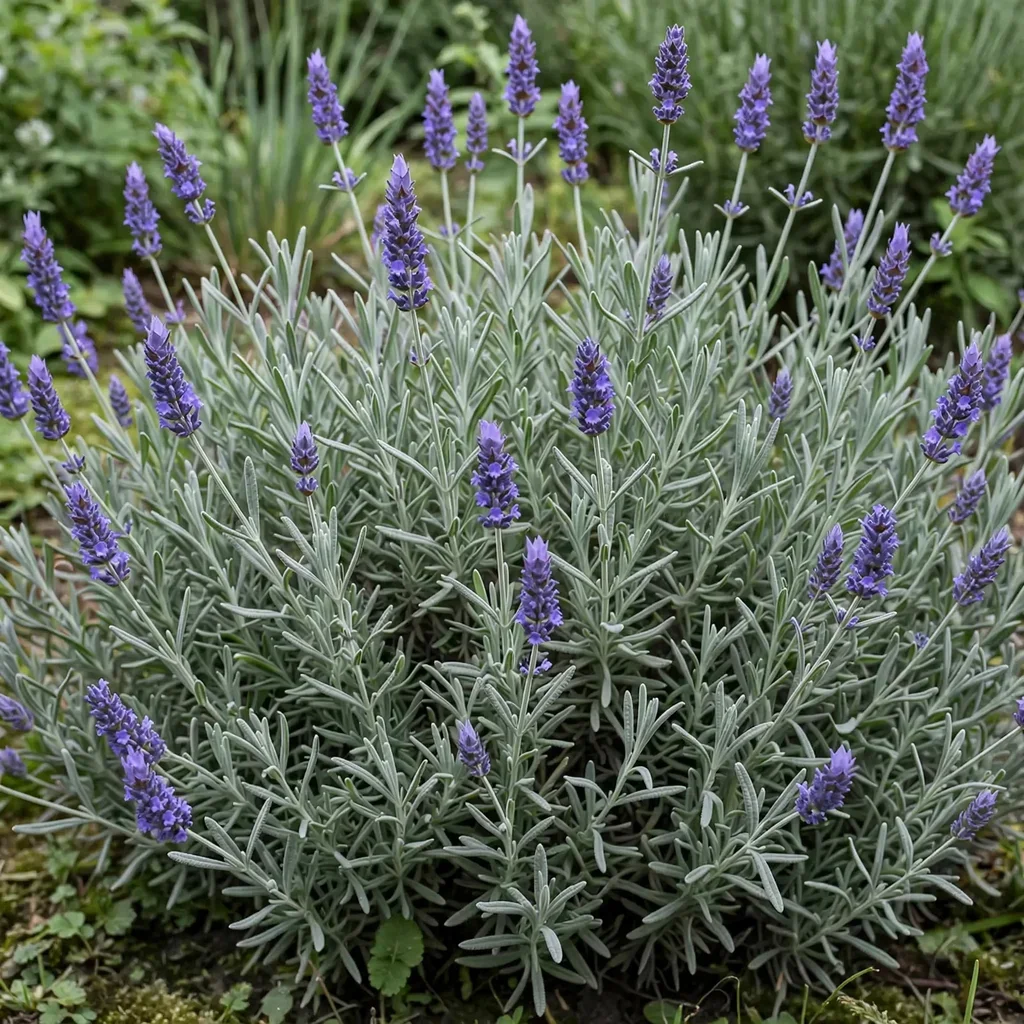
Munstead Lavender
Lavandula angustifolia 'Munstead'
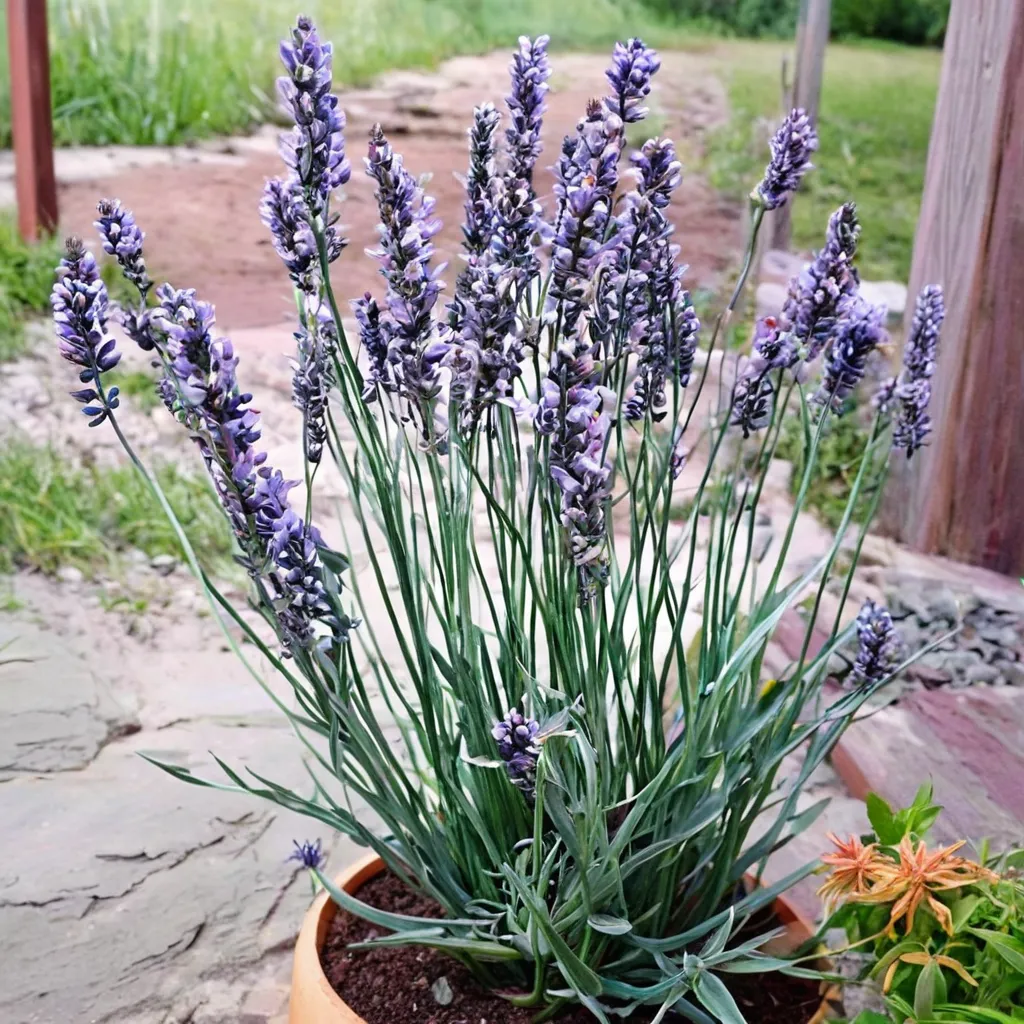
Lavender Sensational
Lavandula angustifolia 'Sensational'
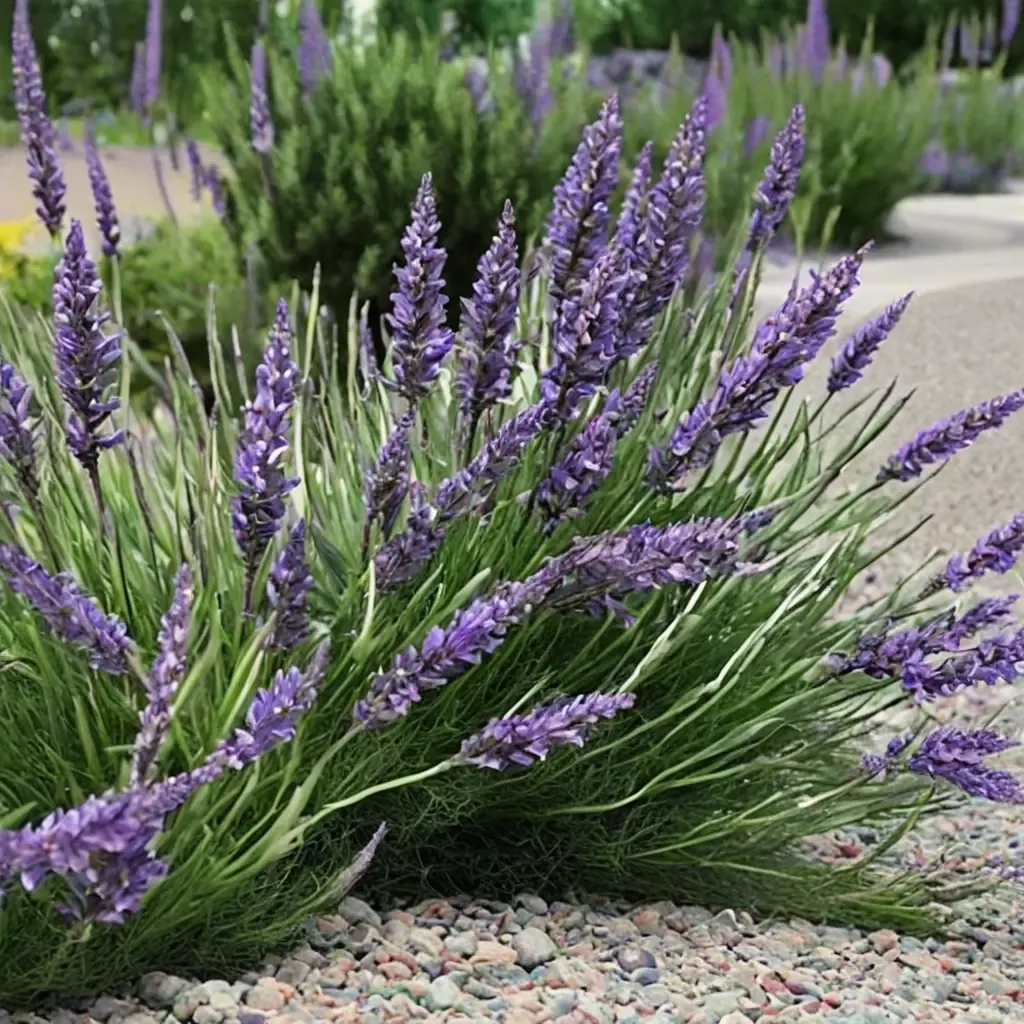
Grosso Lavender
Lavandula x hybrida 'Grosso'
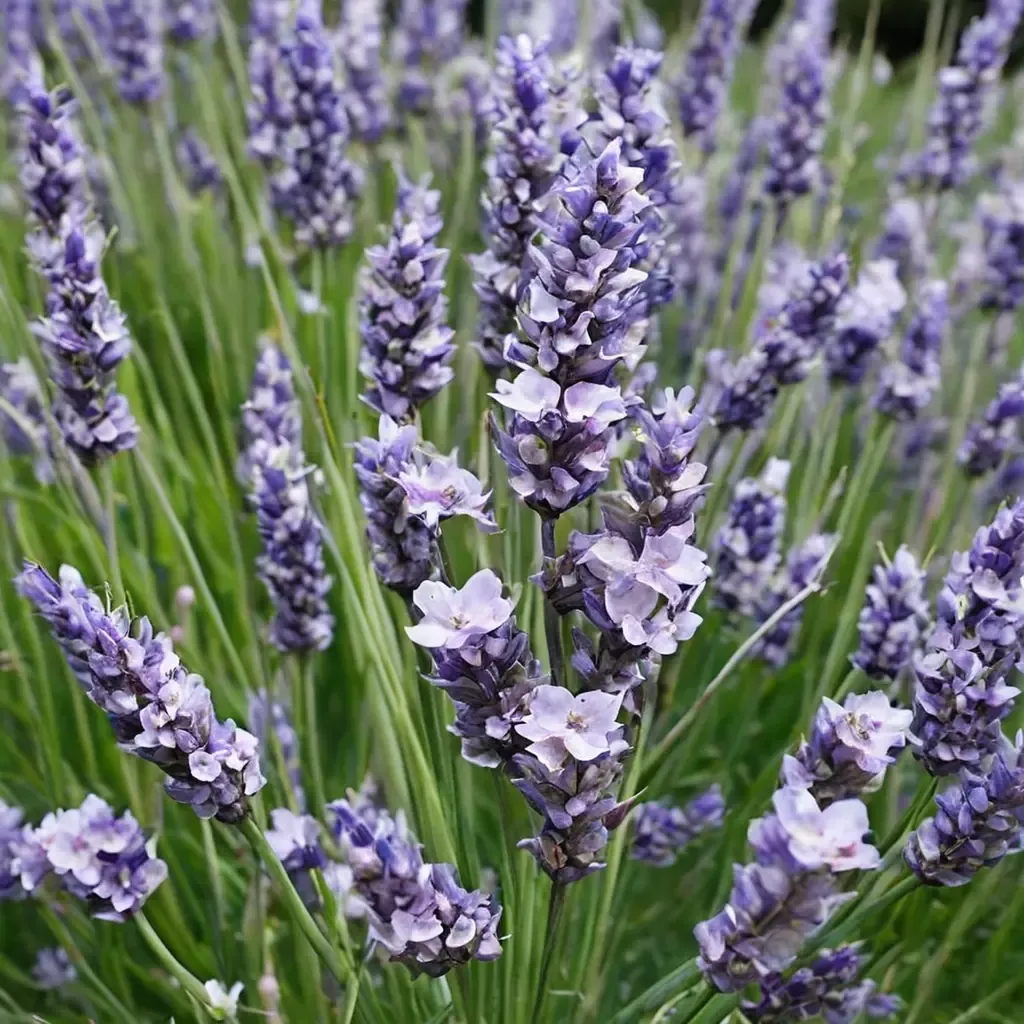
Melissa Lilac Lavender
Lavandula angustifolia 'Melissa Lilac'
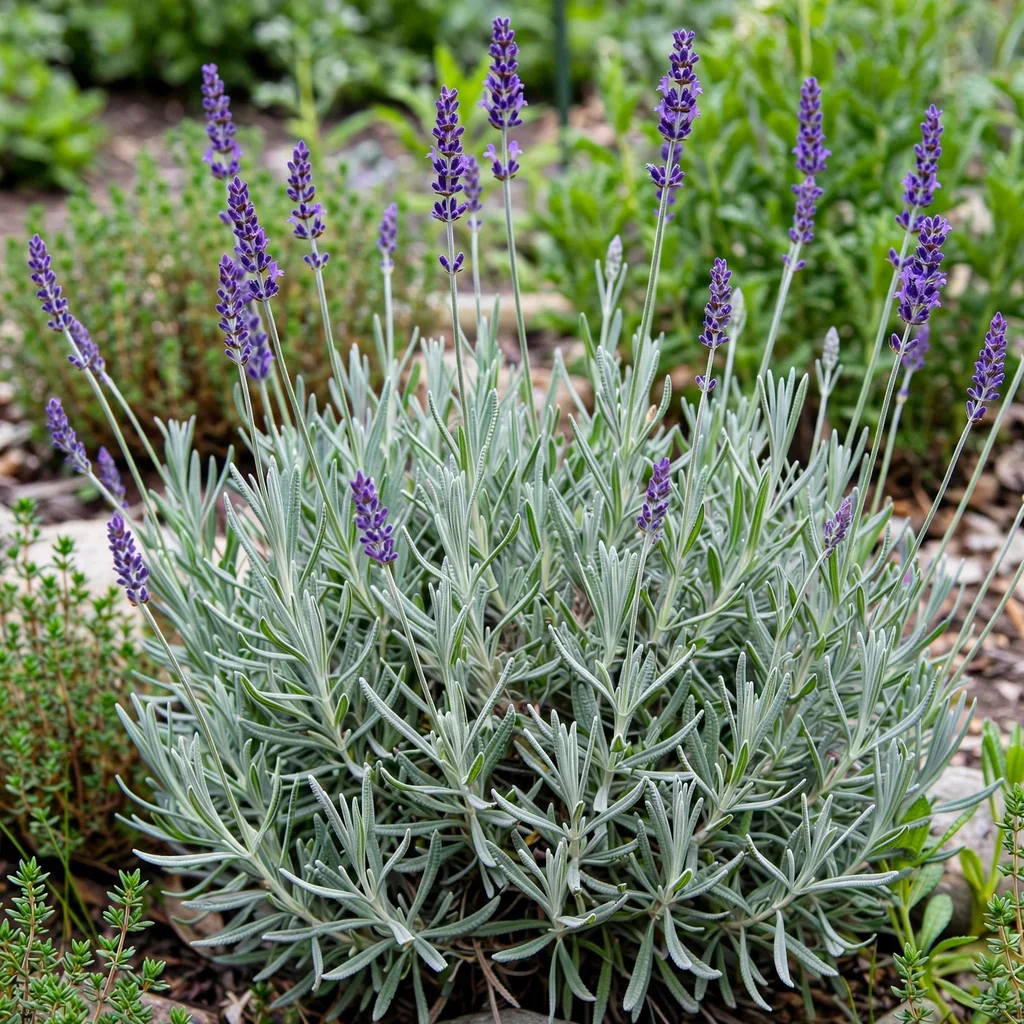
English Lavender
Lavandula angustifolia
Keep exploring
Guides
Hardy in your zone?
Grow Sweet Lavender with confidence
See it in a design of your actual yard, get zone-matched care reminders, and track it season by season in your garden journal.