The Story
Plant Bio
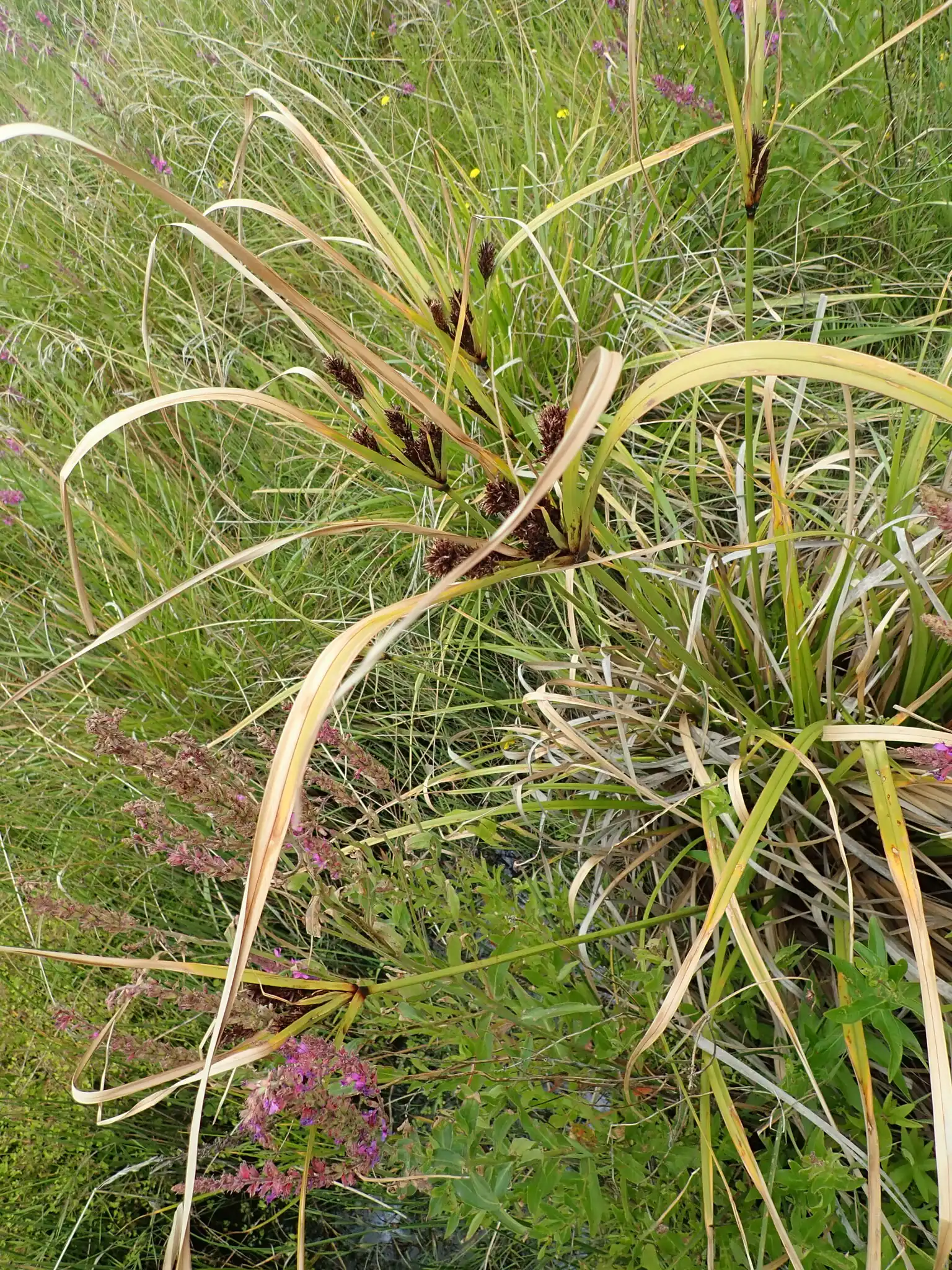
Cyperus ustulatus is a robust perennial sedge native to coastal and wetland regions of New Zealand. It forms dense, upright clumps up to eight feet tall with sharply three-angled stems topped by broad leaf-like bracts and dark brown flower spikes.
The glossy olive-green foliage features a thin red central stripe along each leaf and edges armed with microscopic serrations. These leaf margins are exceptionally sharp and easily cut bare skin, requiring heavy protective clothing during maintenance.
Uses & Benefits:
Essentials
At a Glance
Plant Type
Grass
Height
98"
Width
79"
Light
Full Sun, Partial Sun
Zones
8, 9, 10
Water
High (consistently wet to moist)
Humidity
High
Lifespan
Perennial
Native To
New Zealand
Toxicity
Non-toxic (physical cutting hazard)
Bloom period
Summer – Early fall
In flower about 4 months of the year
Planting
How to Grow
- Select a planting location in full sun to partial shade with wet or poorly drained soil.
- Dig a hole twice as wide as the root mass and set the plant at the same depth it grew in its nursery container.
- Backfill with native soil and firm gently around the crown to remove air pockets.
- Water thoroughly upon planting and maintain saturated soil conditions while roots establish.
Pro Tip
Provide full sun and saturated soil for maximum height; wear heavy-duty leather gloves when pruning, as the leaf margins cause deep lacerations if handled bare-handed.
Keep It Thriving
Care Guide
Do
- Wear thick leather gloves and long sleeves when working around the foliage.
- Maintain high soil moisture or place along water edges for robust growth.
- Prune tattered or brown lower leaves in early spring to clean up the clump.
Don't
- Do not plant in dry shade where growth will stall.
- Do not handle foliage bare-handed due to razor-sharp leaf edges.
- Do not allow young plantings to dry out completely during summer heat waves.
Seasonal Care Calendar
| Task | Jan | Feb | Mar | Apr | May | Jun | Jul | Aug | Sep | Oct | Nov | Dec |
|---|---|---|---|---|---|---|---|---|---|---|---|---|
| Divide | ||||||||||||
| Pest Check | ||||||||||||
| Plant | ||||||||||||
| Prune |
Watch Out For
Pests & Diseases
Common Pests
Common Diseases
In the Garden
Landscape Uses & Companions
Landscape Uses
Companion Plants
Multiply
Propagation Methods
Good to Know
Common Questions
Giant Umbrella-Sedge questions
What zones can Giant Umbrella-Sedge grow in?
Giant Umbrella-Sedge is hardy in USDA Zones 8–10: in that range it survives winter in the ground. Colder than Zone 8, grow it in a container you can move to shelter for the winter, or as an annual.
When does Giant Umbrella-Sedge bloom?
Giant Umbrella-Sedge typically blooms from early summer to early fall. Exact timing shifts a week or two with your zone — Sow's bloom calendar maps it to your garden.
Does Giant Umbrella-Sedge need full sun?
Giant Umbrella-Sedge does best in full sun to part shade. In hot climates, afternoon shade keeps blooms fresher longer.
Is Giant Umbrella-Sedge drought tolerant?
Yes — once established (usually after the first full season), Giant Umbrella-Sedge handles dry spells with minimal watering. Water deeply its first year to build the root system that makes that possible.
More Cyperus to compare
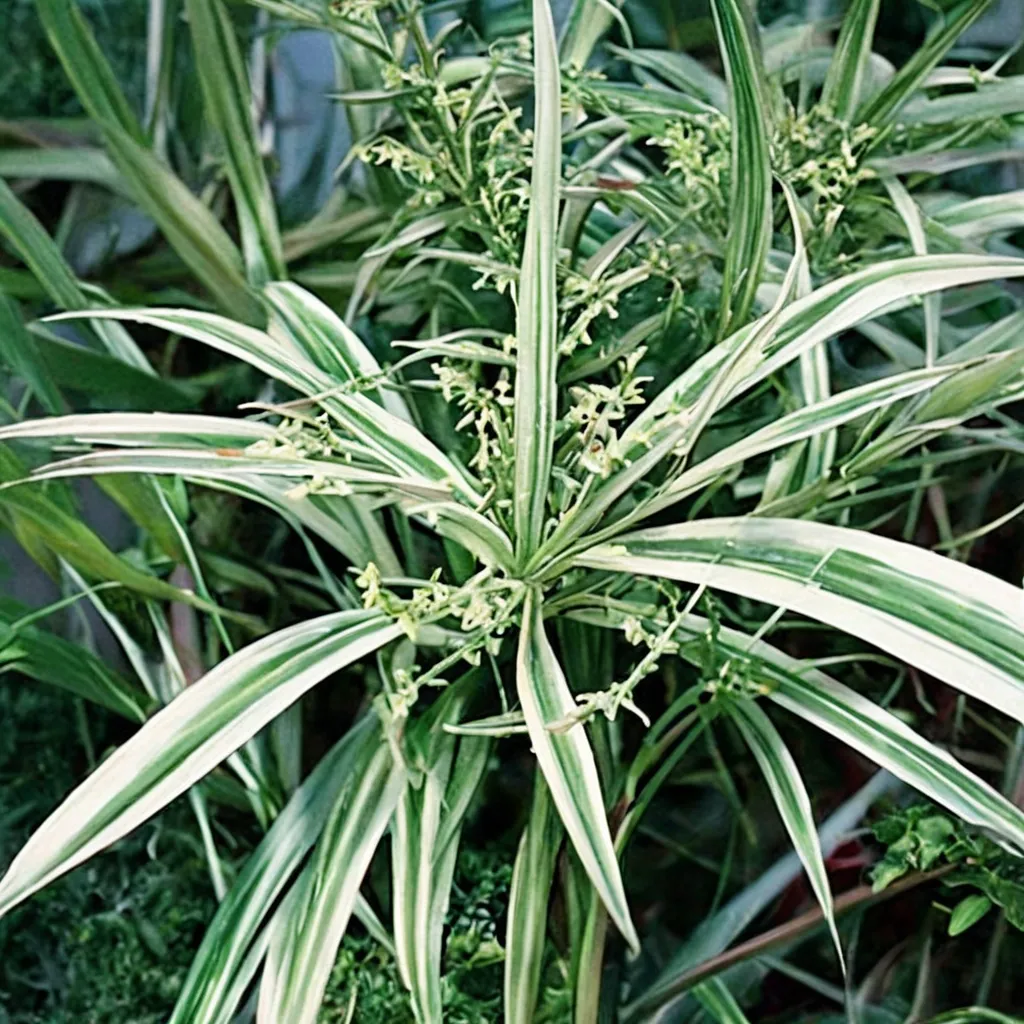
Variegated Dwarf Umbrella Grass
Cyperus albostriatus 'Variegatus'
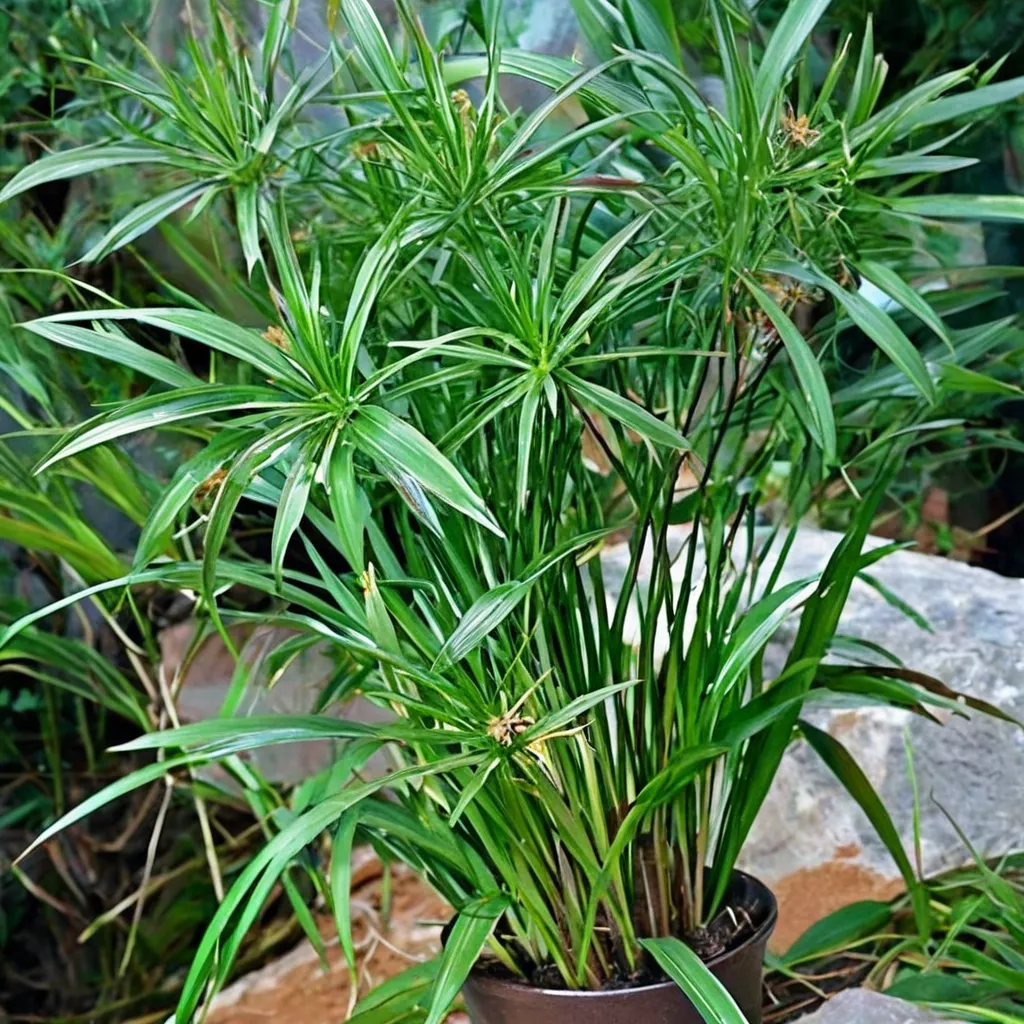
Umbrella Plant
Cyperus alternifolius
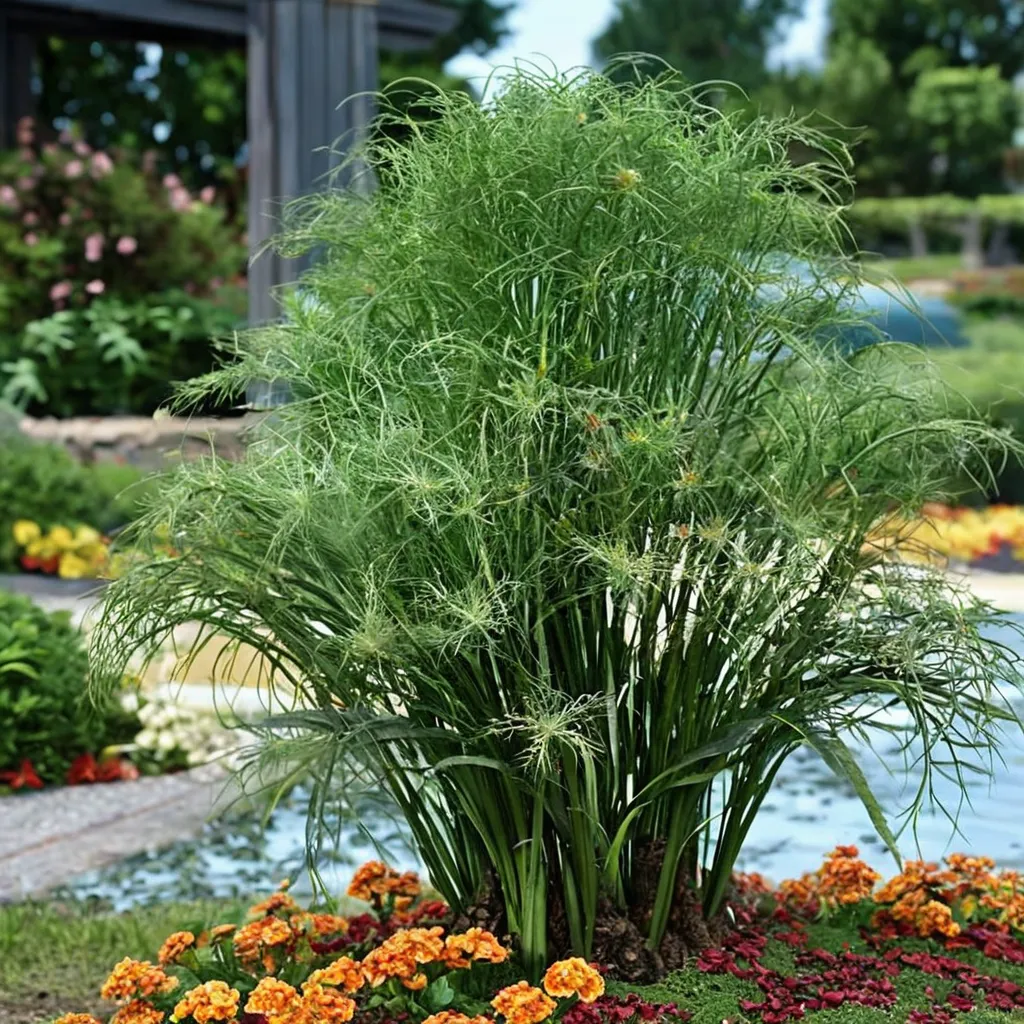
King Tut Papyrus
Cyperus papyrus 'King Tut'
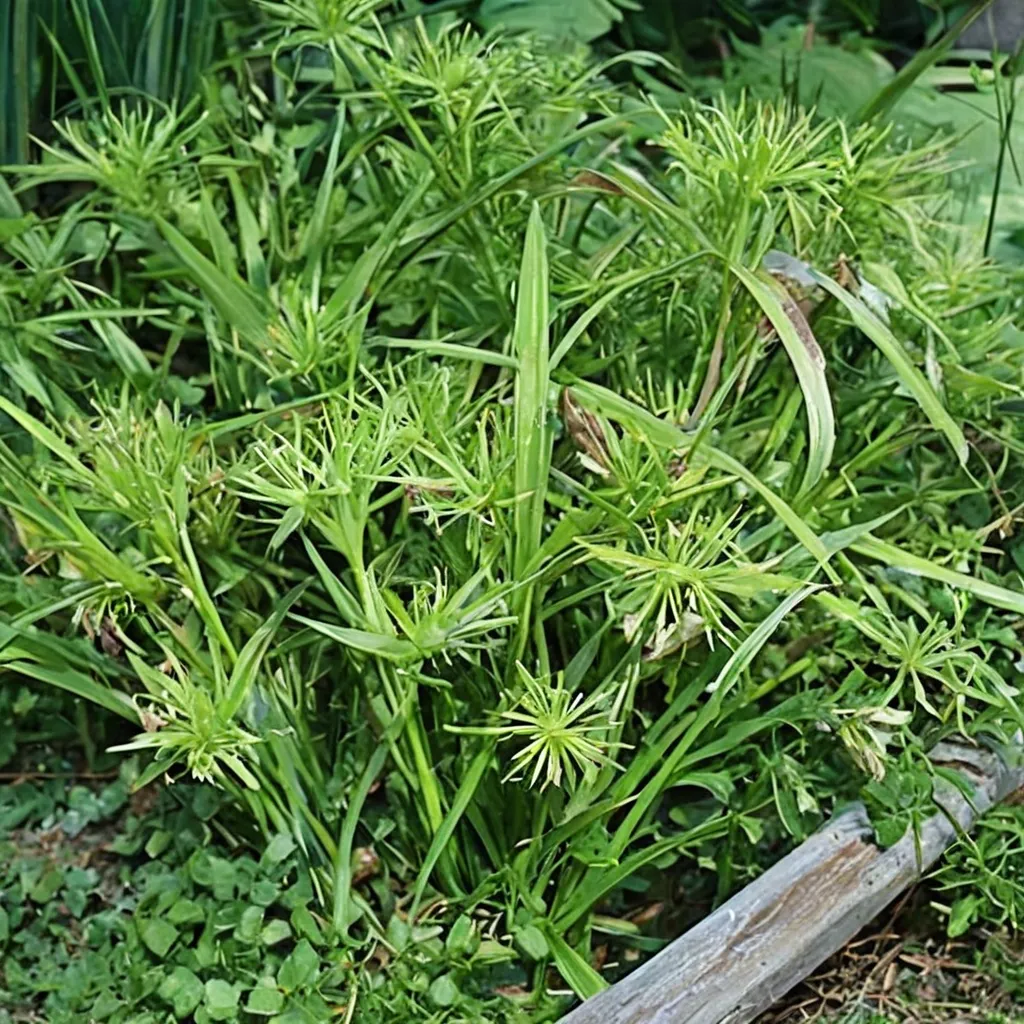
Dwarf Umbrella Plant
Cyperus albostriatus 'Nanus'
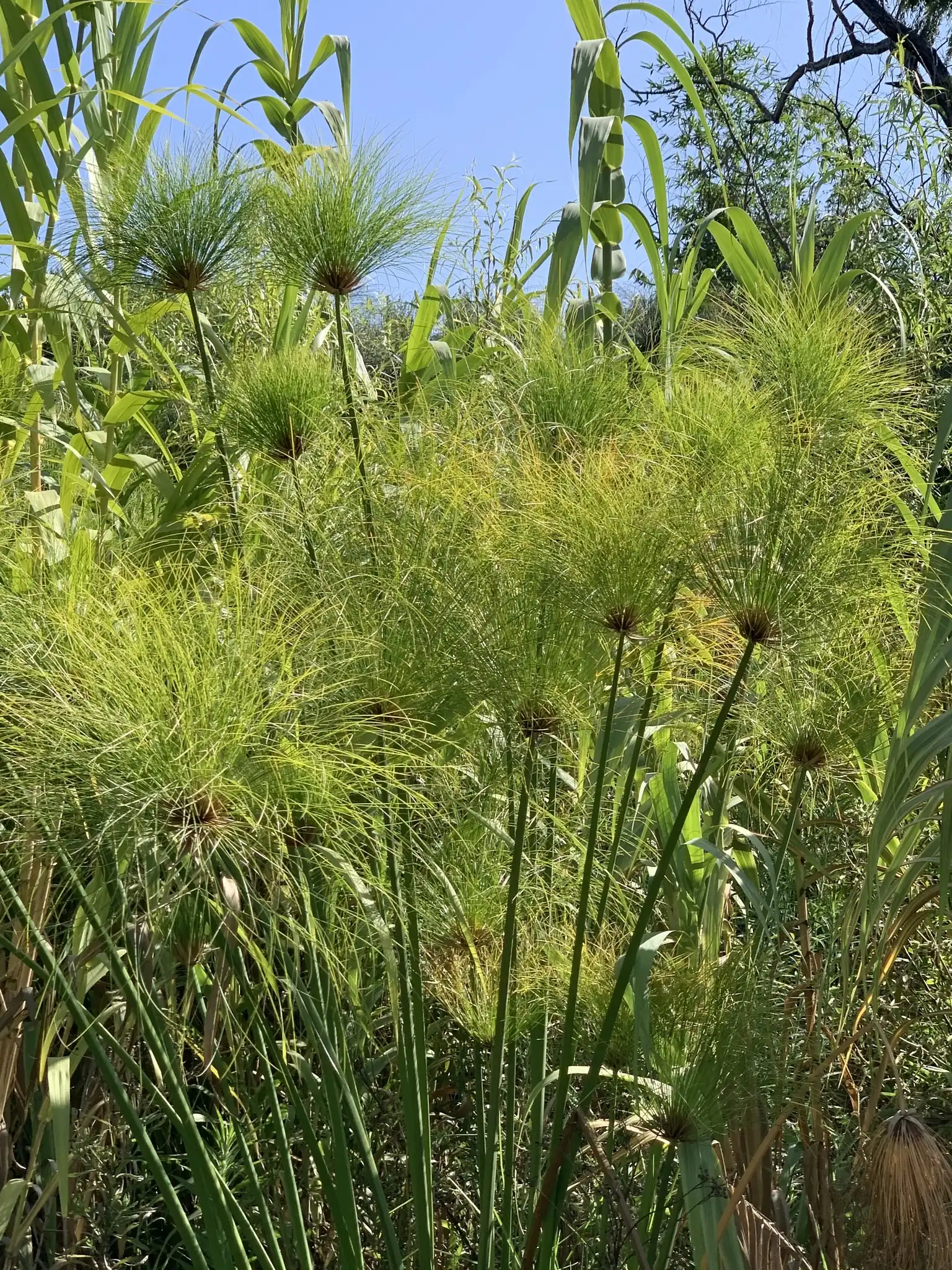
Papyrus
Cyperus papyrus
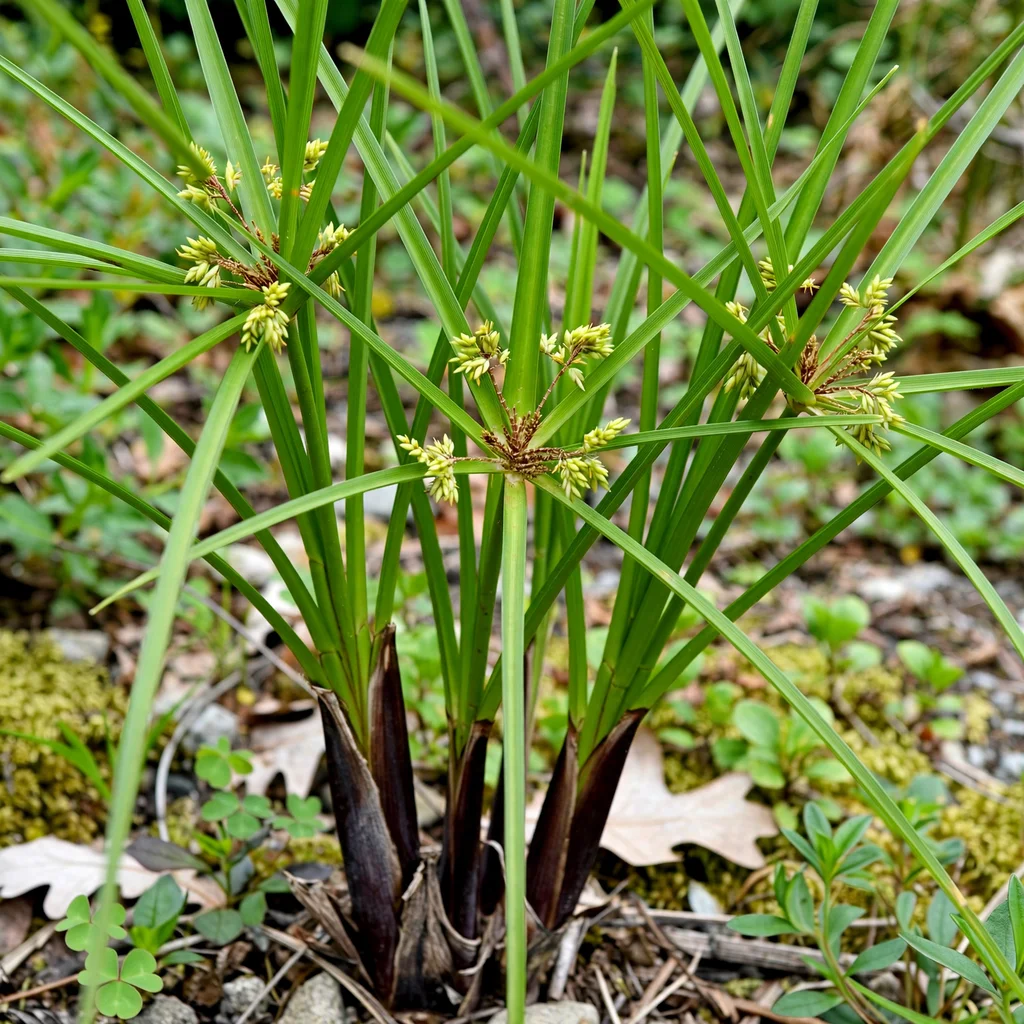
Tall Flatsedge
Cyperus eragrostis
Keep exploring
Explore the genus
Hardy in your zone?
Grow Giant Umbrella-Sedge with confidence
See it in a design of your actual yard, get zone-matched care reminders, and track it season by season in your garden journal.