The Story
Plant Bio
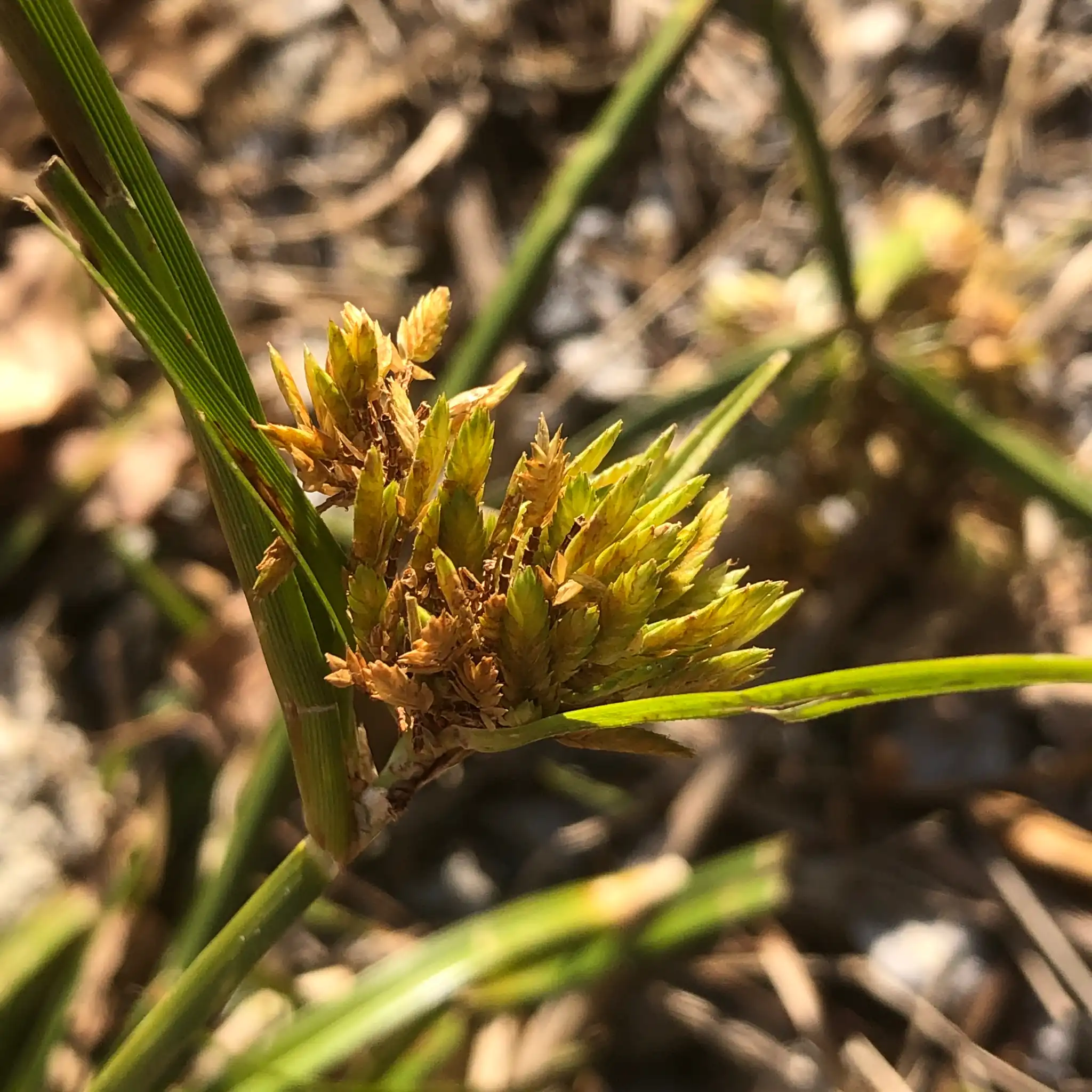
Cyperus eragrostis, commonly called tall flatsedge, is a tufted perennial sedge reaching up to three feet tall with solid, distinctly triangular stems and bright green linear foliage. Compound umbrella-like flower heads subtended by long leaf-like bracts bear dense, flattened clusters of tiny greenish-yellow to straw-colored spikelets from spring into summer.
Distinguished by dark purple-brown sheaths at the leaf bases, this species spreads through short, thick woody rhizomes and self-seeding. It thrives in saturated soils and standing water, making it well-suited for stabilizing wet ditch banks and riparian zones.
Uses & Benefits:
Essentials
At a Glance
Plant Type
Grass
Height
39"
Width
39"
Light
Full Sun, Partial Sun
Zones
6, 7, 8, 9, 10
Water
High
Humidity
High
Lifespan
Perennial
Native To
North America (Western US) and South America
Toxicity
Non-toxic
Bloom period
Spring – Summer
In flower about 6 months of the year
Planting
How to Grow
- Select a planting site in full sun or partial shade featuring wet, boggy, or poorly drained soil.
- Set container plants or bare-root divisions into the soil at the same depth as they were previously growing, spacing them 20 to 36 inches apart.
- Maintain saturated soil conditions continuously during the first growing season while roots establish.
- Trim foliage back flush with the ground in late winter to remove frosted leaves before spring growth begins.
Pro Tip
Cut top-growth back to ground level in late winter before new shoots emerge, and avoid planting uncontained near natural waterways where seed can wash downstream.
Keep It Thriving
Care Guide
Do
- Plant in damp, clay-heavy, or poorly drained soil.
- Cut back dead winter foliage in late winter.
- Provide full sun to partial shade for dense growth.
Don't
- Do not allow the root zone to dry out completely during summer.
- Do not plant unrestricted near natural ponds where aggressive spreading is undesirable.
- Do not apply excess fertilizer, as native soil nutrients are sufficient.
Seasonal Care Calendar
| Task | Jan | Feb | Mar | Apr | May | Jun | Jul | Aug | Sep | Oct | Nov | Dec |
|---|---|---|---|---|---|---|---|---|---|---|---|---|
| Divide | ||||||||||||
| Pest Check | ||||||||||||
| Prune | ||||||||||||
| Winter Prep |
Watch Out For
Pests & Diseases
Common Pests
Common Diseases
In the Garden
Landscape Uses & Companions
Landscape Uses
Companion Plants
Multiply
Propagation Methods
Good to Know
Common Questions
Tall Flatsedge questions
What zones can Tall Flatsedge grow in?
Tall Flatsedge is hardy in USDA Zones 6–10: in that range it survives winter in the ground. Colder than Zone 6, grow it in a container you can move to shelter for the winter, or as an annual.
Is Tall Flatsedge deer resistant?
Not reliably. Deer may browse Tall Flatsedge, especially tender spring growth — plan on repellents or fencing where pressure is high.
When does Tall Flatsedge bloom?
Tall Flatsedge typically blooms from spring to summer. Exact timing shifts a week or two with your zone — Sow's bloom calendar maps it to your garden.
Does Tall Flatsedge need full sun?
Tall Flatsedge does best in full sun to part shade. In hot climates, afternoon shade keeps blooms fresher longer.
More Cyperus to compare
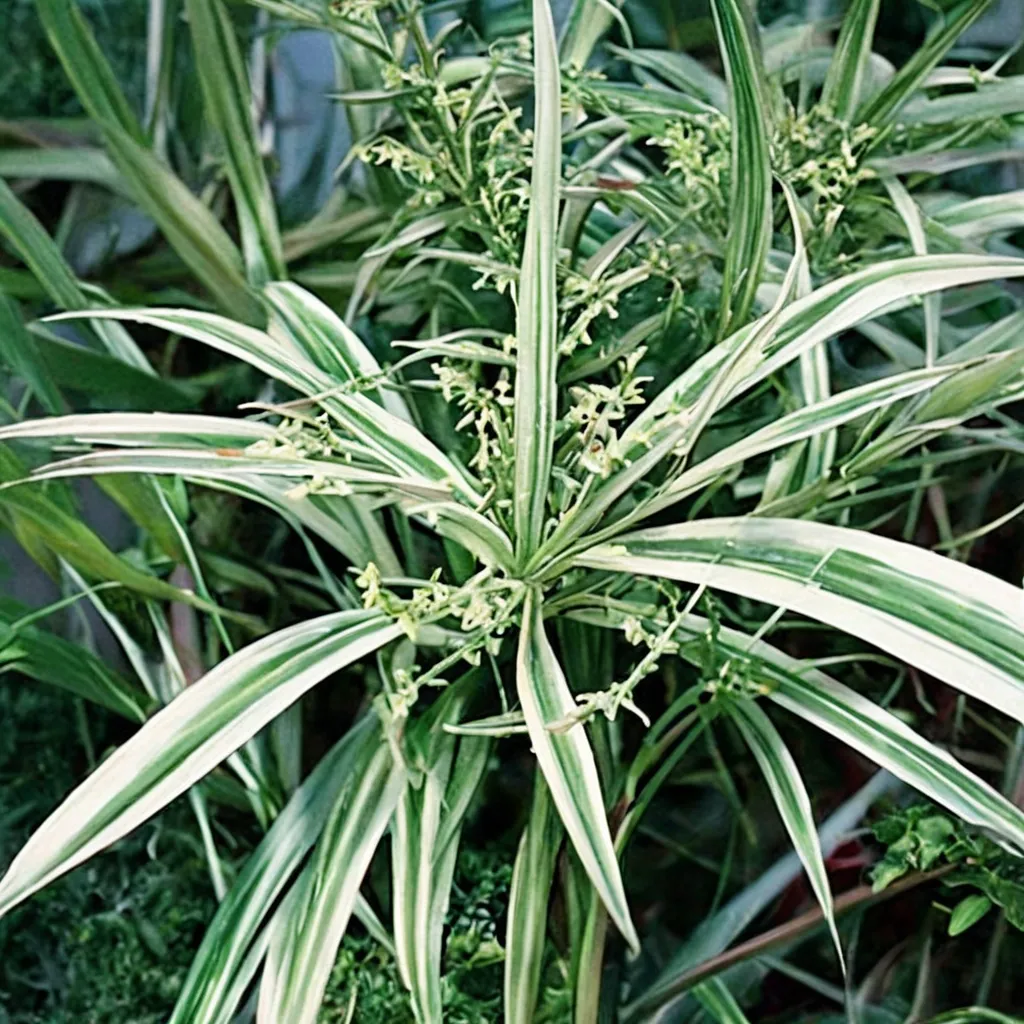
Variegated Dwarf Umbrella Grass
Cyperus albostriatus 'Variegatus'
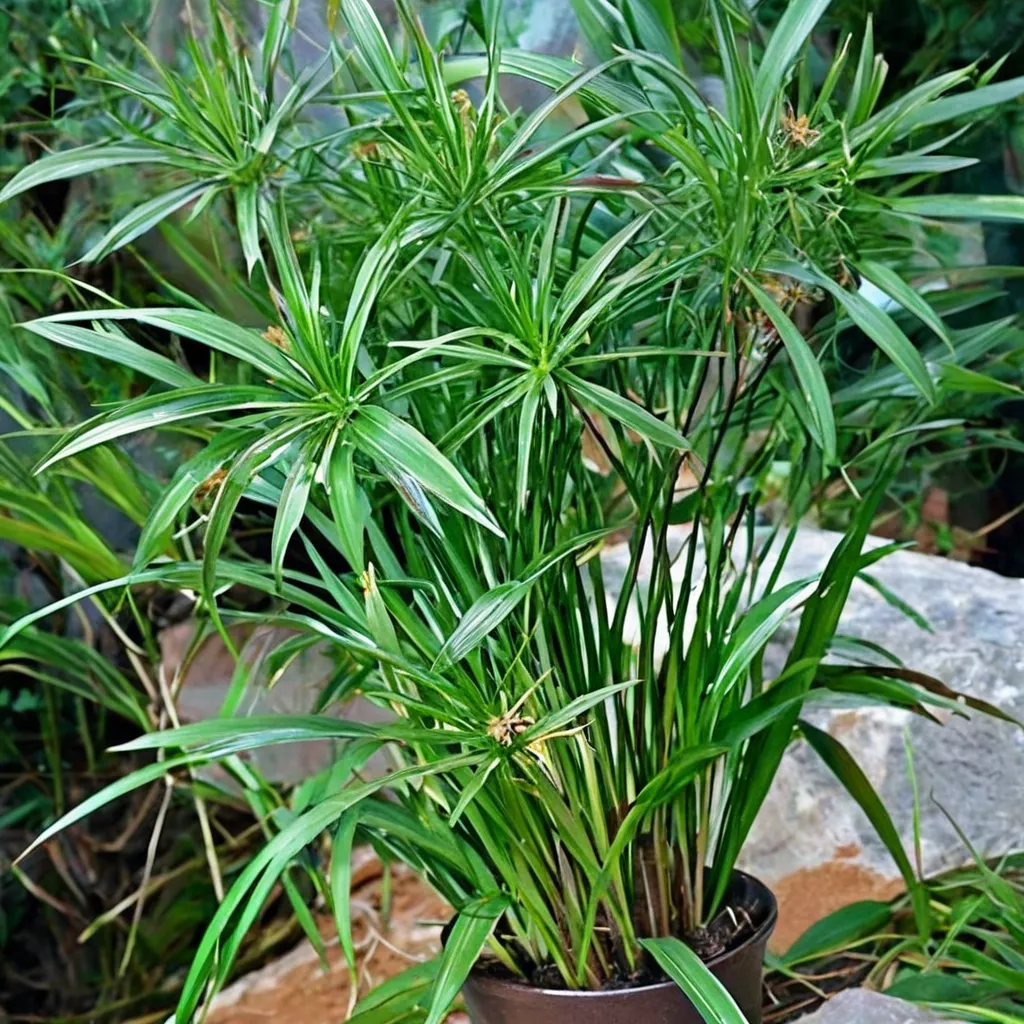
Umbrella Plant
Cyperus alternifolius
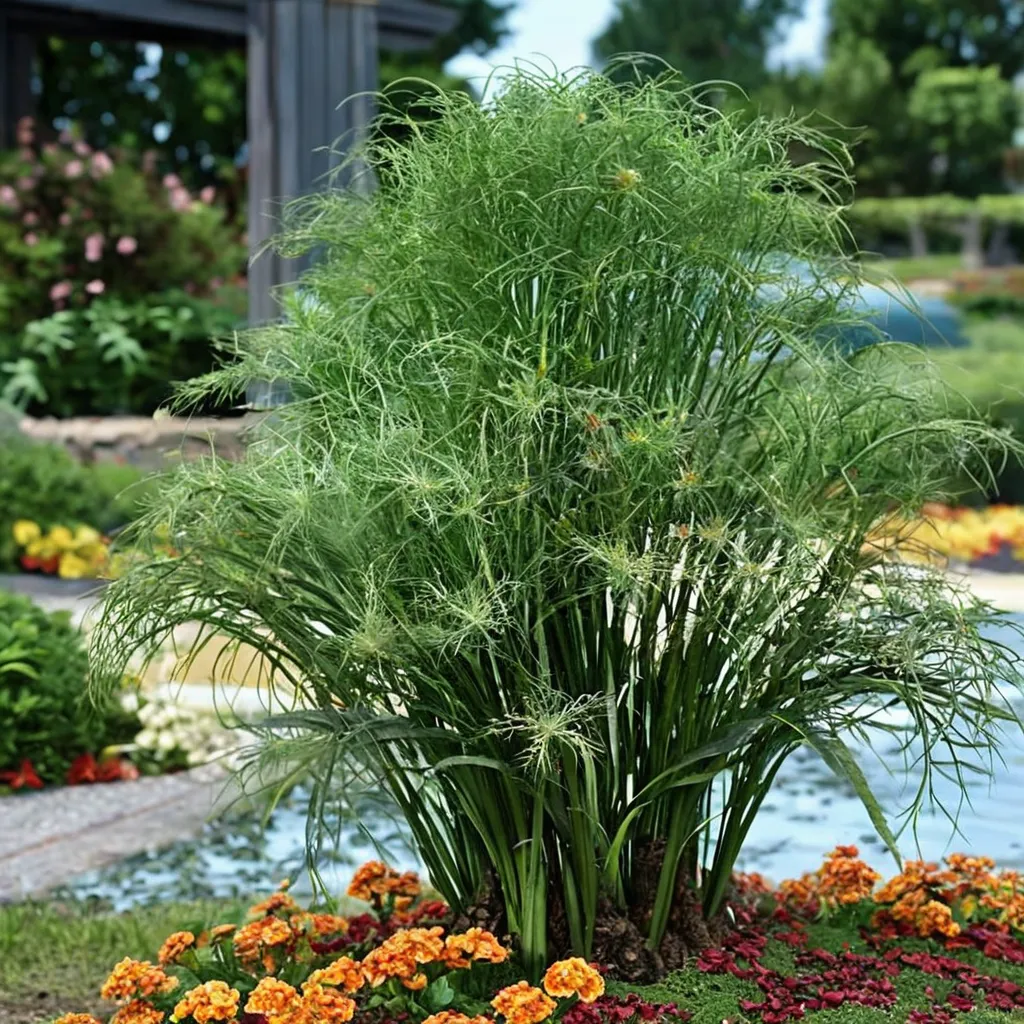
King Tut Papyrus
Cyperus papyrus 'King Tut'
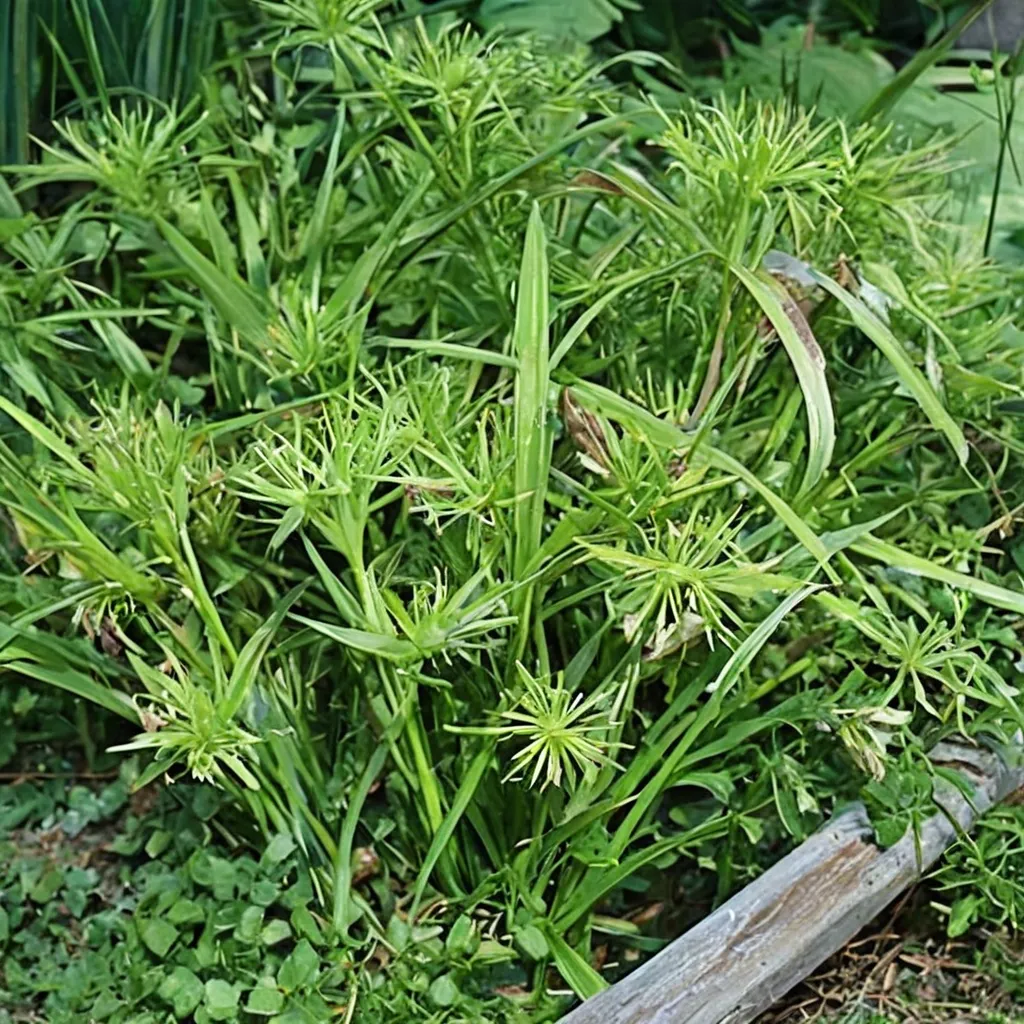
Dwarf Umbrella Plant
Cyperus albostriatus 'Nanus'
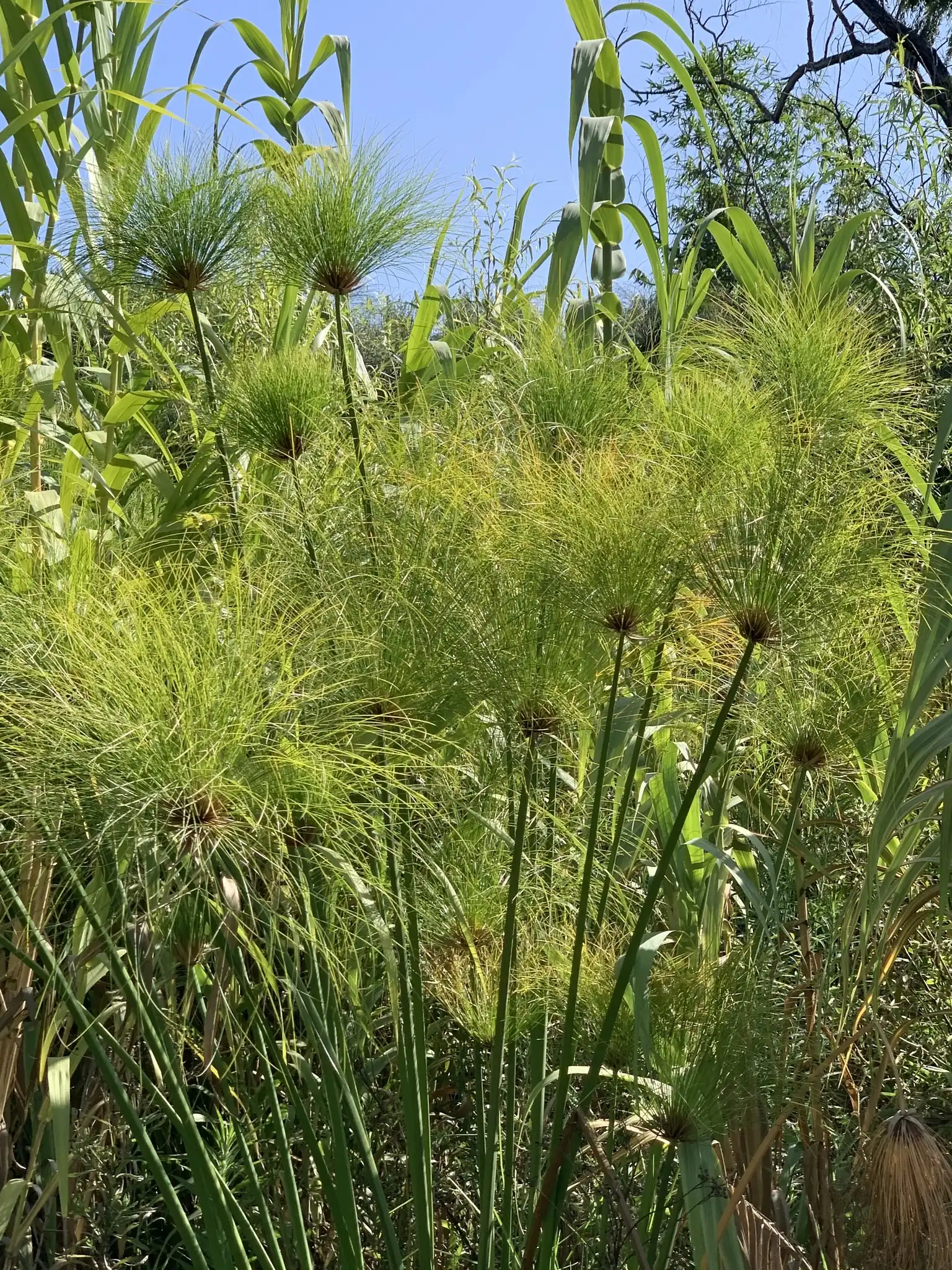
Papyrus
Cyperus papyrus
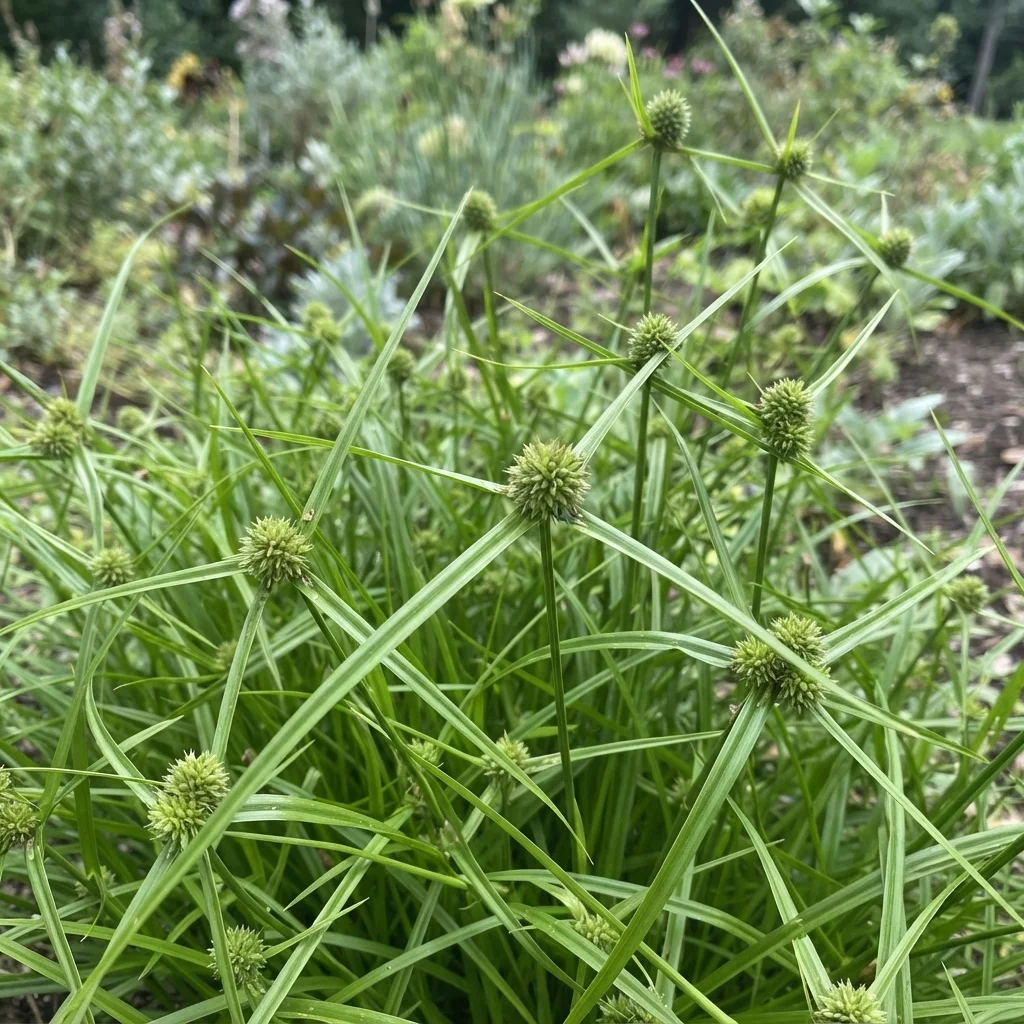
Shortleaf Spikesedge
Cyperus brevifolius
Keep exploring
Explore the genus
Hardy in your zone?
Grow Tall Flatsedge with confidence
See it in a design of your actual yard, get zone-matched care reminders, and track it season by season in your garden journal.