The Story
Plant Bio
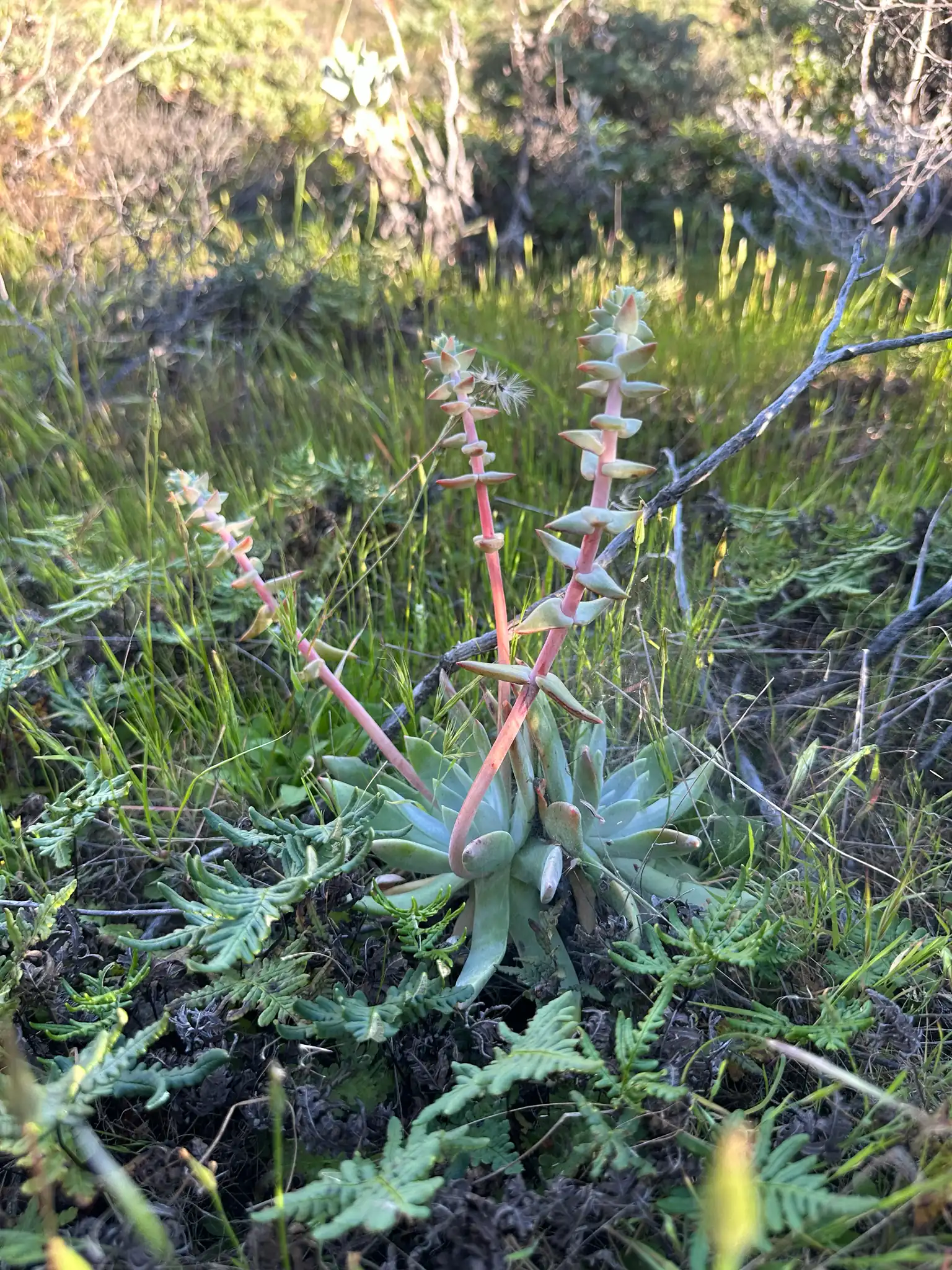
Dudleya greenei is a clump-forming evergreen succulent from California's Channel Islands, holding rosettes of fleshy oblong leaves on short stems that keep a skirt of old dried leaves below. It stores water in leaf and stem tissue through summer dormancy, then sends up branched stalks to 16 inches topped with pale yellow bell flowers in late spring.
It builds mats of 1 to 100 or more rosettes, each with 15 to 40 vivid-green leaves 1 to 4 inches long that dust white with farina in part shade. The erect stalk carries 2 to 15-flowered cymes with 8 to 12 millimeter petals fused at the base, paler than mainland Dudleya cespitosa and fixed to sea-cliff island habitat.
Uses & Benefits:
Essentials
At a Glance
Plant Type
Cactus Succulent
Height
16"
Width
12"
Light
Full Sun, Partial Sun
Zones
9, 10
Water
Very low
Humidity
Low - needs dry air and fast drainage
Lifespan
Perennial
Native To
California Channel Islands
Toxicity
Low risk - not listed as toxic
Bloom period
Late spring – Summer
In flower about 4 months of the year
Planting
How to Grow
- Set plants in fall into a steep, fast-draining mix of coarse sand, pumice, and rock with the crown at the surface.
- Give full sun to part shade; leaves stay greener in full sun and whiten with farina in part shade.
- Water deeply once at planting, then water sparingly in winter-spring and keep almost dry in summer dormancy.
- Leave the skirt of old dried leaves on the stem and avoid overhead watering that sits in the rosette.
- Cut spent flower stalks at the base after bloom and top-dress with gravel to keep the neck dry.
Pro Tip
Keep the white farina intact and never strip the skirt of old leaves; both protect the stem, and rot from summer water kills faster than any pest.
Keep It Thriving
Care Guide
Do
- Plant high in gritty, fast-draining soil with the crown dry
- Water deeply but infrequently in the cool growing season, then withhold in summer
- Inspect leaf axils for mealybugs and control ants that spread them
Don't
- Do not overwater in summer or leave the pot sitting in a saucer
- Do not strip old retained leaves or rub off the white farina
- Do not fertilize heavily or plant in rich moisture-holding soil
Seasonal Care Calendar
| Task | Jan | Feb | Mar | Apr | May | Jun | Jul | Aug | Sep | Oct | Nov | Dec |
|---|---|---|---|---|---|---|---|---|---|---|---|---|
| Deadhead | ||||||||||||
| Pest Check | ||||||||||||
| Plant | ||||||||||||
| Propagate | ||||||||||||
| Spring Cleanup |
Watch Out For
Pests & Diseases
Common Pests
Common Diseases
In the Garden
Landscape Uses & Companions
Landscape Uses
Multiply
Propagation Methods
Good to Know
Common Questions
Greene's Liveforever questions
What zones can Greene's Liveforever grow in?
Greene's Liveforever is hardy in USDA Zones 9–10: in that range it survives winter in the ground. Colder than Zone 9, grow it in a container you can move to shelter for the winter, or as an annual.
When does Greene's Liveforever bloom?
Greene's Liveforever typically blooms from late spring to late summer. Exact timing shifts a week or two with your zone — Sow's bloom calendar maps it to your garden.
Does Greene's Liveforever need full sun?
Greene's Liveforever does best in full sun to part shade. In hot climates, afternoon shade keeps blooms fresher longer.
Is Greene's Liveforever drought tolerant?
Yes — once established (usually after the first full season), Greene's Liveforever handles dry spells with minimal watering. Water deeply its first year to build the root system that makes that possible.
More Dudleya to compare
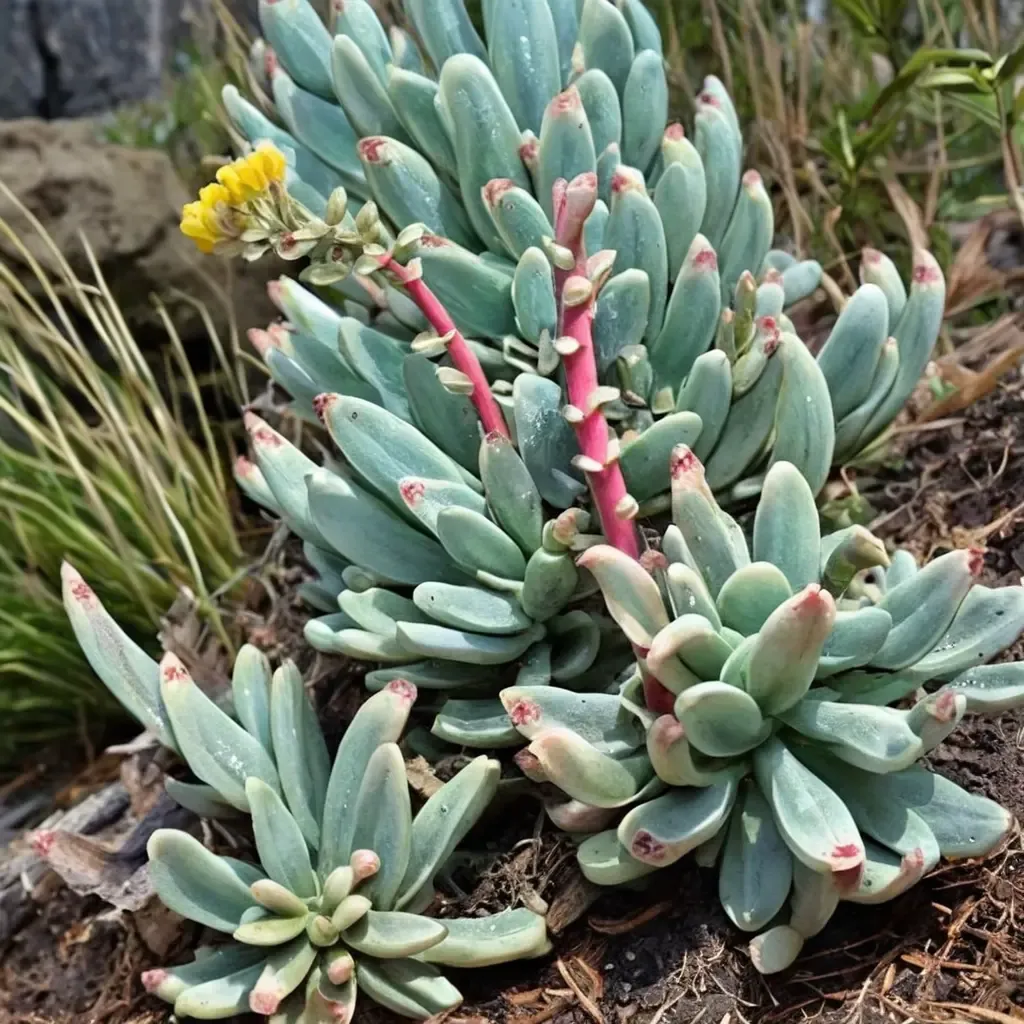
Sea Lettuce
Dudleya caespitosa
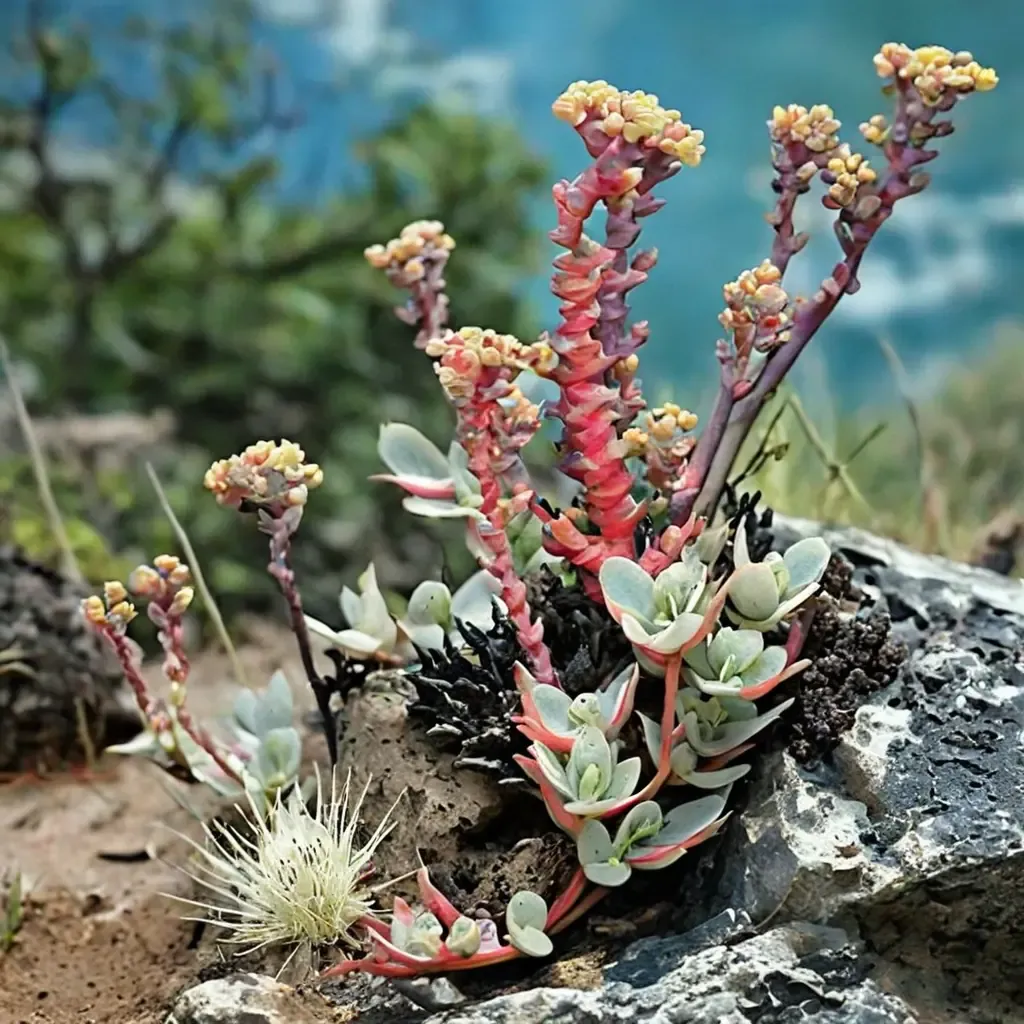
Powdery Liveforever
Dudleya farinosa
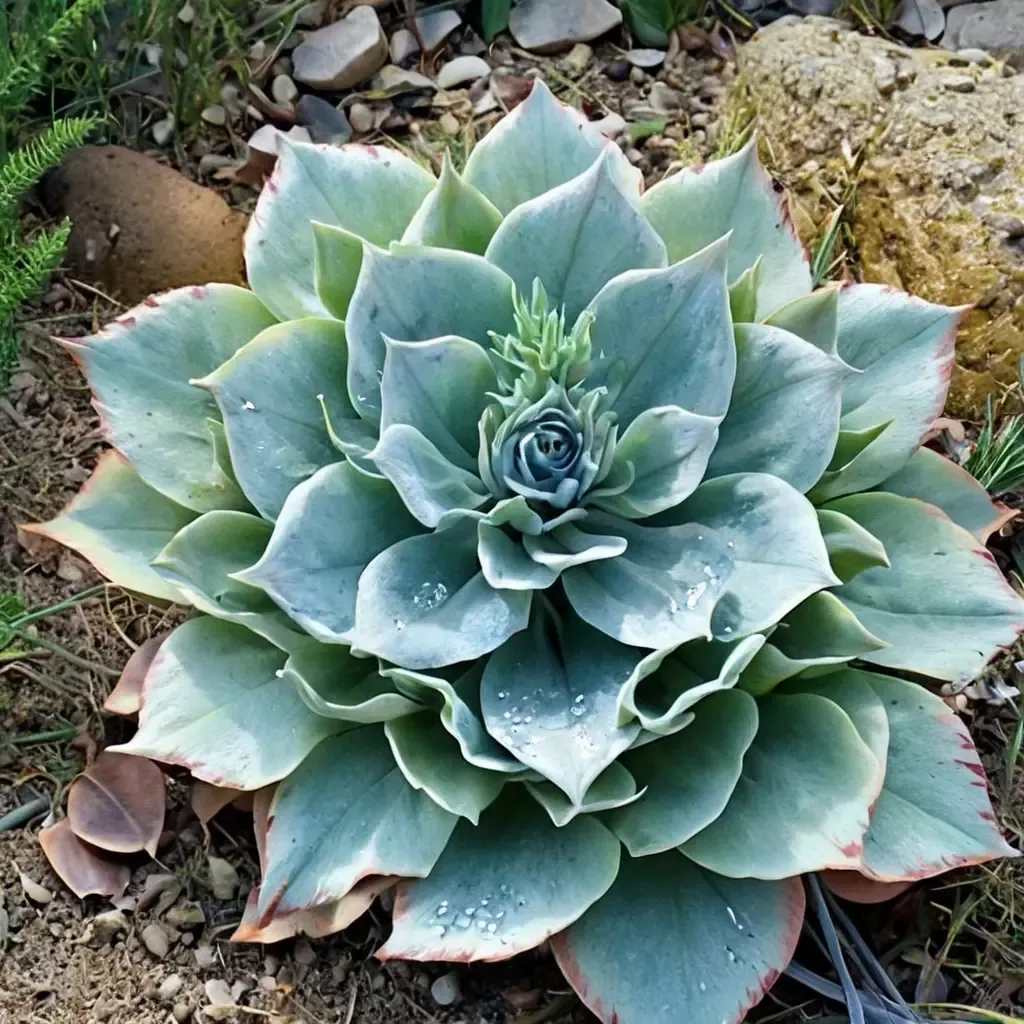
Chalk Dudleya
Dudleya pulverulenta
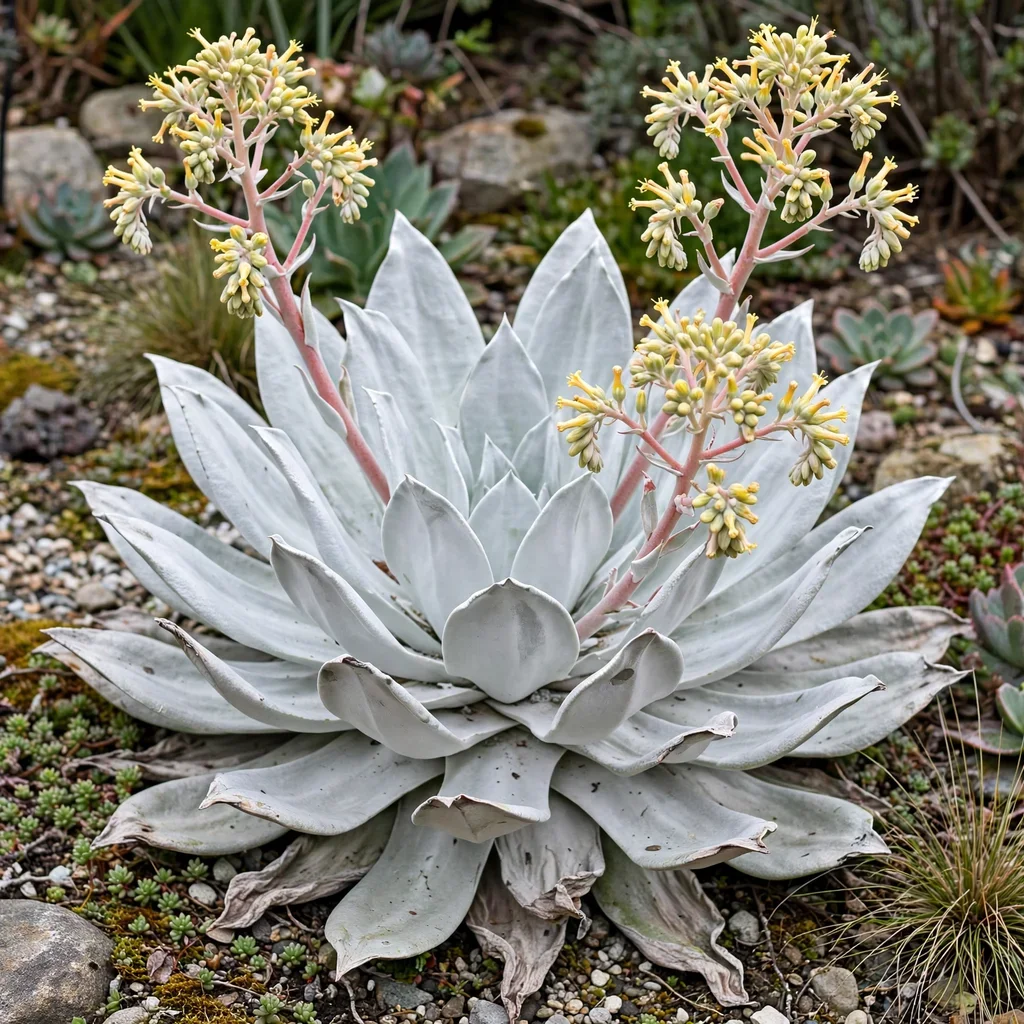
Giant Chalk Dudleya
Dudleya brittonii 'Giant Chalk Dudleya'
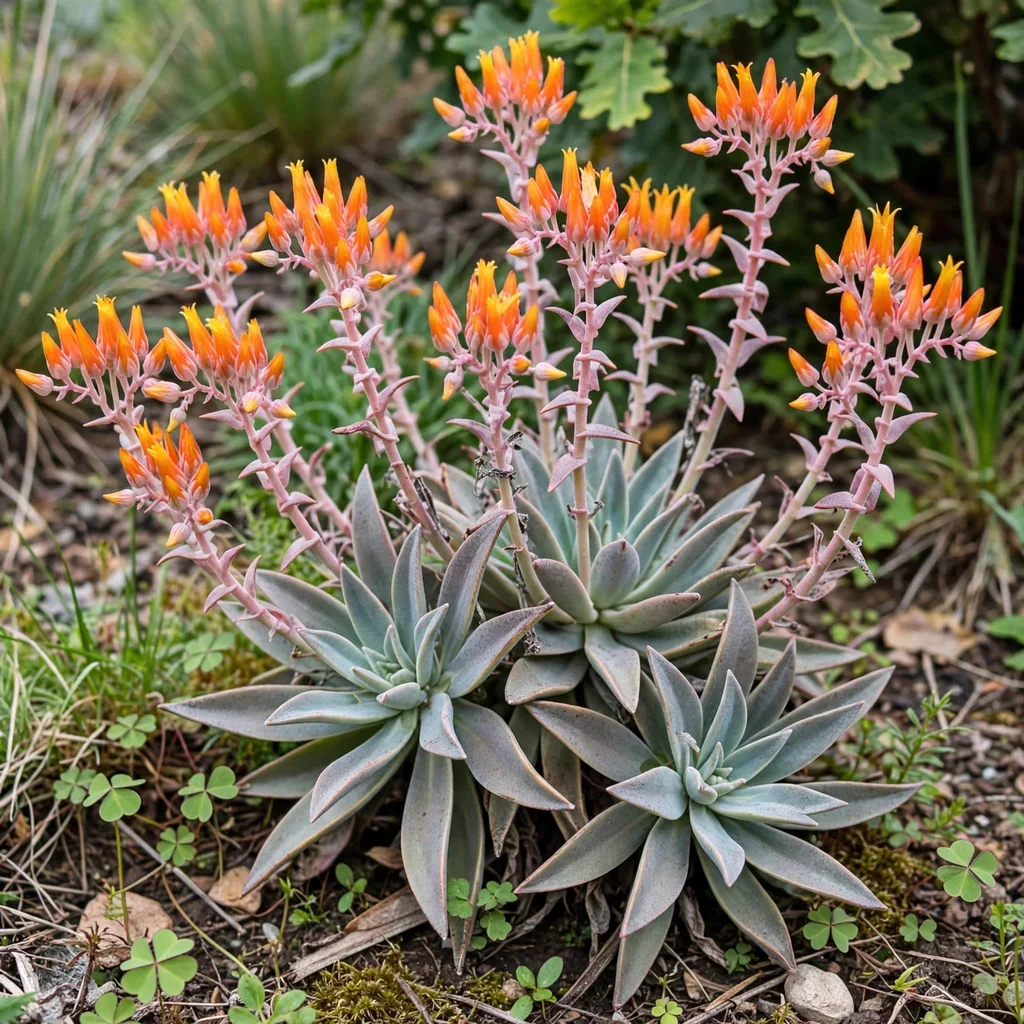
Canyon Liveforever
Dudleya cymosa 'Orange Form'
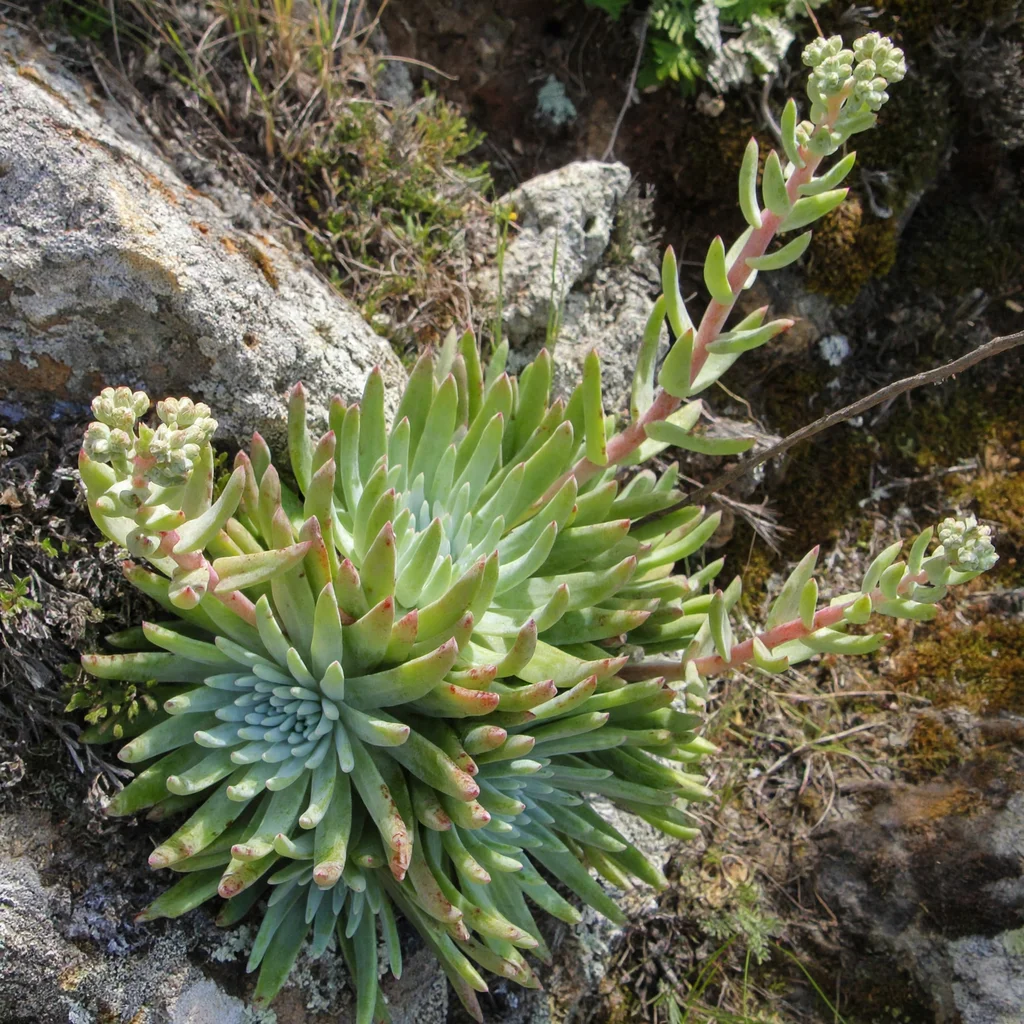
Bright Green Dudleya
Dudleya virens
Keep exploring
Explore the genus
Hardy in your zone?
Grow Greene's Liveforever with confidence
See it in a design of your actual yard, get zone-matched care reminders, and track it season by season in your garden journal.