The Story
Plant Bio
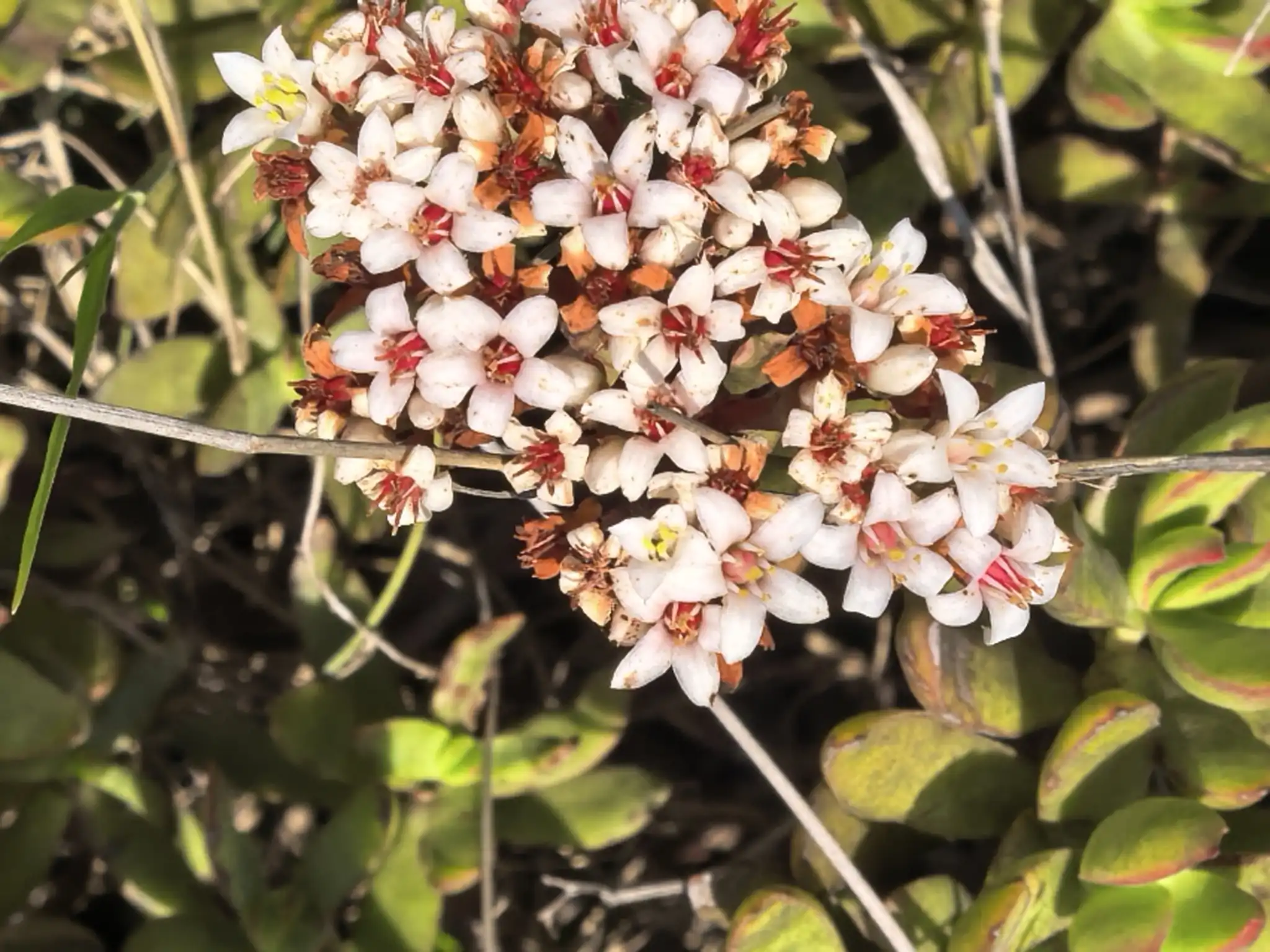
Crassula rubricaulis is a much-branched evergreen shrublet from South Africa's Cape Provinces, forming a rounded clump 12 to 20 inches tall with woody red-brown stems that root where they touch soil. The thick fleshy leaves are narrow-ovate and sessile, green with red margins and fine marginal hairs, carried on red-tinged new growth that reddens further in full sun.
Red-brown woody stems and narrow leaves edged in red separate it from thicker-leaved jade types, with color strongest in full sun and gritty, sharply drained soil. In summer to fall it carries large rounded clusters of small 5mm starry white flowers with red calyces and carpels, giving a red-and-white effect on red-tinged stalks.
Uses & Benefits:
Essentials
At a Glance
Plant Type
Cactus Succulent
Height
20"
Width
39"
Light
Full Sun, Partial Sun
Zones
9, 10
Water
Low
Humidity
Low, dislikes wet humid soil
Lifespan
Perennial
Native To
South Africa (Eastern and Western Cape)
Toxicity
Unknown - no toxicity record found
Bloom period
Summer – Fall
In flower about 6 months of the year
Planting
How to Grow
- Plant in full sun to light shade in gritty, fast-draining cactus or succulent mix, keeping the crown at soil level.
- Water deeply after planting, then let the mix dry fully before watering again; water weekly in active growth and sharply reduce in winter.
- Grow outdoors in zones 9-11; elsewhere keep in a clay pot and move indoors before nights drop below 40F.
- Top-dress sparingly with well-rotted compost in spring; no heavy fertilizer needed.
Pro Tip
Give it full sun and sharp drainage and water deeply then let it dry; plants die from soggy winter soil, not drought, and sun is what holds the red edge.
Keep It Thriving
Care Guide
Do
- Do give maximum sun for compact growth and strong red margins.
- Do use clay pots, rockeries, or raised beds with excellent drainage.
- Do isolate new plants for two weeks and check axils for mealybugs.
Don't
- Do not overwater or leave in soggy soil, especially in cold weather.
- Do not cut hard back into old leafless wood; tip-trim only.
- Do not expect hummingbirds; the small white flowers serve small bees and pollinators.
Seasonal Care Calendar
| Task | Jan | Feb | Mar | Apr | May | Jun | Jul | Aug | Sep | Oct | Nov | Dec |
|---|---|---|---|---|---|---|---|---|---|---|---|---|
| Fertilize | ||||||||||||
| Pest Check | ||||||||||||
| Plant | ||||||||||||
| Prune | ||||||||||||
| Winter Prep |
Watch Out For
Pests & Diseases
Common Pests
Common Diseases
In the Garden
Landscape Uses & Companions
Landscape Uses
Companion Plants
Multiply
Propagation Methods
Good to Know
Common Questions
Red Stem Crassula questions
What zones can Red Stem Crassula grow in?
Red Stem Crassula is hardy in USDA Zones 9–10: in that range it survives winter in the ground. Colder than Zone 9, grow it in a container you can move to shelter for the winter, or as an annual.
When does Red Stem Crassula bloom?
Red Stem Crassula typically blooms from summer to fall. Exact timing shifts a week or two with your zone — Sow's bloom calendar maps it to your garden.
Does Red Stem Crassula need full sun?
Red Stem Crassula does best in full sun to part shade. In hot climates, afternoon shade keeps blooms fresher longer.
Is Red Stem Crassula drought tolerant?
Yes — once established (usually after the first full season), Red Stem Crassula handles dry spells with minimal watering. Water deeply its first year to build the root system that makes that possible.
More Crassula to compare
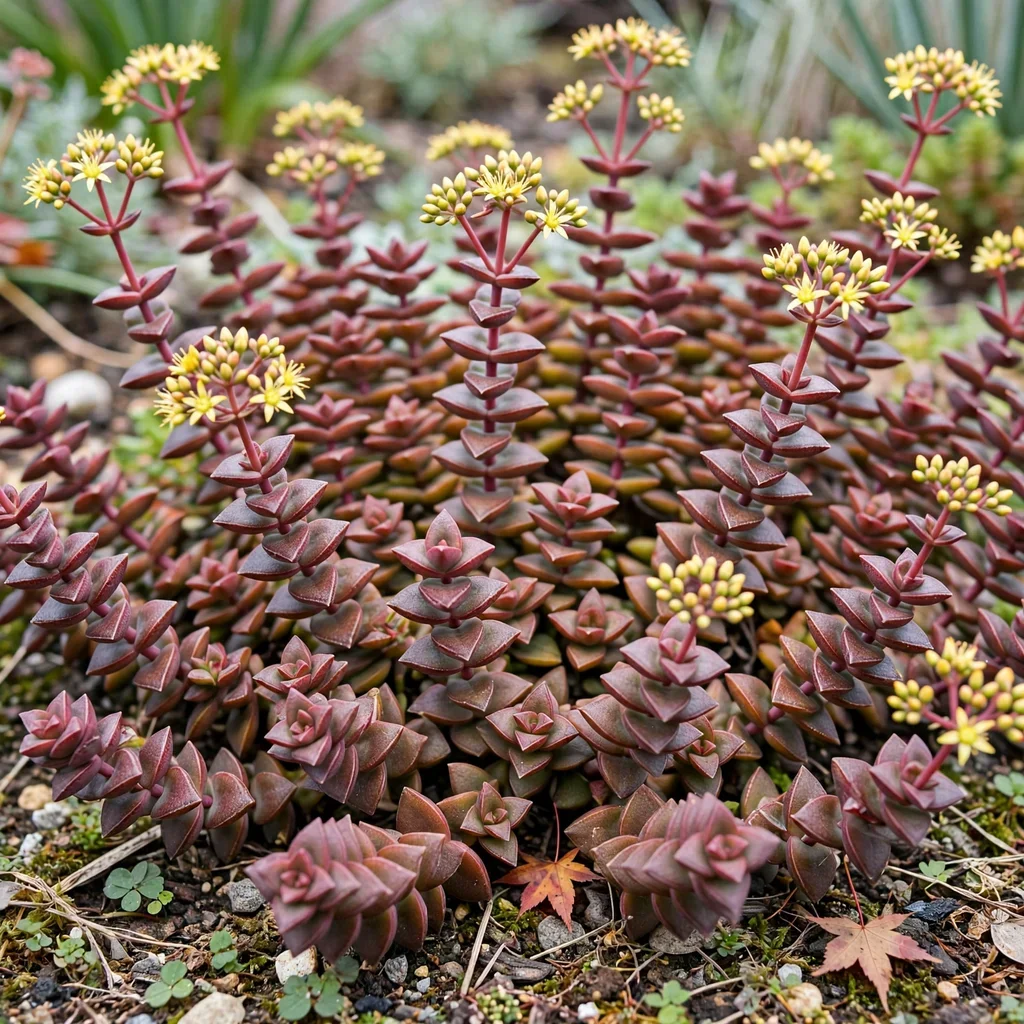
Small Red Carpet String of Buttons
Crassula perforata 'Small Red Carpet'
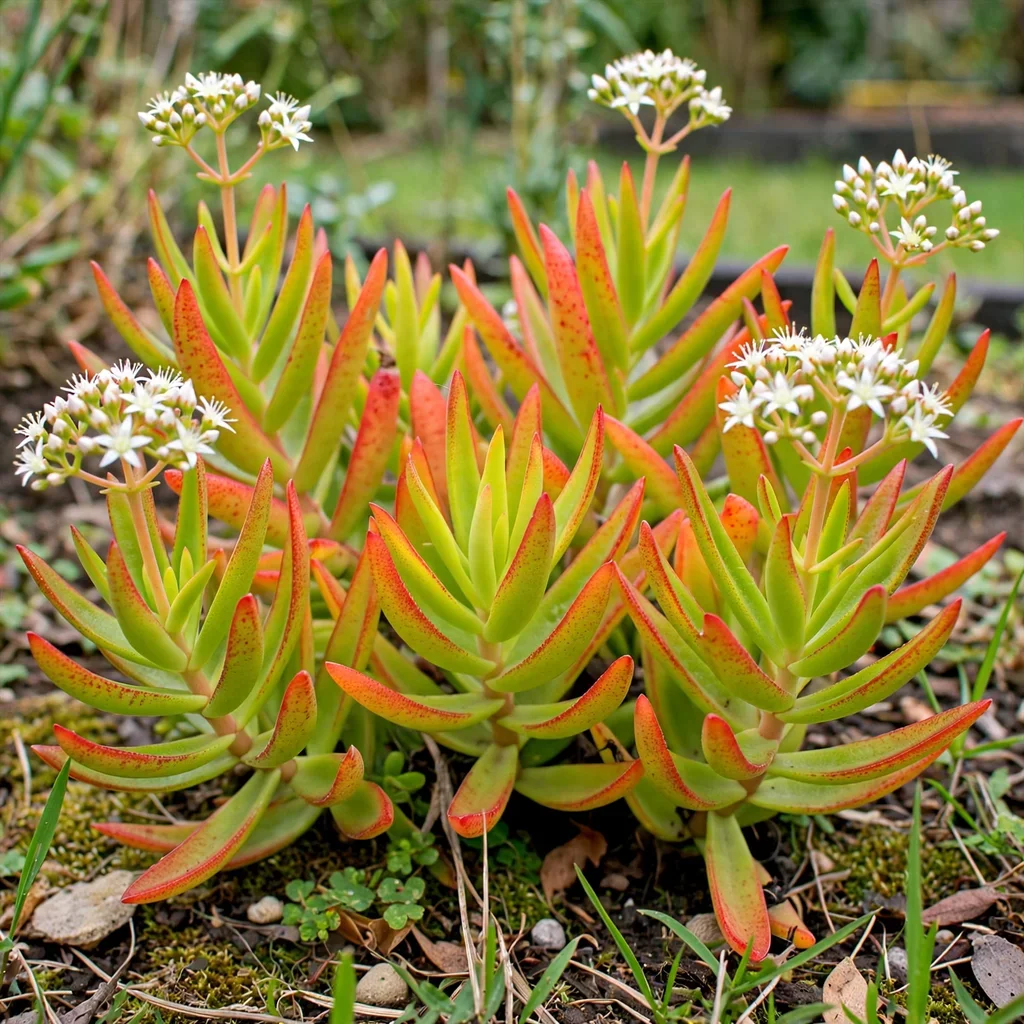
Campfire Crassula
Crassula erosula 'Campfire'
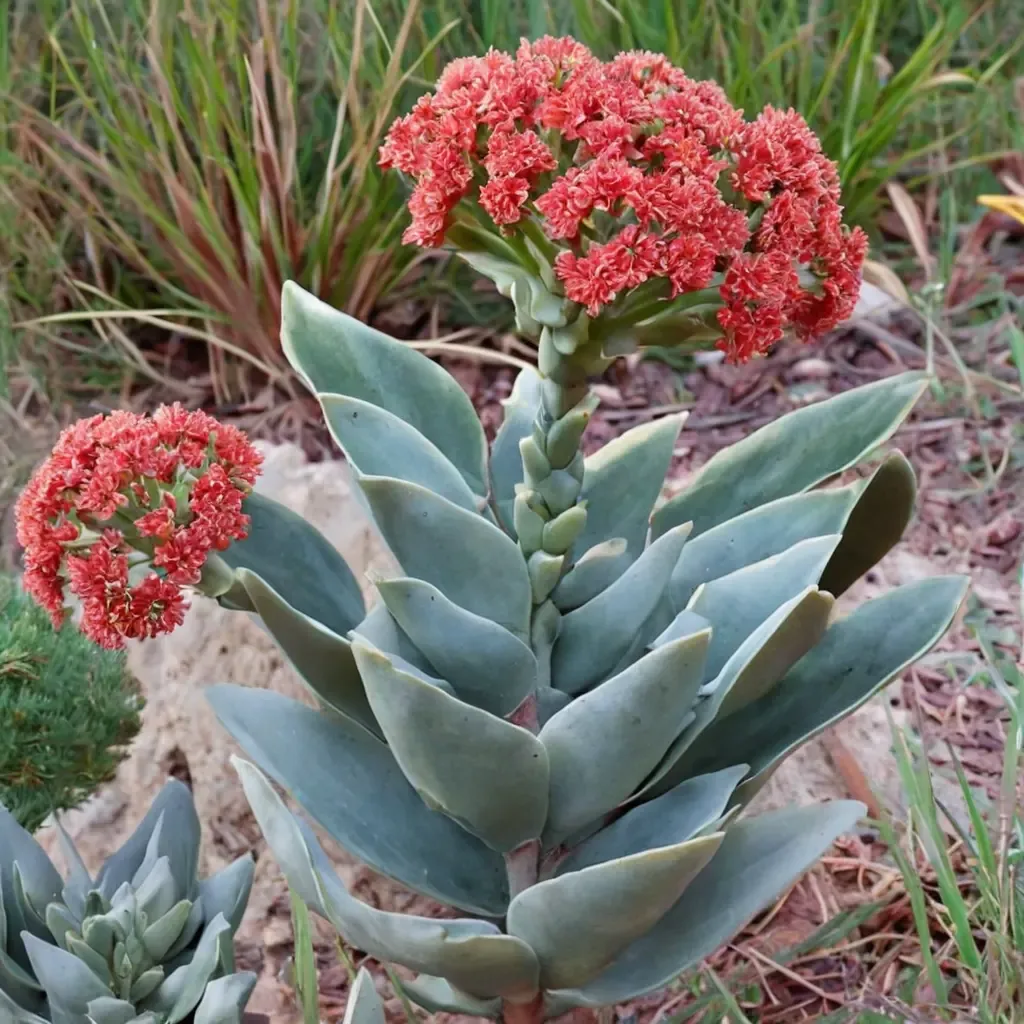
Propeller Plant
Crassula falcata
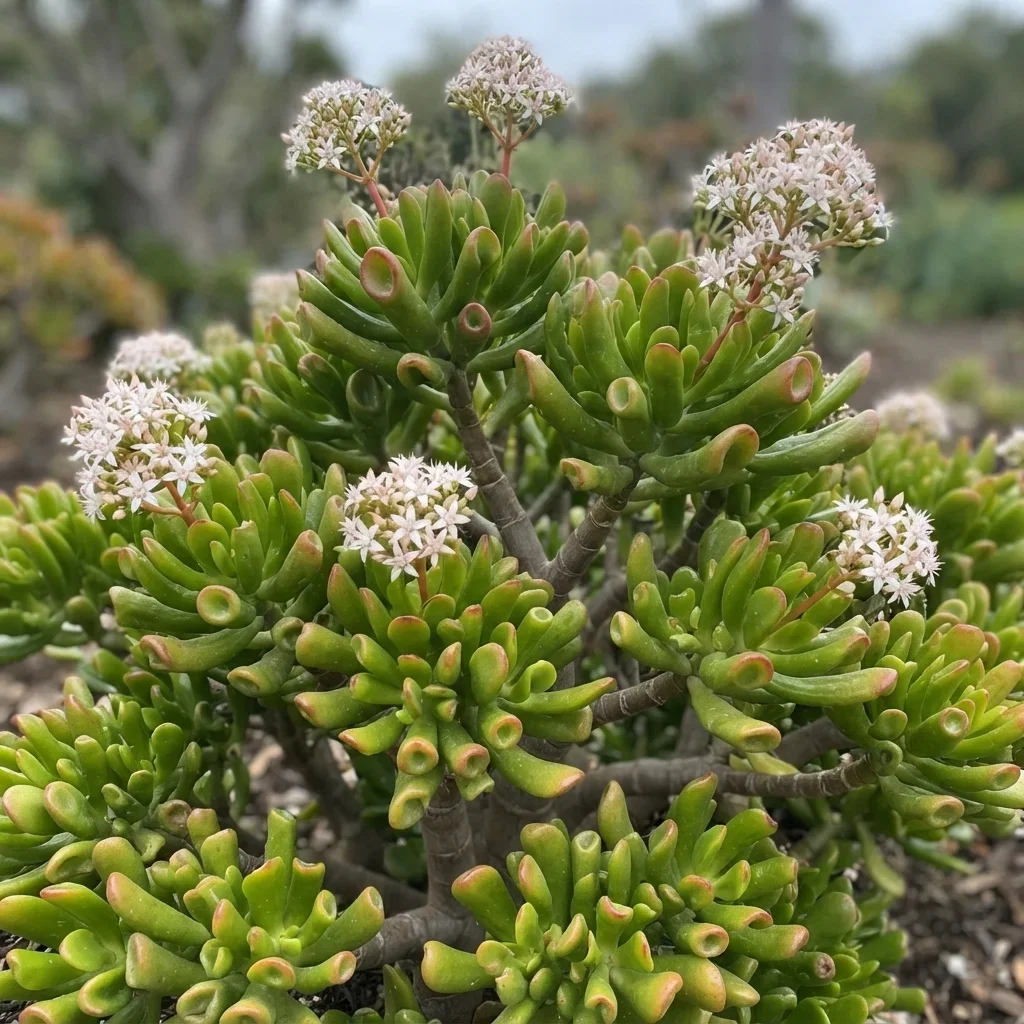
Hobbit Jade Plant
Crassula ovata 'Hobbit'
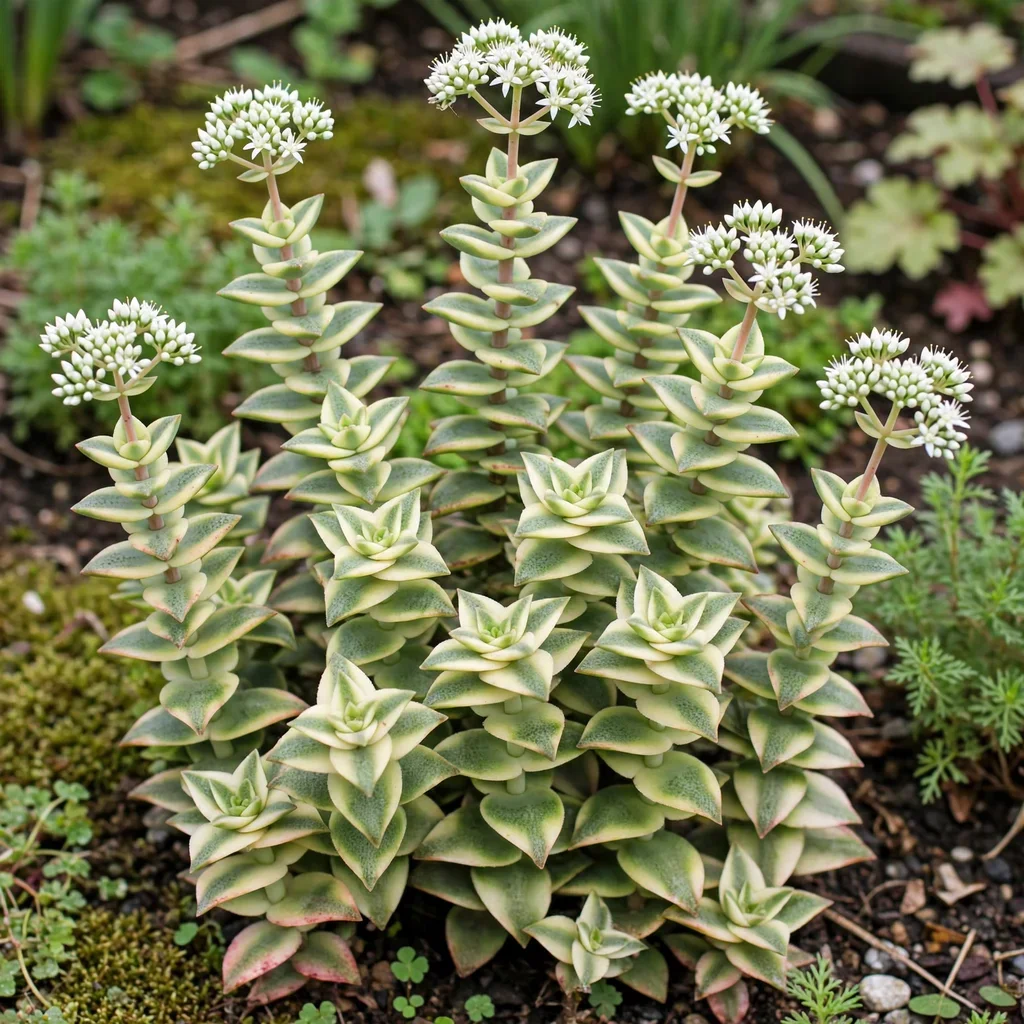
Variegated Red Pagoda
Crassula capitella 'Variegata'
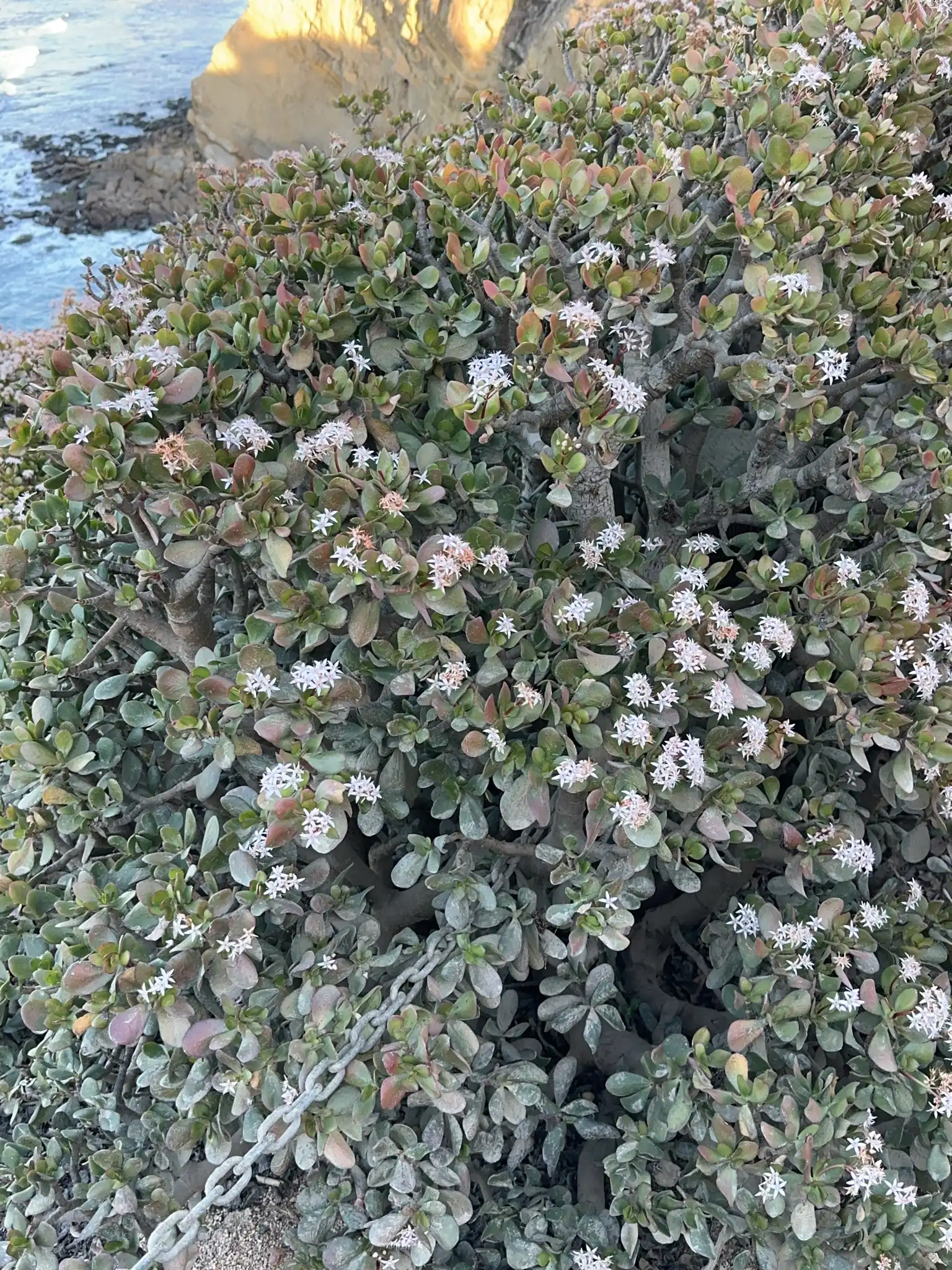
Jade Plant
Crassula ovata
Keep exploring
Explore the genus
Hardy in your zone?
Grow Red Stem Crassula with confidence
See it in a design of your actual yard, get zone-matched care reminders, and track it season by season in your garden journal.