The Story
Plant Bio
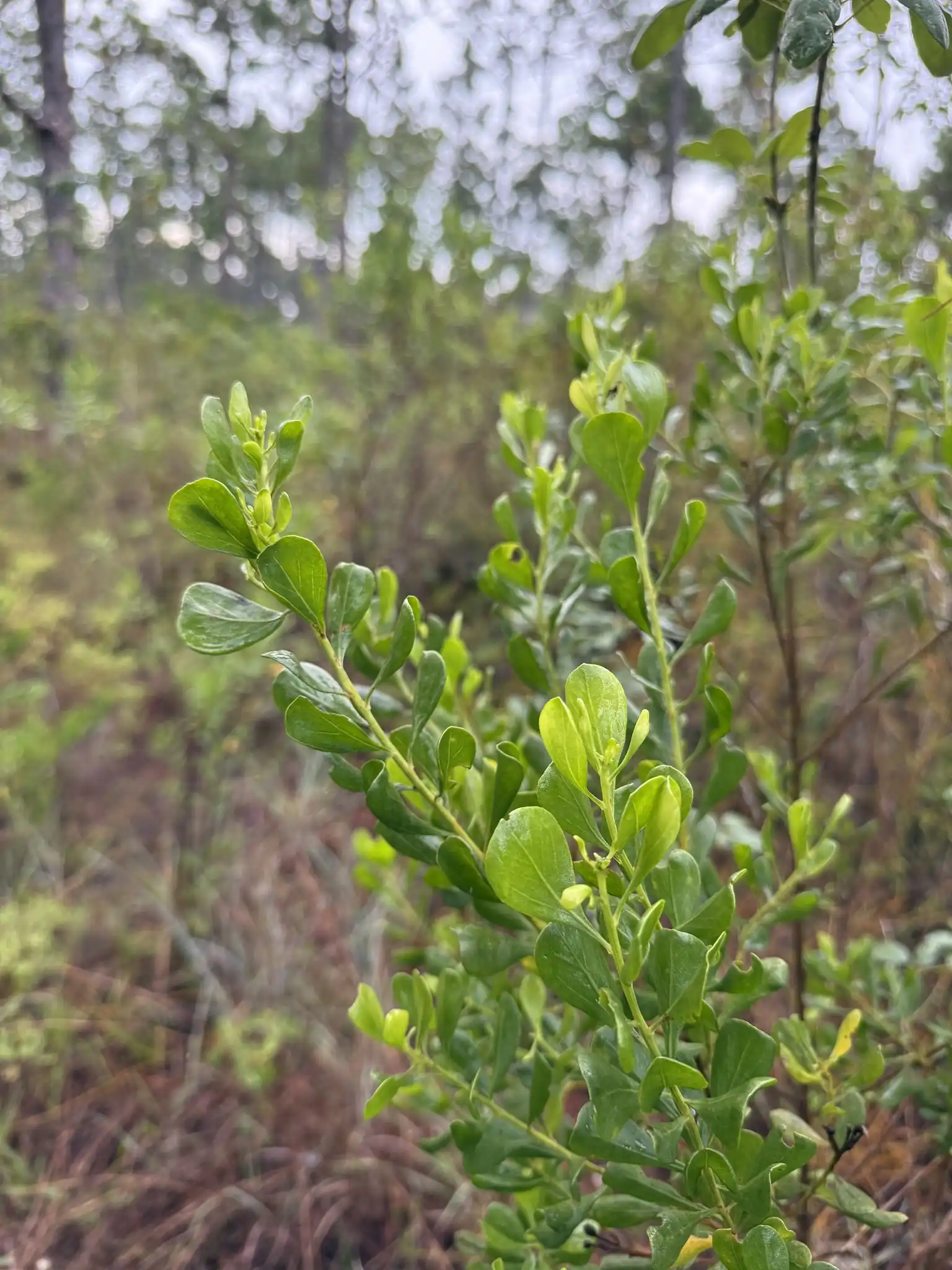
Baccharis dioica, commonly known as broombush falsewillow, is a dense, multi-stemmed evergreen shrub native to coastal hammocks and dune hollows of southern Florida and the Caribbean. Its erect, resinous stems bear small, fleshy, grayish-green leaves that emit a distinct fragrant aroma when handled.
As a dioecious species, male and female flowers occur on separate plants, producing aromatic white flower heads in fall that feed native pollinators. Female plants follow with semi-showy, wind-dispersed, fluffy seed masses that persist into early winter.
Uses & Benefits:
Essentials
At a Glance
Plant Type
Shrub
Height
72"
Width
84"
Light
Full Sun
Zones
8, 9, 10
Water
Low
Humidity
High
Lifespan
Perennial
Native To
Southeastern North America, Caribbean
Toxicity
Non-toxic
Bloom period
Late summer – Autumn
In flower about 4 months of the year
Planting
How to Grow
- Select a site in full sun with highly permeable, calcareous or sandy soil.
- Dig a planting hole twice as wide as the root ball and equal to its depth.
- Backfill with native soil without adding organic amendments or heavy fertilizers.
- Water thoroughly at planting and supply supplemental water weekly until roots establish.
Pro Tip
Prune plants lightly only after flowering finishes in late autumn, as trimming earlier in the season removes current-year flower buds.
Keep It Thriving
Care Guide
Do
- Plant in fast-draining limestone or sandy soils in full sun exposure.
- Provide supplemental water during extreme dry periods until established.
- Prune immediately after fall flowering to maintain a tidy canopy.
Don't
- Do not plant in soggy soils or low-lying areas subject to standing salt water.
- Do not apply heavy high-nitrogen fertilizers, which cause leggy growth.
- Do not shear stems in midsummer, as this destroys developing flower heads.
Seasonal Care Calendar
| Task | Jan | Feb | Mar | Apr | May | Jun | Jul | Aug | Sep | Oct | Nov | Dec |
|---|---|---|---|---|---|---|---|---|---|---|---|---|
| Fertilize | ||||||||||||
| Mulch | ||||||||||||
| Pest Check | ||||||||||||
| Prune |
Watch Out For
Pests & Diseases
Common Pests
Common Diseases
In the Garden
Landscape Uses & Companions
Landscape Uses
Multiply
Propagation Methods
Good to Know
Common Questions
Broombush Falsewillow questions
What zones can Broombush Falsewillow grow in?
Broombush Falsewillow is hardy in USDA Zones 8–10: in that range it survives winter in the ground. Colder than Zone 8, grow it in a container you can move to shelter for the winter.
Is Broombush Falsewillow deer resistant?
Yes — Broombush Falsewillow is rated deer-resistant. Deer typically pass it over, though extreme hunger can override any plant's defenses.
When does Broombush Falsewillow bloom?
Broombush Falsewillow typically blooms from late summer to late fall. Exact timing shifts a week or two with your zone — Sow's bloom calendar maps it to your garden.
Does Broombush Falsewillow need full sun?
Broombush Falsewillow does best in full sun (6+ hours).
Is Broombush Falsewillow drought tolerant?
Yes — once established (usually after the first full season), Broombush Falsewillow handles dry spells with minimal watering. Water deeply its first year to build the root system that makes that possible.
More Baccharis to compare
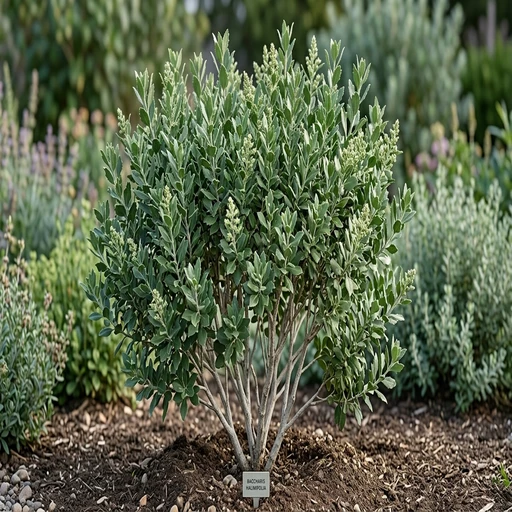
Sea Myrtle
Baccharis halimifolia
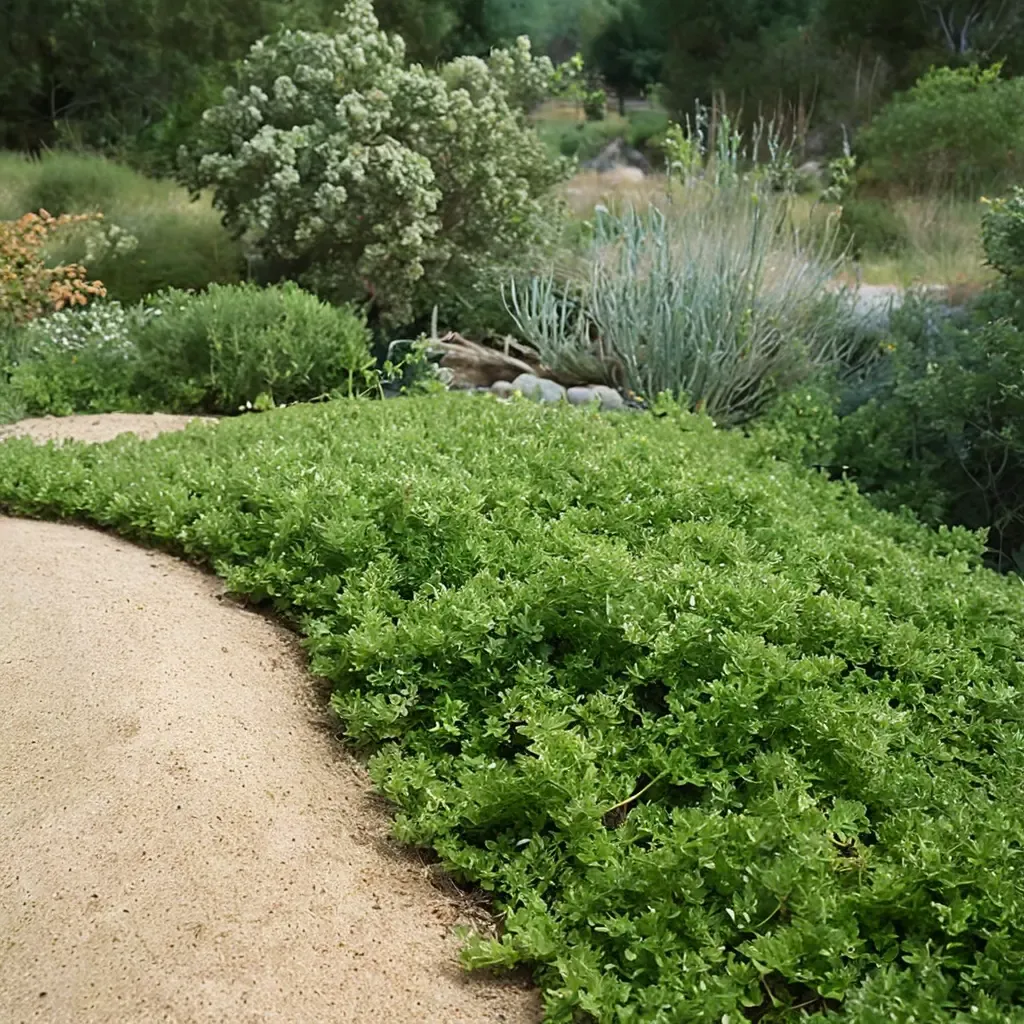
Pigeon Point Dwarf Coyote Bush
Baccharis pilularis 'Pigeon Point'
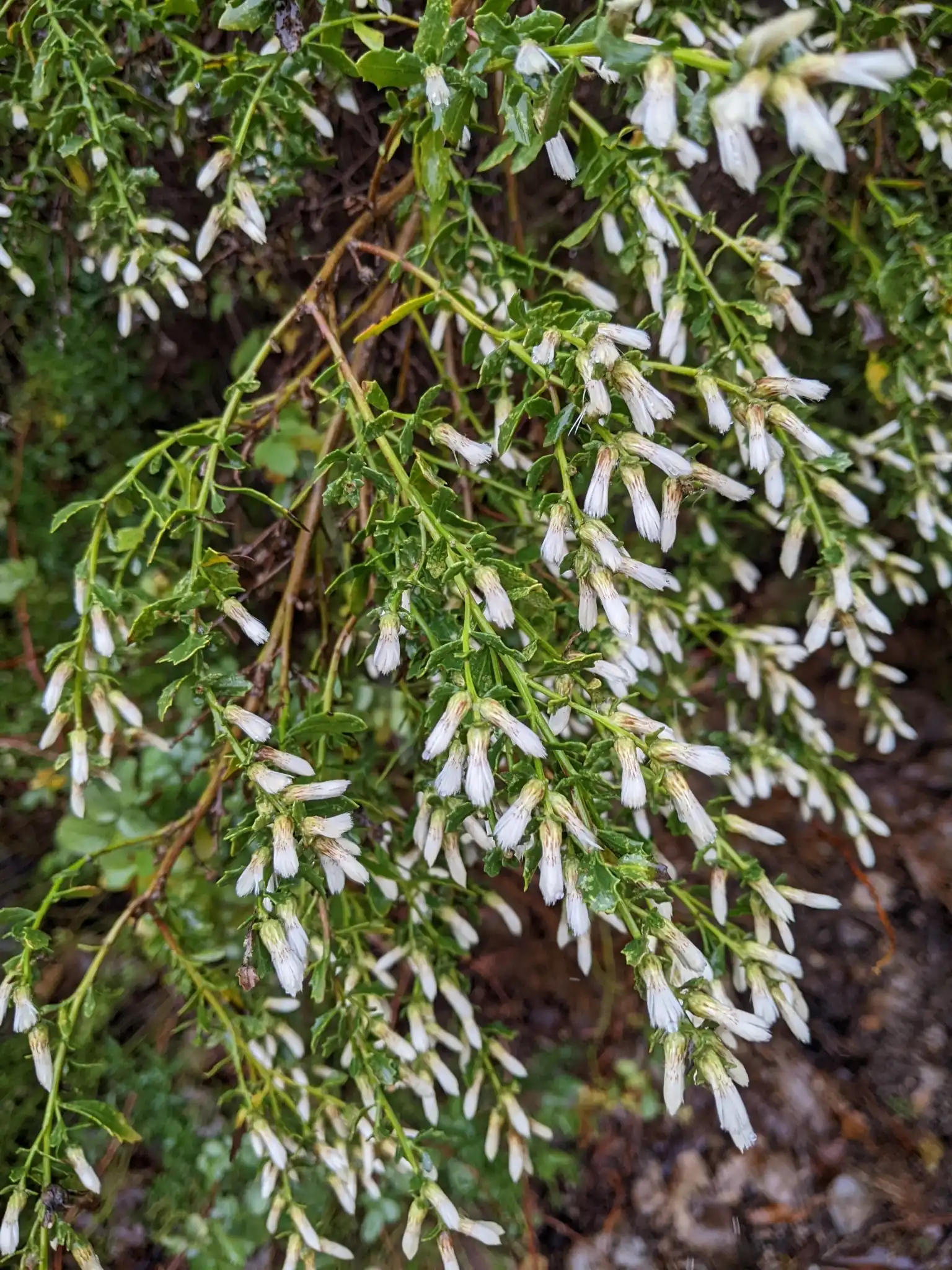
Dwarf Coyote Bush
Baccharis pilularis
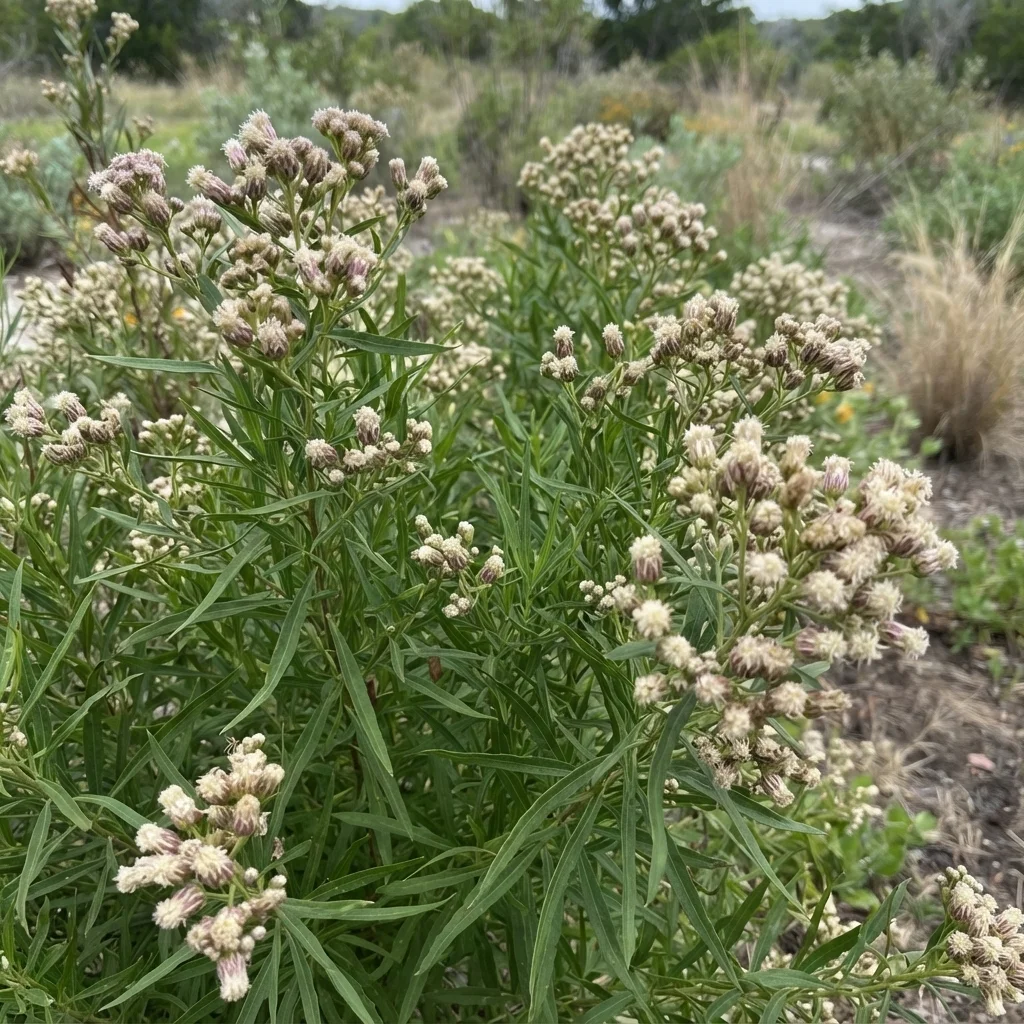
Mule Fat
Baccharis salicifolia
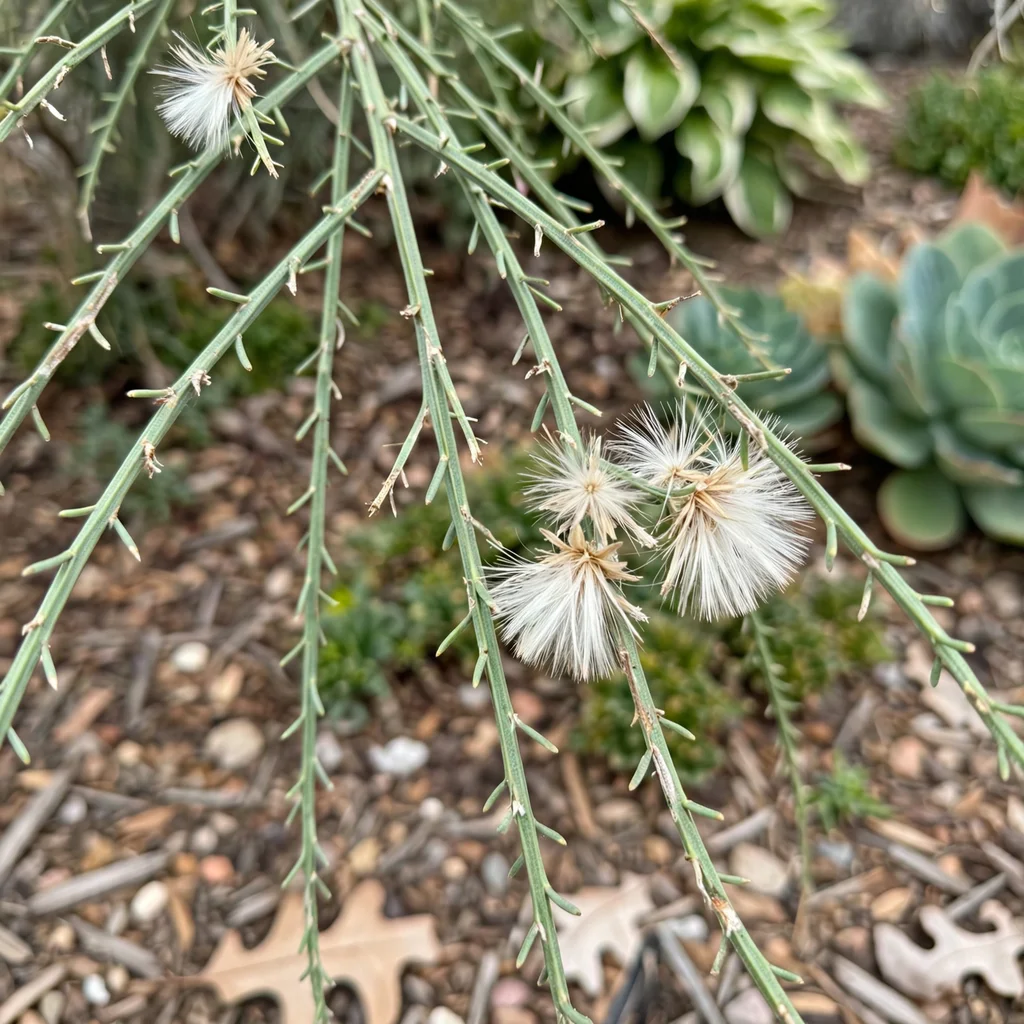
Desert Broom
Baccharis sarothroides
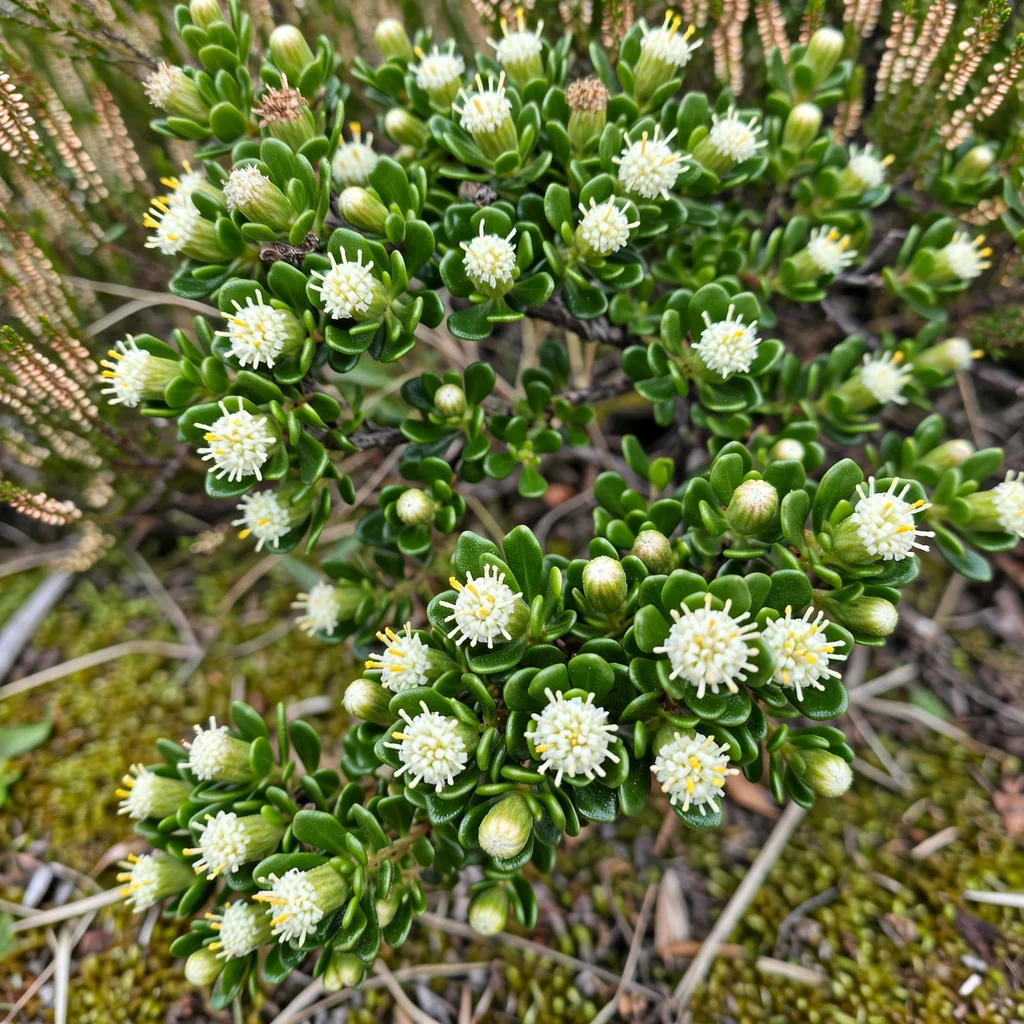
Christmas Bush
Baccharis magellanica
Keep exploring
Explore the genus
Hardy in your zone?
Grow Broombush Falsewillow with confidence
See it in a design of your actual yard, get zone-matched care reminders, and track it season by season in your garden journal.