The Story
Plant Bio
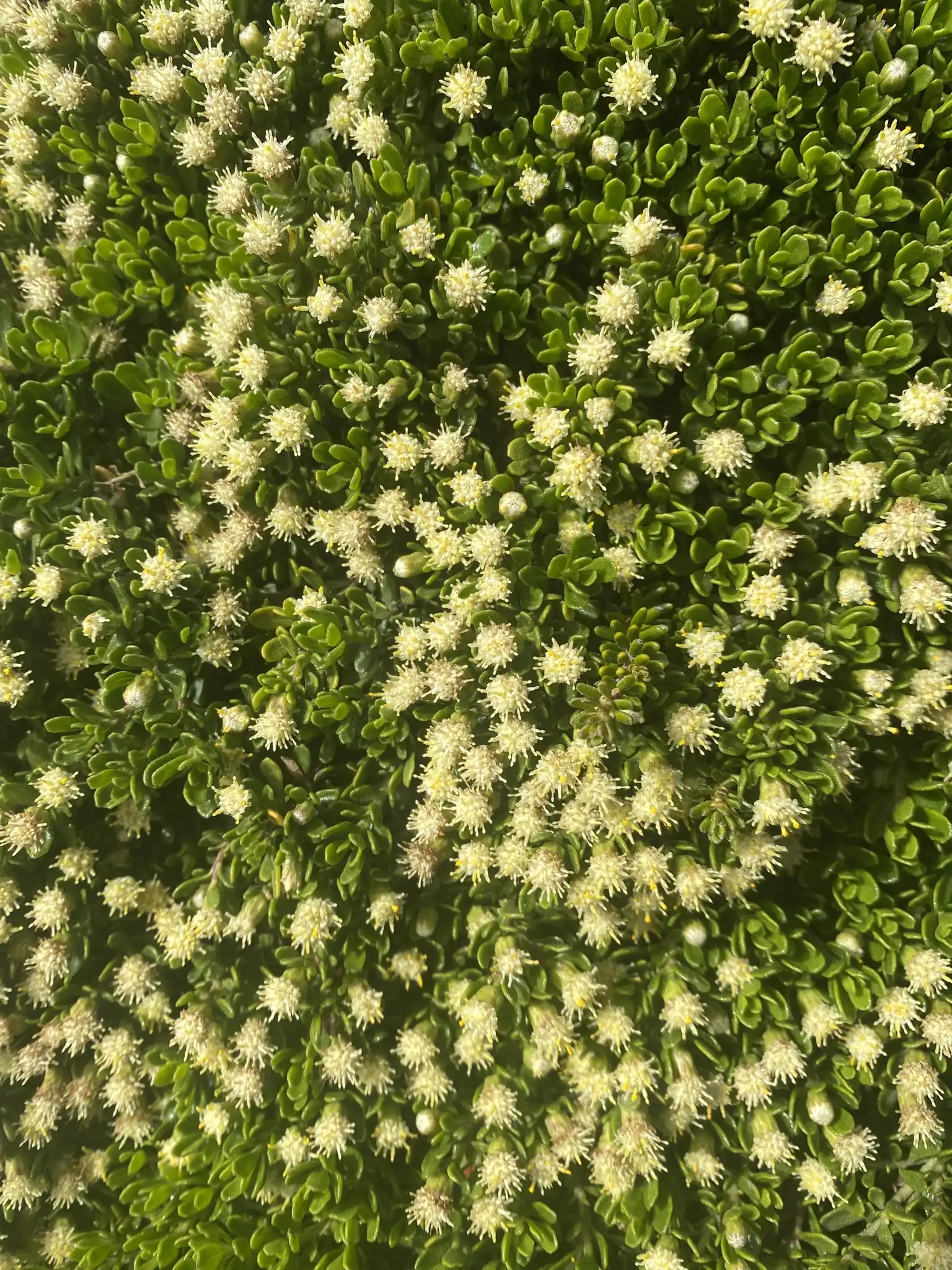
Baccharis magellanica is a dwarf evergreen shrub from coastal heath and moorland in southern Chile, Argentina and the Falkland Islands, forming a tight mat 6 to 12 inches high and 4 to 5 feet wide of tiny glossy green leaves. Male and female flowers grow on separate plants as small creamy-white button heads clustered at the branch ends, opening from late winter into spring.
Unlike most upright Baccharis, it stays prostrate and closes into a weed-suppressing mat for lean, rocky ground in full sun. It survives to about 0F once established yet rots where winter soil stays wet, so sharp drainage matters more than fertility.
Uses & Benefits:
Essentials
At a Glance
Plant Type
Groundcover
Height
8"
Width
48"
Light
Full Sun
Zones
7, 8, 9, 10
Water
Low once established
Humidity
Tolerates wind, prefers cool moist air
Lifespan
Woody perennial
Native To
S Chile, S Argentina, Falkland Islands
Toxicity
Unknown
Bloom period
Late winter – Spring
In flower about 4 months of the year
Planting
How to Grow
- Choose full sun on a slope, rock edge or raised bed that drains fast in winter.
- Dig a shallow, wide hole in average to rocky soil and set the crown level with the surface.
- Backfill with lean native soil, firm gently and water in once.
- Water deeply through the first season, then reduce once roots anchor.
- Top with a thin gravel mulch kept back from the crown to keep it dry.
Pro Tip
Plant high in lean, sharply drained soil and cut back by about one-third in early spring; late pruning forces soft growth that winter damages.
Keep It Thriving
Care Guide
Do
- Plant in full sun in sharply drained, lean to rocky soil.
- Water to establish, then keep on the dry side.
- Lightly shape in early spring before new growth starts.
Don't
- Do not plant in low ground that stays wet in winter.
- Do not fertilize heavily or keep soil constantly moist.
- Do not prune late in the season when new shoots cannot harden.
Seasonal Care Calendar
| Task | Jan | Feb | Mar | Apr | May | Jun | Jul | Aug | Sep | Oct | Nov | Dec |
|---|---|---|---|---|---|---|---|---|---|---|---|---|
| Mulch | ||||||||||||
| Pest Check | ||||||||||||
| Plant | ||||||||||||
| Prune |
Watch Out For
Pests & Diseases
Common Pests
Common Diseases
In the Garden
Landscape Uses & Companions
Landscape Uses
Multiply
Propagation Methods
Good to Know
Common Questions
Christmas Bush questions
What zones can Christmas Bush grow in?
Christmas Bush is hardy in USDA Zones 7–10: in that range it survives winter in the ground. Colder than Zone 7, grow it in a container you can move to shelter for the winter, or as an annual.
When does Christmas Bush bloom?
Christmas Bush typically blooms from late winter to late spring. Exact timing shifts a week or two with your zone — Sow's bloom calendar maps it to your garden.
Does Christmas Bush need full sun?
Christmas Bush does best in full sun (6+ hours).
Is Christmas Bush drought tolerant?
Yes — once established (usually after the first full season), Christmas Bush handles dry spells with minimal watering. Water deeply its first year to build the root system that makes that possible.
More Baccharis to compare
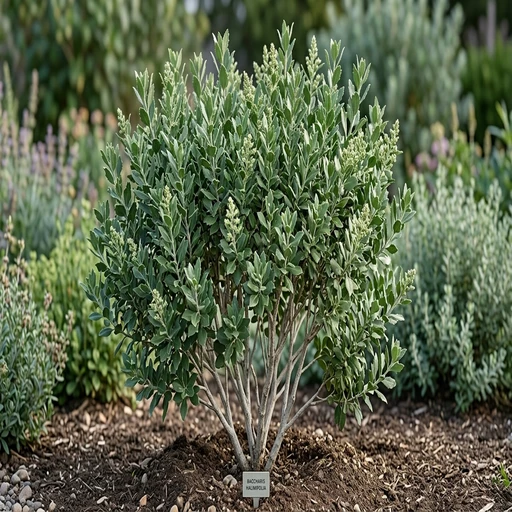
Sea Myrtle
Baccharis halimifolia
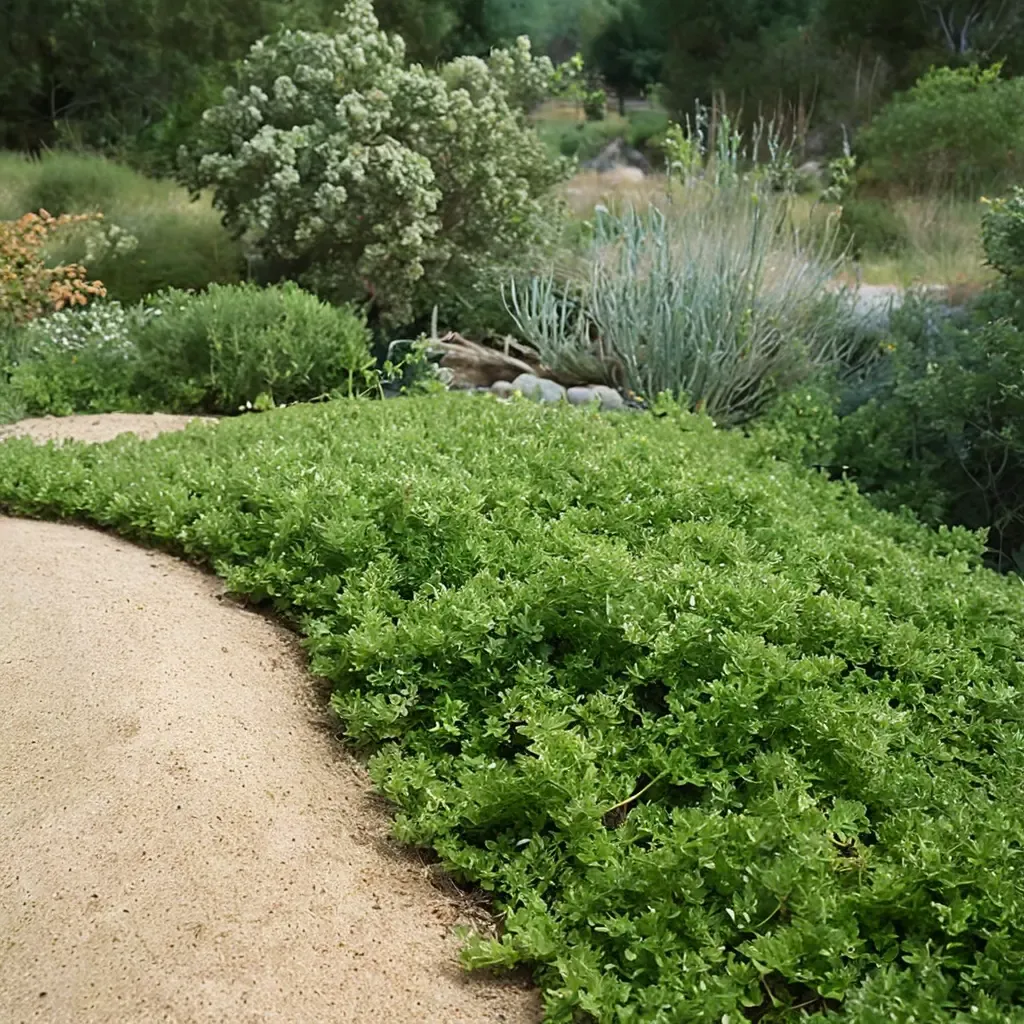
Pigeon Point Dwarf Coyote Bush
Baccharis pilularis 'Pigeon Point'
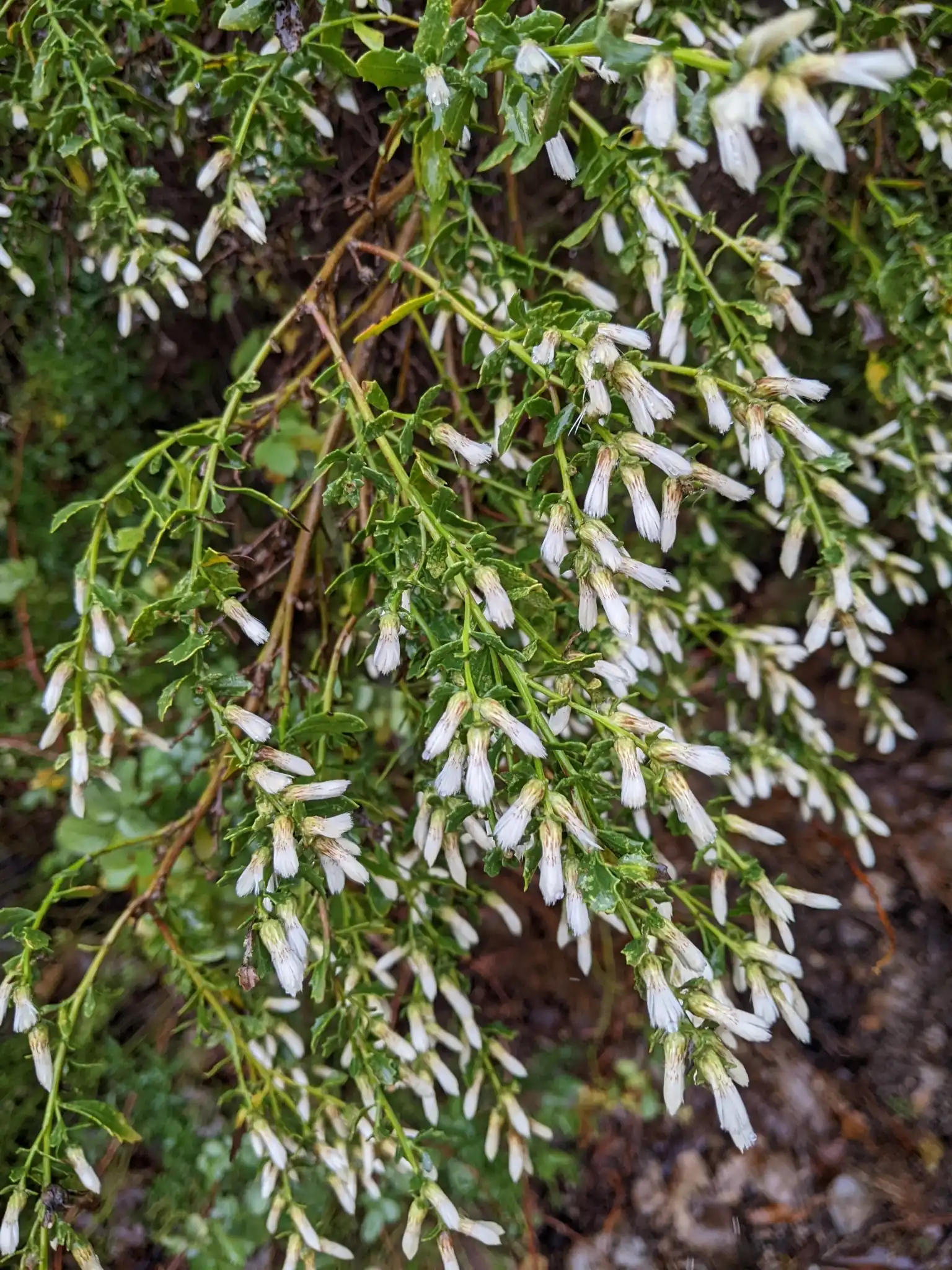
Dwarf Coyote Bush
Baccharis pilularis
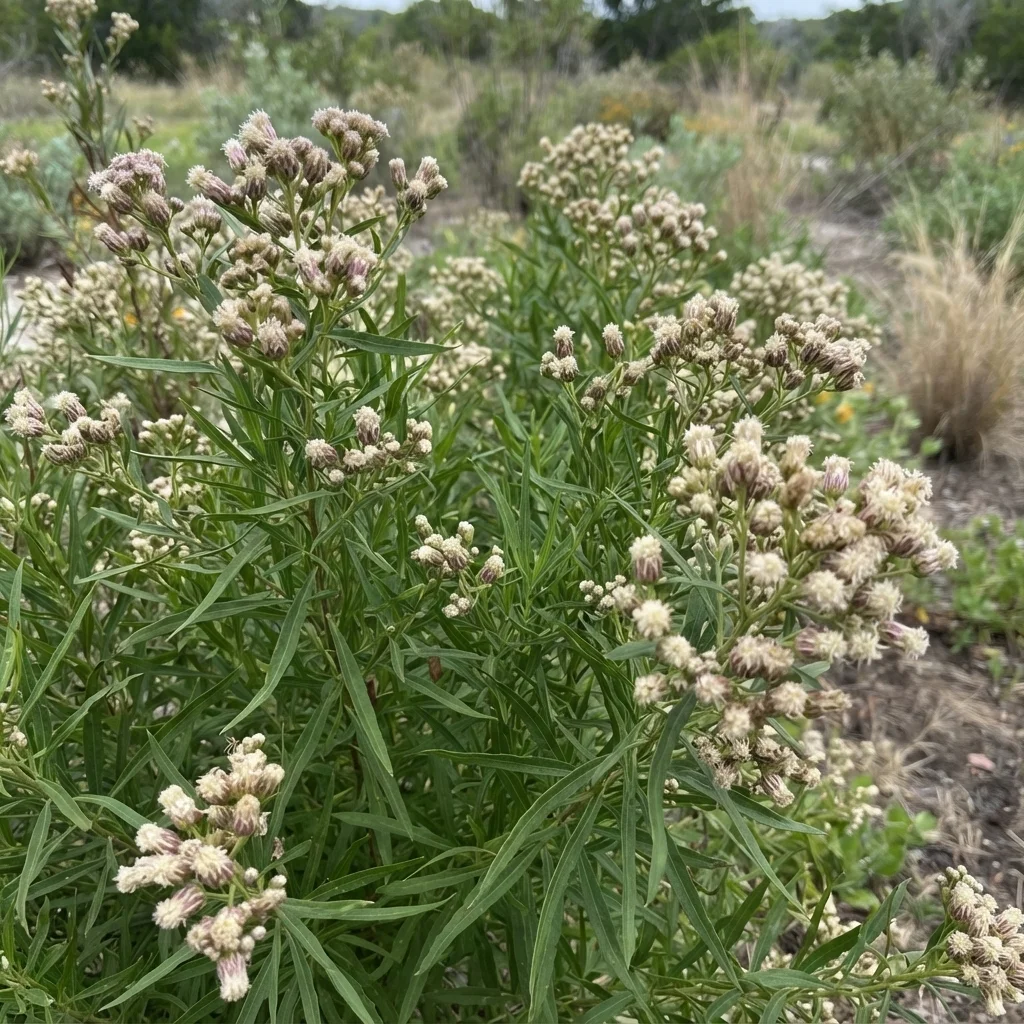
Mule Fat
Baccharis salicifolia
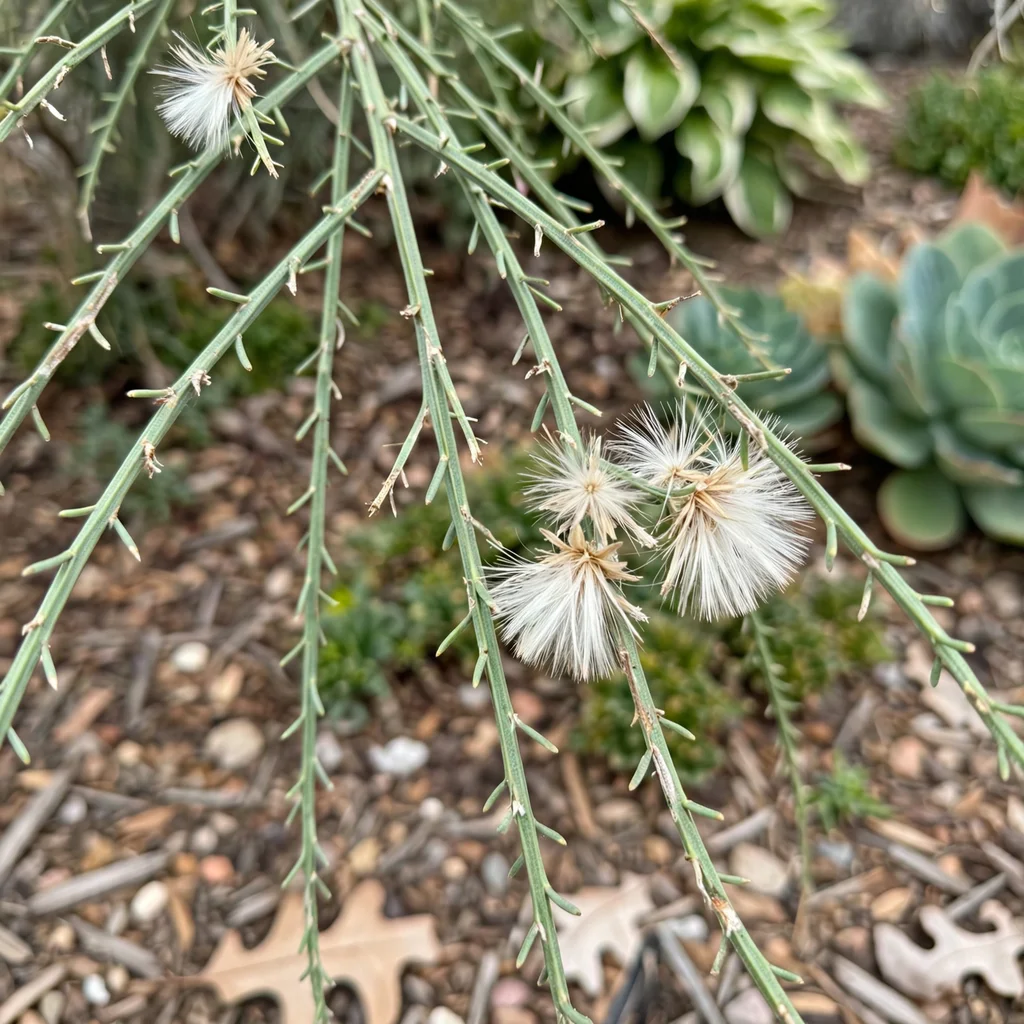
Desert Broom
Baccharis sarothroides
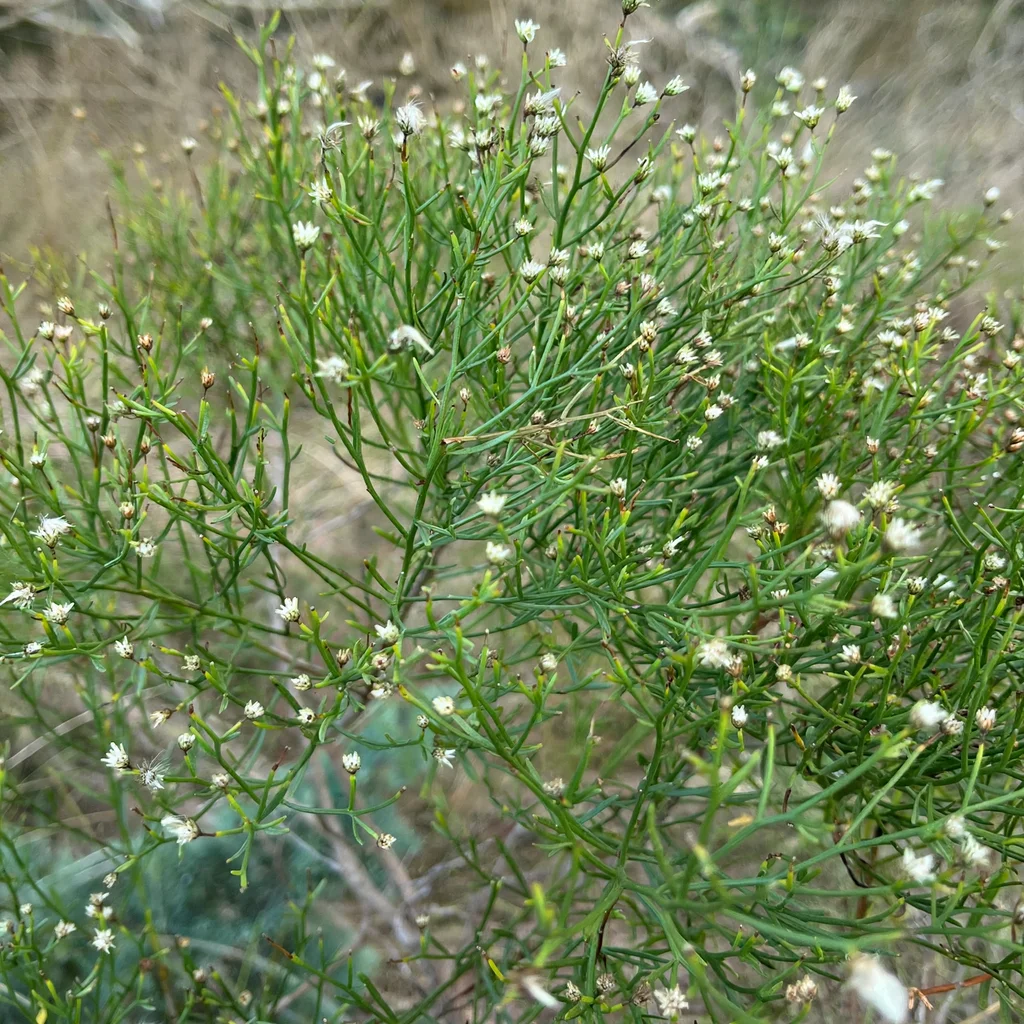
Saltwater False Willow
Baccharis angustifolia
Keep exploring
Explore the genus
Hardy in your zone?
Grow Christmas Bush with confidence
See it in a design of your actual yard, get zone-matched care reminders, and track it season by season in your garden journal.