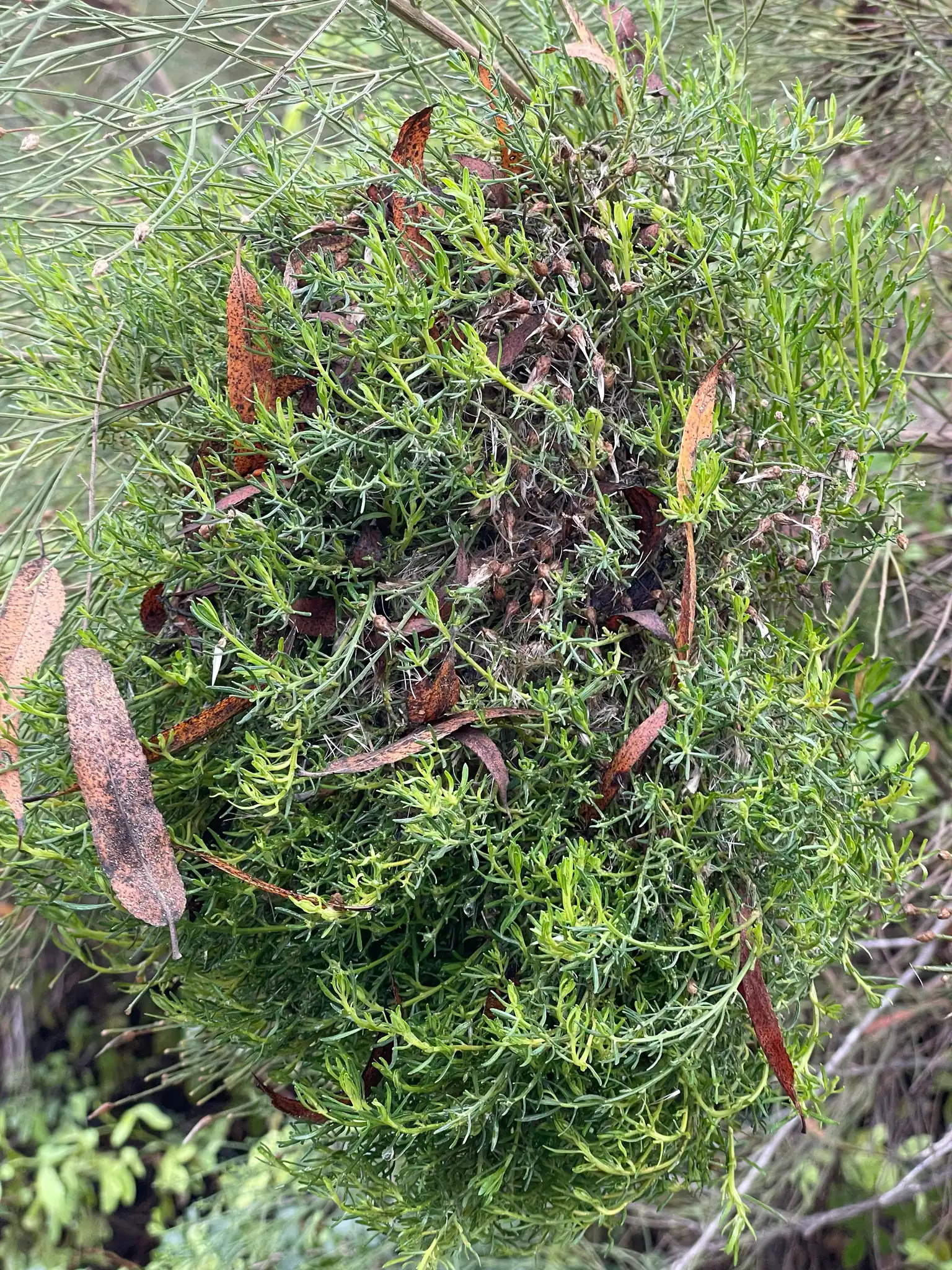
The Story
Plant Bio
Baccharis sarothroides, commonly known as desert broom, is an upright, densely branched shrub native to dry washes and desert slopes across the Southwestern United States and northern Mexico. The species relies primarily on its green, angled stems for photosynthesis, dropping its small linear leaves early in the season to minimize transpiration.
Female plants produce abundant creamy-white flower heads in fall and winter that ripen into conspicuous feathery seed heads carried on the wind. The late-season flowers provide a critical pollen and nectar source for native bees and beneficial wasps when few other desert plants are in bloom.
Uses & Benefits:
Essentials
At a Glance
Plant Type
Shrub
Height
142"
Width
118"
Light
Full Sun
Zones
8, 9, 10
Water
Low
Humidity
Low
Lifespan
Perennial
Native To
North America
Toxicity
Mildly toxic to livestock
Bloom period
Fall – Winter
In flower about 6 months of the year
Planting
How to Grow
- Select a full-sun site with sandy, gravelly, or well-draining soil.
- Plant in fall or early spring, setting the crown flush with the surrounding soil level.
- Water deeply at installation and soak infrequently during the first summer to establish roots.
- Discontinue supplemental irrigation after establishment, allowing the plant to rely on ambient rainfall.
Pro Tip
Wean established plants off supplemental irrigation completely; frequent summer watering causes rapid root rot and weak, floppy growth.
Keep It Thriving
Care Guide
Do
- Plant in coarse, fast-draining soils under full sun exposure.
- Allow soil to dry out completely between initial establishment waterings.
- Tip-prune young stems to encourage a compact branching form.
Don't
- Do not apply fertilizer, as native desert soils supply sufficient nutrients.
- Do not overwater or connect to high-frequency summer drip irrigation systems.
- Do not prune deep into old, leafless woody stems that lack dormant buds.
Seasonal Care Calendar
| Task | Jan | Feb | Mar | Apr | May | Jun | Jul | Aug | Sep | Oct | Nov | Dec |
|---|---|---|---|---|---|---|---|---|---|---|---|---|
| Pest Check | ||||||||||||
| Plant | ||||||||||||
| Prune | ||||||||||||
| Winter Prep |
Watch Out For
Pests & Diseases
Common Pests
Common Diseases
In the Garden
Landscape Uses & Companions
Landscape Uses
Multiply
Propagation Methods
Good to Know
Common Questions
Desert Broom questions
What zones can Desert Broom grow in?
Desert Broom is hardy in USDA Zones 8–10: in that range it survives winter in the ground. Colder than Zone 8, grow it in a container you can move to shelter for the winter.
When does Desert Broom bloom?
Desert Broom typically blooms from fall to winter. Exact timing shifts a week or two with your zone — Sow's bloom calendar maps it to your garden.
Does Desert Broom need full sun?
Desert Broom does best in full sun (6+ hours).
Is Desert Broom drought tolerant?
Yes — once established (usually after the first full season), Desert Broom handles dry spells with minimal watering. Water deeply its first year to build the root system that makes that possible.
More Baccharis to compare
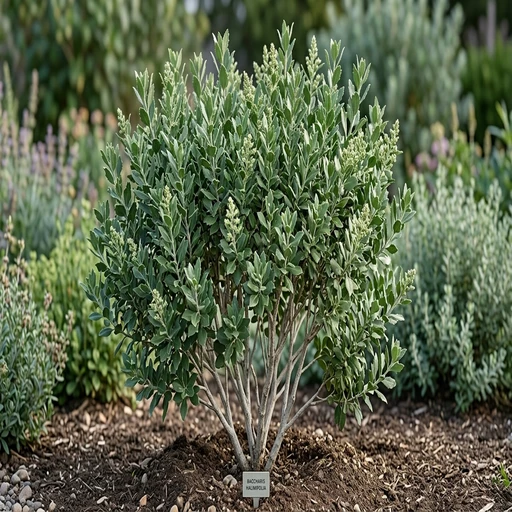
Sea Myrtle
Baccharis halimifolia
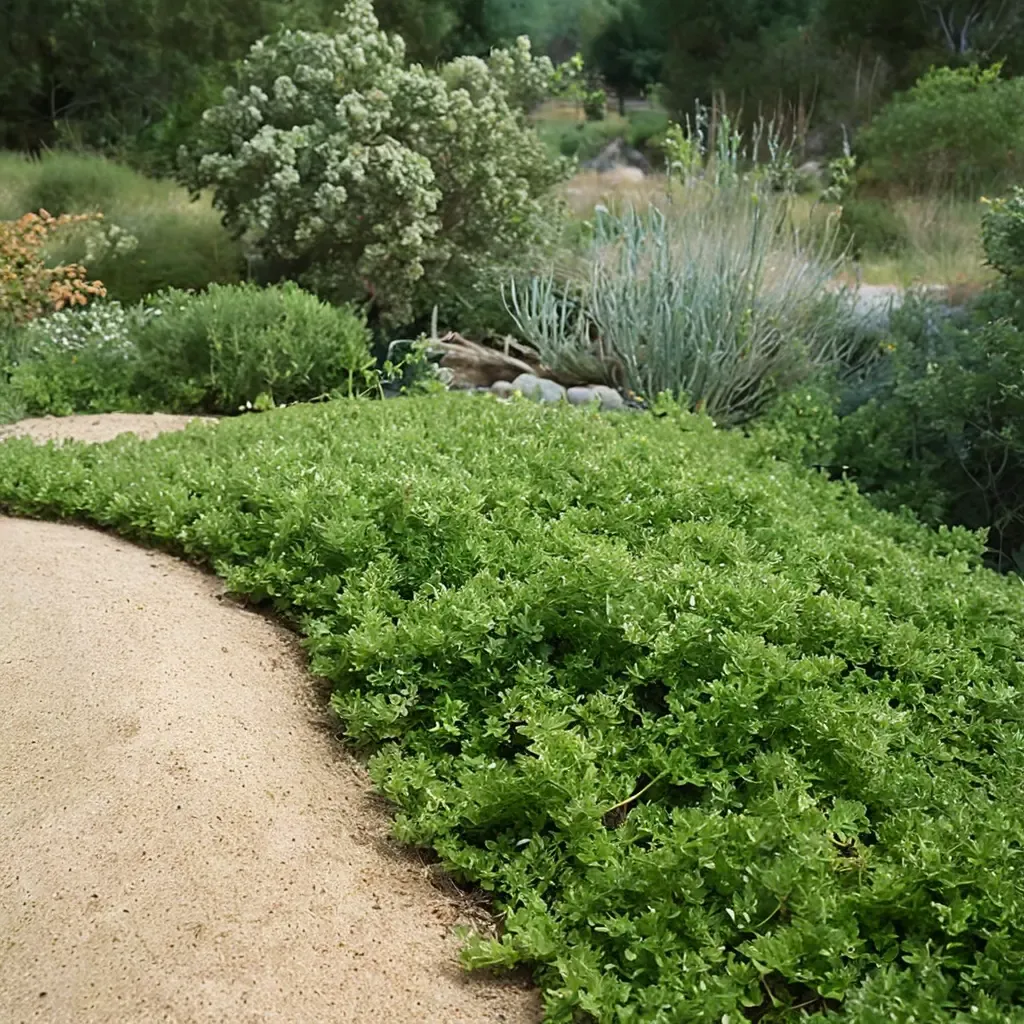
Pigeon Point Dwarf Coyote Bush
Baccharis pilularis 'Pigeon Point'
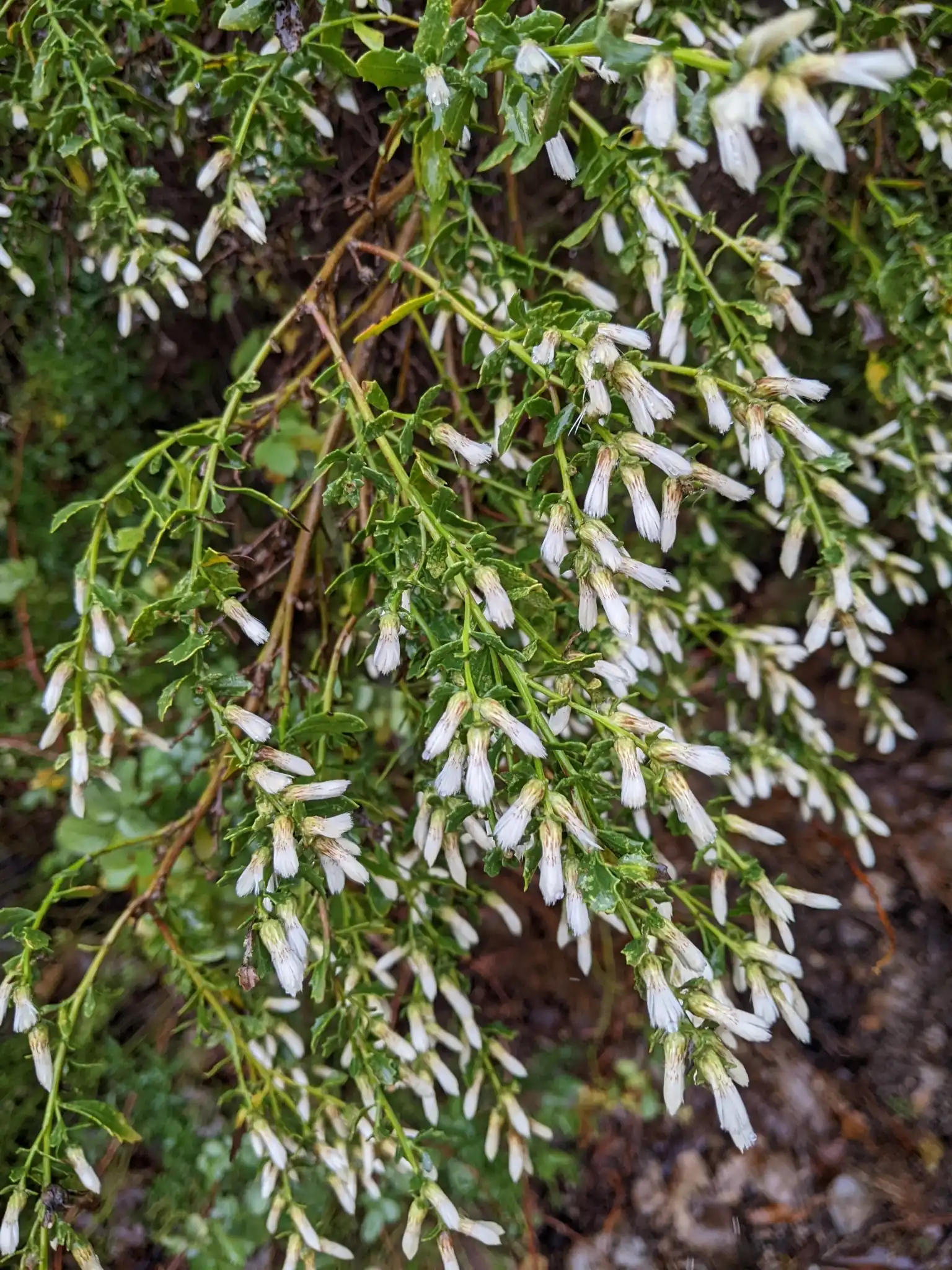
Dwarf Coyote Bush
Baccharis pilularis
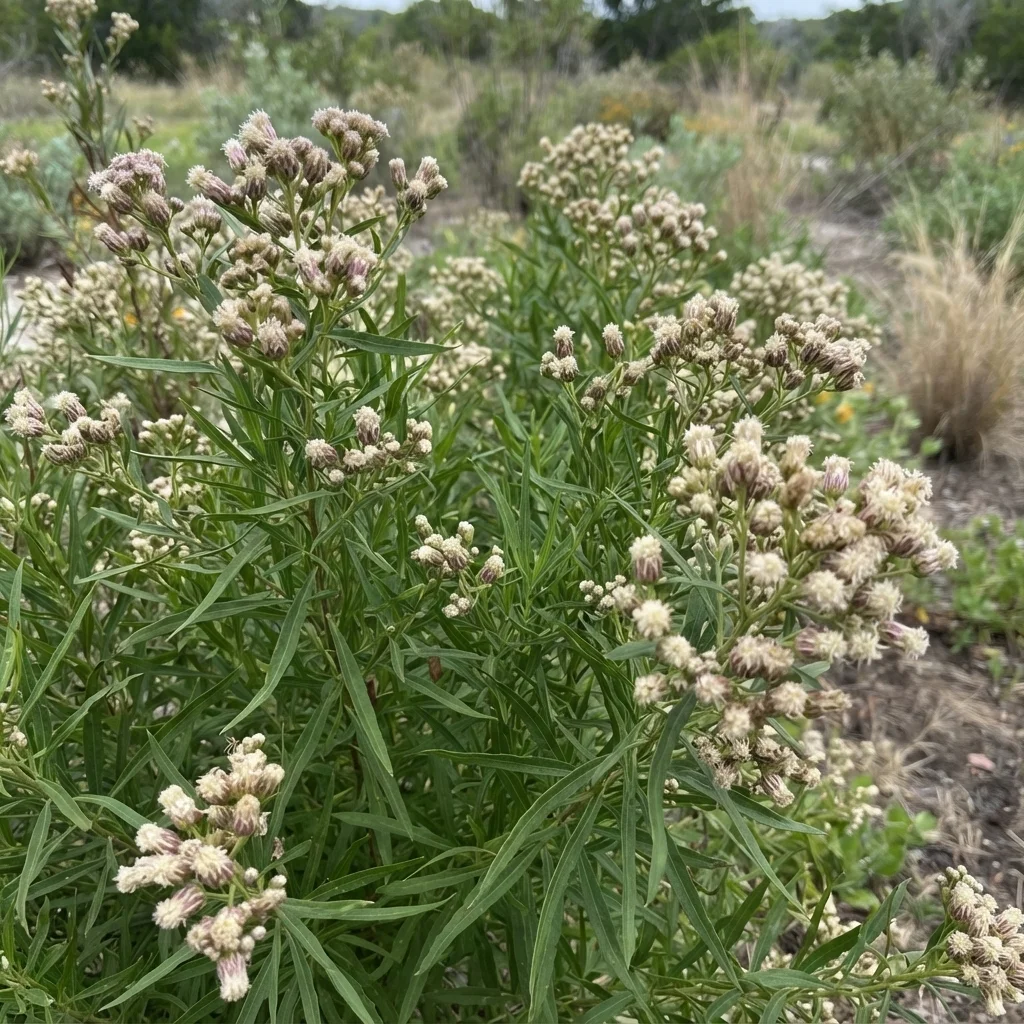
Mule Fat
Baccharis salicifolia
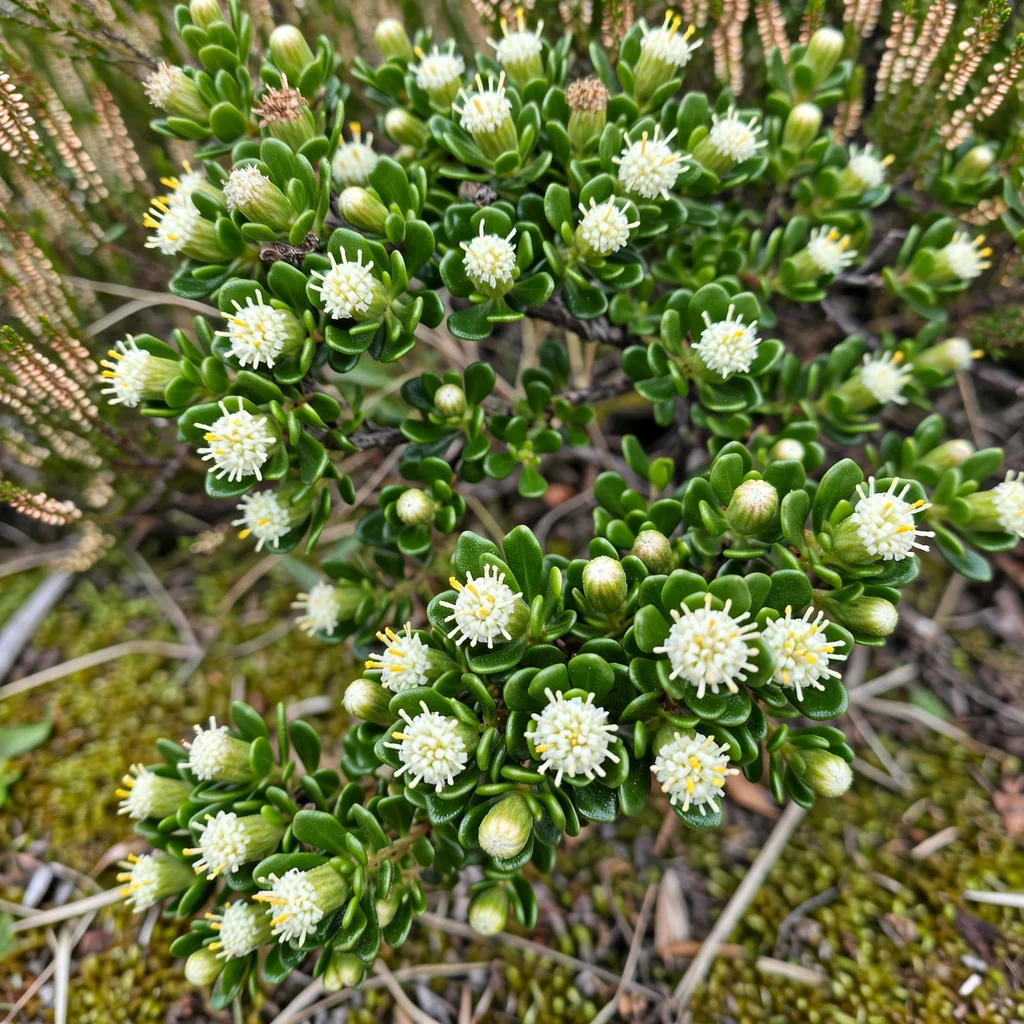
Christmas Bush
Baccharis magellanica
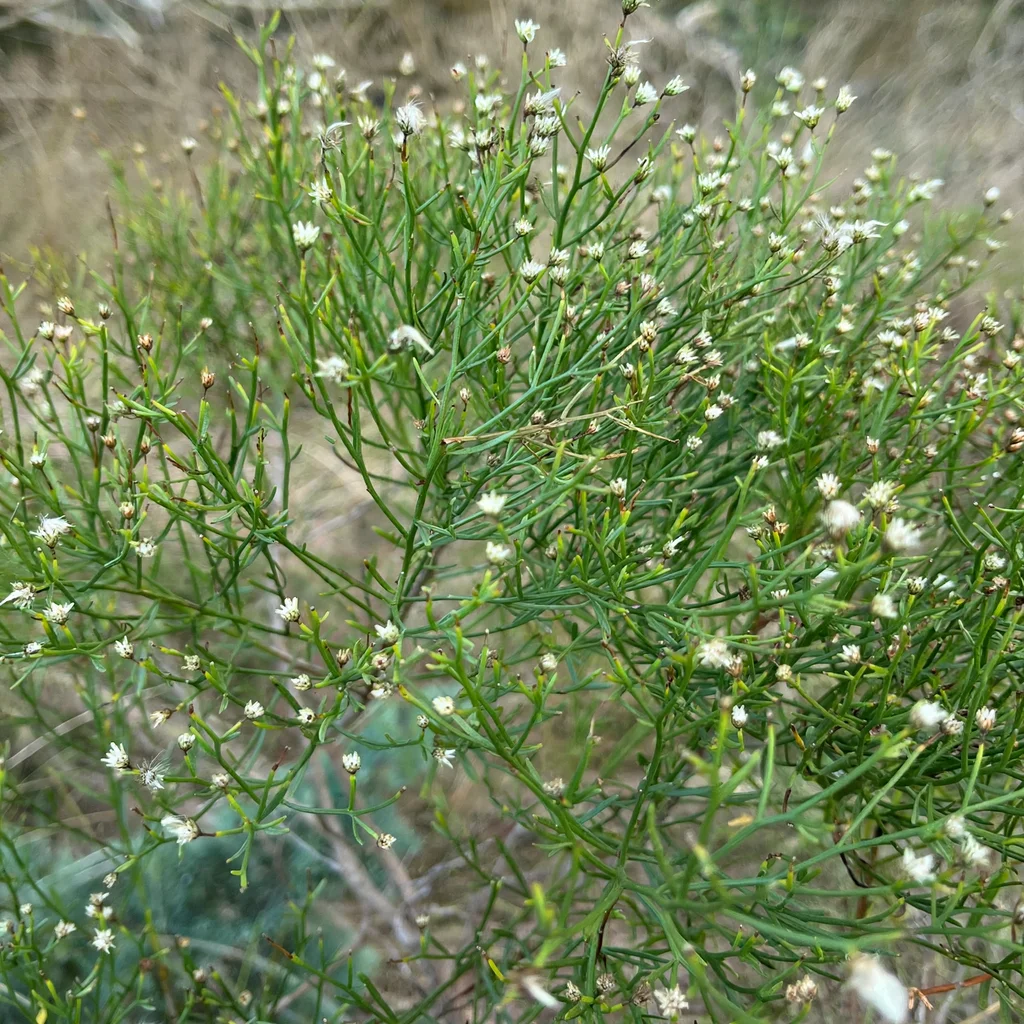
Saltwater False Willow
Baccharis angustifolia
Keep exploring
Explore the genus
Hardy in your zone?
Grow Desert Broom with confidence
See it in a design of your actual yard, get zone-matched care reminders, and track it season by season in your garden journal.