Species
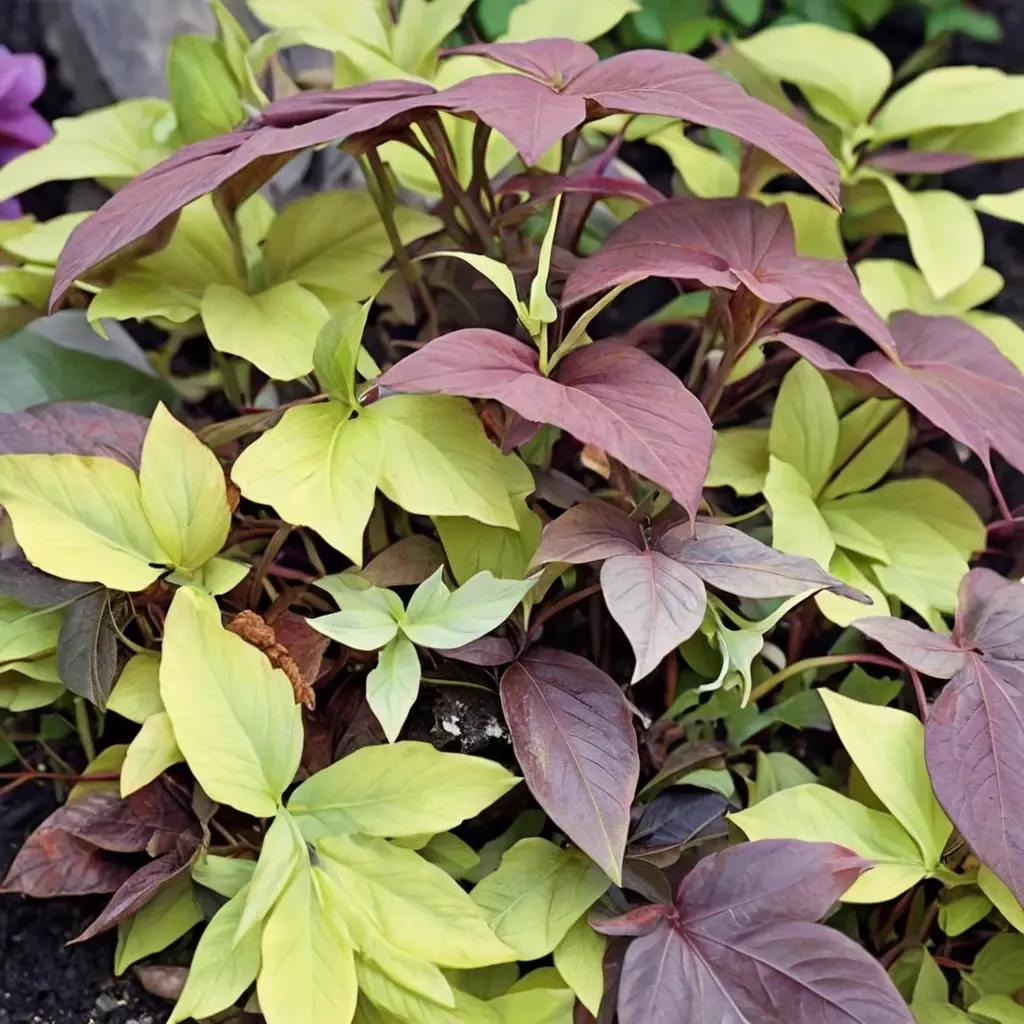
9 other cultivars
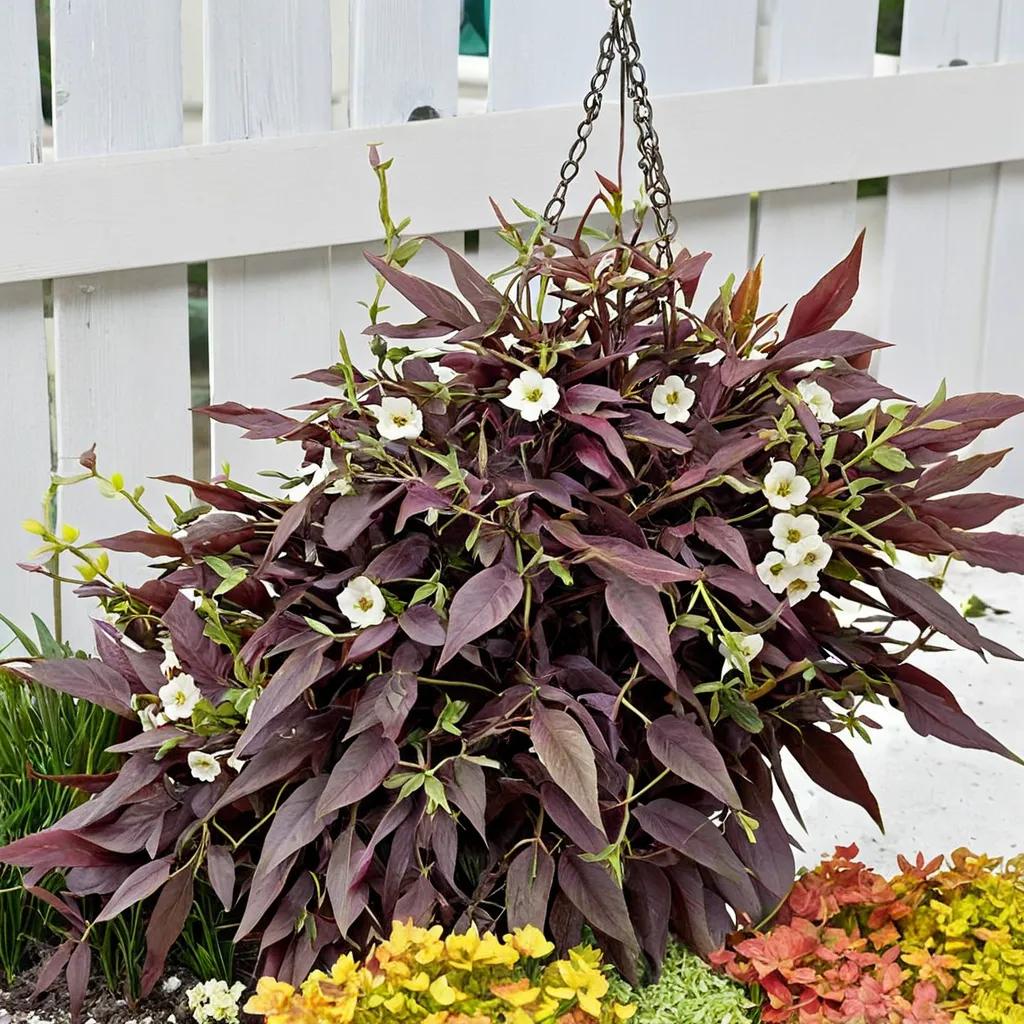
- ‘Sweet Georgia Bronze’Sweet Potato
- ‘Margarita’Margarita Sweet Potato Vine
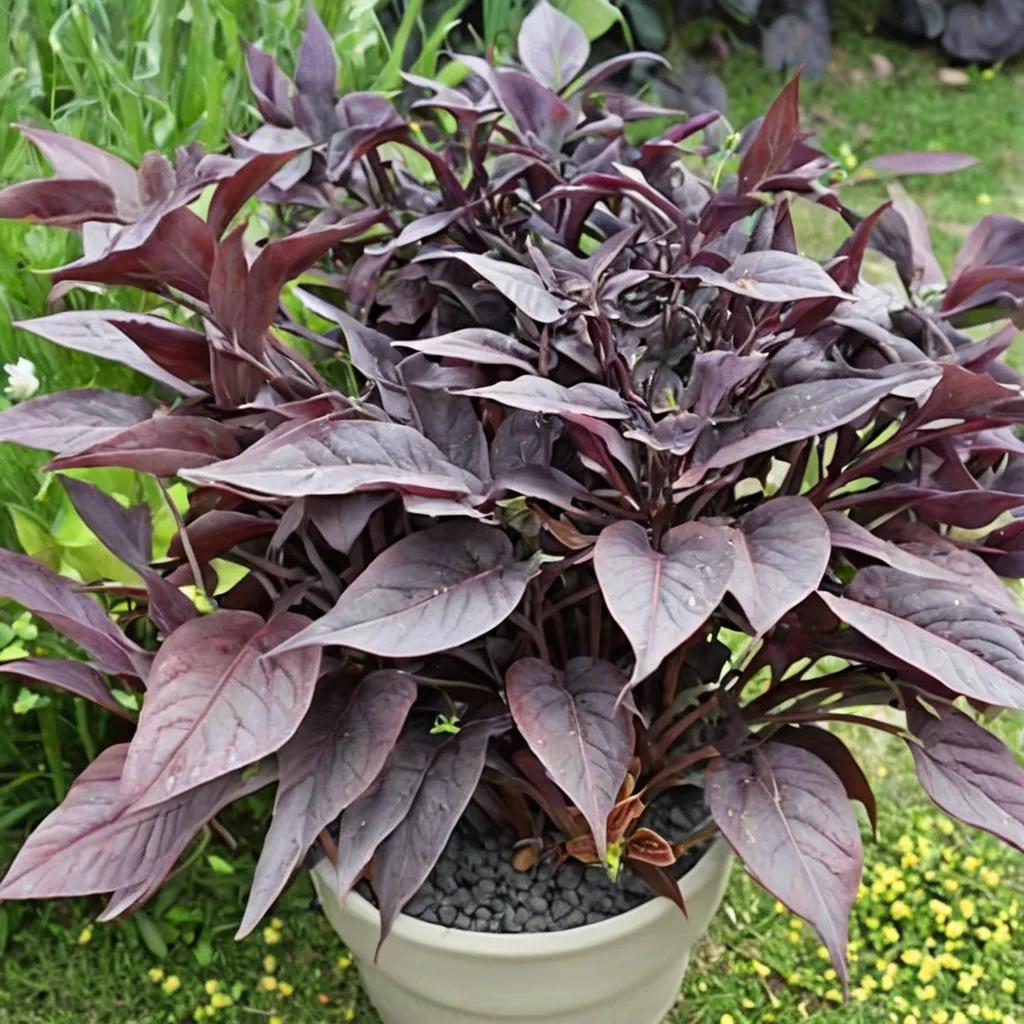
- ‘Sweet Caroline Upside Black Coffee’Sweet Caroline Upside Black Coffee Sweet Potato Vine
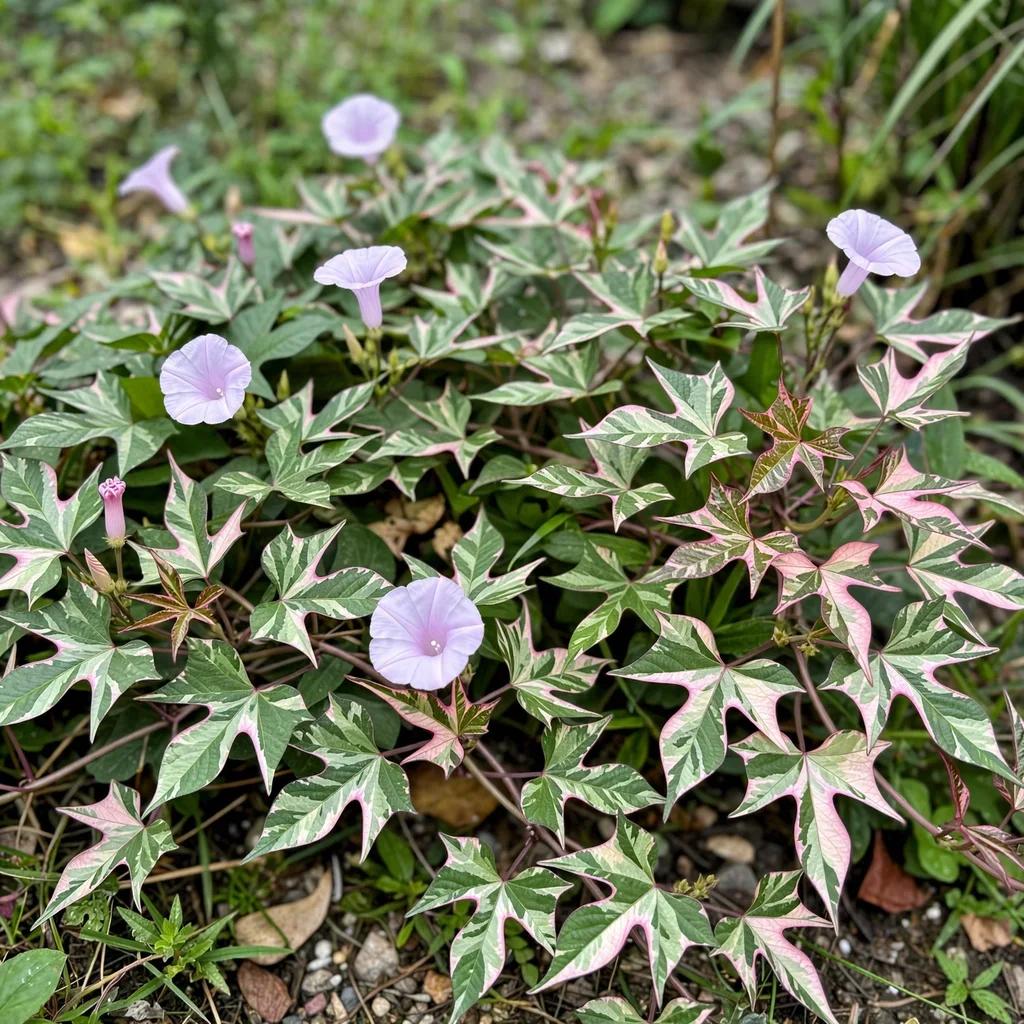
- ‘Tricolor’Tricolor Sweet Potato Vine
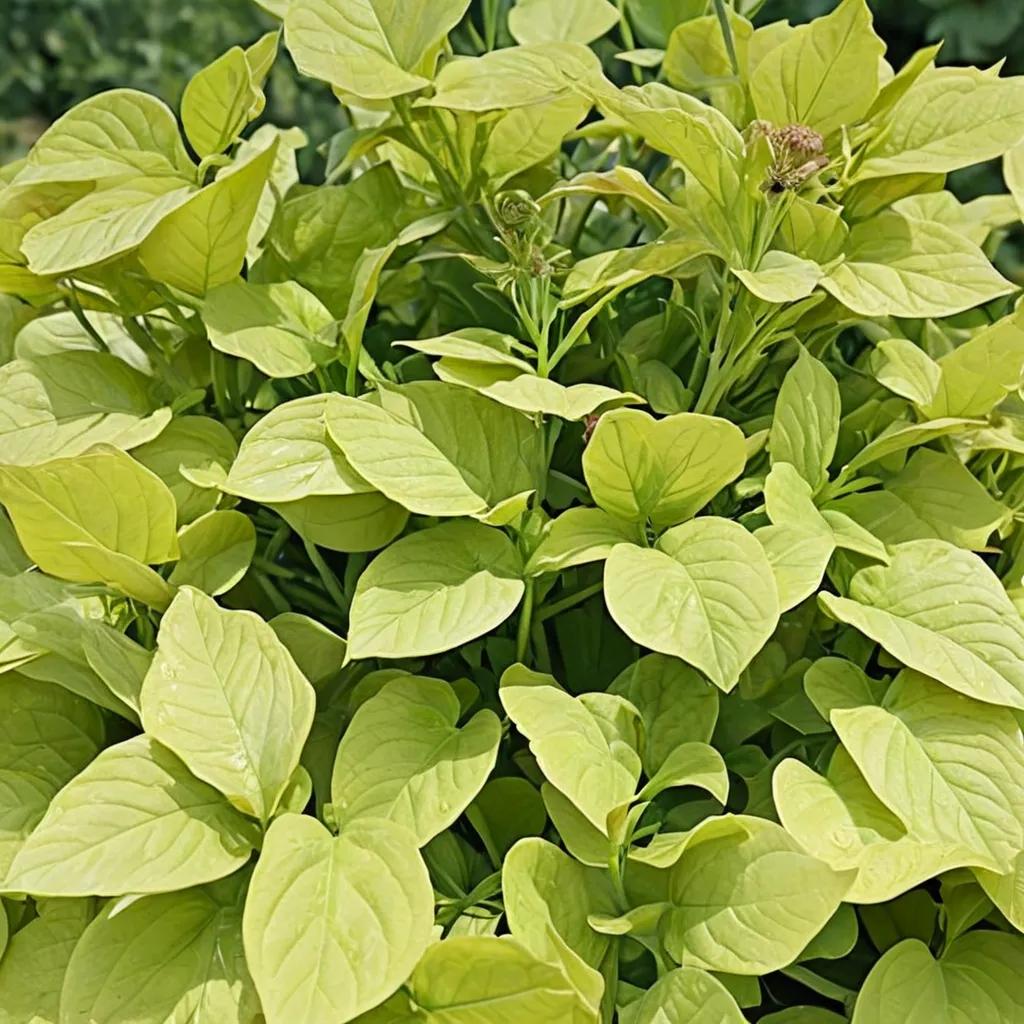
- ‘Sweet Caroline Sweetheart Lime’Sweet Potato Vine 'Sweet Caroline Sweetheart Lime'
- ‘Sweet Caroline Raven’Sweet Caroline Raven Sweet Potato Vine
- ‘Treasure Island Kaukura’Treasure Island Kaukura Sweet Potato
- ‘Treasure Island Makatea’Treasure Island Sweet Potato
- ‘Sweet Caroline Upside Key Lime’Sweet Caroline Sweet Potato Vine


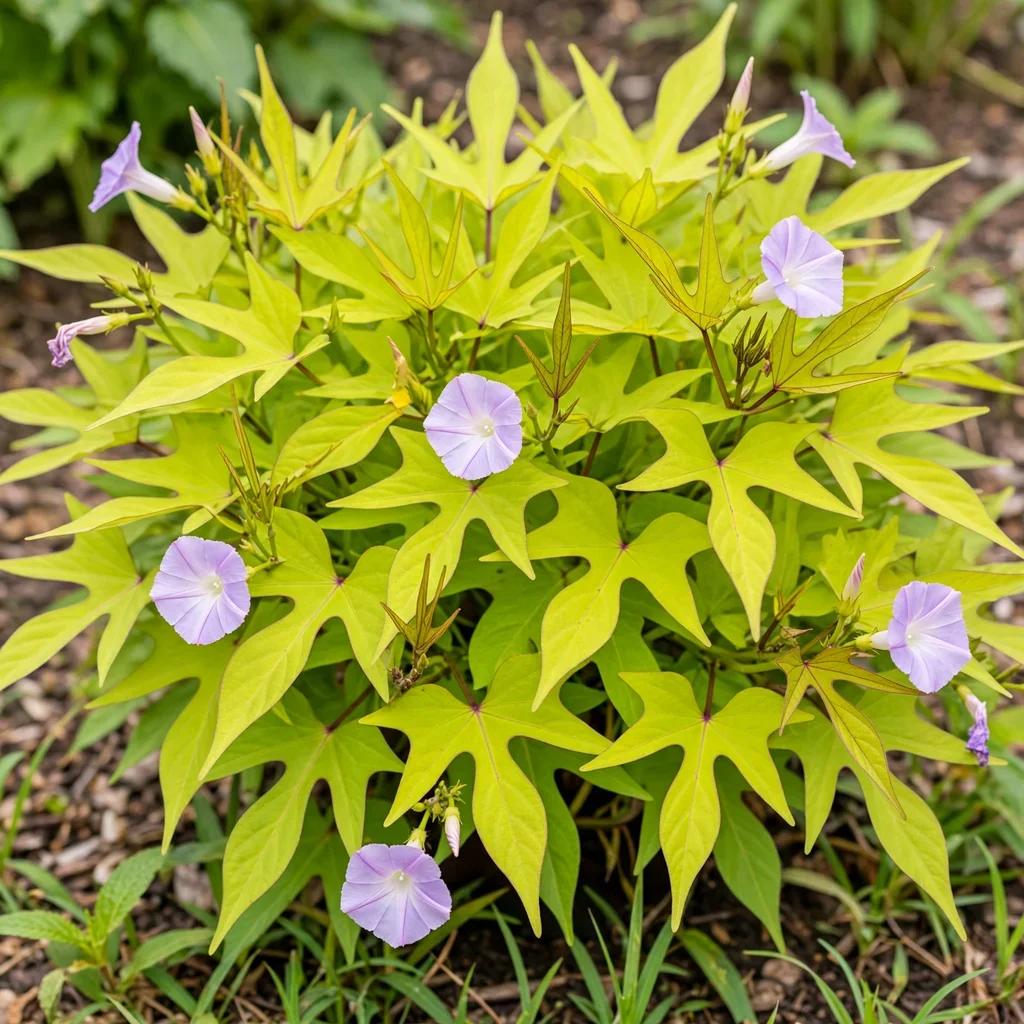
The Story
Plant Bio
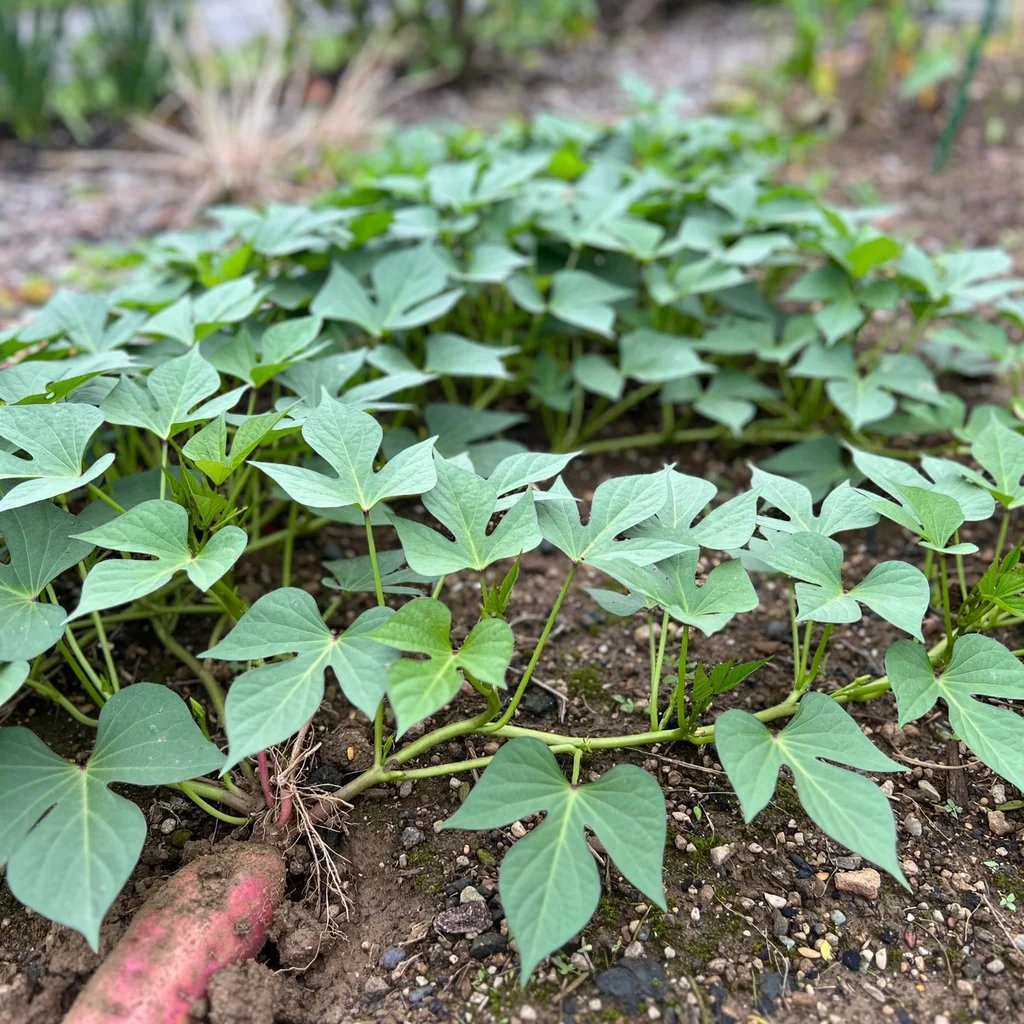
Ipomoea batatas is a tuberous-rooted tender perennial vine in the morning glory family, grown for starchy storage roots rather than flowers. The stems trail and root at the nodes, forming a dense mat of heart-shaped green leaves while swelling fleshy tubers underground through hot weather.
'Beauregard' is a 1987 Louisiana selection bred for early, high yields of red-skinned, orange-fleshed roots in about 80 to 90 warm days. It carries resistance to Fusarium wilt and makes a spreading 24-inch-high vine to 4 feet across, flowering rarely in vegetable plantings so the tubers are the crop.
Uses & Benefits:
Essentials
At a Glance
Plant Type
Fruit Vegetable
Height
24"
Width
48"
Light
Full Sun
Zones
8, 9, 10
Water
Medium
Humidity
Low to Moderate
Lifespan
Annual
Native To
Tropical America
Toxicity
Non-toxic
Bloom period
Summer – Fall
In flower about 6 months of the year
Planting
How to Grow
- Plant slips after soil is warm, about 2 weeks after last frost, 12 inches apart in loose, well-draining ridges.
- Water in well, then mulch heavily to hold moisture and keep developing roots covered and weed-free.
- Feed for roots with potassium and keep nitrogen modest; give steady water through summer but avoid waterlogging.
- Harvest in fall before frost when roots size up, lifting carefully and curing in a warm spot for storage.
Pro Tip
Plant certified slips, not ornamental vine plugs, and hold nitrogen low once vines run so energy goes to root sizing.
Keep It Thriving
Care Guide
Do
- Do plant in full sun with 4 months of warm weather for roots to size.
- Do rotate planting spots for 3 to 4 years and remove all vine debris after harvest.
- Do use row covers early to exclude flea beetles while slips establish.
Don't
- Don't plant ornamental sweet potato plugs if you want edible tubers.
- Don't over-apply nitrogen fertilizer, which makes vines at the expense of roots.
- Don't leave roots in cold wet soil after frost.
Seasonal Care Calendar
| Task | Jan | Feb | Mar | Apr | May | Jun | Jul | Aug | Sep | Oct | Nov | Dec |
|---|---|---|---|---|---|---|---|---|---|---|---|---|
| Fertilize | ||||||||||||
| Harvest | ||||||||||||
| Mulch | ||||||||||||
| Pest Check | ||||||||||||
| Plant |
Watch Out For
Pests & Diseases
Common Pests
Common Diseases
In the Garden
Landscape Uses & Companions
Landscape Uses
Companion Plants
Multiply
Propagation Methods
Good to Know
Common Questions
Beauregard Sweet Potato questions
What zones can Beauregard Sweet Potato grow in?
Beauregard Sweet Potato is an annual: it grows, flowers and sets seed in one season, so winter cold doesn't limit where it grows. Gardeners in any zone can grow it by planting at the right time, usually after the last spring frost.
When does Beauregard Sweet Potato bloom?
Beauregard Sweet Potato typically blooms from summer to fall. Exact timing shifts a week or two with your zone — Sow's bloom calendar maps it to your garden.
Does Beauregard Sweet Potato need full sun?
Beauregard Sweet Potato does best in full sun (6+ hours).
Is Beauregard Sweet Potato drought tolerant?
Yes — once established (usually after the first full season), Beauregard Sweet Potato handles dry spells with minimal watering. Water deeply its first year to build the root system that makes that possible.
More Ipomoea to compare
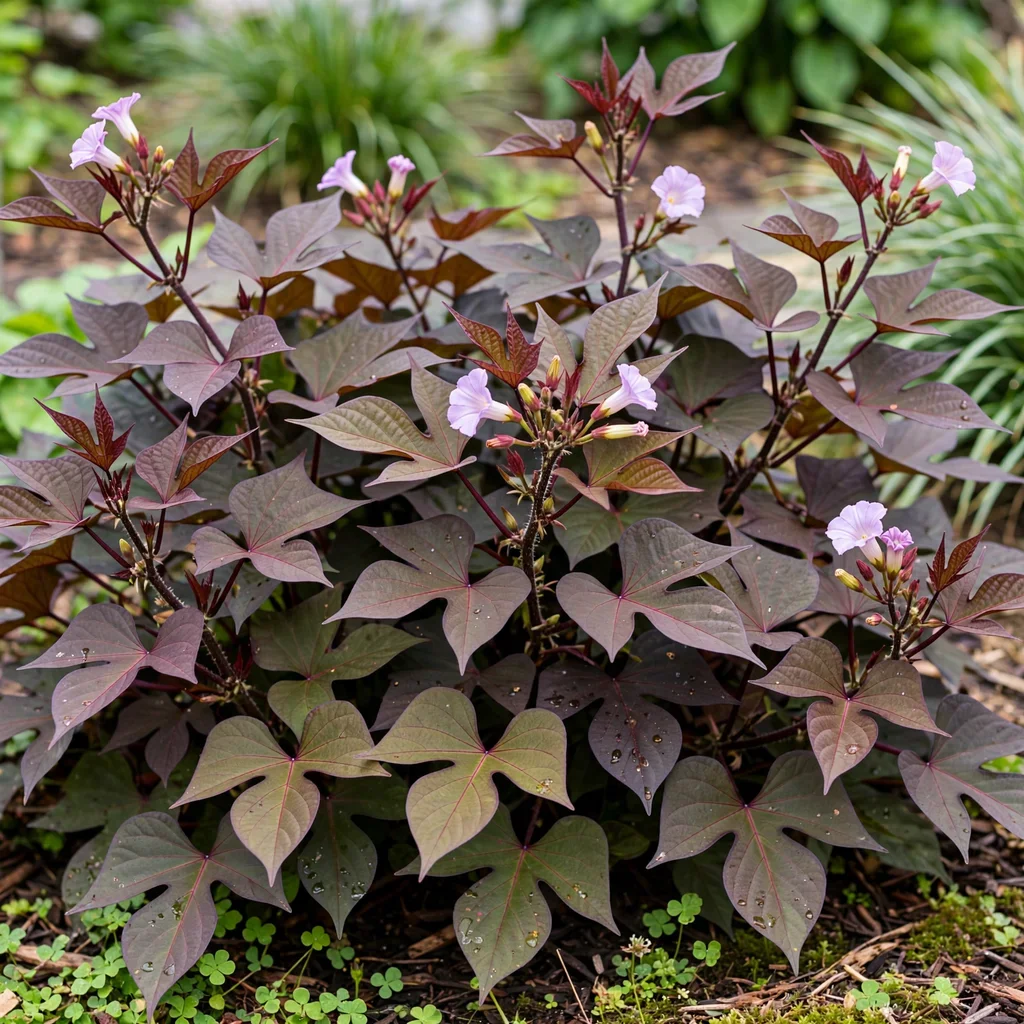
Sweet Potato
Ipomoea batatas 'Sweet Georgia Bronze'
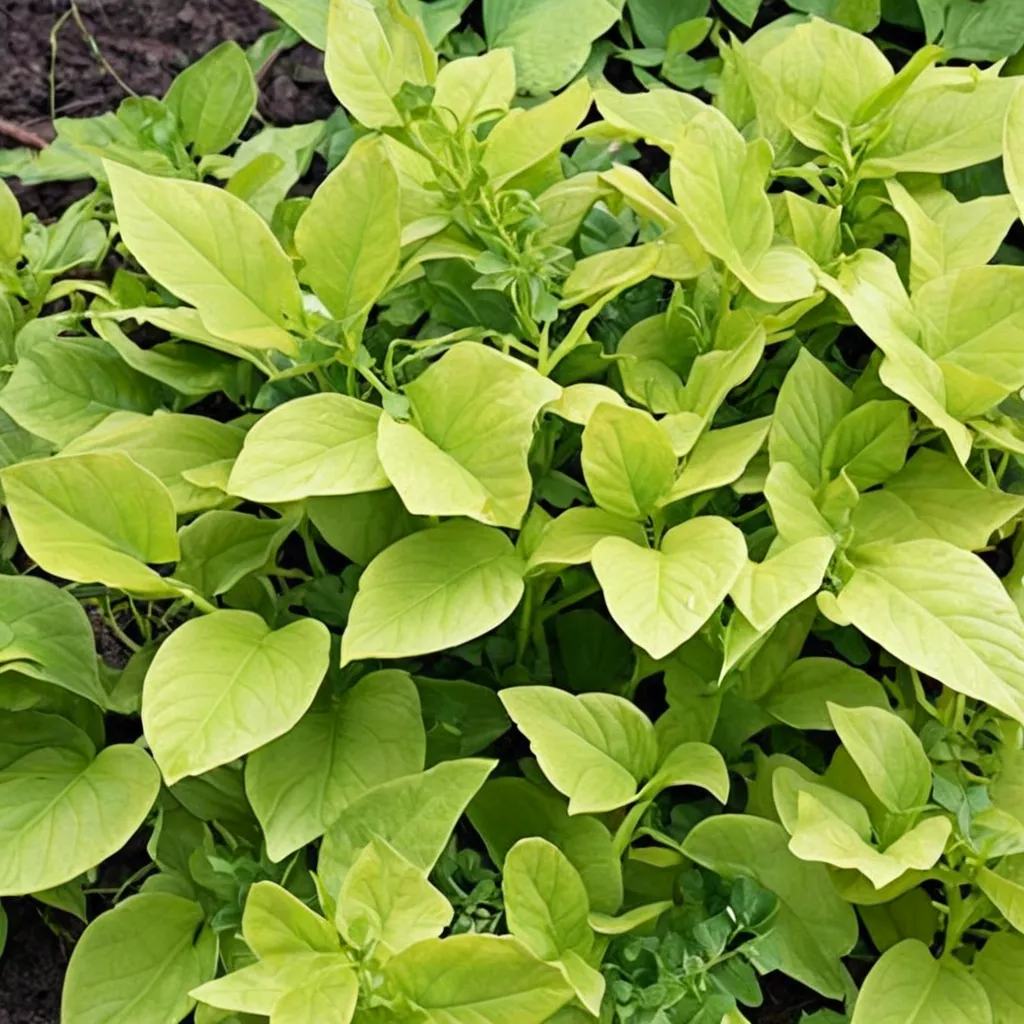
Margarita Sweet Potato Vine
Ipomoea batatas 'Margarita'
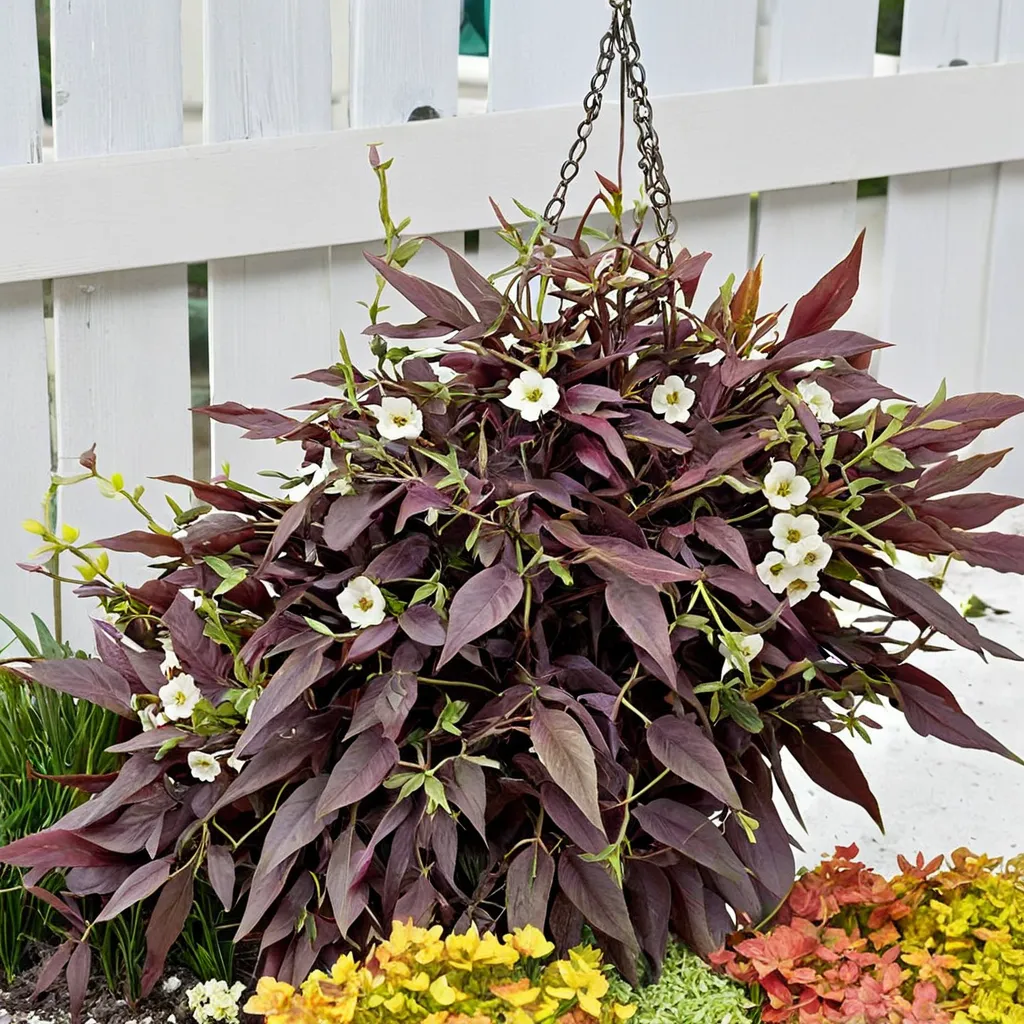
Sweet Caroline Upside Black Coffee Sweet Potato Vine
Ipomoea batatas 'Sweet Caroline Upside Black Coffee'
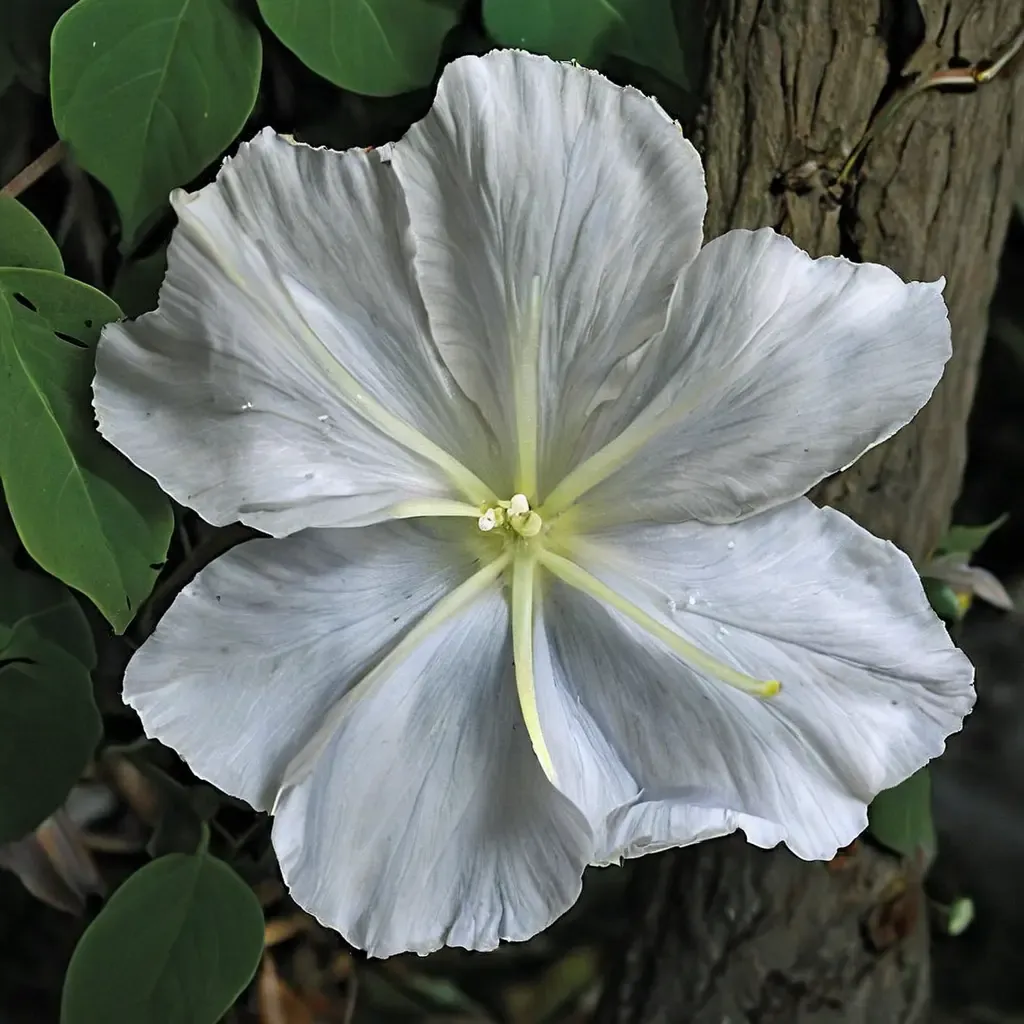
Moonflower
Ipomoea alba
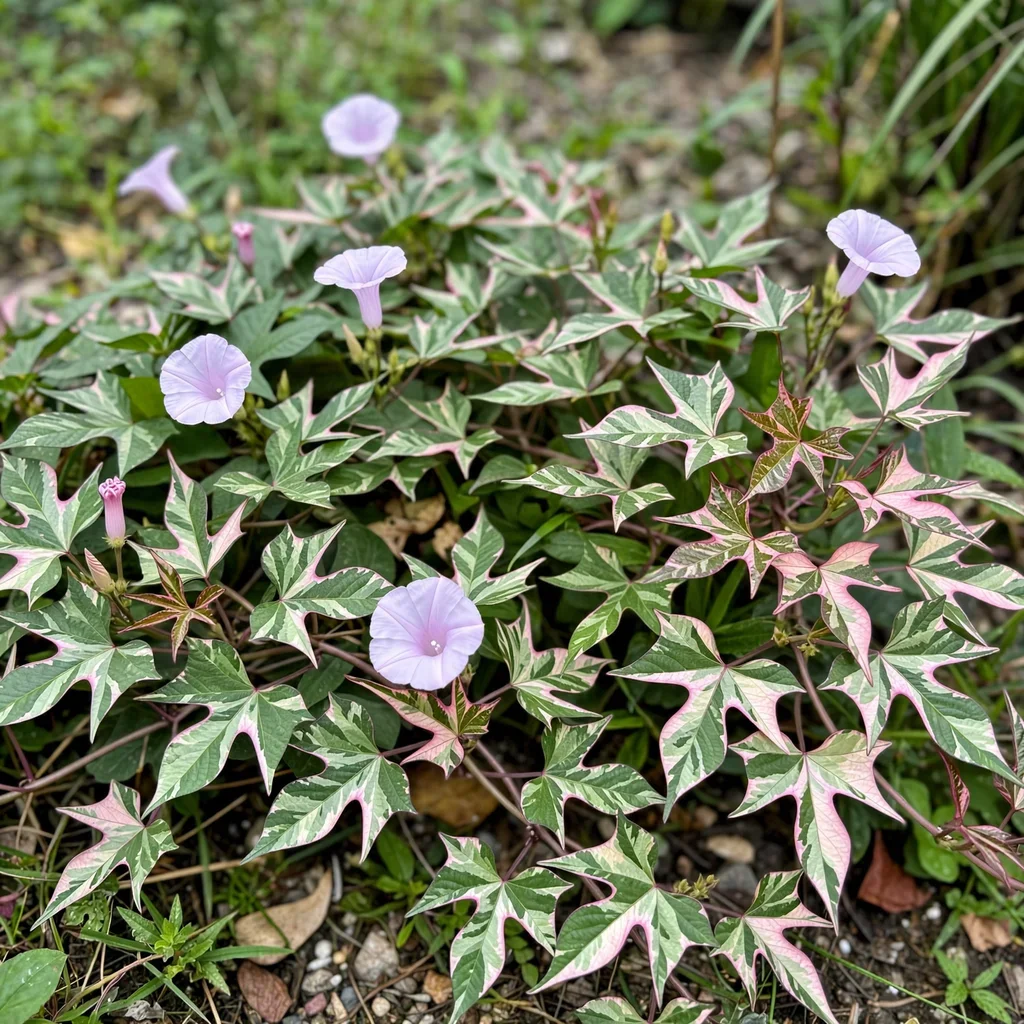
Tricolor Sweet Potato Vine
Ipomoea batatas 'Tricolor'
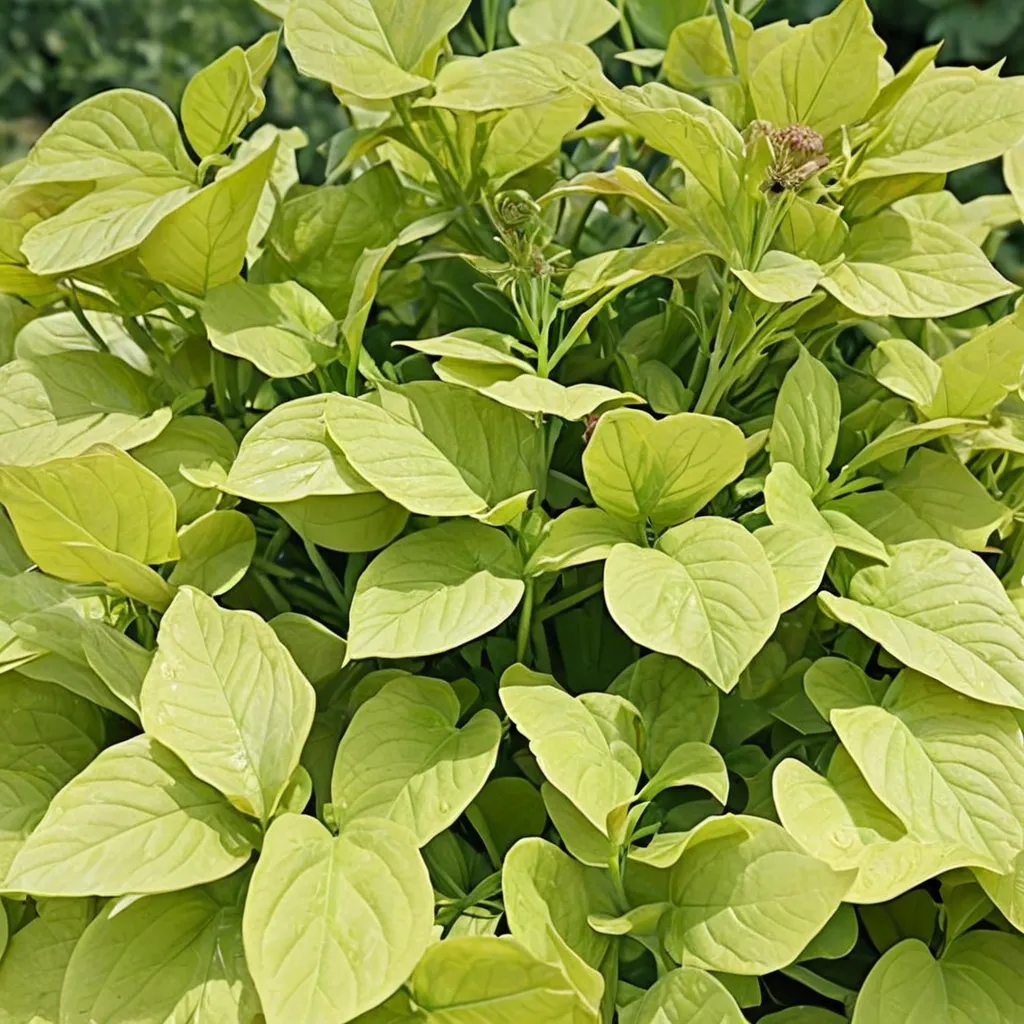
Sweet Potato Vine 'Sweet Caroline Sweetheart Lime'
Ipomoea batatas 'Sweet Caroline Sweetheart Lime'
Keep exploring
Explore the genus
Hardy in your zone?
Grow Beauregard Sweet Potato with confidence
See it in a design of your actual yard, get zone-matched care reminders, and track it season by season in your garden journal.