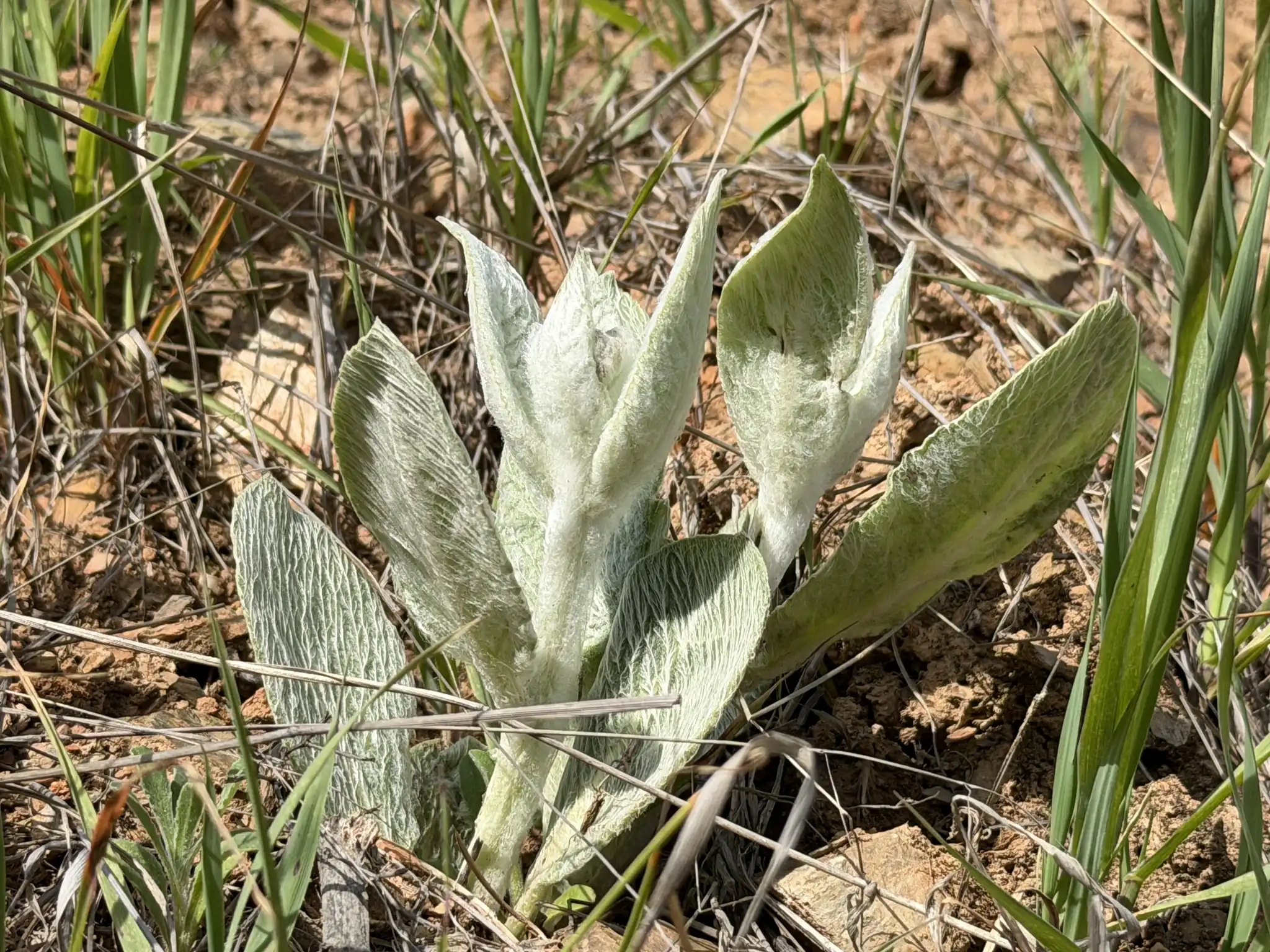
The Story
Plant Bio
Asclepias californica, known as California milkweed, is a deep-rooted perennial herb native to dry chaparral and woodland slopes of California and northern Baja California. Its thick foliage and stems are densely coated in felt-like, grayish-white woolly hairs that reflect intense sunlight and restrict moisture loss.
From mid-spring into summer, the sprawling stems produce drooping umbels of deep reddish-purple to magenta flowers with dark, hornless hoods. Plants survive prolonged dry spells by dropping leaves during summer heat and dying back completely to the taproot in winter.
Uses & Benefits:
Essentials
At a Glance
Plant Type
Perennial
Height
48"
Width
48"
Light
Full Sun
Zones
7, 8, 9, 10
Water
Low
Humidity
Low
Lifespan
Perennial
Native To
California and Baja California
Toxicity
Toxic if ingested; sap irritates skin
Bloom period
Spring – Summer
In flower about 6 months of the year
Planting
How to Grow
- Select a location in full sun with gritty, fast-draining soil on a slope or raised bed.
- Plant young container stock in late fall or early spring, taking care not to disturb or break the central taproot.
- Water sparingly during the initial spring growth period to encourage root extension, then taper off entirely as warm weather arrives.
- Cut back dry, spent stems to ground level in late winter before new shoots emerge.
Pro Tip
Avoid watering during the summer dormant period; warm, damp soil inevitably induces fatal root rot.
Keep It Thriving
Care Guide
Do
- Provide full sun exposure and sharp soil drainage.
- Wear gloves when handling stems to avoid contact with toxic milky sap.
- Allow the soil to dry out completely throughout late summer.
Don't
- Do not apply fertilizer, as rich soils encourage weak, floppy growth.
- Do not irrigate during summer dormancy.
- Do not attempt to transplant established individuals once their deep taproot has developed.
Seasonal Care Calendar
| Task | Jan | Feb | Mar | Apr | May | Jun | Jul | Aug | Sep | Oct | Nov | Dec |
|---|---|---|---|---|---|---|---|---|---|---|---|---|
| Pest Check | ||||||||||||
| Prune | ||||||||||||
| Spring Cleanup | ||||||||||||
| Winter Prep |
Watch Out For
Pests & Diseases
Common Pests
Common Diseases
In the Garden
Landscape Uses & Companions
Landscape Uses
Multiply
Propagation Methods
Good to Know
Common Questions
California Milkweed questions
What zones can California Milkweed grow in?
California Milkweed is hardy in USDA Zones 7–10: in that range it survives winter in the ground. Colder than Zone 7, grow it in a container you can move to shelter for the winter, or as an annual.
Is California Milkweed deer resistant?
Yes — California Milkweed is rated deer-resistant. Deer typically pass it over, though extreme hunger can override any plant's defenses.
When does California Milkweed bloom?
California Milkweed typically blooms from spring to summer. Exact timing shifts a week or two with your zone — Sow's bloom calendar maps it to your garden.
Does California Milkweed need full sun?
California Milkweed does best in full sun (6+ hours).
Is California Milkweed drought tolerant?
Yes — once established (usually after the first full season), California Milkweed handles dry spells with minimal watering. Water deeply its first year to build the root system that makes that possible.
More Asclepias to compare
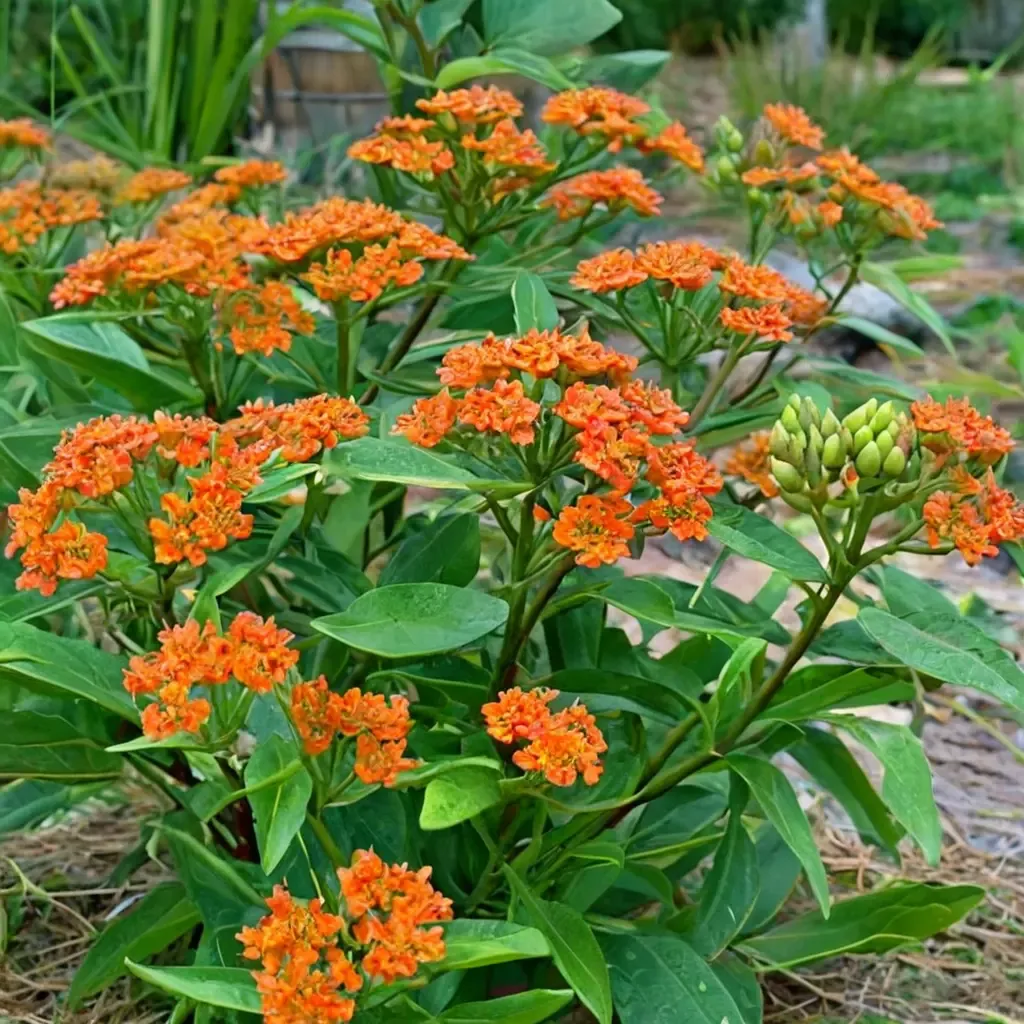
Butterfly Weed
Asclepias tuberosa
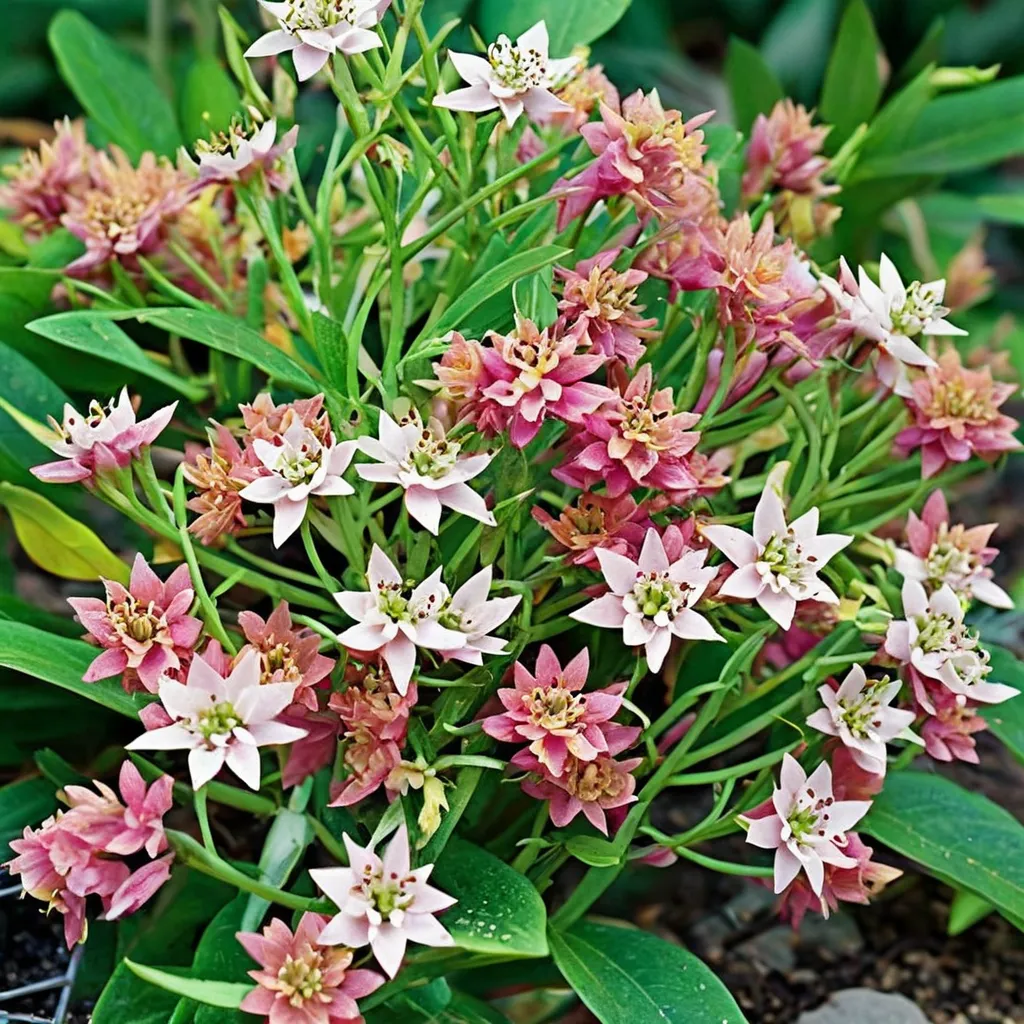
Butterfly Milkweed
Asclepias x hybrida
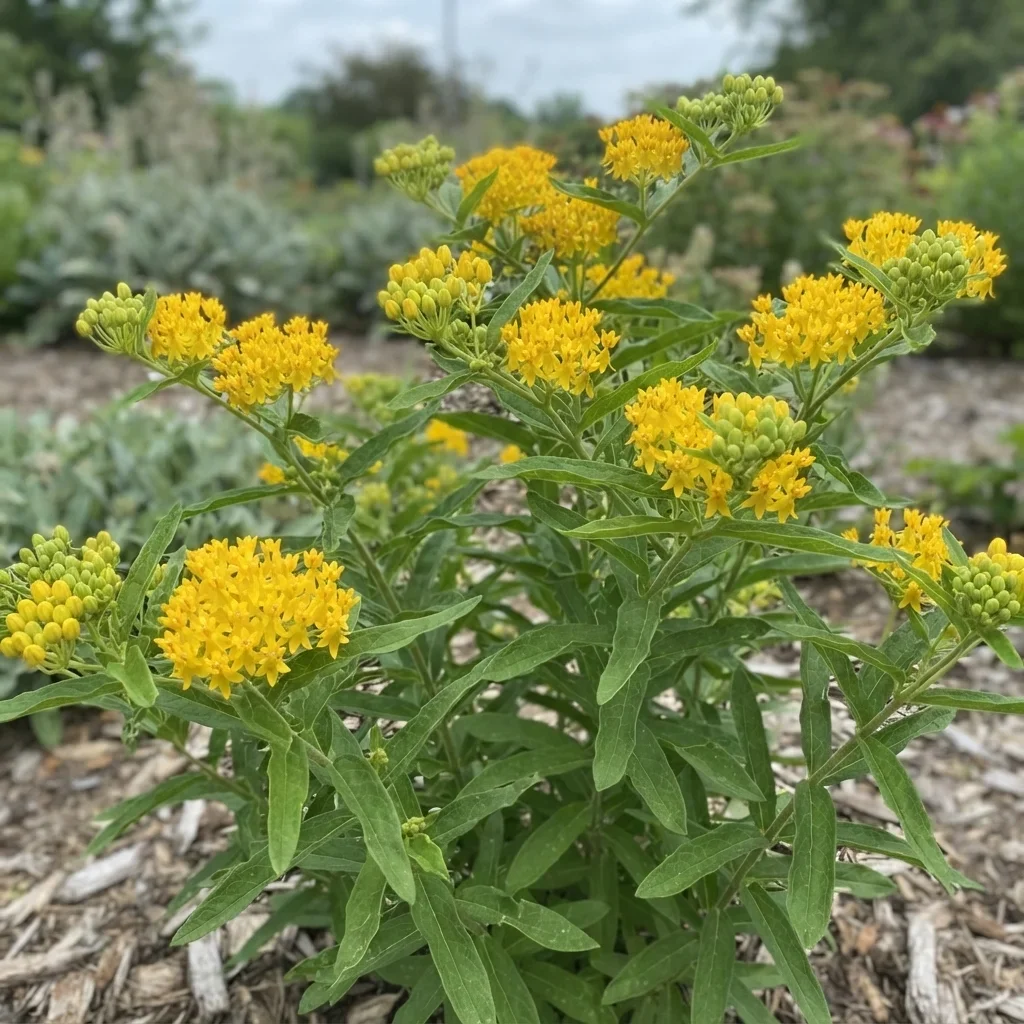
Hello Yellow Butterfly Weed
Asclepias tuberosa 'Hello Yellow'
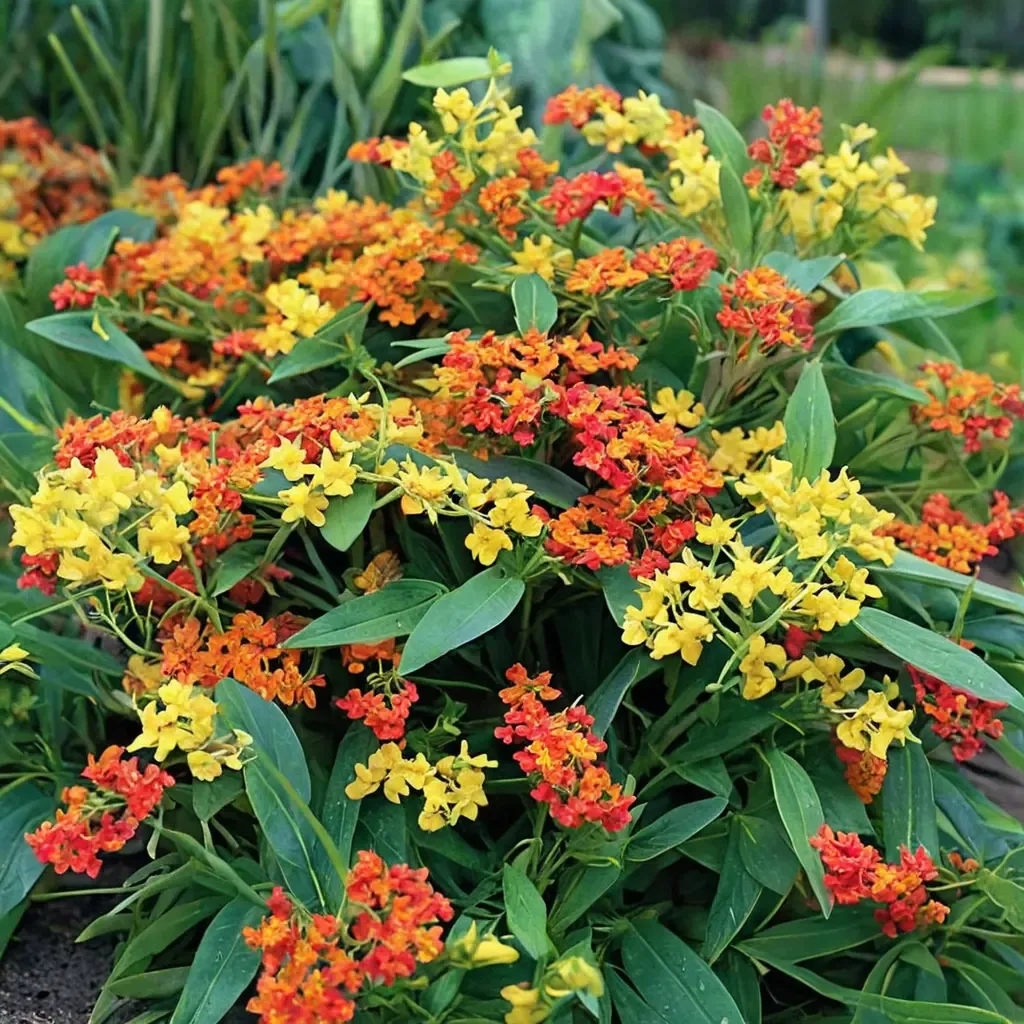
Gay Butterflies Mix Butterfly Weed
Asclepias tuberosa 'Gay Butterflies Mix'
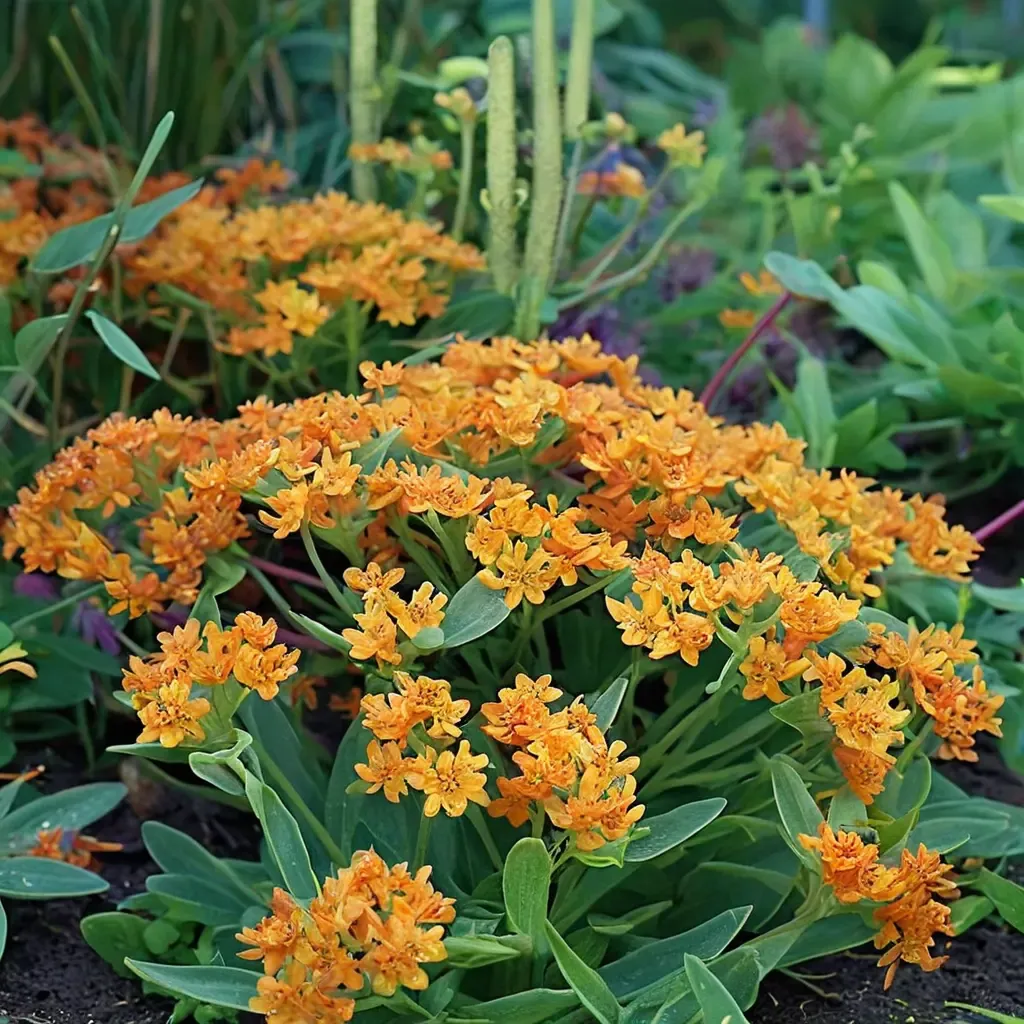
Butterfly Weed Gay Butterflies Milkweed
Asclepias tuberosa 'Gay Butterflies'
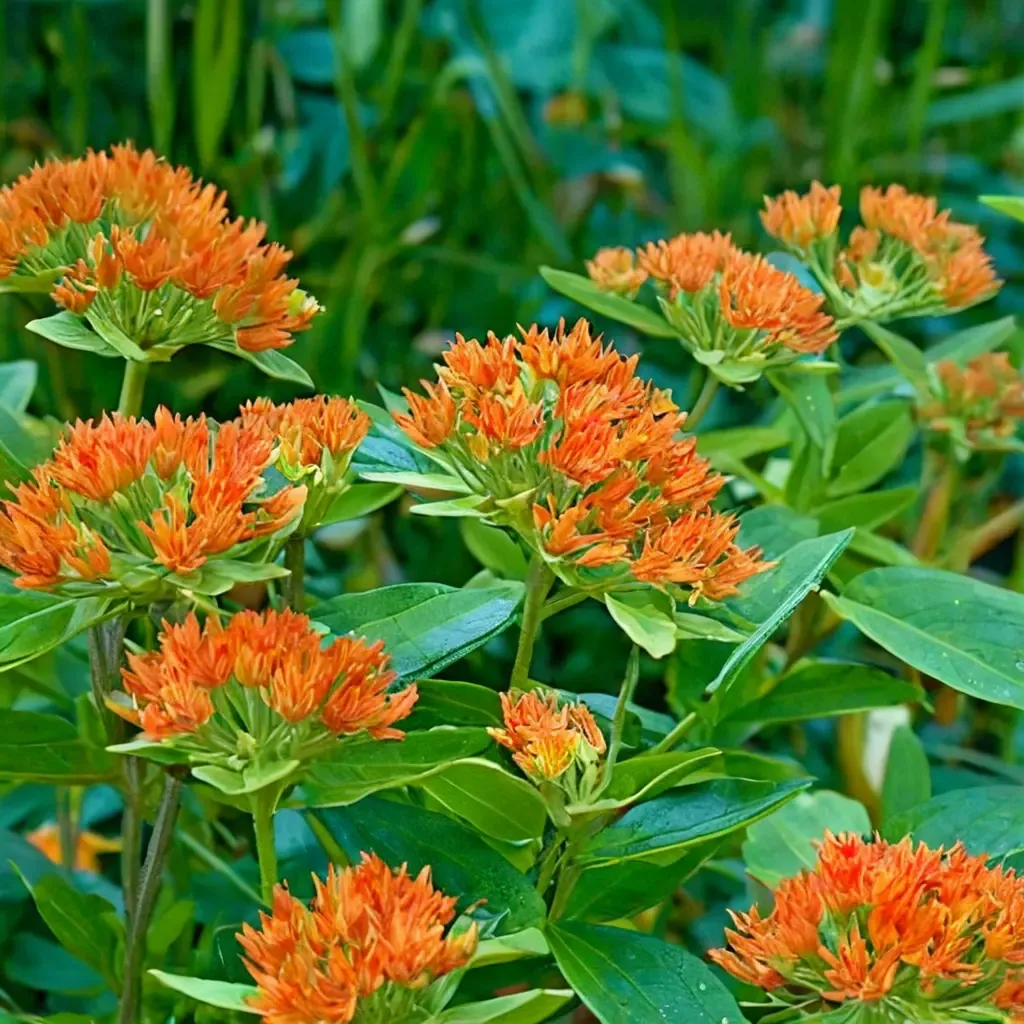
Butterfly Garden Butterfly Weed
Asclepias tuberosa 'Deluxe Butterfly Garden'
Keep exploring
Explore the genus
Guides
Hardy in your zone?
Grow California Milkweed with confidence
See it in a design of your actual yard, get zone-matched care reminders, and track it season by season in your garden journal.