The Story
Plant Bio
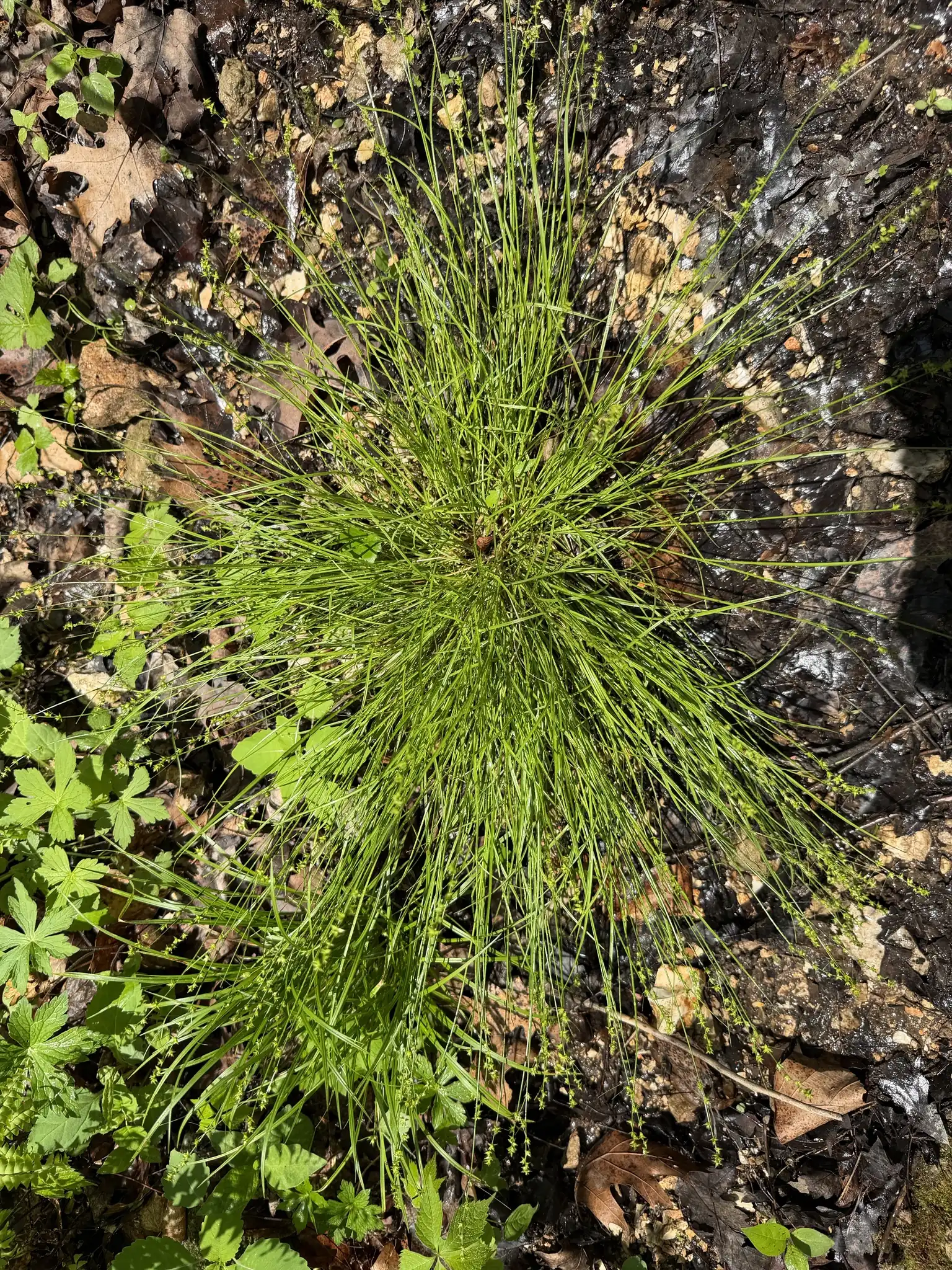
Carex radiata is a densely tufted native sedge forming compact clumps of delicate, arching foliage up to two feet tall. In spring through early summer, upright triangular culms bear star-like green spikelets that give the inflorescence its distinct radiating appearance.
Unlike aggressive rhizomatous groundcovers, Eastern star sedge expands tightly via short rootstocks without invading adjacent plantings. Its ultra-fine leaves maintain solid structural form in shady understories while remaining unpalatable to deer and rabbits.
Uses & Benefits:
Essentials
At a Glance
Plant Type
Grass
Height
24"
Width
20"
Light
Partial Sun, Shade
Zones
4, 5, 6, 7, 8
Water
Medium to wet
Humidity
High
Lifespan
Perennial
Native To
North America
Toxicity
Non-toxic
Bloom period
Spring – Early summer
In flower about 4 months of the year
Planting
How to Grow
- Select a site in dappled light, partial shade, or full shade with rich organic loam.
- Space individual plants 12 to 18 inches apart to allow mature clumps to arch fully.
- Water thoroughly at planting and maintain consistent moisture during the first establishment season.
- Apply a two-inch layer of organic leaf mulch around the crown to preserve root moisture.
Pro Tip
Cut foliage completely back to the crown in late winter before spring growth starts; over-fertilizing causes weak, elongated leaves that flop.
Keep It Thriving
Care Guide
Do
- Keep soil consistently moist, especially in dappled sun exposure.
- Prune dead foliage to the ground in late winter before new shoots emerge.
- Plant in shaded or dappled understory locations to prevent leaf scorching.
Don't
- Do not apply synthetic high-nitrogen fertilizer, which triggers growth lodging.
- Do not allow soil to dry out completely during summer dry spells.
- Do not cut into the woody crown material mid-season.
Seasonal Care Calendar
| Task | Jan | Feb | Mar | Apr | May | Jun | Jul | Aug | Sep | Oct | Nov | Dec |
|---|---|---|---|---|---|---|---|---|---|---|---|---|
| Divide | ||||||||||||
| Mulch | ||||||||||||
| Prune | ||||||||||||
| Spring Cleanup |
Watch Out For
Pests & Diseases
Common Pests
Common Diseases
In the Garden
Landscape Uses & Companions
Landscape Uses
Multiply
Propagation Methods
Good to Know
Common Questions
Eastern Star Sedge questions
What zones can Eastern Star Sedge grow in?
Eastern Star Sedge is hardy in USDA Zones 4–8: in that range it survives winter in the ground. Warmer than Zone 8, winter isn't the problem: it prefers colder winters, and summer heat can shorten its life.
Is Eastern Star Sedge deer resistant?
Yes — Eastern Star Sedge is rated deer-resistant. Deer typically pass it over, though extreme hunger can override any plant's defenses.
When does Eastern Star Sedge bloom?
Eastern Star Sedge typically blooms from early spring to early summer. Exact timing shifts a week or two with your zone — Sow's bloom calendar maps it to your garden.
Does Eastern Star Sedge need full sun?
Eastern Star Sedge does best in part shade.
More Carex to compare
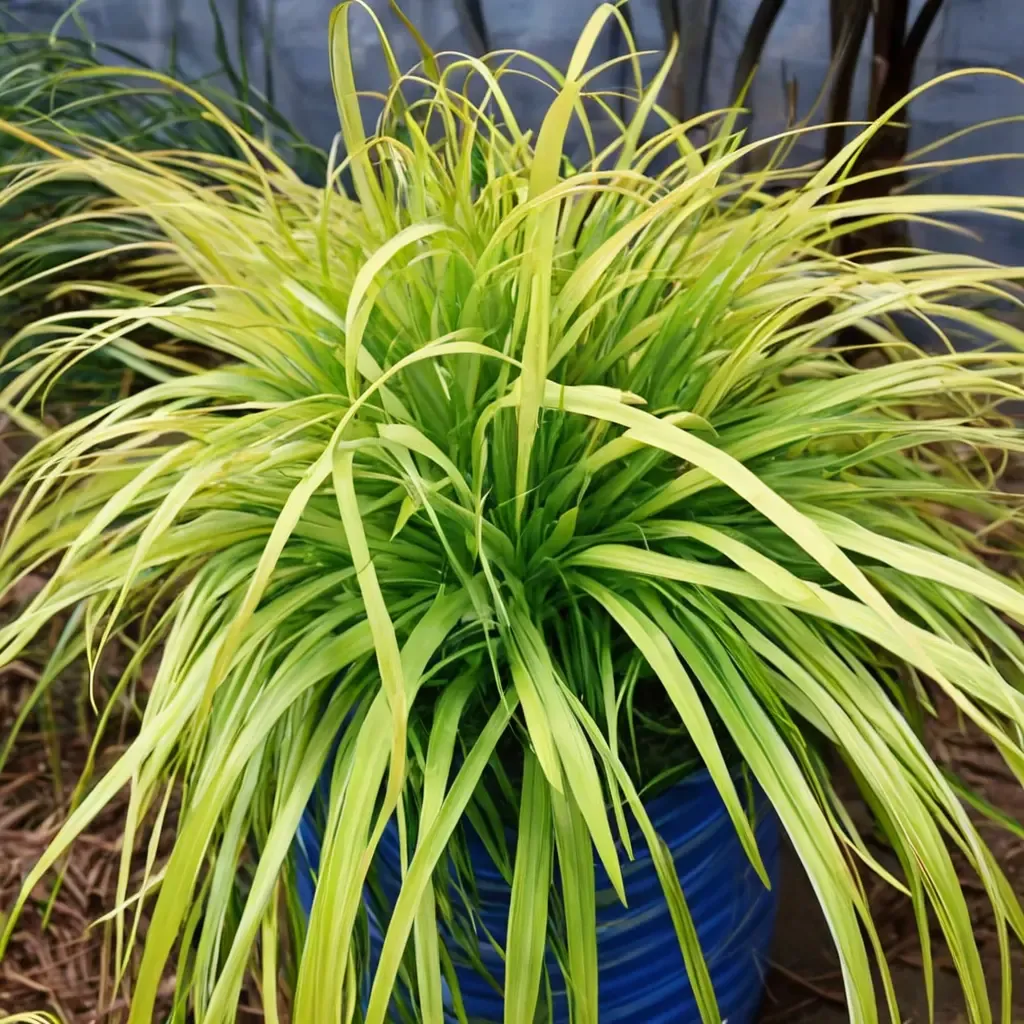
Everillo Sedge
Carex oshimensis 'Everillo'
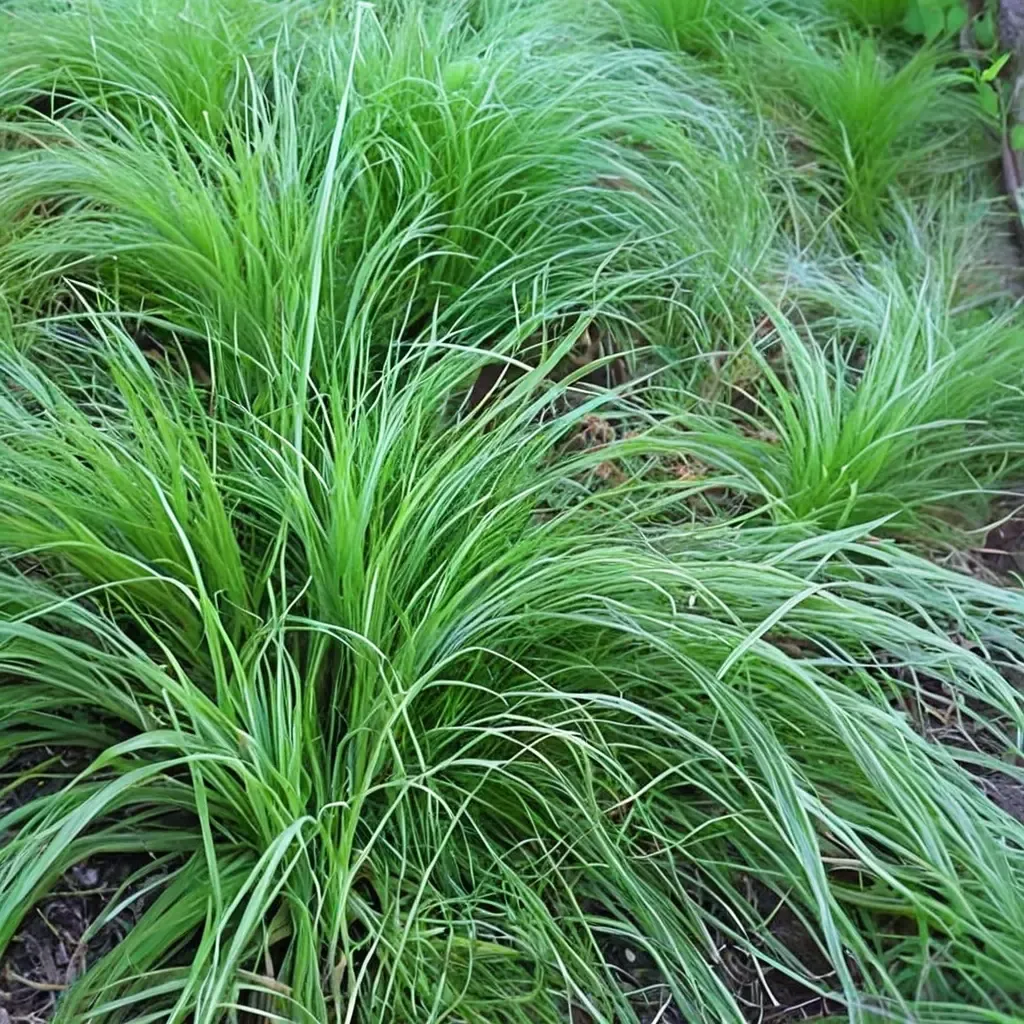
Pennsylvania Sedge
Carex pensylvanica
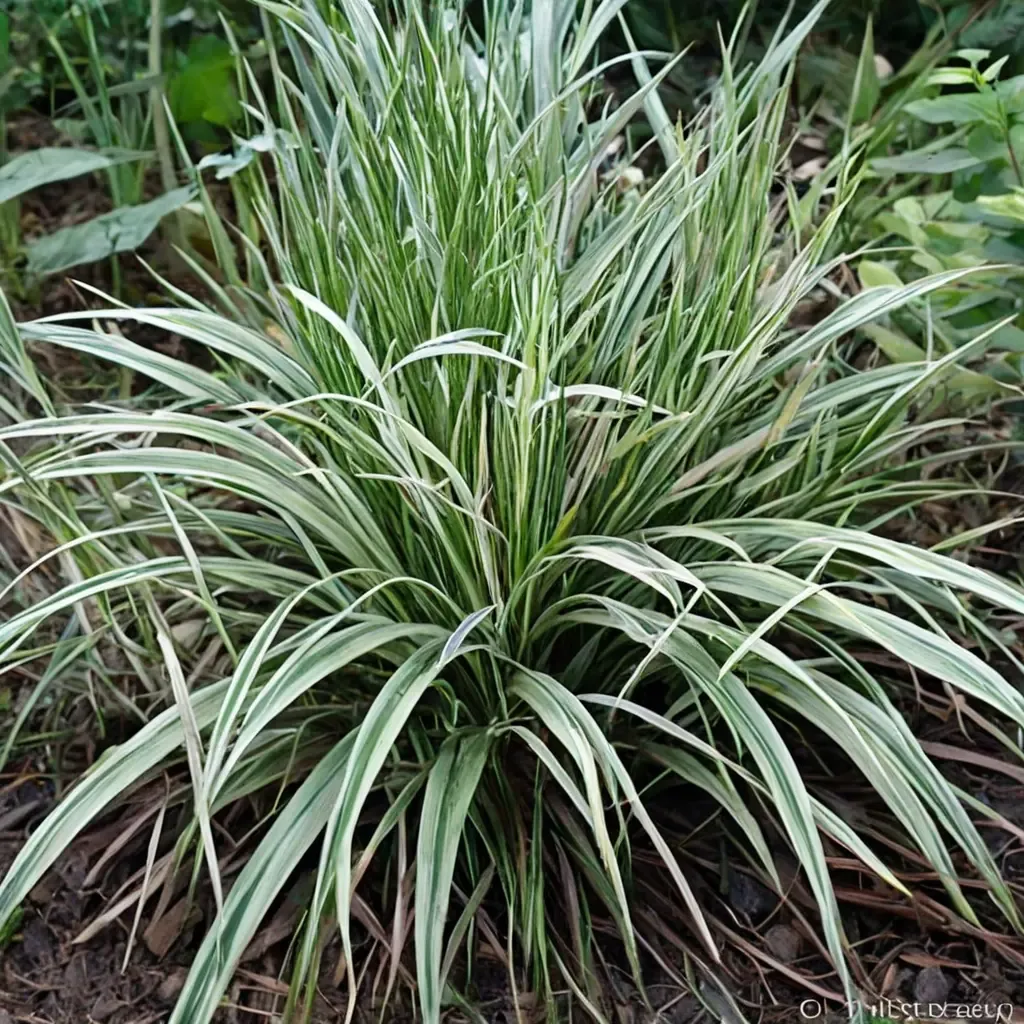
Japanese Sedge
Carex morrowii
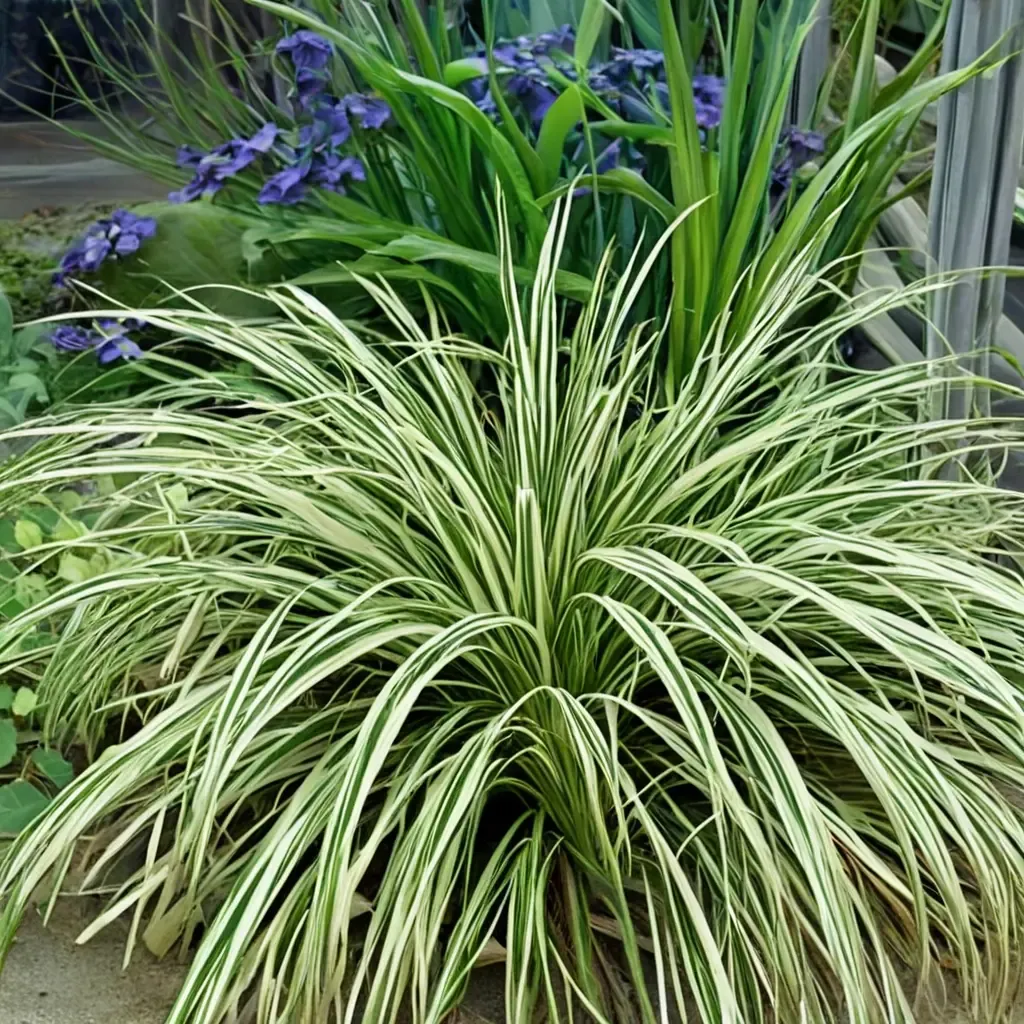
Evergold Japanese Sedge
Carex oshimensis 'Evergold'
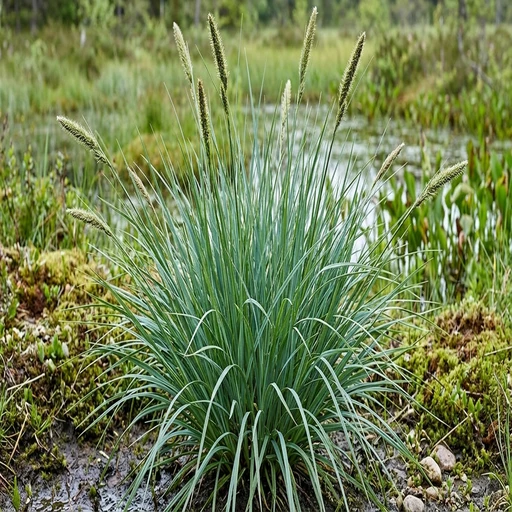
Comosa Sedge
Carex comosa
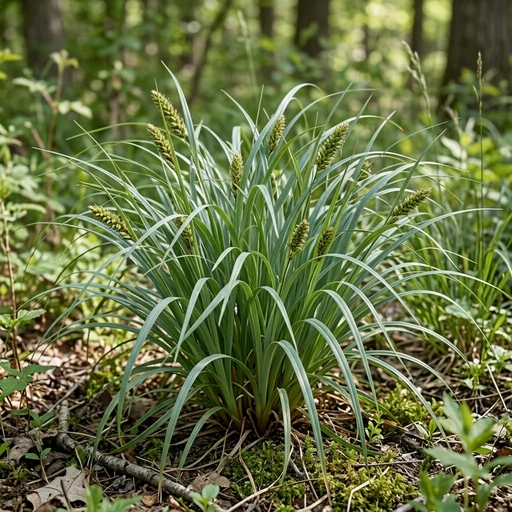
Shortbeak Sedge
Carex brevior
Keep exploring
Explore the genus
Hardy in your zone?
Grow Eastern Star Sedge with confidence
See it in a design of your actual yard, get zone-matched care reminders, and track it season by season in your garden journal.