The Story
Plant Bio
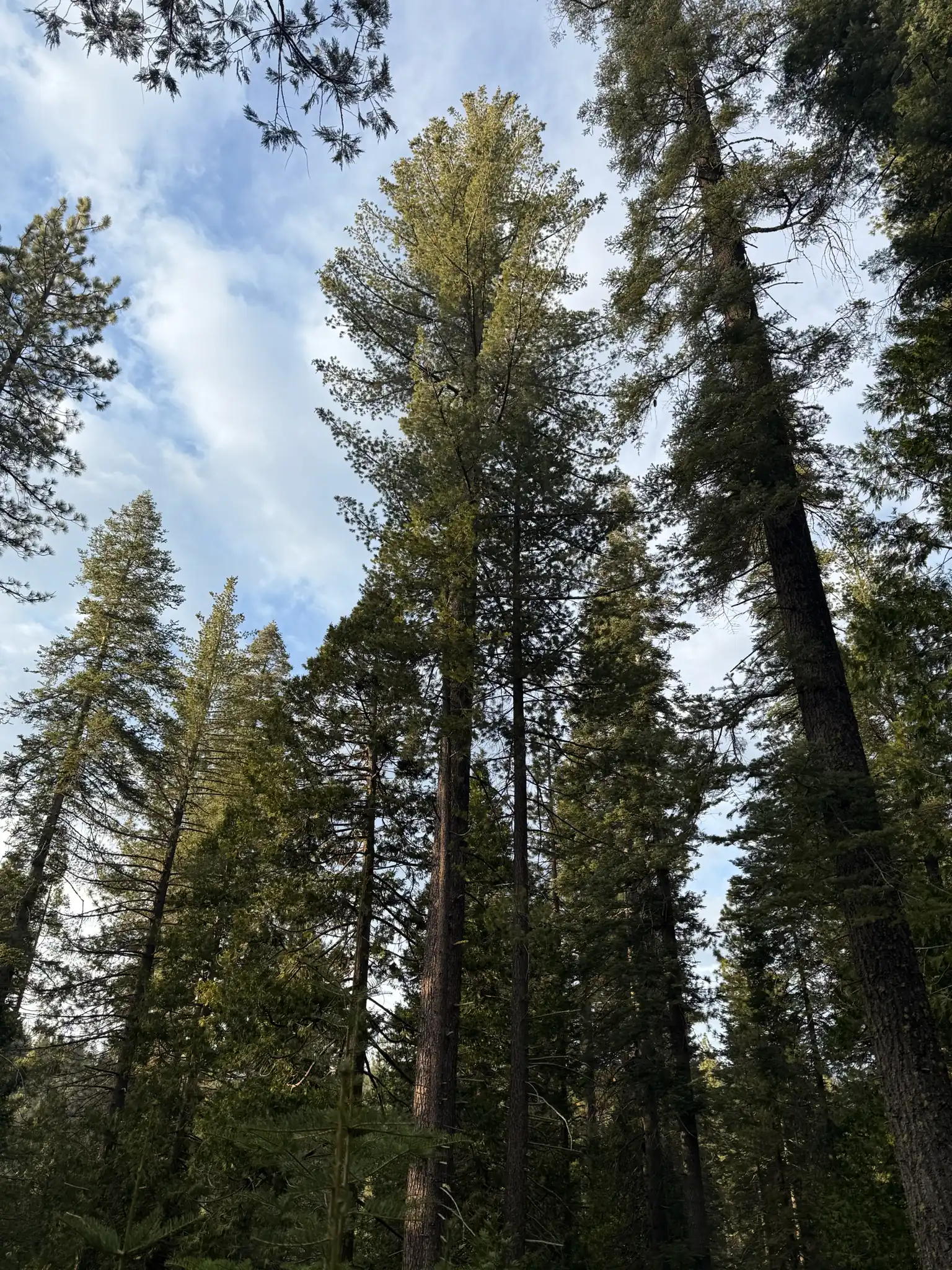
Pinus lambertiana, commonly known as the sugar pine, is a massive evergreen conifer native to western North America, capable of reaching heights over one hundred feet with a straight trunk and an open, flat-topped crown at maturity. The flexible, blue-green needles are held in bundles of five, accompanied by exceptionally long, woody seed cones that hang from the branch tips.
This species produces the largest cones of any conifer, often measuring ten to twenty inches long, alongside a sugary resin historically collected from wounded bark. It develops long horizontal branching and a distinctive silhouette that sets it apart from shorter five-needle pines.
Uses & Benefits:
Essentials
At a Glance
Plant Type
Tree
Height
1181"
Width
354"
Light
Full Sun
Zones
5, 6, 7, 8, 9
Water
Low to moderate
Humidity
Low
Lifespan
Perennial
Native To
Western North America
Toxicity
Non-toxic
Bloom period
Spring
In flower about 3 months of the year
Planting
How to Grow
- Select a full-sun site with sandy or loamy soil and excellent drainage, allowing ample clearance for mature growth.
- Dig a planting hole twice as wide as the root ball and equal in depth.
- Position the sapling, backfill with native soil, and firm gently to remove air pockets.
- Water thoroughly after planting and supply deep watering during extended dry periods for the first two years.
Pro Tip
Plant in an open, full-sun site with plenty of clearance from buildings, ensuring light soil with flawless drainage to prevent root rots in warm seasons.
Keep It Thriving
Care Guide
Do
- Plant in full sun in well-drained, sandy or loamy soils.
- Prune infected or dead branches in dry weather to prevent disease spread.
- Provide deep watering during dry spells while young trees are establishing.
Don't
- Do not plant in shaded locations or heavy, waterlogged clay soils.
- Do not prune into old leafless wood.
- Do not crowd near houses or utility structures due to its large ultimate size.
Seasonal Care Calendar
| Task | Jan | Feb | Mar | Apr | May | Jun | Jul | Aug | Sep | Oct | Nov | Dec |
|---|---|---|---|---|---|---|---|---|---|---|---|---|
| Fertilize | ||||||||||||
| Mulch | ||||||||||||
| Pest Check | ||||||||||||
| Prune |
Watch Out For
Pests & Diseases
Common Pests
Common Diseases
In the Garden
Landscape Uses & Companions
Landscape Uses
Multiply
Propagation Methods
Good to Know
Common Questions
Sugar Pine questions
What zones can Sugar Pine grow in?
Sugar Pine is hardy in USDA Zones 5–9: in that range it survives winter in the ground. Colder than Zone 5, winters are too cold for it to survive outdoors. Warmer than Zone 9, winter isn't the problem: it prefers colder winters, and summer heat can shorten its life.
When does Sugar Pine bloom?
Sugar Pine typically blooms in spring. Exact timing shifts a week or two with your zone — Sow's bloom calendar maps it to your garden.
Does Sugar Pine need full sun?
Sugar Pine does best in full sun (6+ hours).
Is Sugar Pine drought tolerant?
Yes — once established (usually after the first full season), Sugar Pine handles dry spells with minimal watering. Water deeply its first year to build the root system that makes that possible.
More Pinus to compare
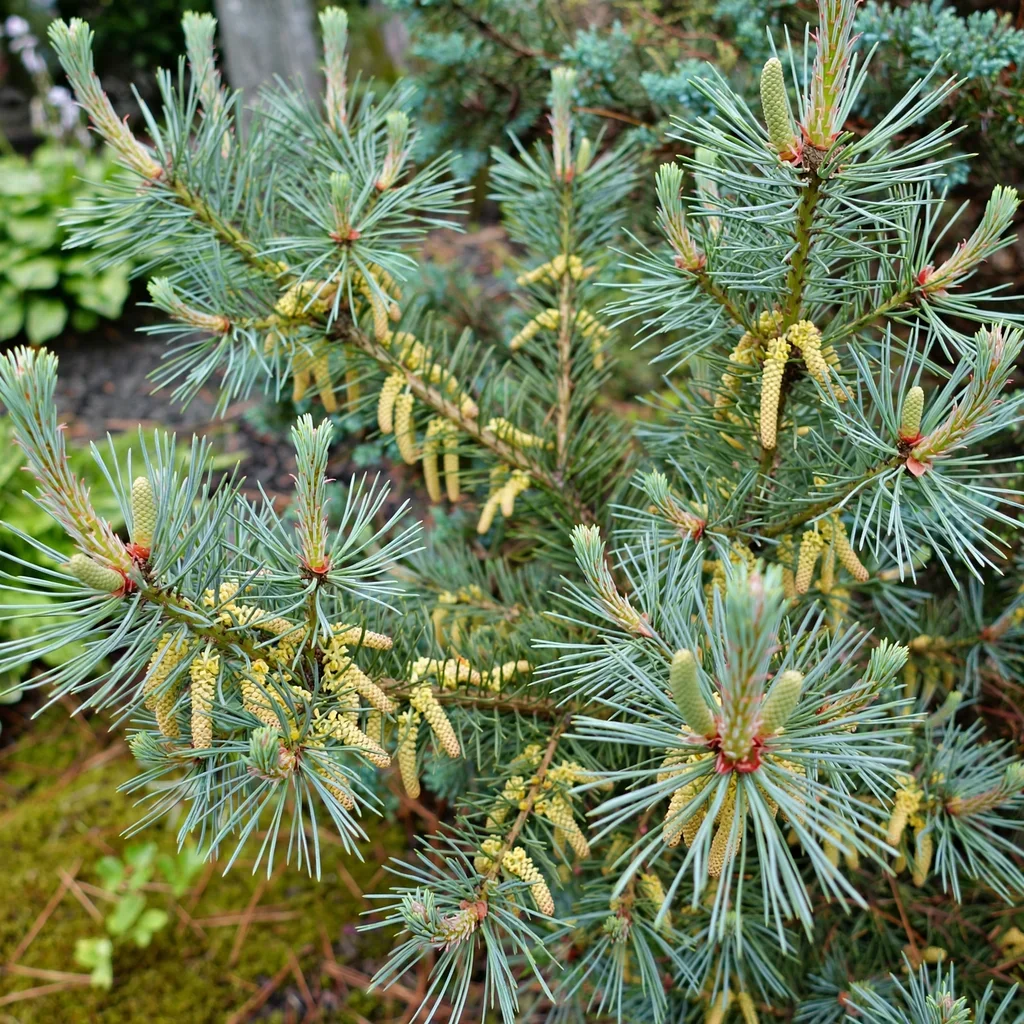
Eastern White Pine
Pinus strobus
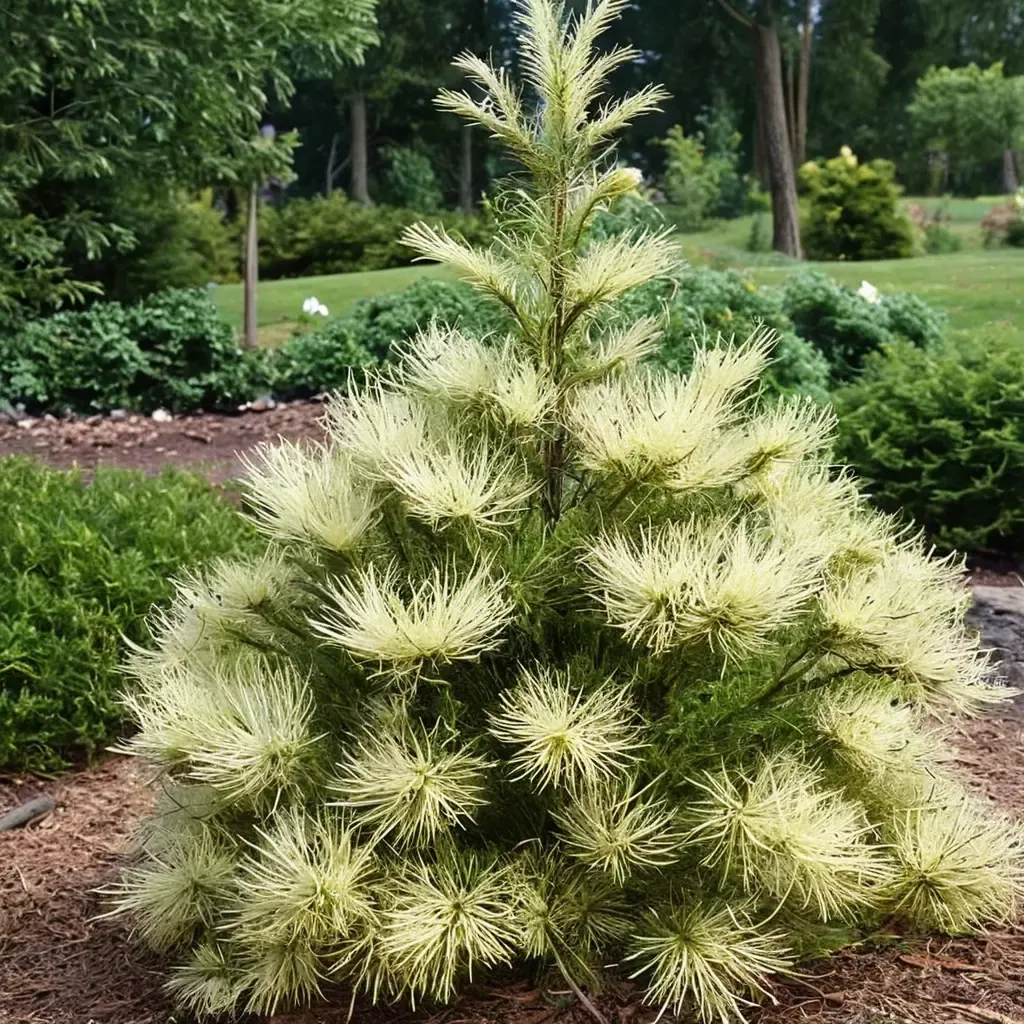
Golden Ghost Pine
Pinus densiflora 'Golden Ghost'
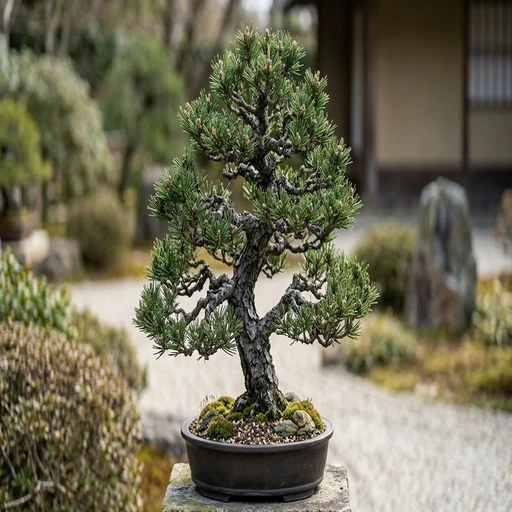
Thunderhead Japanese Black Pine
Pinus thunbergii 'Thunderhead'
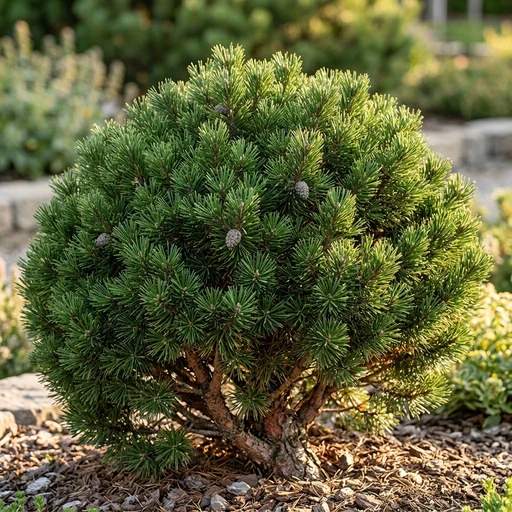
Slowmound Mugo Pine
Pinus mugo 'Slowmound'
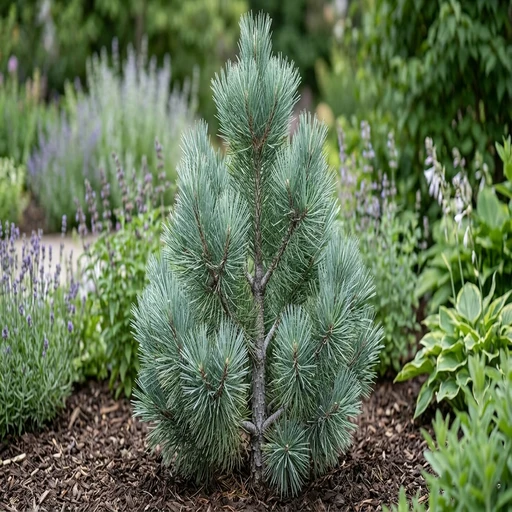
Vanderwolf's Pyramid Limber Pine
Pinus flexilis 'Vanderwolf'
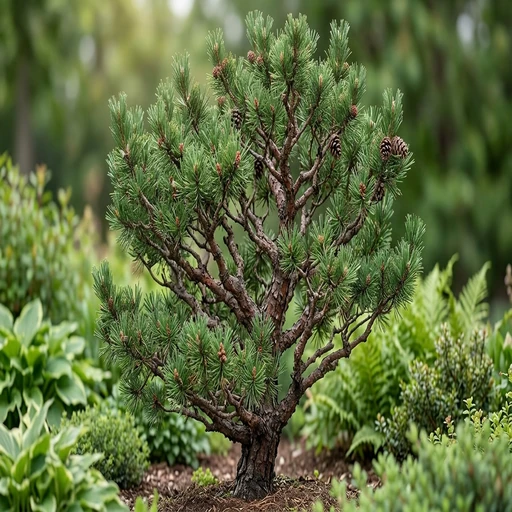
Virginia Pine
Pinus virginiana
Keep exploring
Explore the genus
Hardy in your zone?
Grow Sugar Pine with confidence
See it in a design of your actual yard, get zone-matched care reminders, and track it season by season in your garden journal.