The Story
Plant Bio
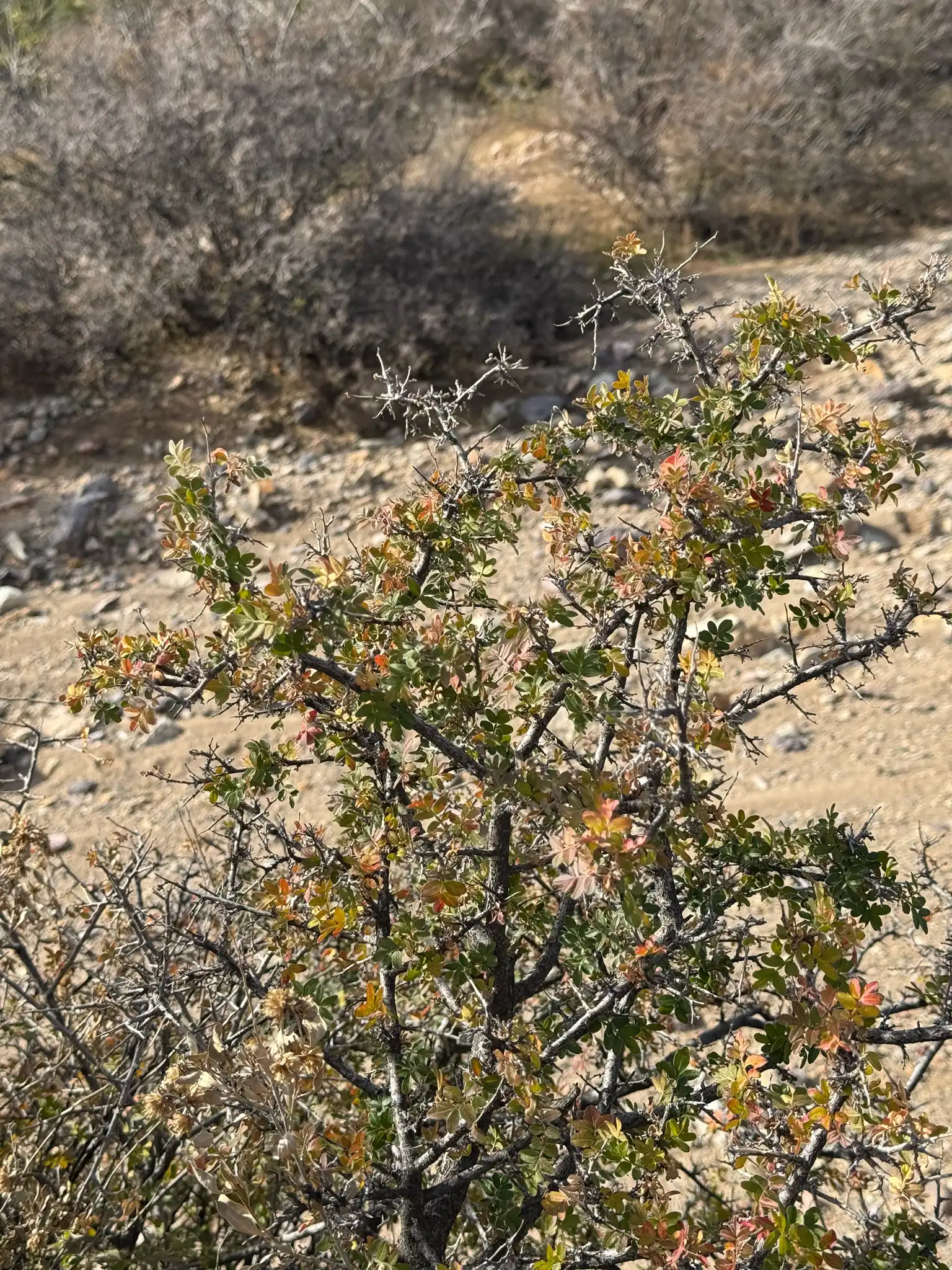
Rhus microphylla is a deciduous North American sumac forming much-branched, suckering thickets from stiff, often spinescent stems with dark gray old bark. Leaves are alternate and pinnate, 1 to 2 inches long with 5 to 9 tiny leathery leaflets under half an inch on a winged rachis, turning muted rose-purple in fall.
It is dioecious, with white to green-white flowers in dense 2- to 4-inch clusters borne before the leaves in spring, followed only on female plants by sparse orange-red half-inch drupes. Compared with larger sumacs it stays low and wider than tall, with colonies often single-sexed from root suckers and tolerance of dry limestone-caliche soils.
Uses & Benefits:
Essentials
At a Glance
Plant Type
Shrub
Height
72"
Width
120"
Light
Full Sun, Partial Sun
Zones
6, 7, 8, 9, 10
Water
Low
Humidity
Low
Lifespan
Long-lived shrub
Native To
Southwestern U.S. to north-central Mexico
Toxicity
Non-toxic
Bloom period
Spring – Summer
In flower about 6 months of the year
Planting
How to Grow
- Plant in spring or fall in dry, well-drained sandy to clay-loam or rocky limestone soil in part shade to full sun.
- Space 8 to 10 feet apart to allow suckering colonies to spread wider than tall.
- Water deeply at planting, then taper to occasional deep soakings once established.
- Leave male plants in place with females if fruit and winter bird food are wanted.
Pro Tip
Plant a male with one or more females if you want fruit; single-sex suckering colonies fruit only on females.
Keep It Thriving
Care Guide
Do
- Give sharp drainage and dry conditions once established.
- Plant male and female together for berries and wildlife cover.
- Allow room for suckers to form a thicket or remove them to hold size.
Don't
- Do not overwater or plant in wet, poorly drained ground.
- Do not expect showy flowers; the value is fruit, fall color, and cover.
- Do not confuse with poison sumac; this is a non-urushiol Rhus with spiny-tipped branches that can scratch.
Seasonal Care Calendar
| Task | Jan | Feb | Mar | Apr | May | Jun | Jul | Aug | Sep | Oct | Nov | Dec |
|---|---|---|---|---|---|---|---|---|---|---|---|---|
| Mulch | ||||||||||||
| Pest Check | ||||||||||||
| Plant | ||||||||||||
| Propagate | ||||||||||||
| Prune |
Watch Out For
Pests & Diseases
Common Pests
Common Diseases
In the Garden
Landscape Uses & Companions
Landscape Uses
Multiply
Propagation Methods
Good to Know
Common Questions
Littleleaf Sumac questions
What zones can Littleleaf Sumac grow in?
Littleleaf Sumac is hardy in USDA Zones 6–10: in that range it survives winter in the ground. Colder than Zone 6, grow it in a container you can move to shelter for the winter.
When does Littleleaf Sumac bloom?
Littleleaf Sumac typically blooms from spring to summer. Exact timing shifts a week or two with your zone — Sow's bloom calendar maps it to your garden.
Does Littleleaf Sumac need full sun?
Littleleaf Sumac does best in full sun to part shade. In hot climates, afternoon shade keeps blooms fresher longer.
Is Littleleaf Sumac drought tolerant?
Yes — once established (usually after the first full season), Littleleaf Sumac handles dry spells with minimal watering. Water deeply its first year to build the root system that makes that possible.
More Rhus to compare
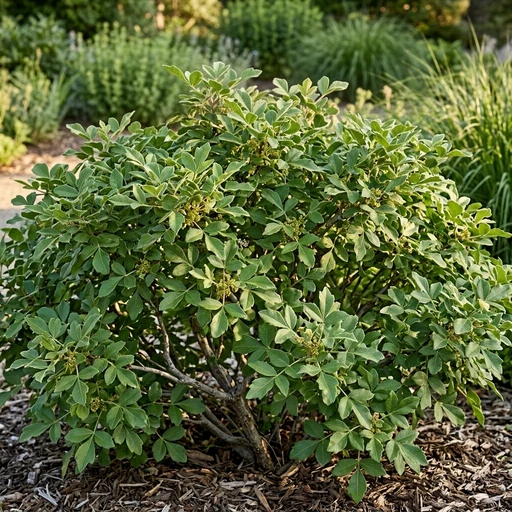
Gro-Low Fragrant Sumac
Rhus aromatica 'Gro-Low'
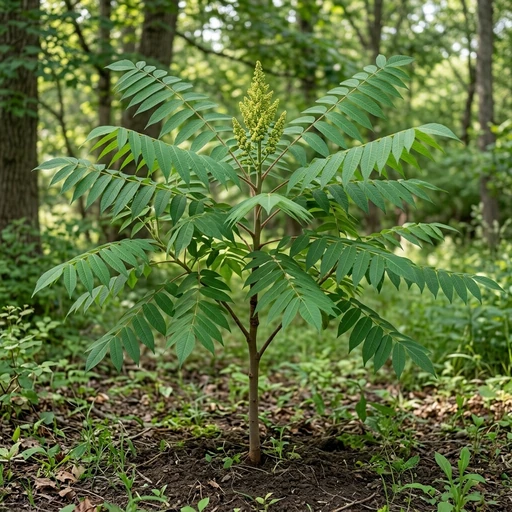
Smooth Sumac
Rhus glabra
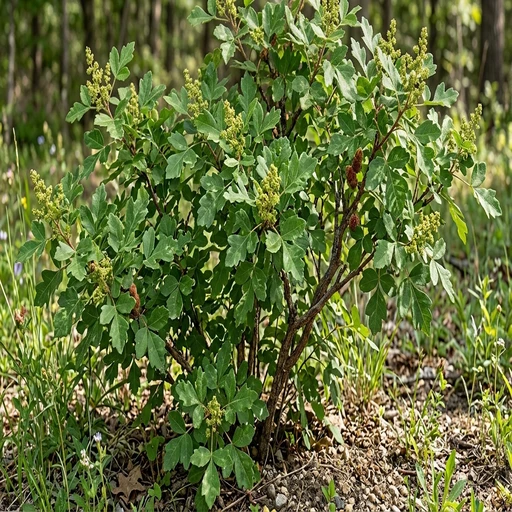
Fragrant Sumac
Rhus aromatica
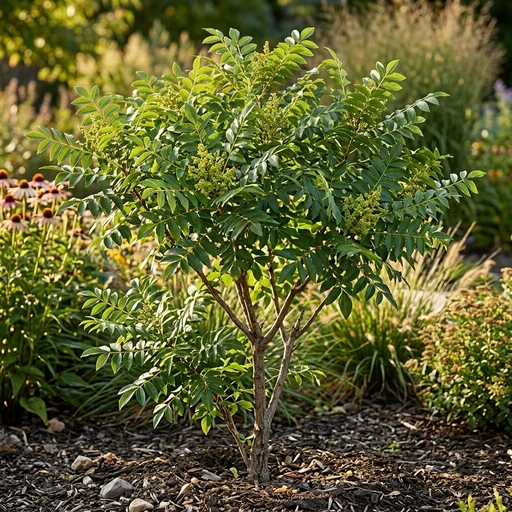
Shining Sumac
Rhus copallinum
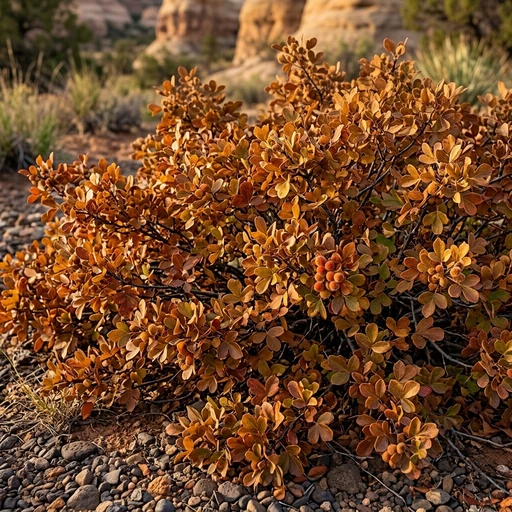
Autumn Amber Prostrate Three-leaf Sumac
Rhus trilobata 'Autumn Amber'
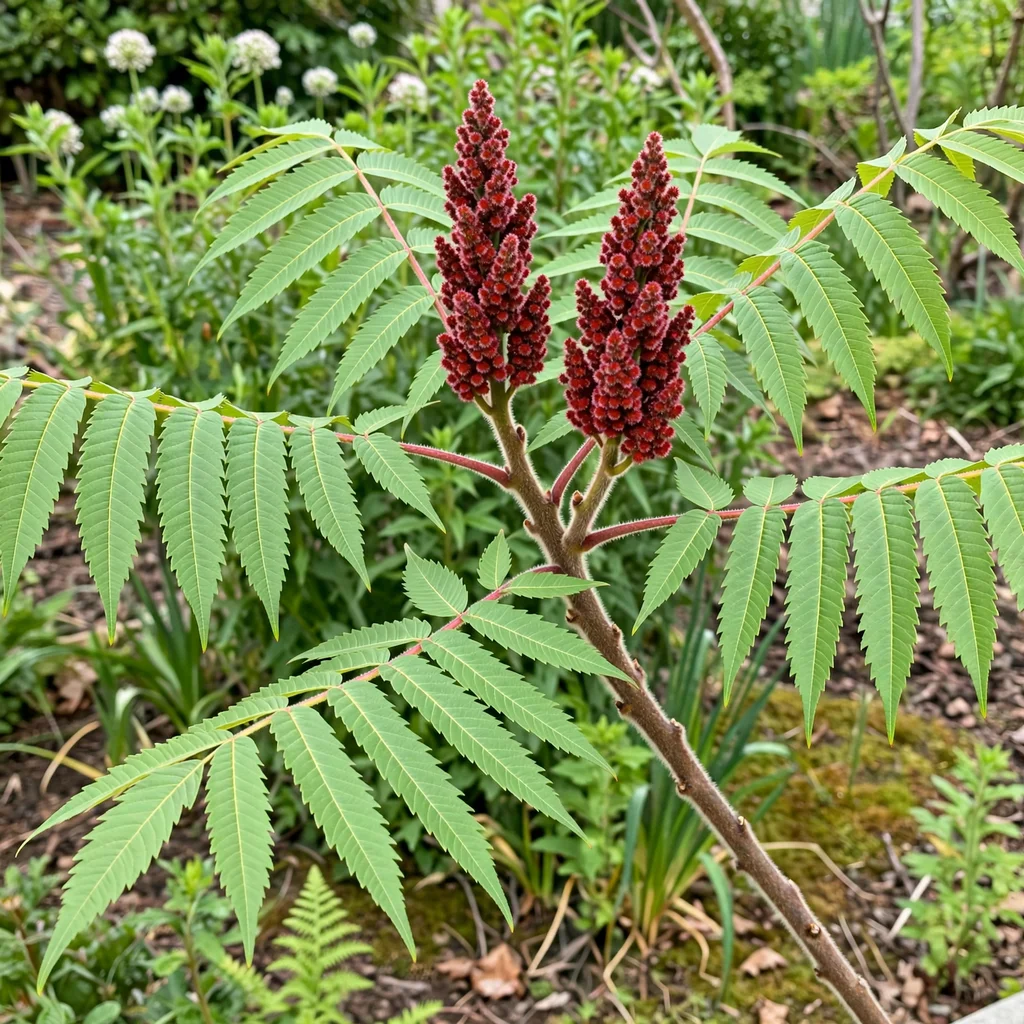
Staghorn Sumac
Rhus typhina
Keep exploring
Explore the genus
Hardy in your zone?
Grow Littleleaf Sumac with confidence
See it in a design of your actual yard, get zone-matched care reminders, and track it season by season in your garden journal.