The Story
Plant Bio
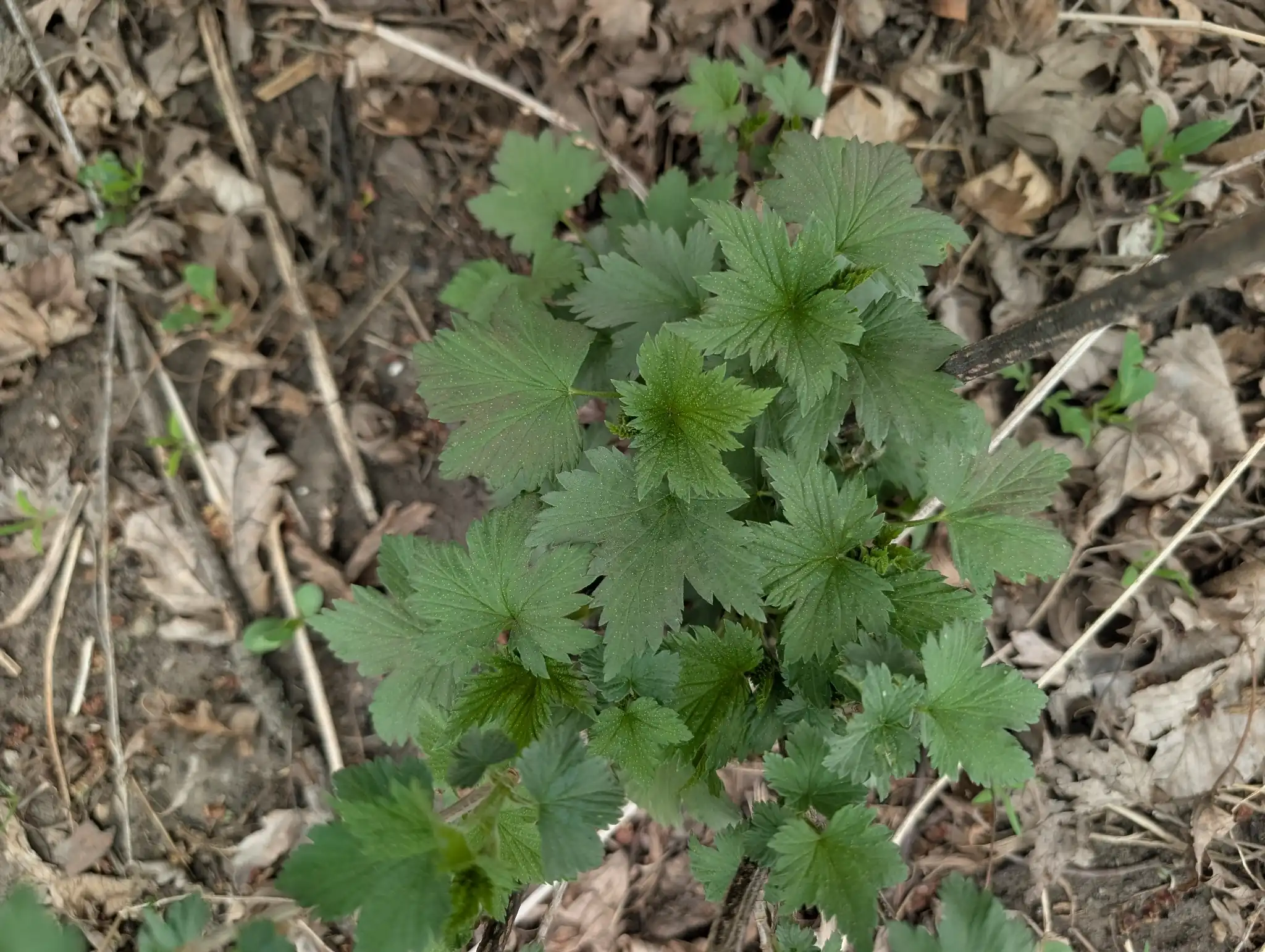
Ribes americanum is a multi-stemmed, deciduous shrub native to North American woodlands and moist thickets, reaching two to six feet in height. Drooping racemes of pale yellow, bell-shaped flowers bloom in spring, giving way to smooth black berries that mature in late summer.
Unlike many wild currants and gooseberries, this species has entirely spineless stems and branches. The leaves feature yellow-orange resin glands on their undersides and shift to brilliant shades of crimson and gold in fall.
Uses & Benefits:
Essentials
At a Glance
Plant Type
Shrub
Height
70"
Width
70"
Light
Full Sun, Partial Sun
Zones
4, 5, 6, 7
Water
Medium to wet
Humidity
Moderate
Lifespan
Perennial
Native To
North America
Toxicity
Non-toxic
Bloom period
Spring – Late spring
In flower about 3 months of the year
Planting
How to Grow
- Select a planting site in full sun to partial shade with moist, organically rich soil.
- Dig a planting hole twice the width of the root mass and set the plant at its original nursery depth.
- Backfill with soil, water deeply, and apply a three-inch layer of organic mulch to retain root moisture.
- Prune out dead or crowded canes each winter to maintain sunlight penetration and internal airflow.
Pro Tip
Perform renewal pruning in late winter by removing one-third of the oldest stems at ground level; cutting back old wood encourages vigorous young canes that produce the best fruit.
Keep It Thriving
Care Guide
Do
- Keep soil consistently moist, especially during spring establishment and summer fruit development.
- Mulch annually with organic compost or leaf mold to keep the shallow root system cool.
- Prune out older three-year-old stems in late winter to refresh the fruiting wood.
Don't
- Do not shear the shrub into a formal shape, which removes flowering buds and reduces fruit yield.
- Avoid overhead irrigation, which encourages foliar fungal infection on the leaves.
- Do not plant near eastern white pine trees where regional blister rust controls are enforced.
Seasonal Care Calendar
| Task | Jan | Feb | Mar | Apr | May | Jun | Jul | Aug | Sep | Oct | Nov | Dec |
|---|---|---|---|---|---|---|---|---|---|---|---|---|
| Fertilize | ||||||||||||
| Harvest | ||||||||||||
| Mulch | ||||||||||||
| Pest Check | ||||||||||||
| Prune |
Watch Out For
Pests & Diseases
Common Pests
Common Diseases
In the Garden
Landscape Uses & Companions
Landscape Uses
Multiply
Propagation Methods
Good to Know
Common Questions
American Black Currant questions
What zones can American Black Currant grow in?
American Black Currant is hardy in USDA Zones 4–7: in that range it survives winter in the ground. Warmer than Zone 7, winter isn't the problem: it prefers colder winters, and summer heat can shorten its life.
Is American Black Currant deer resistant?
Not reliably. Deer may browse American Black Currant, especially tender spring growth — plan on repellents or fencing where pressure is high.
When does American Black Currant bloom?
American Black Currant typically blooms in spring. Exact timing shifts a week or two with your zone — Sow's bloom calendar maps it to your garden.
Does American Black Currant need full sun?
American Black Currant does best in full sun to part shade. In hot climates, afternoon shade keeps blooms fresher longer.
More Ribes to compare
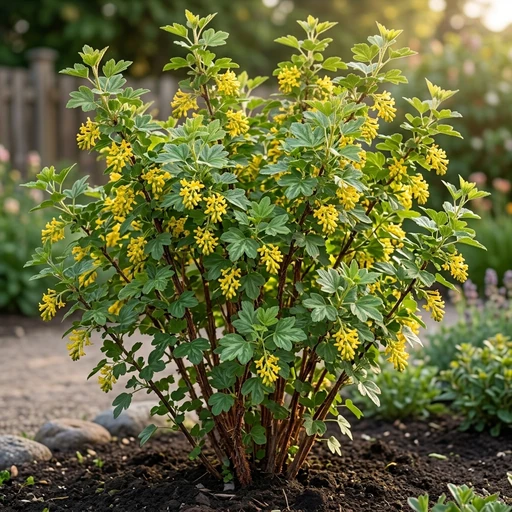
Golden Currant
Ribes aureum
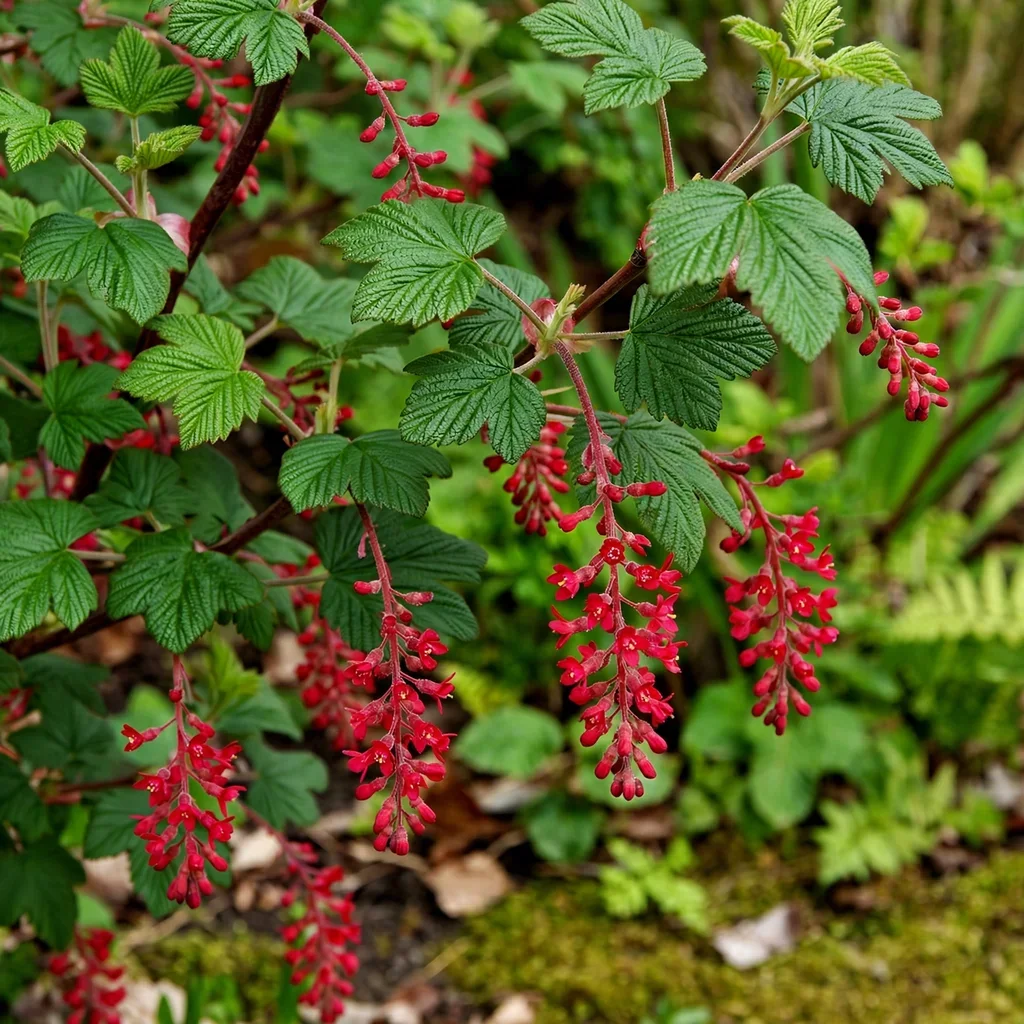
King Edward VII Flowering Currant
Ribes sanguineum 'King Edward VII'
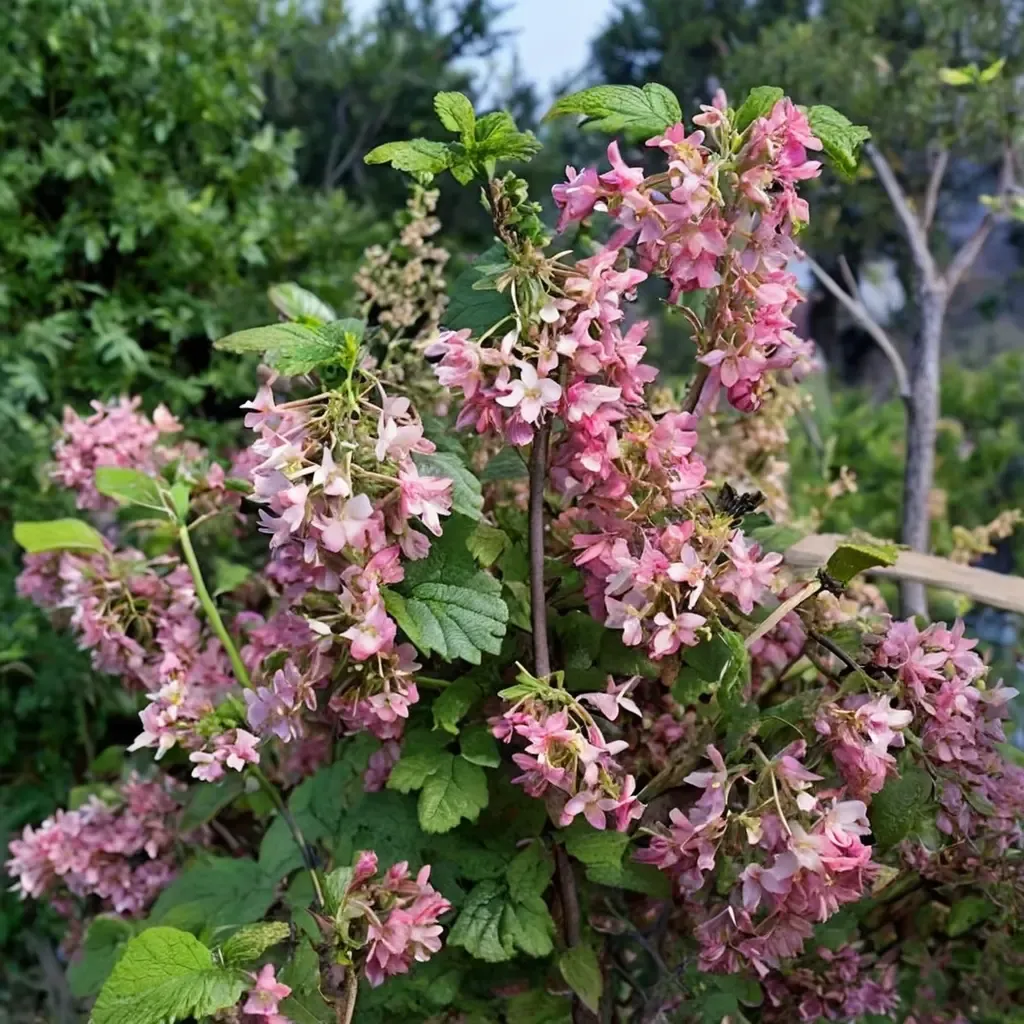
Claremont Currant
Ribes sanguineum 'Claremont'
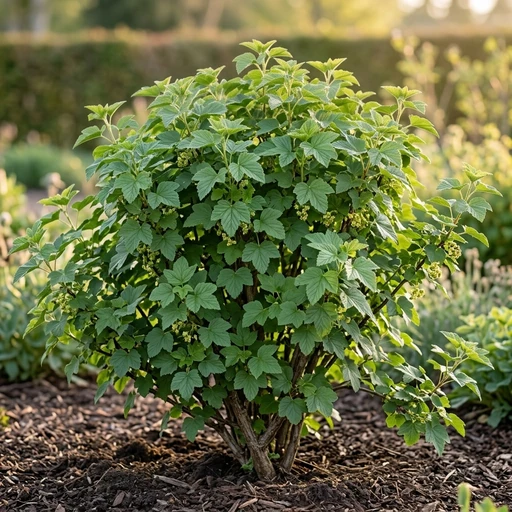
Alpine Currant
Ribes alpinum
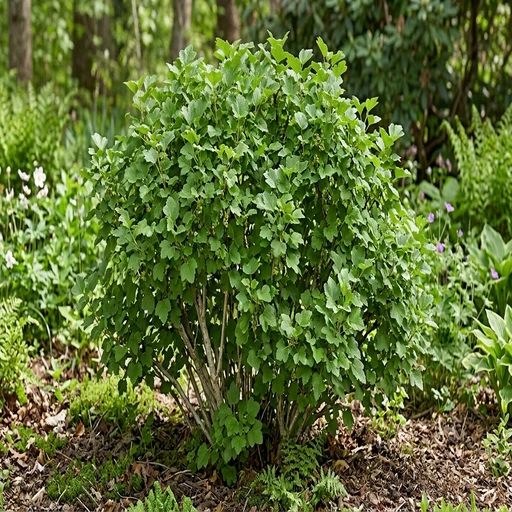
Green Mound Alpine Currant
Ribes alpinum 'Green Mound'
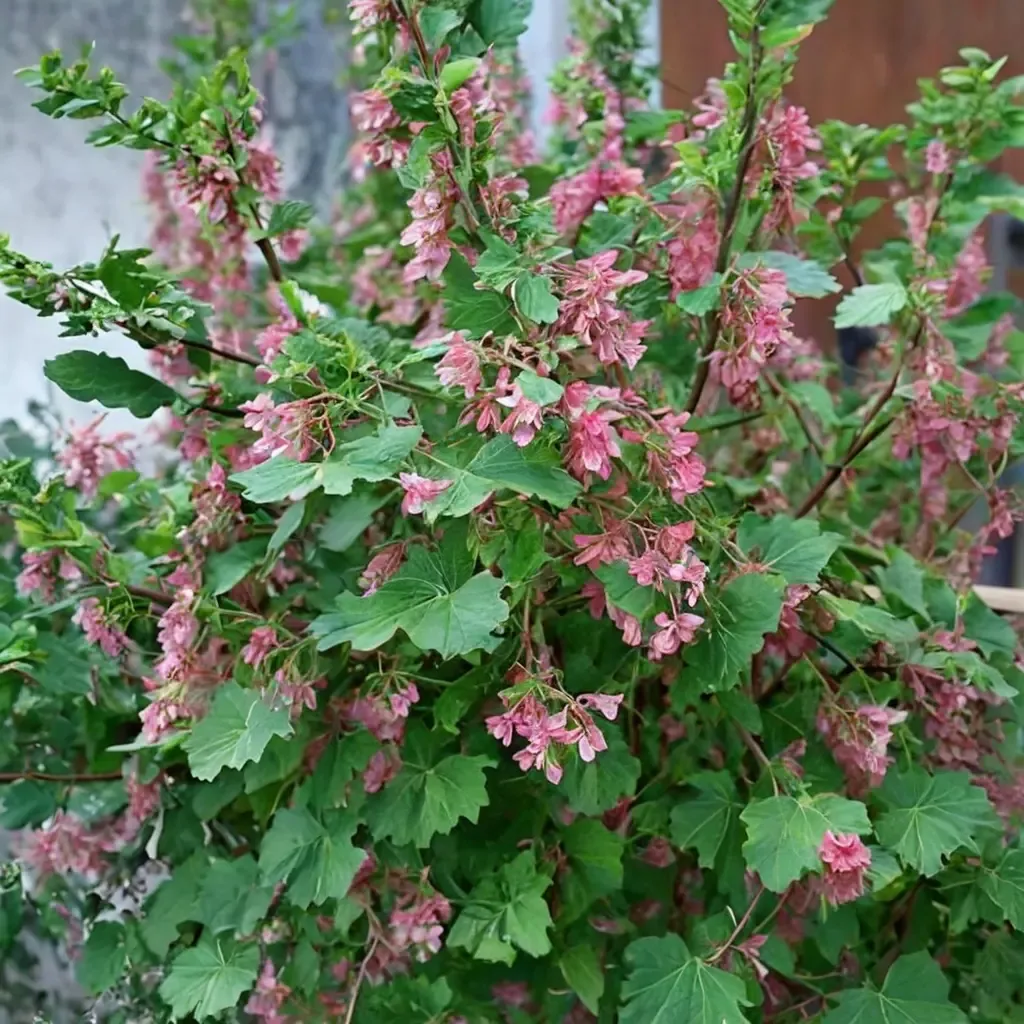
Pink-Flowering Currant
Ribes sanguineum 'glutinosum'
Keep exploring
Explore the genus
Hardy in your zone?
Grow American Black Currant with confidence
See it in a design of your actual yard, get zone-matched care reminders, and track it season by season in your garden journal.