The Story
Plant Bio
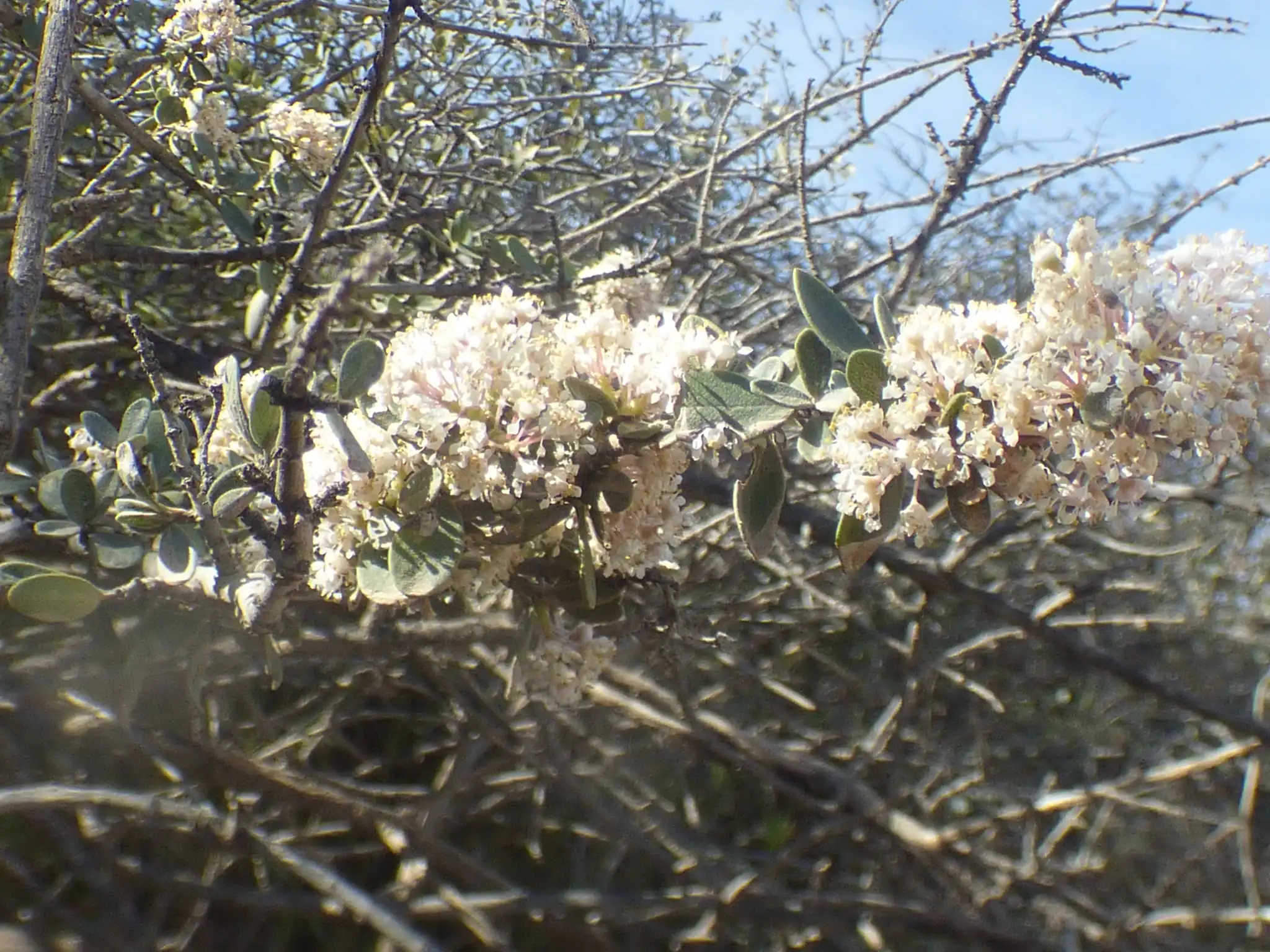
Ceanothus integerrimus, known as deerbrush, is an erect, open shrub native to western North America that reaches up to twelve feet in height. It features smooth, pale green to yellowish stems that remain green for several years and thin, three-veined leaves that emerge bright green in spring.
Fluffy panicles up to six inches long produce masses of white to pale blue blooms from late spring into mid-summer. The nectar-rich flowers attract native bees, butterflies, and hummingbirds, while the foliage serves as critical browse for wild ungulates.
Uses & Benefits:
Essentials
At a Glance
Plant Type
Shrub
Height
144"
Width
96"
Light
Full Sun, Partial Sun
Zones
7, 8, 9, 10
Water
Low
Humidity
Low to Moderate
Lifespan
Perennial Shrub
Native To
Western North America
Toxicity
Non-toxic
Bloom period
Late spring – Mid summer
In flower about 3 months of the year
Planting
How to Grow
- Select a site in full sun to dappled shade with light, highly permeable soil.
- Plant in a location with sharp drainage and avoid low spots that collect summer water.
- Water occasionally during the first growing season to establish the root system.
- Withhold summer irrigation entirely once established to protect against soil-borne root rot.
Pro Tip
Prune lightly immediately after flowering and never cut back into old leafless wood, as stems fail to regenerate from dormant wood.
Keep It Thriving
Care Guide
Do
- Ensure total winter and summer soil drainage.
- Prune lightly immediately following the spring flower display.
- Protect young plants from heavy deer browsing using physical barriers.
Don't
- Do not apply fertilizers, as supplemental nitrogen shortens the plant's lifespan.
- Do not water established plants during warm summer months.
- Do not prune hard into old bare wood.
Seasonal Care Calendar
| Task | Jan | Feb | Mar | Apr | May | Jun | Jul | Aug | Sep | Oct | Nov | Dec |
|---|---|---|---|---|---|---|---|---|---|---|---|---|
| Pest Check | ||||||||||||
| Propagate | ||||||||||||
| Prune | ||||||||||||
| Spring Cleanup |
Watch Out For
Pests & Diseases
Common Pests
Common Diseases
In the Garden
Landscape Uses & Companions
Landscape Uses
Multiply
Propagation Methods
Good to Know
Common Questions
Deerbrush questions
What zones can Deerbrush grow in?
Deerbrush is hardy in USDA Zones 7–10: in that range it survives winter in the ground. Colder than Zone 7, grow it in a container you can move to shelter for the winter.
Is Deerbrush deer resistant?
Not reliably. Deer may browse Deerbrush, especially tender spring growth — plan on repellents or fencing where pressure is high.
When does Deerbrush bloom?
Deerbrush typically blooms from late spring to mid-summer. Exact timing shifts a week or two with your zone — Sow's bloom calendar maps it to your garden.
Does Deerbrush need full sun?
Deerbrush does best in full sun to part shade. In hot climates, afternoon shade keeps blooms fresher longer.
Is Deerbrush drought tolerant?
Yes — once established (usually after the first full season), Deerbrush handles dry spells with minimal watering. Water deeply its first year to build the root system that makes that possible.
More Ceanothus to compare
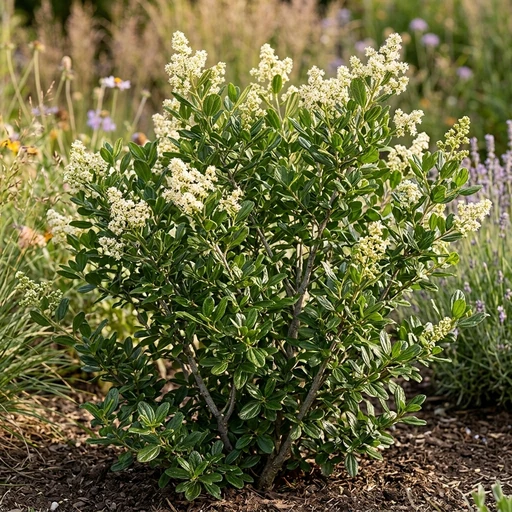
New Jersey Tea
Ceanothus americanus
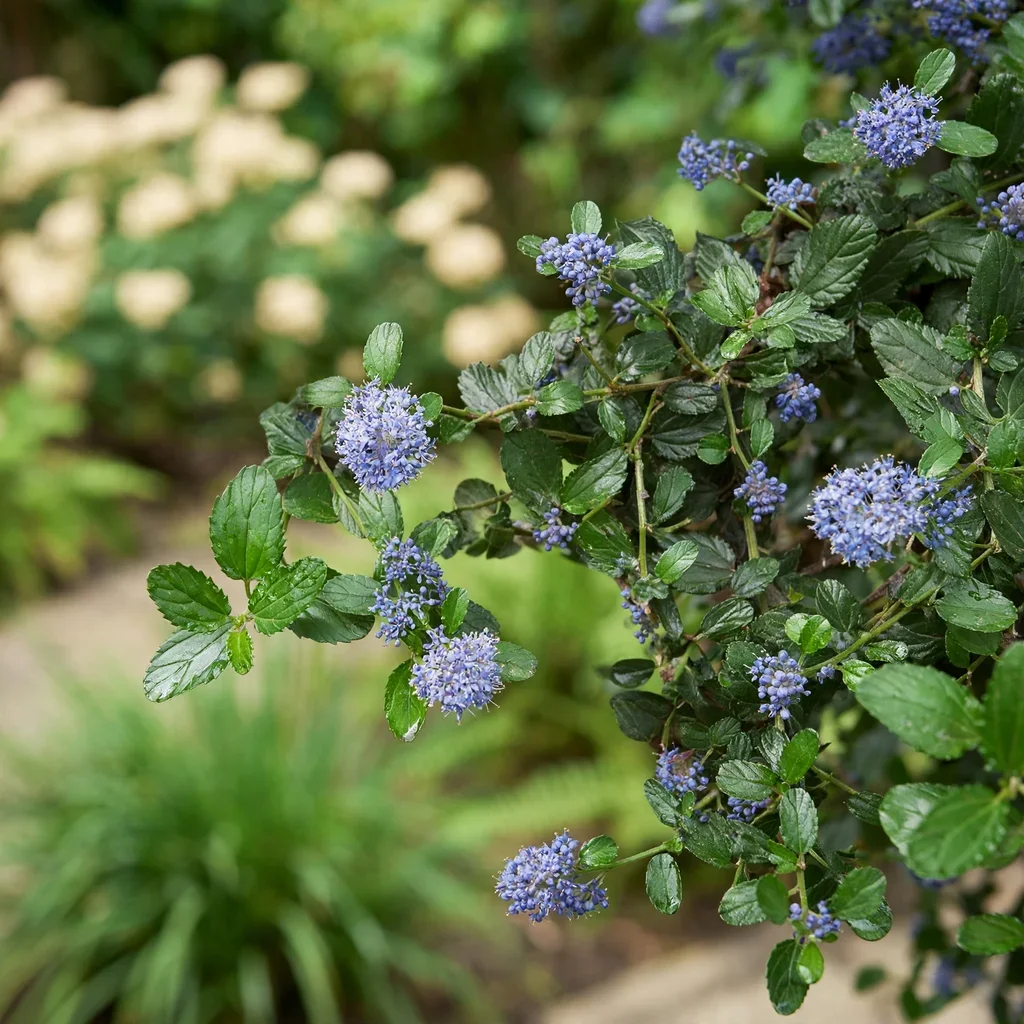
California Lilac
Ceanothus thyrsiflorus
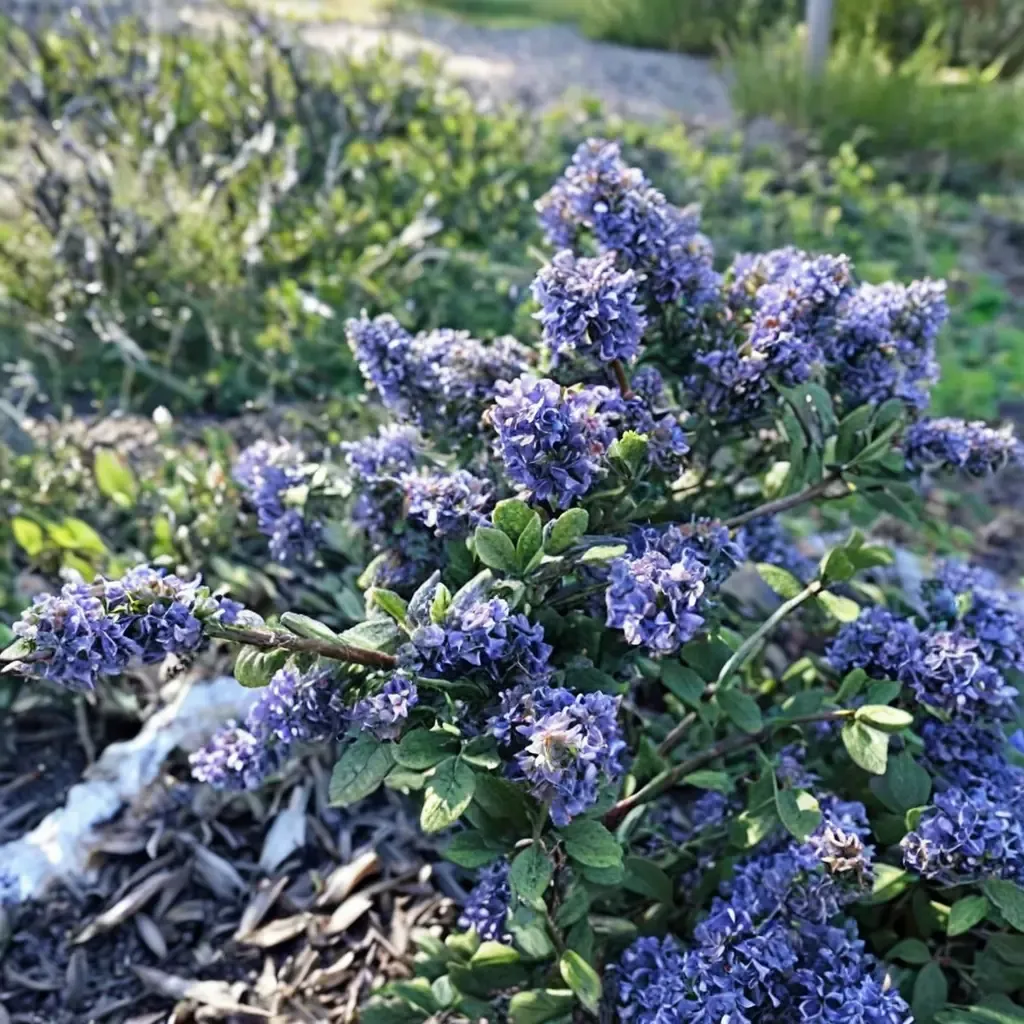
Valley Violet California Lilac
Ceanothus maritimus 'Valley Violet'
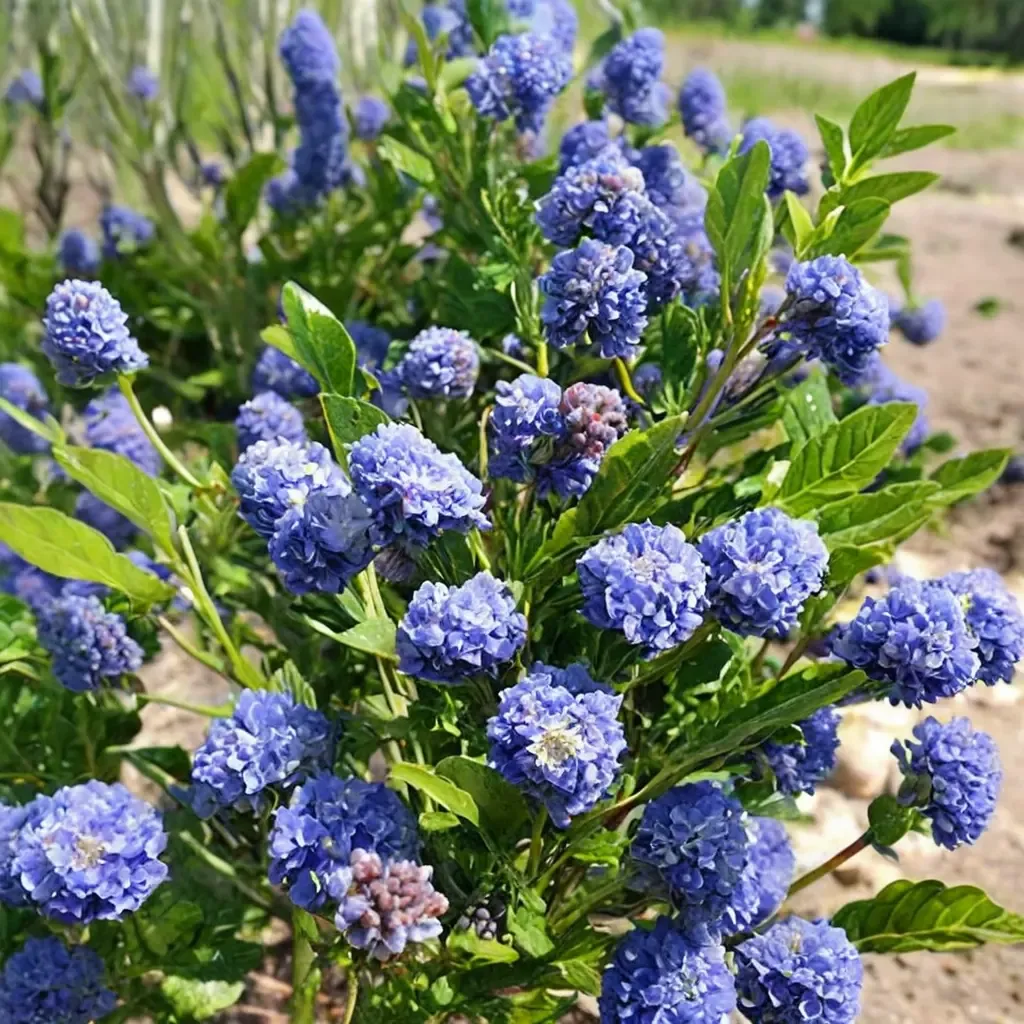
Skylark California Lilac
Ceanothus thyrsiflorus 'Skylark'
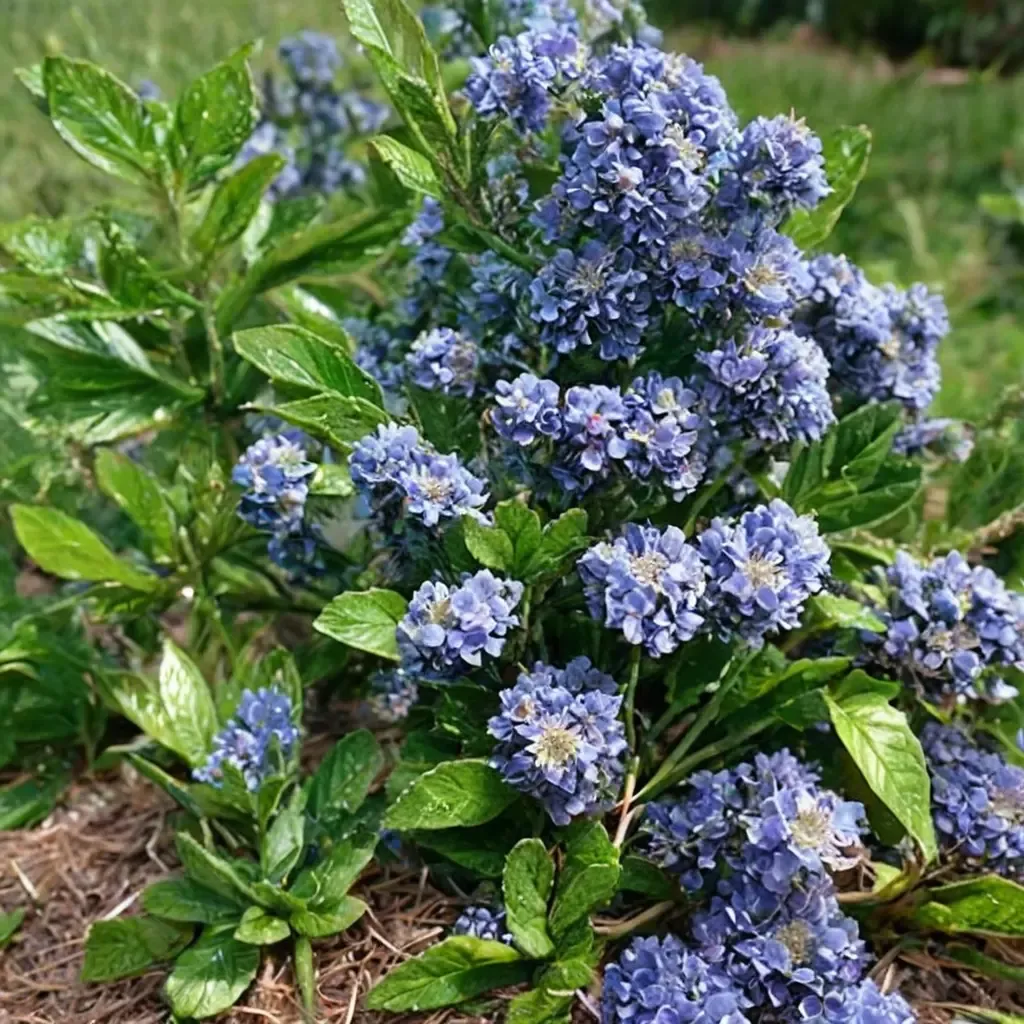
Victoria California Lilac
Ceanothus griseus 'Victoria'
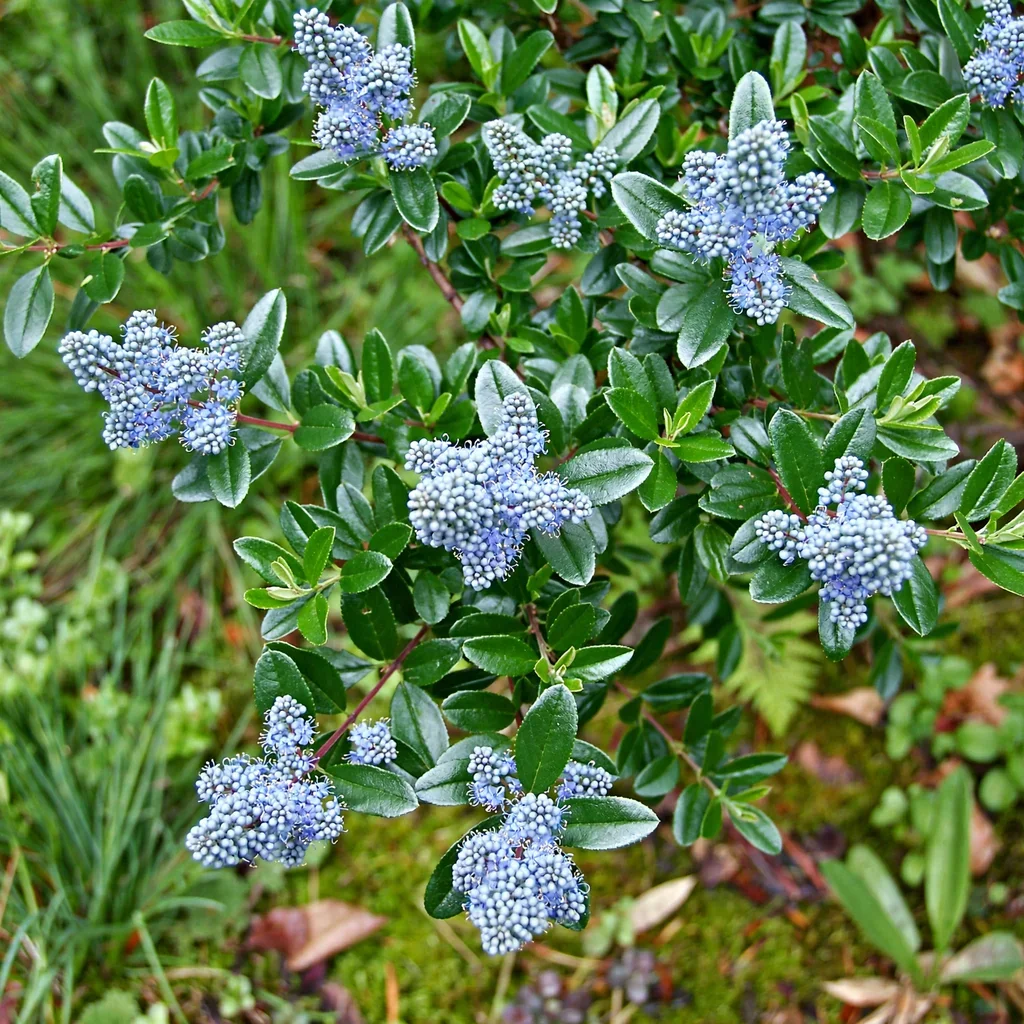
Yankee Point California Lilac
Ceanothus thyrsiflorus 'Yankee Point'
Keep exploring
Explore the genus
Hardy in your zone?
Grow Deerbrush with confidence
See it in a design of your actual yard, get zone-matched care reminders, and track it season by season in your garden journal.