The Story
Plant Bio
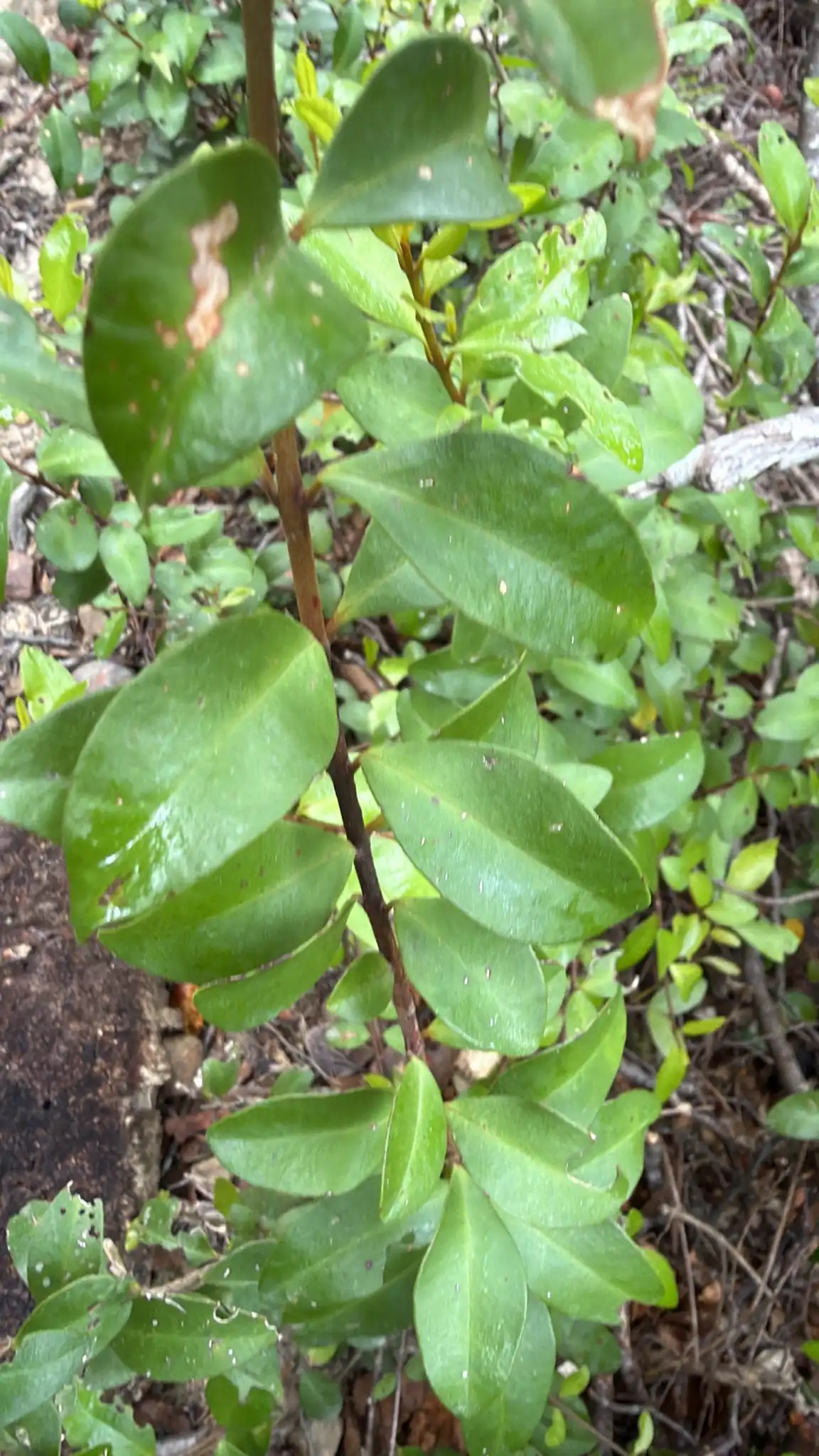
Metrosideros fulgens, the scarlet rātā vine, is a heavy evergreen woody climber native to New Zealand that clings to structures using short adventitious rootlets before developing thick, rope-like stems. The floral display comes from rounded terminal clusters of long, brilliant scarlet-to-orange stamens tipped with yellow pollen, held above glossy, elliptic green leaves.
Unlike most flowering vines that bloom in late spring or summer, this species flowers through fall and winter when few other garden plants are active. Mature plants produce heavy, twisted woody trunks that eventually hang free from their host support, allowing the vine to grow either as a tall vertical climber or a sprawling shrub in open ground.
Uses & Benefits:
Essentials
At a Glance
Plant Type
Vine
Height
360"
Width
120"
Light
Full Sun, Partial Sun
Zones
9, 10
Water
Moderate
Humidity
Moderate to High
Lifespan
Perennial
Native To
New Zealand
Toxicity
Non-toxic to humans and pets
Bloom period
Autumn – Winter
In flower about 6 months of the year
Planting
How to Grow
- Select a planting site in full sun or light partial shade with highly permeable, fertile soil.
- Install a strong support structure or plant near a sturdy host tree before setting the vine into the ground.
- Dig a planting hole twice as wide as the root ball and backfill with soil amended with organic compost.
- Water thoroughly upon planting and maintain consistent soil moisture, ensuring water drains freely without pooling.
Pro Tip
Never prune back into bare, leafless woody stems, as old wood lacks epicormic buds and will fail to reshoot. Restrict all trimming to light shaping of soft green growth immediately after winter flowering concludes.
Keep It Thriving
Care Guide
Do
- Provide pristine soil drainage to protect the root system from fungal decay.
- Apply a slow-release organic fertilizer in spring to encourage steady vegetative growth.
- Protect young, establishing plants from severe frosts below 25°F (-4°C).
Don't
- Do not hard-prune old, leafless woody stems, which cannot generate new shoots.
- Do not allow soil to remain chronically soggy or waterlogged.
- Do not over-fertilize with high-nitrogen feeds, which encourage soft leaves at the expense of floral buds.
Seasonal Care Calendar
| Task | Jan | Feb | Mar | Apr | May | Jun | Jul | Aug | Sep | Oct | Nov | Dec |
|---|---|---|---|---|---|---|---|---|---|---|---|---|
| Fertilize | ||||||||||||
| Mulch | ||||||||||||
| Pest Check | ||||||||||||
| Prune |
Watch Out For
Pests & Diseases
Common Pests
Common Diseases
In the Garden
Landscape Uses & Companions
Landscape Uses
Multiply
Propagation Methods
Good to Know
Common Questions
Scarlet Rātā Vine questions
What zones can Scarlet Rātā Vine grow in?
Scarlet Rātā Vine is hardy in USDA Zones 9–10: in that range it survives winter in the ground. Colder than Zone 9, grow it in a container you can move to shelter for the winter, or as an annual.
Is Scarlet Rātā Vine deer resistant?
Not reliably. Deer may browse Scarlet Rātā Vine, especially tender spring growth — plan on repellents or fencing where pressure is high.
When does Scarlet Rātā Vine bloom?
Scarlet Rātā Vine typically blooms from fall to winter. Exact timing shifts a week or two with your zone — Sow's bloom calendar maps it to your garden.
Does Scarlet Rātā Vine need full sun?
Scarlet Rātā Vine does best in full sun to part shade. In hot climates, afternoon shade keeps blooms fresher longer.
More Metrosideros to compare
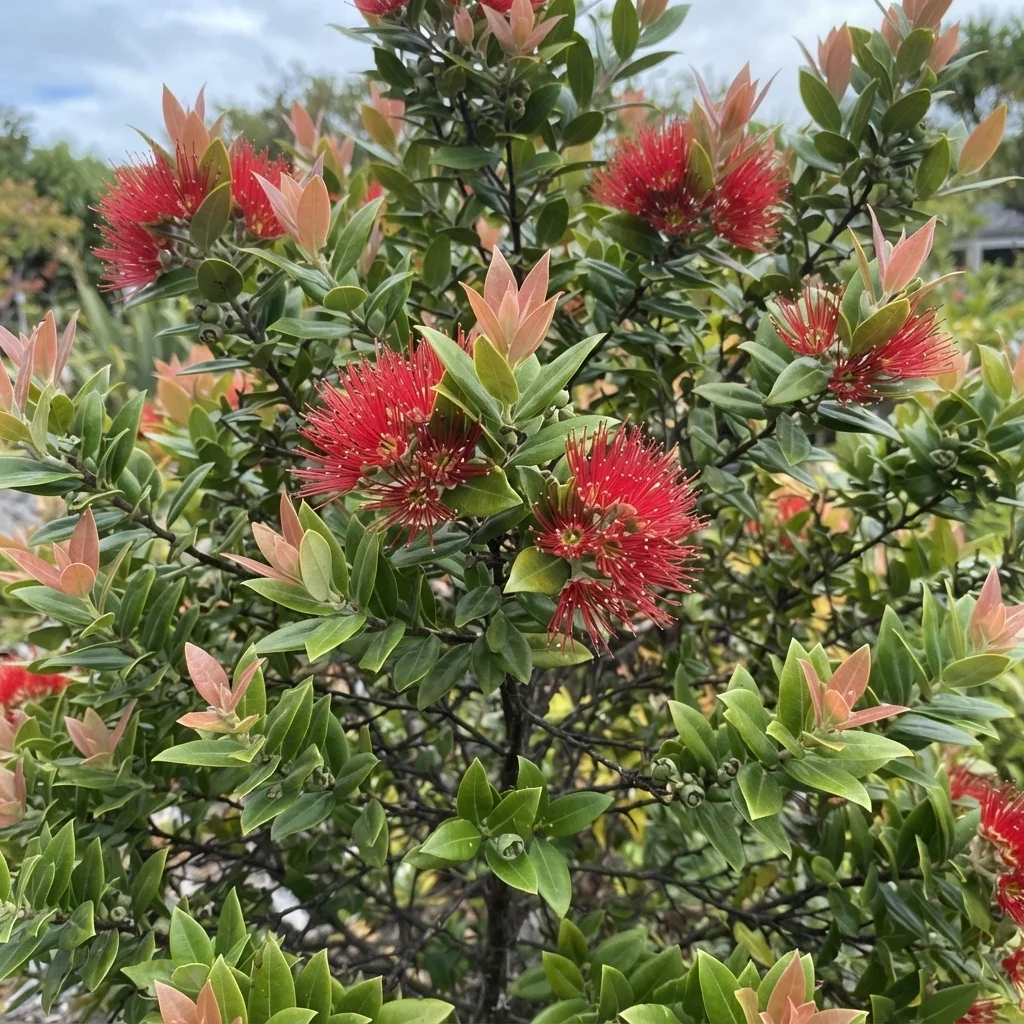
Southern Rata
Metrosideros umbellata
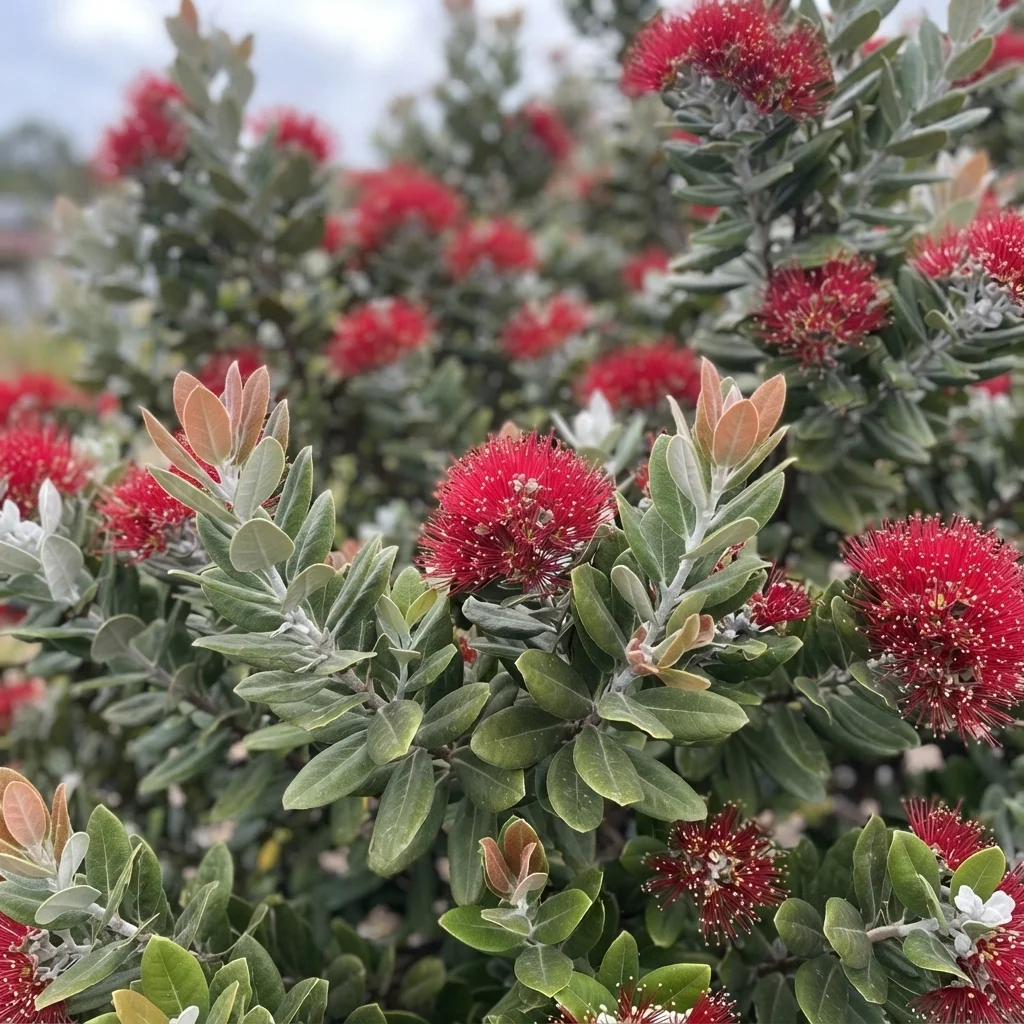
New Zealand Christmas Tree
Metrosideros excelsa
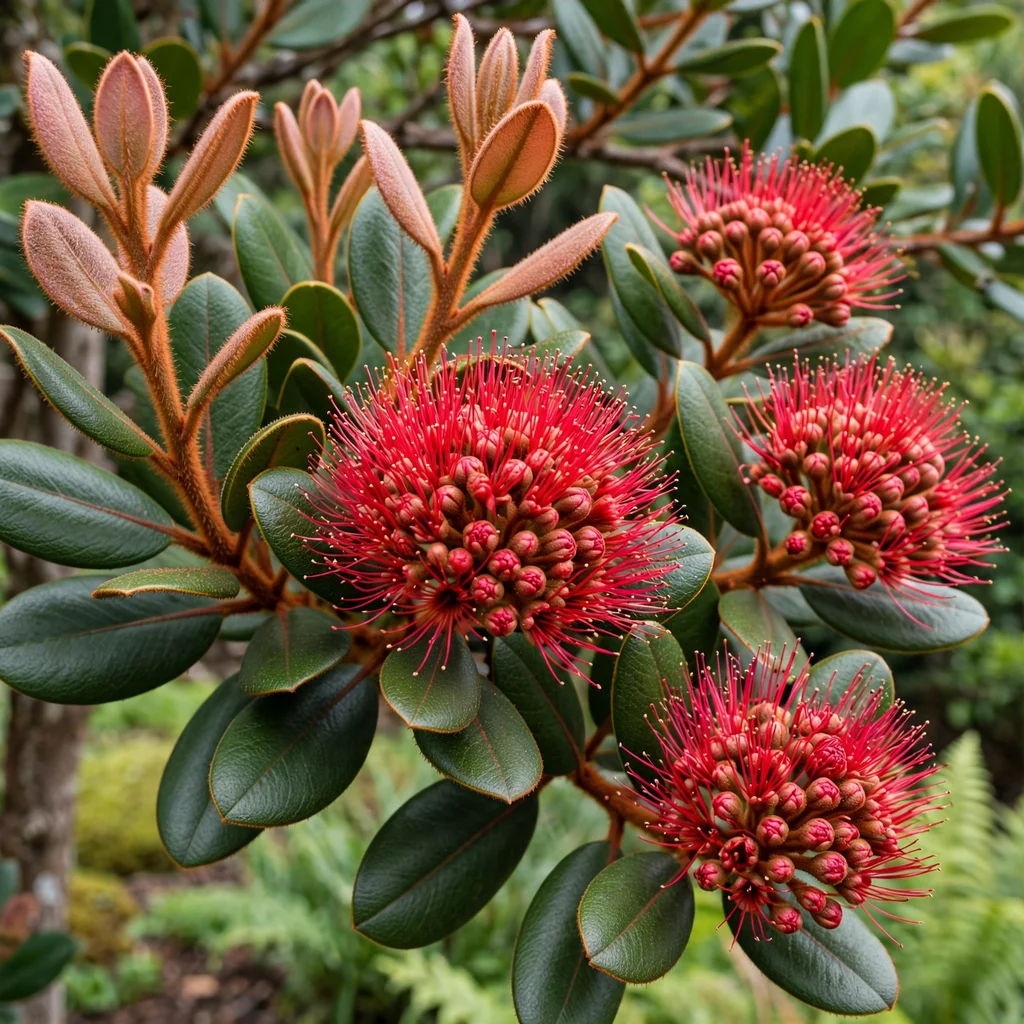
Northern Rātā
Metrosideros robusta
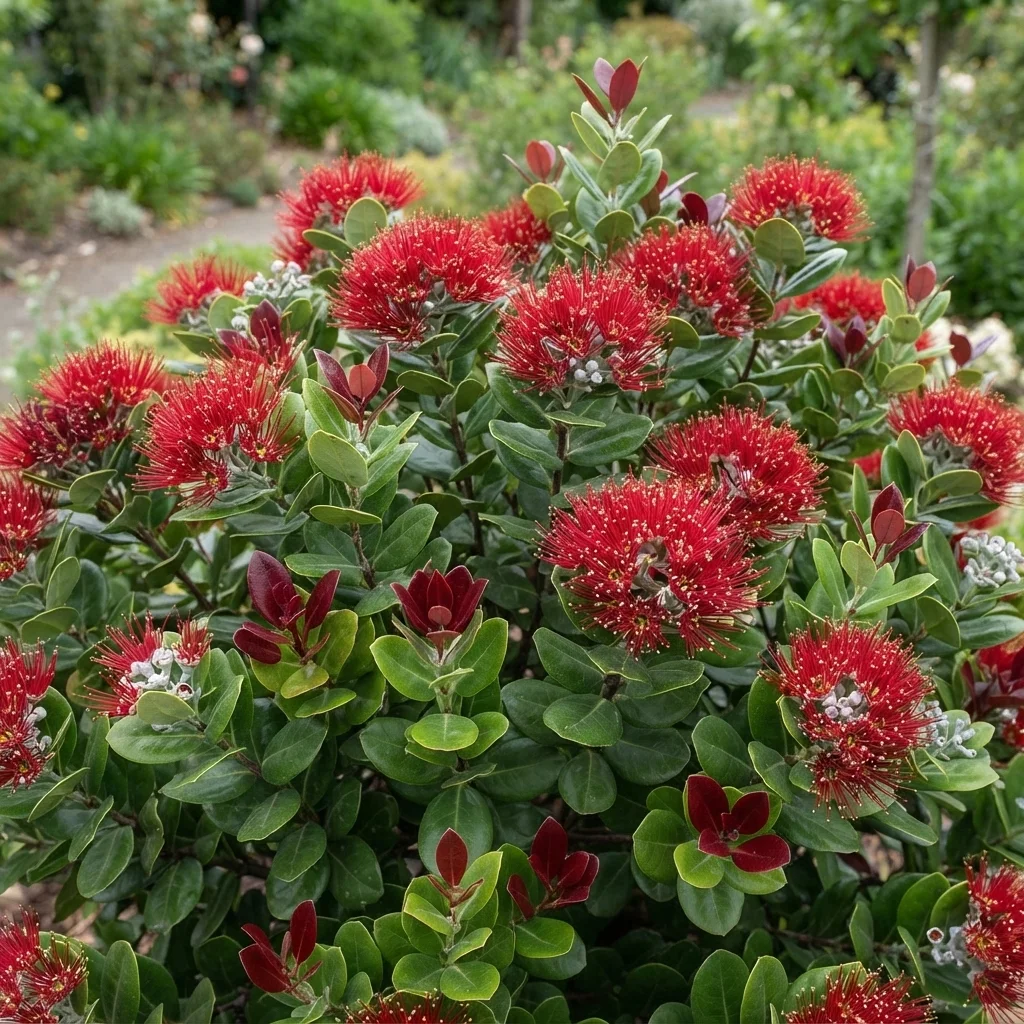
New Zealand Christmas Bush
Metrosideros collina 'Fiji Fire'
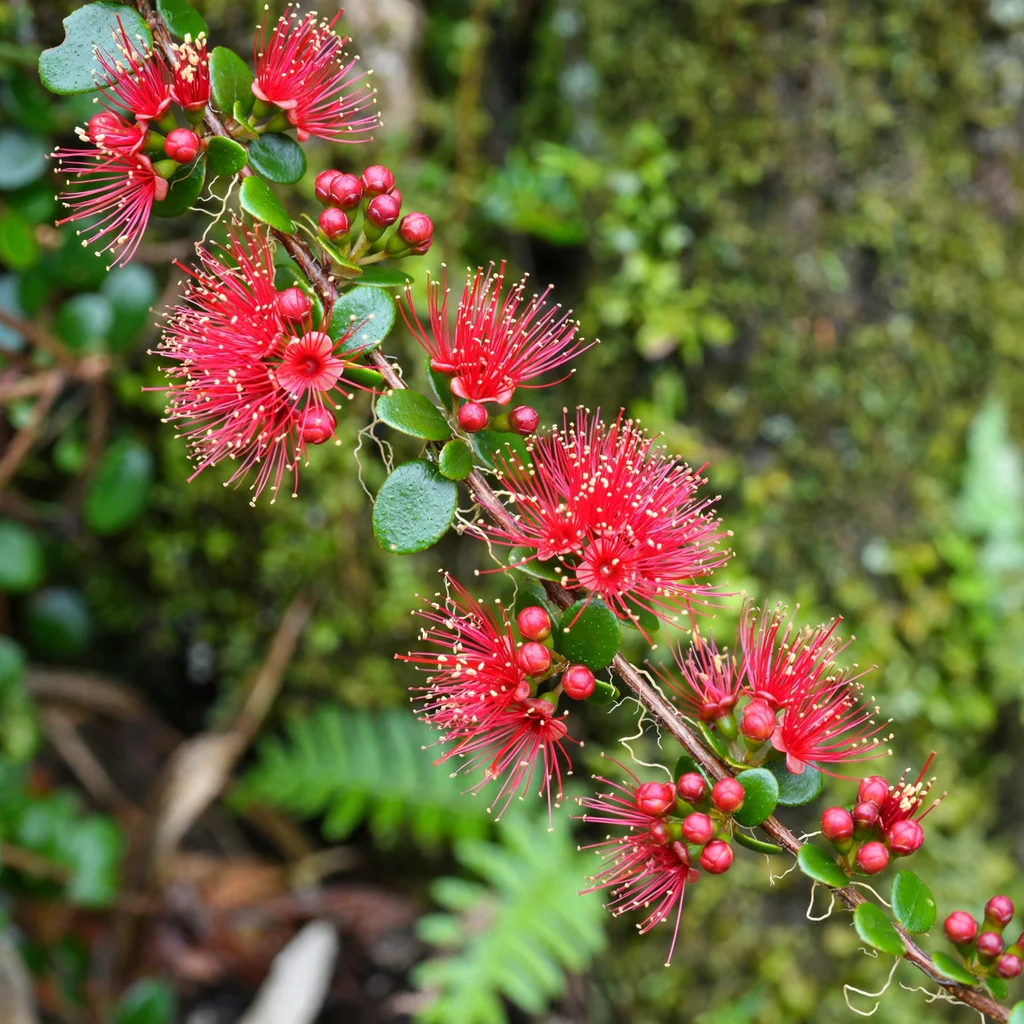
Carmine Rata
Metrosideros carminea
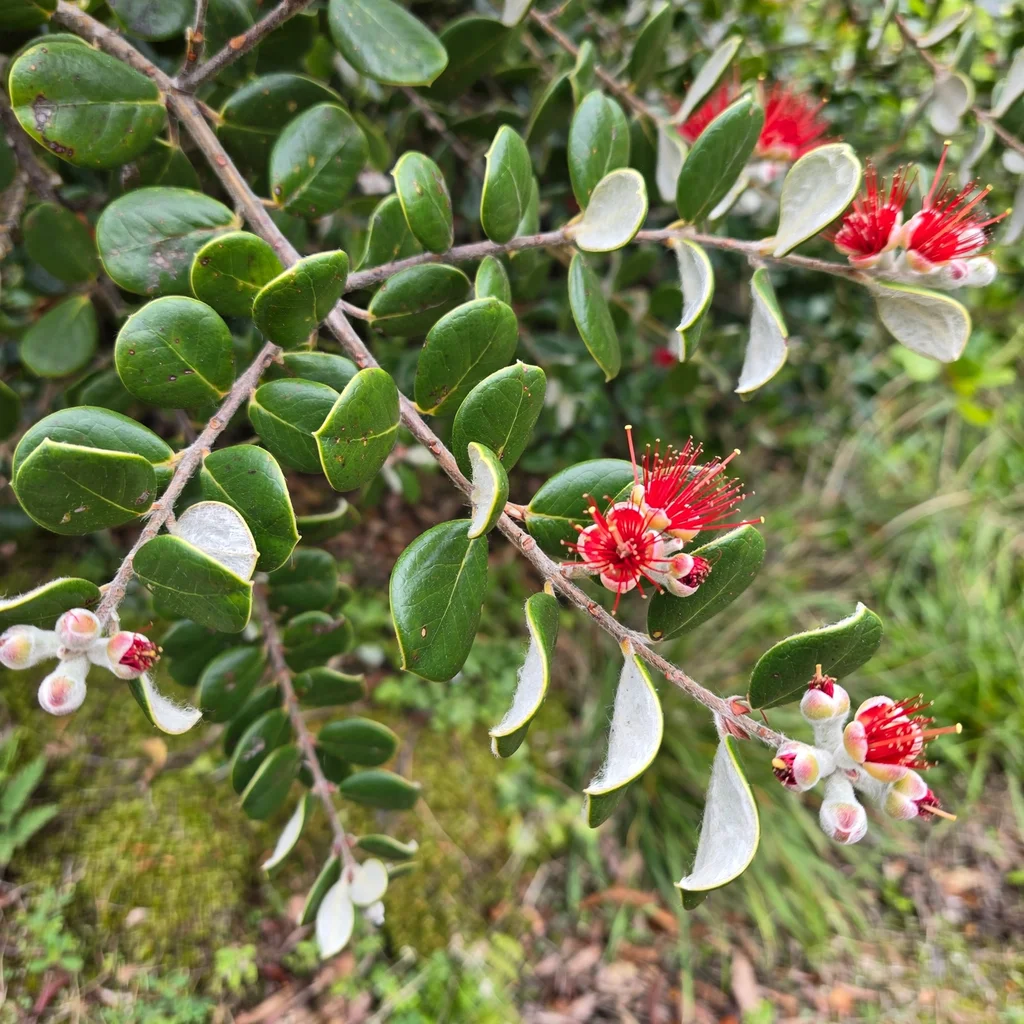
Kermadec Pohutukawa
Metrosideros kermadecensis
Keep exploring
Explore the genus
Hardy in your zone?
Grow Scarlet Rātā Vine with confidence
See it in a design of your actual yard, get zone-matched care reminders, and track it season by season in your garden journal.