The Story
Plant Bio
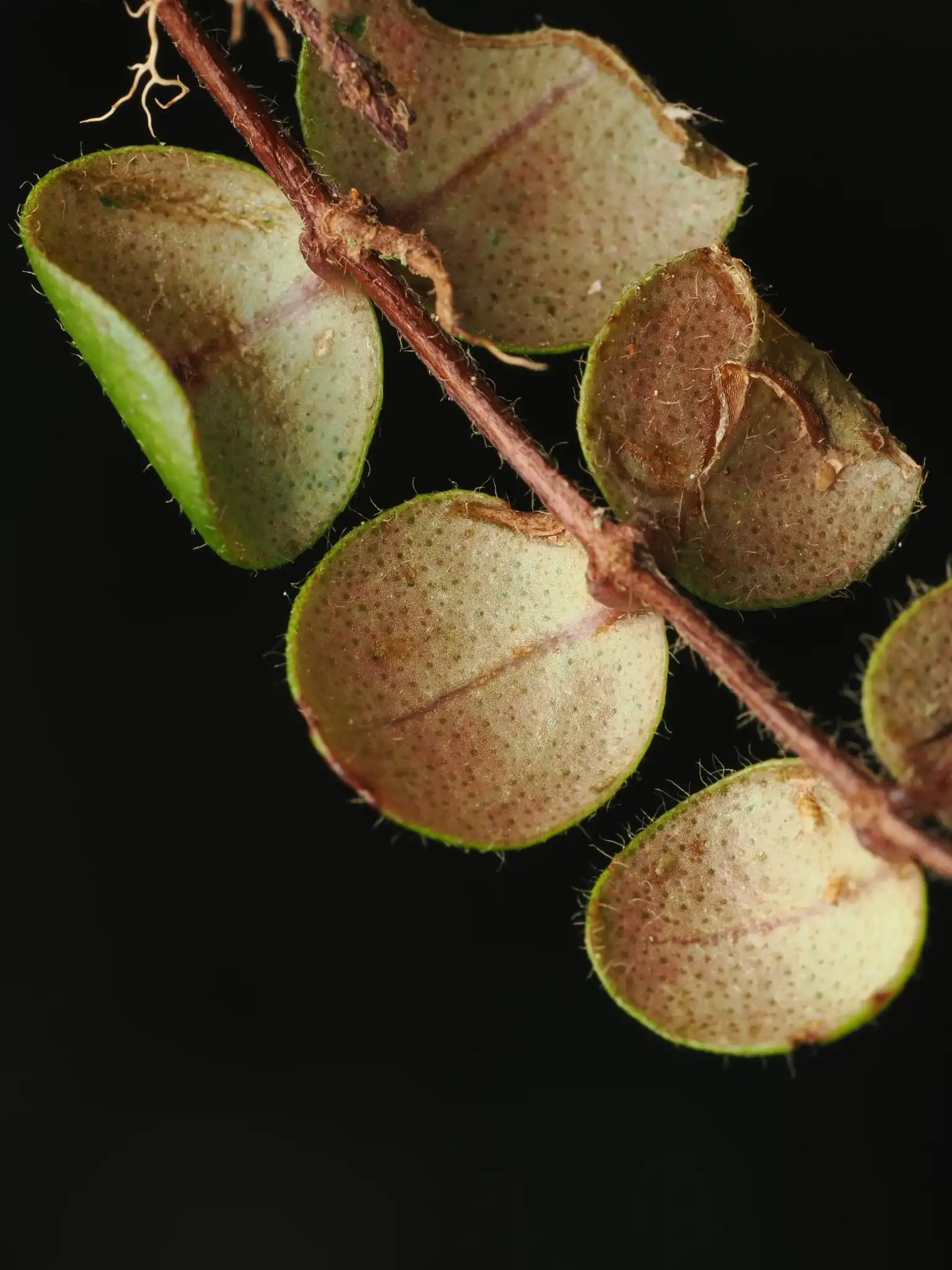
Metrosideros carminea is a dimorphic evergreen vine native to coastal and lowland forests of New Zealand's North Island. It climbs using short aerial roots along stems when juvenile before maturing into a heavy woody vine with dark, glossy foliage.
From late winter into spring, massed clusters of brilliant carmine-red stamens completely obscure the foliage. Cuttings taken from mature flowering branches bypass the climbing juvenile stage entirely, growing instead as compact, self-supporting shrubs.
Uses & Benefits:
Essentials
At a Glance
Plant Type
Vine
Height
591"
Width
118"
Light
Full Sun, Partial Sun
Zones
9, 10
Water
Moderate
Humidity
Moderate to High
Lifespan
Perennial
Native To
New Zealand (North Island)
Toxicity
Non-toxic
Bloom period
Late winter – Mid-spring
In flower about 3 months of the year
Planting
How to Grow
- Plant in full sun to partial shade using humus-rich, organic, well-draining soil.
- Position the base to keep roots shaded and cool while allowing top growth access to light.
- Water regularly during warm weather to maintain continuous soil moisture without saturating.
- Trim light outer growth immediately after flowering finishes in late spring.
Pro Tip
Propagate strictly from adult flowering wood if a self-supporting shrub form is desired, as juvenile cuttings will continuously climb and produce aerial attachment roots.
Keep It Thriving
Care Guide
Do
- Keep the soil consistently moist, especially during dry periods.
- Protect young plants from frost until well established.
- Apply a light top-dressing of organic compost or low-phosphorus fertilizer in early spring.
Don't
- Do not prune hard into bare, leafless old wood, as stems fail to break buds reliably.
- Do not allow the root zone to dry out completely.
- Do not feed heavily with high-phosphorus chemical fertilizers.
Seasonal Care Calendar
| Task | Jan | Feb | Mar | Apr | May | Jun | Jul | Aug | Sep | Oct | Nov | Dec |
|---|---|---|---|---|---|---|---|---|---|---|---|---|
| Fertilize | ||||||||||||
| Mulch | ||||||||||||
| Pest Check | ||||||||||||
| Prune | ||||||||||||
| Winter Prep |
Watch Out For
Pests & Diseases
Common Pests
Common Diseases
In the Garden
Landscape Uses & Companions
Landscape Uses
Companion Plants
Multiply
Propagation Methods
Good to Know
Common Questions
Carmine Rata questions
What zones can Carmine Rata grow in?
Carmine Rata is hardy in USDA Zones 9–10: in that range it survives winter in the ground. Colder than Zone 9, grow it in a container you can move to shelter for the winter, or as an annual.
Is Carmine Rata deer resistant?
Not reliably. Deer may browse Carmine Rata, especially tender spring growth — plan on repellents or fencing where pressure is high.
When does Carmine Rata bloom?
Carmine Rata typically blooms from late winter to mid-spring. Exact timing shifts a week or two with your zone — Sow's bloom calendar maps it to your garden.
Does Carmine Rata need full sun?
Carmine Rata does best in full sun to part shade. In hot climates, afternoon shade keeps blooms fresher longer.
More Metrosideros to compare
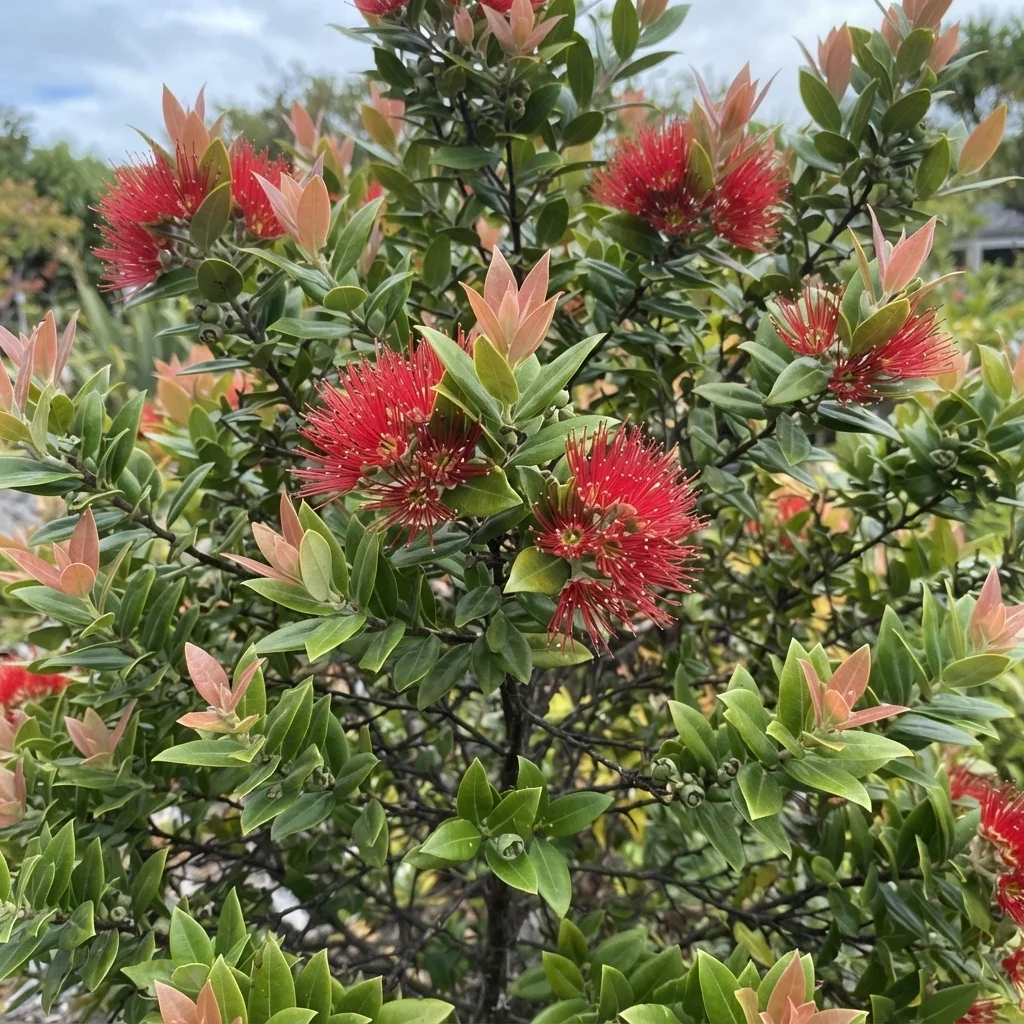
Southern Rata
Metrosideros umbellata
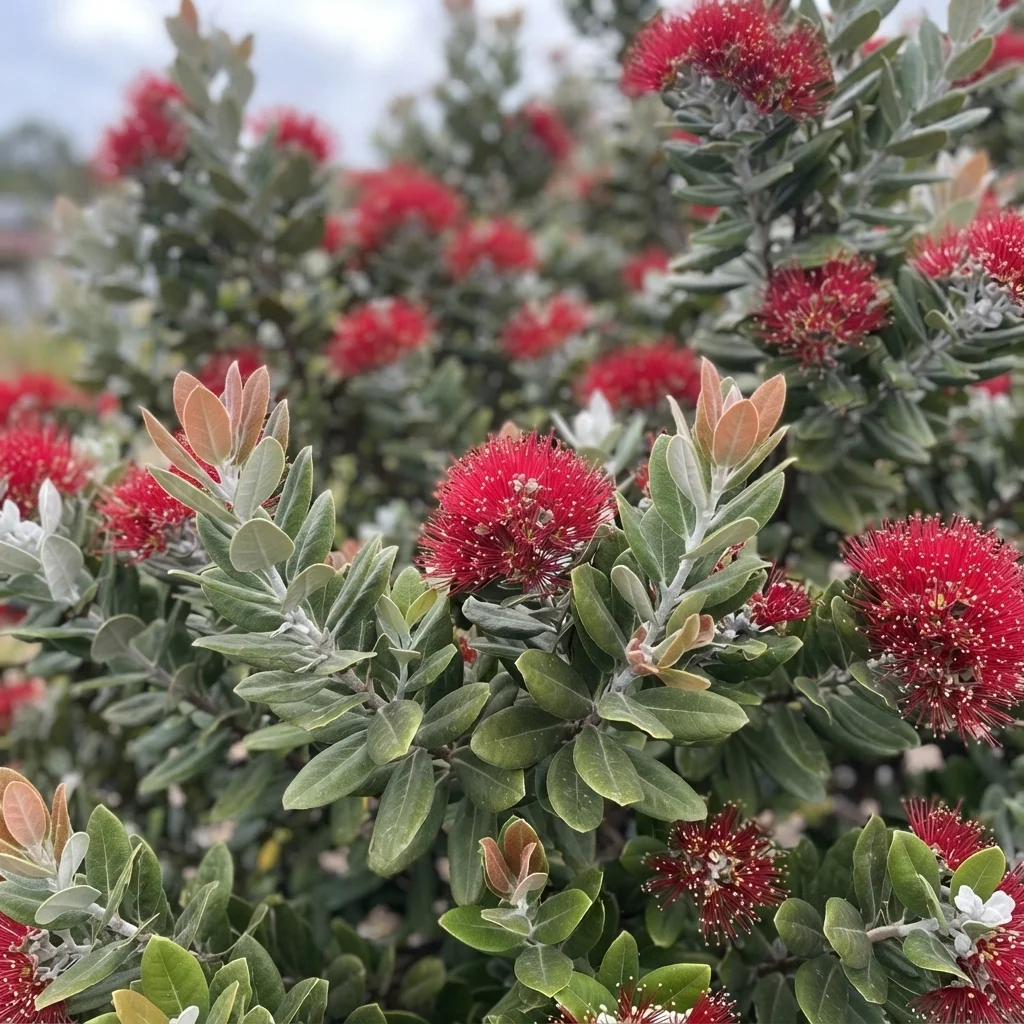
New Zealand Christmas Tree
Metrosideros excelsa
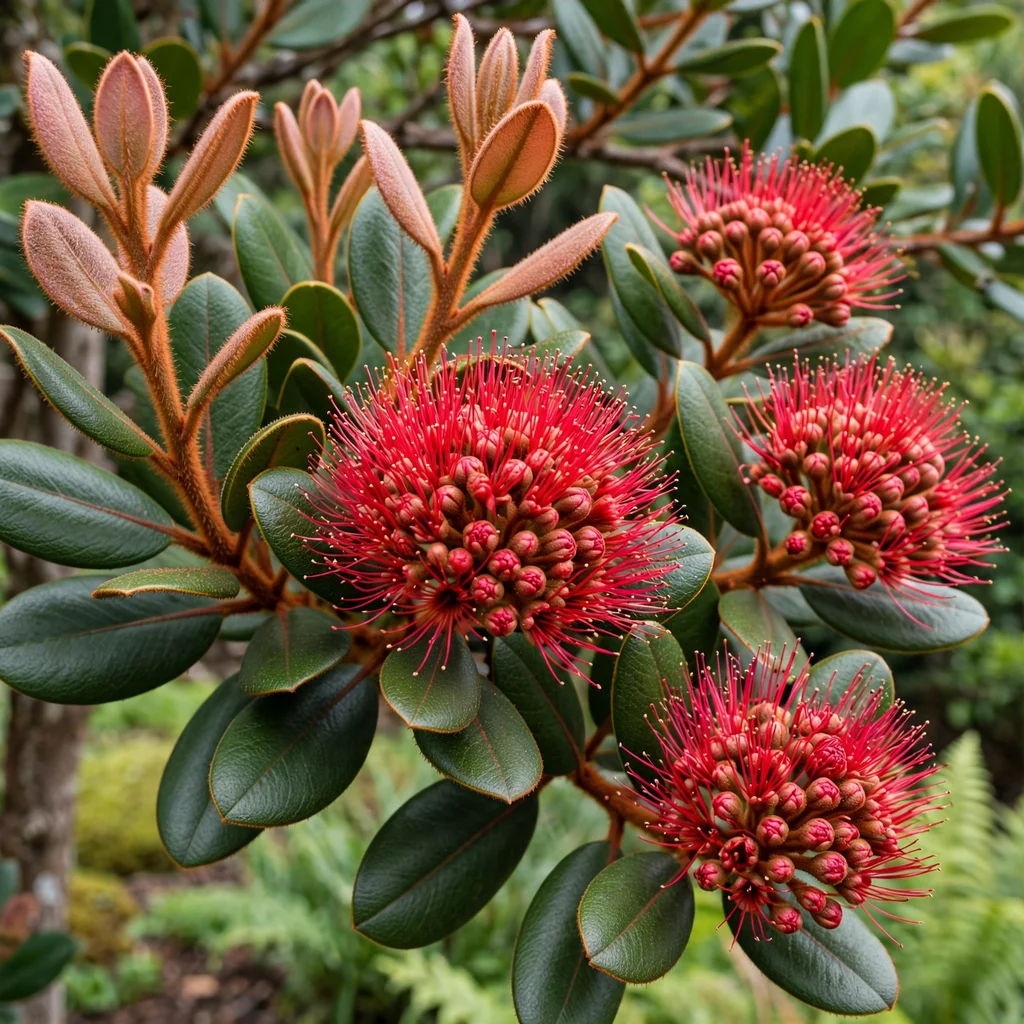
Northern Rātā
Metrosideros robusta
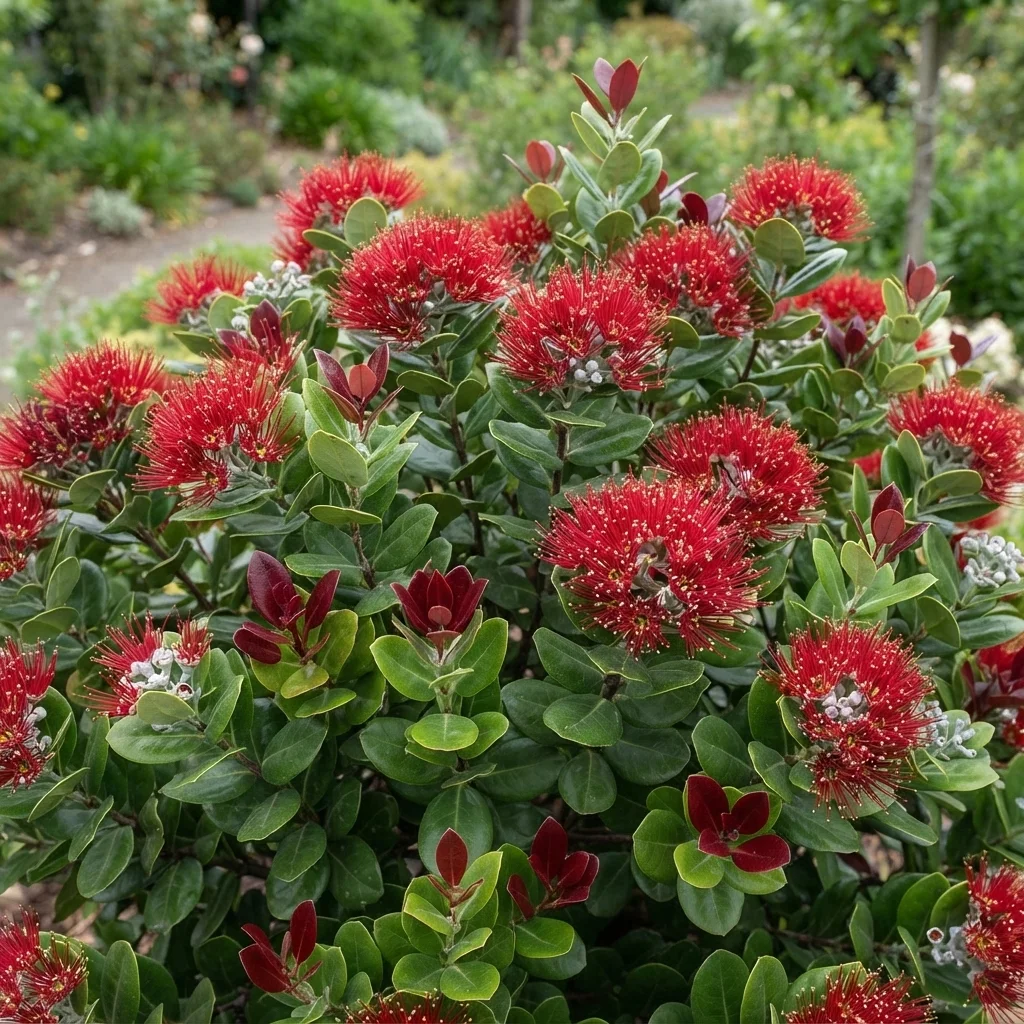
New Zealand Christmas Bush
Metrosideros collina 'Fiji Fire'
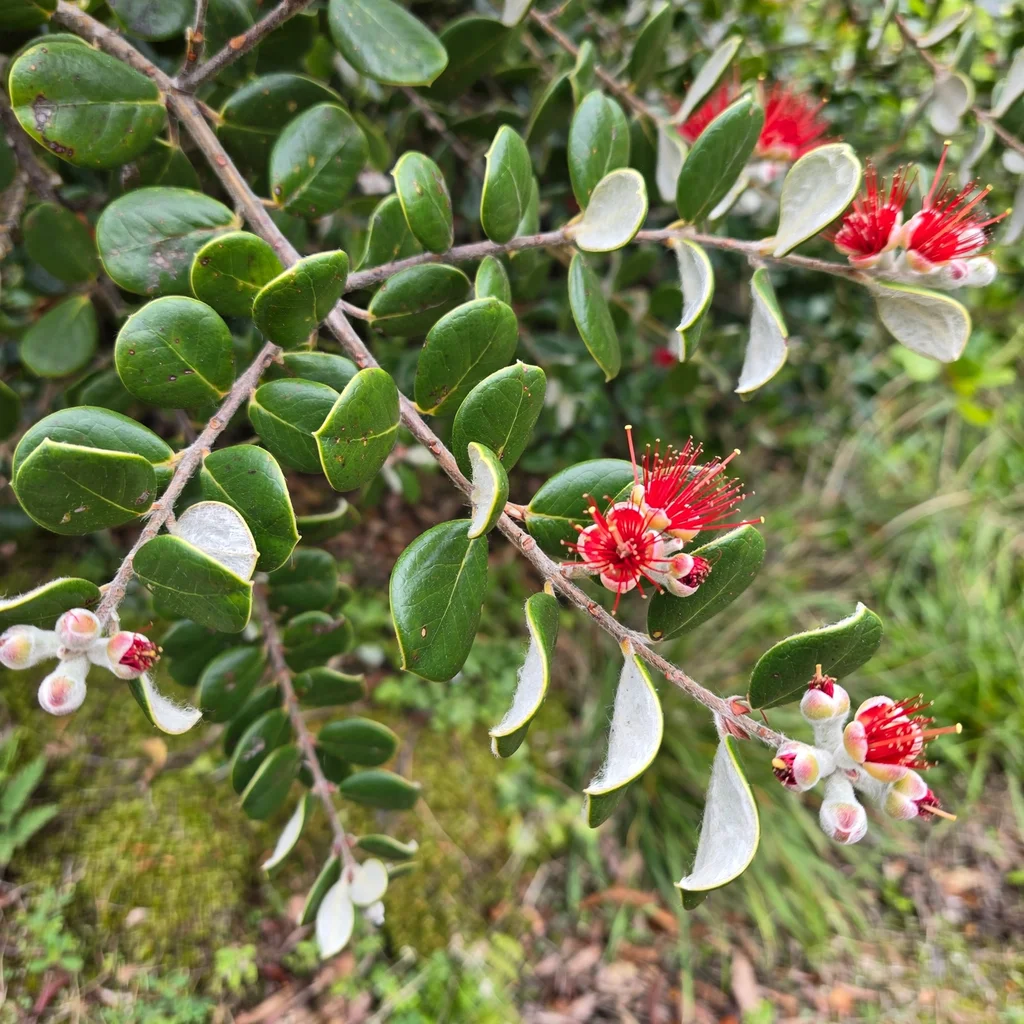
Kermadec Pohutukawa
Metrosideros kermadecensis
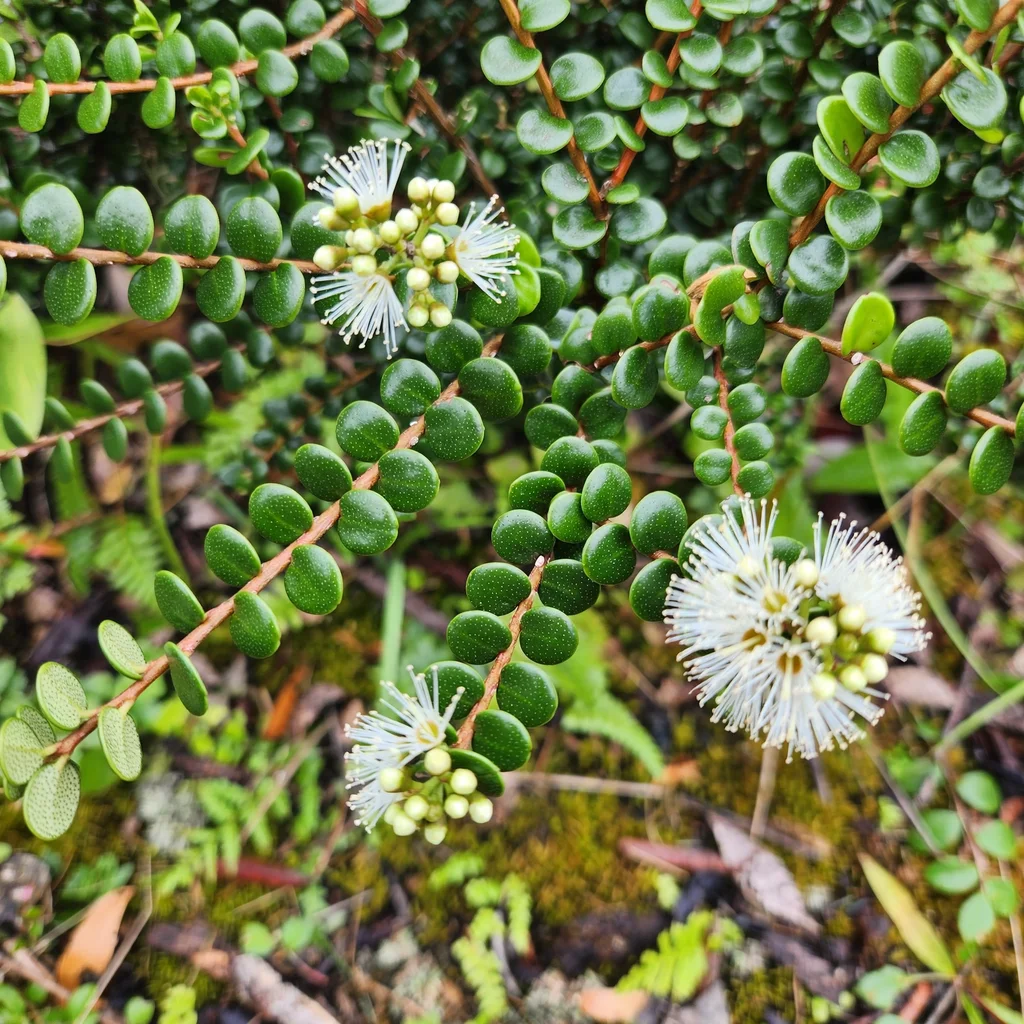
White Rātā
Metrosideros perforata
Keep exploring
Explore the genus
Hardy in your zone?
Grow Carmine Rata with confidence
See it in a design of your actual yard, get zone-matched care reminders, and track it season by season in your garden journal.