The Story
Plant Bio
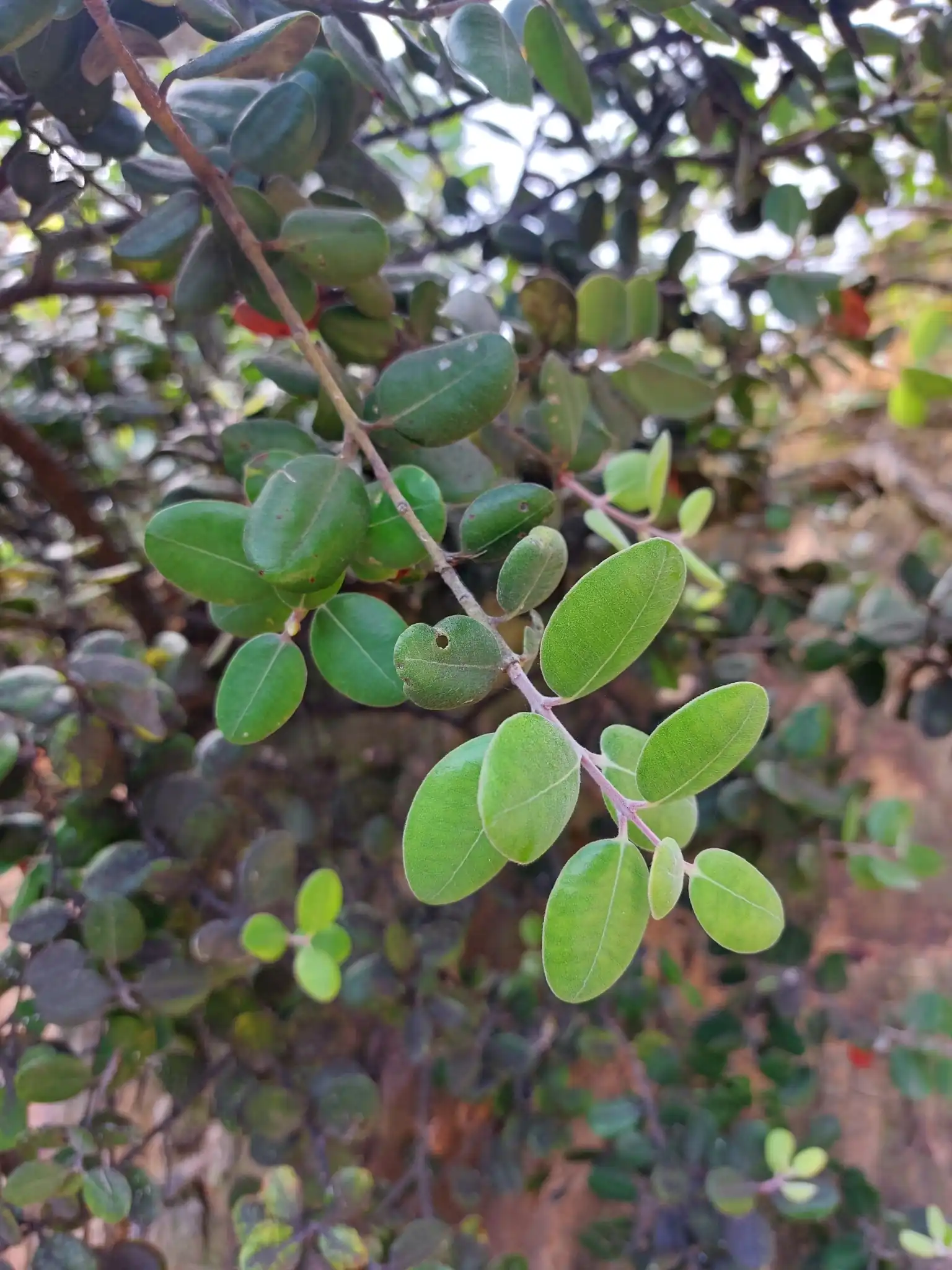
Metrosideros kermadecensis is an evergreen woody tree or dense shrub with thick, leathery leaves featuring recurved margins and densely white-woolly undersides. The floral display consists of dense, rounded terminal clusters of bright crimson-red stamens produced in flushes throughout the year, peaking from late winter through summer.
Distinguished from mainland pohutukawa by its smaller, rounder, elliptic foliage and more compact growth habit, this species flowers almost continuously in mild climates. It demonstrates exceptional resistance to severe ocean winds, salt spray, and atmospheric humidity.
Uses & Benefits:
Essentials
At a Glance
Plant Type
Tree
Height
354"
Width
236"
Light
Full Sun, Partial Sun
Zones
9, 10
Water
Low to moderate
Humidity
High
Lifespan
Perennial
Native To
Kermadec Islands (New Zealand)
Toxicity
Non-toxic
Bloom period
Spring – Summer
In flower about 6 months of the year
Planting
How to Grow
- Plant in full sun to mostly sun in well-drained sandy or loamy soil.
- Water regularly during the first growing season to establish a deep root system.
- Apply a light application of balanced slow-release fertilizer in early spring.
- Tip-prune leafy shoots post-bloom to maintain shape, avoiding mature bare stems.
Pro Tip
Prune only into leafy shoot tips immediately after main flowering finishes; cutting deep into bare, old wood will kill the branches because stems lack epicormic buds.
Keep It Thriving
Care Guide
Do
- Plant in soil with exceptional drainage.
- Protect young foliage from severe frosts below 20°F (-6°C).
- Lightly trim green stems immediately after peak flowering.
Don't
- Do not prune deep into old bare wood lacking leaves.
- Do not overwater or plant in poorly drained, waterlogged soils.
- Do not over-fertilize with heavy nitrogen applications.
Seasonal Care Calendar
| Task | Jan | Feb | Mar | Apr | May | Jun | Jul | Aug | Sep | Oct | Nov | Dec |
|---|---|---|---|---|---|---|---|---|---|---|---|---|
| Fertilize | ||||||||||||
| Pest Check | ||||||||||||
| Prune | ||||||||||||
| Winter Prep |
Watch Out For
Pests & Diseases
Common Pests
Common Diseases
In the Garden
Landscape Uses & Companions
Landscape Uses
Multiply
Propagation Methods
Good to Know
Common Questions
Kermadec Pohutukawa questions
What zones can Kermadec Pohutukawa grow in?
Kermadec Pohutukawa is hardy in USDA Zones 9–10: in that range it survives winter in the ground. Colder than Zone 9, winters are too cold for it to survive outdoors.
Is Kermadec Pohutukawa deer resistant?
Not reliably. Deer may browse Kermadec Pohutukawa, especially tender spring growth — plan on repellents or fencing where pressure is high.
When does Kermadec Pohutukawa bloom?
Kermadec Pohutukawa typically blooms from spring to summer. Exact timing shifts a week or two with your zone — Sow's bloom calendar maps it to your garden.
Does Kermadec Pohutukawa need full sun?
Kermadec Pohutukawa does best in full sun to part shade. In hot climates, afternoon shade keeps blooms fresher longer.
Is Kermadec Pohutukawa drought tolerant?
Yes — once established (usually after the first full season), Kermadec Pohutukawa handles dry spells with minimal watering. Water deeply its first year to build the root system that makes that possible.
More Metrosideros to compare
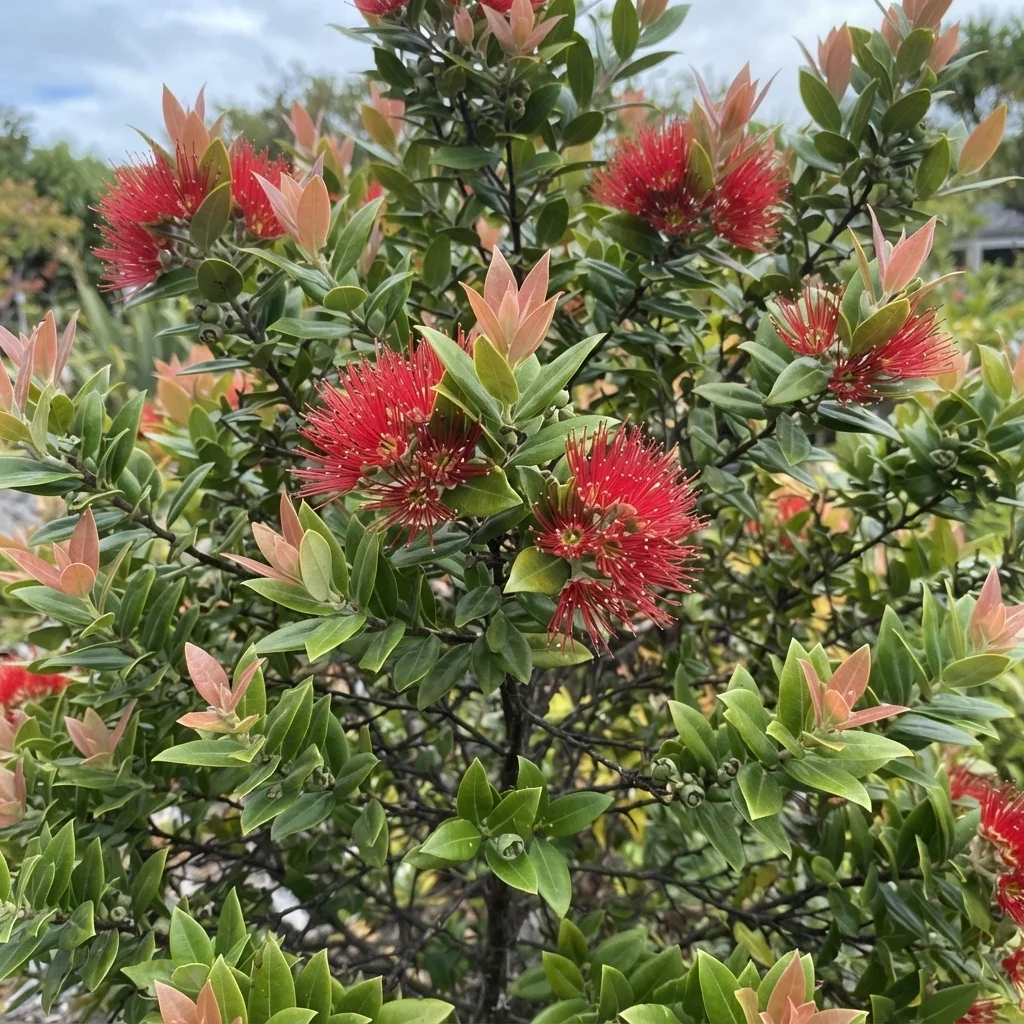
Southern Rata
Metrosideros umbellata
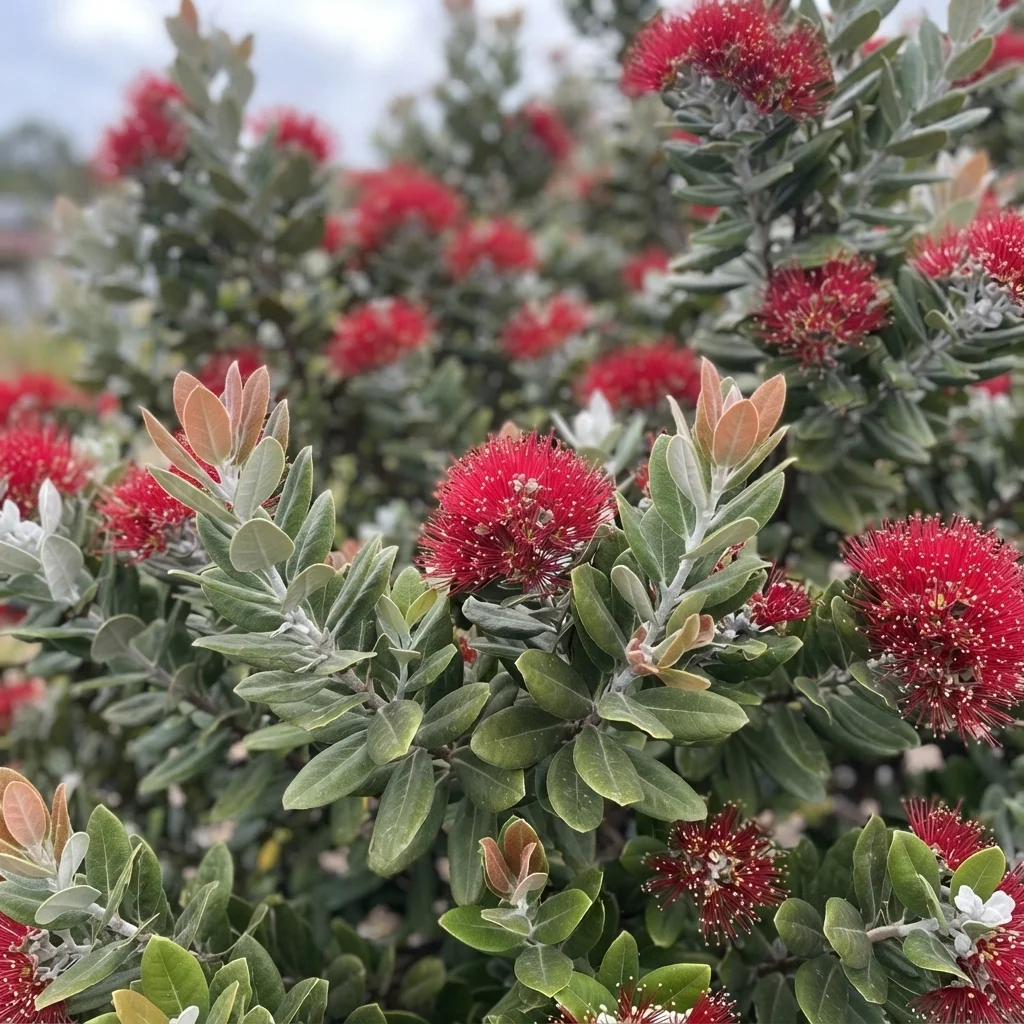
New Zealand Christmas Tree
Metrosideros excelsa
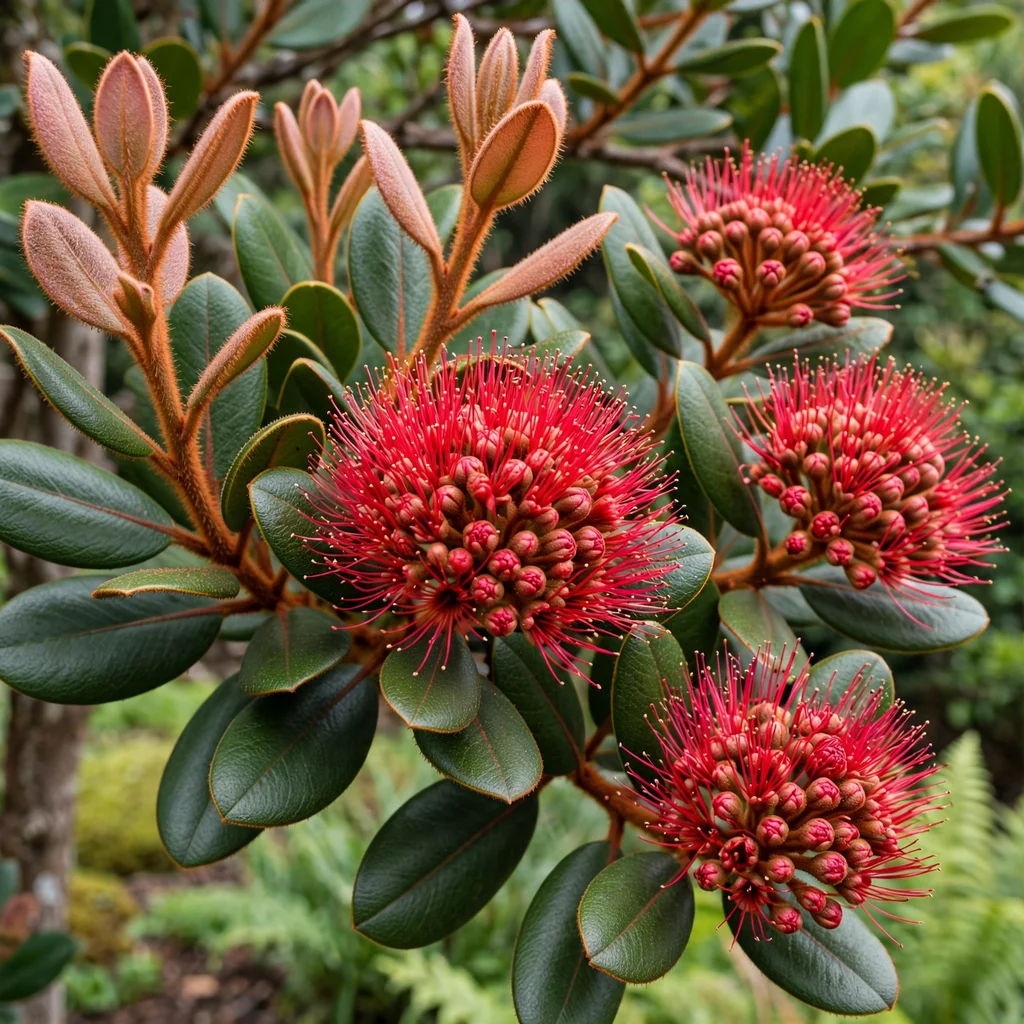
Northern Rātā
Metrosideros robusta
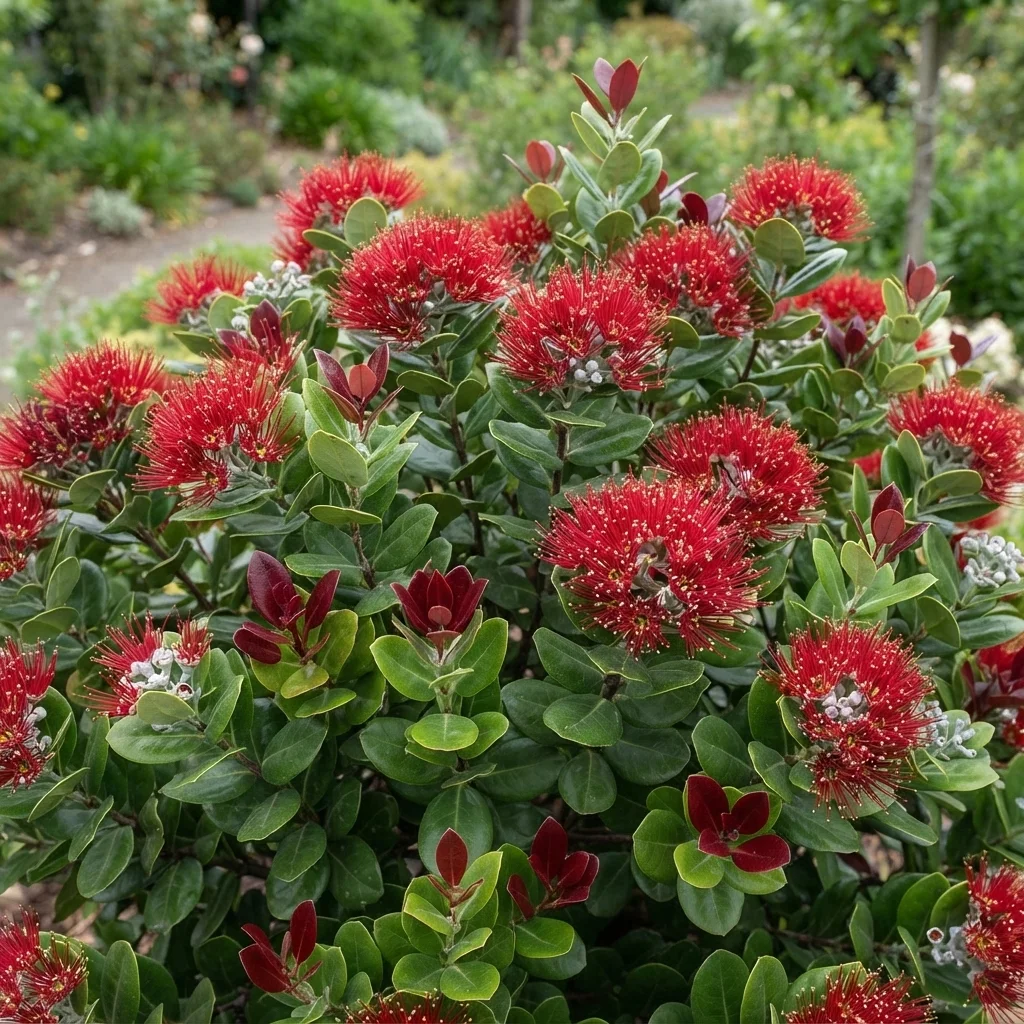
New Zealand Christmas Bush
Metrosideros collina 'Fiji Fire'
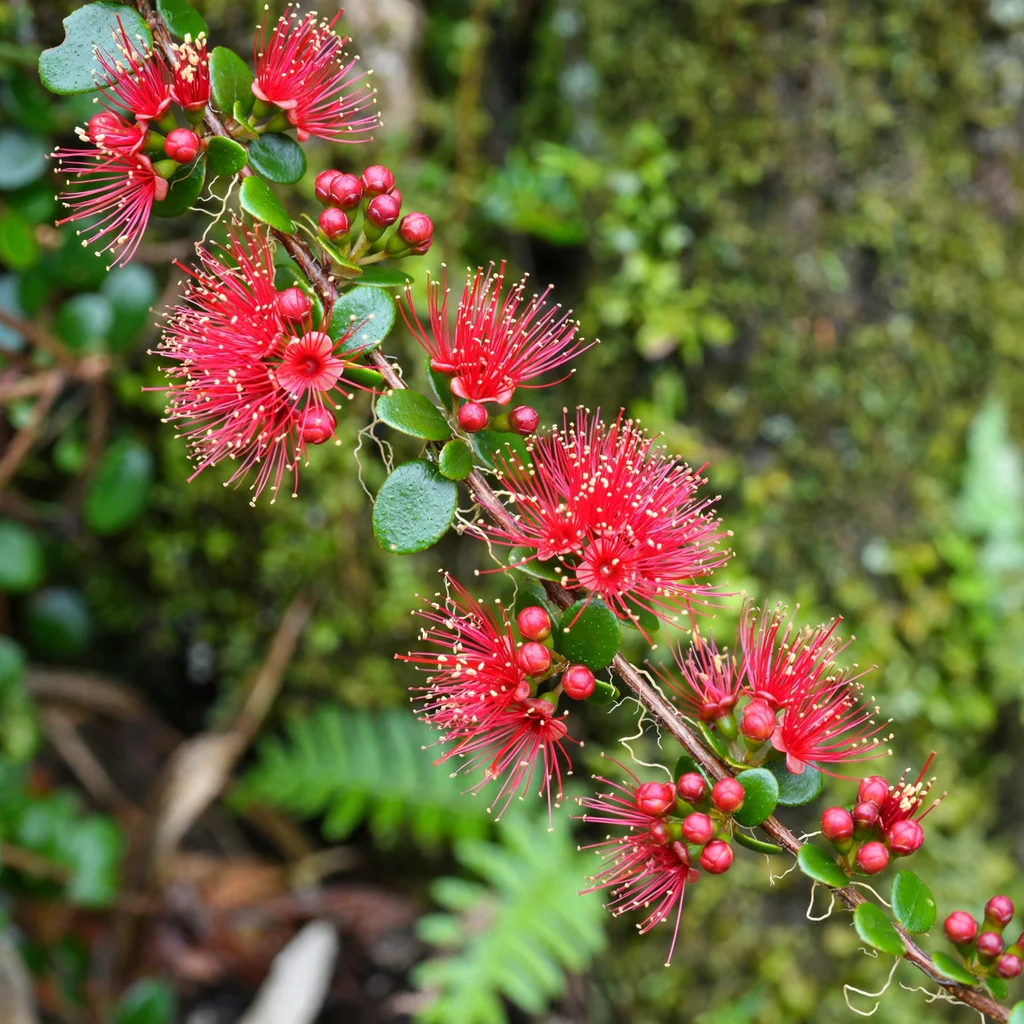
Carmine Rata
Metrosideros carminea
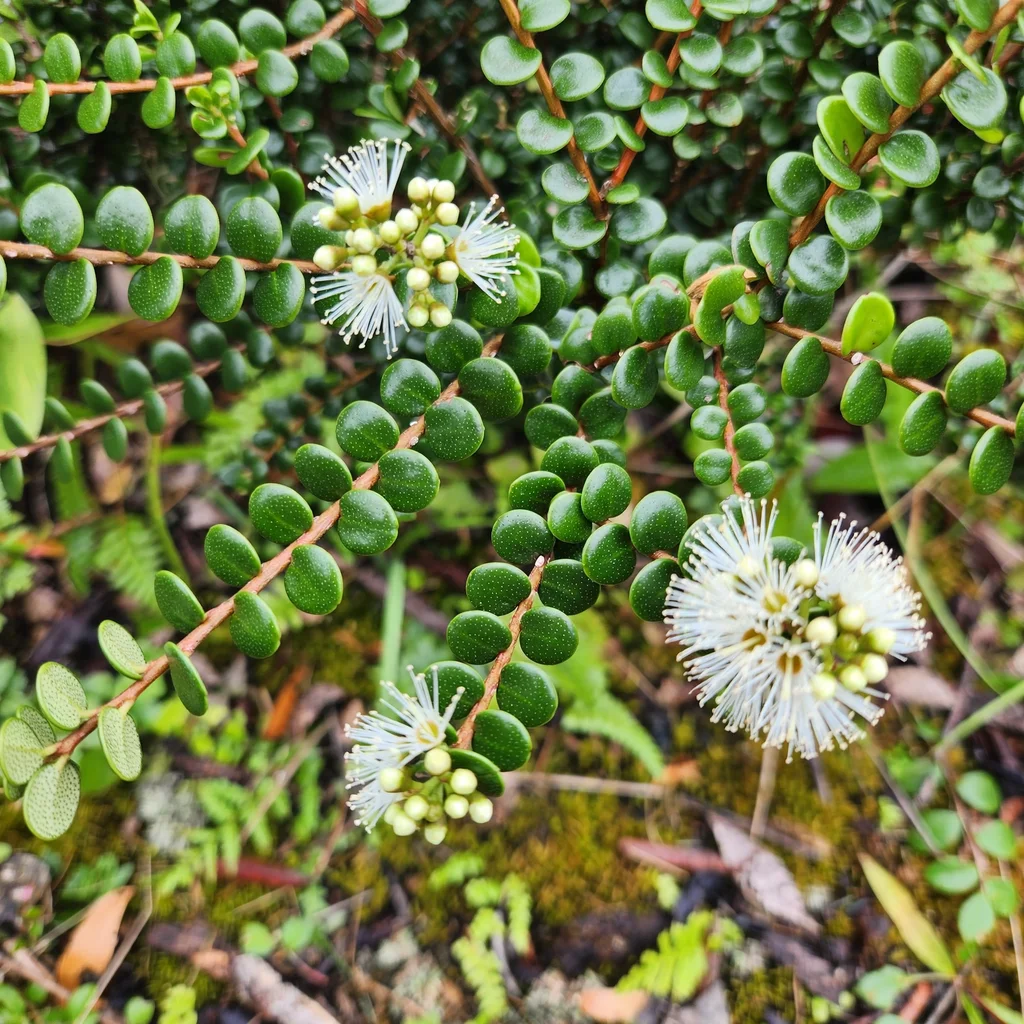
White Rātā
Metrosideros perforata
Keep exploring
Explore the genus
Hardy in your zone?
Grow Kermadec Pohutukawa with confidence
See it in a design of your actual yard, get zone-matched care reminders, and track it season by season in your garden journal.