The Story
Plant Bio
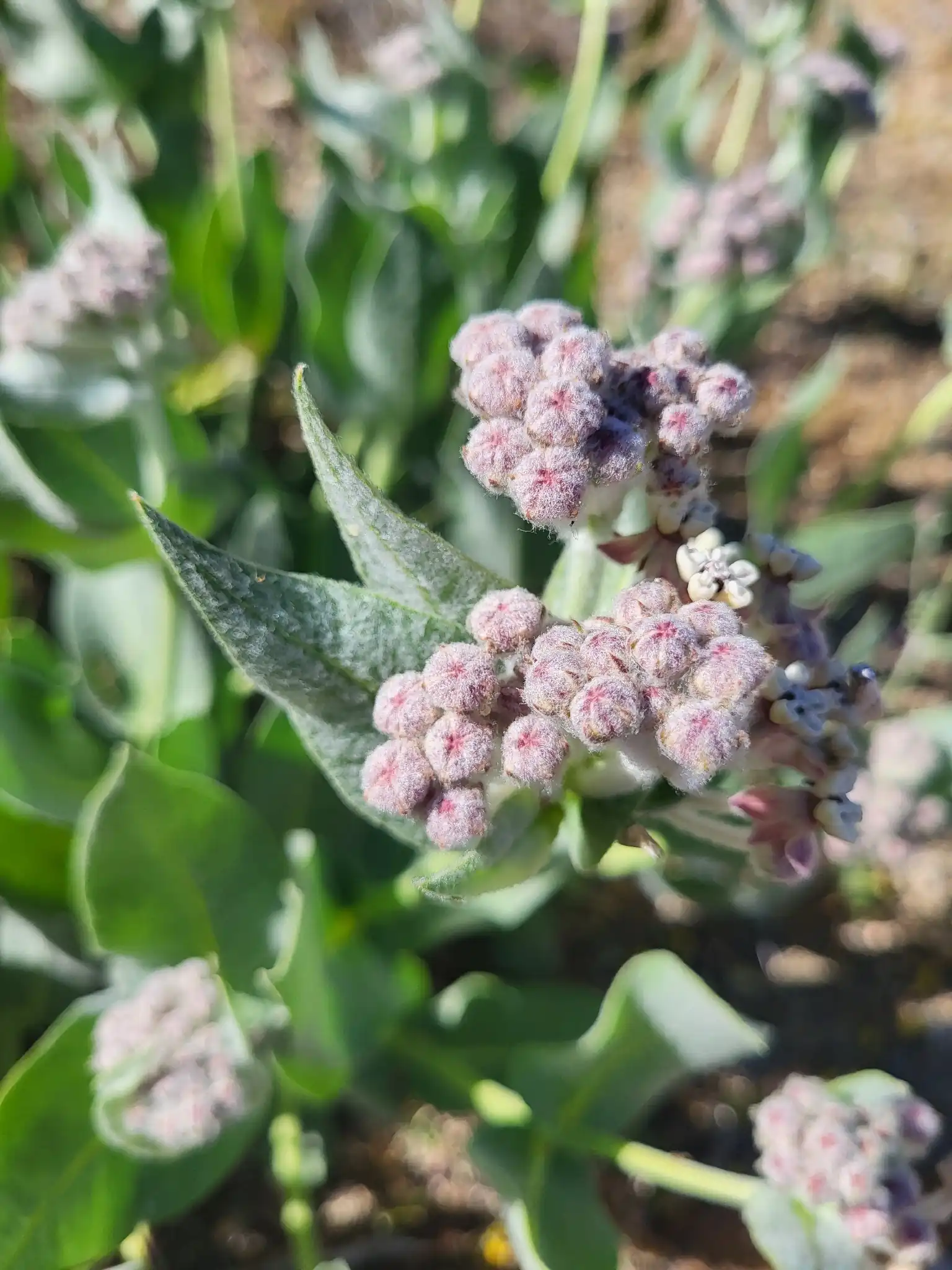
Asclepias vestita is a deciduous perennial milkweed forming multiple ascending to sprawling stems from a deep taproot, reaching one to three feet tall. The thick opposite leaves are oval to lance-shaped and coated in fine white hairs that give the foliage a silvery-green, woolly cast.
This California endemic is separated from similar woolly milkweeds by umbels that sit sessile directly on the stem with no peduncle, each carrying about ten reflexed cream to yellow-white flowers tinged purple-brown. It produces the largest seed of the fifteen California milkweeds, and the leaf tips turn distinctly upward.
Uses & Benefits:
Essentials
At a Glance
Plant Type
Perennial
Height
36"
Width
30"
Light
Full Sun, Partial Sun
Zones
8, 9, 10
Water
Low
Humidity
Low
Lifespan
Perennial
Native To
California
Toxicity
Toxic if ingested
Bloom period
Spring – Summer
In flower about 6 months of the year
Planting
How to Grow
- Plant in full sun in dry, sharply drained sandy or rocky soil with pH 6-8.
- Sow stratified seed in place in spring after 30 days of cold-moist stratification.
- Water sparingly through the first season, then reduce to low to very low water once established.
- Leave the winter-dormant crown undisturbed; new stems emerge from the taproot in spring.
Pro Tip
Sow seed where it is to grow; the deep taproot resents transplanting and mature plants do not divide or move.
Keep It Thriving
Care Guide
Do
- Give full sun and sharp drainage with a hot, dry summer rest.
- Leave pods to ripen for seed and monarch habitat.
- Control oleander aphids with water or soap to protect caterpillars.
Don't
- Do not dig, divide, or move established taproots.
- Do not use systemic insecticides on monarch host plants.
- Do not overwater or plant in wet, poorly drained soil.
Seasonal Care Calendar
| Task | Jan | Feb | Mar | Apr | May | Jun | Jul | Aug | Sep | Oct | Nov | Dec |
|---|---|---|---|---|---|---|---|---|---|---|---|---|
| Pest Check | ||||||||||||
| Plant | ||||||||||||
| Propagate | ||||||||||||
| Spring Cleanup | ||||||||||||
| Winter Prep |
Watch Out For
Pests & Diseases
Common Pests
In the Garden
Landscape Uses & Companions
Landscape Uses
Multiply
Propagation Methods
Good to Know
Common Questions
Woolly Milkweed questions
What zones can Woolly Milkweed grow in?
Woolly Milkweed is hardy in USDA Zones 8–10: in that range it survives winter in the ground. Colder than Zone 8, grow it in a container you can move to shelter for the winter, or as an annual.
When does Woolly Milkweed bloom?
Woolly Milkweed typically blooms from spring to summer. Exact timing shifts a week or two with your zone — Sow's bloom calendar maps it to your garden.
Does Woolly Milkweed need full sun?
Woolly Milkweed does best in full sun to part shade. In hot climates, afternoon shade keeps blooms fresher longer.
Is Woolly Milkweed drought tolerant?
Yes — once established (usually after the first full season), Woolly Milkweed handles dry spells with minimal watering. Water deeply its first year to build the root system that makes that possible.
More Asclepias to compare
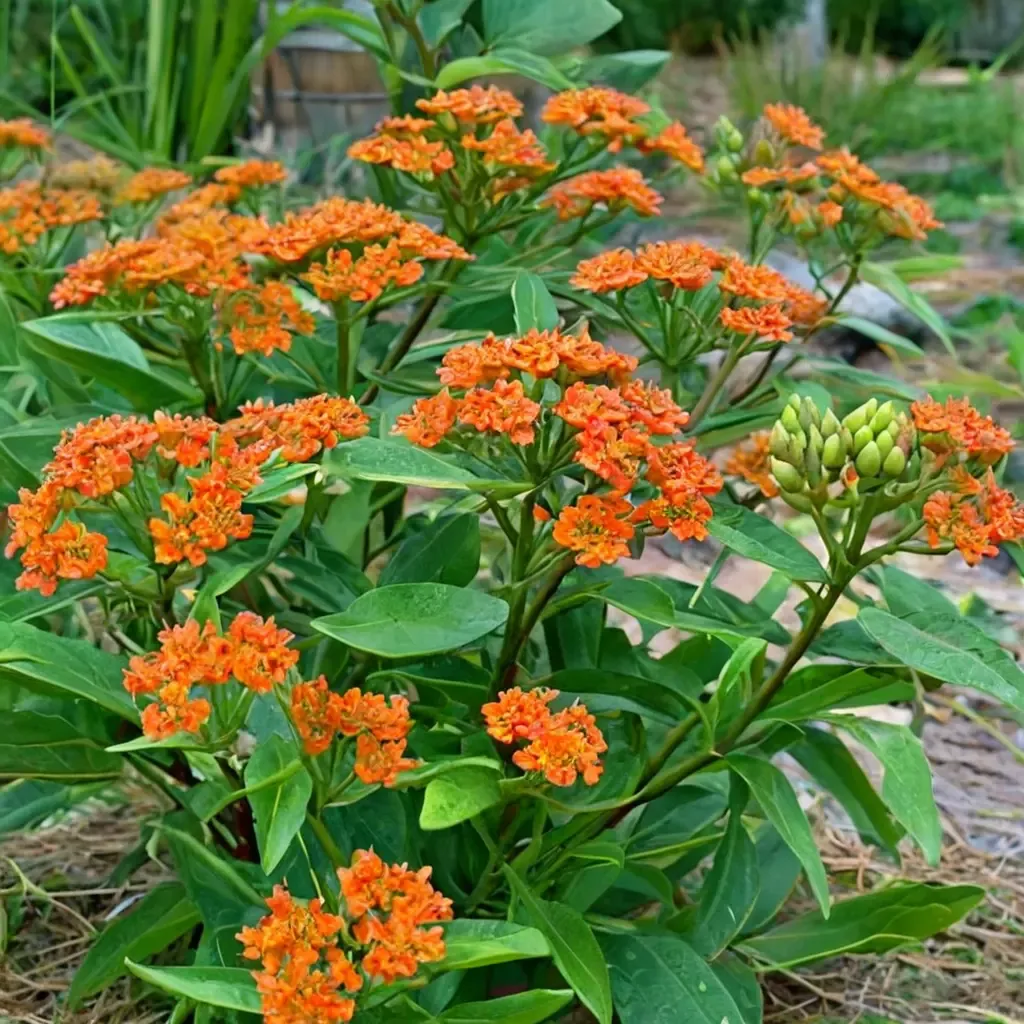
Butterfly Weed
Asclepias tuberosa
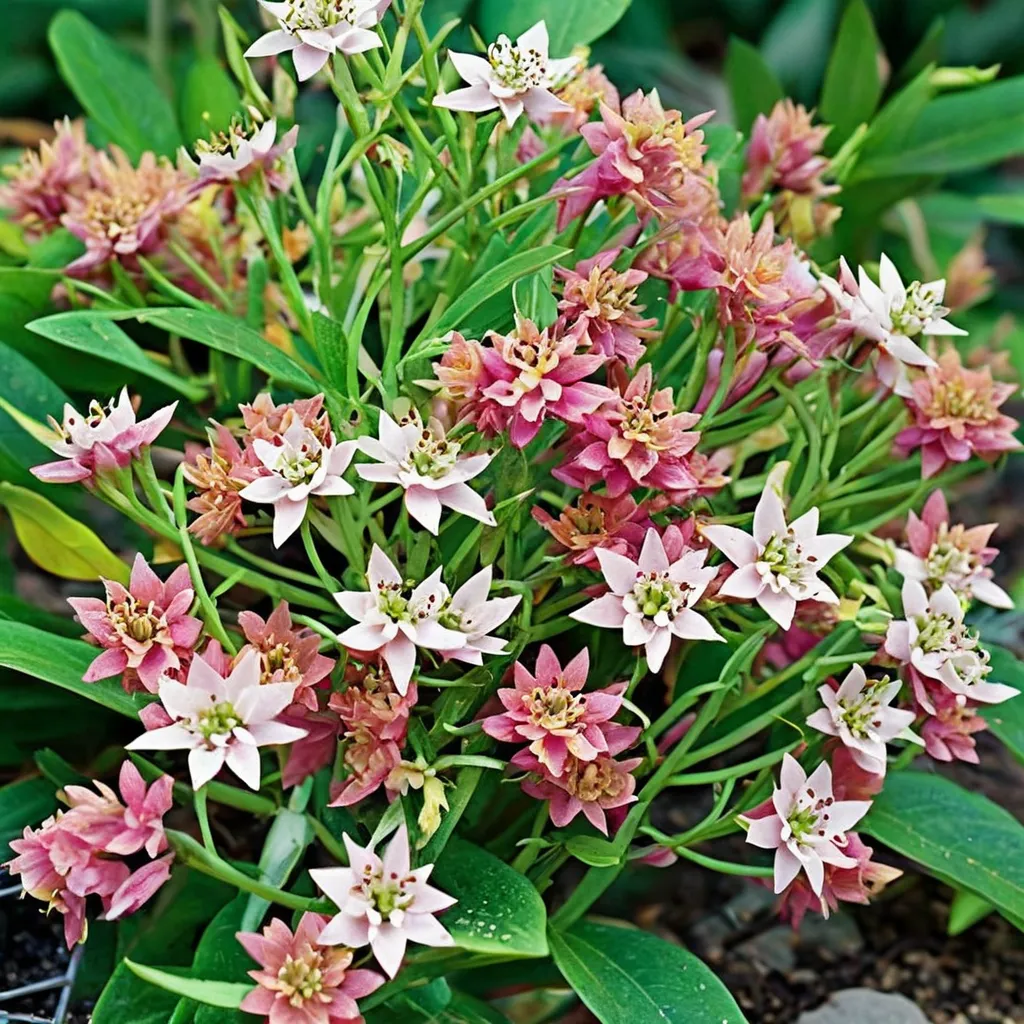
Butterfly Milkweed
Asclepias x hybrida
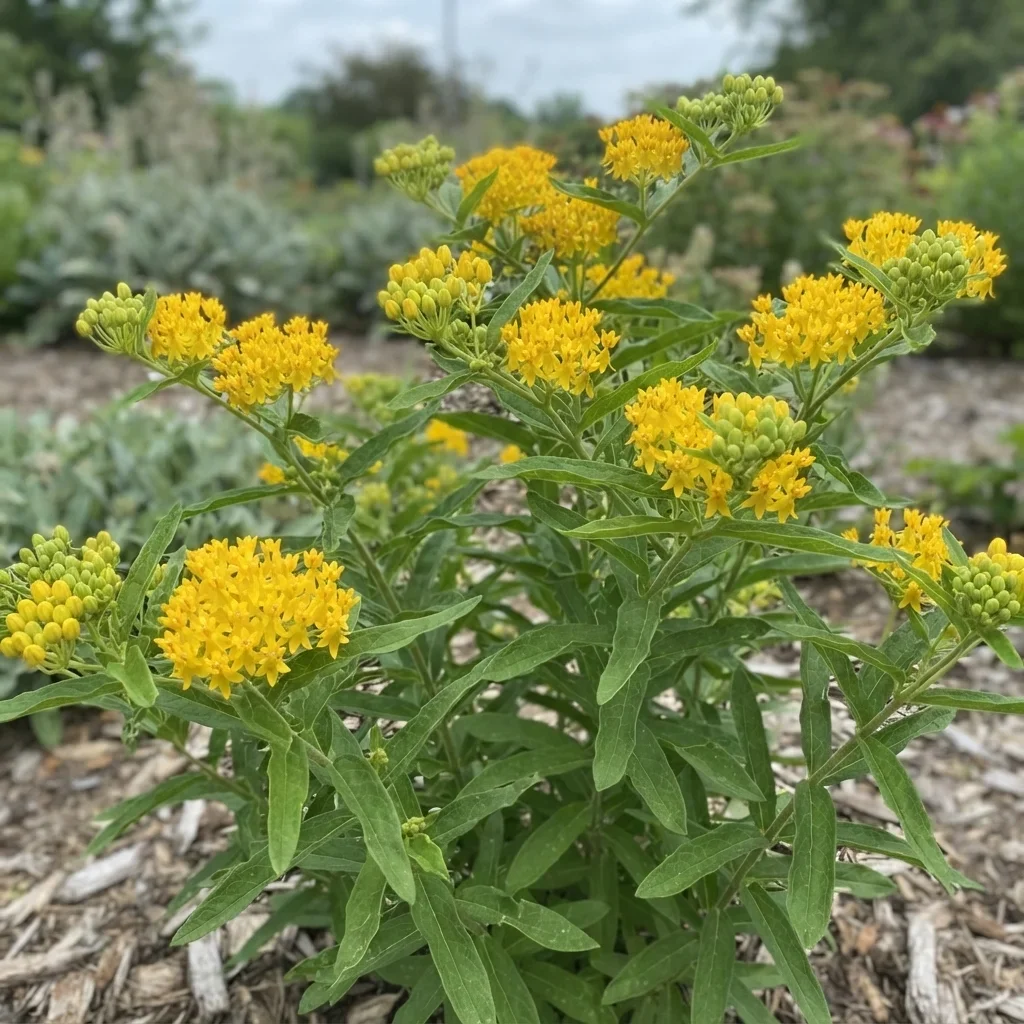
Hello Yellow Butterfly Weed
Asclepias tuberosa 'Hello Yellow'
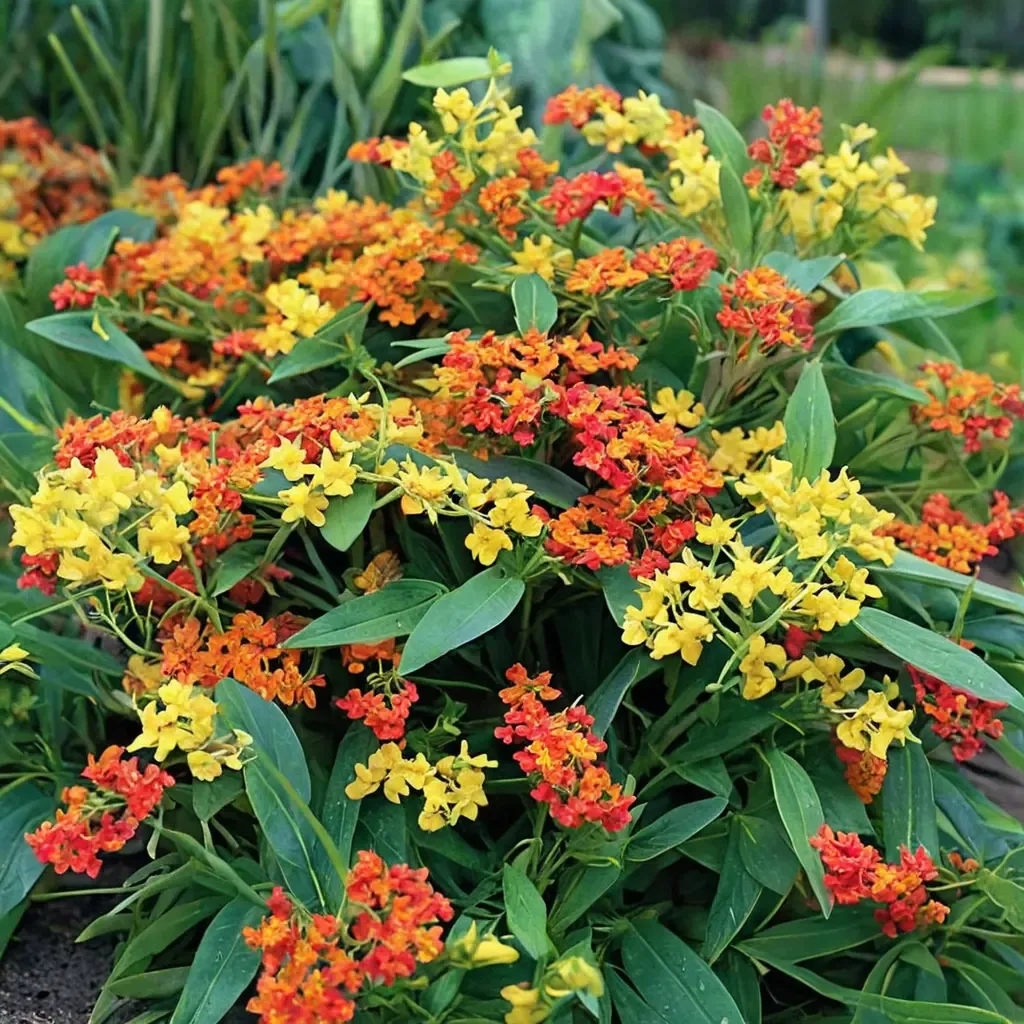
Gay Butterflies Mix Butterfly Weed
Asclepias tuberosa 'Gay Butterflies Mix'
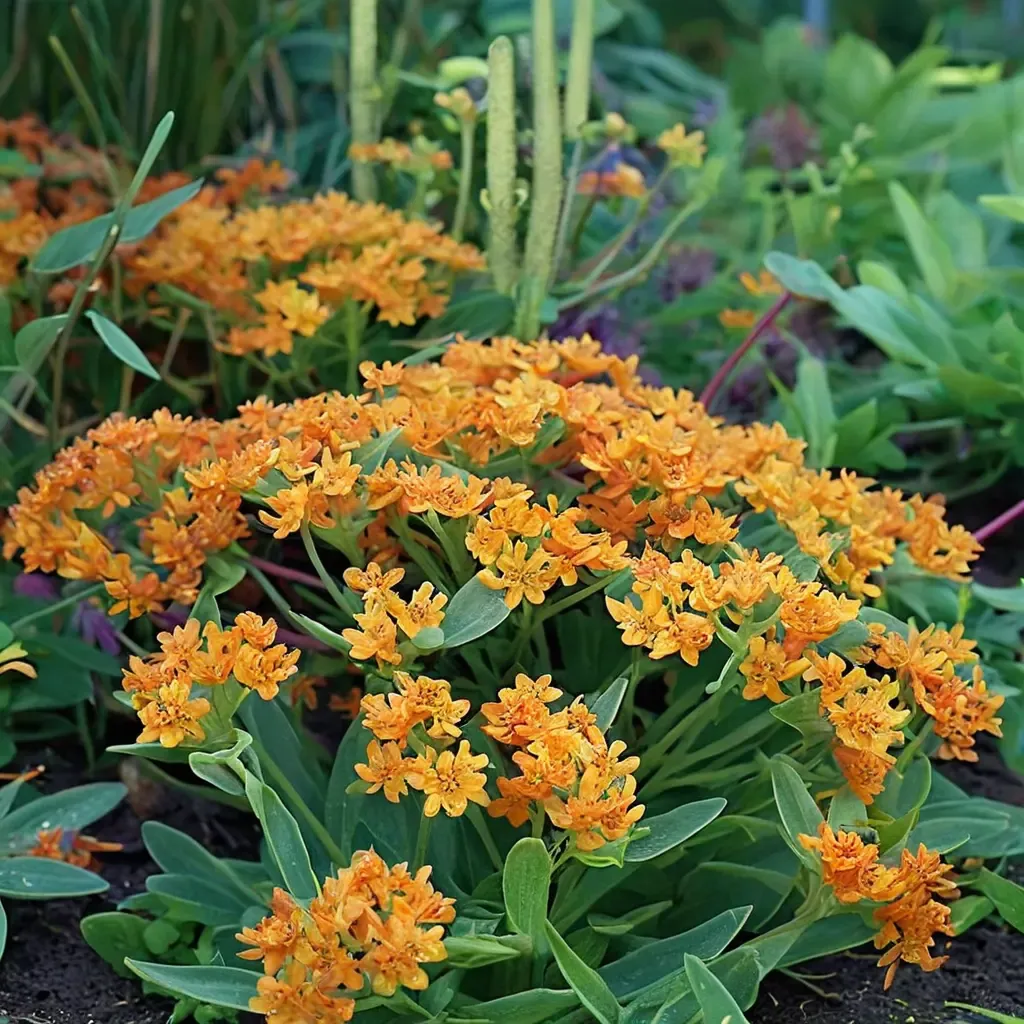
Butterfly Weed Gay Butterflies Milkweed
Asclepias tuberosa 'Gay Butterflies'
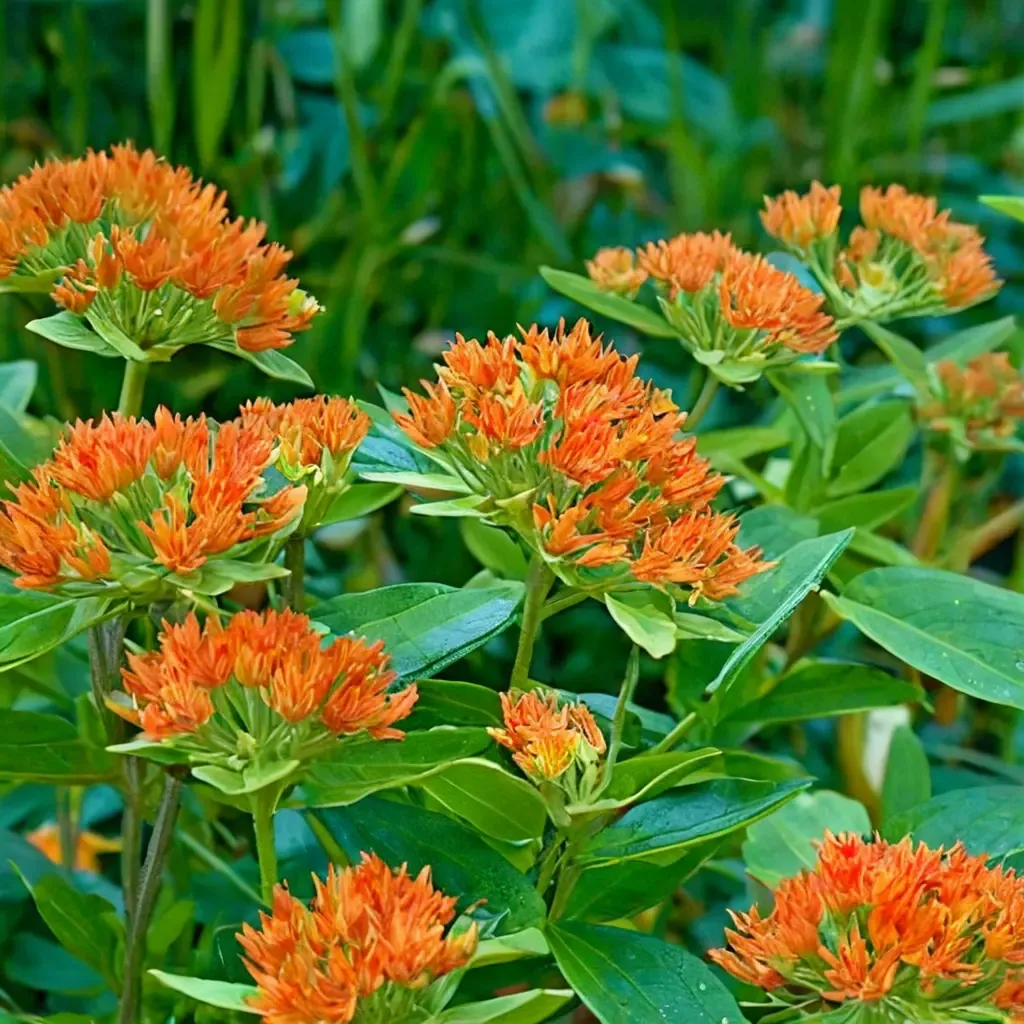
Butterfly Garden Butterfly Weed
Asclepias tuberosa 'Deluxe Butterfly Garden'
Keep exploring
Explore the genus
Guides
Hardy in your zone?
Grow Woolly Milkweed with confidence
See it in a design of your actual yard, get zone-matched care reminders, and track it season by season in your garden journal.