The Story
Plant Bio
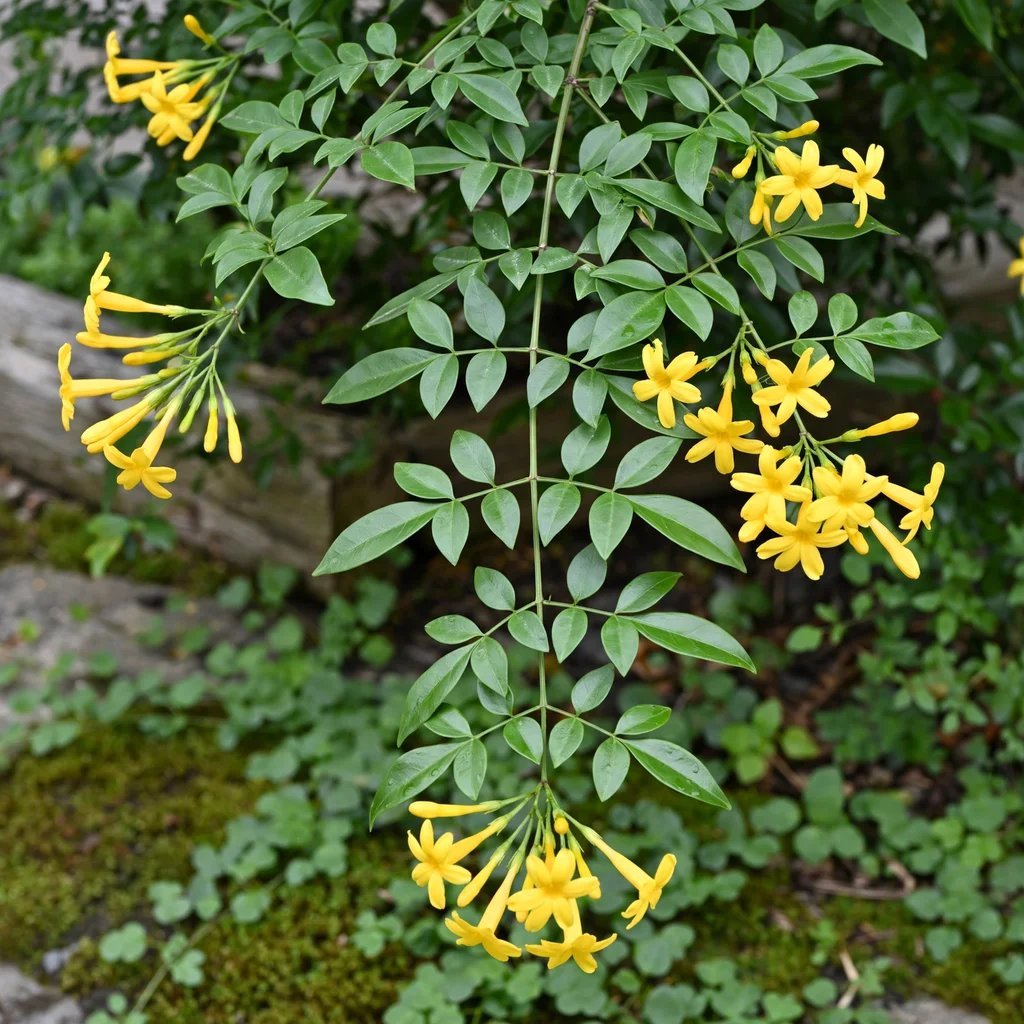
Chrysojasminum humile is a scrambling evergreen to semi-evergreen shrub from Asia, with arching green stems that layer where they sprawl and build a mound 8 to 13 feet high and wide unpruned, to 20 feet scrambling with support. Its leaves are alternate along the stem, each with three to seven oval bright to dark green leaflets, which separates it from true jasmines with opposite leaves.
The flowers are bright yellow trumpet tubes about 1 inch long, borne in clusters of 5 to 12 from late spring into fall and followed by glossy black berries. It is scentless to sweetly fragrant by form and site, hardy to about 10F, and heat- and drought-tolerant once established.
Uses & Benefits:
Essentials
At a Glance
Plant Type
Shrub
Height
144"
Width
118"
Light
Full Sun, Partial Sun
Zones
6, 7, 8, 9
Water
Moderate
Humidity
Unknown
Lifespan
Woody shrub
Native To
Himalaya to SW China
Toxicity
Unknown
Bloom period
Late spring – Fall
In flower about 7 months of the year
Planting
How to Grow
- Plant in full sun to part shade in fertile well-drained soil with room to sprawl
- Water regularly through the first season, then reduce once roots are established
- Feed moderately in spring as new growth starts
- Prune right after flowering and thin oldest stems in early spring if overgrown
Pro Tip
Prune right after flowering and thin one-third of the oldest stems to the ground in early spring to rejuvenate; cutting hard in fall removes next season flower wood.
Keep It Thriving
Care Guide
Do
- Plant in well-drained soil in full sun to part shade
- Water regularly while establishing, then water deeply in dry spells
- Prune after flowering to control sprawl
Don't
- Do not plant where soil stays soggy and roots stay wet
- Do not shear hard in fall and remove developing buds
- Do not expect a true clinging vine without room or support to scramble
Seasonal Care Calendar
| Task | Jan | Feb | Mar | Apr | May | Jun | Jul | Aug | Sep | Oct | Nov | Dec |
|---|---|---|---|---|---|---|---|---|---|---|---|---|
| Fertilize | ||||||||||||
| Mulch | ||||||||||||
| Pest Check | ||||||||||||
| Prune |
Watch Out For
Pests & Diseases
Common Pests
Common Diseases
In the Garden
Landscape Uses & Companions
Landscape Uses
Multiply
Propagation Methods
Good to Know
Common Questions
Italian Yellow Jasmine questions
What zones can Italian Yellow Jasmine grow in?
Italian Yellow Jasmine is hardy in USDA Zones 6–9: in that range it survives winter in the ground. Colder than Zone 6, grow it in a container you can move to shelter for the winter. Warmer than Zone 9, winter isn't the problem: it prefers colder winters, and summer heat can shorten its life.
When does Italian Yellow Jasmine bloom?
Italian Yellow Jasmine typically blooms from late spring to late fall. Exact timing shifts a week or two with your zone — Sow's bloom calendar maps it to your garden.
Does Italian Yellow Jasmine need full sun?
Italian Yellow Jasmine does best in full sun to part shade. In hot climates, afternoon shade keeps blooms fresher longer.
Is Italian Yellow Jasmine drought tolerant?
Yes — once established (usually after the first full season), Italian Yellow Jasmine handles dry spells with minimal watering. Water deeply its first year to build the root system that makes that possible.
More Jasminum to compare
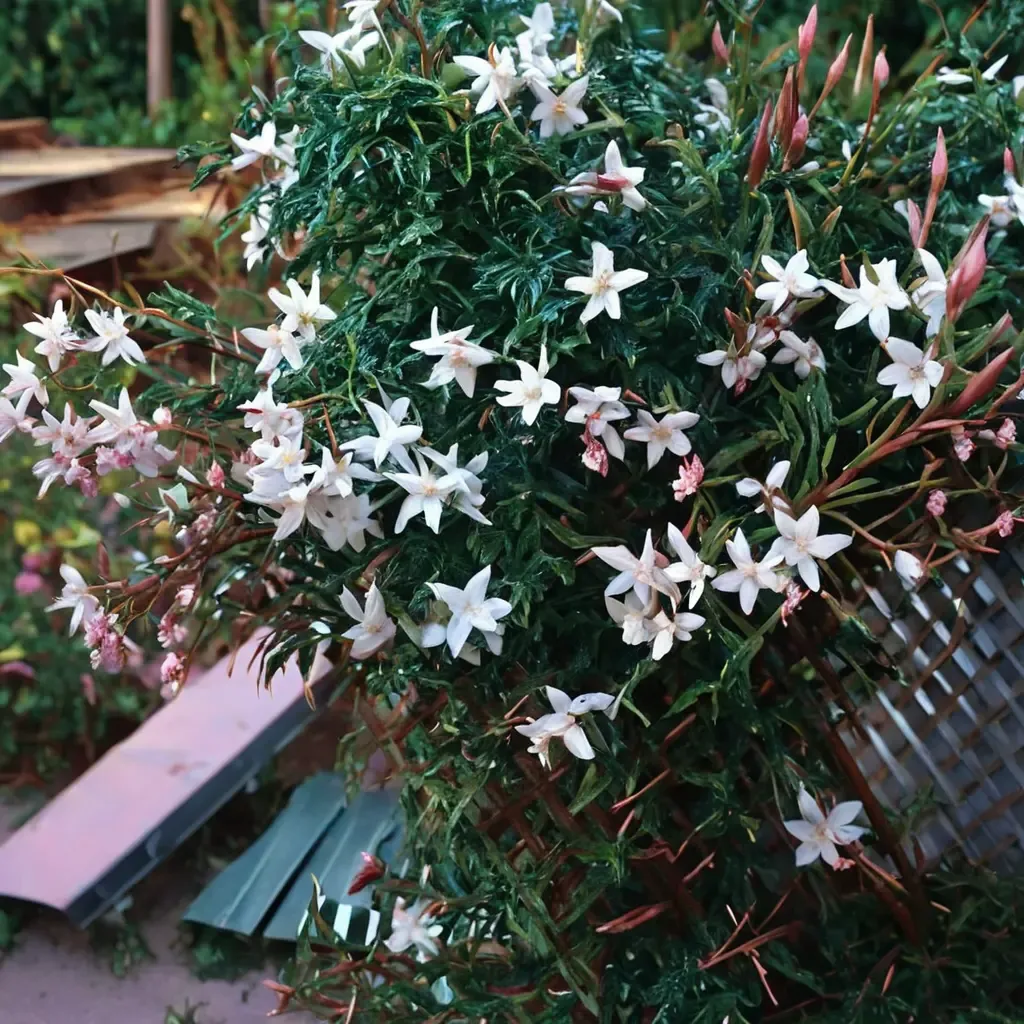
Pink Jasmine
Jasminum polyanthum
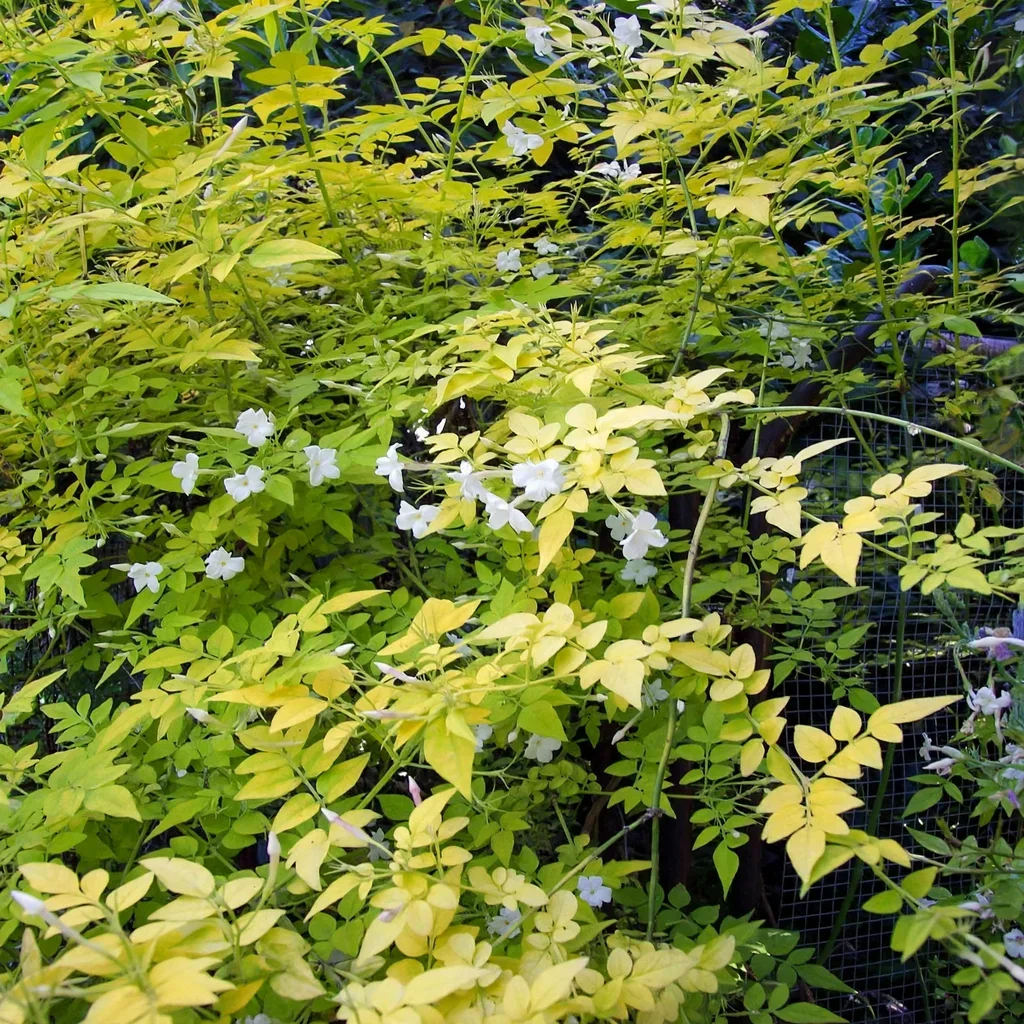
Fiona Sunrise Common Jasmine
Jasminum officinale 'Frojas'
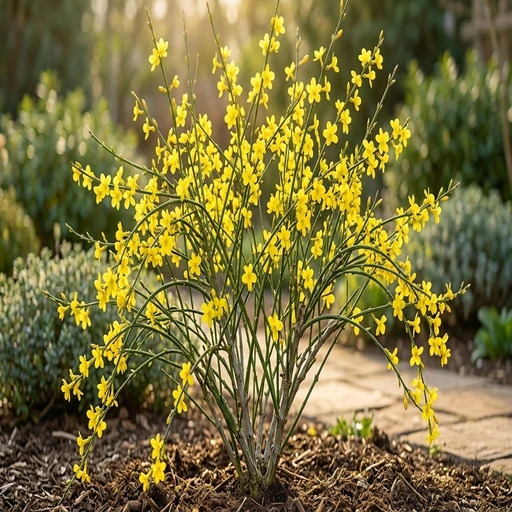
Winter Jasmine
Jasminum nudiflorum
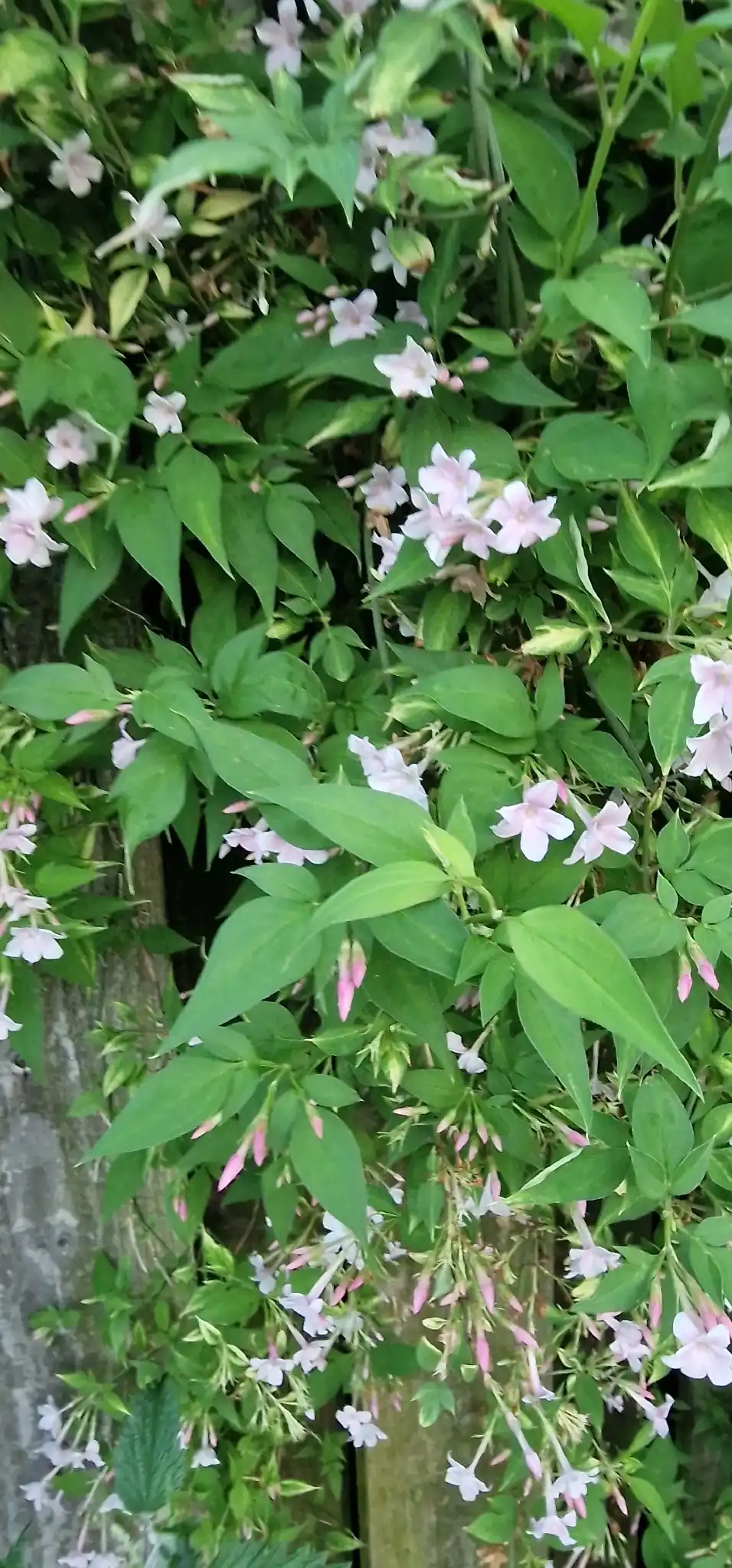
Common Jasmine
Jasminum officinale
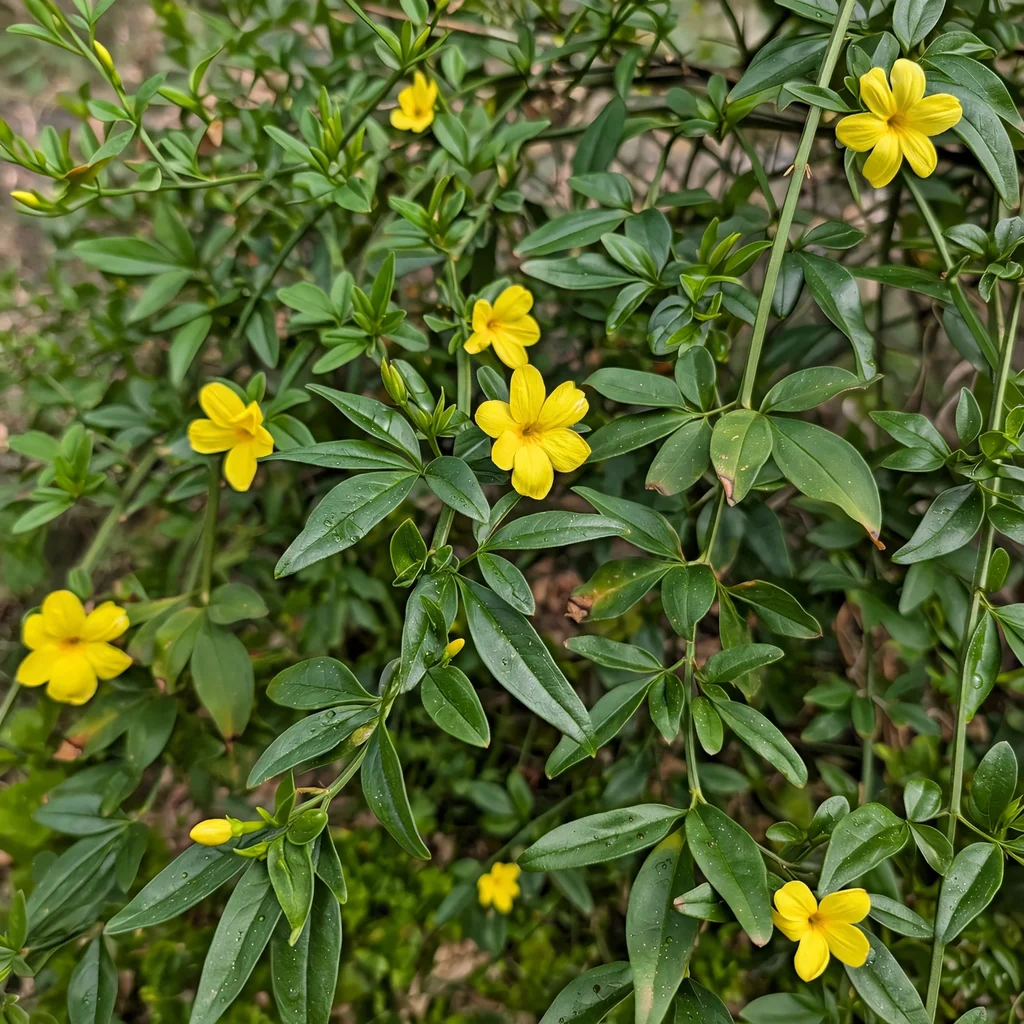
Primrose Jasmine
Jasminum mesnyi
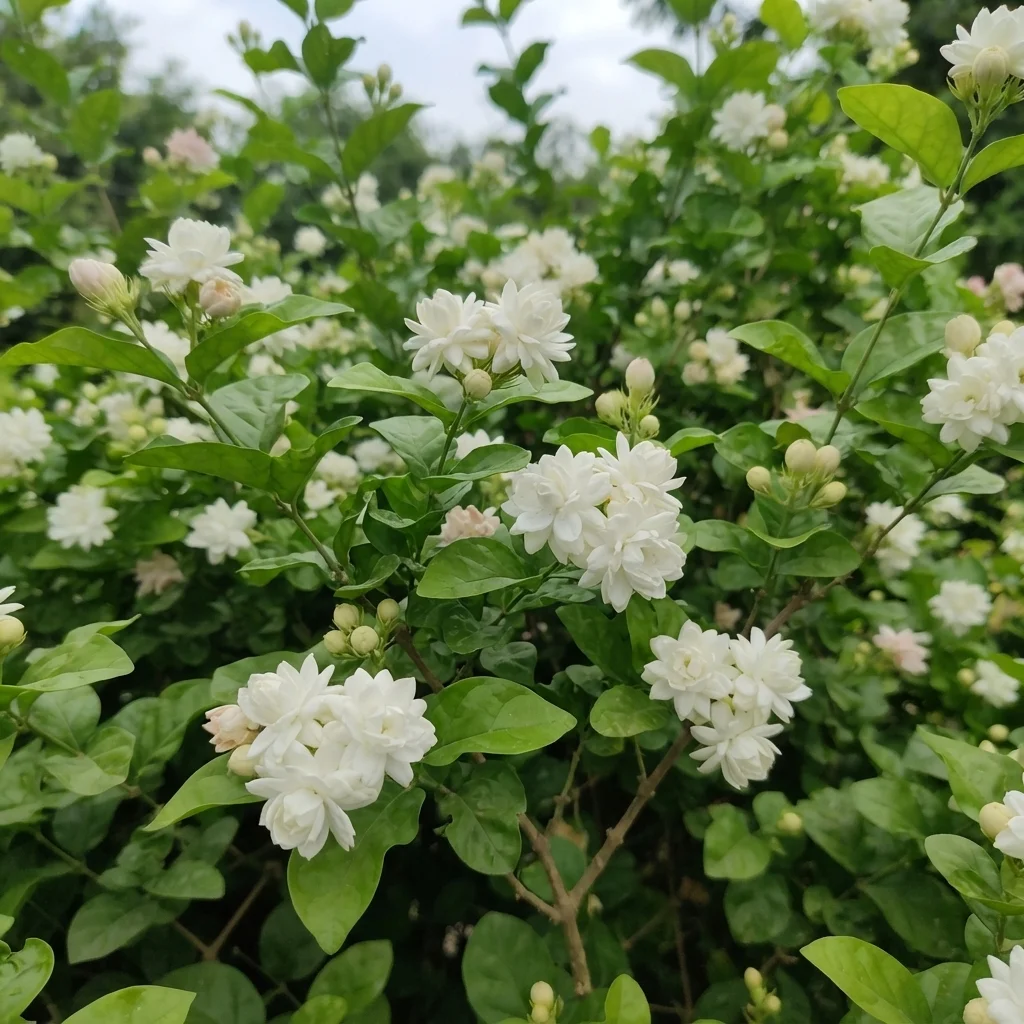
Arabian Jasmine
Jasminum sambac
Keep exploring
Explore the genus
Hardy in your zone?
Grow Italian Yellow Jasmine with confidence
See it in a design of your actual yard, get zone-matched care reminders, and track it season by season in your garden journal.