The Story
Plant Bio
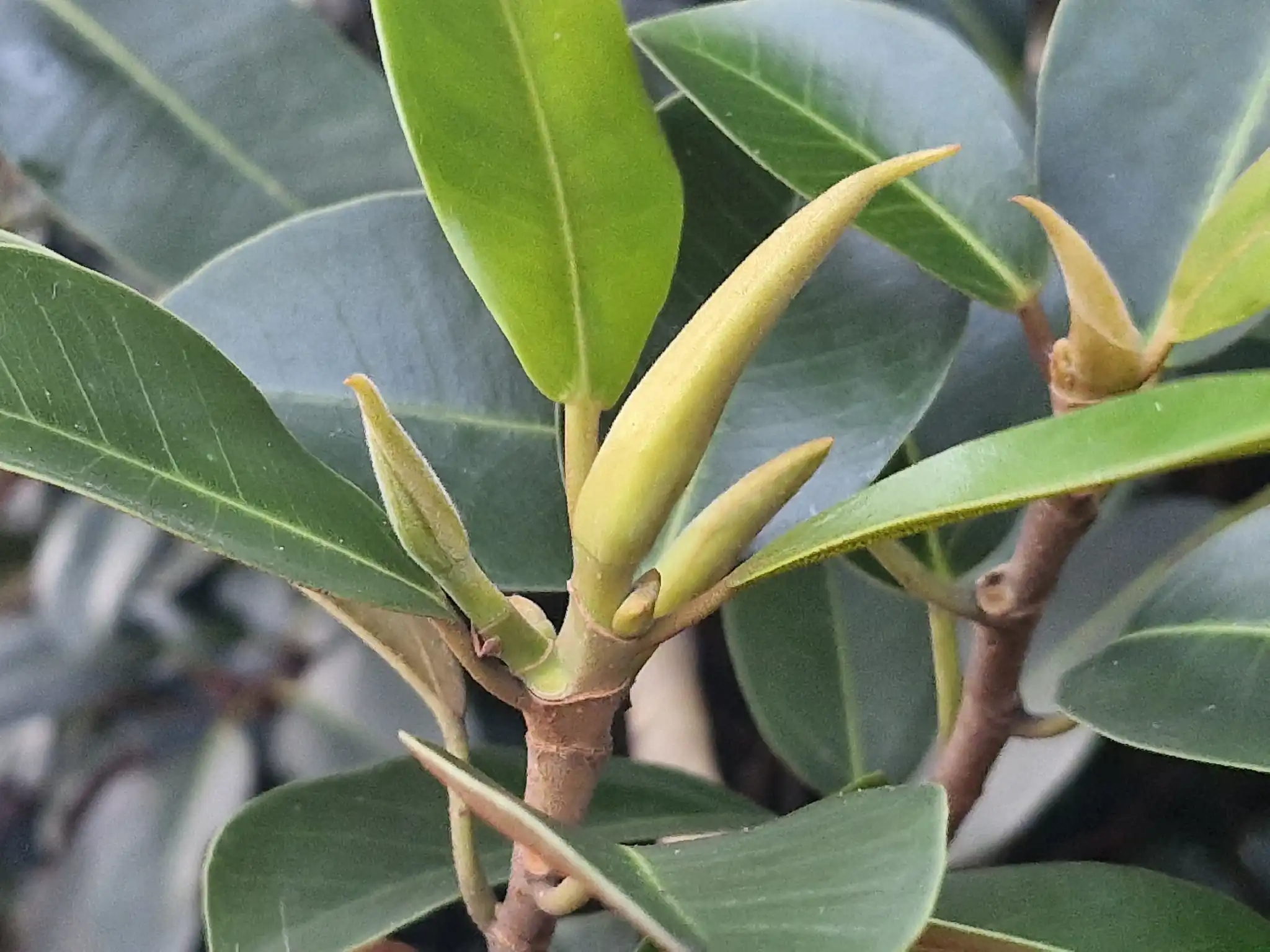
Ficus rubiginosa is an evergreen tree that forms a dense, spreading crown and produces aerial roots in humid environments. Its thick, leathery leaves feature glossy dark green upper surfaces and distinctive rusty-brown woolly undersides.
The flowers remain hidden inside fleshy enclosed receptacles that mature into small yellow to reddish-brown figs. The foliage and stems exude a milky white latex sap when cut.
Uses & Benefits:
Essentials
At a Glance
Plant Type
Tree
Height
1181"
Width
984"
Light
Full Sun, Partial Sun
Zones
10
Water
Low to medium
Humidity
High
Lifespan
Perennial
Native To
Australia (Queensland, New South Wales)
Toxicity
Mildly toxic latex sap
Bloom period
Spring – Summer
In flower about 6 months of the year
Planting
How to Grow
- Place in a warm location receiving full sun or bright indirect light indoors.
- Plant in light, well-drained soil mix or loam.
- Water thoroughly when the top inch of soil dries out, allowing excess water to drain fully.
- Apply a balanced liquid fertilizer monthly during active growth in spring and summer.
Pro Tip
Prune into active green growth rather than bare hardwood, as thick leafless branches fail to regenerate new buds.
Keep It Thriving
Care Guide
Do
- Provide bright light to maintain dense foliage growth.
- Allow container soil to dry slightly between waterings.
- Wear gloves when pruning to avoid skin contact with the milky latex sap.
Don't
- Do not let pots sit in standing water or soggy soil.
- Do not cut heavily into old, leafless wood during pruning.
- Do not expose plants to freezing temperatures below 30°F (-1°C).
Seasonal Care Calendar
| Task | Jan | Feb | Mar | Apr | May | Jun | Jul | Aug | Sep | Oct | Nov | Dec |
|---|---|---|---|---|---|---|---|---|---|---|---|---|
| Fertilize | ||||||||||||
| Pest Check | ||||||||||||
| Propagate | ||||||||||||
| Prune | ||||||||||||
| Winter Prep |
Watch Out For
Pests & Diseases
Common Pests
Common Diseases
In the Garden
Landscape Uses & Companions
Landscape Uses
Multiply
Propagation Methods
Good to Know
Common Questions
Port Jackson Fig questions
What zones can Port Jackson Fig grow in?
Port Jackson Fig is hardy in USDA Zone 10: in that range it survives winter in the ground. Colder than Zone 10, winters are too cold for it to survive outdoors.
When does Port Jackson Fig bloom?
Port Jackson Fig typically blooms from spring to summer. Exact timing shifts a week or two with your zone — Sow's bloom calendar maps it to your garden.
Does Port Jackson Fig need full sun?
Port Jackson Fig does best in full sun to part shade. In hot climates, afternoon shade keeps blooms fresher longer.
Is Port Jackson Fig drought tolerant?
Yes — once established (usually after the first full season), Port Jackson Fig handles dry spells with minimal watering. Water deeply its first year to build the root system that makes that possible.
More Ficus to compare
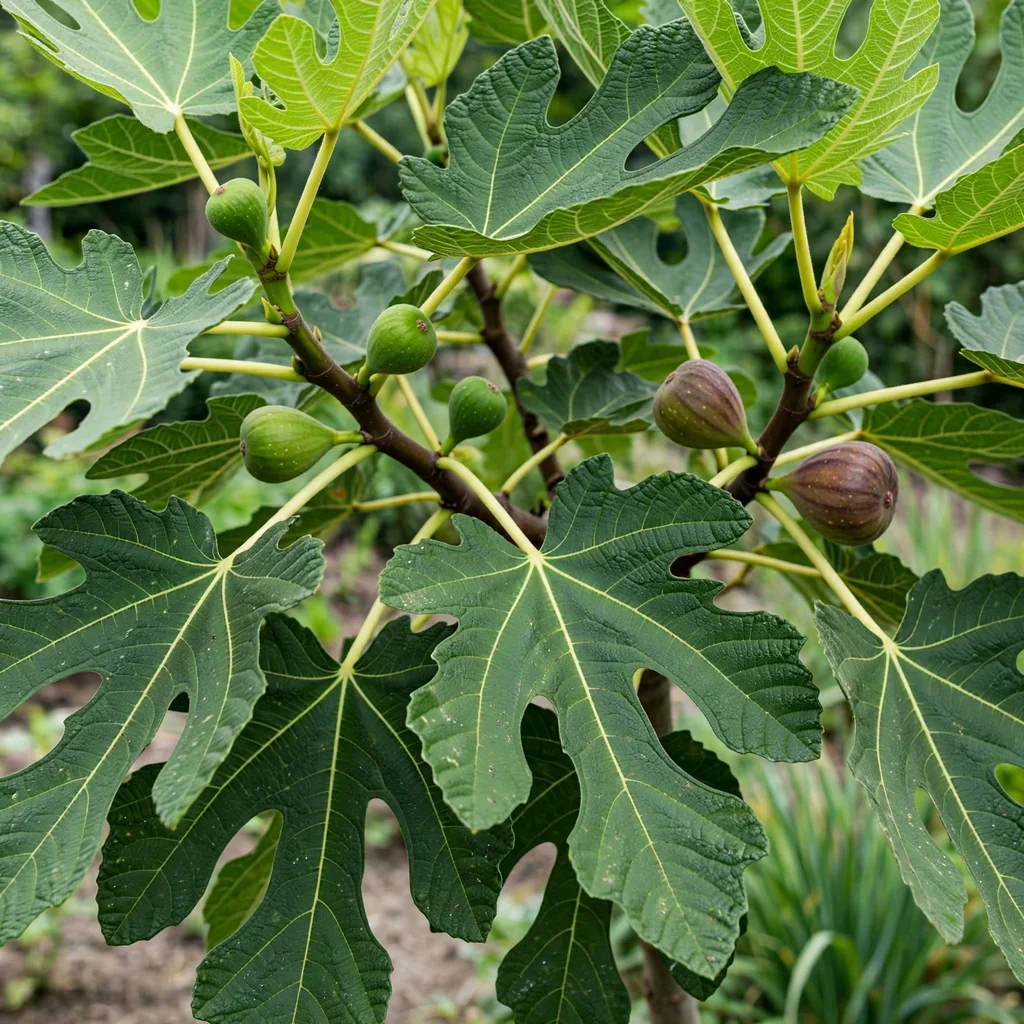
Fig Tree Brown Turkey
Ficus carica 'Brown Turkey'
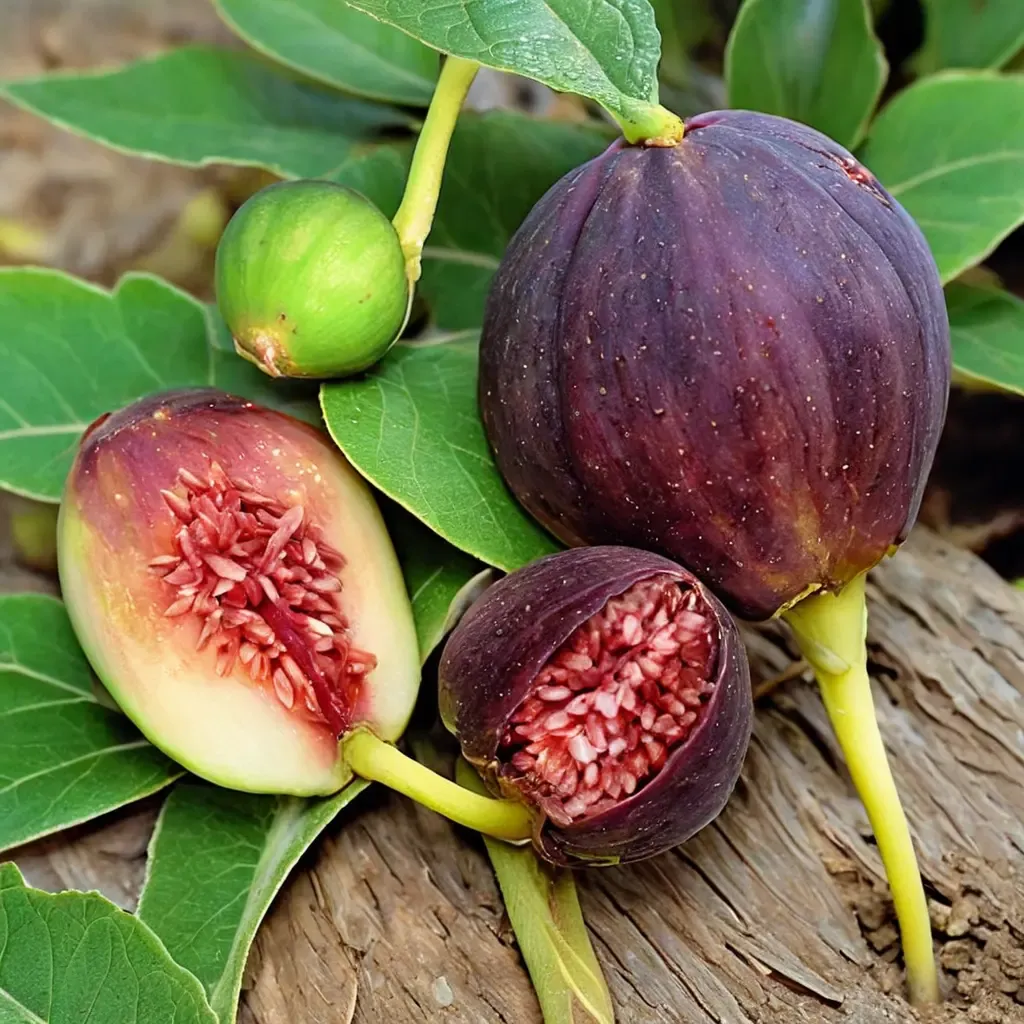
Improved Brown Turkey Fig
Ficus carica 'Improved Brown Turkey'
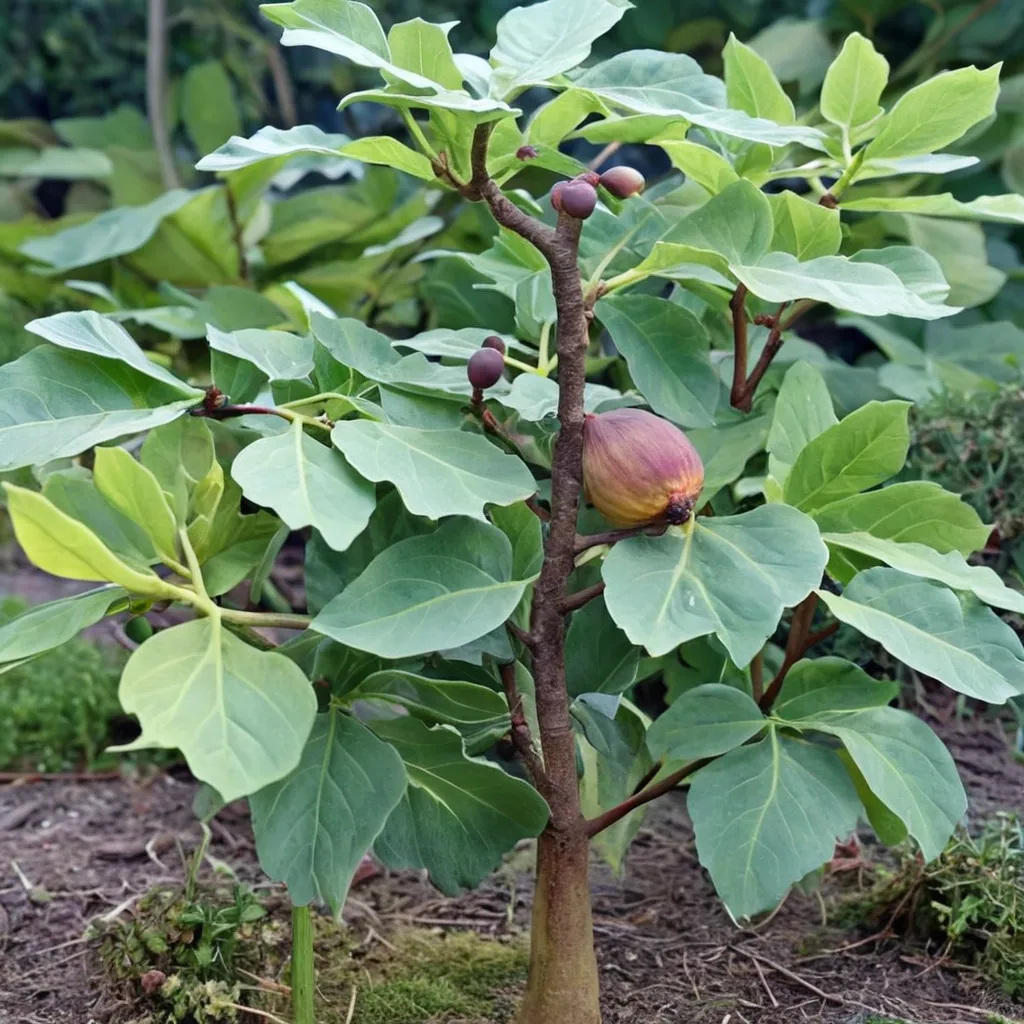
Chicago Hardy Fig
Ficus carica 'Chicago Hardy'
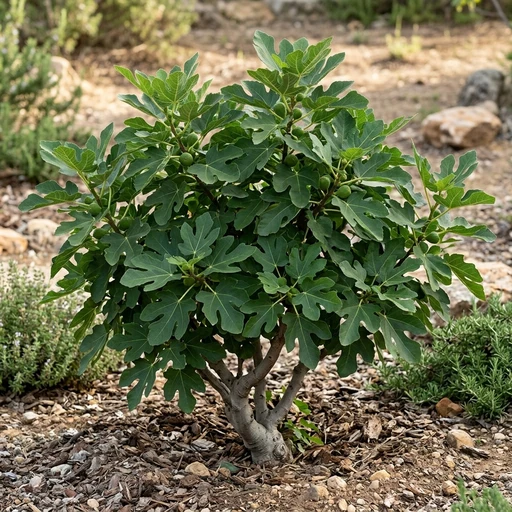
Little Miss Figgy Dwarf Fig
Ficus carica 'Little Miss Figgy'
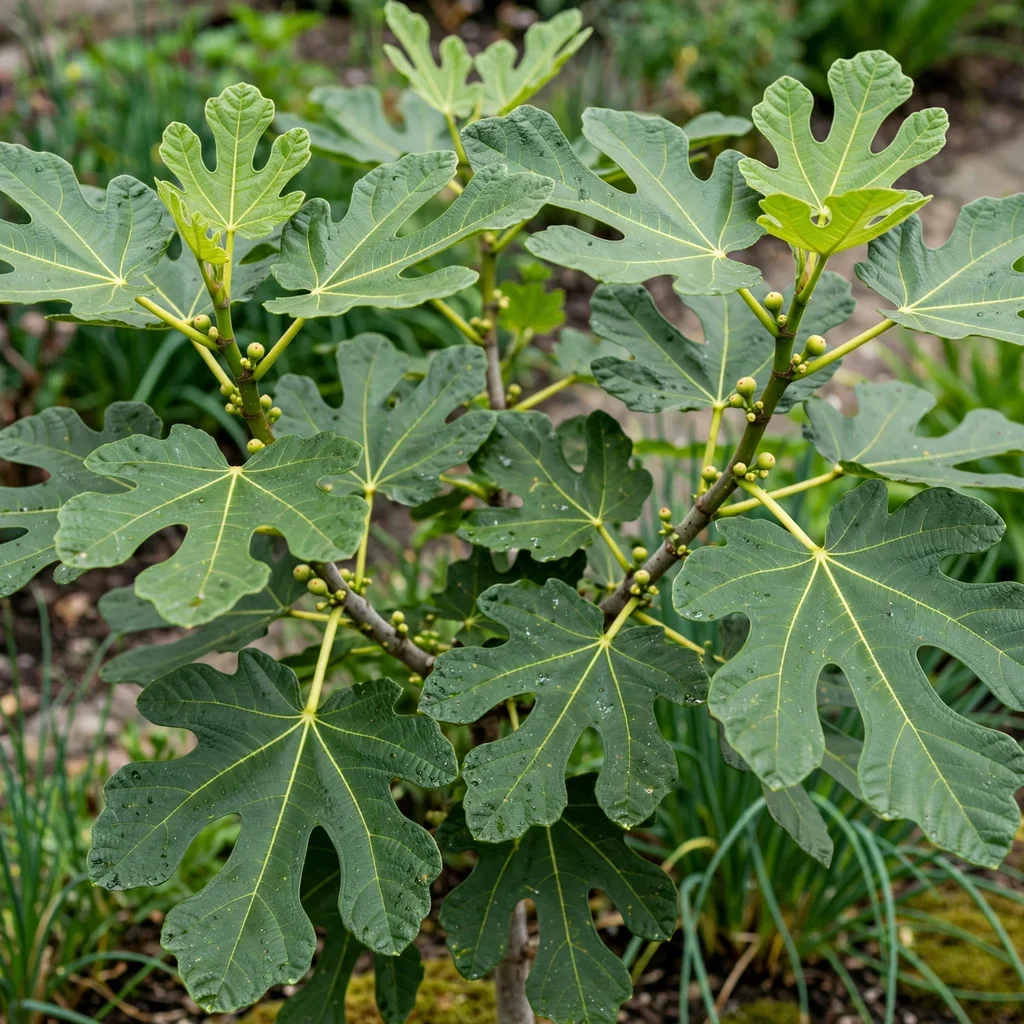
Champagne Fig
Ficus carica 'Champagne'
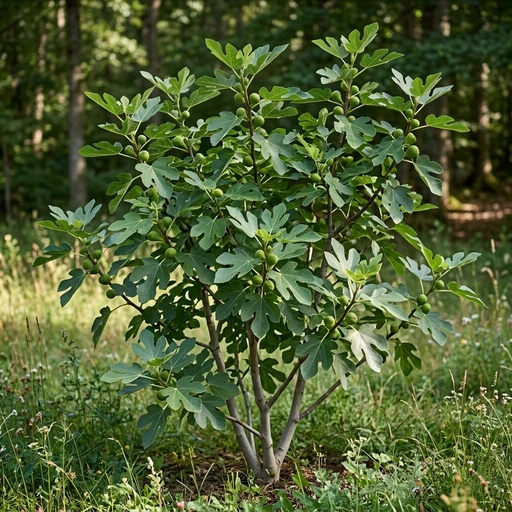
Celeste Fig
Ficus carica 'Celeste'
Keep exploring
Explore the genus
Hardy in your zone?
Grow Port Jackson Fig with confidence
See it in a design of your actual yard, get zone-matched care reminders, and track it season by season in your garden journal.