The Story
Plant Bio
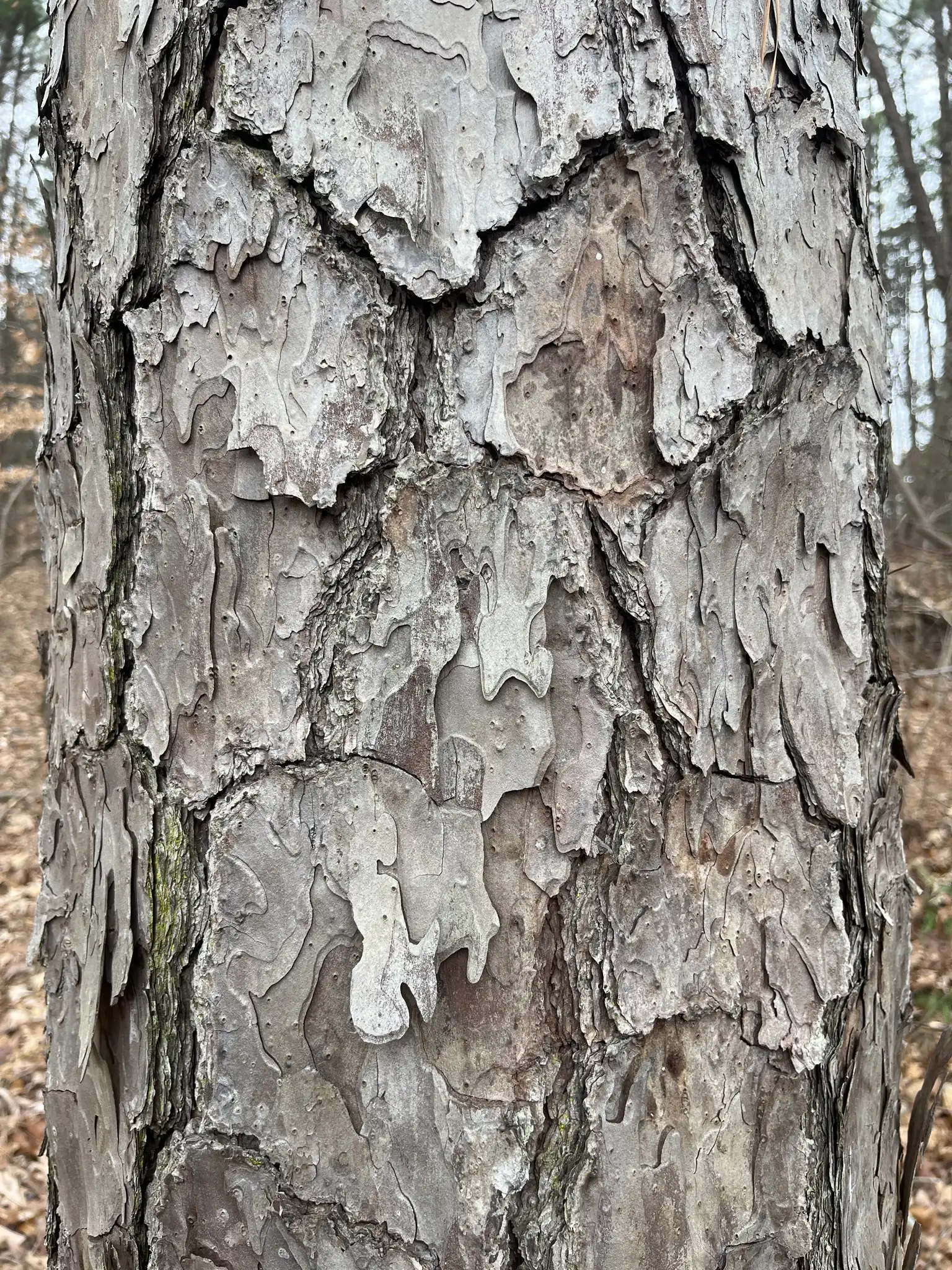
Pinus echinata, shortleaf pine, is a medium evergreen conifer reaching 50 to 60 feet in gardens with a straight to crooked trunk and an irregular open crown. The slender green needles are borne in pairs and measure 3 to 5 inches long, and the thin flaky bark matures from near-black to reddish brown.
It is separated from loblolly pine by its shorter paired needles and by small resin pockets in the bark. It is a fast-growing pioneer of old fields and xeric ridges that holds up to heat, humidity and drought on acidic, well-drained sandy loam, and it shows strong resistance to fusiform rust.
Uses & Benefits:
Essentials
At a Glance
Plant Type
Tree
Height
720"
Width
420"
Light
Full Sun, Partial Sun
Zones
6, 7, 8, 9
Water
Dry to medium
Humidity
Tolerant of heat and humidity
Lifespan
Long-lived tree
Native To
Eastern and southeastern USA
Toxicity
Toxic if ingested
Bloom period
Spring
In flower about 3 months of the year
Planting
How to Grow
- Set young container, plug or bare-root stock in full sun in acidic, well-drained sandy loam.
- Dig the hole no deeper than the root system to protect the taproot and water in thoroughly.
- Mulch 2 to 3 inches deep with pine straw or bark, keeping mulch off the trunk.
- Water through the first season to establish, then leave to natural rainfall except in extended drought.
Pro Tip
Plant young stock in full sun and acidic soil; the long taproot makes older trees hard to move, and never cut back into old leafless wood.
Keep It Thriving
Care Guide
Do
- Plant in full sun on acidic, well-drained soil.
- Plant young and leave established trees undisturbed.
- Thin crowded natural stands to improve airflow and vigor.
- Mulch to conserve moisture and keep mowers off the trunk.
Don't
- Do not plant in high-pH or high-calcium soil where it fails.
- Do not cut back into old leafless wood; it does not resprout there.
- Do not move established trees with developed taproots.
- Do not let stressed, drought-weakened trees stand without inspection for beetles.
Seasonal Care Calendar
| Task | Jan | Feb | Mar | Apr | May | Jun | Jul | Aug | Sep | Oct | Nov | Dec |
|---|---|---|---|---|---|---|---|---|---|---|---|---|
| Mulch | ||||||||||||
| Pest Check | ||||||||||||
| Plant | ||||||||||||
| Prune |
Watch Out For
Pests & Diseases
Common Pests
Common Diseases
In the Garden
Landscape Uses & Companions
Landscape Uses
Multiply
Propagation Methods
Good to Know
Common Questions
Shortleaf Pine questions
What zones can Shortleaf Pine grow in?
Shortleaf Pine is hardy in USDA Zones 6–9: in that range it survives winter in the ground. Colder than Zone 6, winters are too cold for it to survive outdoors. Warmer than Zone 9, winter isn't the problem: it prefers colder winters, and summer heat can shorten its life.
Is Shortleaf Pine deer resistant?
Yes — Shortleaf Pine is rated deer-resistant. Deer typically pass it over, though extreme hunger can override any plant's defenses.
When does Shortleaf Pine bloom?
Shortleaf Pine typically blooms in spring. Exact timing shifts a week or two with your zone — Sow's bloom calendar maps it to your garden.
Does Shortleaf Pine need full sun?
Shortleaf Pine does best in full sun to part shade. In hot climates, afternoon shade keeps blooms fresher longer.
Is Shortleaf Pine drought tolerant?
Yes — once established (usually after the first full season), Shortleaf Pine handles dry spells with minimal watering. Water deeply its first year to build the root system that makes that possible.
More Pinus to compare
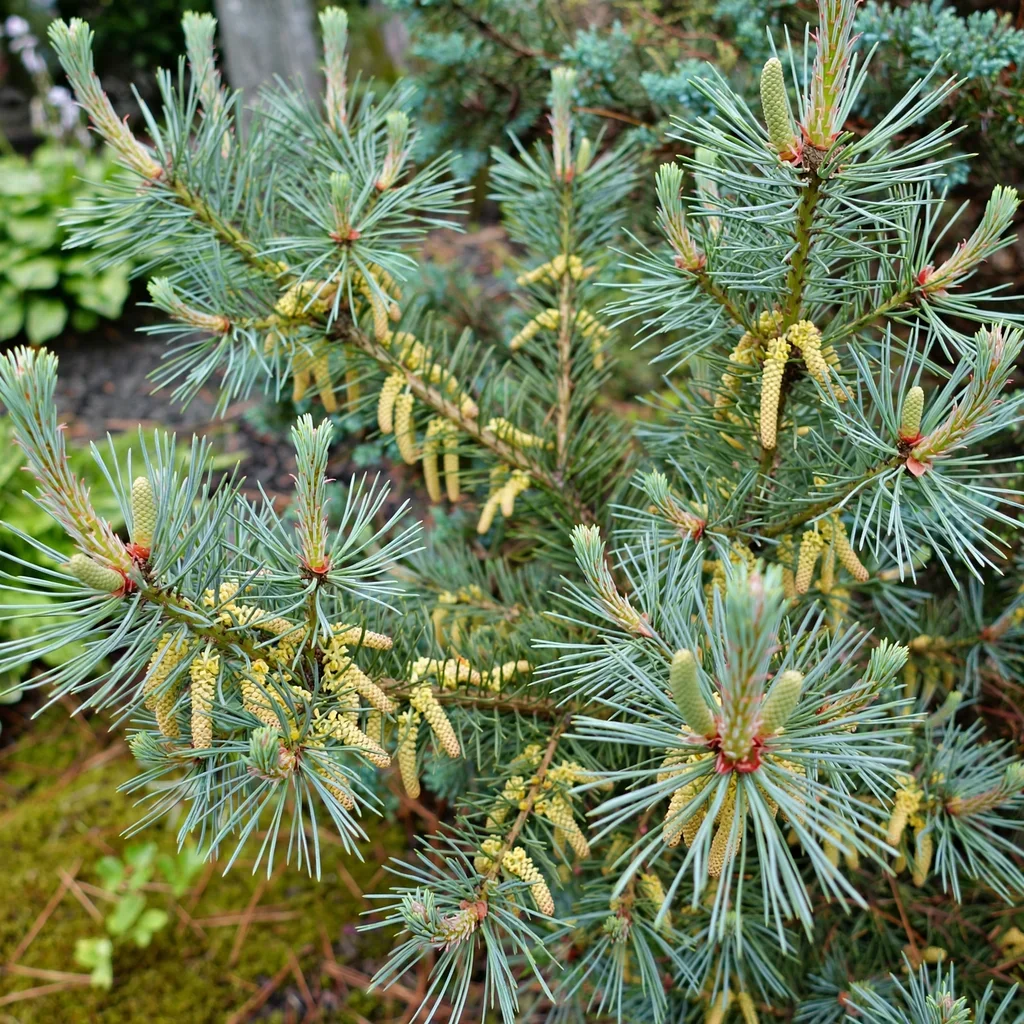
Eastern White Pine
Pinus strobus
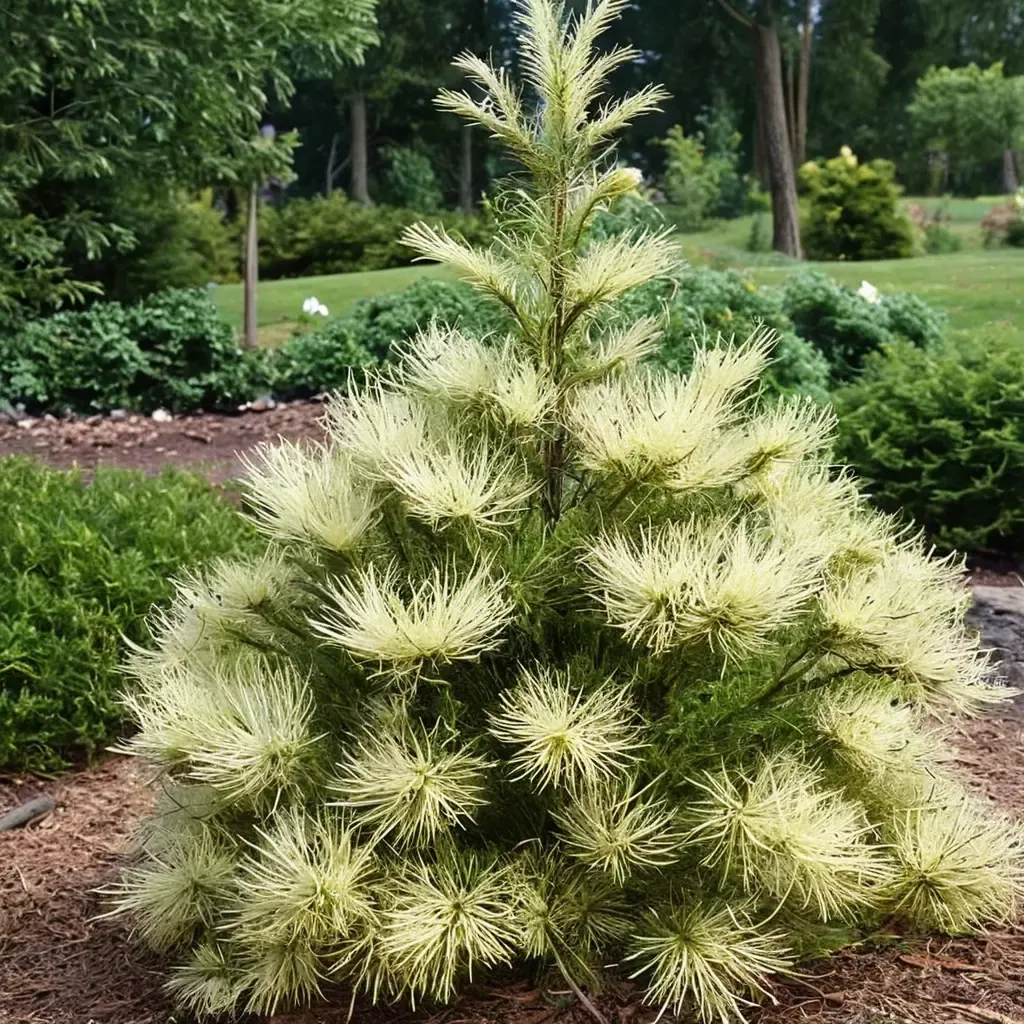
Golden Ghost Pine
Pinus densiflora 'Golden Ghost'
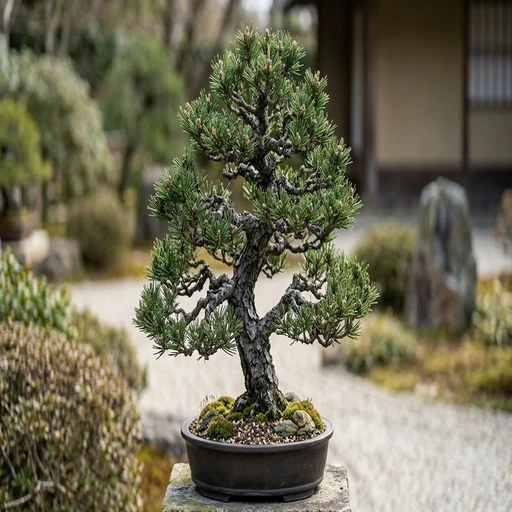
Thunderhead Japanese Black Pine
Pinus thunbergii 'Thunderhead'
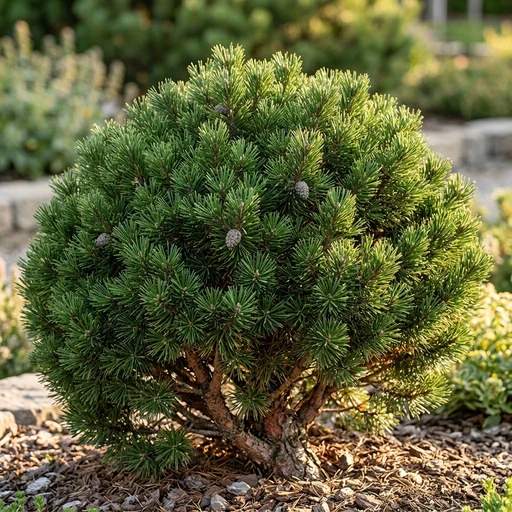
Slowmound Mugo Pine
Pinus mugo 'Slowmound'
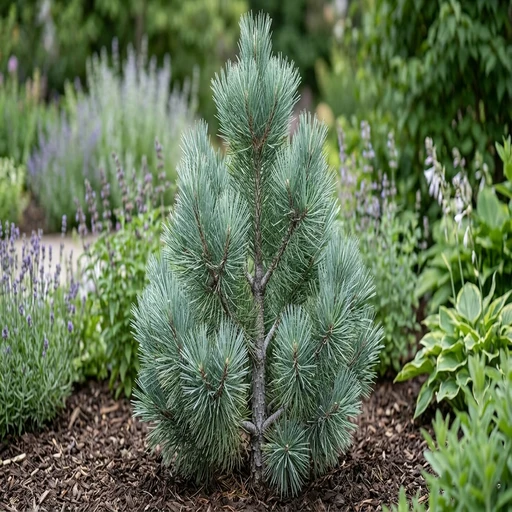
Vanderwolf's Pyramid Limber Pine
Pinus flexilis 'Vanderwolf'
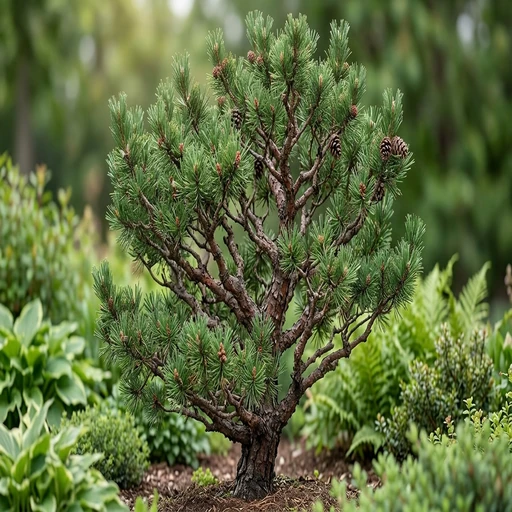
Virginia Pine
Pinus virginiana
Keep exploring
Explore the genus
Hardy in your zone?
Grow Shortleaf Pine with confidence
See it in a design of your actual yard, get zone-matched care reminders, and track it season by season in your garden journal.