The Story
Plant Bio
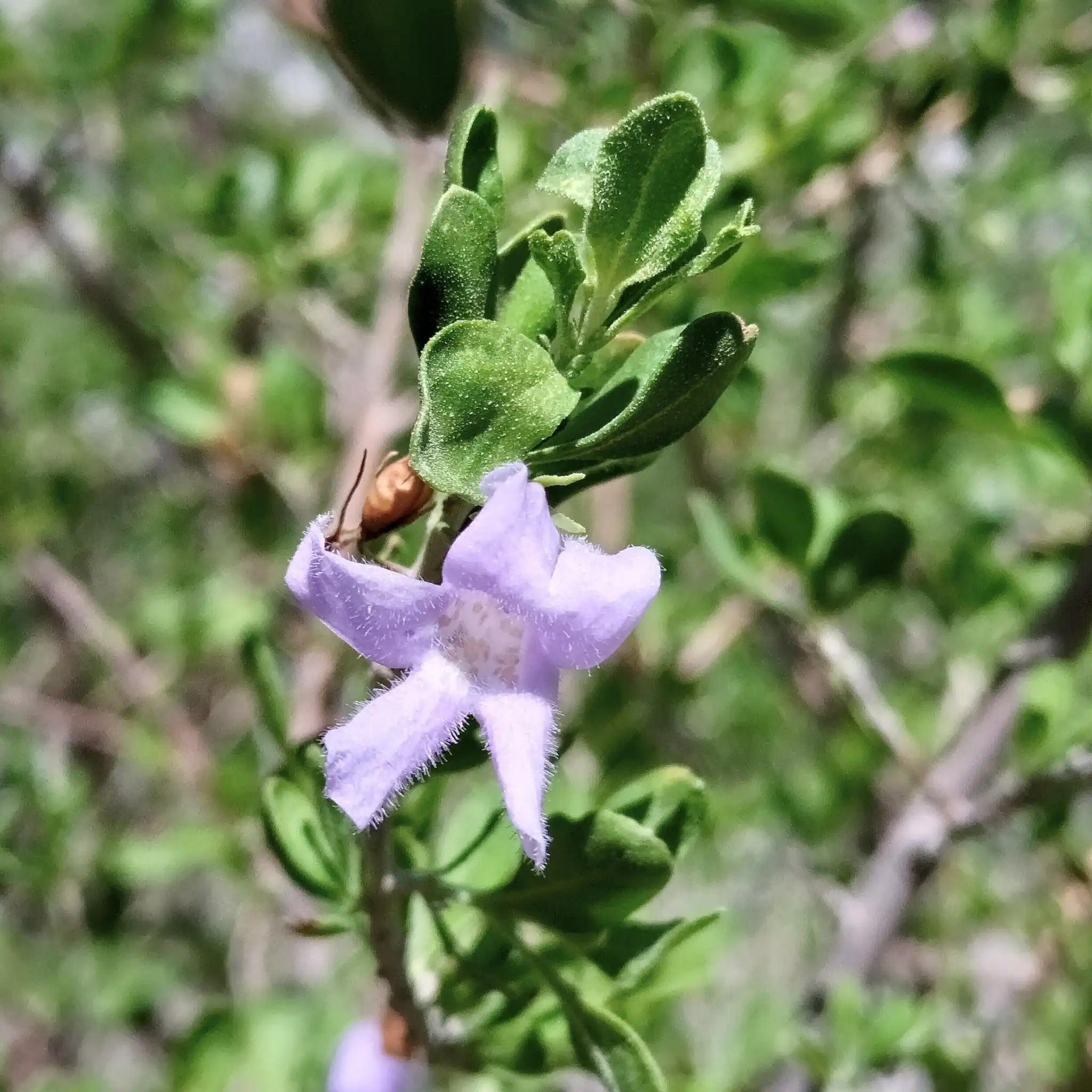
Leucophyllum laevigatum is an evergreen shrub from the Chihuahuan Desert, growing 4 to 5 feet tall and wide with upright, openly branched stems. It carries small deep-green leaves and produces fragrant bell-shaped lavender-purple flowers singly in the leaf axils in masses through the warm months.
It is the greenest and least hairy of the Texas rangers, with smaller smoother leaves than Leucophyllum frutescens and a loose angular habit that holds a rounded shape with almost no pruning. It is the longest-blooming of the group, flowering repeatedly from early summer to fall without waiting for monsoon humidity, but it dies quickly if overwatered.
Uses & Benefits:
Essentials
At a Glance
Plant Type
Shrub
Height
48"
Width
60"
Light
Full Sun, Partial Sun
Zones
7, 8, 9, 10
Water
Low
Humidity
Low
Lifespan
Long-lived evergreen shrub
Native To
Northeastern Mexico and Chihuahuan Desert of Texas
Toxicity
Unknown - no toxicity reported
Bloom period
Early summer – Fall
In flower about 6 months of the year
Planting
How to Grow
- Plant in full sun with reflected heat in alkaline, sharply drained sandy or gravelly loam.
- Set the root crown level or slightly high, backfill with native soil and water in once.
- Water deeply then let the soil dry completely; established plants need only occasional deep soakings.
- Mulch lightly with gravel, not bark, keeping mulch away from the stems.
- Tip-prune lightly after a bloom flush if needed; never cut back into old leafless wood.
Pro Tip
Plant it high in alkaline, sharply drained soil in full sun and reflected heat, then water deeply but infrequently; do not shear it yearly, just tip it lightly to hold its rounded shape.
Keep It Thriving
Care Guide
Do
- Give full sun, alkaline soil and sharp drainage.
- Water deeply but infrequently and let soil dry between waterings.
- Leave the natural rounded, open habit with only light tip pruning.
Don't
- Do not overwater or plant in heavy clay that stays wet.
- Do not shear annually or cut into old bare wood.
- Do not over-fertilize or enrich with rich compost.
Seasonal Care Calendar
| Task | Jan | Feb | Mar | Apr | May | Jun | Jul | Aug | Sep | Oct | Nov | Dec |
|---|---|---|---|---|---|---|---|---|---|---|---|---|
| Pest Check | ||||||||||||
| Plant | ||||||||||||
| Propagate | ||||||||||||
| Prune |
Watch Out For
Pests & Diseases
Common Pests
Common Diseases
In the Garden
Landscape Uses & Companions
Landscape Uses
Multiply
Propagation Methods
Good to Know
Common Questions
Chihuahuan Sage questions
What zones can Chihuahuan Sage grow in?
Chihuahuan Sage is hardy in USDA Zones 7–10: in that range it survives winter in the ground. Colder than Zone 7, grow it in a container you can move to shelter for the winter.
When does Chihuahuan Sage bloom?
Chihuahuan Sage typically blooms from summer to fall. Exact timing shifts a week or two with your zone — Sow's bloom calendar maps it to your garden.
Does Chihuahuan Sage need full sun?
Chihuahuan Sage does best in full sun to part shade. In hot climates, afternoon shade keeps blooms fresher longer.
Is Chihuahuan Sage drought tolerant?
Yes — once established (usually after the first full season), Chihuahuan Sage handles dry spells with minimal watering. Water deeply its first year to build the root system that makes that possible.
More Leucophyllum to compare
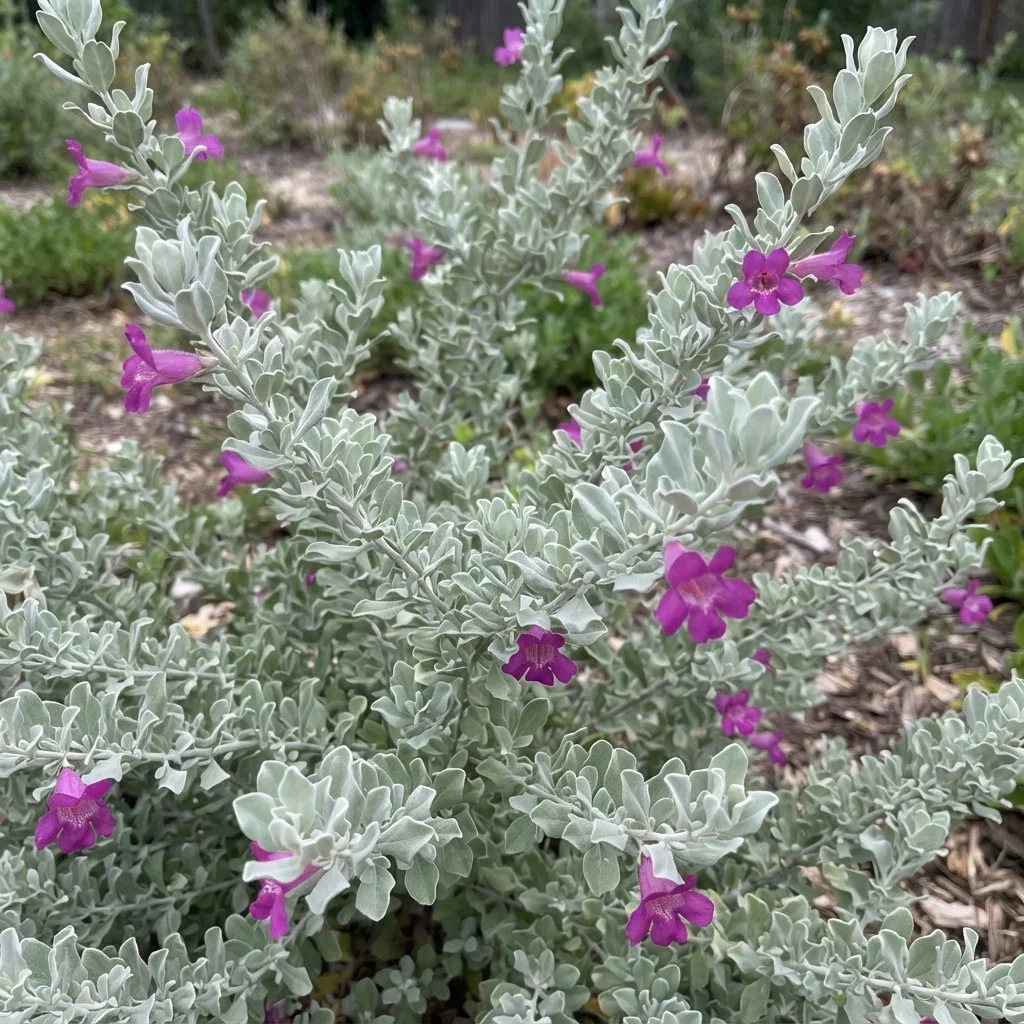
Texas Sage
Leucophyllum frutescens
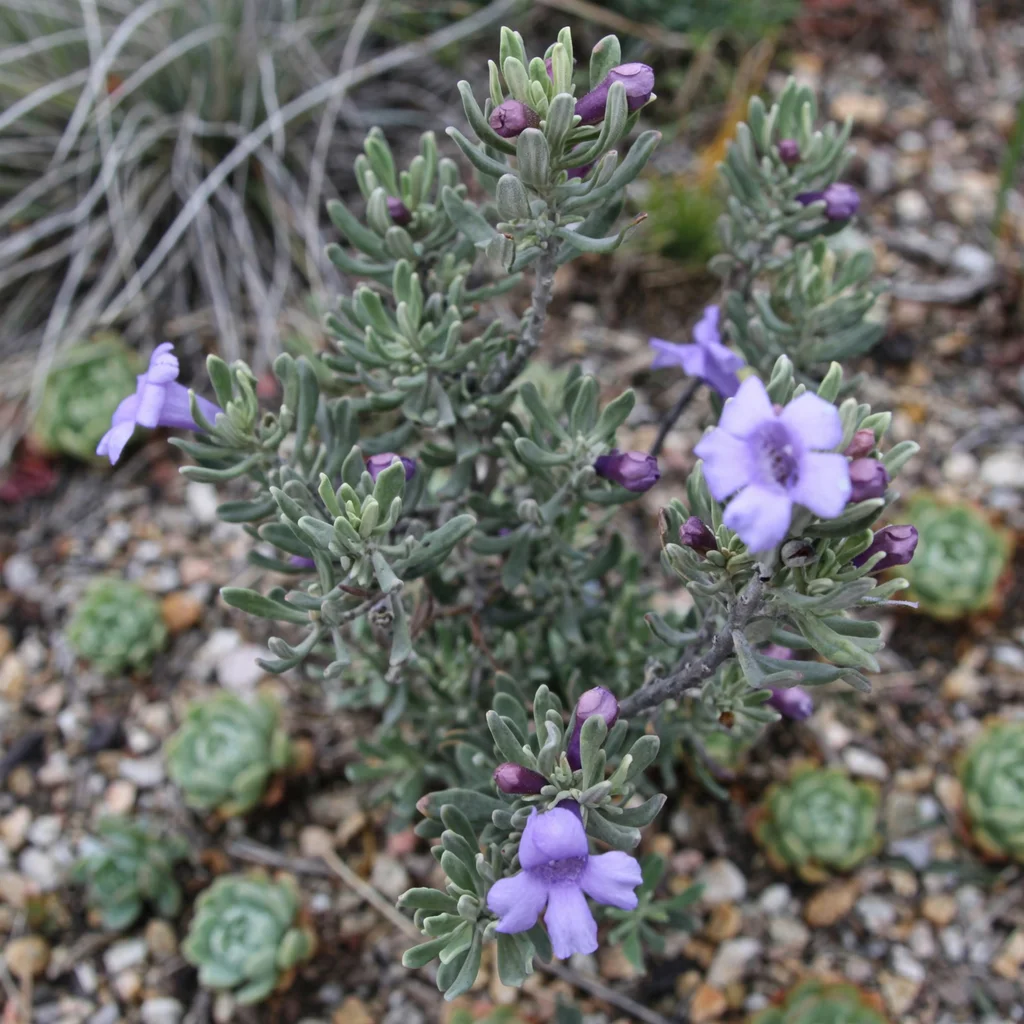
Little Leaf Texas Ranger
Leucophyllum revolutum
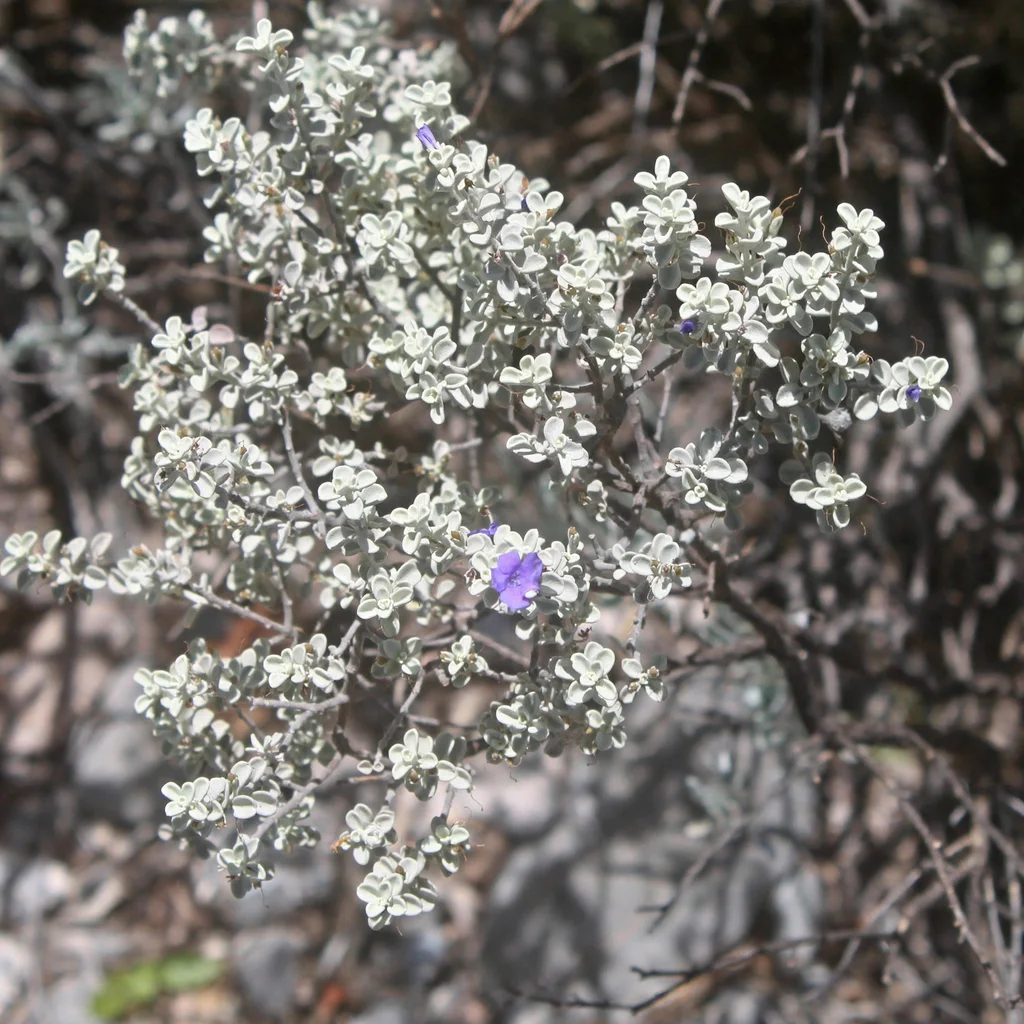
Blue Ranger
Leucophyllum zygophyllum
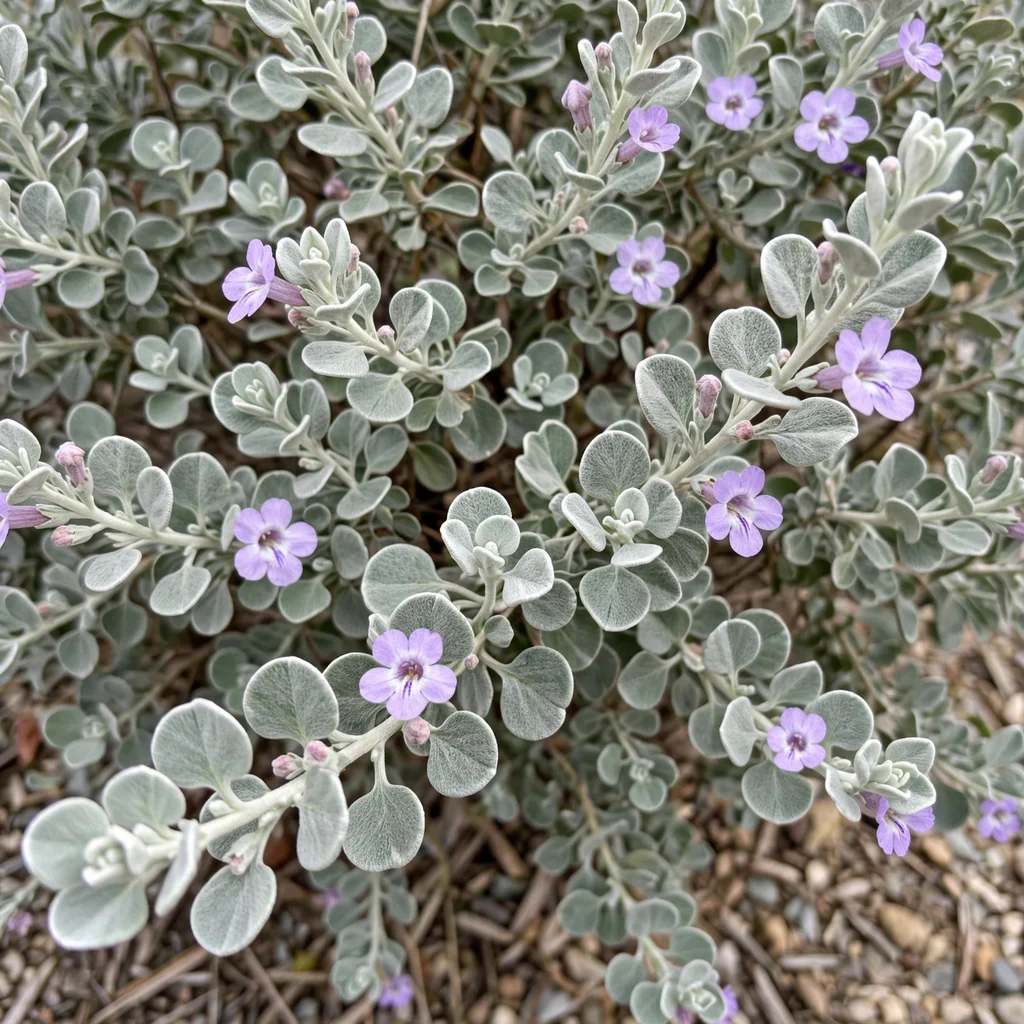
Rio Bravo Sage
Leucophyllum langmaniae
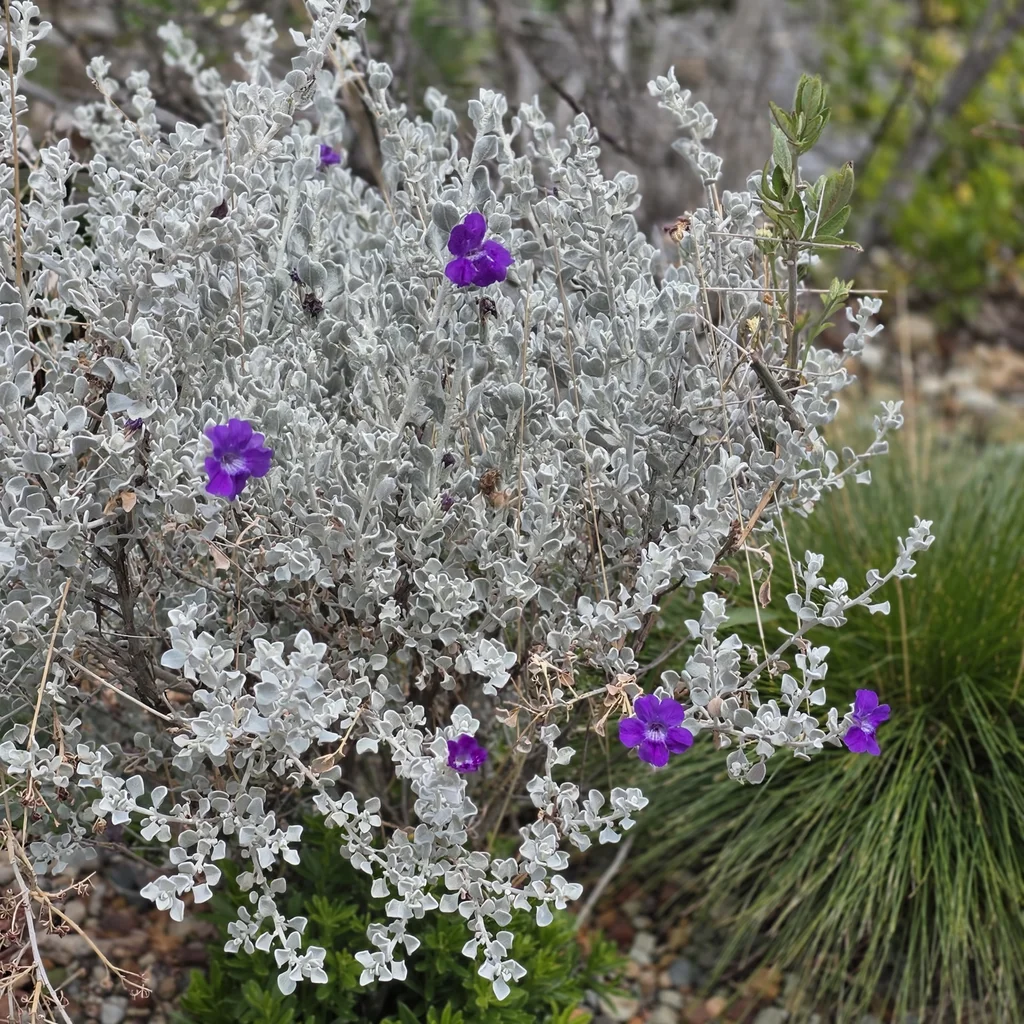
Violet Silverleaf
Leucophyllum candidum
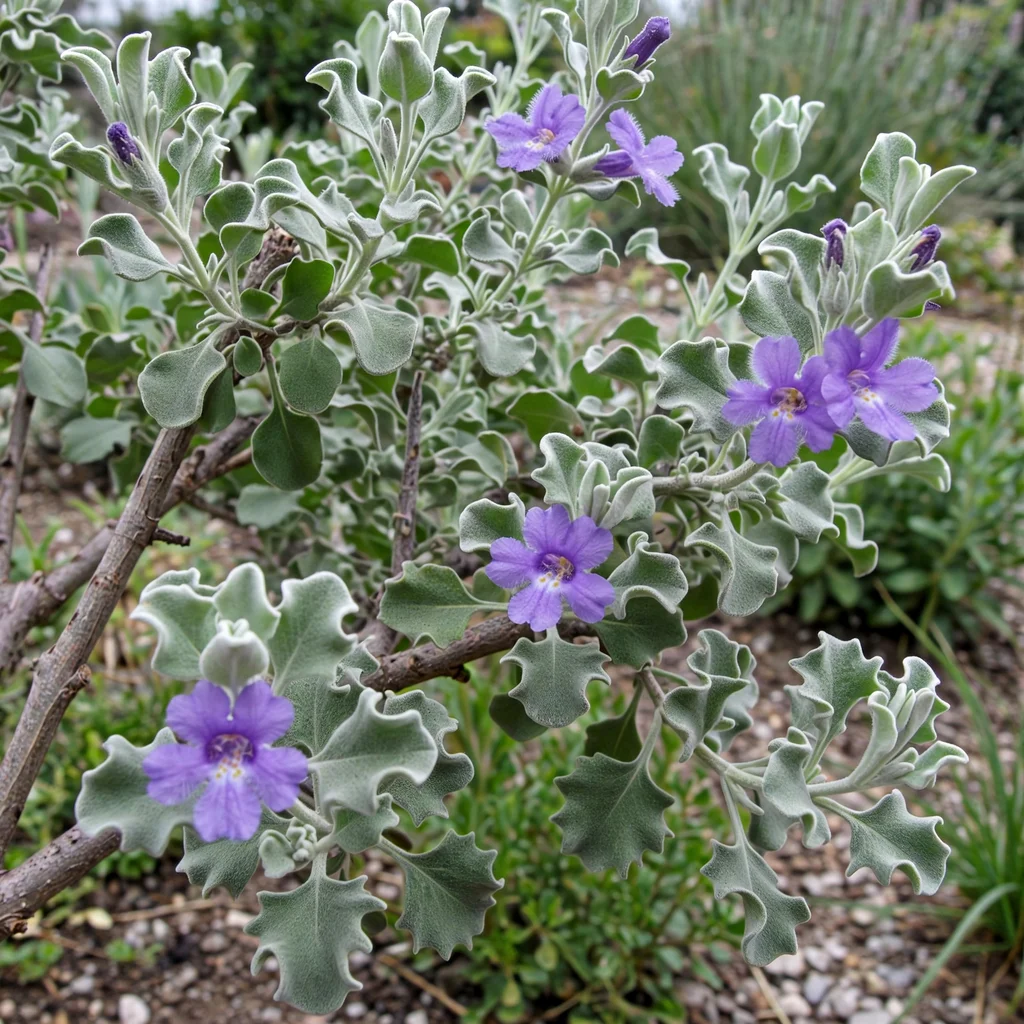
Fragrant Sage
Leucophyllum pruinosum
Keep exploring
Explore the genus
Hardy in your zone?
Grow Chihuahuan Sage with confidence
See it in a design of your actual yard, get zone-matched care reminders, and track it season by season in your garden journal.