The Story
Plant Bio
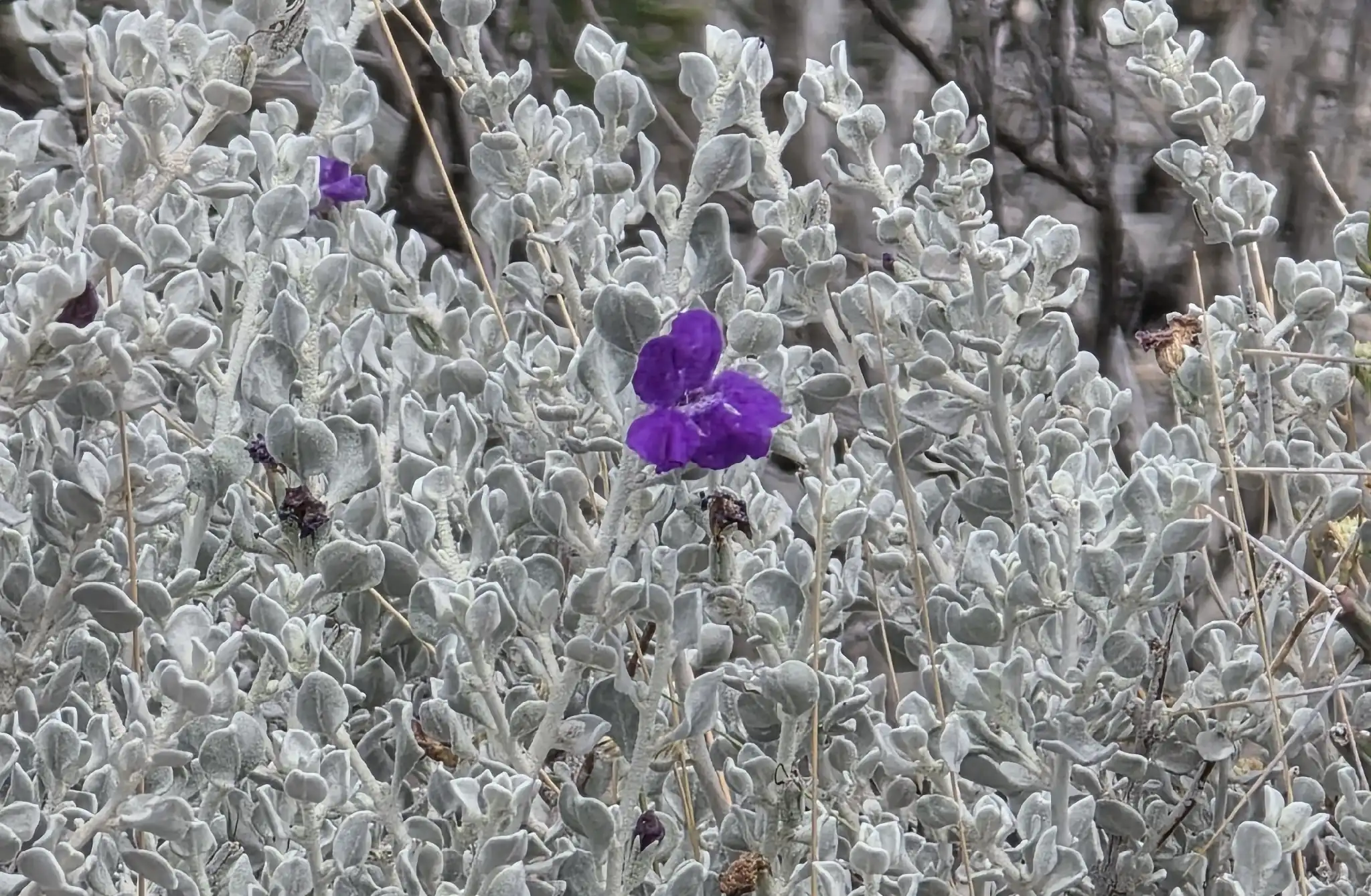
Leucophyllum candidum is an evergreen, multi-branched shrub from the Chihuahuan Desert that forms a compact rounded mound three to five feet tall and wide, with small silver-gray leaves densely coated in soft hairs. The deep violet-purple flowers are solitary in the leaf axils, about one inch across, opening in flushes from summer to fall after rain or a rise in humidity.
It is distinguished by intensely silver, velvety young foliage that holds its color in full sun and heat, paler and softer than the common Texas sage. It keeps a tight rounded form in lean gravelly limestone soil and tolerates cold to about 10 degrees Fahrenheit when kept dry and sharply drained.
Uses & Benefits:
Essentials
At a Glance
Plant Type
Shrub
Height
60"
Width
60"
Light
Full Sun, Partial Sun
Zones
8, 9, 10
Water
Low
Humidity
Low
Lifespan
Woody perennial
Native To
Brewster County, Texas to northern Mexico
Toxicity
Non-toxic
Bloom period
Summer – Fall
In flower about 6 months of the year
Planting
How to Grow
- Set plants in full sun in very well drained gravelly or sandy limestone soil, mounding slightly if drainage is doubtful.
- Dig the hole no deeper than the root ball and twice as wide, then backfill with native soil mixed with gravel.
- Water deeply at planting to settle the soil, then let the soil dry between waterings.
- Mulch thinly with gravel kept away from the stem, not with bark that holds moisture.
- Leave unpruned except to tip back lightly after the fall flush.
Pro Tip
Plant in full sun in limestone rubble with sharp drainage and water rarely once established; overwatering kills it faster than drought, and bloom follows rain, not the calendar.
Keep It Thriving
Care Guide
Do
- Plant in full sun with sharp drainage.
- Water deeply but infrequently once established.
- Use gravel mulch to keep the crown dry.
Don't
- Do not overwater or plant in low wet soil.
- Do not cut back into old bare wood.
- Do not plant in shade or rich moisture-holding beds.
Seasonal Care Calendar
| Task | Jan | Feb | Mar | Apr | May | Jun | Jul | Aug | Sep | Oct | Nov | Dec |
|---|---|---|---|---|---|---|---|---|---|---|---|---|
| Pest Check | ||||||||||||
| Plant | ||||||||||||
| Propagate | ||||||||||||
| Prune |
Watch Out For
Pests & Diseases
Common Pests
Common Diseases
In the Garden
Landscape Uses & Companions
Landscape Uses
Multiply
Propagation Methods
Good to Know
Common Questions
Violet Silverleaf questions
What zones can Violet Silverleaf grow in?
Violet Silverleaf is hardy in USDA Zones 8–10: in that range it survives winter in the ground. Colder than Zone 8, grow it in a container you can move to shelter for the winter.
When does Violet Silverleaf bloom?
Violet Silverleaf typically blooms from summer to fall. Exact timing shifts a week or two with your zone — Sow's bloom calendar maps it to your garden.
Does Violet Silverleaf need full sun?
Violet Silverleaf does best in full sun to part shade. In hot climates, afternoon shade keeps blooms fresher longer.
Is Violet Silverleaf drought tolerant?
Yes — once established (usually after the first full season), Violet Silverleaf handles dry spells with minimal watering. Water deeply its first year to build the root system that makes that possible.
More Leucophyllum to compare
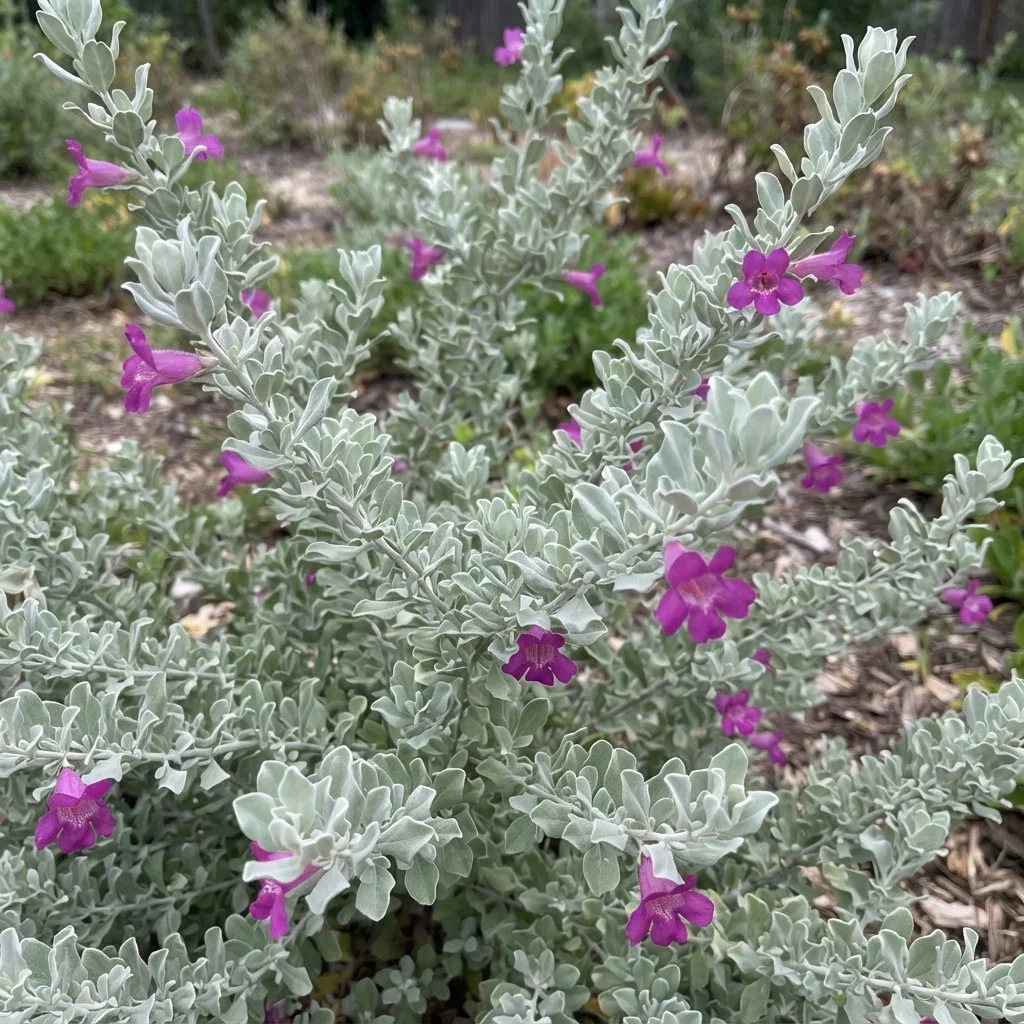
Texas Sage
Leucophyllum frutescens
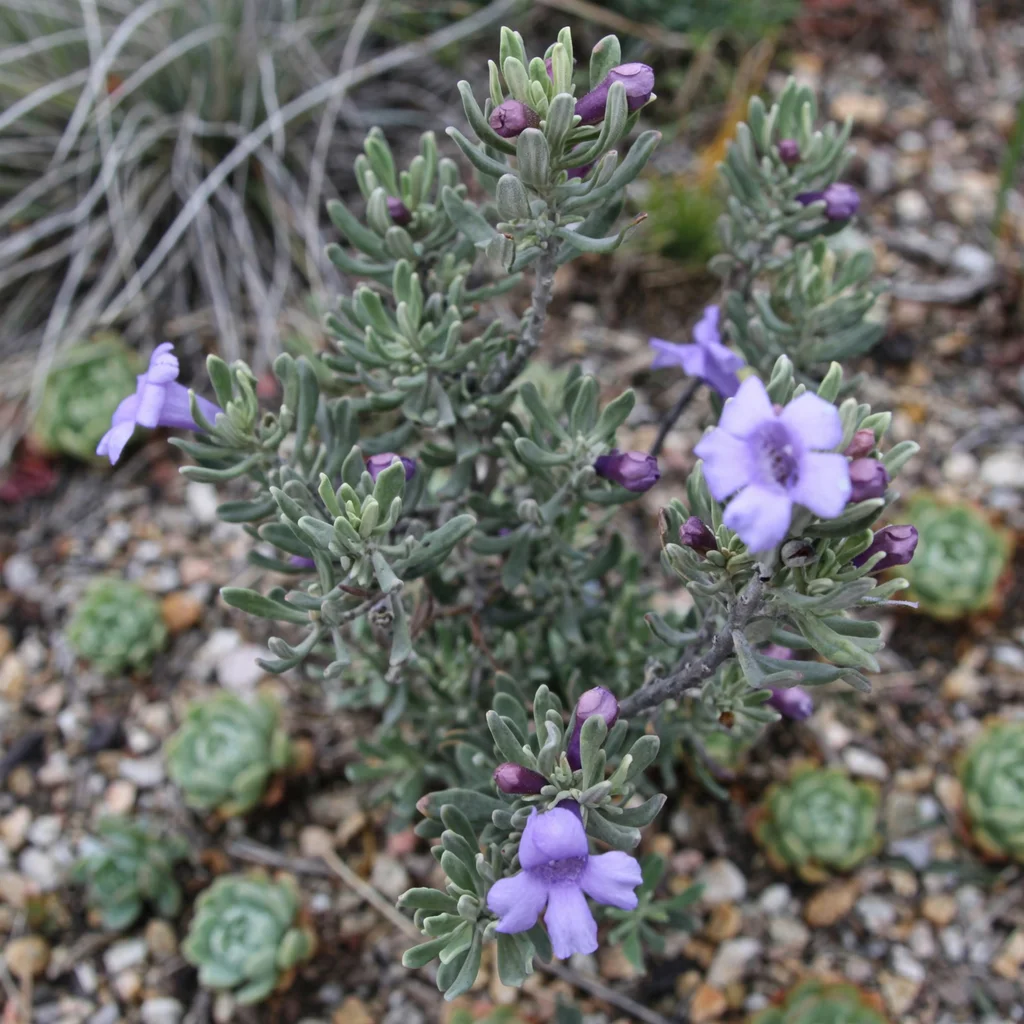
Little Leaf Texas Ranger
Leucophyllum revolutum
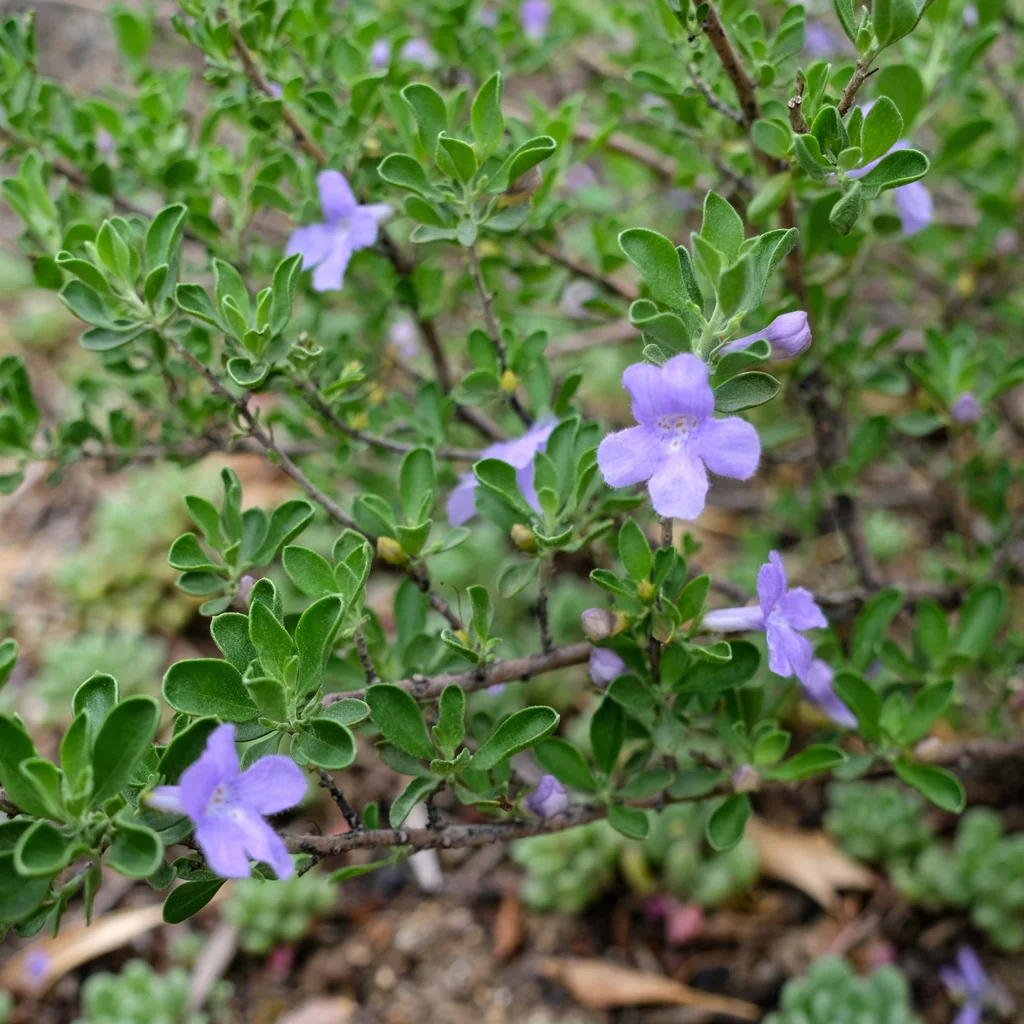
Chihuahuan Sage
Leucophyllum laevigatum
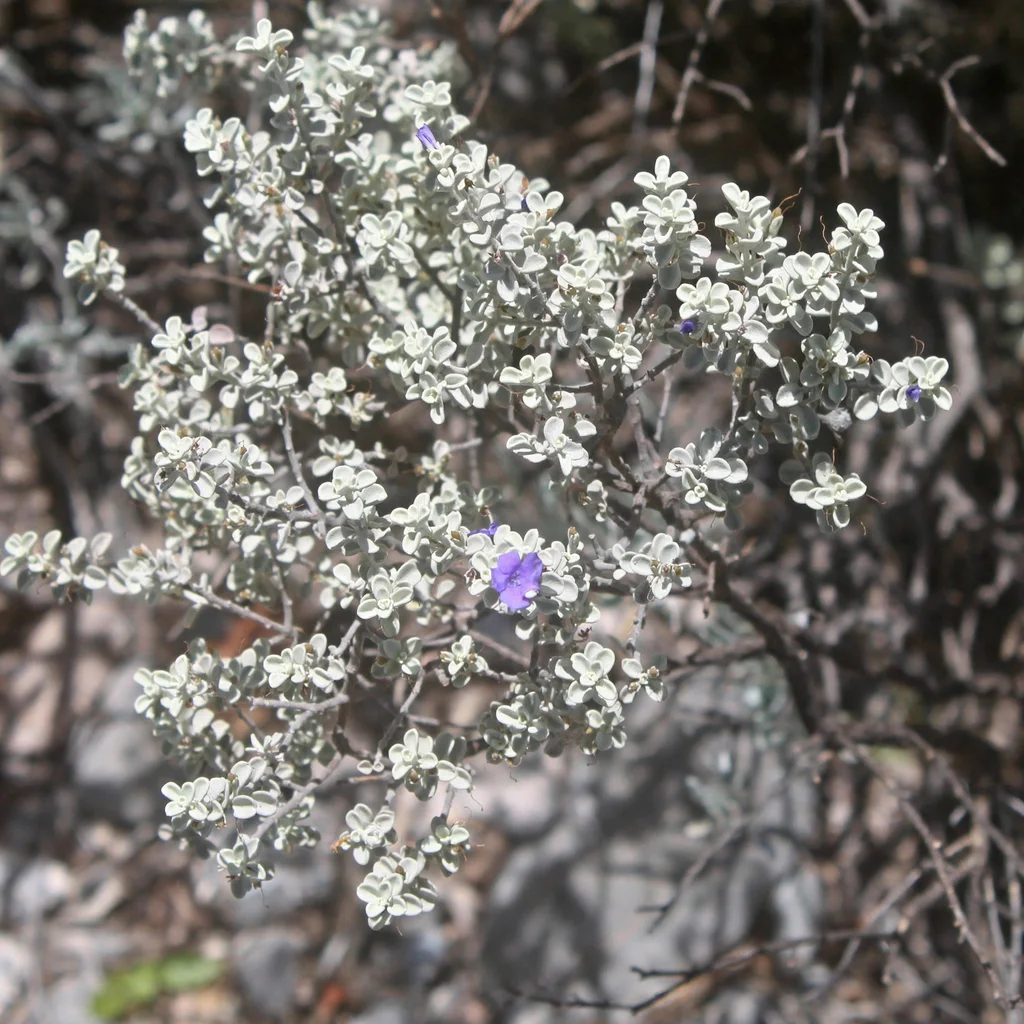
Blue Ranger
Leucophyllum zygophyllum
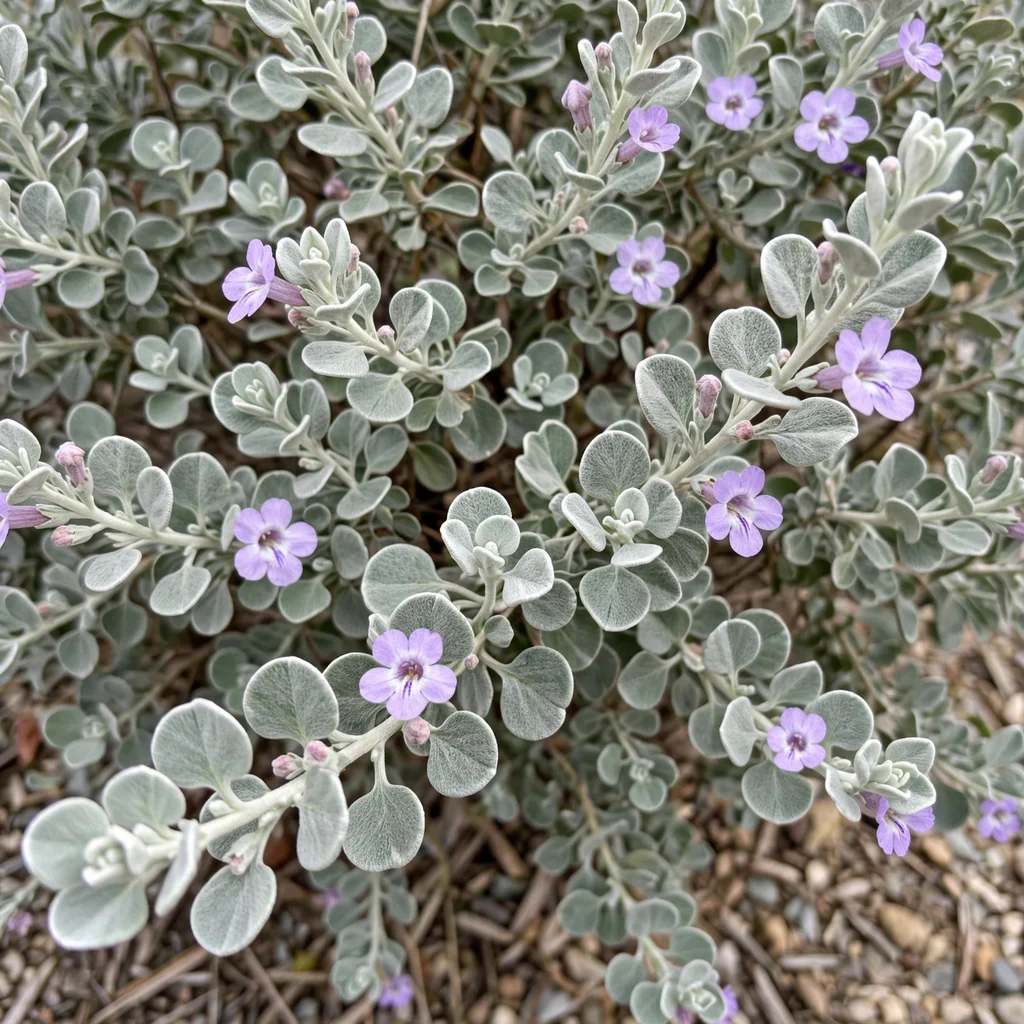
Rio Bravo Sage
Leucophyllum langmaniae
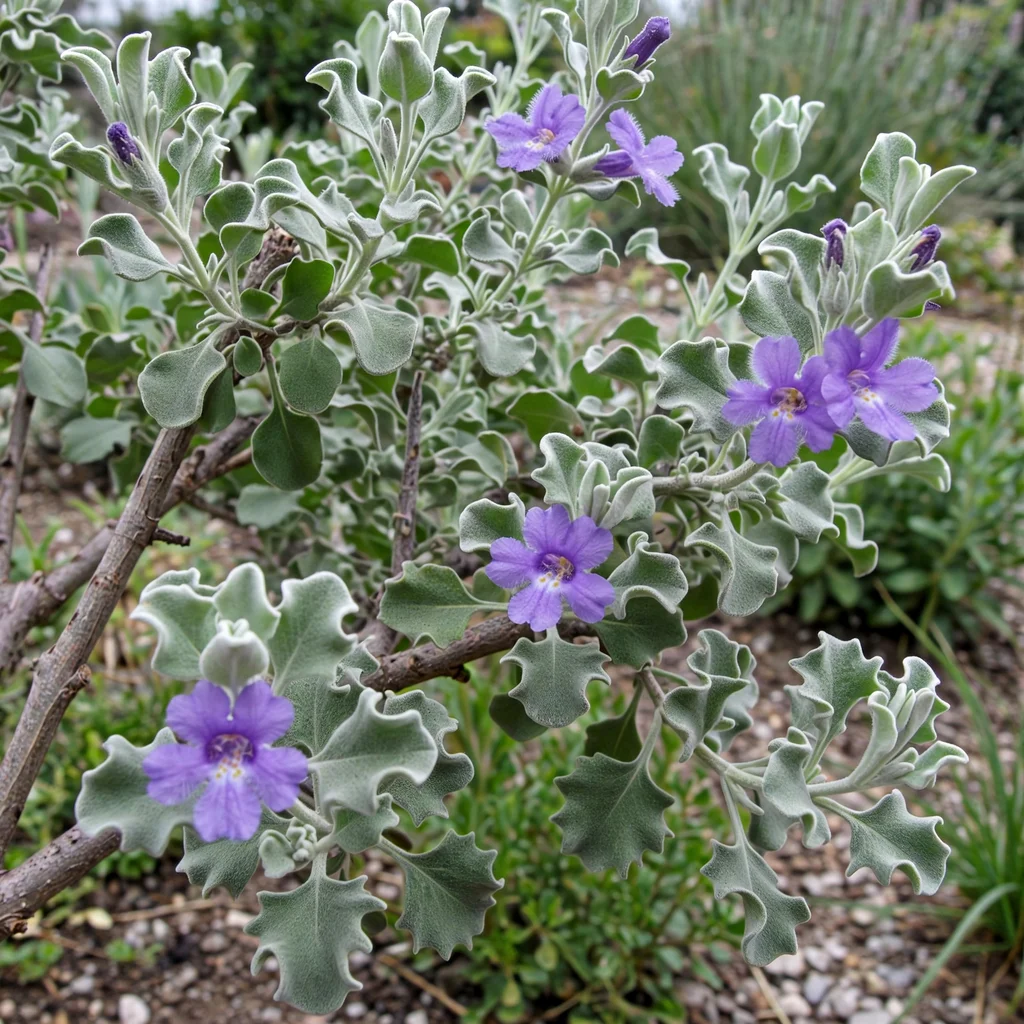
Fragrant Sage
Leucophyllum pruinosum
Keep exploring
Explore the genus
Hardy in your zone?
Grow Violet Silverleaf with confidence
See it in a design of your actual yard, get zone-matched care reminders, and track it season by season in your garden journal.