The Story
Plant Bio
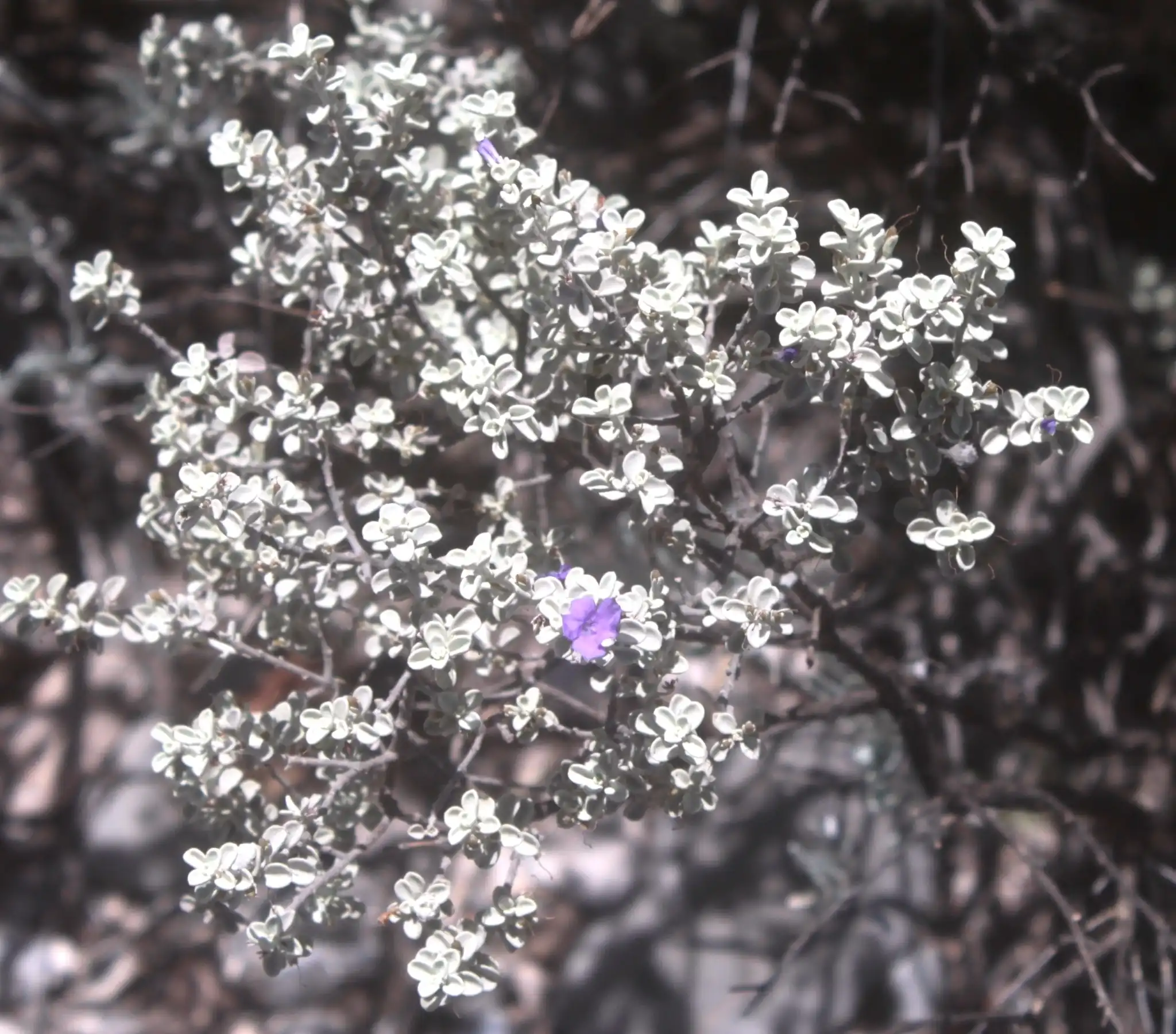
Leucophyllum zygophyllum is an evergreen to partly deciduous woody shrub from the Chihuahuan Desert, reaching four to seven feet tall and wide unpruned with a rounded to irregular crown. Leaves are densely woolly and whitish-silver with soft texture, and bell-shaped magenta to indigo-blue flowers about a half-inch across open singly in the leaf axils.
Unlike most Texas sages it carries mostly opposite, rounded and slightly cupped leaves on silvery young stems that turn gray-tan with age. Bloom follows summer and fall rain and humidity rather than the calendar, with the heaviest flush in fall and an inconspicuous dry capsule afterward.
Uses & Benefits:
Essentials
At a Glance
Plant Type
Shrub
Height
72"
Width
72"
Light
Full Sun
Zones
7, 8, 9, 10
Water
Low
Humidity
Tolerates humidity-triggered bloom
Lifespan
Long-lived woody shrub
Native To
Chihuahuan Desert, northeastern Mexico
Toxicity
Unknown - no toxicity reported
Bloom period
Summer – Fall
In flower about 6 months of the year
Planting
How to Grow
- Plant in full sun with no shade in rocky, porous, low-fertility soil that drains fast.
- Set the crown level with the soil surface and water in once to settle.
- Summer water deeply but infrequently and keep completely dry in winter except in extreme drought.
- Head back lightly in late February and remove an occasional old branch to invigorate, never shearing.
Pro Tip
Plant in full sun and fast-draining rocky soil and never shear it; head back lightly in late February and keep it dry in winter to keep bloom tied to rain.
Keep It Thriving
Care Guide
Do
- Plant in full sun with sharp drainage and neutral pH soil.
- Water deeply but infrequently in summer and let soil dry between waterings.
- Expect heaviest bloom after summer and fall rains and humidity.
Don't
- Do not shear into a hedge; it thins and fails to rebreak well.
- Do not overwater or irrigate in winter; wet heavy soil causes root rot.
- Do not plant in heavy clay or low wet spots.
Seasonal Care Calendar
| Task | Jan | Feb | Mar | Apr | May | Jun | Jul | Aug | Sep | Oct | Nov | Dec |
|---|---|---|---|---|---|---|---|---|---|---|---|---|
| Plant | ||||||||||||
| Propagate | ||||||||||||
| Prune | ||||||||||||
| Winter Prep |
Watch Out For
Pests & Diseases
Common Pests
Common Diseases
In the Garden
Landscape Uses & Companions
Landscape Uses
Multiply
Propagation Methods
Good to Know
Common Questions
Blue Ranger questions
What zones can Blue Ranger grow in?
Blue Ranger is hardy in USDA Zones 7–10: in that range it survives winter in the ground. Colder than Zone 7, grow it in a container you can move to shelter for the winter.
When does Blue Ranger bloom?
Blue Ranger typically blooms from summer to fall. Exact timing shifts a week or two with your zone — Sow's bloom calendar maps it to your garden.
Does Blue Ranger need full sun?
Blue Ranger does best in full sun (6+ hours).
Is Blue Ranger drought tolerant?
Yes — once established (usually after the first full season), Blue Ranger handles dry spells with minimal watering. Water deeply its first year to build the root system that makes that possible.
More Leucophyllum to compare
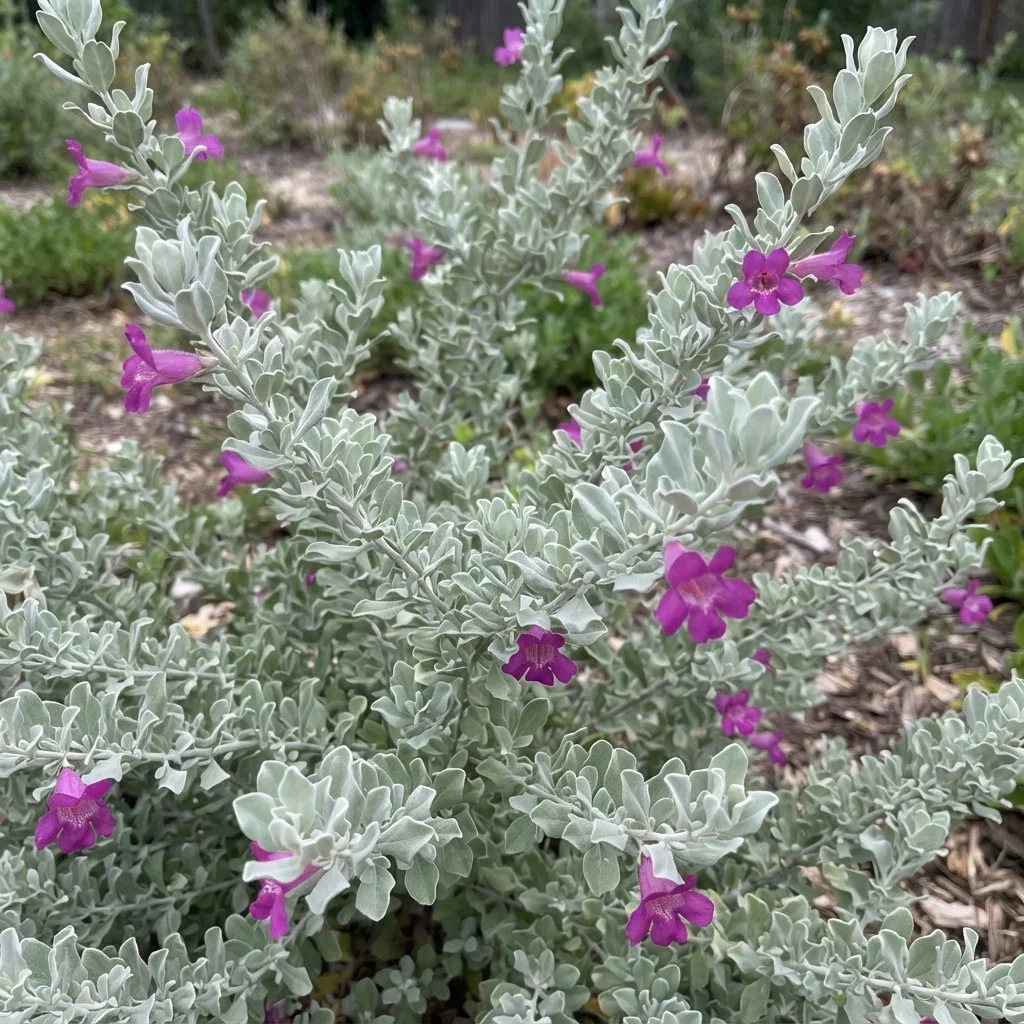
Texas Sage
Leucophyllum frutescens
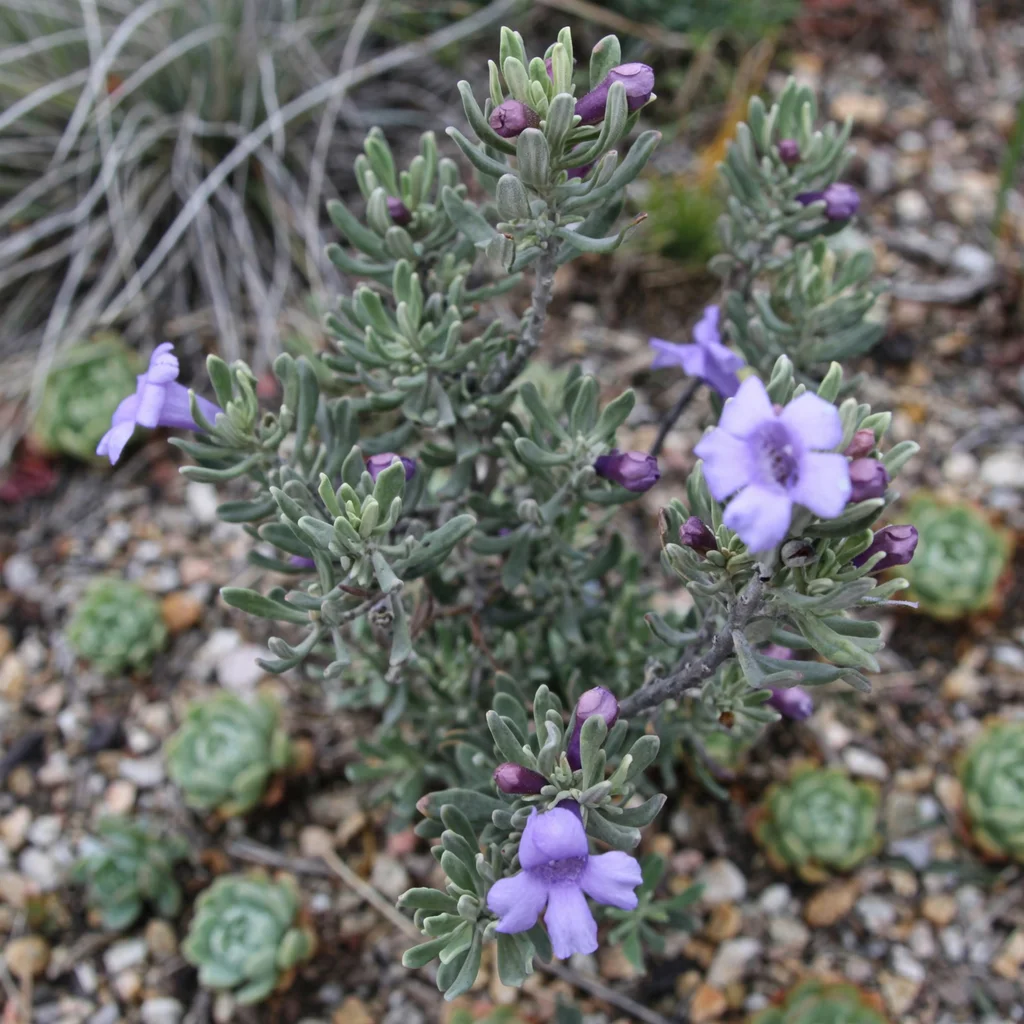
Little Leaf Texas Ranger
Leucophyllum revolutum
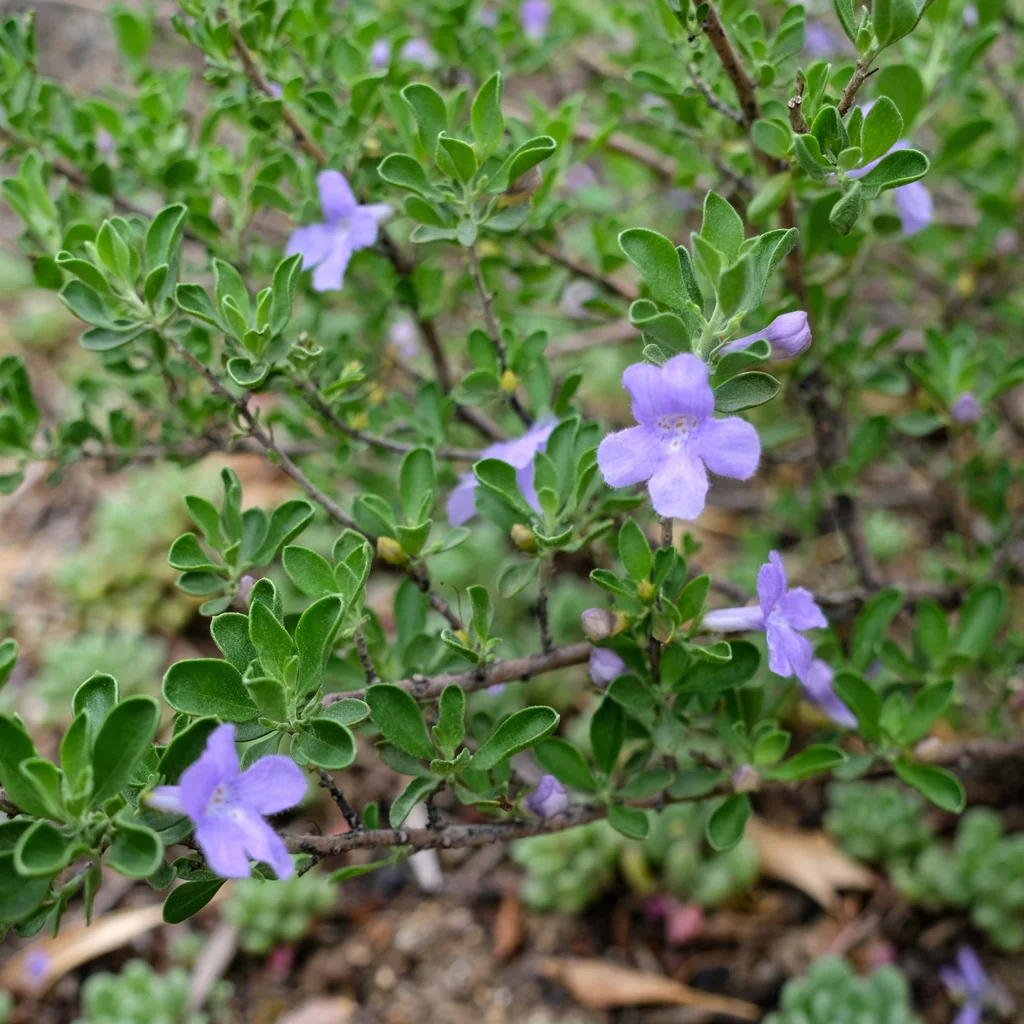
Chihuahuan Sage
Leucophyllum laevigatum
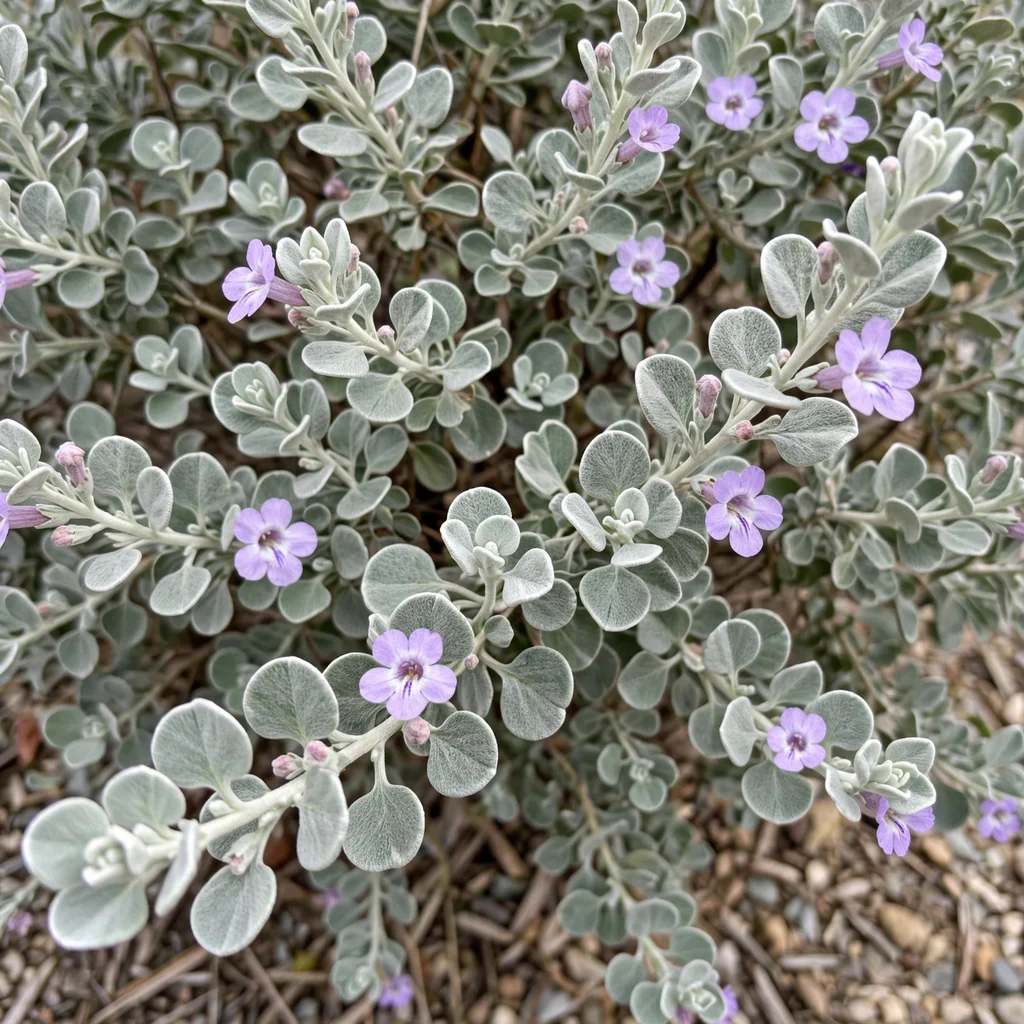
Rio Bravo Sage
Leucophyllum langmaniae
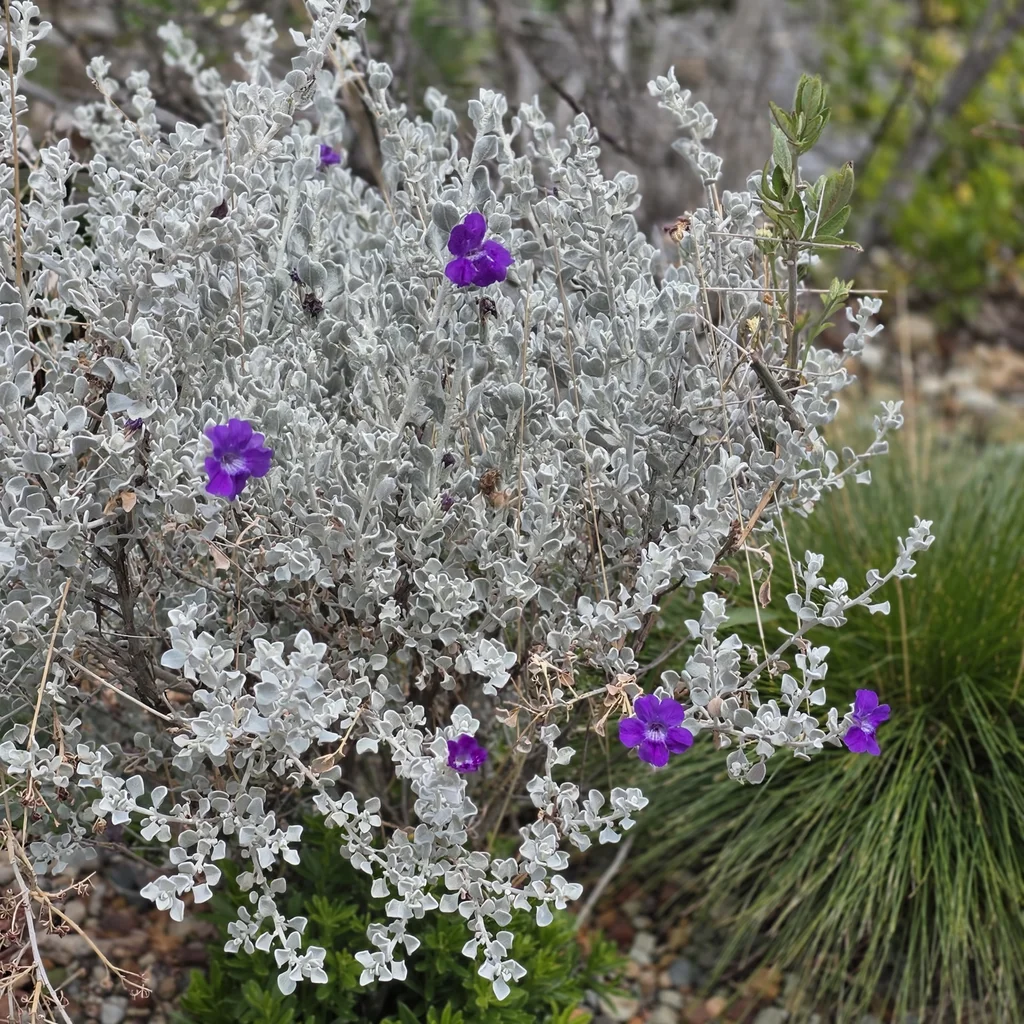
Violet Silverleaf
Leucophyllum candidum
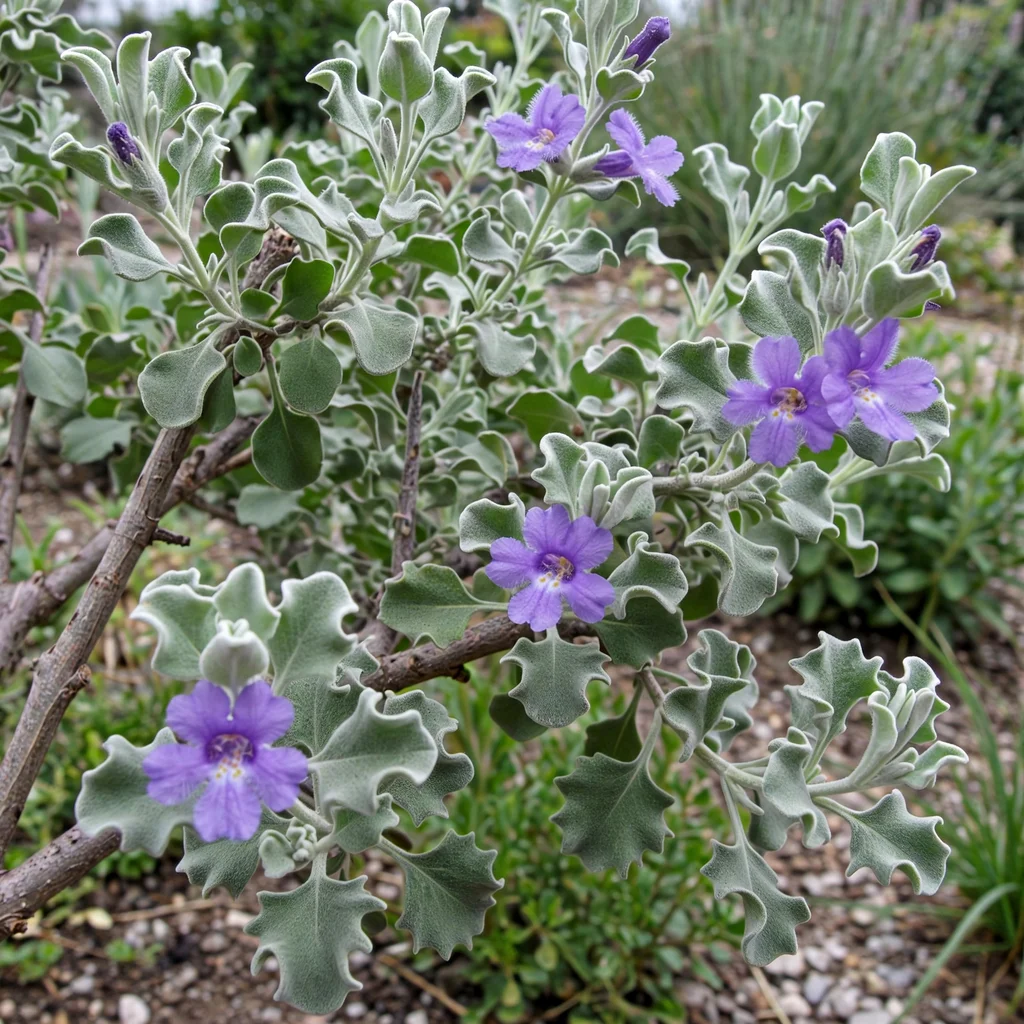
Fragrant Sage
Leucophyllum pruinosum
Keep exploring
Explore the genus
Hardy in your zone?
Grow Blue Ranger with confidence
See it in a design of your actual yard, get zone-matched care reminders, and track it season by season in your garden journal.