The Story
Plant Bio
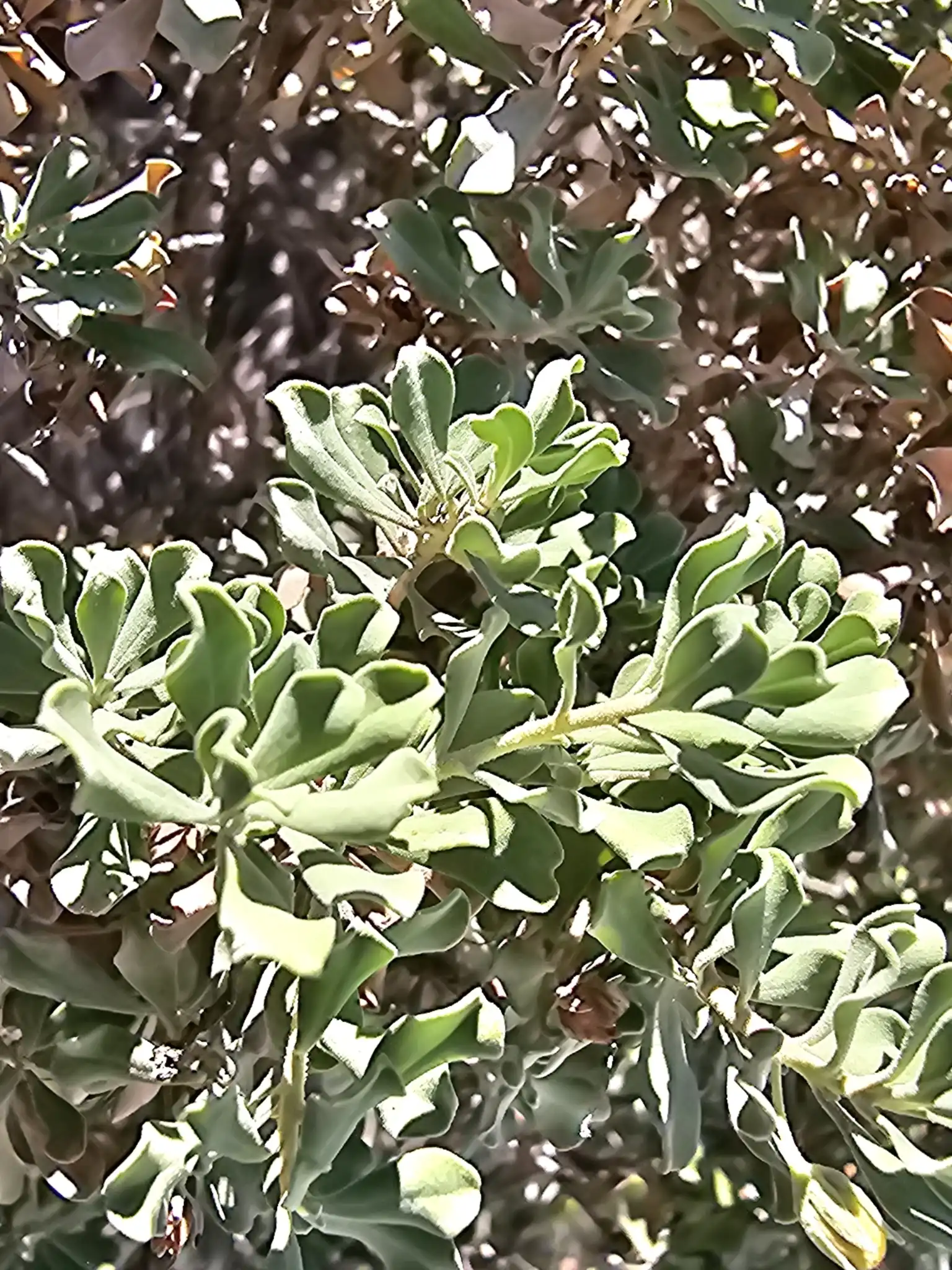
Leucophyllum langmaniae is an evergreen woody shrub forming a compact rounded mass to 3 feet tall and wide, with small rounded gray-green leaves coated in velvety hairs. Single lavender flowers open in the leaf axils on new wood through the warm season, with inconspicuous fruit.
It carries broader, slightly hairy leaves than Leucophyllum laevigatum and holds a clean gray, fine-textured canopy through heat and drought. Flowering repeats every four to six weeks from mid-spring through fall, each flush triggered by rain or deep moisture.
Uses & Benefits:
Essentials
At a Glance
Plant Type
Shrub
Height
36"
Width
36"
Light
Full Sun
Zones
7, 8, 9, 10
Water
Low
Humidity
Low
Lifespan
Long-lived shrub
Native To
Mexico
Toxicity
Unknown
Bloom period
Late spring – Fall
In flower about 7 months of the year
Planting
How to Grow
- Plant in full sun with no shade; shade makes growth leggy and open.
- Set in gritty, gravelly alkaline soil with sharp drainage; use a raised bed where rainfall is high.
- Water in at planting, then water deeply and infrequently only in summer if monsoon rain fails.
- Withhold water in winter and never fertilize.
- Lightly prune to shape in early spring and never shear.
Pro Tip
Give it full sun and sharp alkaline drainage and leave it alone; never shear, overwater, or fertilize, since bloom follows rain on unsheared new wood.
Keep It Thriving
Care Guide
Do
- Plant in full sun with alkaline, well-drained soil.
- Provide raised or sloped drainage in high-rainfall areas.
- Water with an infrequent deep soak in summer drought.
Don't
- Do not shear; shearing removes new wood and reduces flowering.
- Do not overwater or water in winter.
- Do not fertilize.
Seasonal Care Calendar
| Task | Jan | Feb | Mar | Apr | May | Jun | Jul | Aug | Sep | Oct | Nov | Dec |
|---|---|---|---|---|---|---|---|---|---|---|---|---|
| Pest Check | ||||||||||||
| Plant | ||||||||||||
| Propagate | ||||||||||||
| Prune | ||||||||||||
| Winter Prep |
Watch Out For
Pests & Diseases
Common Pests
Common Diseases
In the Garden
Landscape Uses & Companions
Landscape Uses
Companion Plants
Multiply
Propagation Methods
Good to Know
Common Questions
Rio Bravo Sage questions
What zones can Rio Bravo Sage grow in?
Rio Bravo Sage is hardy in USDA Zones 7–10: in that range it survives winter in the ground. Colder than Zone 7, grow it in a container you can move to shelter for the winter.
When does Rio Bravo Sage bloom?
Rio Bravo Sage typically blooms from late spring to late fall. Exact timing shifts a week or two with your zone — Sow's bloom calendar maps it to your garden.
Does Rio Bravo Sage need full sun?
Rio Bravo Sage does best in full sun (6+ hours).
Is Rio Bravo Sage drought tolerant?
Yes — once established (usually after the first full season), Rio Bravo Sage handles dry spells with minimal watering. Water deeply its first year to build the root system that makes that possible.
More Leucophyllum to compare
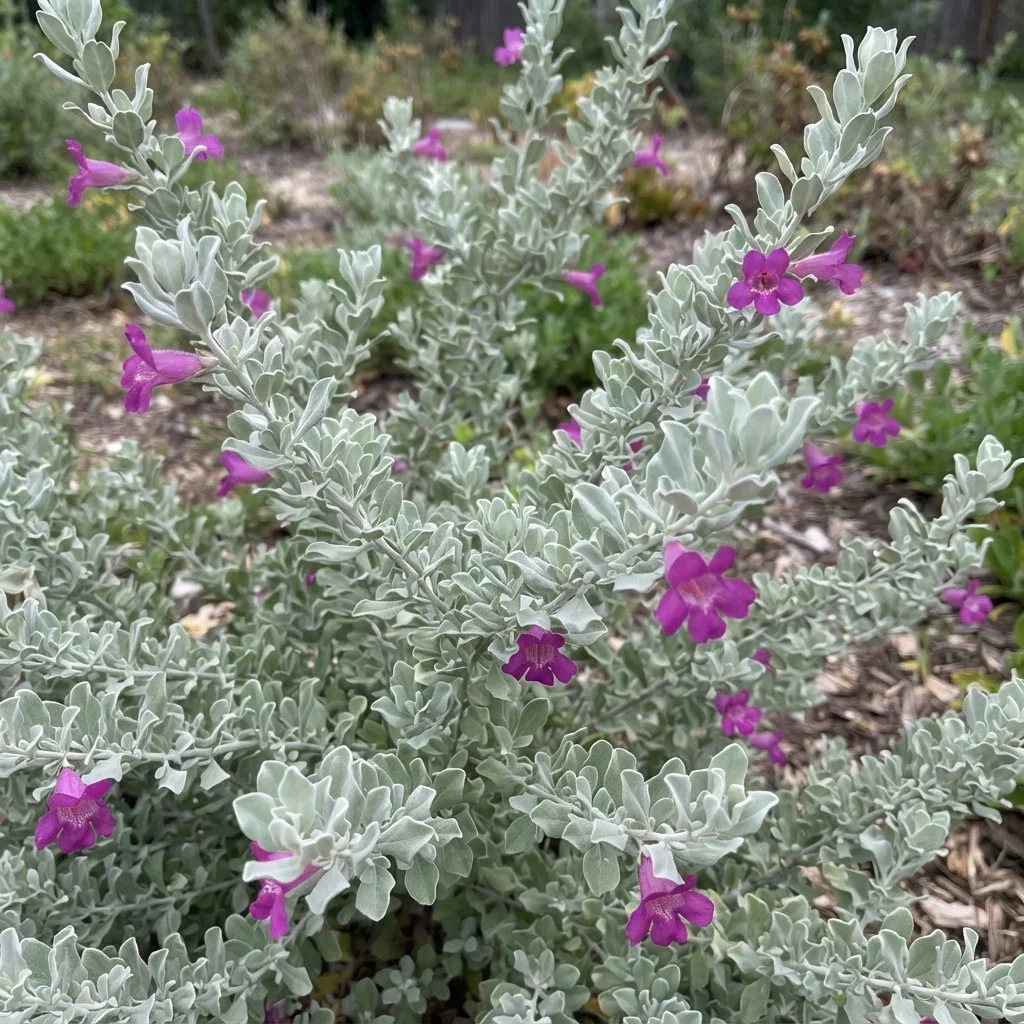
Texas Sage
Leucophyllum frutescens
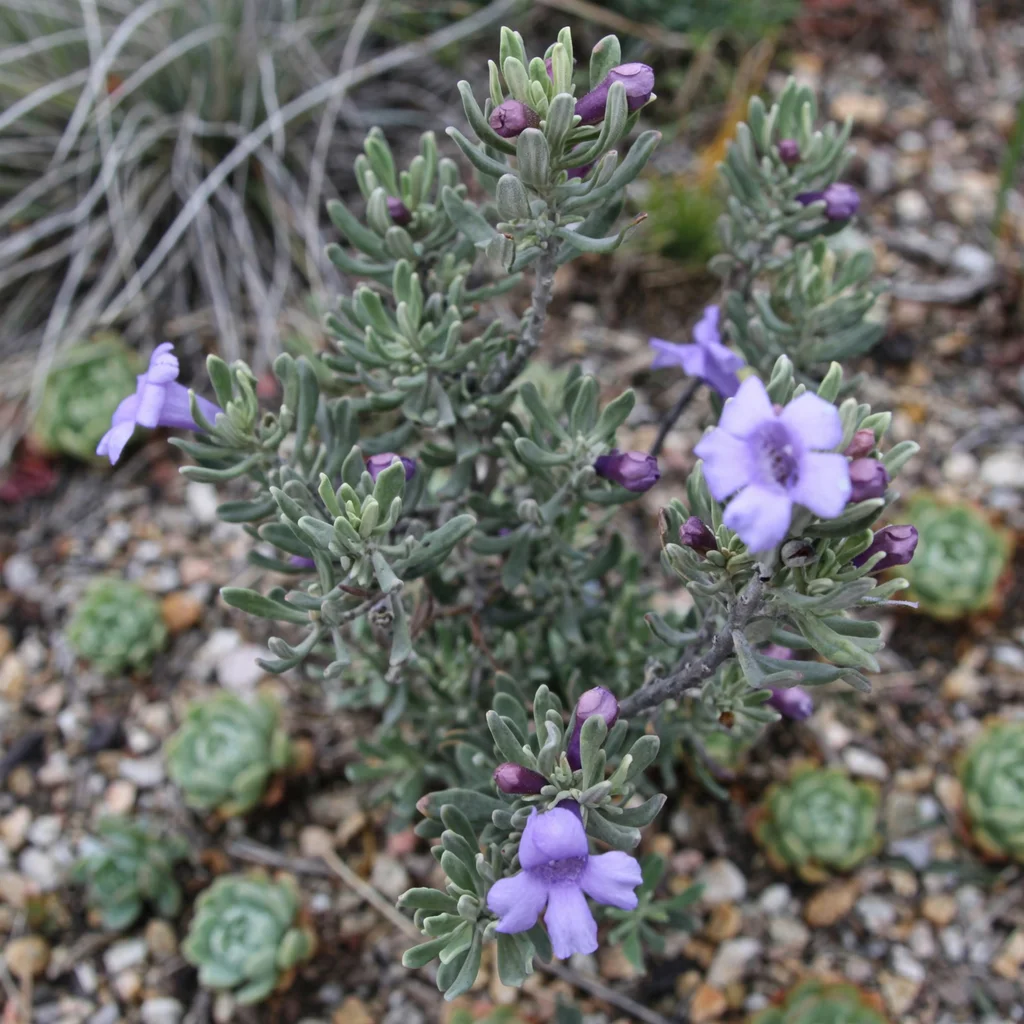
Little Leaf Texas Ranger
Leucophyllum revolutum
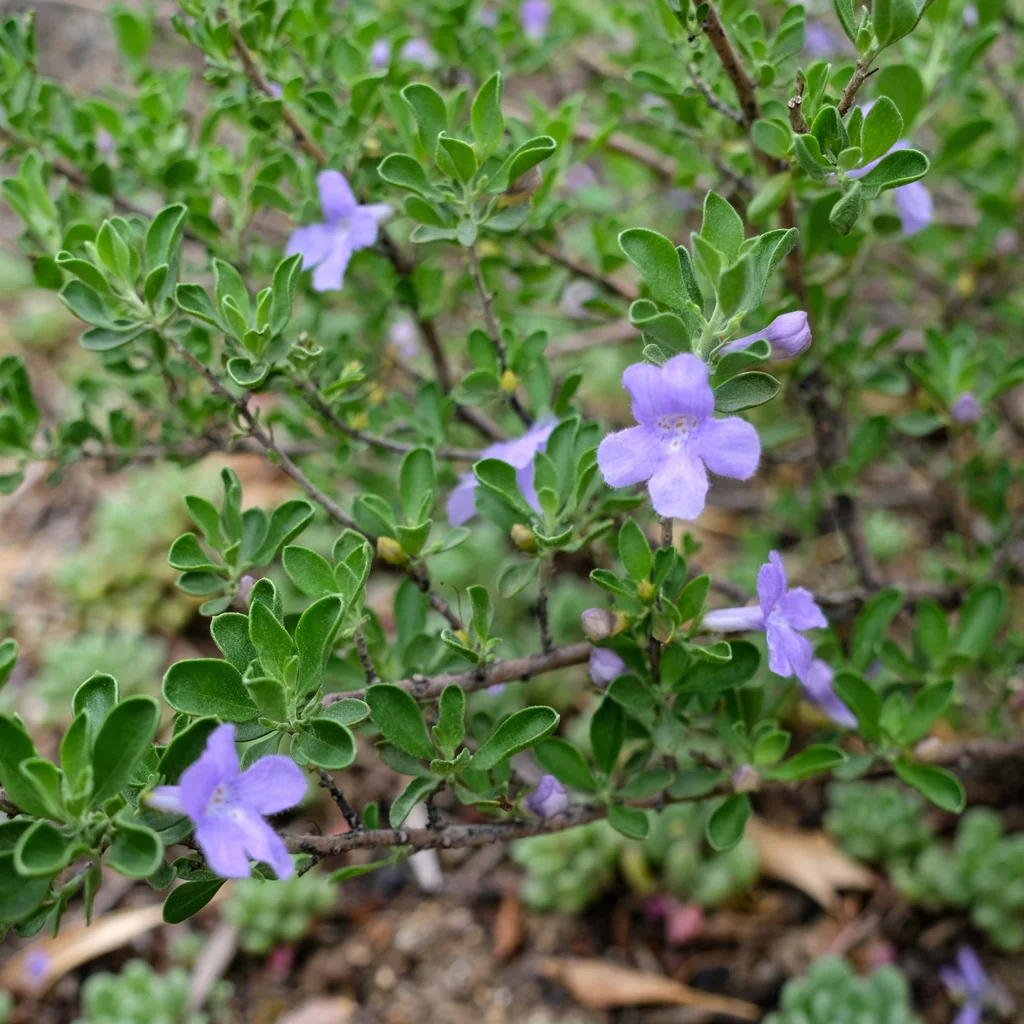
Chihuahuan Sage
Leucophyllum laevigatum
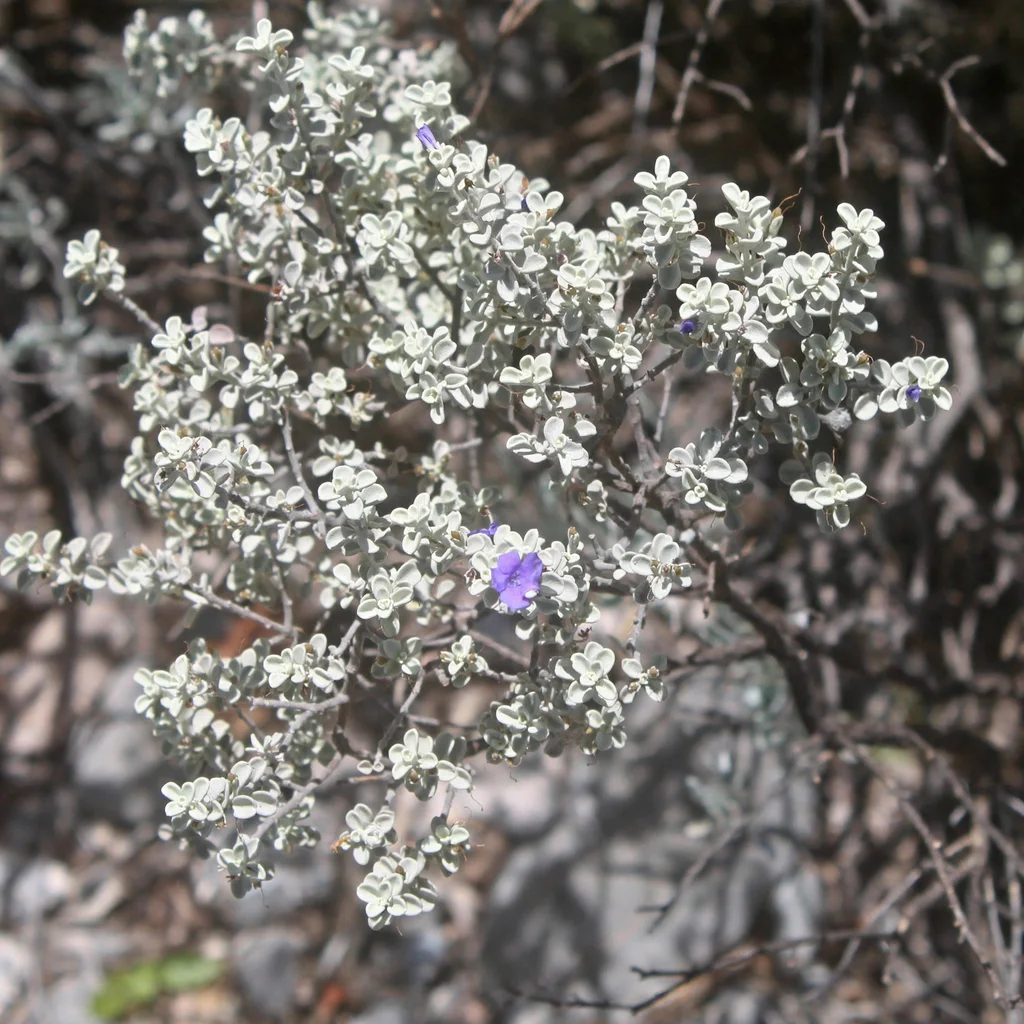
Blue Ranger
Leucophyllum zygophyllum
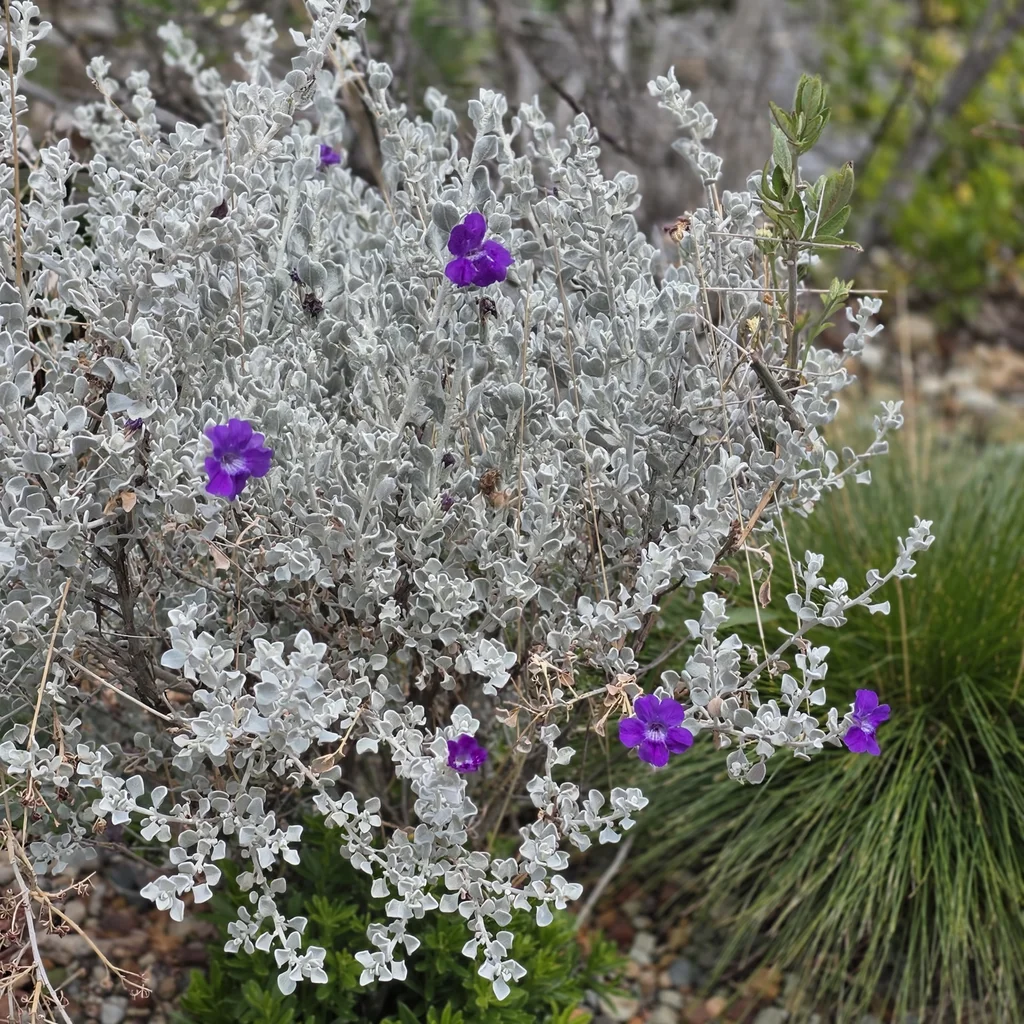
Violet Silverleaf
Leucophyllum candidum
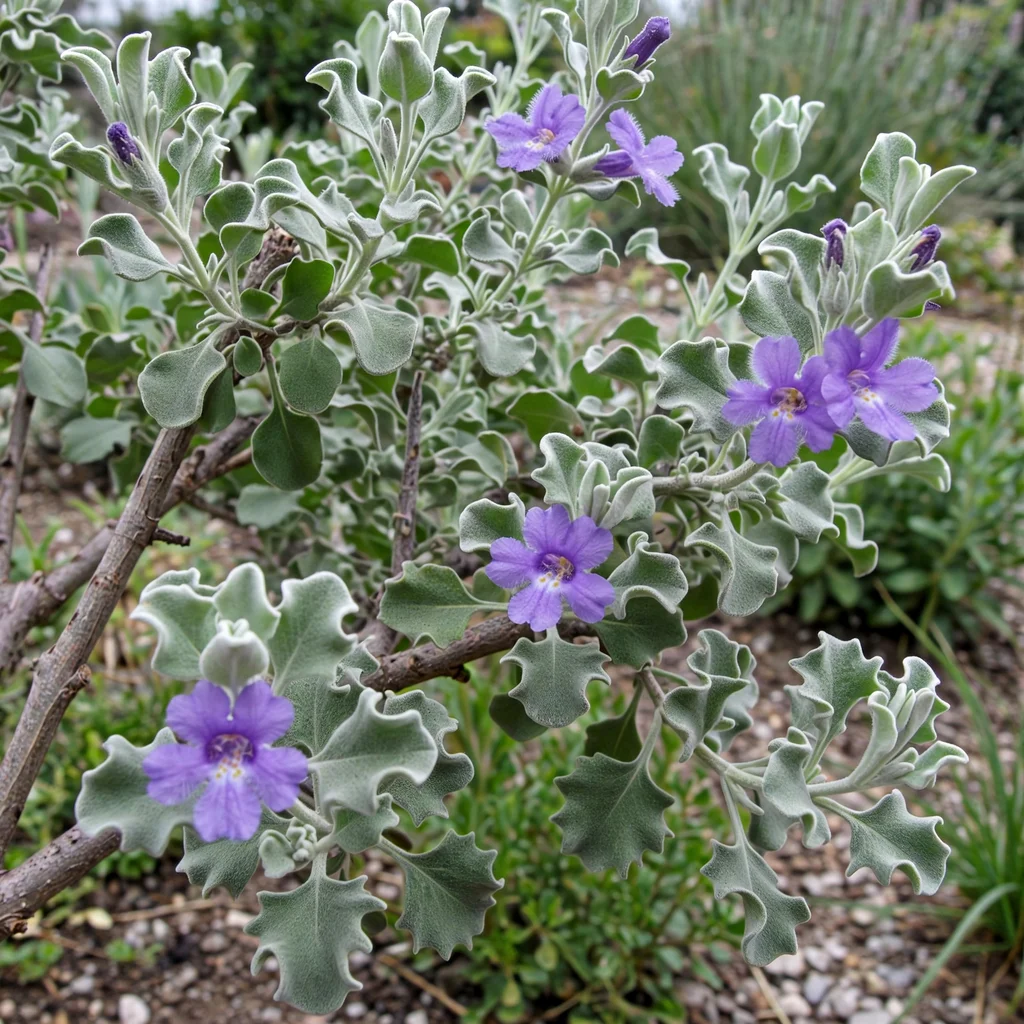
Fragrant Sage
Leucophyllum pruinosum
Keep exploring
Explore the genus
Hardy in your zone?
Grow Rio Bravo Sage with confidence
See it in a design of your actual yard, get zone-matched care reminders, and track it season by season in your garden journal.