The Story
Plant Bio
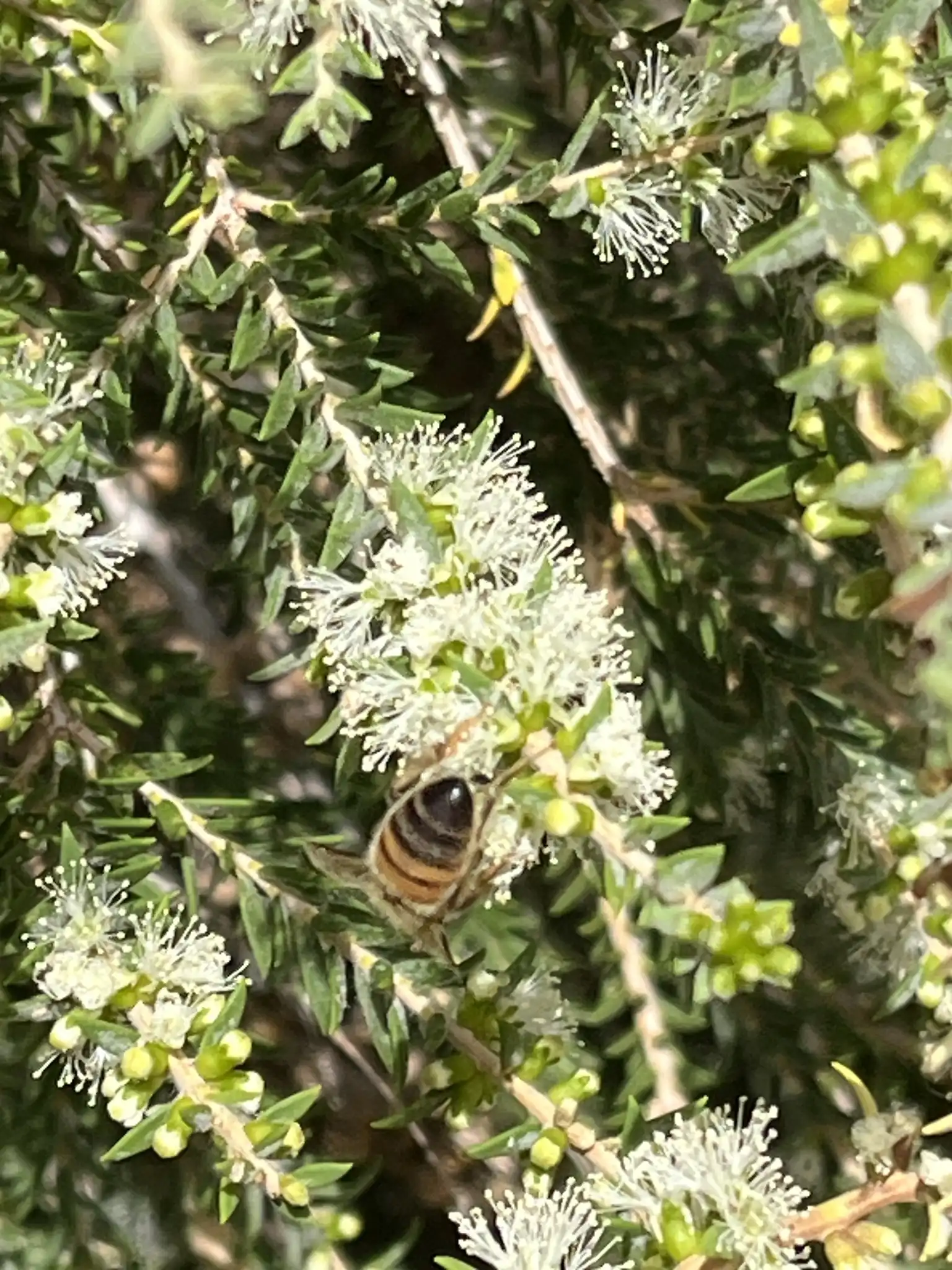
Melaleuca lanceolata is an evergreen large shrub or small tree forming a dense, spreading canopy on dark, fissured bark. Its alternate, linear foliage emits an aromatic scent when crushed and produces dense, cylindrical spikes of white to cream flowers.
This species exhibits extreme tolerance to heavy coastal salt spray, severe winds, and highly alkaline or calcareous soils. Soft, silky hairs cover new growth before it matures into smooth, dark green leaves.
Uses & Benefits:
Essentials
At a Glance
Plant Type
Shrub
Height
394"
Width
197"
Light
Full Sun, Partial Sun
Zones
9, 10
Water
Low
Humidity
Low to moderate
Lifespan
Perennial
Native To
Australia
Toxicity
Non-toxic
Bloom period
Spring – Summer
In flower about 6 months of the year
Planting
How to Grow
- Choose a site in full sun or partial shade with soil that provides reliable drainage.
- Dig a hole twice as wide as the root ball and set the plant at its original nursery depth.
- Water thoroughly after planting and maintain moderate moisture while the root system establishes.
- Apply a light layer of organic mulch around the base, keeping it several inches clear of the trunk.
Pro Tip
Never prune heavily into old, leafless wood, as stems lack dormant buds and will fail to re-sprout.
Keep It Thriving
Care Guide
Do
- Plant in well-drained soil to avoid root rot issues.
- Prune lightly immediately after flowering to shape the canopy.
- Apply low-phosphorus fertilizers sparingly if nutrient supplement is required.
Don't
- Do not overwater established specimens or leave them in waterlogged conditions.
- Do not cut back into old, bare, leafless stem tissue.
- Do not apply heavy doses of high-phosphorus fertilizers.
Seasonal Care Calendar
| Task | Jan | Feb | Mar | Apr | May | Jun | Jul | Aug | Sep | Oct | Nov | Dec |
|---|---|---|---|---|---|---|---|---|---|---|---|---|
| Fertilize | ||||||||||||
| Mulch | ||||||||||||
| Pest Check | ||||||||||||
| Prune | ||||||||||||
| Spring Cleanup |
Watch Out For
Pests & Diseases
Common Pests
Common Diseases
In the Garden
Landscape Uses & Companions
Landscape Uses
Multiply
Propagation Methods
Good to Know
Common Questions
Moonah questions
What zones can Moonah grow in?
Moonah is hardy in USDA Zones 9–10: in that range it survives winter in the ground. Colder than Zone 9, grow it in a container you can move to shelter for the winter.
When does Moonah bloom?
Moonah typically blooms from spring to summer. Exact timing shifts a week or two with your zone — Sow's bloom calendar maps it to your garden.
Does Moonah need full sun?
Moonah does best in full sun to part shade. In hot climates, afternoon shade keeps blooms fresher longer.
Is Moonah drought tolerant?
Yes — once established (usually after the first full season), Moonah handles dry spells with minimal watering. Water deeply its first year to build the root system that makes that possible.
More Melaleuca to compare
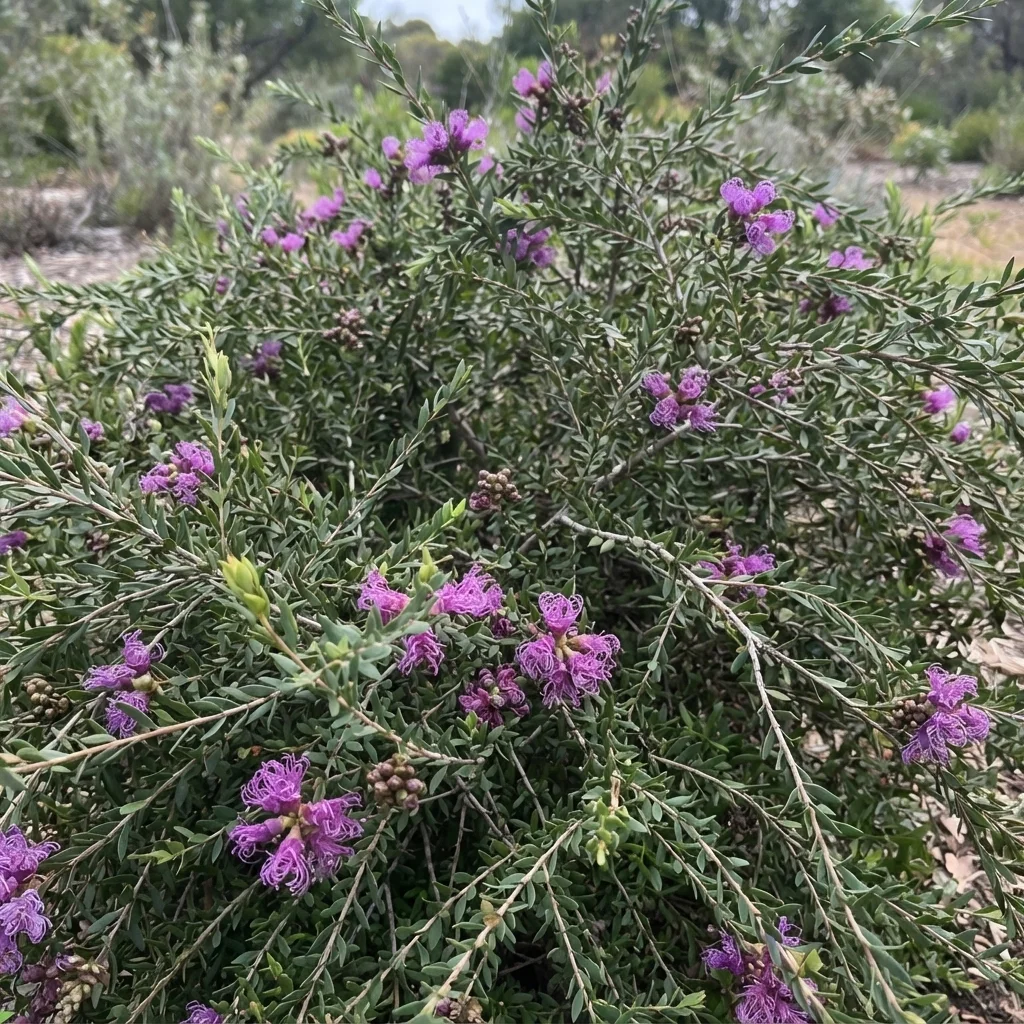
Thymeleaf Melaleuca
Melaleuca thymifolia
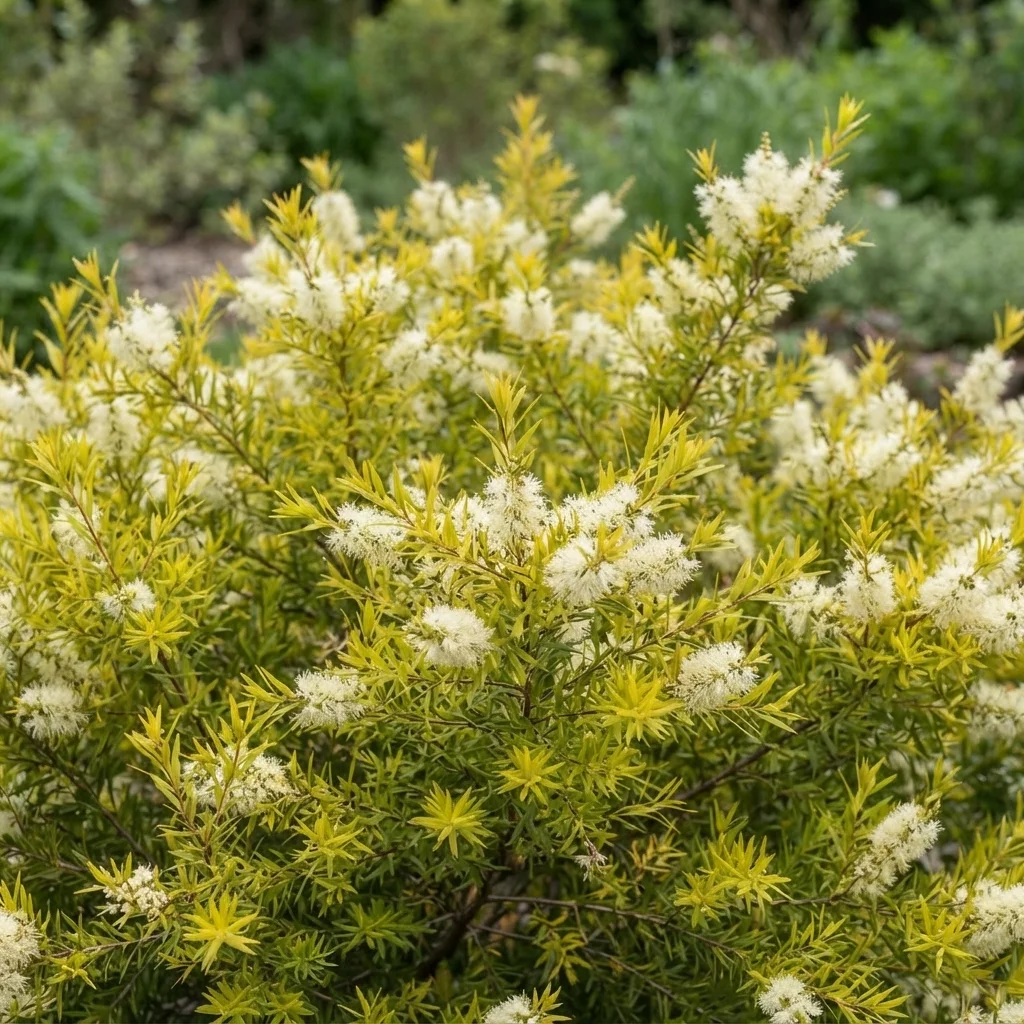
Golden Melaleuca
Melaleuca bracteata 'Golden Gem'
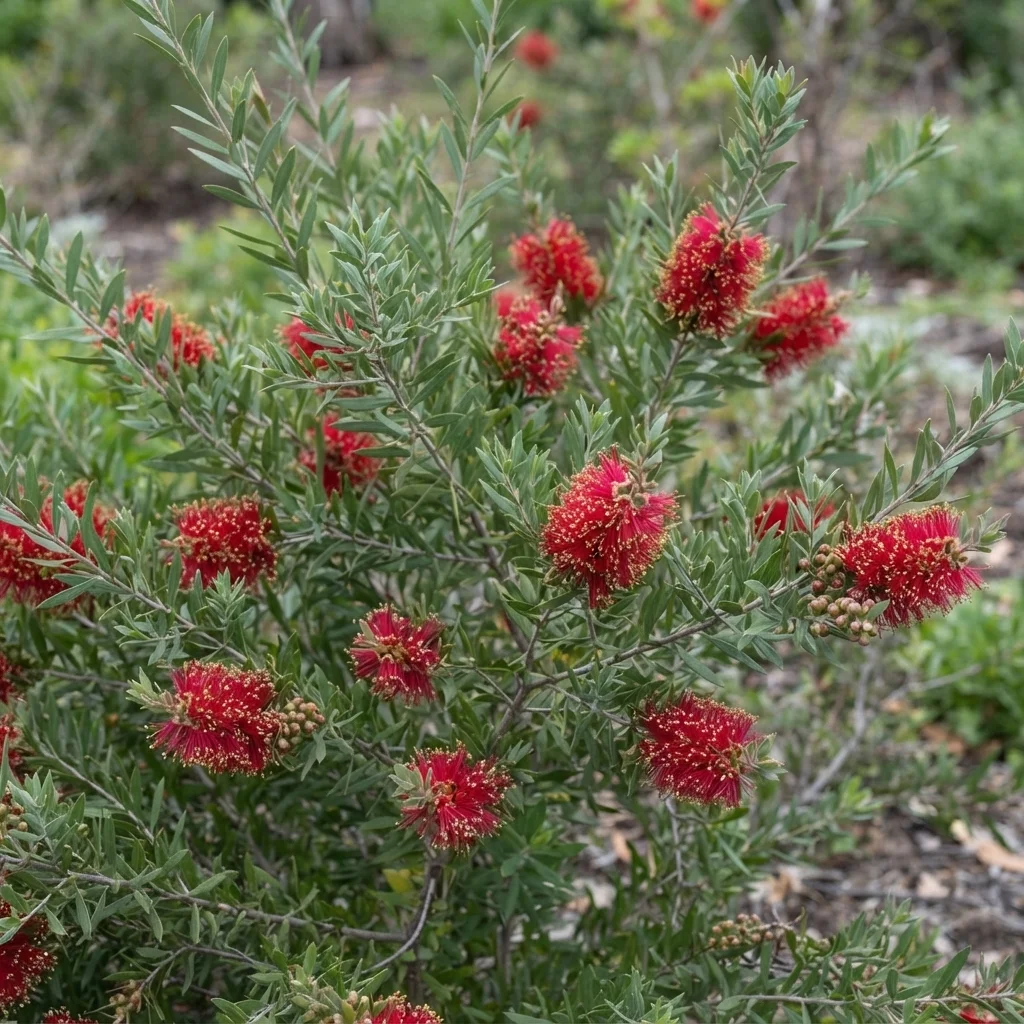
Scarlet Honey Myrtle
Melaleuca fulgens
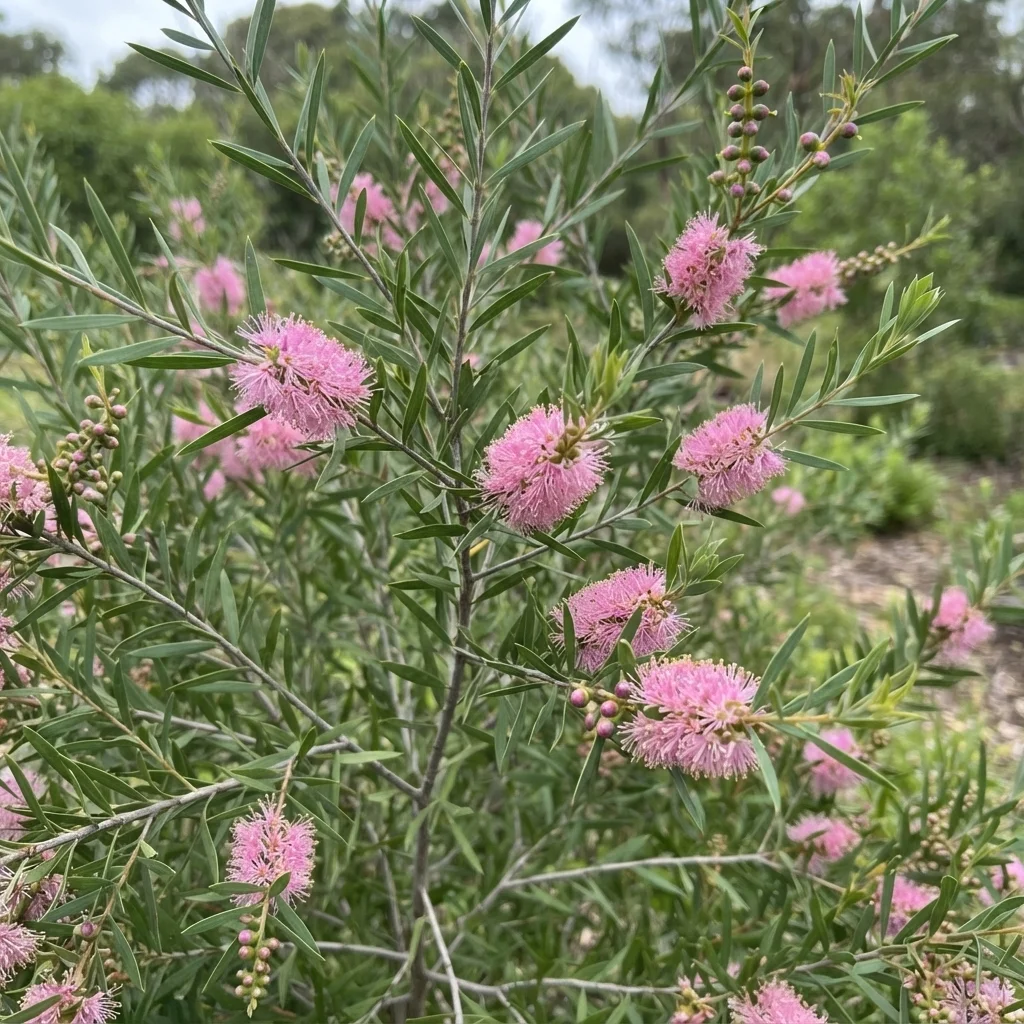
Graceful Honey-myrtle
Melaleuca radula
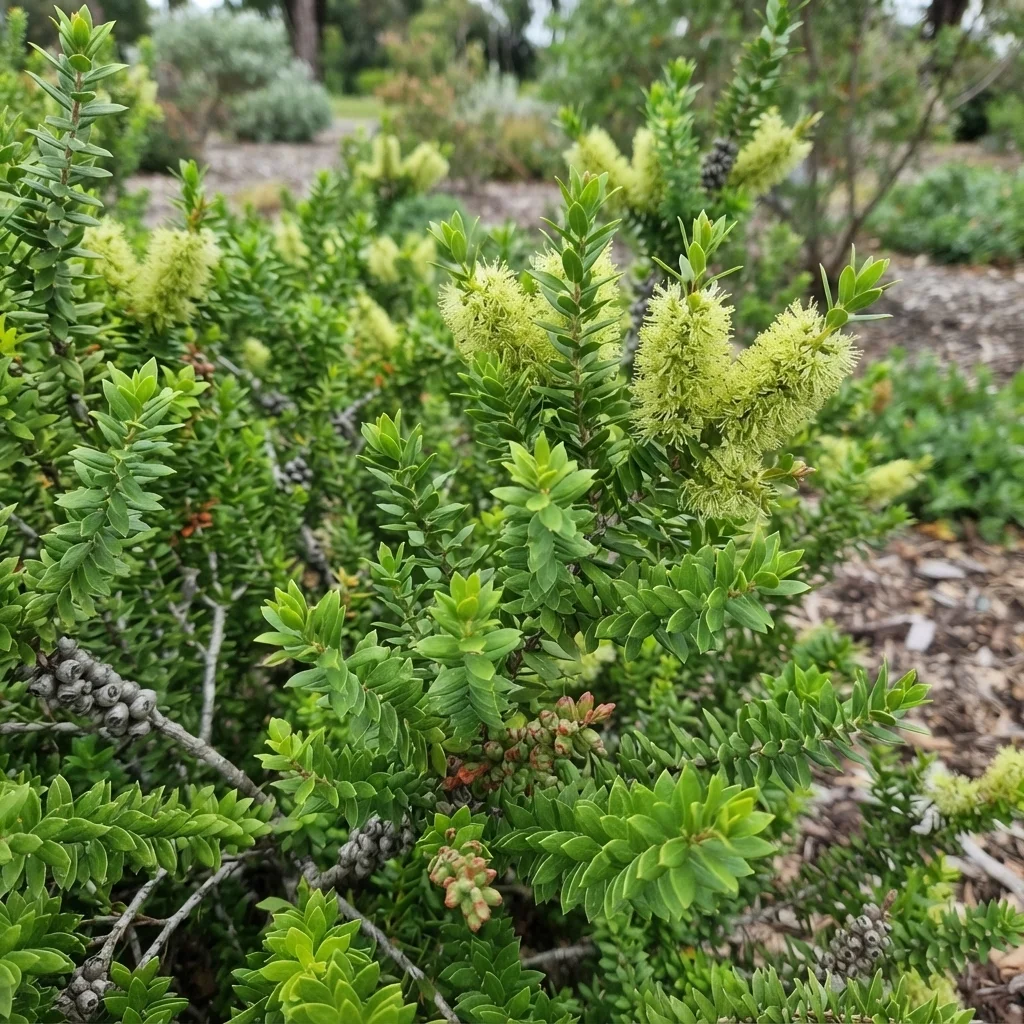
Green Honey Myrtle
Melaleuca diosmifolia
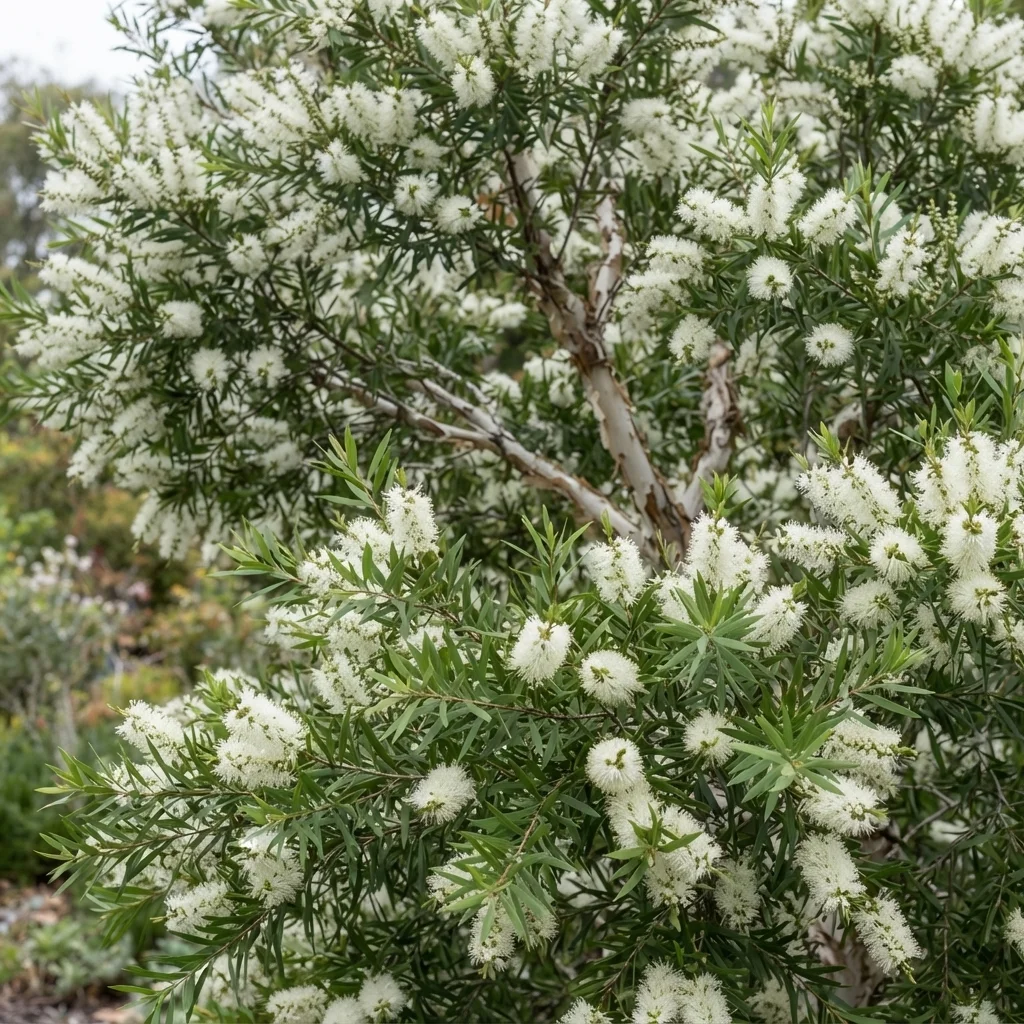
Snow-in-summer
Melaleuca linariifolia
Keep exploring
Explore the genus
Hardy in your zone?
Grow Moonah with confidence
See it in a design of your actual yard, get zone-matched care reminders, and track it season by season in your garden journal.