The Story
Plant Bio
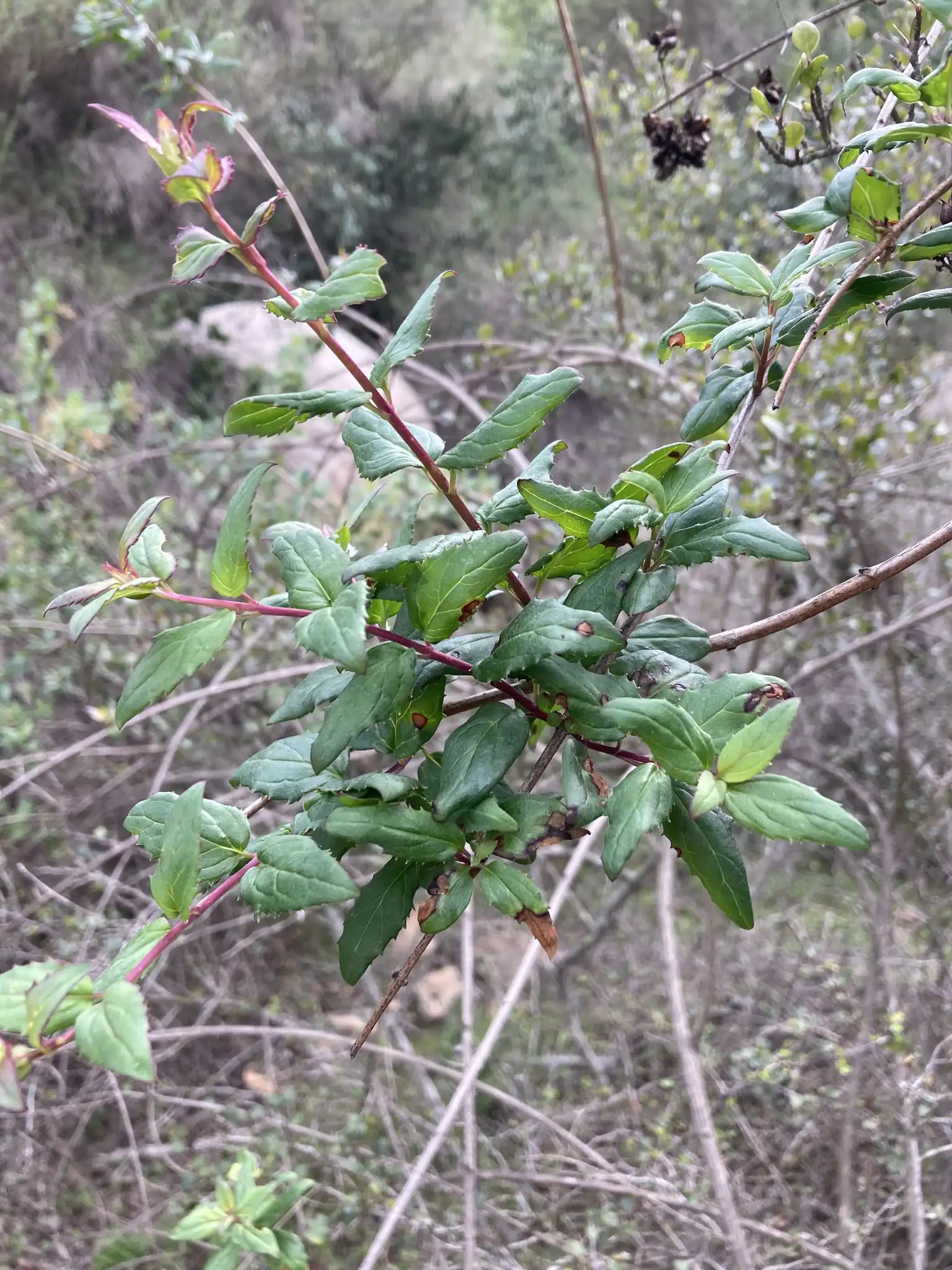
Keckiella cordifolia is a sprawling, semi-evergreen subshrub native to southern California and northern Baja California, where it grows on dry brushy slopes and canyon floors. It produces glossy, heart-shaped green leaves along long arching stems that scramble through surrounding foliage or spill over banks.
The tubular scarlet-orange flowers measure up to two inches long, featuring a wide mouth with a hairy yellow staminode inside the throat. The blossoms open in short branching clusters at stem tips from May to July, providing a primary nectar source for native hummingbirds.
Uses & Benefits:
Essentials
At a Glance
Plant Type
Shrub
Height
72"
Width
72"
Light
Full Sun, Partial Sun
Zones
8, 9, 10
Water
Low
Humidity
Low
Lifespan
Perennial
Native To
California, Baja California
Toxicity
Non-toxic
Bloom period
Late spring – Mid summer
In flower about 3 months of the year
Planting
How to Grow
- Choose a planting location in full sun along the coast or partial shade in hot inland valleys.
- Ensure soil has sharp drainage; plant on a slope or elevated mound if soil contains heavy clay.
- Water deeply at planting to settle soil around the roots, then irrigate sparingly until established.
- Allow the soil to dry thoroughly between summer waterings to prevent root pathogens.
Pro Tip
Cut stems back hard to a low framework in autumn; keeping the root zone dry during summer heat prevents the crown rot that kills plants in summer.
Keep It Thriving
Care Guide
Do
- Prune back hard in fall to prevent stems from growing sparse and woody.
- Provide full sun exposure near the coast and partial shade inland.
- Ensure soil drains rapidly to protect roots during dormant periods.
Don't
- Do not overwater during hot summer months when the plant is naturally semi-dormant.
- Do not fertilize, as nutrient-rich soils produce weak, floppy stem growth.
- Do not cut deeply into old, bare wood lacking dormant buds.
Seasonal Care Calendar
| Task | Jan | Feb | Mar | Apr | May | Jun | Jul | Aug | Sep | Oct | Nov | Dec |
|---|---|---|---|---|---|---|---|---|---|---|---|---|
| Mulch | ||||||||||||
| Pest Check | ||||||||||||
| Plant | ||||||||||||
| Prune |
Watch Out For
Pests & Diseases
Common Pests
Common Diseases
In the Garden
Landscape Uses & Companions
Landscape Uses
Multiply
Propagation Methods
Good to Know
Common Questions
Heartleaf Keckiella questions
What zones can Heartleaf Keckiella grow in?
Heartleaf Keckiella is hardy in USDA Zones 8–10: in that range it survives winter in the ground. Colder than Zone 8, grow it in a container you can move to shelter for the winter.
Is Heartleaf Keckiella deer resistant?
Yes — Heartleaf Keckiella is rated deer-resistant. Deer typically pass it over, though extreme hunger can override any plant's defenses.
When does Heartleaf Keckiella bloom?
Heartleaf Keckiella typically blooms from late spring to mid-summer. Exact timing shifts a week or two with your zone — Sow's bloom calendar maps it to your garden.
Does Heartleaf Keckiella need full sun?
Heartleaf Keckiella does best in full sun to part shade. In hot climates, afternoon shade keeps blooms fresher longer.
Is Heartleaf Keckiella drought tolerant?
Yes — once established (usually after the first full season), Heartleaf Keckiella handles dry spells with minimal watering. Water deeply its first year to build the root system that makes that possible.
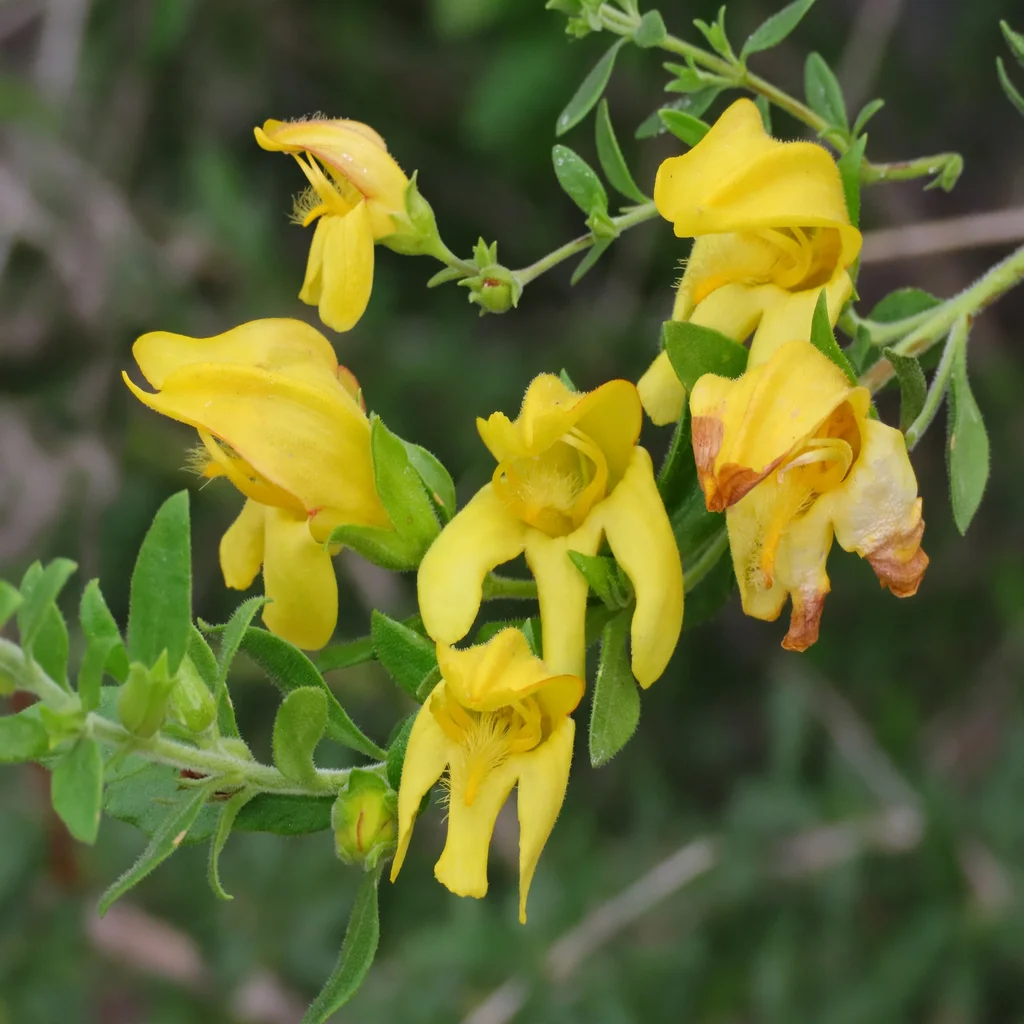
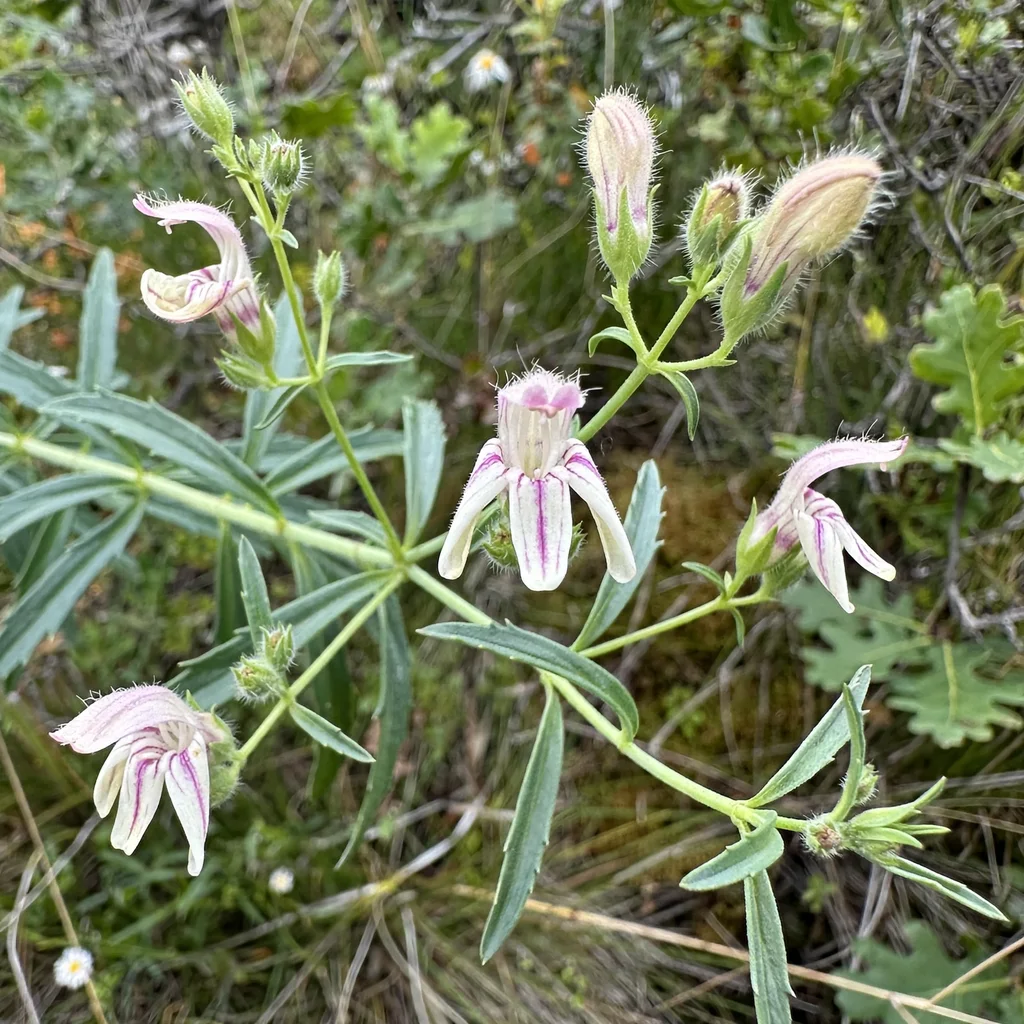
More Keckiella to compare
Keep exploring
Explore the genus
Hardy in your zone?
Grow Heartleaf Keckiella with confidence
See it in a design of your actual yard, get zone-matched care reminders, and track it season by season in your garden journal.