3 saves
Keckiella
We track 3 varieties; the ones most used by real gardeners.
The 3 most-saved Keckiella varieties
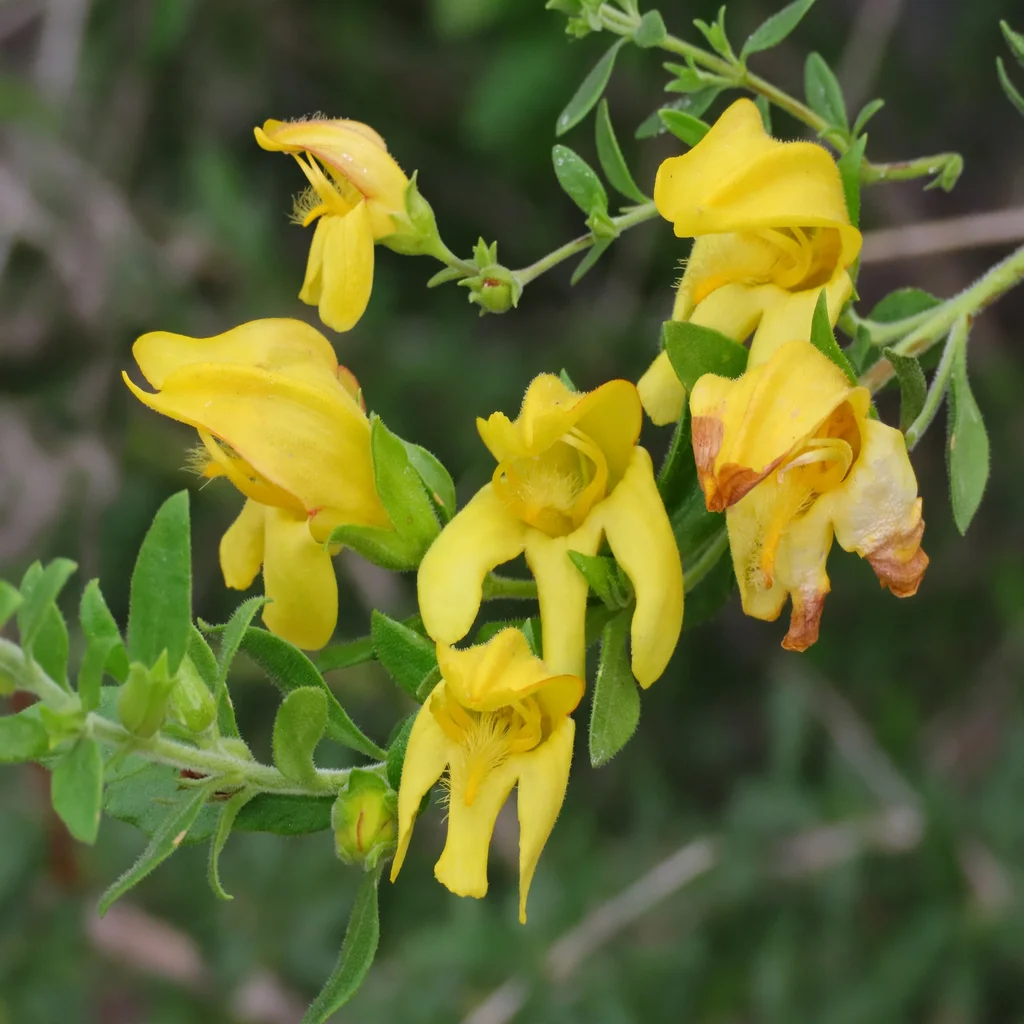
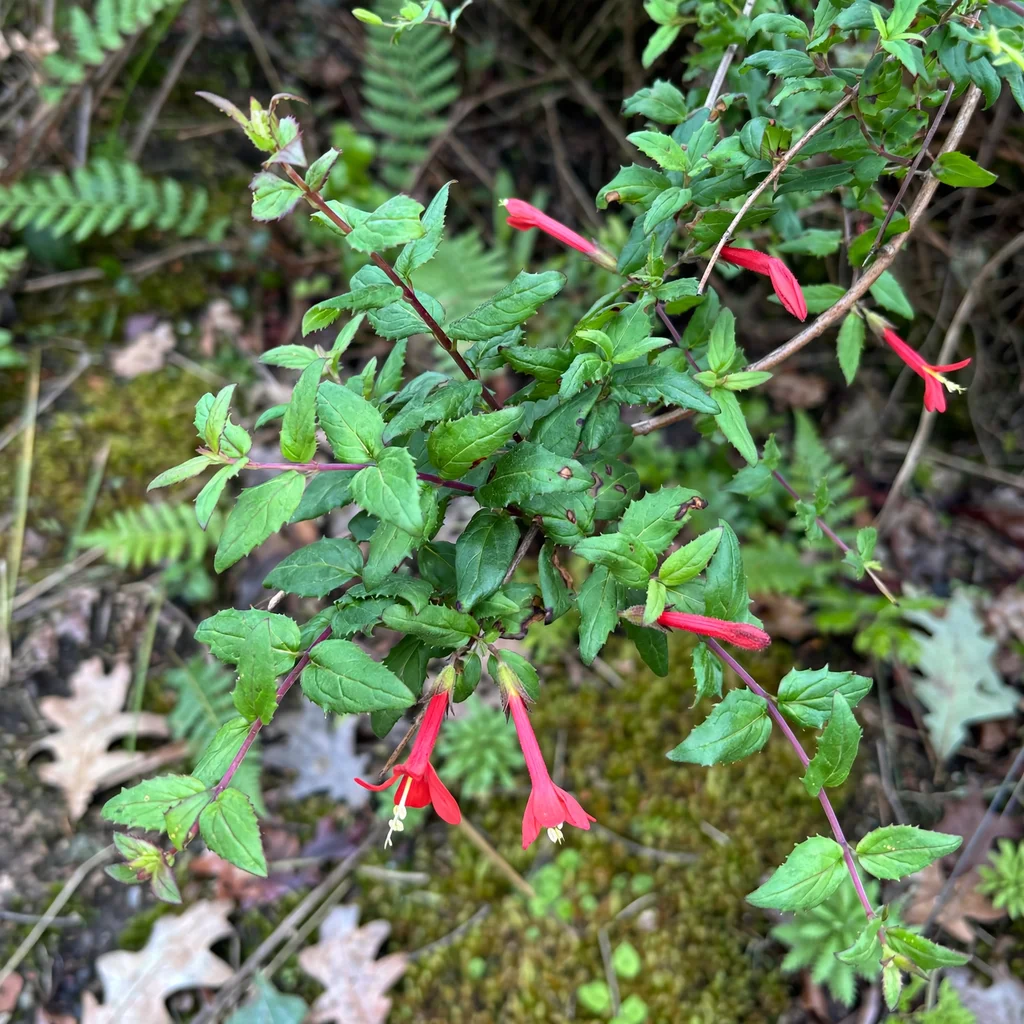
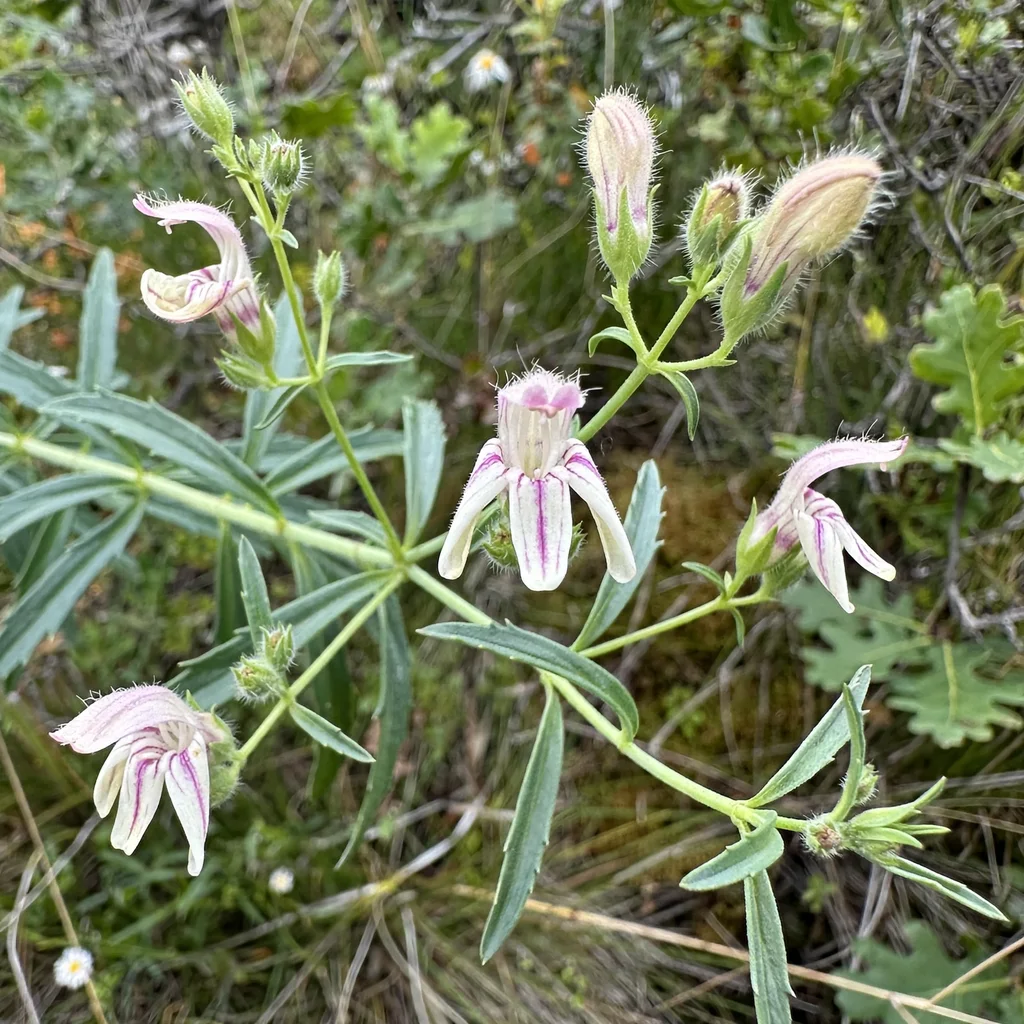
3 species of Keckiella
Each one is a parent of the varieties above.
Track your Keckiella in Sow
Save the Keckiella you grow and get care reminders timed to your zone.
How to grow Keckiella
Whats common across all Keckiella varieties in our catalog — drawn from the care records of the 3 most-grown of them.
The Keckiella year
- PruneSeptember100% of varieties
Cut stems back hard to structural framework after flowering finishes.
- Check for PestsMay and June100% of varieties
Inspect tips for aphids and ensure the root zone remains unwatered during summer heat.
- PlantOctober and November67% of varieties
Plant container stock during autumn to allow root setup before summer drought.


Do
- Prune back hard in fall to prevent stems from growing sparse and woody.
- Provide full sun exposure near the coast and partial shade inland.
- Ensure soil drains rapidly to protect roots during dormant periods.
- Provide exceptional mineral soil drainage.
- Allow the plant to enter summer dormancy naturally during dry spells.
Avoid
- Do not overwater during hot summer months when the plant is naturally semi-dormant.
- Do not fertilize, as nutrient-rich soils produce weak, floppy stem growth.
- Do not cut deeply into old, bare wood lacking dormant buds.
- Do not overwater or irrigate during warm summer months.
What goes wrong with Keckiella
| Problem | What you'll see | What to do |
|---|---|---|
| Aphids | — | — |
| Spider Mites | — | — |
| Spider mites | Fine webbing and speckled foliage under dusty, warm conditions. | Improve air circulation and rinse foliage periodically with clean water. |
| Root rot | Foliage yellowing, wilting, and sudden dieback of branches during warm weather. | Ensure sharp drainage and eliminate warm-weather irrigation. |
| Root Rot | — | — |
| Powdery Mildew | — | — |
Making more Keckiella
Semi-hardwood cuttings
- Take four-inch stem cuttings of semi-woody material in late summer.
- Remove lower leaves and dip the cut basal end into rooting powder.
- Insert cuttings into a well-drained medium of coarse sand and perlite.
- Place under bright indirect light and keep medium barely moist until roots form.
Semi-ripe cuttings
- Take 3-4 inch cuttings from firm non-flowering shoots in late spring.
- Strip leaves from the lower half of each cutting.
- Insert into a moist, coarse sand and perlite mixture.
- Keep in a bright, sheltered area with high air circulation until roots form.
Keckiella questions
How many types of Keckiella are there?
The Sow catalog tracks 3 distinct Keckiella varieties. The most popular — ranked by 3 real gardeners — are shown first above.
What zones does Keckiella grow in?
Across its varieties, Keckiella covers USDA Zones 6–10. Individual varieties differ — each plant page lists its exact range, and Sow filters the catalog to your zone automatically.
When does Keckiella bloom?
Most Keckiella varieties bloom from late spring to late summer.
Which Keckiella should I choose?
Start from the most-saved varieties above — popularity across thousands of gardens is a strong signal of reliability — then filter by your zone and sun. In the Sow app you can preview any of them in a photo of your actual yard before you buy.