
The Story
Plant Bio
Rhododendron flammeum is a deciduous azalea native to dry woods and stream bluffs of Georgia and South Carolina, forming an upright, open shrub six to eight feet tall and wide with shallow fibrous roots. Leaves drop in fall; in spring, funnel-shaped flowers open in trusses of up to fifteen before or with the new foliage.
Flowers measure about one and three-quarter inches across with protruding stamens to two inches, opening yellow-orange to orange-red with a darker blotch on the upper lobe and no scent. It tolerates Deep South heat and humidity better than most deciduous azaleas but fails quickly from Phytophthora root rot where drainage is poor; plants sold as R. speciosum are this same species, distinct from flame azalea.
Uses & Benefits:
Essentials
At a Glance
Plant Type
Shrub
Height
84"
Width
84"
Light
Partial Sun, Shade
Zones
6, 7, 8
Water
Medium
Humidity
High
Lifespan
Long-lived shrub
Native To
Southeastern USA (Georgia, South Carolina)
Toxicity
Toxic to people and pets
Bloom period
Spring – Late spring
In flower about 3 months of the year
Planting
How to Grow
- Site in part shade with filtered light and shelter from hot afternoon sun.
- Plant high in acidic, humus-rich soil that holds moisture but drains freely; use a raised bed in heavy clay.
- Set the root ball level with or slightly above grade and mulch with bark or pine needles to keep roots cool.
- Water to establish and keep evenly moist; do not let plants sit wet or dry out hard.
- Feed lightly for acid-lovers only if needed and never cultivate around the roots.
Pro Tip
Clip spent trusses after bloom where reachable and never dig around the base; the shallow fibrous roots sever easily and open the plant to rot.
Keep It Thriving
Care Guide
Do
- Plant high with the crown at or above grade in acidic, organic soil.
- Maintain a wood-chip, bark or pine-needle mulch to keep roots cool and moist.
- Water steadily through establishment and dry spells without waterlogging.
Don't
- Do not plant in alkaline, compacted or waterlogged soil.
- Do not cultivate, dig or string-trim around the shallow roots.
- Do not cut back hard into old bare wood or let established plants dry out completely.
Seasonal Care Calendar
| Task | Jan | Feb | Mar | Apr | May | Jun | Jul | Aug | Sep | Oct | Nov | Dec |
|---|---|---|---|---|---|---|---|---|---|---|---|---|
| Deadhead | ||||||||||||
| Mulch | ||||||||||||
| Pest Check | ||||||||||||
| Plant | ||||||||||||
| Prune |
Watch Out For
Pests & Diseases
Common Pests
Common Diseases
In the Garden
Landscape Uses & Companions
Landscape Uses
Multiply
Propagation Methods
Good to Know
Common Questions
Oconee Azalea questions
What zones can Oconee Azalea grow in?
Oconee Azalea is hardy in USDA Zones 6–8: in that range it survives winter in the ground. Colder than Zone 6, grow it in a container you can move to shelter for the winter. Warmer than Zone 8, winter isn't the problem: it prefers colder winters, and summer heat can shorten its life.
When does Oconee Azalea bloom?
Oconee Azalea typically blooms in spring. Exact timing shifts a week or two with your zone — Sow's bloom calendar maps it to your garden.
Does Oconee Azalea need full sun?
Oconee Azalea does best in part shade.
More Rhododendron to compare
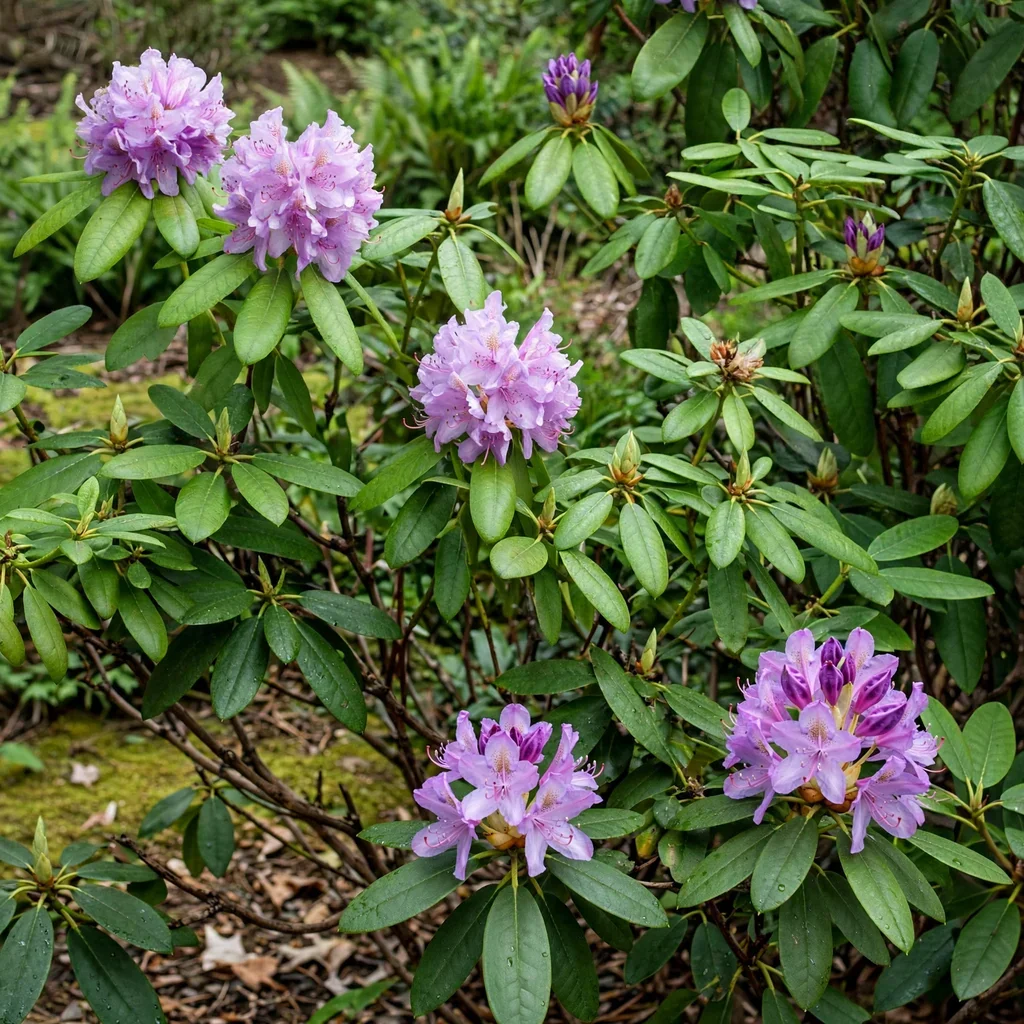
Catawba Rhododendron
Rhododendron catawbiense
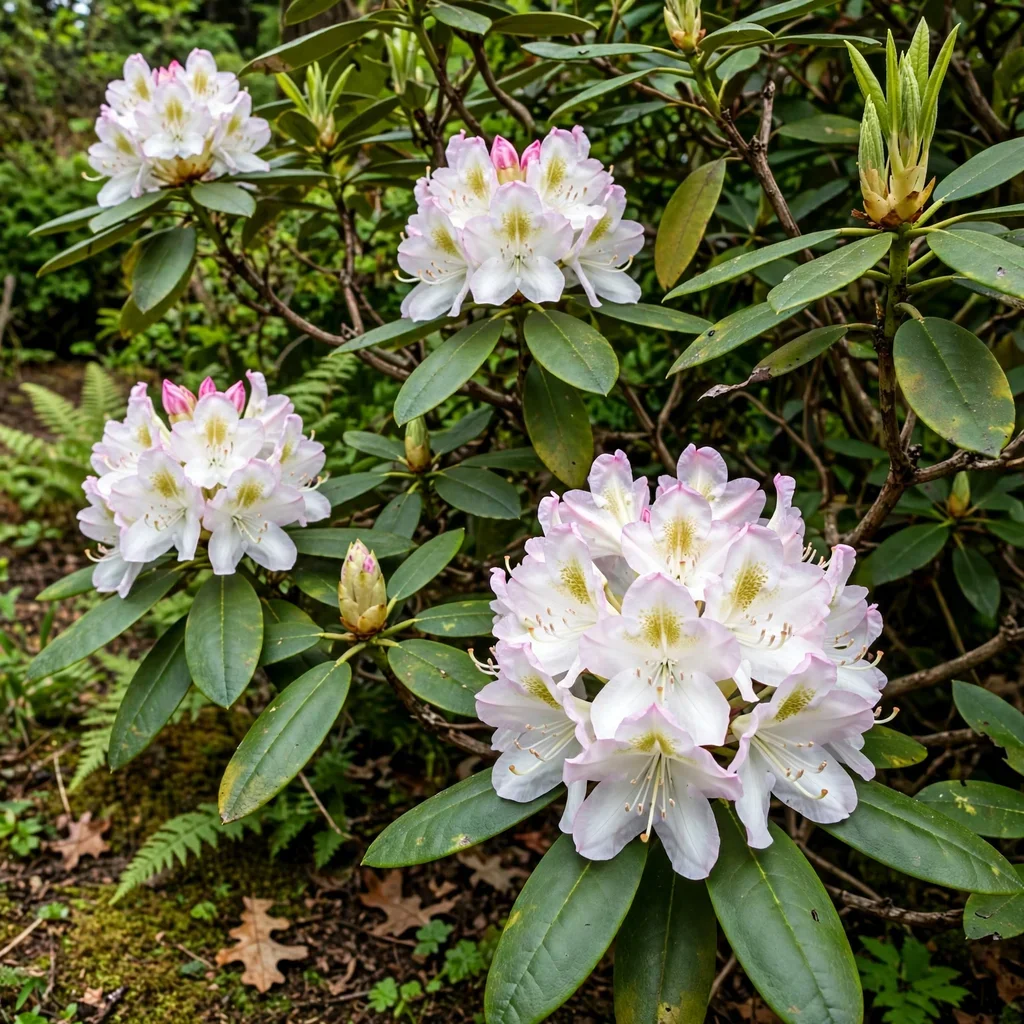
Great Laurel Rhododendron
Rhododendron maximum
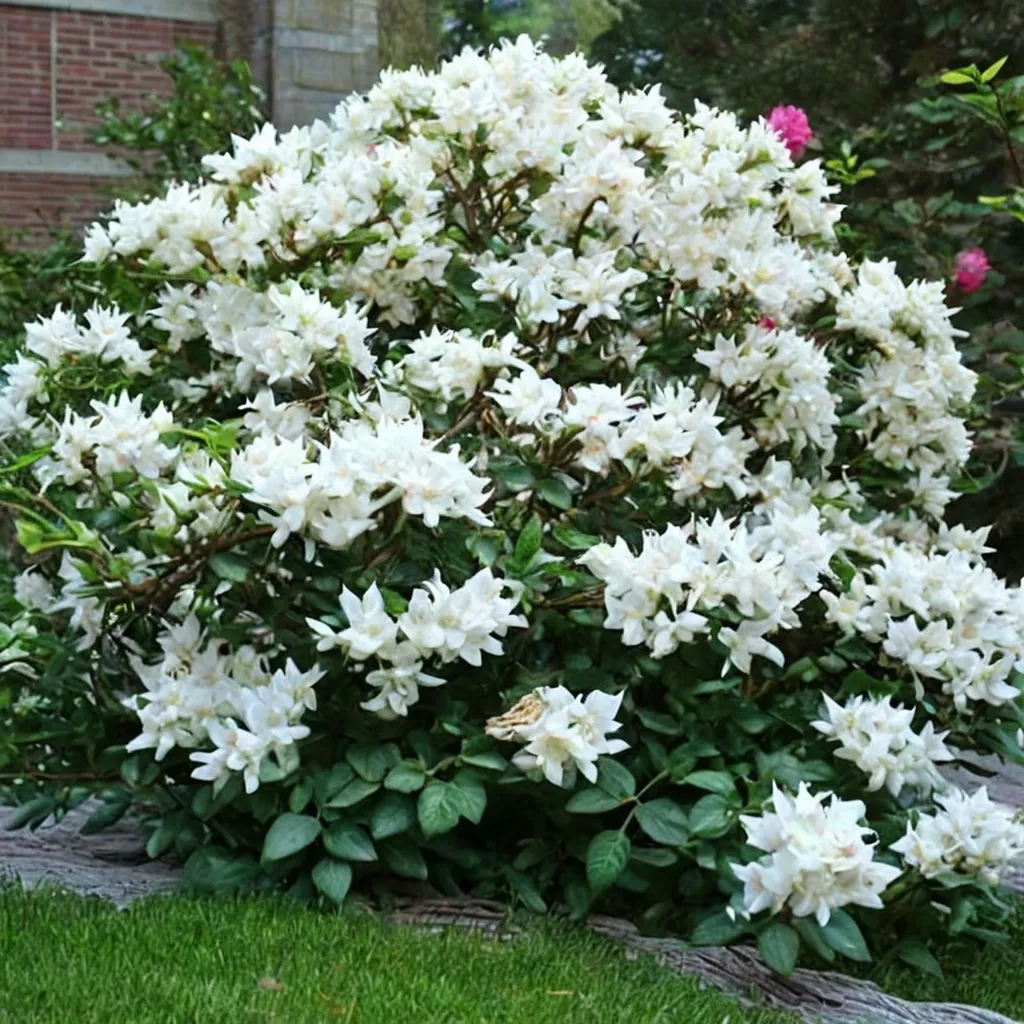
Double White Rhododendron
Rhododendron x hybrida 'Double White'
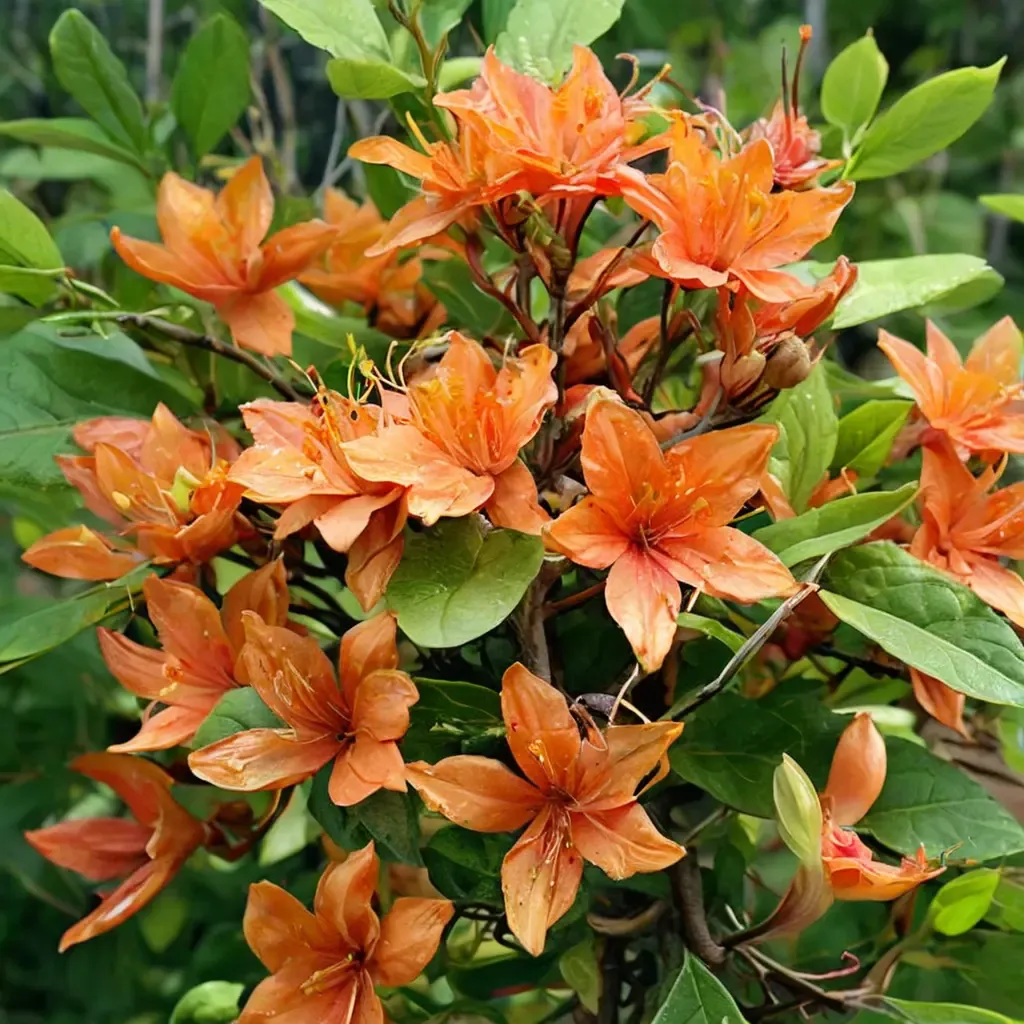
Flame Azalea
Rhododendron calendulaceum
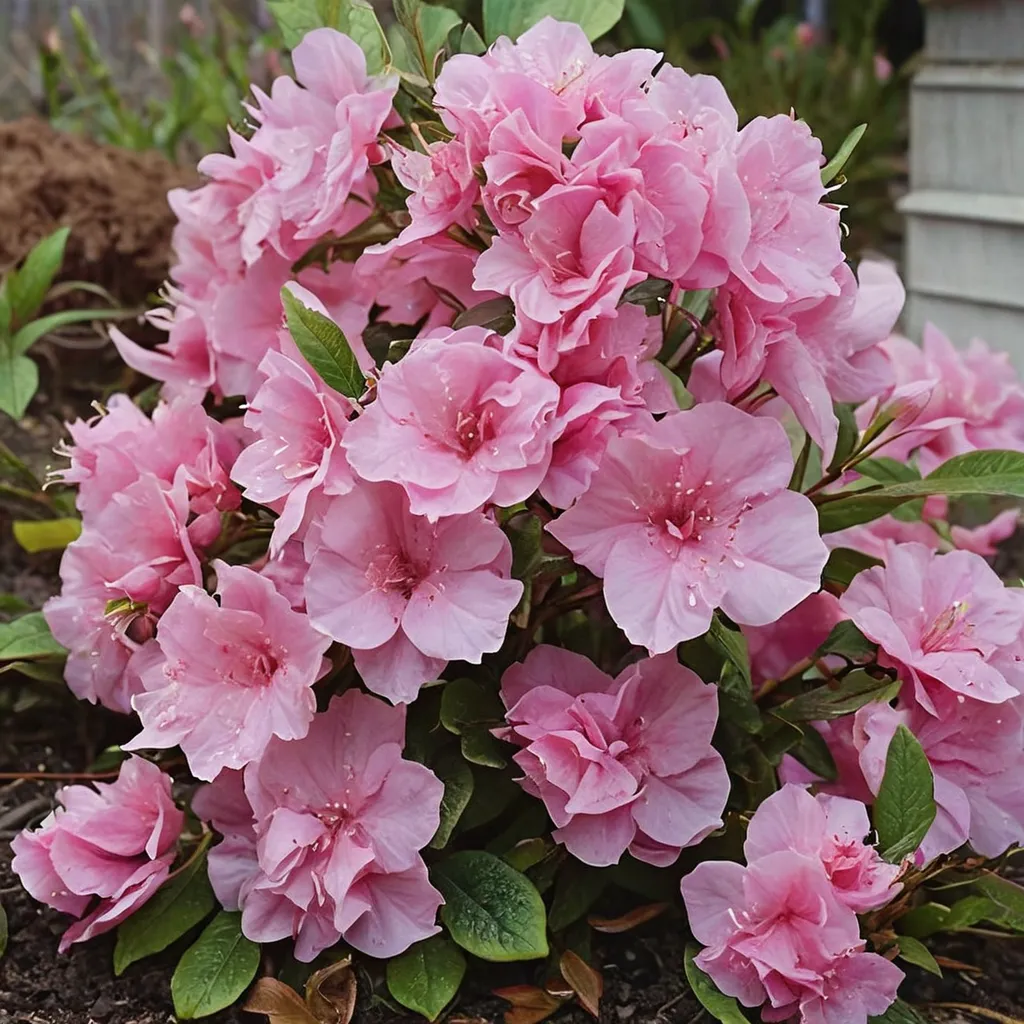
Rhododendron x hybrida Double Pink
Rhododendron x hybrida 'Double Pink'
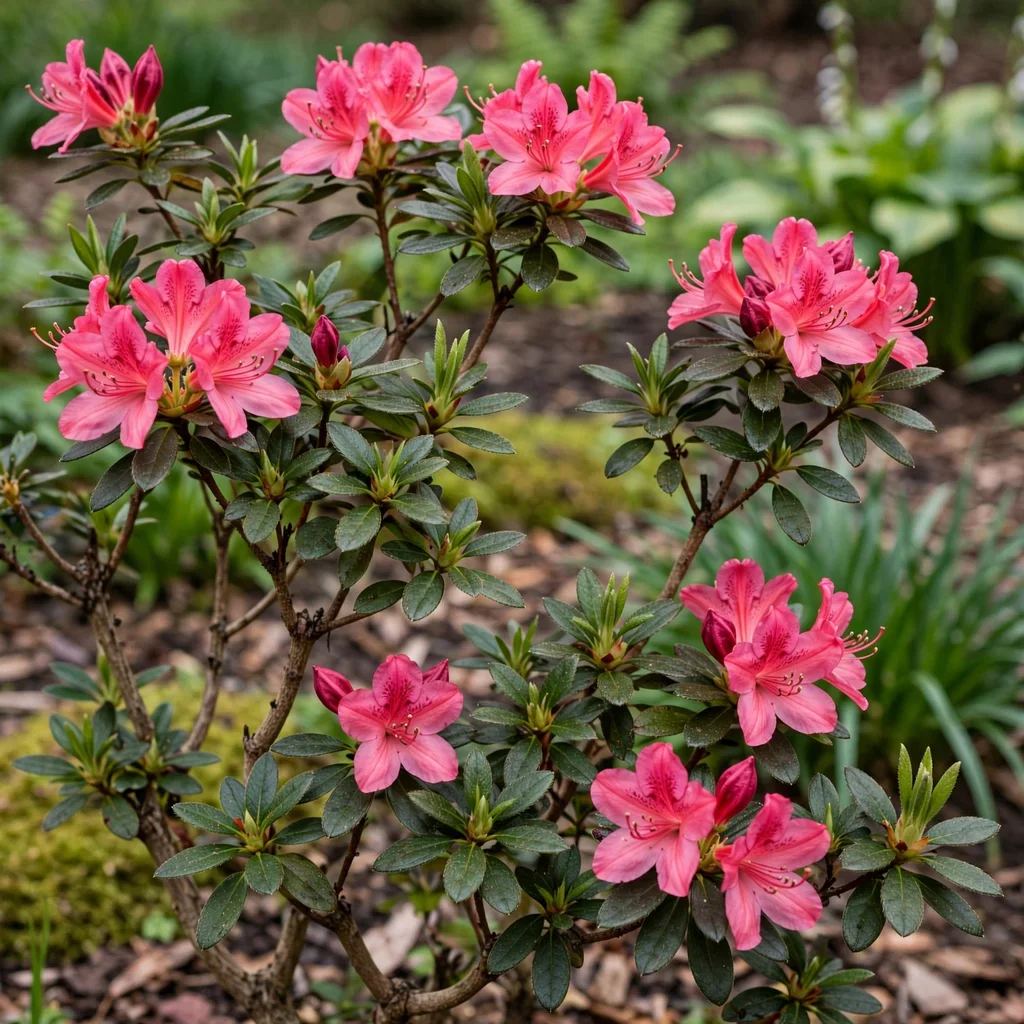
Bone Hardy Azalea
Rhododendron x hybrida 'Bone Hardy Azalea Sampler'
Keep exploring
Hardy in your zone?
Grow Oconee Azalea with confidence
See it in a design of your actual yard, get zone-matched care reminders, and track it season by season in your garden journal.