The Story
Plant Bio
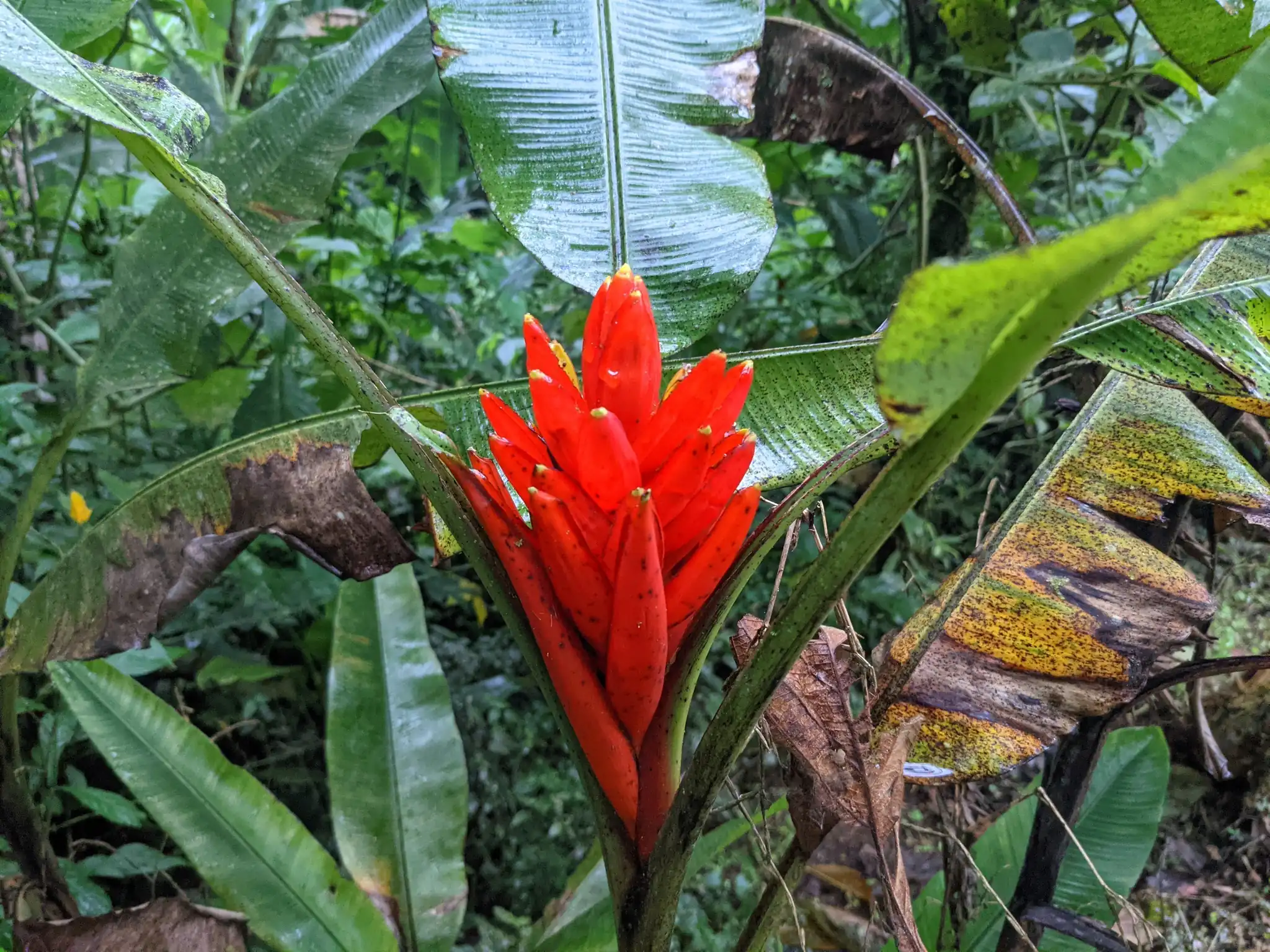
Musa coccinea, the scarlet banana, is a dwarf evergreen perennial herb that forms a tight clump of erect pseudostems three to five feet tall, with glossy paddle-shaped leaves up to seven feet long that are paler beneath. The trunks are not wood but tightly wrapped leaf bases, and new suckers rise from the rhizome to replace stems that have flowered.
This species is grown for its upright torch of loosely opening scarlet bracts tipped in yellow, which holds for about two months in summer around tubular yellow flowers. Where several plants flower together for cross-pollination, it sets small two-centimeter orange fruits that are ornamental and inedible.
Uses & Benefits:
Essentials
At a Glance
Plant Type
Tropical
Height
60"
Width
48"
Light
Full Sun, Partial Sun
Zones
9, 10
Water
High - keep evenly moist
Humidity
High
Lifespan
Perennial
Native To
Southern China, Vietnam
Toxicity
Non-toxic
Bloom period
Summer – Late summer
In flower about 3 months of the year
Planting
How to Grow
- Plant in rich, humus-heavy loam that drains yet holds moisture, in full sun to bright part shade with shelter from harsh midday sun.
- Water every 2-3 days in growth to keep soil evenly moist and raise humidity around container plants.
- Move pots outdoors only after nights stay above 50F; overwinter indoors in a bright frost-free room.
- Remove spent leaves and spent flower stalks only, cutting back to the pseudostem without cutting into leafless stem tissue.
Pro Tip
Keep the mix evenly moist and humid and never let it see frost; bring pots inside to a bright room above 50F and water less in winter without letting the rhizome dry hard.
Keep It Thriving
Care Guide
Do
- Water regularly to keep the rootball evenly moist in summer heat
- Provide bright filtered light, warmth, and high humidity
- Overwinter containers frost-free above 50F
- Divide congested clumps by rooted suckers to renew vigor
Don't
- Do not allow frost on leaves or pseudostems
- Do not let soil dry out or sit soggy enough to rot the rhizome
- Do not cut into a leafless pseudostem or shear the clump hard
Seasonal Care Calendar
| Task | Jan | Feb | Mar | Apr | May | Jun | Jul | Aug | Sep | Oct | Nov | Dec |
|---|---|---|---|---|---|---|---|---|---|---|---|---|
| Lift Store | ||||||||||||
| Pest Check | ||||||||||||
| Plant | ||||||||||||
| Propagate | ||||||||||||
| Winter Prep |
Watch Out For
Pests & Diseases
Common Pests
Common Diseases
In the Garden
Landscape Uses & Companions
Landscape Uses
Multiply
Propagation Methods
Good to Know
Common Questions
Scarlet Banana questions
What zones can Scarlet Banana grow in?
Scarlet Banana is hardy in USDA Zones 9–10: in that range it survives winter in the ground. Colder than Zone 9, grow it in a container you can move to shelter for the winter, or as an annual.
When does Scarlet Banana bloom?
Scarlet Banana typically blooms in summer. Exact timing shifts a week or two with your zone — Sow's bloom calendar maps it to your garden.
Does Scarlet Banana need full sun?
Scarlet Banana does best in full sun to part shade. In hot climates, afternoon shade keeps blooms fresher longer.
More Musa to compare
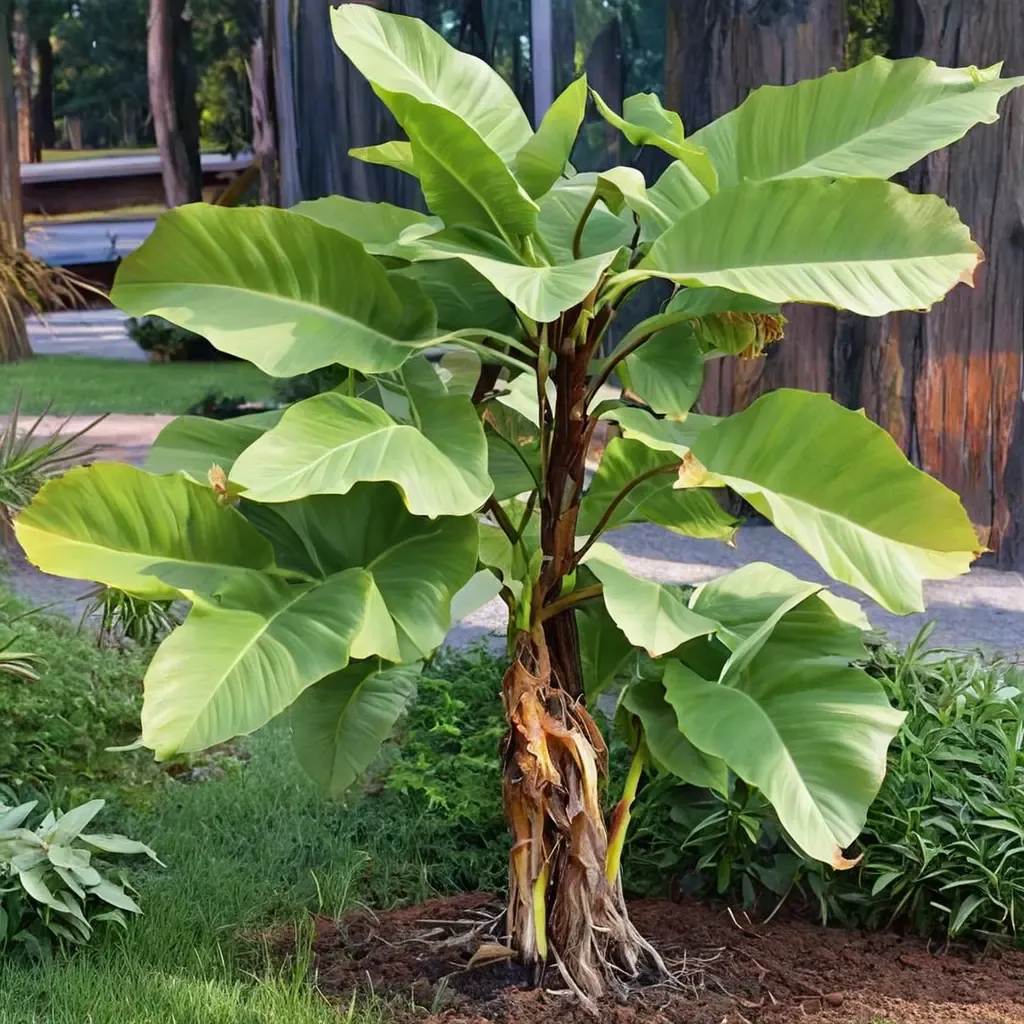
Japanese Banana
Musa basjoo
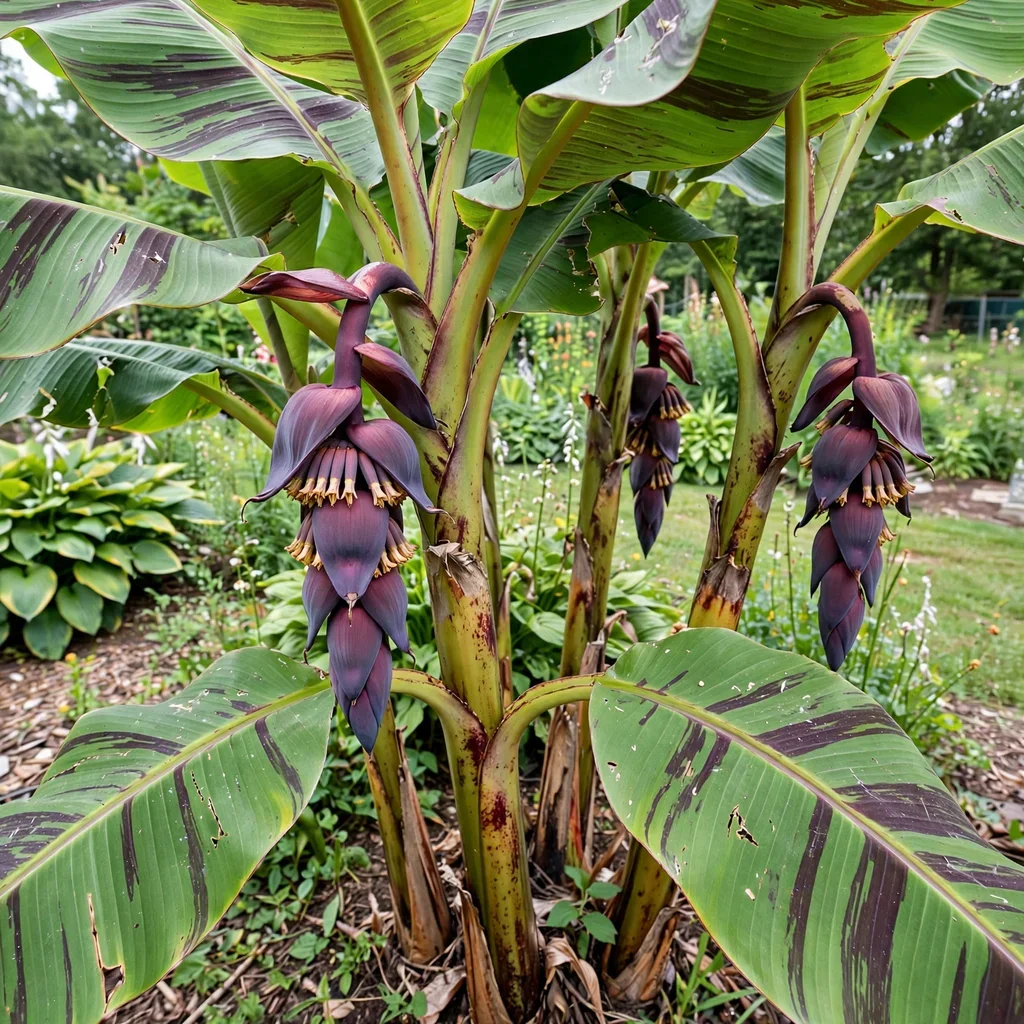
Sikkim Banana
Musa sikkimensis
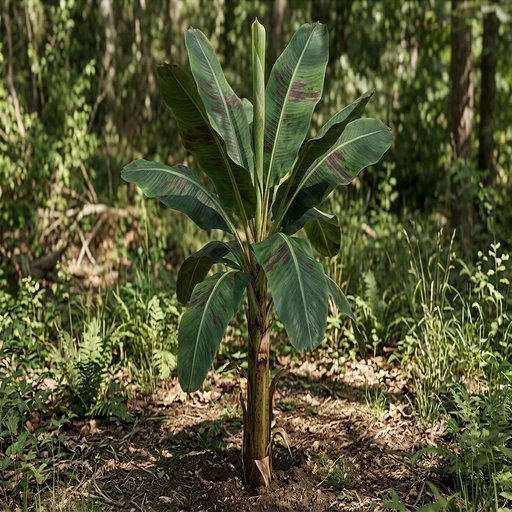
Dwarf Cavendish Banana
Musa acuminata 'Dwarf Cavendish'
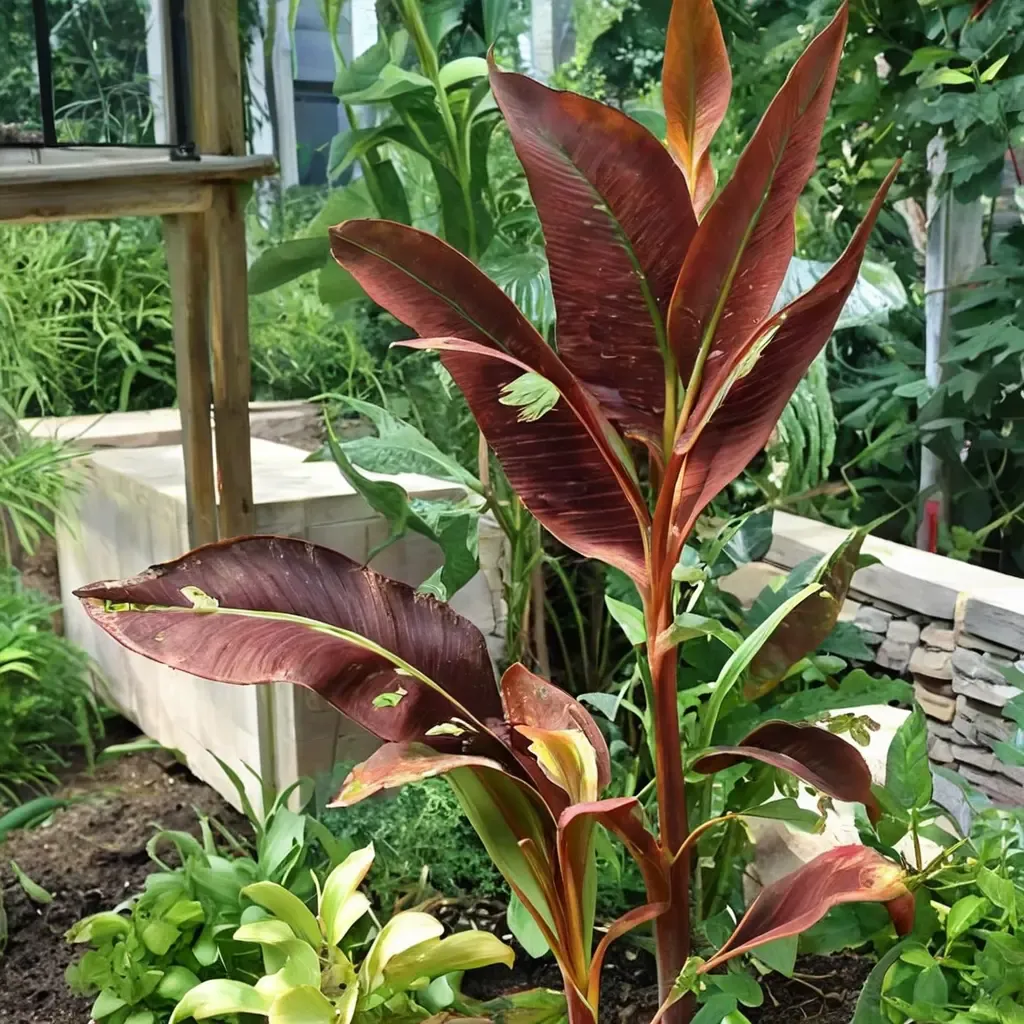
Siam Ruby Banana
Musa acuminata 'Siam Ruby'
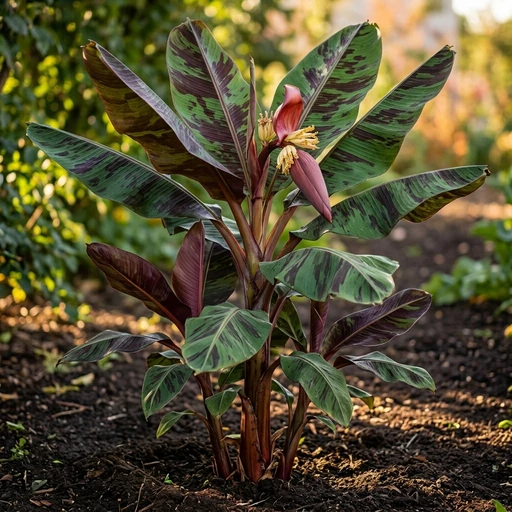
Blood Banana
Musa acuminata 'Rojo'
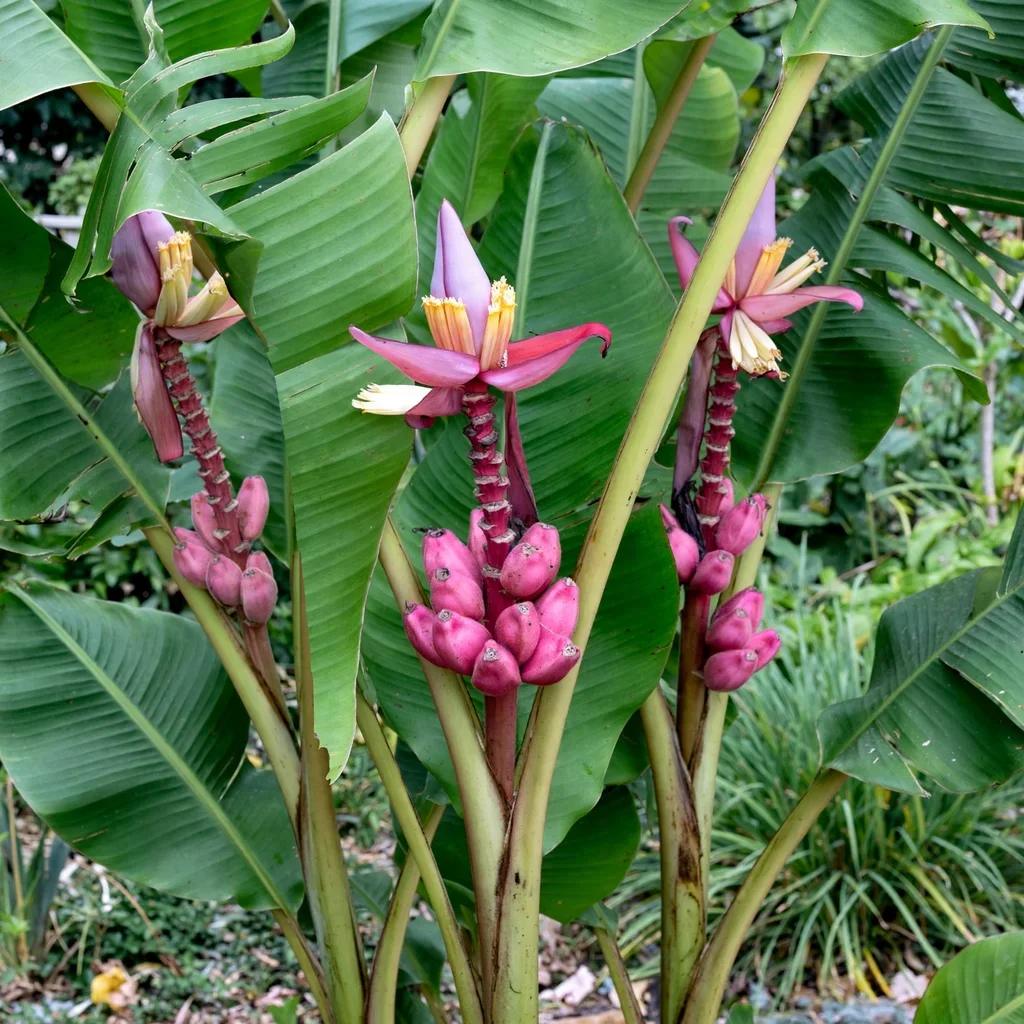
Pink Banana
Musa velutina
Keep exploring
Explore the genus
Hardy in your zone?
Grow Scarlet Banana with confidence
See it in a design of your actual yard, get zone-matched care reminders, and track it season by season in your garden journal.