The Story
Plant Bio
Eucalyptus microcorys is an evergreen canopy tree in the Myrtaceae family native to warm-temperate and subtropical eastern Australia. It forms a dense crown of lanceolate, glossy leaves that emit aromatic oils when crushed.
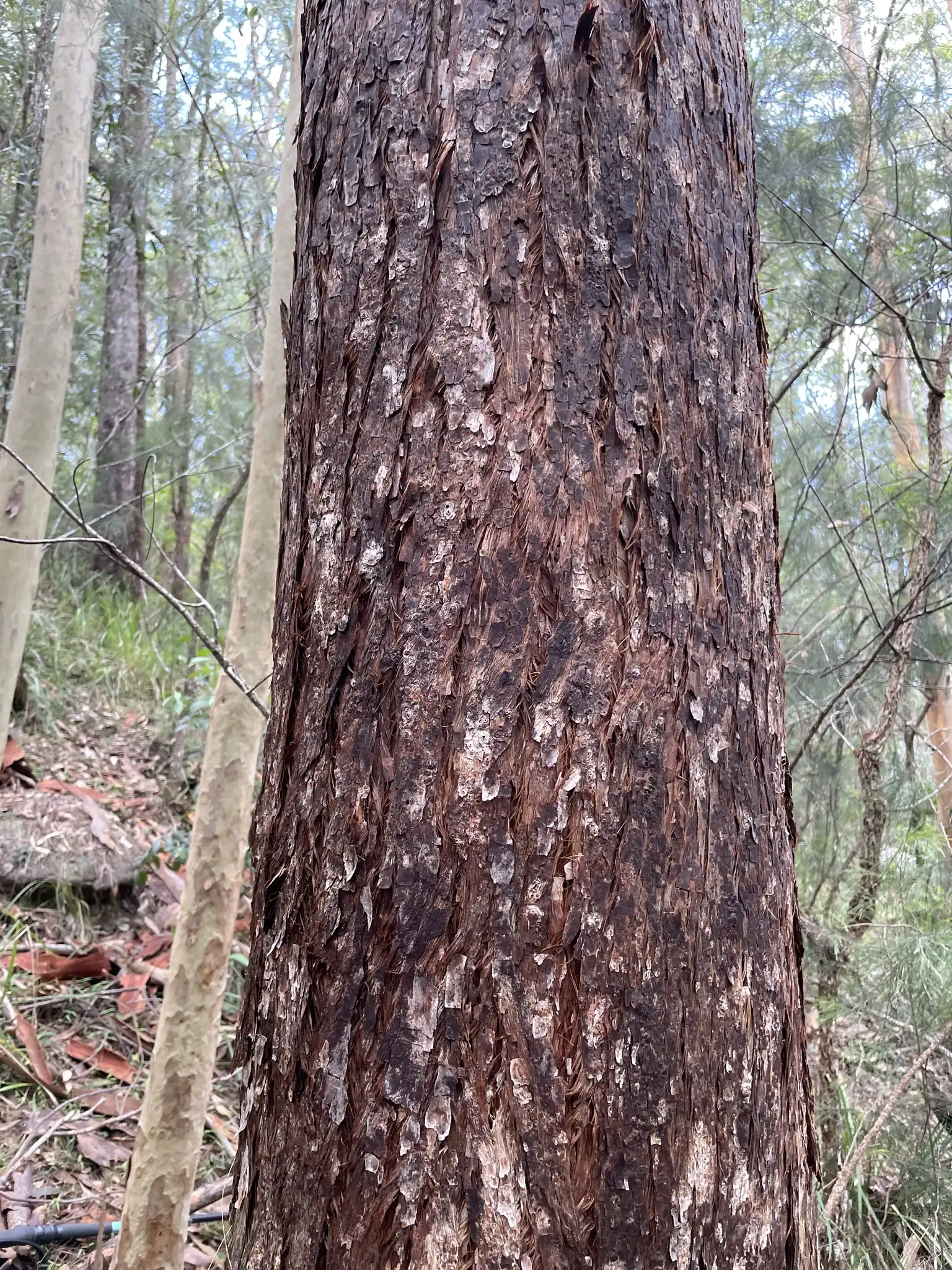
This species is distinguished by its soft, fibrous, reddish-brown bark that feels greasy to the touch and remains persistent down to the smallest branches. Small, cream-colored flowers bloom in dense umbels among the foliage from late spring into summer.
Uses & Benefits:
Essentials
At a Glance
Plant Type
Tree
Height
1200"
Width
480"
Light
Full Sun
Zones
9, 10
Water
Low
Humidity
Moderate
Lifespan
Perennial
Native To
Eastern Australia
Toxicity
Non-toxic
Bloom period
Spring – Summer
In flower about 6 months of the year
Planting
How to Grow
- Select a site in full sun with deep, well-draining acid to neutral soil and ample clearance overhead.
- Dig a planting hole twice as wide as the root ball and equal in depth, keeping the original root flare flush with the soil line.
- Water deeply at planting and maintain regular moisture through the first growing season until the taproot establishes.
- Apply a 3-inch layer of organic mulch around the root zone, keeping it 4 inches clear of the trunk bark.
Pro Tip
Avoid topping or cutting back the central leader on young trees; removing the dominant shoot triggers dense, weak epicormic growth that structurally compromises the canopy.
Keep It Thriving
Care Guide
Do
- Water deeply during extended dry periods for the first two years after planting.
- Maintain a clear mulch ring around the base to prevent turf competition and trunk mower damage.
- Prune lower lateral branches early if higher canopy clearance is needed for access.
Don't
- Do not apply high-phosphorus fertilizers, which can cause nutrient toxicity.
- Do not severe-head or pollard established structural branches.
- Do not allow soil to pool water around the trunk collar.
Seasonal Care Calendar
| Task | Jan | Feb | Mar | Apr | May | Jun | Jul | Aug | Sep | Oct | Nov | Dec |
|---|---|---|---|---|---|---|---|---|---|---|---|---|
| Mulch | ||||||||||||
| Pest Check | ||||||||||||
| Plant | ||||||||||||
| Prune |
Watch Out For
Pests & Diseases
Common Pests
Common Diseases
In the Garden
Landscape Uses & Companions
Landscape Uses
Multiply
Propagation Methods
Good to Know
Common Questions
Tallowwood questions
What zones can Tallowwood grow in?
Tallowwood is hardy in USDA Zones 9–10: in that range it survives winter in the ground. Colder than Zone 9, winters are too cold for it to survive outdoors.
Is Tallowwood deer resistant?
Yes — Tallowwood is rated deer-resistant. Deer typically pass it over, though extreme hunger can override any plant's defenses.
When does Tallowwood bloom?
Tallowwood typically blooms from spring to summer. Exact timing shifts a week or two with your zone — Sow's bloom calendar maps it to your garden.
Does Tallowwood need full sun?
Tallowwood does best in full sun (6+ hours).
Is Tallowwood drought tolerant?
Yes — once established (usually after the first full season), Tallowwood handles dry spells with minimal watering. Water deeply its first year to build the root system that makes that possible.
More Eucalyptus to compare
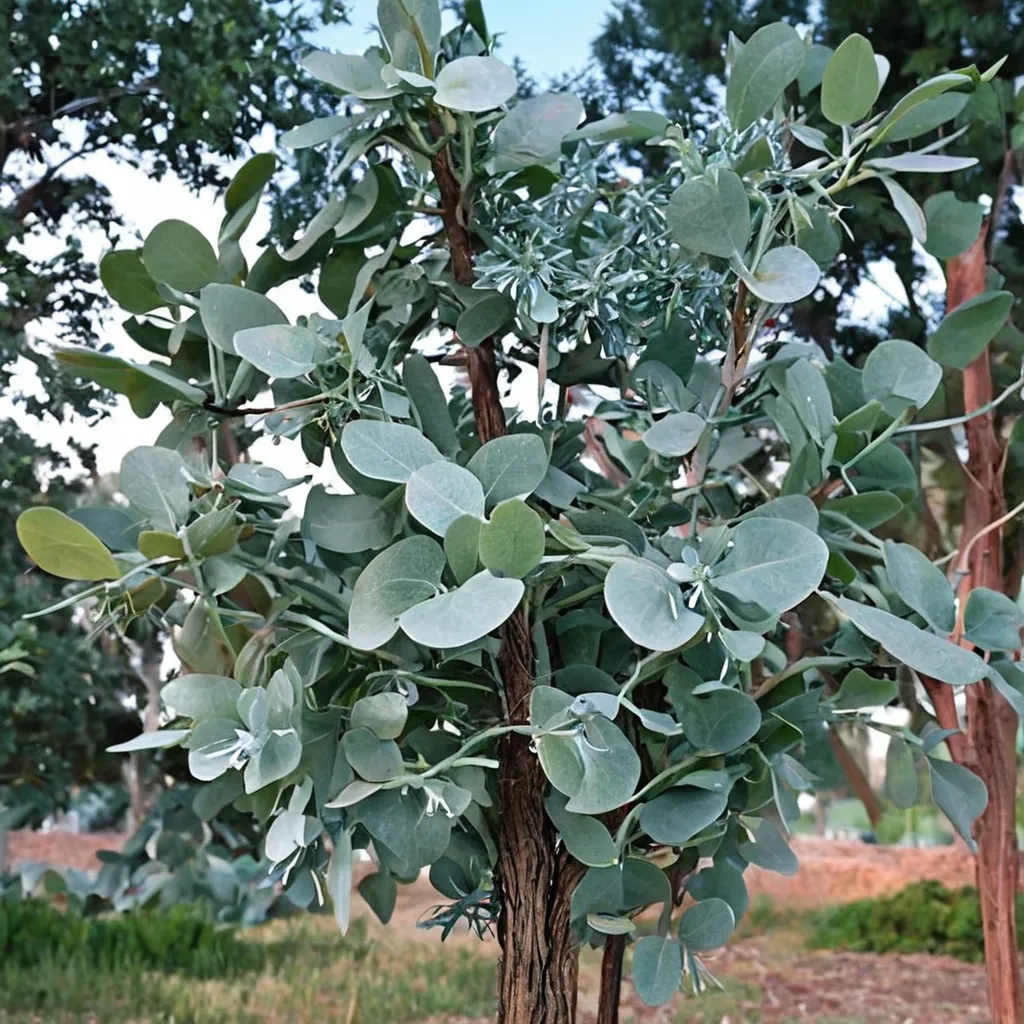
Silver Dollar Eucalyptus
Eucalyptus cinerea
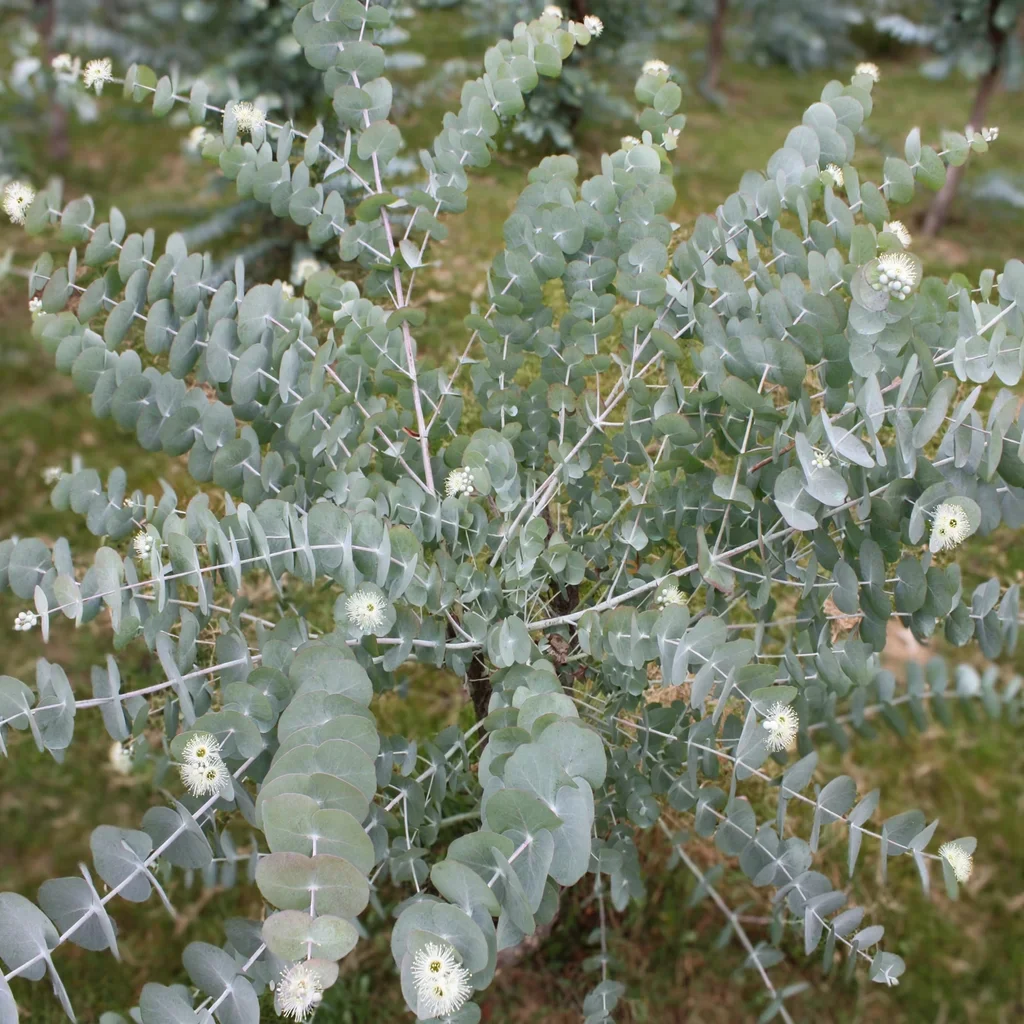
Silver Dollar Tree
Eucalyptus cinerea 'Silver Dollar Tree'
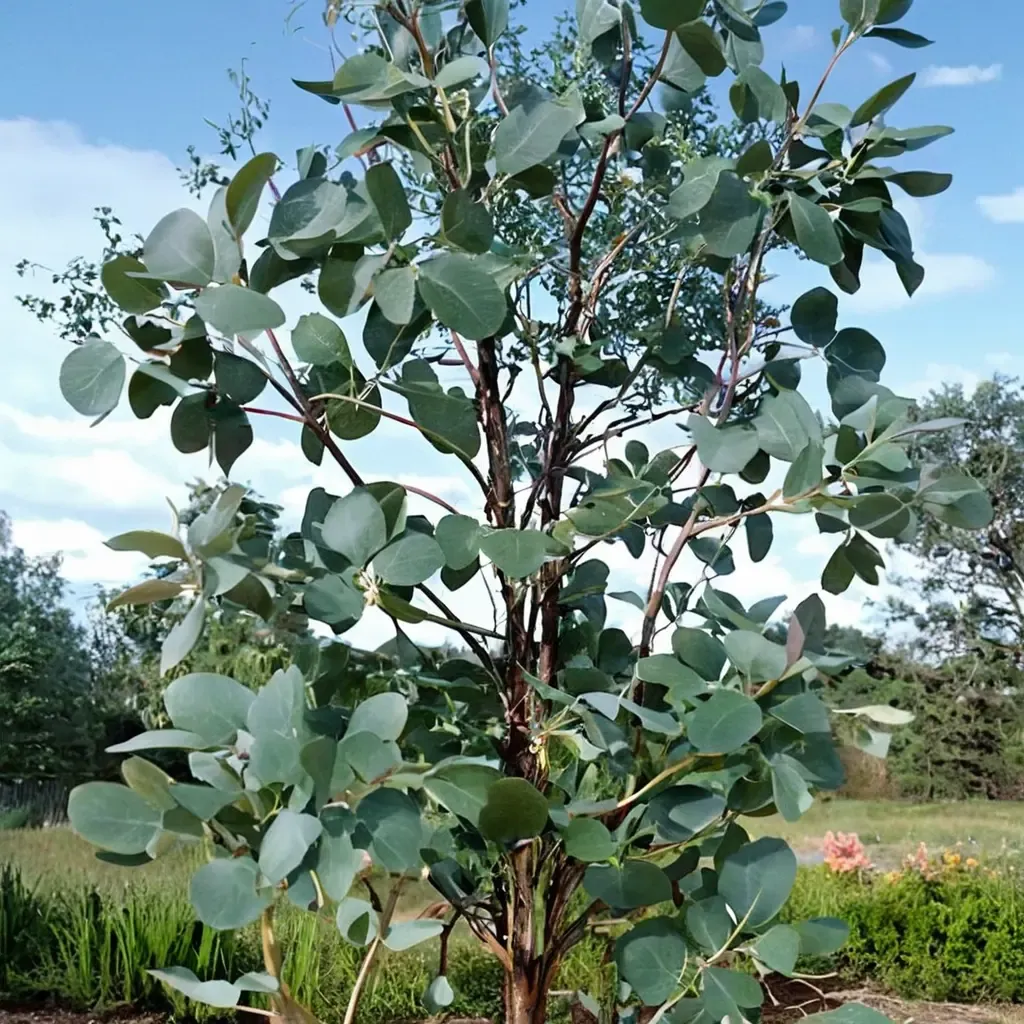
Omeo Gum
Eucalyptus neglecta
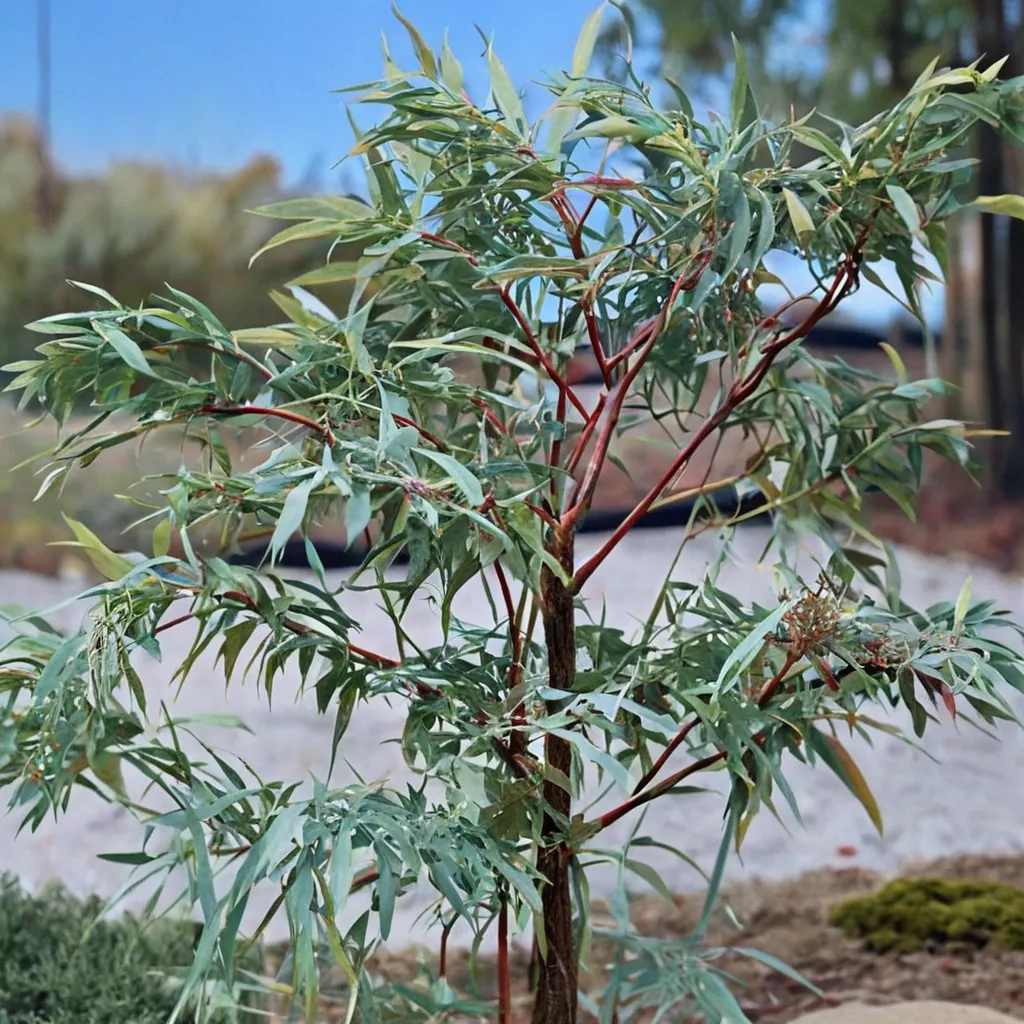
Narrow-leaved Peppermint Eucalyptus
Eucalyptus nicholii
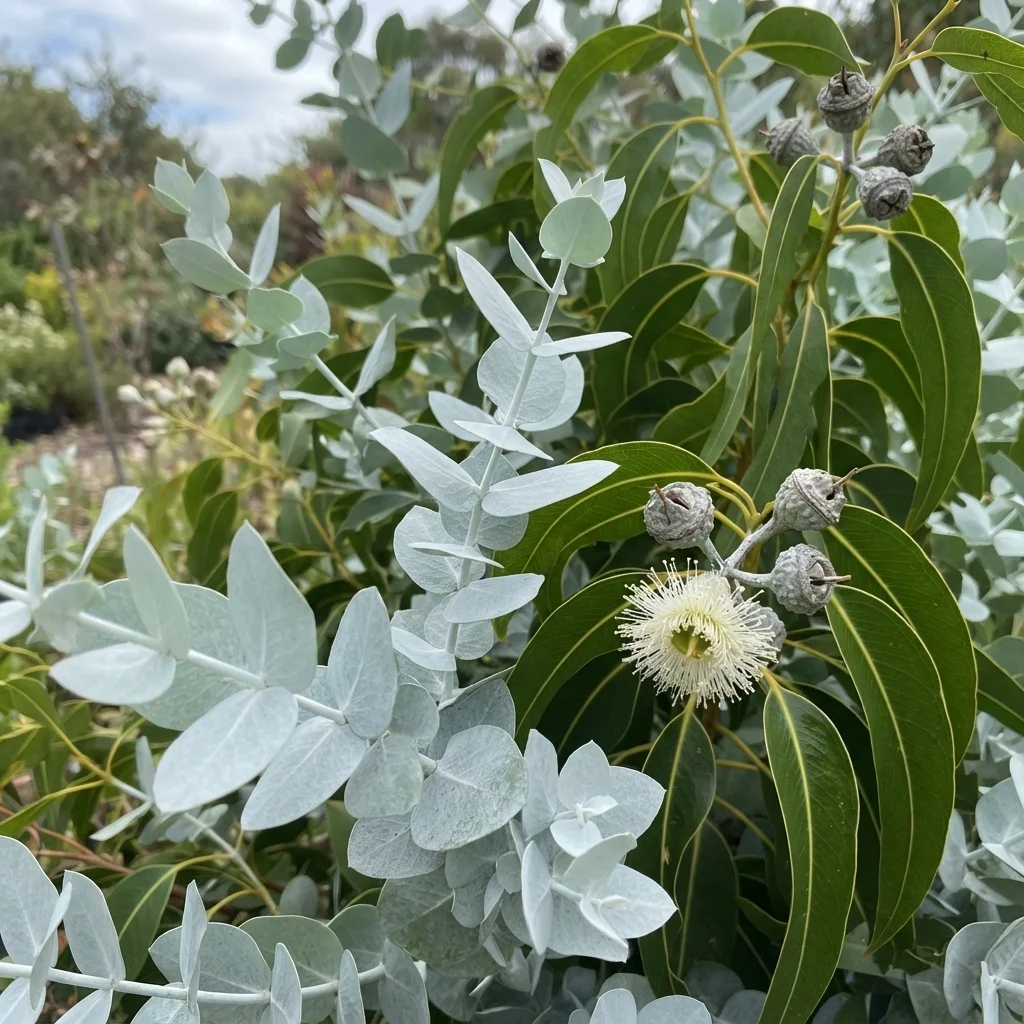
Tasmanian Blue Gum
Eucalyptus globulus
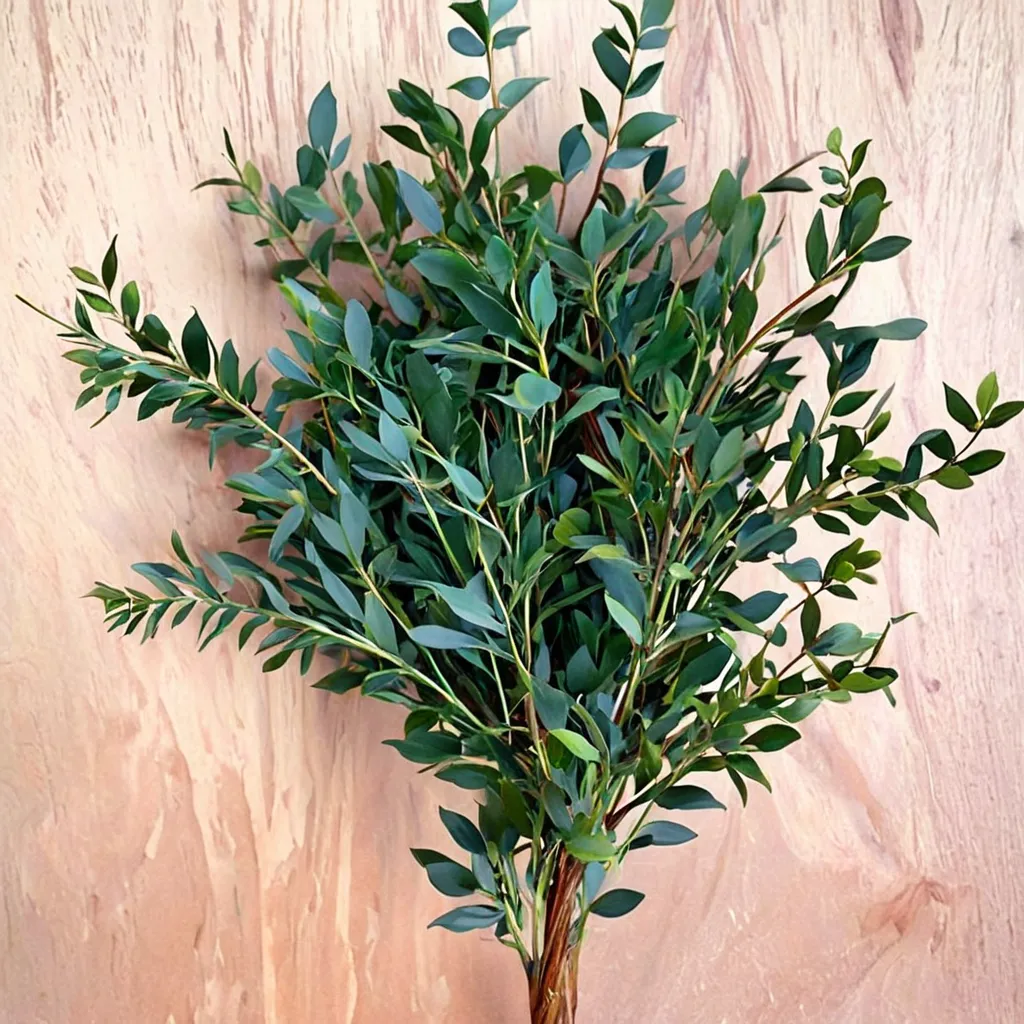
Small-leaved Gum
Eucalyptus parvula
Keep exploring
Explore the genus
Hardy in your zone?
Grow Tallowwood with confidence
See it in a design of your actual yard, get zone-matched care reminders, and track it season by season in your garden journal.