The Story
Plant Bio
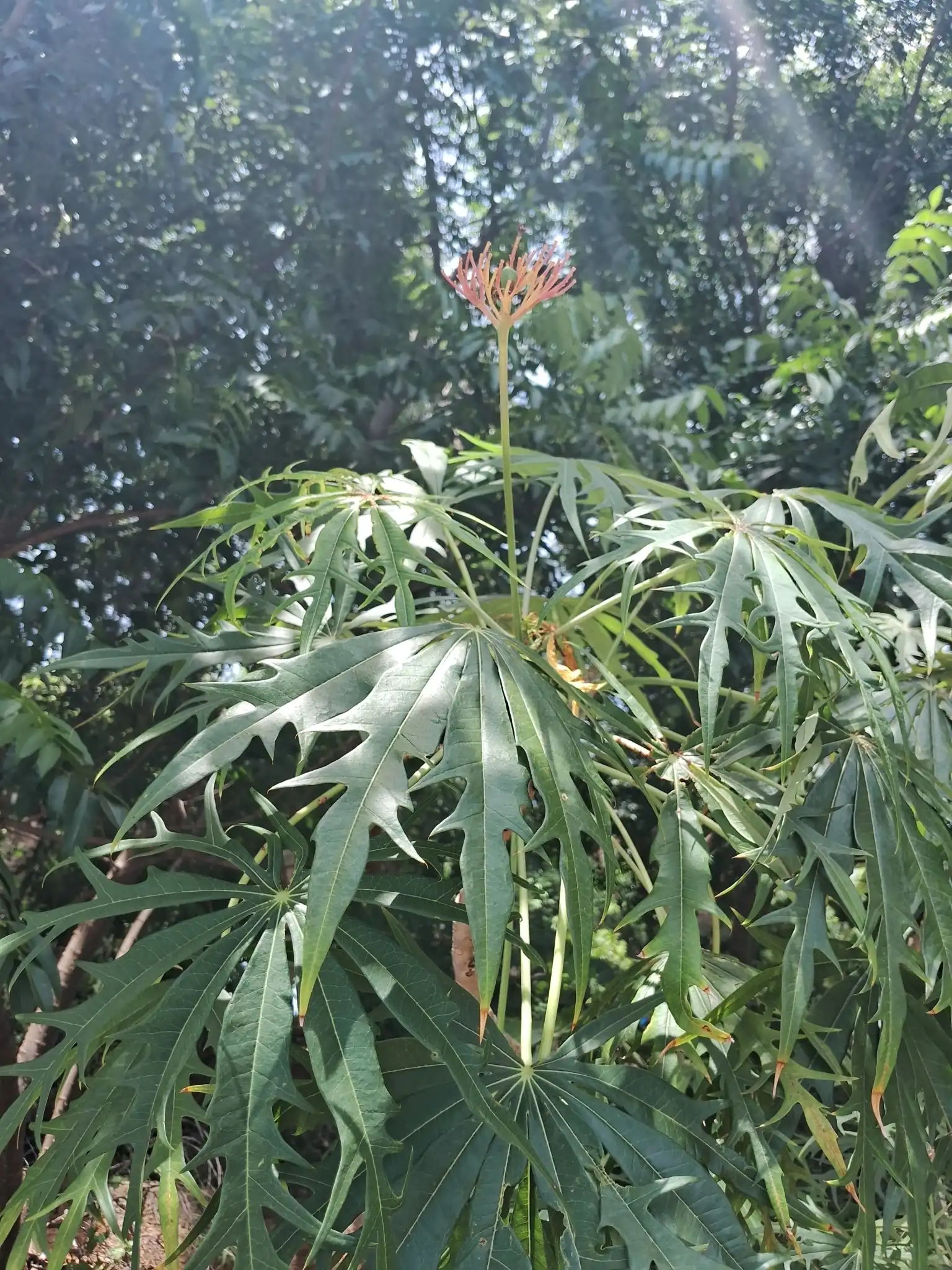
Jatropha multifida is a single-trunked evergreen shrub or small tree from Mexico through Central America to Brazil and the Caribbean, reaching 6 to 10 feet in gardens with a loose spreading crown and slightly succulent stems. It produces clear to milky caustic sap, and all parts including the sweet-tasting seeds are poisonous if ingested.
Its large rounded leaves grow to 12 inches across and are cut into 7 to 11 narrow palmate lobes for a lacy fern-like look. The coral-red flowers are only a quarter-inch across but are held in flat-topped terminal clusters that open over a long season where frost never comes.
Uses & Benefits:
Essentials
At a Glance
Plant Type
Shrub
Height
120"
Width
72"
Light
Full Sun, Partial Sun
Zones
10
Water
Medium
Humidity
Average
Lifespan
Long-lived evergreen shrub
Native To
Mexico to Brazil and Caribbean
Toxicity
Highly toxic if ingested
Bloom period
Year round
In flower about 12 months of the year
Planting
How to Grow
- Plant in full sun in gritty well-drained sandy or loamy soil after all frost danger has passed.
- Water regularly through the growing season, then reduce in winter and never leave the pot standing in water.
- Move containers outdoors for summer and indoors to a bright frost-free spot before the first fall frost.
- Tip-prune only to shape the crown and remove spent flower stems.
Pro Tip
Grow it in a pot you can move indoors before first frost and wear gloves when pruning; soggy soil rots the roots and the seeds and sap are highly toxic.
Keep It Thriving
Care Guide
Do
- Give full sun for best flowering with light afternoon shade in hottest areas.
- Grow in a fast-draining mix and let the top inch dry between waterings.
- Wear gloves and eye protection when pruning and keep plants away from children and pets.
Don't
- Do not overwater or plant in heavy clay that stays wet.
- Do not cut hard into old bare wood to control size.
- Do not ingest seeds or fruits and do not leave fallen seeds where children or pets roam.
Seasonal Care Calendar
| Task | Jan | Feb | Mar | Apr | May | Jun | Jul | Aug | Sep | Oct | Nov | Dec |
|---|---|---|---|---|---|---|---|---|---|---|---|---|
| Pest Check | ||||||||||||
| Plant | ||||||||||||
| Propagate | ||||||||||||
| Prune | ||||||||||||
| Winter Prep |
Watch Out For
Pests & Diseases
Common Pests
Common Diseases
In the Garden
Landscape Uses & Companions
Landscape Uses
Companion Plants
Multiply
Propagation Methods
Good to Know
Common Questions
Coral Plant questions
What zones can Coral Plant grow in?
Coral Plant is hardy in USDA Zone 10: in that range it survives winter in the ground. Colder than Zone 10, grow it in a container you can move to shelter for the winter.
When does Coral Plant bloom?
Coral Plant typically blooms year-round. Exact timing shifts a week or two with your zone — Sow's bloom calendar maps it to your garden.
Does Coral Plant need full sun?
Coral Plant does best in full sun to part shade. In hot climates, afternoon shade keeps blooms fresher longer.
Is Coral Plant drought tolerant?
Yes — once established (usually after the first full season), Coral Plant handles dry spells with minimal watering. Water deeply its first year to build the root system that makes that possible.
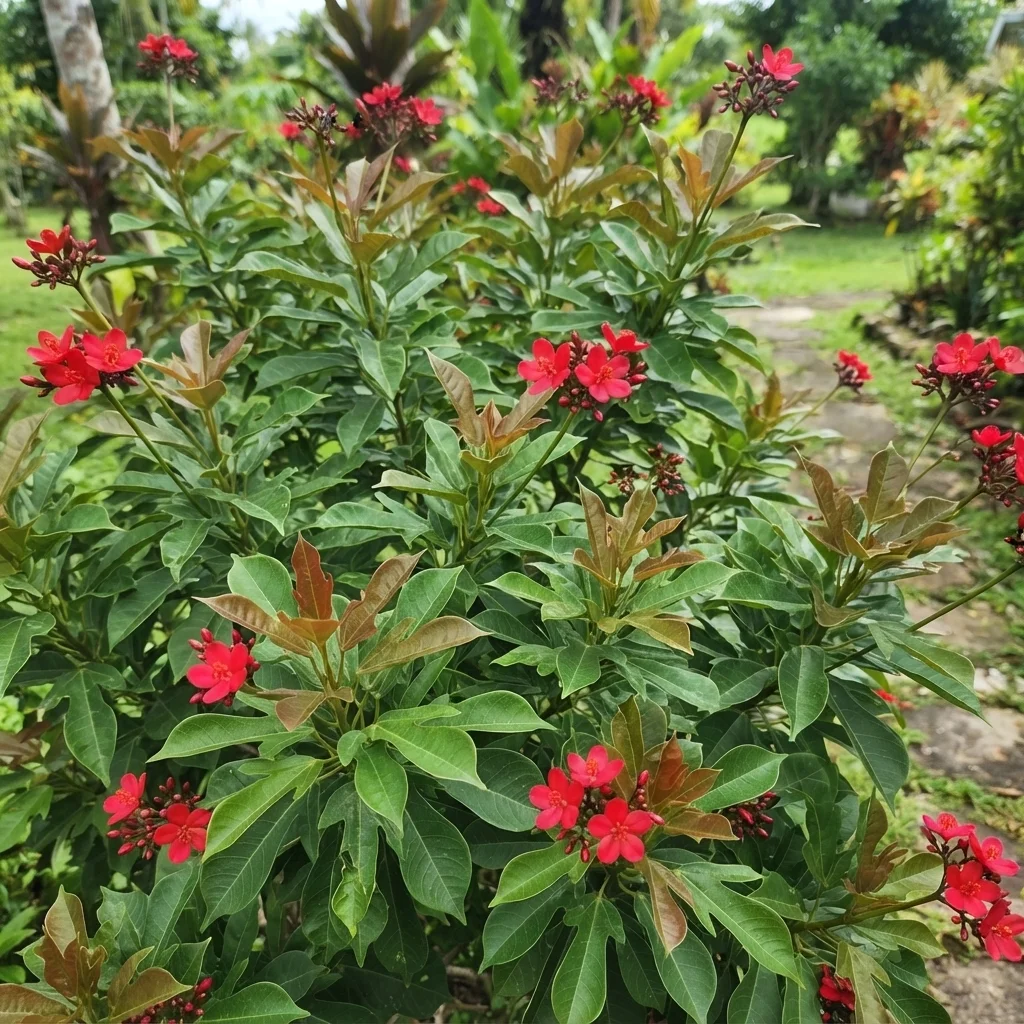
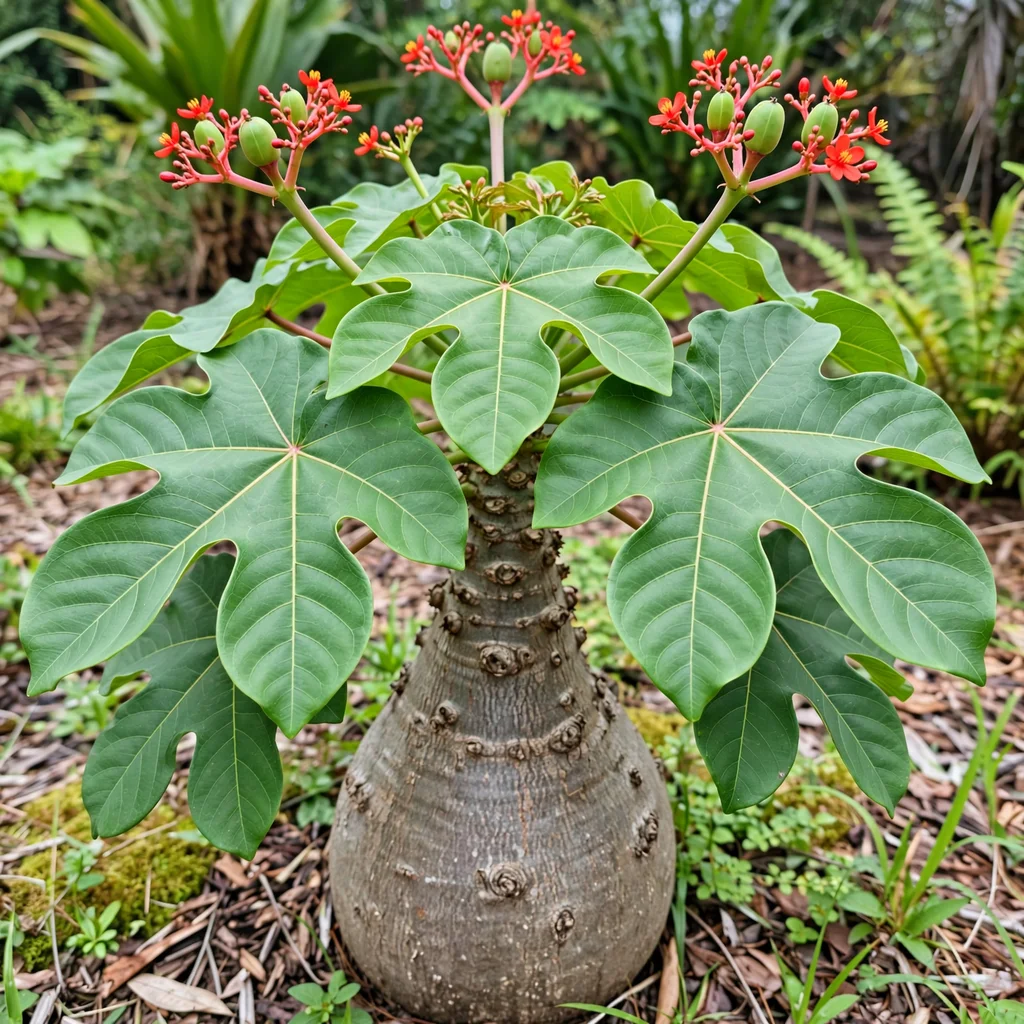
More Jatropha to compare
Keep exploring
Explore the genus
Hardy in your zone?
Grow Coral Plant with confidence
See it in a design of your actual yard, get zone-matched care reminders, and track it season by season in your garden journal.