The Story
Plant Bio
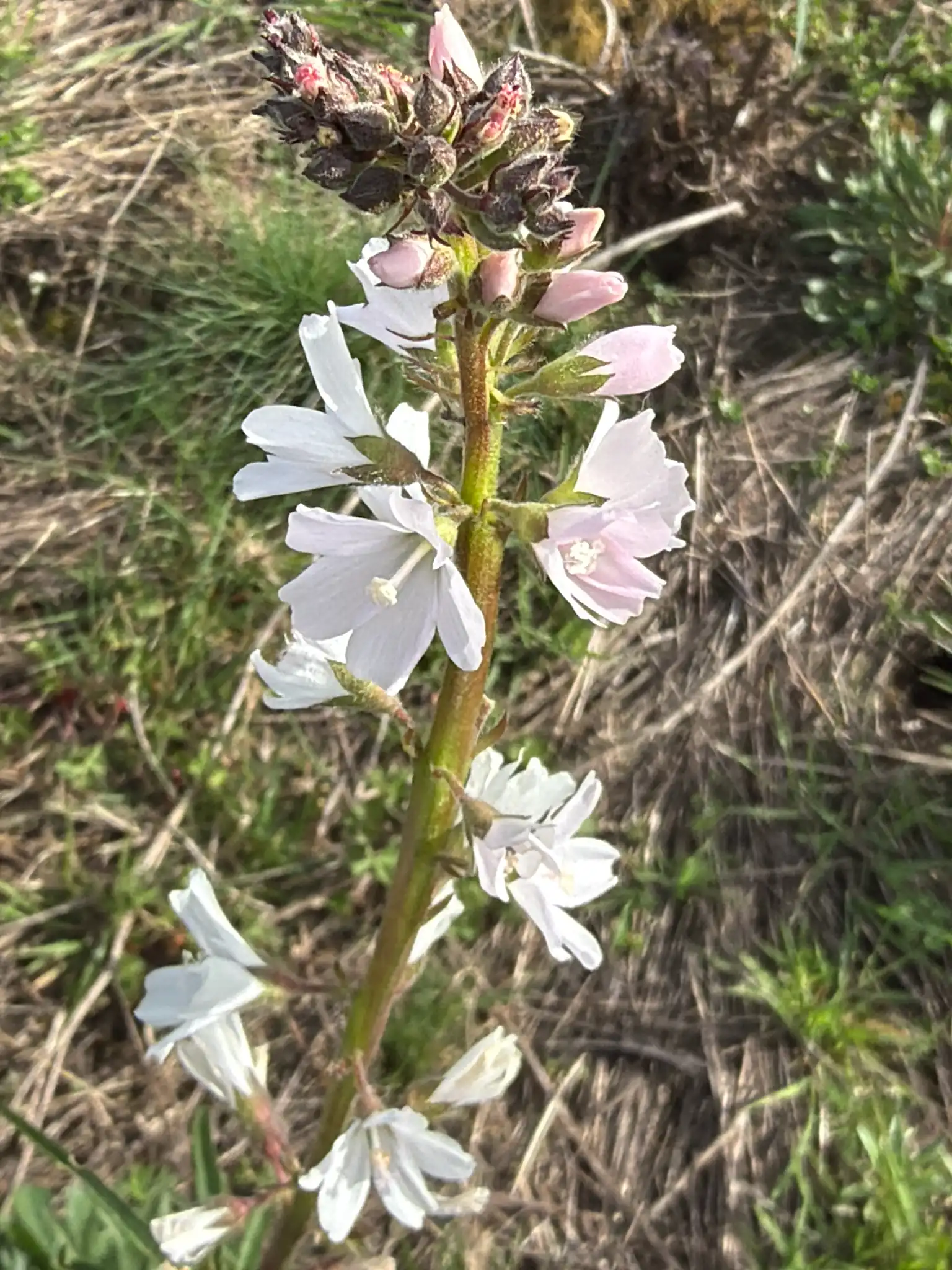
Sidalcea campestris is an herbaceous perennial native to western Oregon that forms a low basal rosette of deep green, palmately divided leaves. Sturdy, erect, hollow stems rise above the foliage in late spring, bearing terminal branched racemes of soft pink to white five-petaled blossoms.
This species thrives in heavy clay soils that bake dry during summer heat, going dormant as soil moisture drops. A single plant produces over fifty blooms that serve as a valuable nectar source for native pollinators and a larval host for gray hairstreak butterflies.
Uses & Benefits:
Essentials
At a Glance
Plant Type
Perennial
Height
48"
Width
24"
Light
Full Sun, Partial Sun
Zones
4, 5, 6, 7, 8
Water
Low to medium
Humidity
Moderate
Lifespan
Perennial
Native To
North America (Oregon)
Toxicity
Non-toxic
Bloom period
Late spring – Summer
In flower about 4 months of the year
Marketplace
Where to Buy
Shipping costs Year-round shipping Free shipping
Planting
How to Grow
- Select a planting site in full sun to light shade with clay or loam soil.
- Set dormant crowns or potted roots flush with the surrounding soil level.
- Water thoroughly at planting to settle soil around the thick taproot.
- Maintain moderate soil moisture throughout spring growth and flowering.
- Taper off irrigation as summer progresses to allow natural seasonal dormancy.
Pro Tip
Do not over-water or fertilize during midsummer dormancy; damp, warm clay soil causes fatal root decay.
Keep It Thriving
Care Guide
Do
- Cut spent flower stalks down to the basal rosette after top growth dies back in winter.
- Allow soil to dry out naturally during late summer.
- Protect young spring foliage from deer and rabbit browsing if pressure is high.
Don't
- Do not apply heavy fertilizers, which produce weak, floppy stems.
- Do not plant in boggy or permanently waterlogged low spots.
- Do not cut into old stem wood during active spring growth.
Seasonal Care Calendar
| Task | Jan | Feb | Mar | Apr | May | Jun | Jul | Aug | Sep | Oct | Nov | Dec |
|---|---|---|---|---|---|---|---|---|---|---|---|---|
| Divide | ||||||||||||
| Pest Check | ||||||||||||
| Prune | ||||||||||||
| Spring Cleanup |
Watch Out For
Pests & Diseases
Common Pests
Common Diseases
In the Garden
Landscape Uses & Companions
Landscape Uses
Multiply
Propagation Methods
Good to Know
Common Questions
Meadow Checker-mallow questions
What zones can Meadow Checker-mallow grow in?
Meadow Checker-mallow is hardy in USDA Zones 4–8: in that range it survives winter in the ground. Warmer than Zone 8, winter isn't the problem: it prefers colder winters, and summer heat can shorten its life.
Is Meadow Checker-mallow deer resistant?
Not reliably. Deer may browse Meadow Checker-mallow, especially tender spring growth — plan on repellents or fencing where pressure is high.
When does Meadow Checker-mallow bloom?
Meadow Checker-mallow typically blooms from late spring to late summer. Exact timing shifts a week or two with your zone — Sow's bloom calendar maps it to your garden.
Does Meadow Checker-mallow need full sun?
Meadow Checker-mallow does best in full sun to part shade. In hot climates, afternoon shade keeps blooms fresher longer.
Is Meadow Checker-mallow drought tolerant?
Yes — once established (usually after the first full season), Meadow Checker-mallow handles dry spells with minimal watering. Water deeply its first year to build the root system that makes that possible.
More Sidalcea to compare
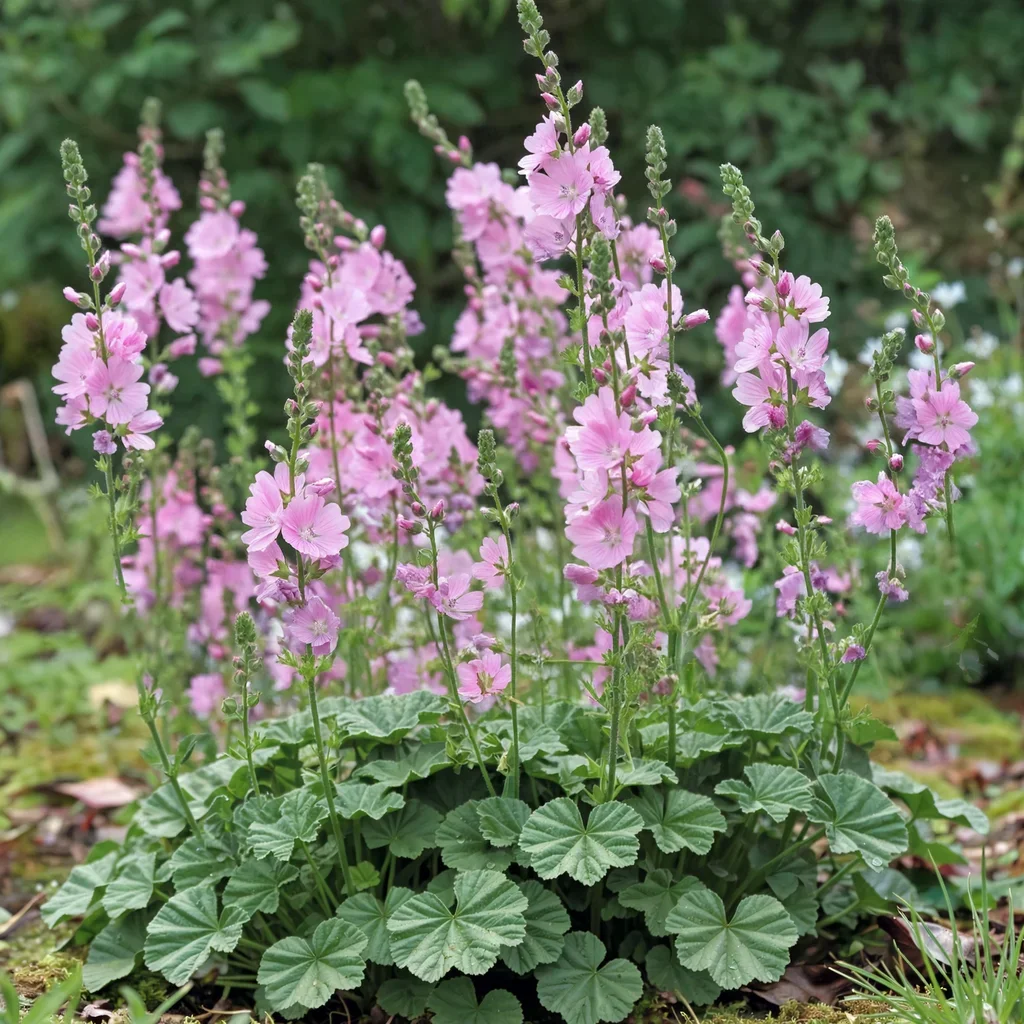
Checker Mallow
Sidalcea malviflora 'Rosaly'
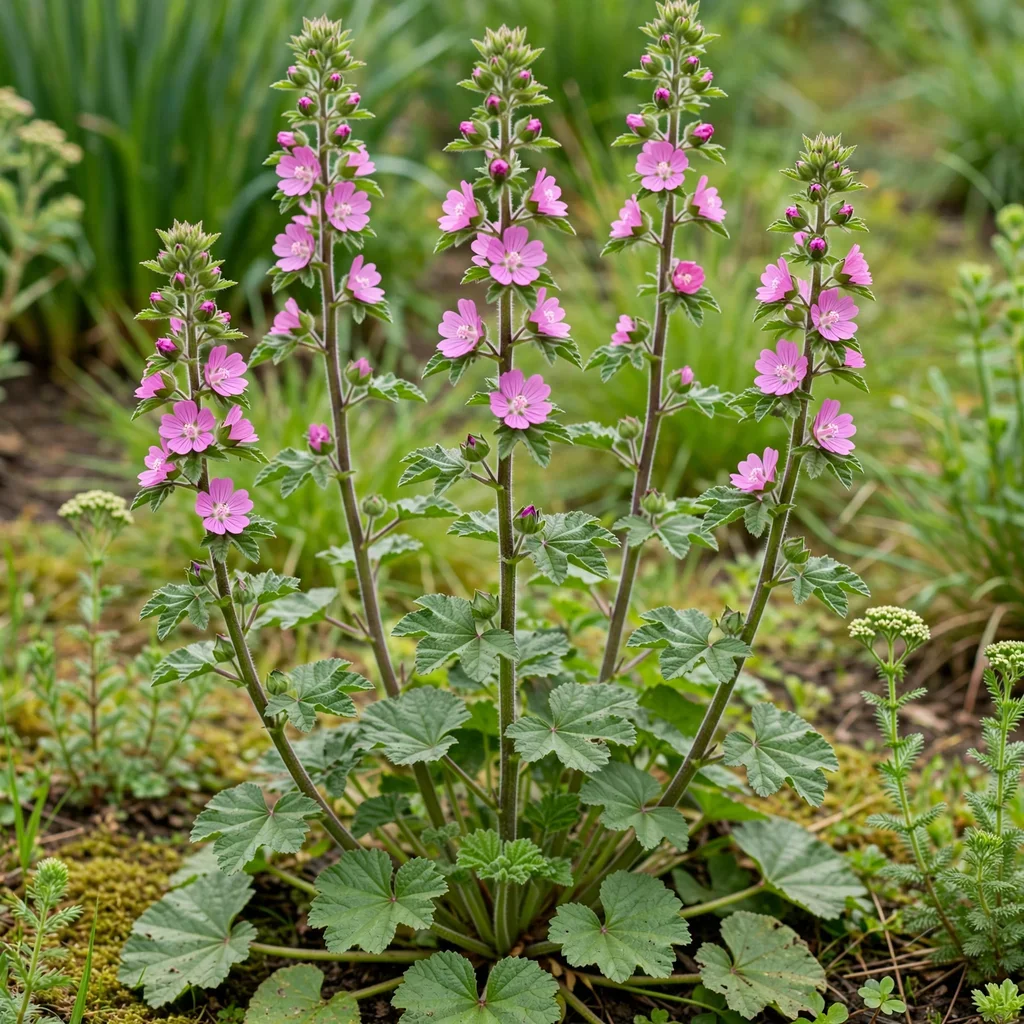
Henderson's Checkermallow
Sidalcea hendersonii
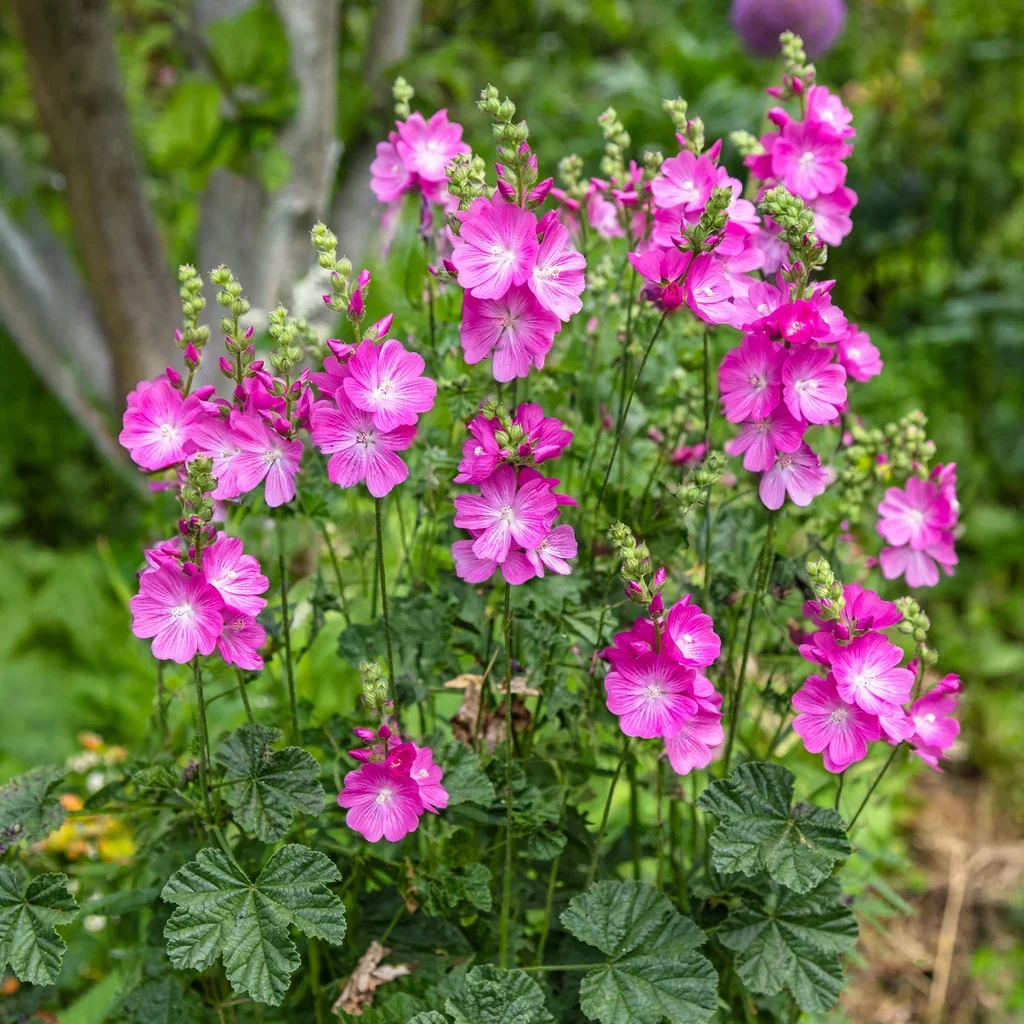
'Purpetta' Checker Mallow
Sidalcea malviflora 'Purpetta'
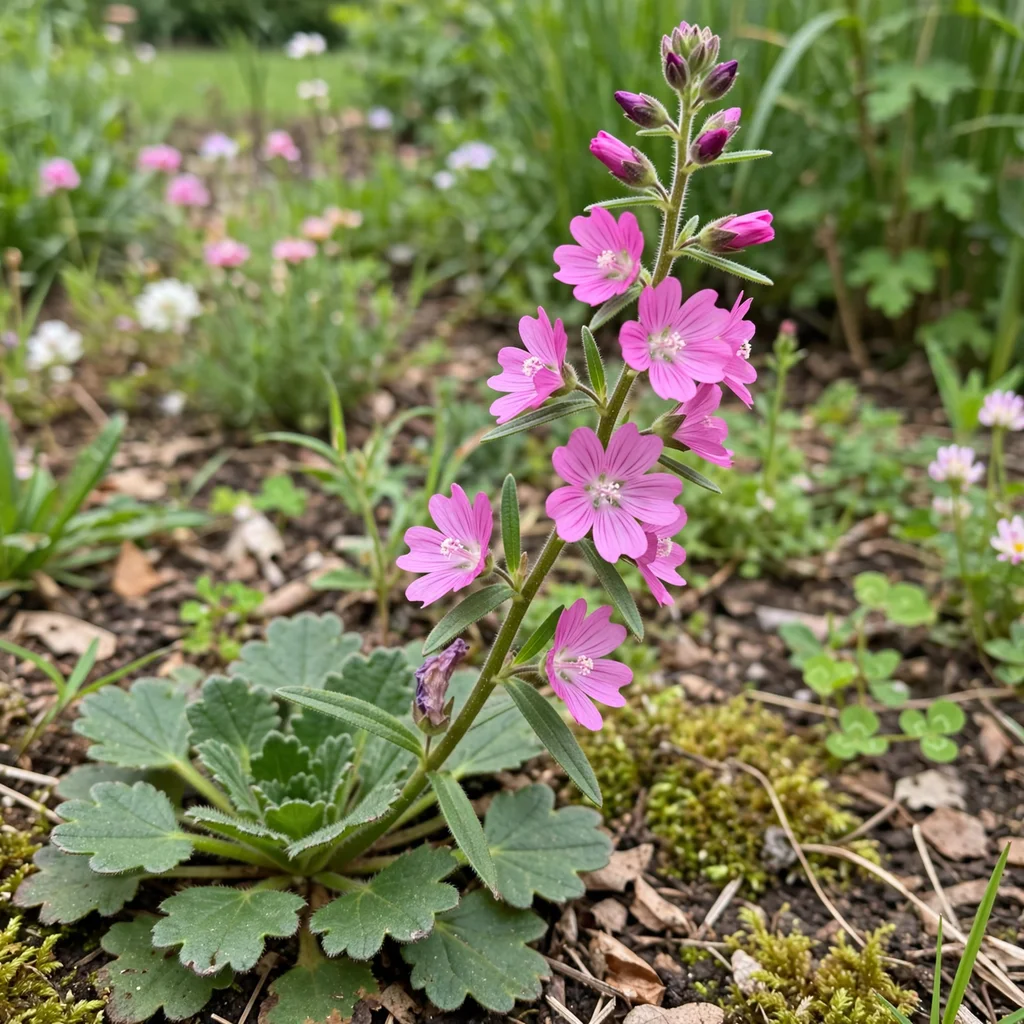
Rose Checker-Mallow
Sidalcea virgata
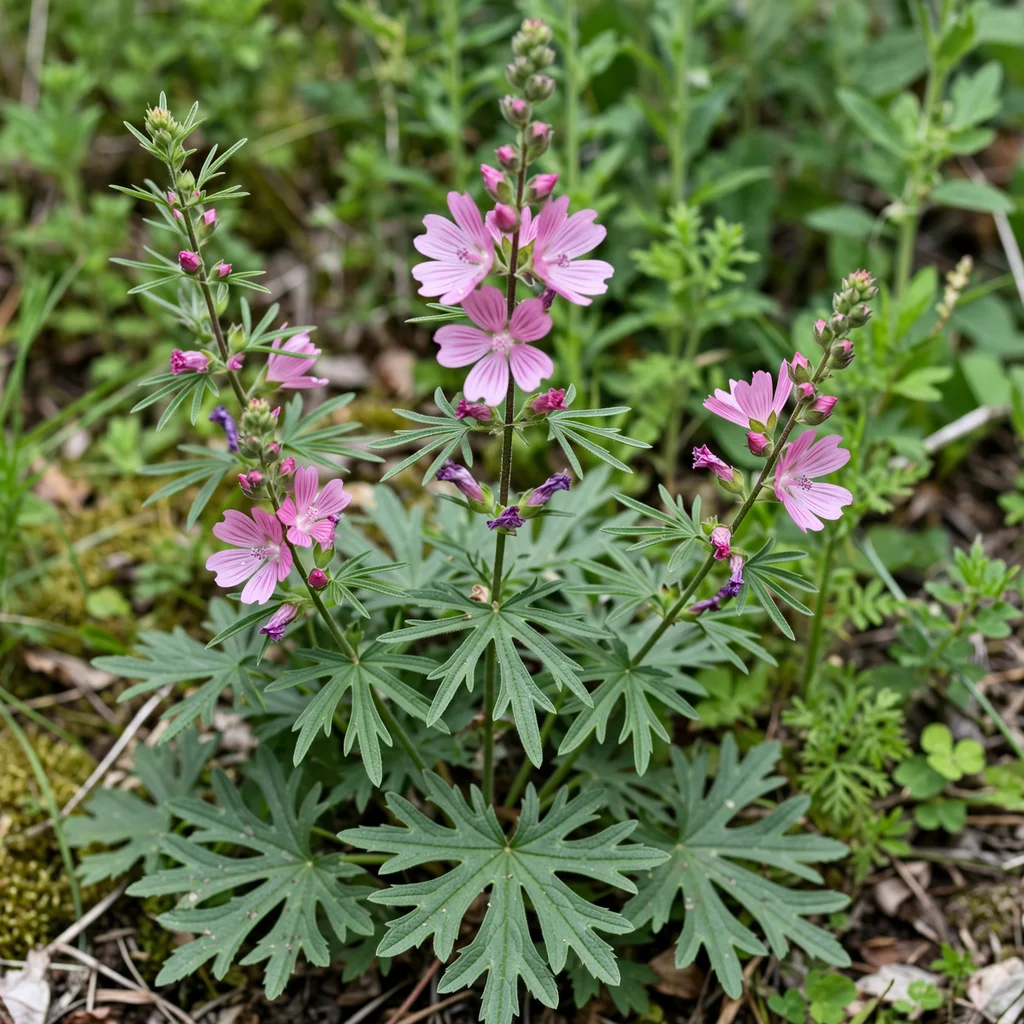
Oregon Checkerbloom
Sidalcea oregana
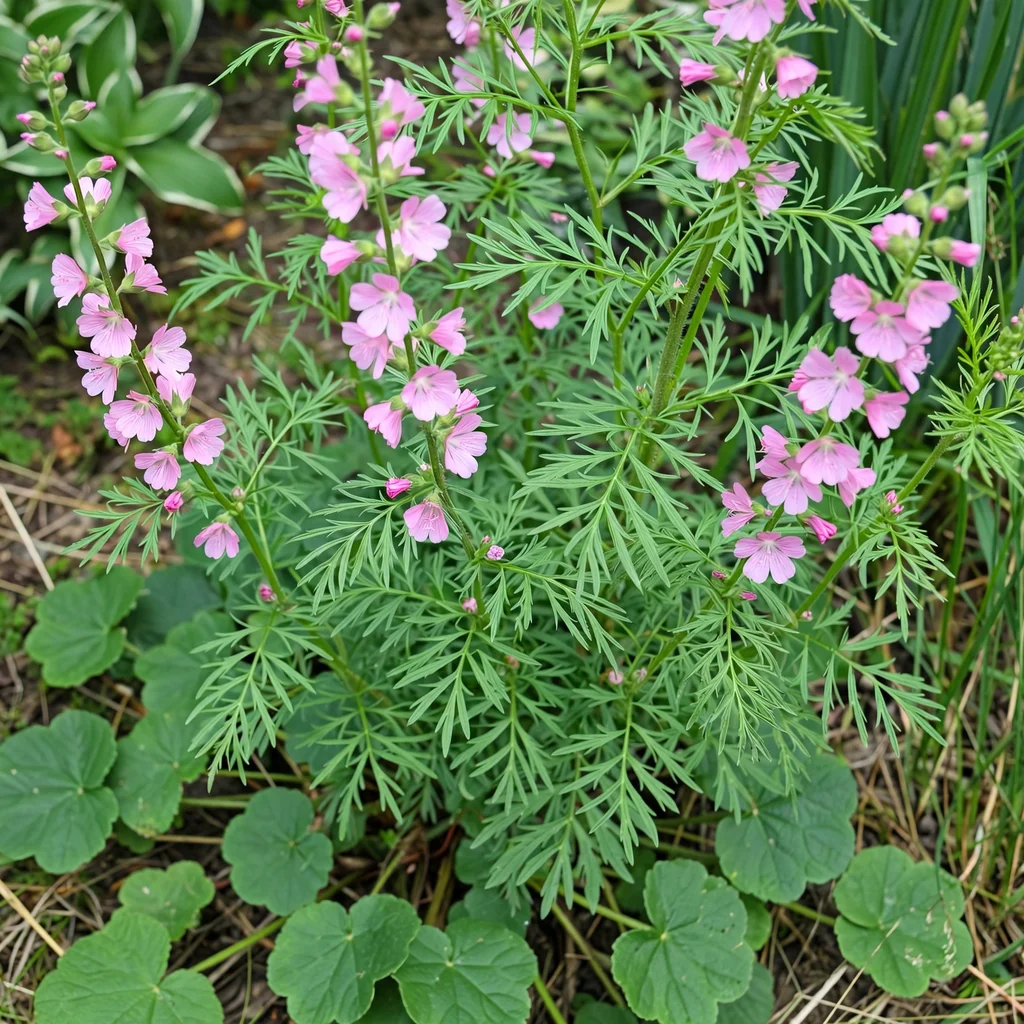
Cusick's Checkermallow
Sidalcea cusickii
Keep exploring
Explore the genus
Hardy in your zone?
Grow Meadow Checker-mallow with confidence
See it in a design of your actual yard, get zone-matched care reminders, and track it season by season in your garden journal.