The Story
Plant Bio
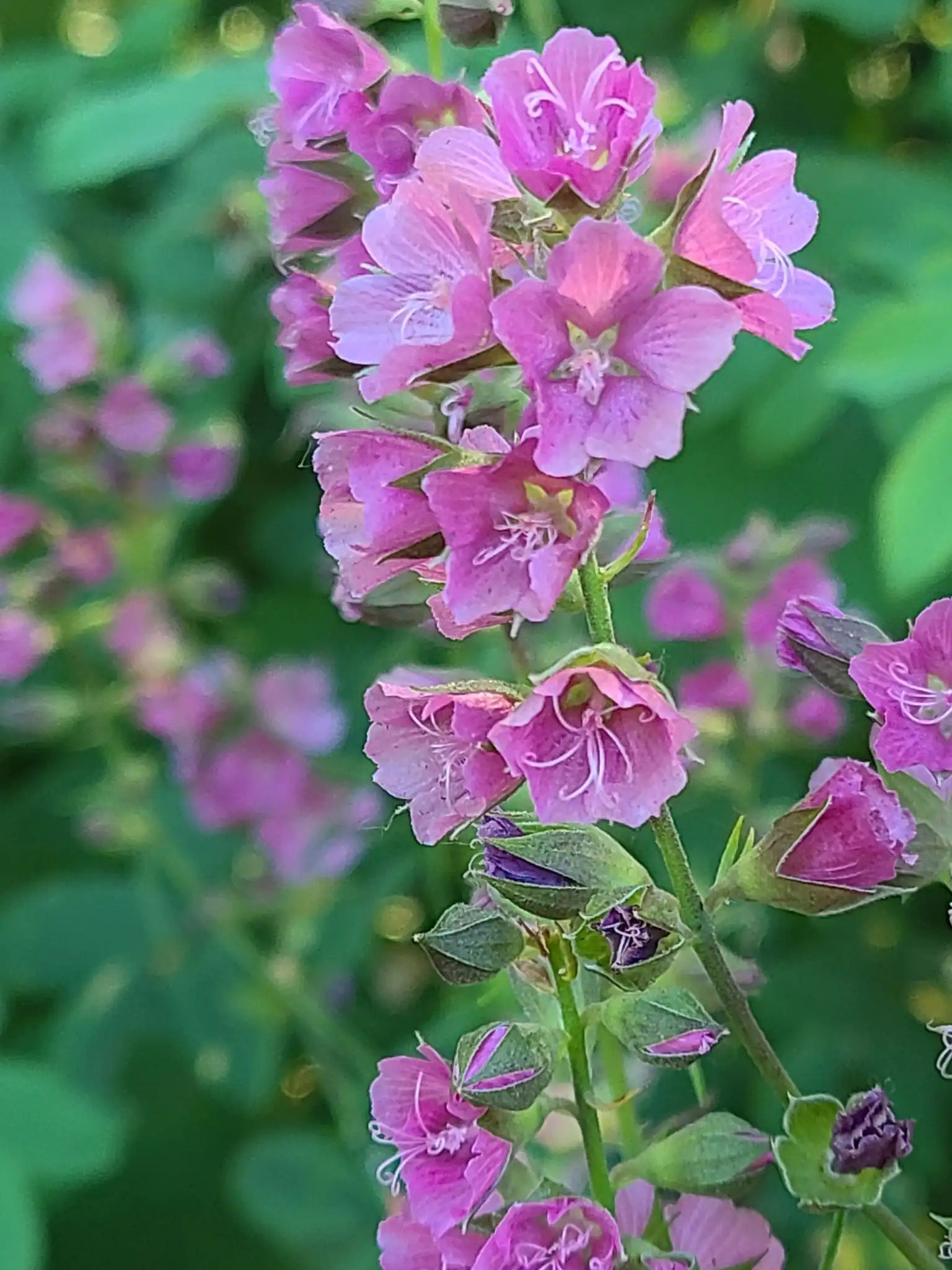
Sidalcea cusickii, commonly known as Cusick's checkermallow, is an herbaceous perennial native to wet lowland and mountain meadows in western Oregon. Stems grow erect up to six feet tall from thick taproots and freely-rooting rhizomes, producing dense spike-shaped flower displays from late spring through summer.
Bright rose-pink flowers age to deep purple-magenta as they fade along the vertical racemes. Basal leaves are shallowly lobed and nearly round, while upper stem leaves are deeply divided into narrow, lobed segments.
Uses & Benefits:
Essentials
At a Glance
Plant Type
Perennial
Height
71"
Width
12"
Light
Full Sun, Partial Sun
Zones
7, 8, 9
Water
High
Humidity
High
Lifespan
Perennial
Native To
Oregon, USA
Toxicity
Non-toxic
Bloom period
Late spring – Summer
In flower about 4 months of the year
Planting
How to Grow
- Select a planting site in full sun or partial shade with fertile, moisture-retentive soil or clay.
- Space plants 8 to 12 inches apart to accommodate rhizomatous growth in dense swaths.
- Provide regular irrigation during dry spells so the root zone remains consistently moist.
- Cut spent herbaceous stems down to ground level in late winter before spring growth begins.
Pro Tip
Because of its narrow eight to twelve inch width, plant in dense drifts and keep soil perennially moist to prevent premature summer decline.
Keep It Thriving
Care Guide
Do
- Keep soil perennially moist to wet throughout the growing season
- Plant in drifts or mass plantings to suit its slender upright habit
- Cut dead foliage back to the ground in late winter
Don't
- Do not allow soil to dry out completely during summer spells
- Avoid heavy pruning into old leafless stems mid-season
- Do not heavy-feed with synthetic fertilizers; minimal compost is sufficient
Seasonal Care Calendar
| Task | Jan | Feb | Mar | Apr | May | Jun | Jul | Aug | Sep | Oct | Nov | Dec |
|---|---|---|---|---|---|---|---|---|---|---|---|---|
| Fertilize | ||||||||||||
| Pest Check | ||||||||||||
| Propagate | ||||||||||||
| Spring Cleanup | ||||||||||||
| Winter Prep |
Watch Out For
Pests & Diseases
Common Pests
Common Diseases
In the Garden
Landscape Uses & Companions
Landscape Uses
Companion Plants
Multiply
Propagation Methods
Good to Know
Common Questions
Cusick's Checkermallow questions
What zones can Cusick's Checkermallow grow in?
Cusick's Checkermallow is hardy in USDA Zones 7–9: in that range it survives winter in the ground. Colder than Zone 7, grow it in a container you can move to shelter for the winter, or as an annual. Warmer than Zone 9, winter isn't the problem: it prefers colder winters, and summer heat can shorten its life.
Is Cusick's Checkermallow deer resistant?
Yes — Cusick's Checkermallow is rated deer-resistant. Deer typically pass it over, though extreme hunger can override any plant's defenses.
When does Cusick's Checkermallow bloom?
Cusick's Checkermallow typically blooms from late spring to late summer. Exact timing shifts a week or two with your zone — Sow's bloom calendar maps it to your garden.
Does Cusick's Checkermallow need full sun?
Cusick's Checkermallow does best in full sun to part shade. In hot climates, afternoon shade keeps blooms fresher longer.
More Sidalcea to compare
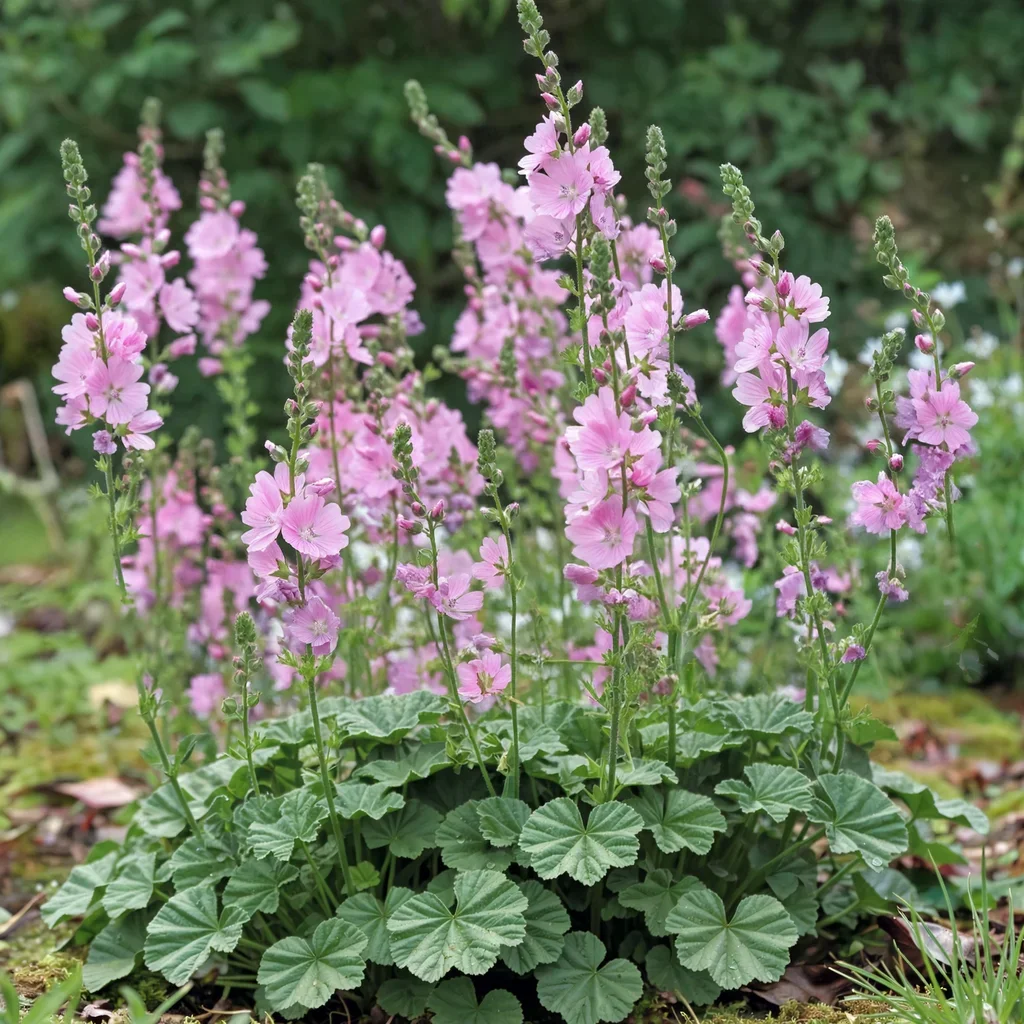
Checker Mallow
Sidalcea malviflora 'Rosaly'
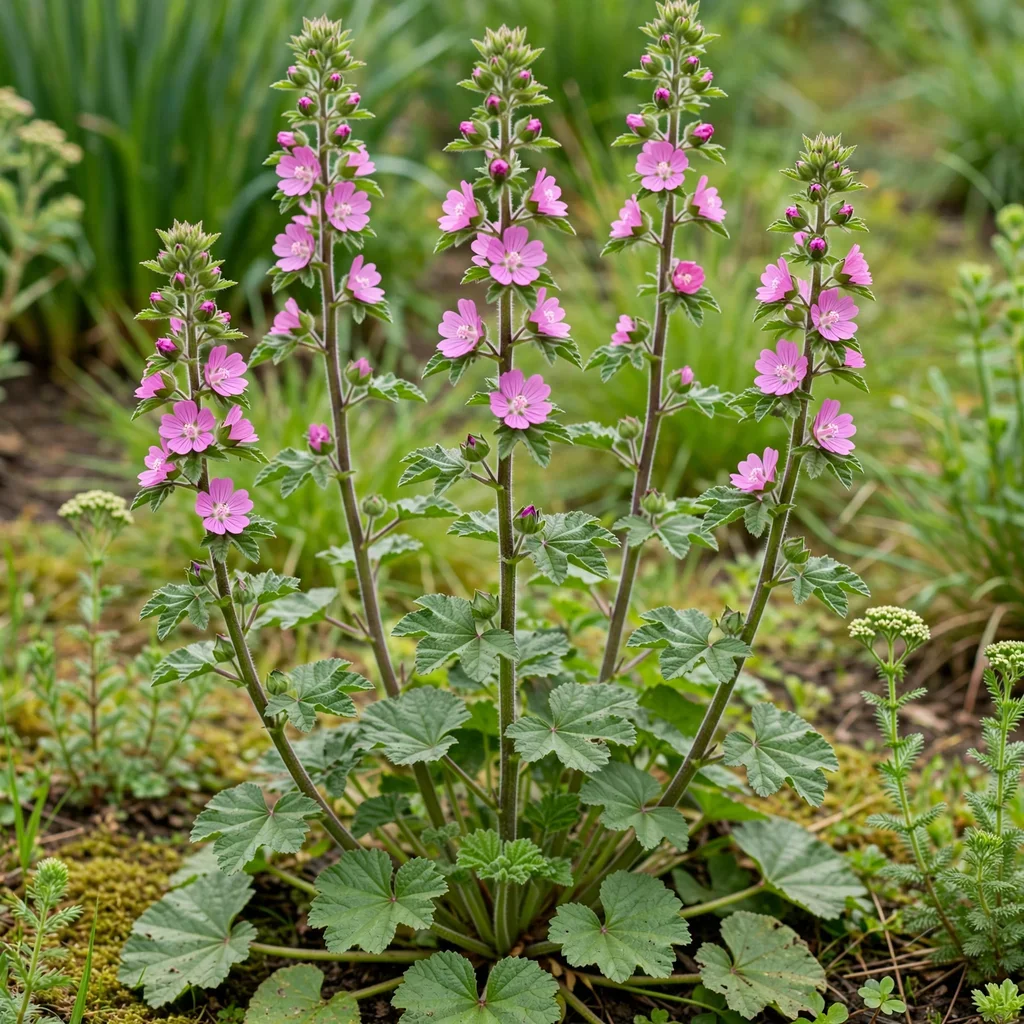
Henderson's Checkermallow
Sidalcea hendersonii
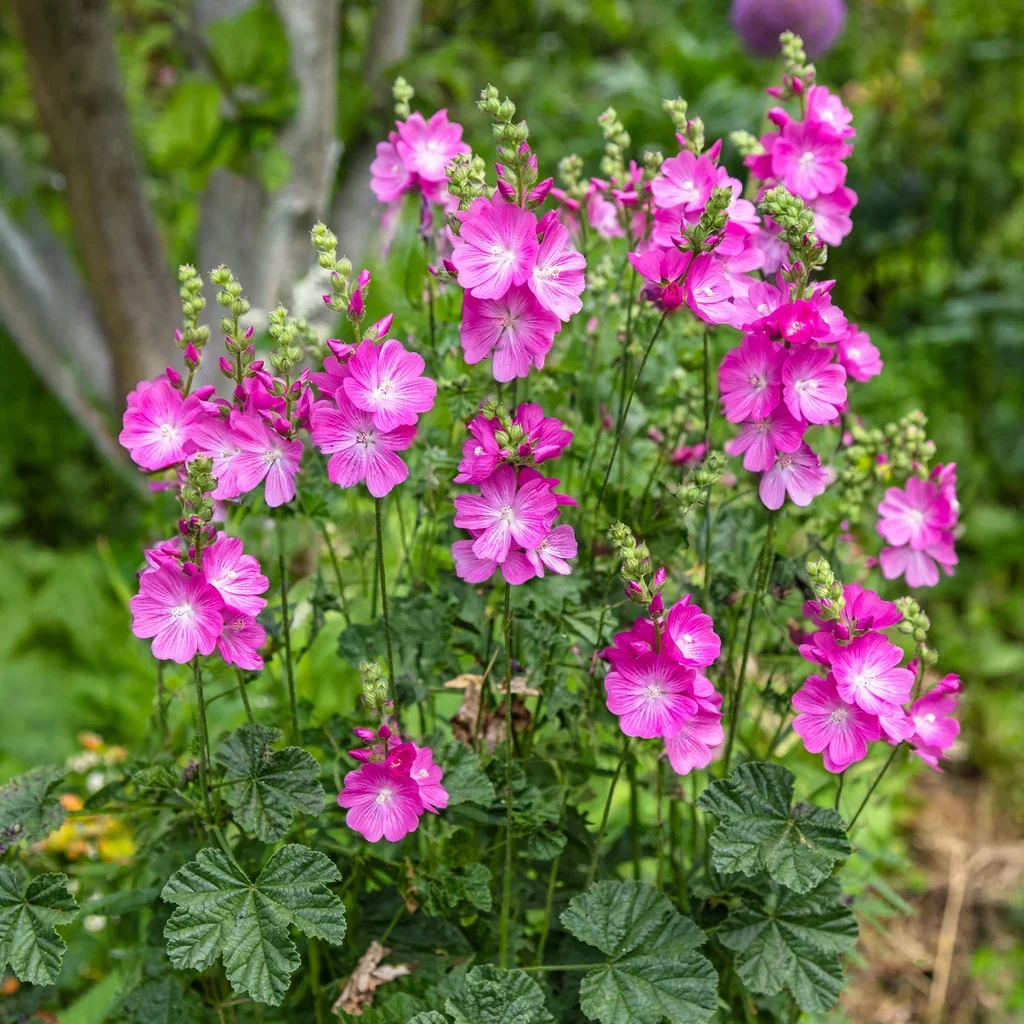
'Purpetta' Checker Mallow
Sidalcea malviflora 'Purpetta'
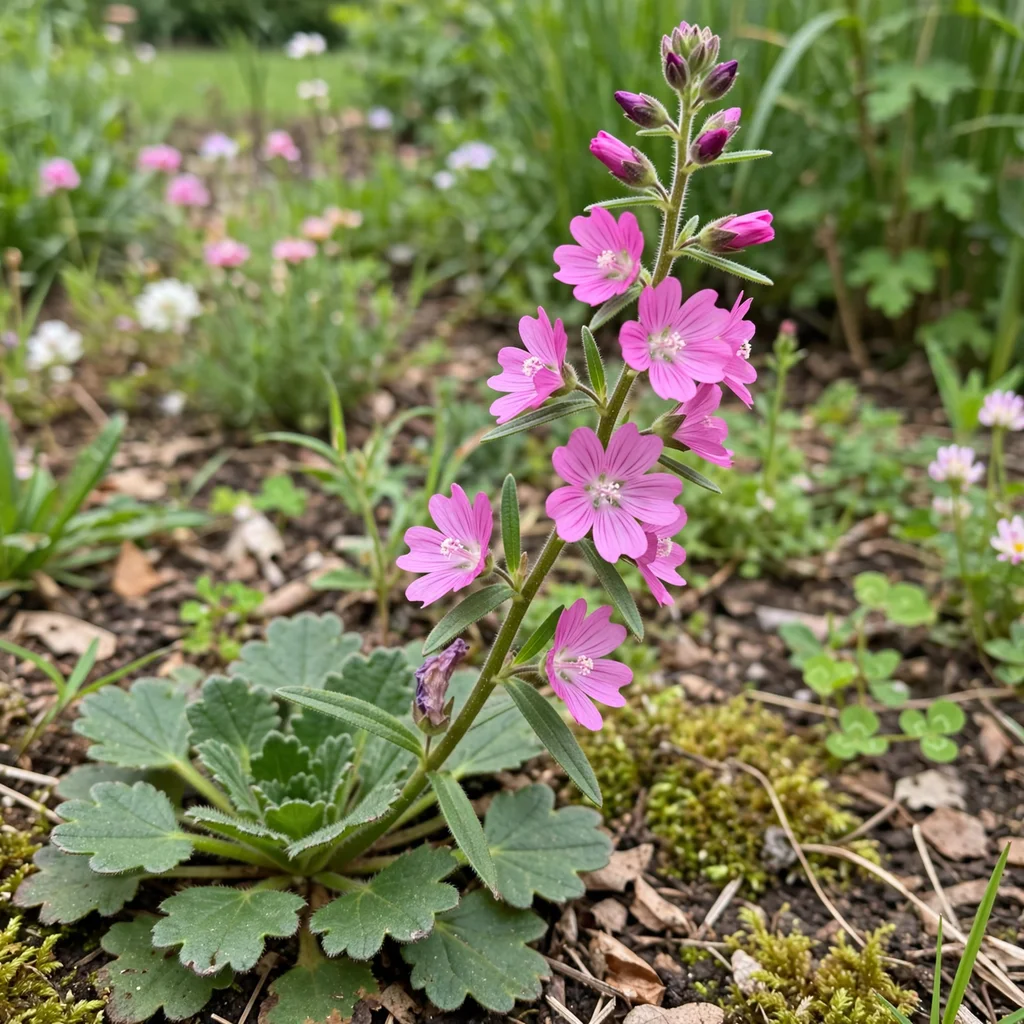
Rose Checker-Mallow
Sidalcea virgata
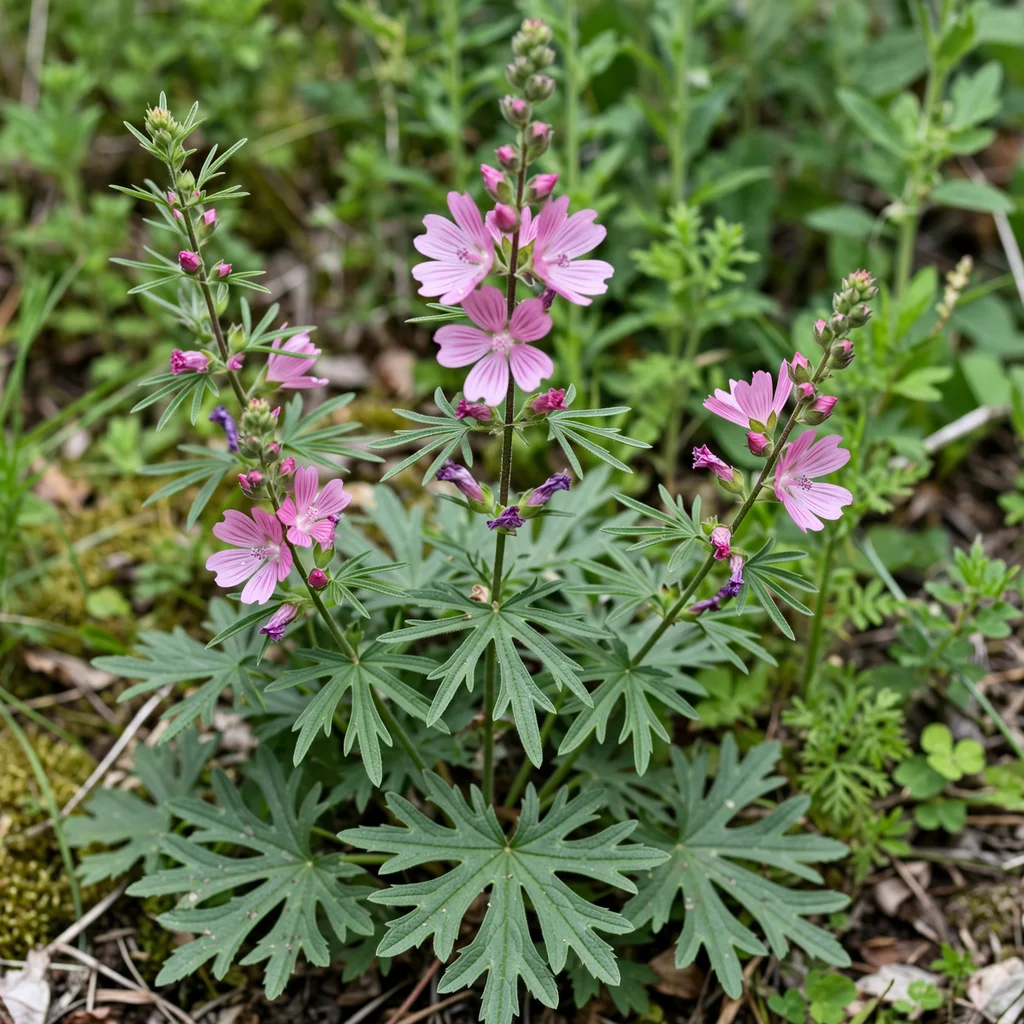
Oregon Checkerbloom
Sidalcea oregana
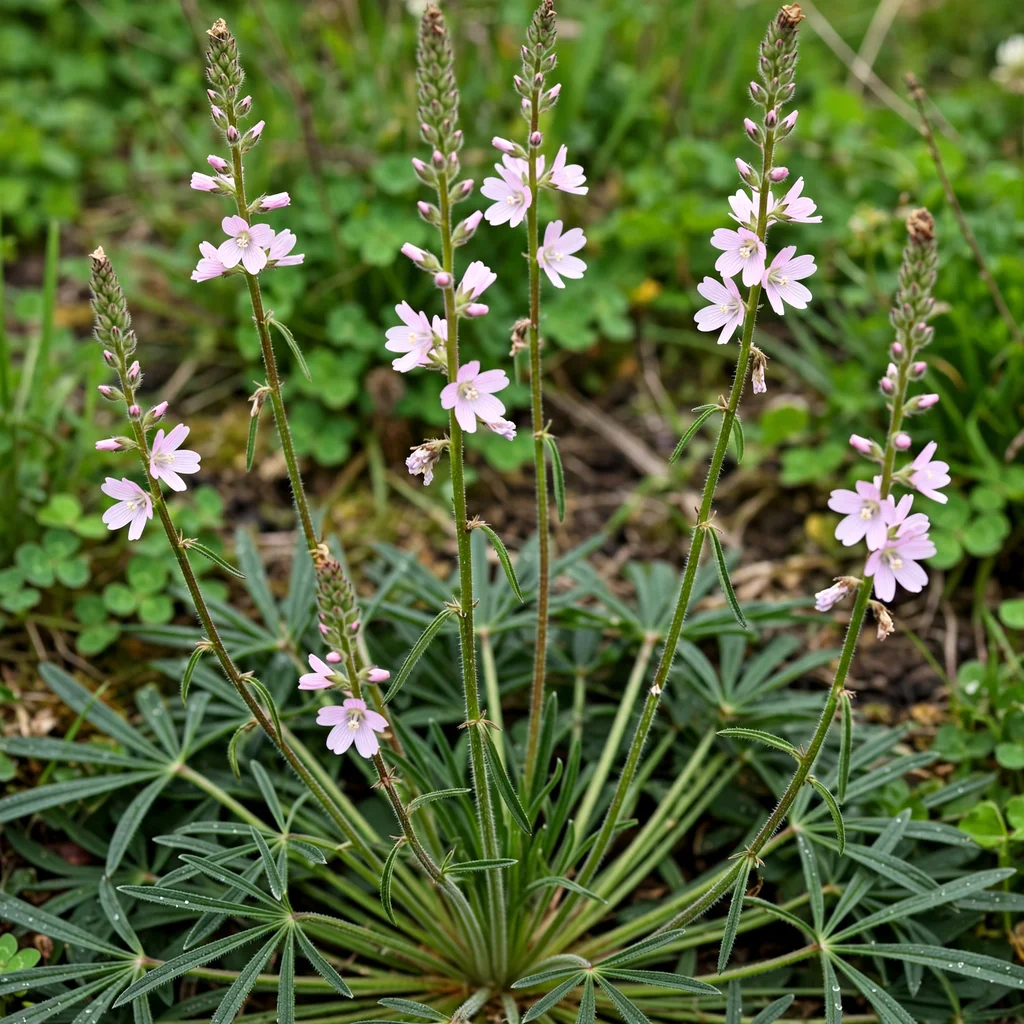
Meadow Checker-mallow
Sidalcea campestris
Keep exploring
Explore the genus
Hardy in your zone?
Grow Cusick's Checkermallow with confidence
See it in a design of your actual yard, get zone-matched care reminders, and track it season by season in your garden journal.