2 saves
Eriophyllum
We track 4 varieties; the ones most used by real gardeners.
The 4 most-saved Eriophyllum varieties
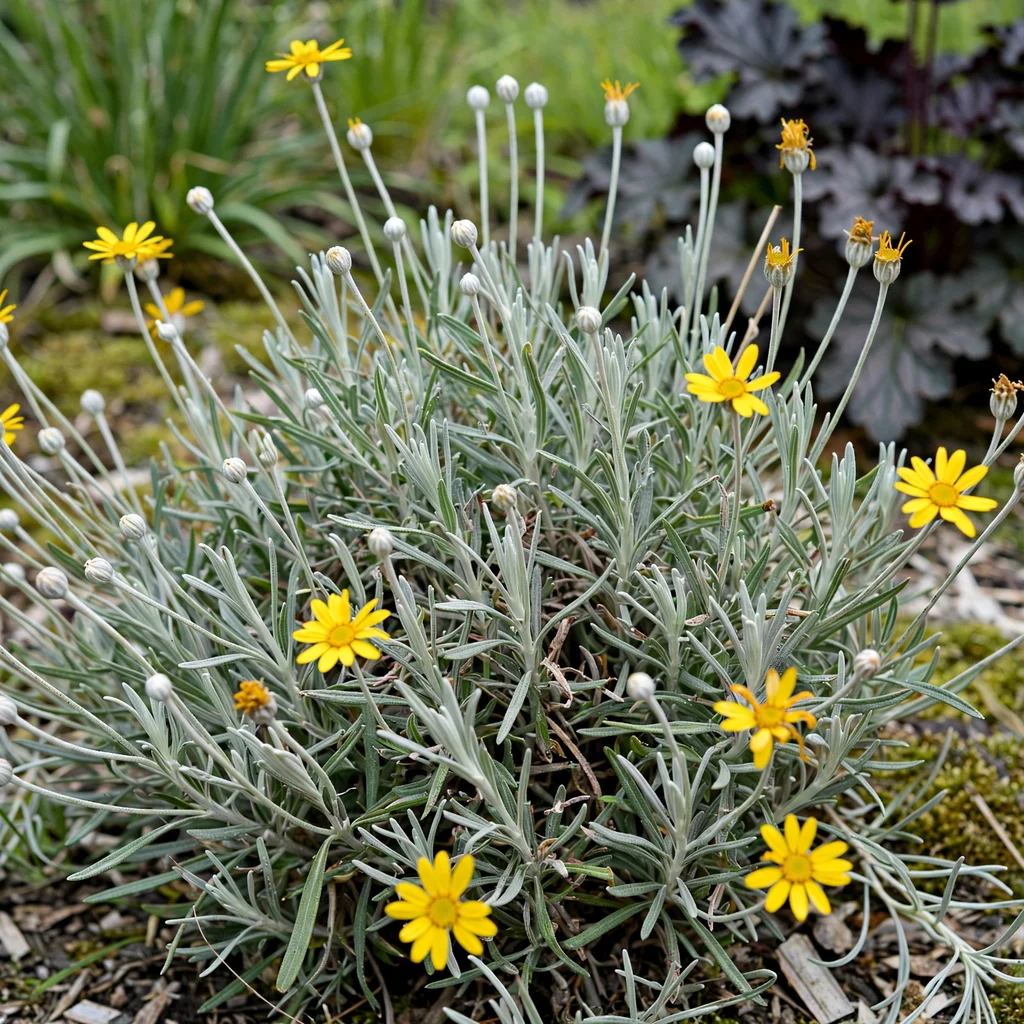
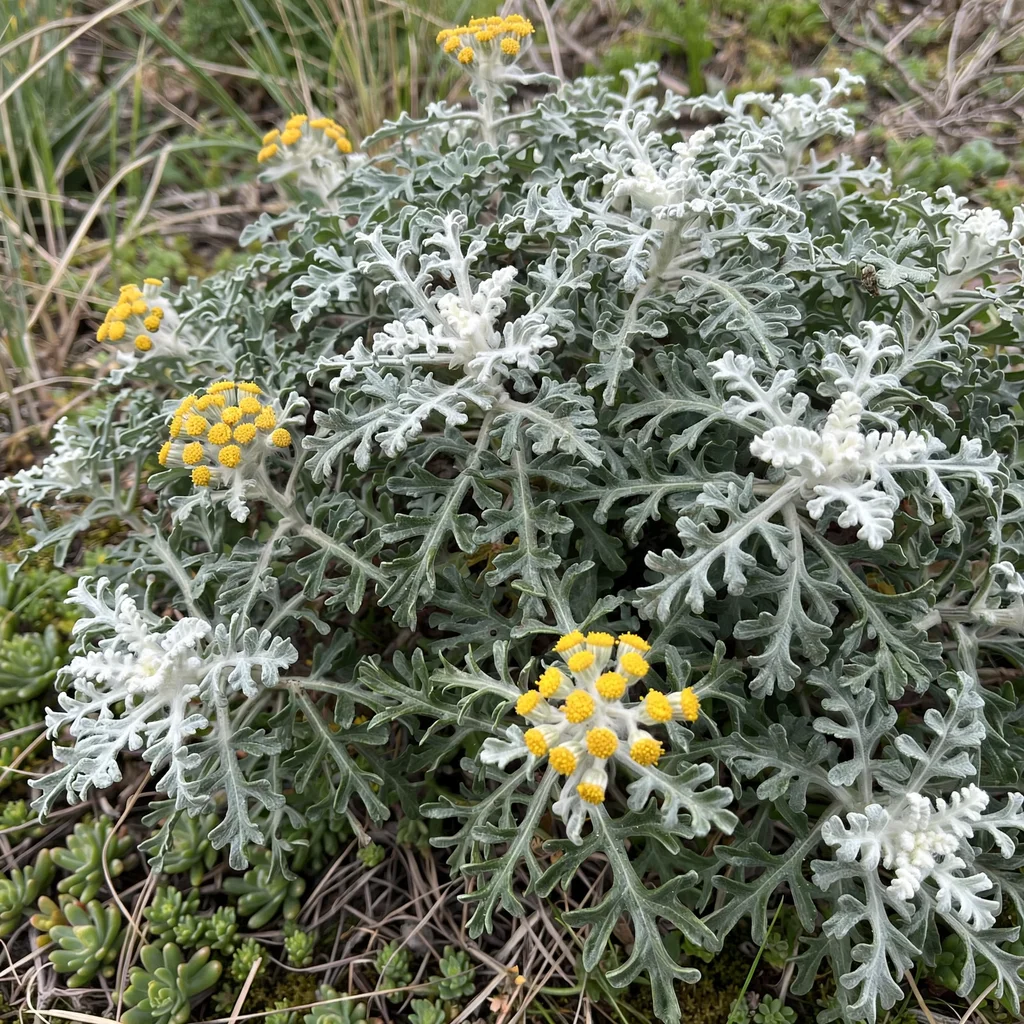
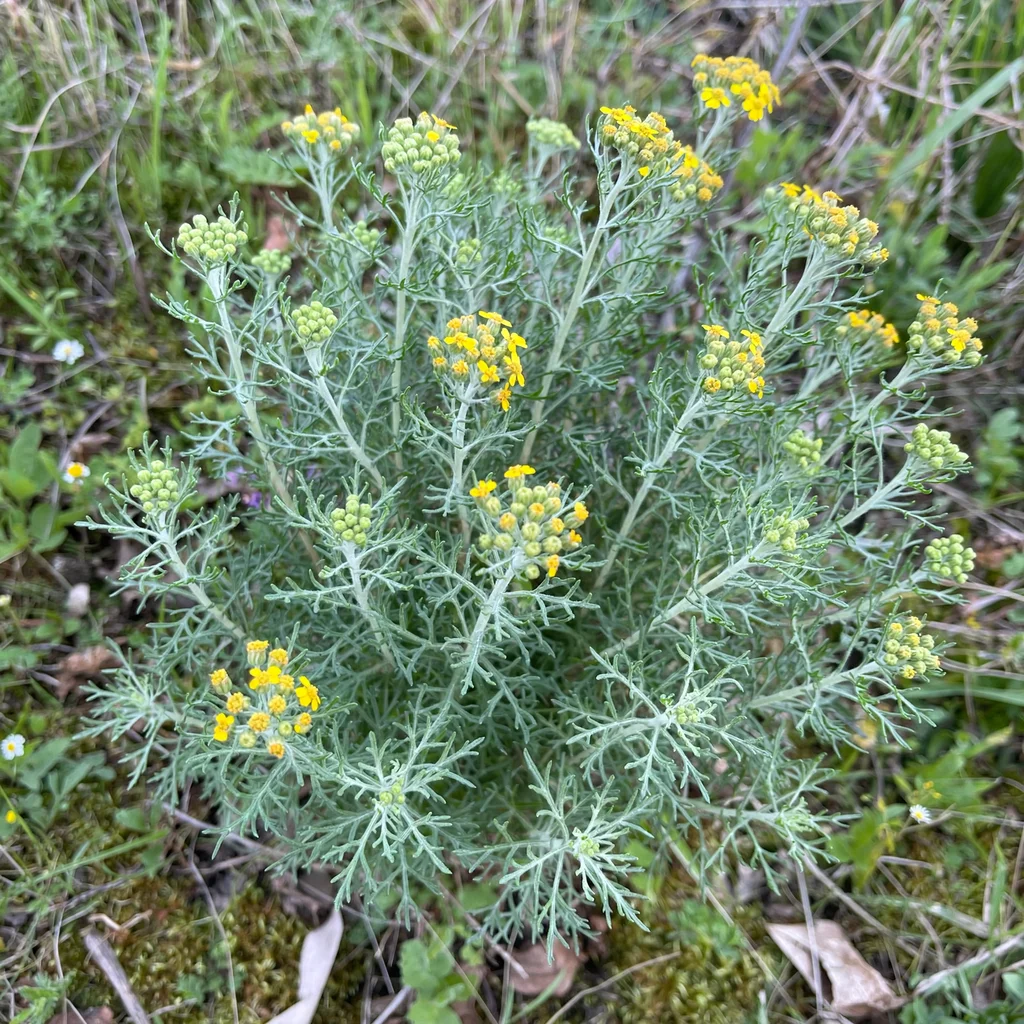
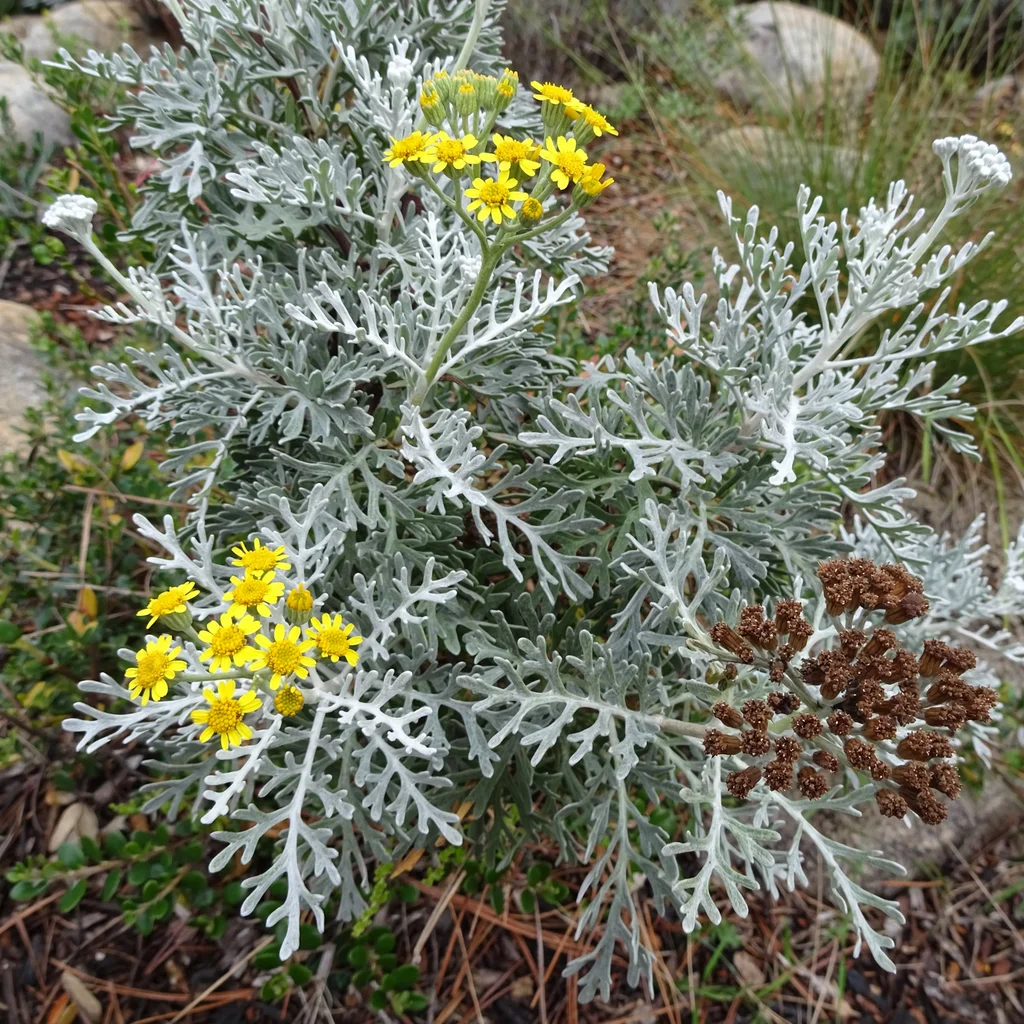
4 species of Eriophyllum
Each one is a parent of the varieties above.
Track your Eriophyllum in Sow
Save the Eriophyllum you grow and get care reminders timed to your zone.
How to grow Eriophyllum
Whats common across all Eriophyllum varieties in our catalog — drawn from the care records of the 4 most-grown of them.
The Eriophyllum year
- PruneAugust100% of varieties
Lightly shape outer leafy branches before spring growth begins.
- Check for PestsApril–June100% of varieties
Inspect new shoots for aphids and spider mites during dry weather.
- PropagateJune50% of varieties
Take semi-ripe softwood tip cuttings for rooting.
- PlantOctober and November50% of varieties
Plant container stock during autumn to settle roots with winter rainfall.
- Spring CleanupMarch50% of varieties
Remove winter-damaged shoots and clear leaf litter from the crown.


Do
- Plant in fast-draining gritty or sandy soil.
- Provide full sun to prevent stem elongation.
- Prune lightly in late winter or after summer flowering.
- Plant in lean, fast-draining soils with full solar exposure.
- Prune hard annually after flowering to maintain a dense, compact habit.
Avoid
- Do not irrigate established plants during warm summer months.
- Do not prune hard into leafless woody stems.
- Do not amend the soil with heavy compost or rich fertilizers.
- Do not irrigate established plants during hot summer months.
What goes wrong with Eriophyllum
| Problem | What you'll see | What to do |
|---|---|---|
| Aphids | Clusters of soft-bodied insects on tender spring growth causing minor leaf curling. | Knock off with a firm stream of water or allow natural beneficial predators to clear the population. |
| Spider mites | Fine webbing and stippled foliage during hot, dry dust conditions. | Rinse foliage occasionally with water to increase humidity around shoots. |
| Deer and Rabbit Browsing | Emerging spring foliage and young flower stalks clipped off cleanly. | Protect tender early spring growth with wire netting or suitable physical barriers. |
| Root rot | Yellowing leaves and sudden wilting caused by wet, waterlogged roots. | Ensure soil drains sharply and eliminate summer watering. |
| Phytophthora root rot | Wilting, foliage discoloration, and sudden plant collapse during warm weather. | Ensure sharp soil drainage and eliminate summer overhead irrigation. |
| Powdery mildew | White powdery coating on foliage under damp or shaded conditions. | Site in full sun and ensure good air movement between stems. |
Making more Eriophyllum
Stem cuttings
- Take 3 to 4 inch semi-ripe stem cuttings in late spring or early summer.
- Remove the lower leaves and dip the cut stem in rooting hormone.
- Insert into a medium of equal parts coarse sand and perlite.
- Keep slightly humid in bright, indirect light until roots establish.
Seed
- Sow ripe seeds on the surface of a sandy seed-starting mix in autumn.
- Press seeds lightly into the substrate without covering them deeply.
- Expose to cool winter temperatures outdoors for natural stratification.
- Germinate in early spring as temperatures warm, keeping substrate barely moist.
Eriophyllum questions
How many types of Eriophyllum are there?
The Sow catalog tracks 4 distinct Eriophyllum varieties. The most popular — ranked by 2 real gardeners — are shown first above.
What zones does Eriophyllum grow in?
Across its varieties, Eriophyllum covers USDA Zones 4–10. Individual varieties differ — each plant page lists its exact range, and Sow filters the catalog to your zone automatically.
When does Eriophyllum bloom?
Most Eriophyllum varieties bloom from spring to fall.
Which Eriophyllum should I choose?
Start from the most-saved varieties above — popularity across thousands of gardens is a strong signal of reliability — then filter by your zone and sun. In the Sow app you can preview any of them in a photo of your actual yard before you buy.