The Story
Plant Bio
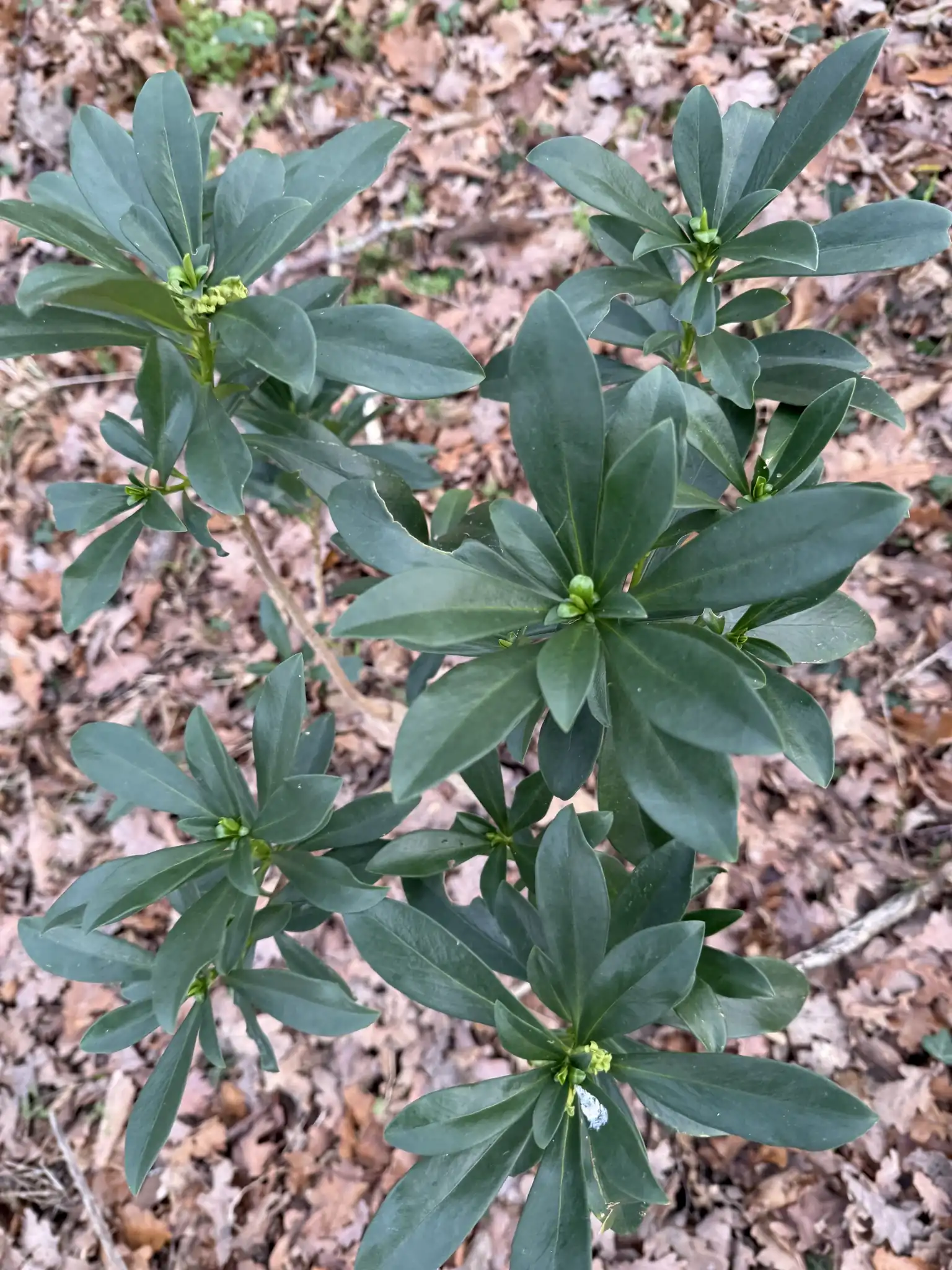
Daphne laureola, commonly known as spurge laurel, is an erect evergreen shrub reaching up to five feet in height, with thick leathery dark green leaves clustered near branch ends. Small, tubular, greenish-yellow flowers appear in axillary clusters beneath the leaf whorls from late winter into mid-spring.
The flowers are followed by ovoid drupes that ripen from green to glossy black and are eaten by songbirds. All parts of the plant contain high concentrations of mezerein and daphnetoxin, which cause severe poisoning if ingested and skin blistering on contact.
Uses & Benefits:
Essentials
At a Glance
Plant Type
Shrub
Height
59"
Width
59"
Light
Partial Sun, Shade
Zones
7, 8, 9
Water
Low to moderate
Humidity
Moderate
Lifespan
Perennial
Native To
Europe, North Africa, Azores
Toxicity
Severe (all parts toxic and skin-irritating)
Bloom period
Late winter – Mid spring
In flower about 3 months of the year
Planting
How to Grow
- Select a planting site in partial to deep shade with organic-rich, well-drained soil.
- Set the root ball level with the surrounding soil to prevent moisture accumulation around the trunk stem.
- Water regularly during establishment, taking care to avoid saturated soil conditions.
- Wear heavy gloves and long sleeves whenever handling or trimming the plant to protect skin from caustic sap.
Pro Tip
Cutting back into old leafless wood kills the stem, so limit pruning to light tip-cleaning of soft growth immediately after flowering.
Keep It Thriving
Care Guide
Do
- Plant in shaded woodland understoreys with free-draining soil.
- Wear protective gloves and long sleeves when handling foliage or stems.
- Allow the upper soil layer to dry between waterings once established.
Don't
- Do not prune hard into bare, old woody stems.
- Do not plant in poorly drained, waterlogged, or heavy compacted soils.
- Do not apply heavy synthetic granular fertilizers that scorch roots.
Seasonal Care Calendar
| Task | Jan | Feb | Mar | Apr | May | Jun | Jul | Aug | Sep | Oct | Nov | Dec |
|---|---|---|---|---|---|---|---|---|---|---|---|---|
| Fertilize | ||||||||||||
| Mulch | ||||||||||||
| Pest Check | ||||||||||||
| Prune |
Watch Out For
Pests & Diseases
Common Pests
Common Diseases
In the Garden
Landscape Uses & Companions
Landscape Uses
Companion Plants
Multiply
Propagation Methods
Good to Know
Common Questions
Spurge Laurel questions
What zones can Spurge Laurel grow in?
Spurge Laurel is hardy in USDA Zones 7–9: in that range it survives winter in the ground. Colder than Zone 7, grow it in a container you can move to shelter for the winter. Warmer than Zone 9, winter isn't the problem: it prefers colder winters, and summer heat can shorten its life.
Is Spurge Laurel deer resistant?
Yes — Spurge Laurel is rated deer-resistant. Deer typically pass it over, though extreme hunger can override any plant's defenses.
When does Spurge Laurel bloom?
Spurge Laurel typically blooms from late winter to mid-spring. Exact timing shifts a week or two with your zone — Sow's bloom calendar maps it to your garden.
Does Spurge Laurel need full sun?
Spurge Laurel does best in part shade.
Is Spurge Laurel drought tolerant?
Yes — once established (usually after the first full season), Spurge Laurel handles dry spells with minimal watering. Water deeply its first year to build the root system that makes that possible.
More Daphne to compare
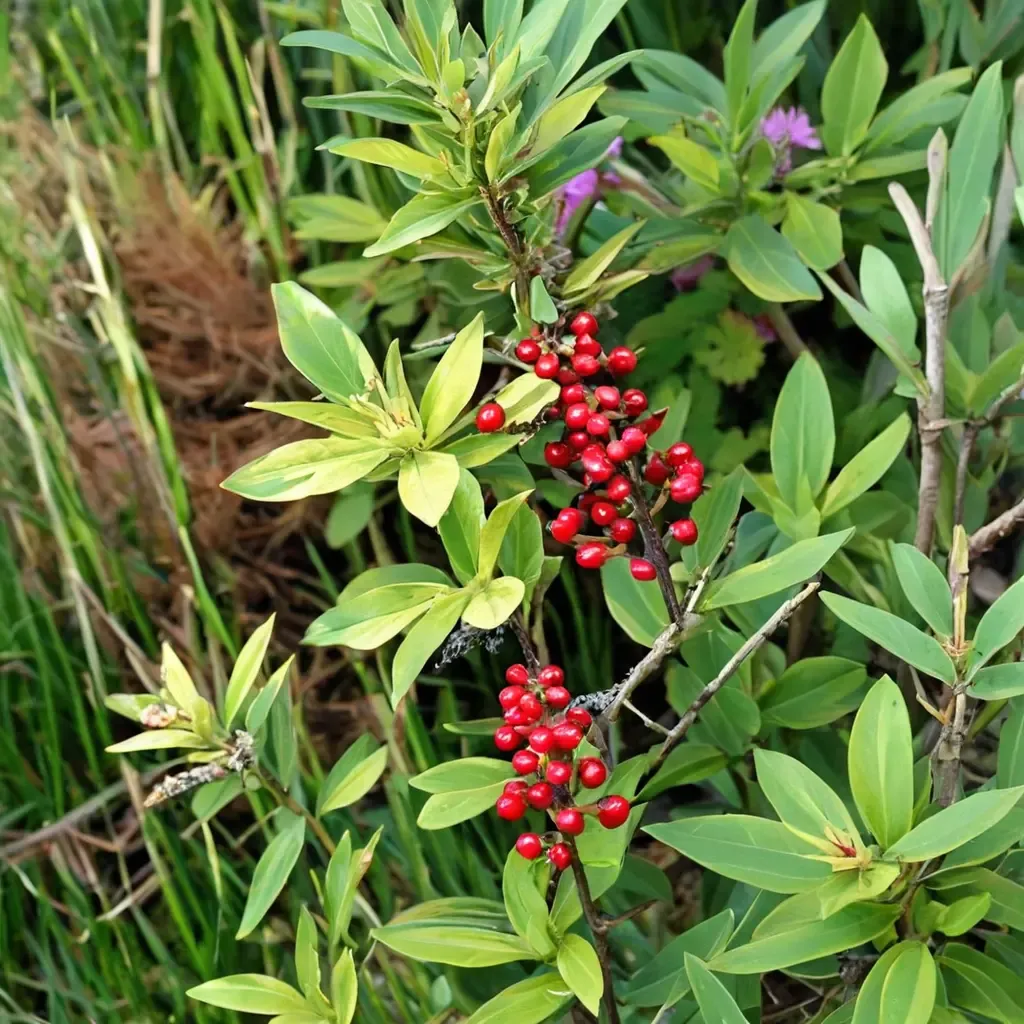
October February Daphne
Daphne mezereum 'October'
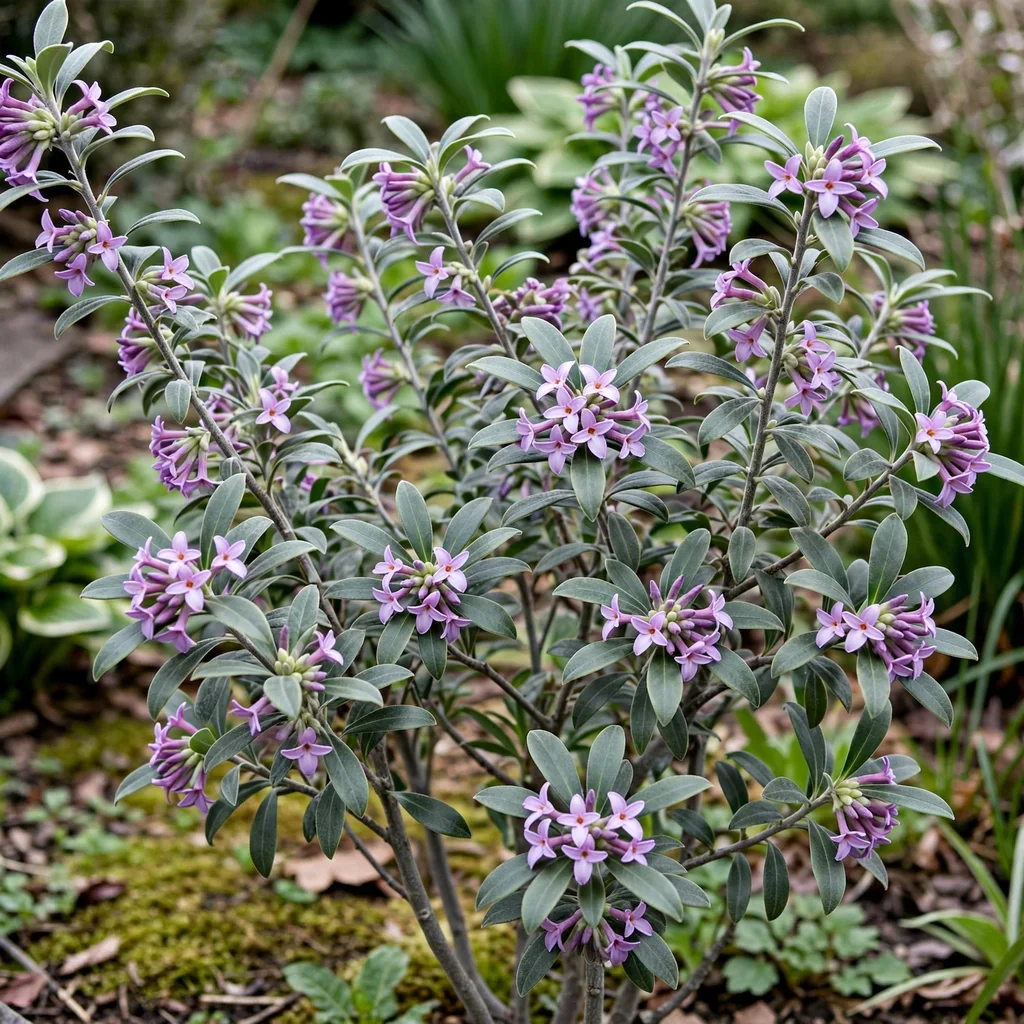
Gwen Daphne
Daphne genkwa
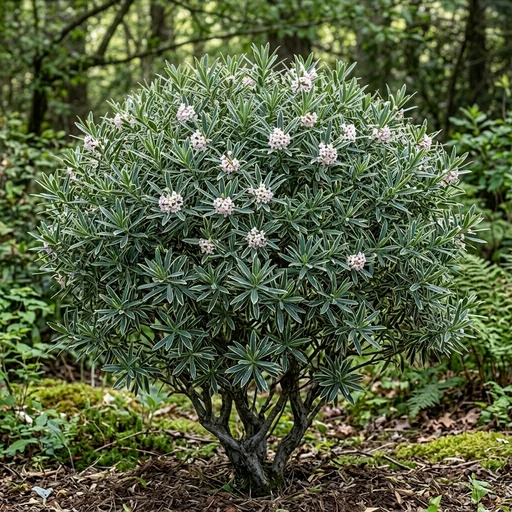
Carol Mackie Burkwood Daphne
Daphne burkwoodii 'Carol Mackie'
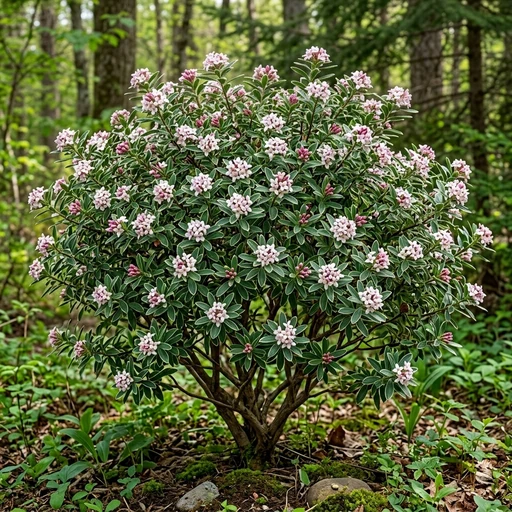
Eternal Fragrance Daphne
Daphne transatlantica 'Blafra'
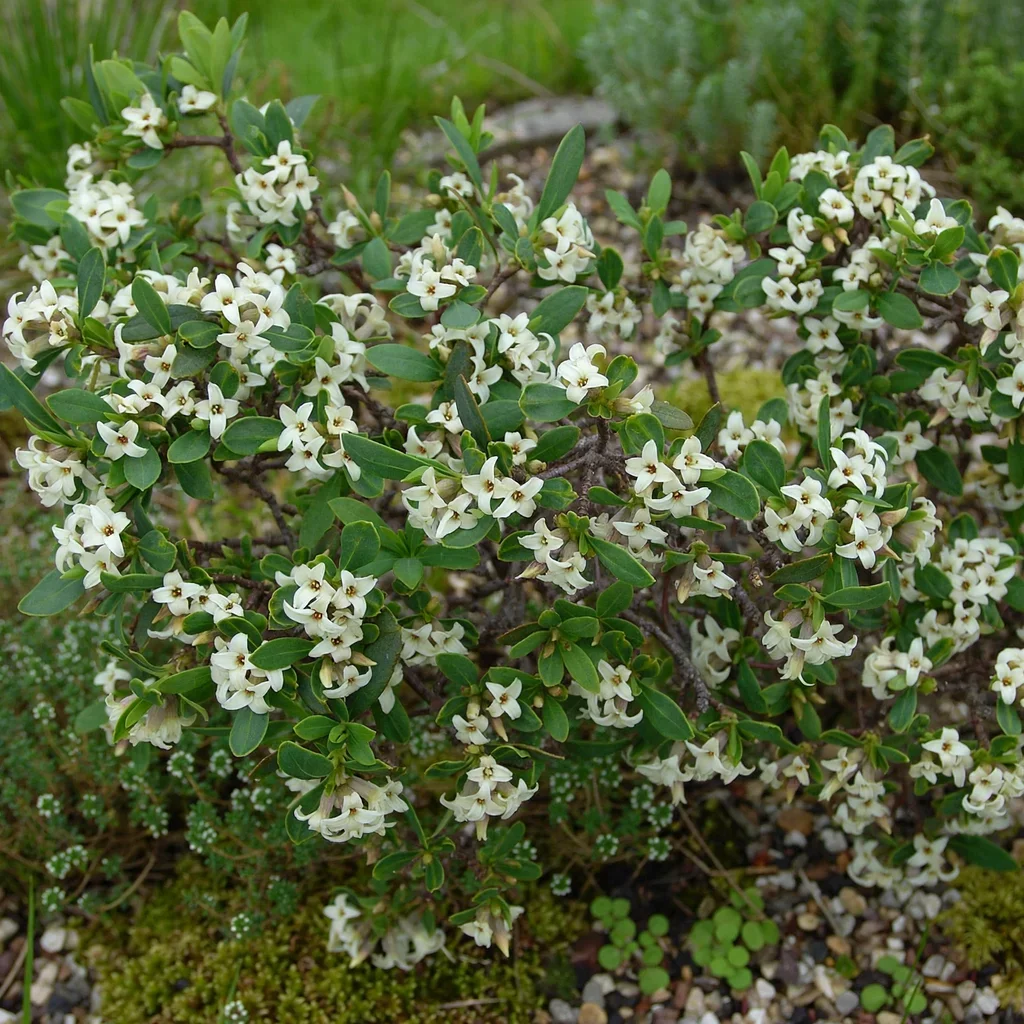
Sea Daphne
Daphne odora 'Marianni'
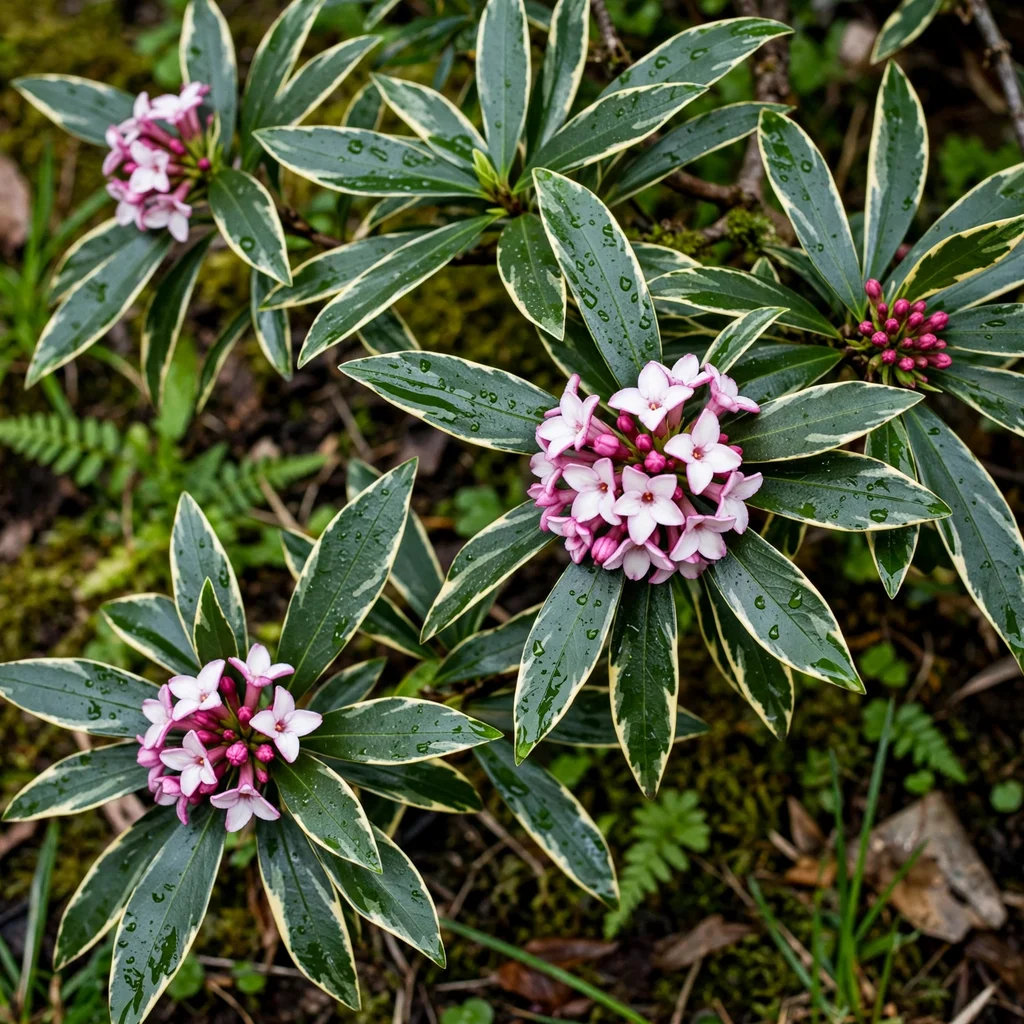
Winter Daphne
Daphne odora 'Aureomarginata'
Keep exploring
Explore the genus
Hardy in your zone?
Grow Spurge Laurel with confidence
See it in a design of your actual yard, get zone-matched care reminders, and track it season by season in your garden journal.